According to blockchain intelligence experts, two major Telegram channels banned in mid‐May have quietly reappeared under new names. The move shows how some crypto crime outfits can bounce back almost immediately. They use simple steps to keep trading, even after high‐profile bans.
Rebranding And Rapid Return
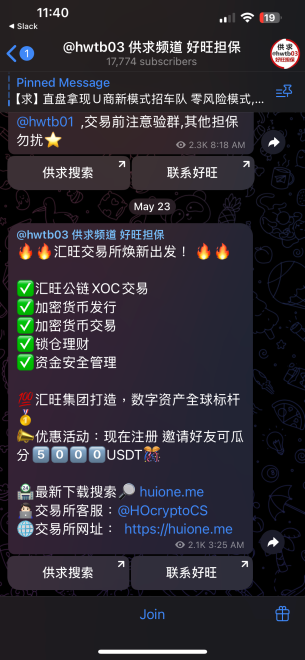
On May 13, Telegram shut down the Huione Guarantee and Xinbi Guarantee channels. Within days, though, both were active again under fresh handles.
Based on reports from TRM Labs, Huione Group still runs private “VIP” channels for select vendors. They even relaunched their crypto exchange, taking payments in their own USDH stablecoin. That meant the ban was only a small hurdle.
Huge Transaction Volumes
Huione wasn’t a tiny operation. It handled over $80 billion in crypto deals from 2021 to now. Xinbi managed over $8.4 billion in USDT trades since 2022. Those figures make them bigger than many darknet markets before they went under.
For perspective, Hydra, one of the largest underground markets at its peak, handled less volume before it collapsed in 2022. These markets move huge sums, and that draws more attention than smaller forums ever could.
Enforcement Steps And Limits
US regulators did take action. Just two weeks before the ban, the US Financial Crimes Enforcement Network listed Huione Group as a “primary money laundering concern.” On May 29, the Treasury’s Office of Foreign Assets Control added Funnull Technology to its sanctions list.
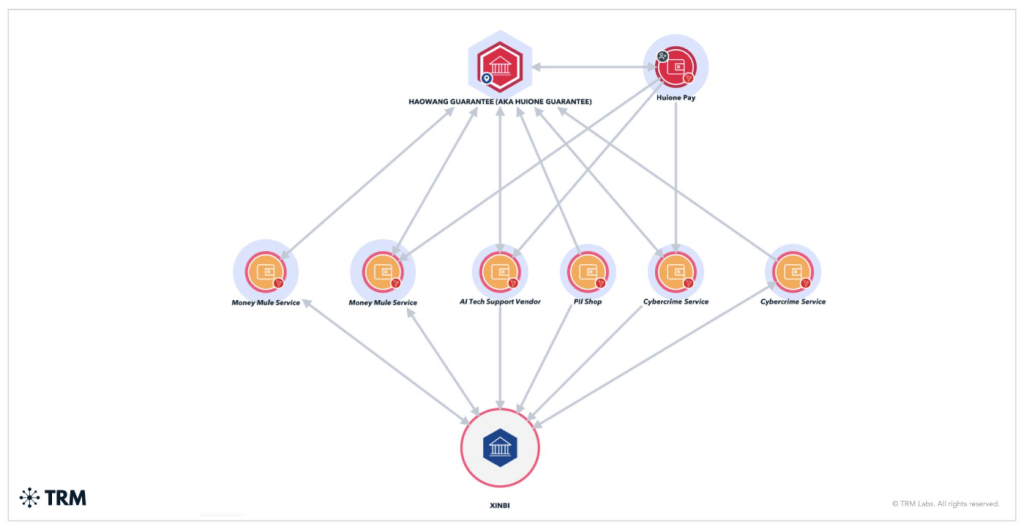
TRM’s Graph Visualizer showing Huione Pay and Huione Guarantee vendors using both HuiOne and Xinbi Guarantee Services
Funnull, based in the Philippines, was linked to Huione services. Yet, even these steps didn’t stop everything. One main Huione group saw membership fall from more than 800,000 to about 250,000, but it stayed open.
Xinbi’s team even teased a relaunch under the name “Xinbi 2.0,” and some users worried about a possible exit scam if the operators ran off with funds.
Shifting To New Venues
When Telegram blocked these channels, some vendors skipped over to Tudou Guarantee, a site back in 2024 by Huione. TRM Labs noted that Tudou’s user count jumped nearly 30% after the bans. Other operators are now eyeing platforms like ChatMe and SafeW.
These apps work like Telegram but don’t have the same kind of third‐party moderation. That leaves room for illicit trading. In other words, the networks don’t truly disappear—they just move to a new house.
Guarantee Market Model
These groups aren’t selling drugs or weapons directly. Instead, they act as an escrow service for illegal deals. Sellers post a security deposit. That deposit can be lost if they rip someone off.
Buyers pick services or goods—fake IDs, SIM cards, even surveillance tools. Bots help manage orders. All payments run through crypto, so it’s hard to track who’s who. This setup makes it easy for big fraud rings to buy exactly what they need.
Featured image from PeopleImages/Getty Images, chart from TradingView

Related Posts