SEC Rules Bitcoin Mining Activities Are Not Securities Under US Law

bitcoinistPublicado a 2025-03-21Actualizado a 2025-03-21

Resumen

The US Securities and Exchange Commission (SEC) has clarified its stance on proof-of-work (PoW) mining, ruling that Bitcoin (BTC) mining...

Trusted Editorial content, reviewed by leading industry experts and seasoned editors. Ad Disclosure

The US Securities and Exchange Commission (SEC) has clarified its stance on proof-of-work (PoW) mining, ruling that Bitcoin (BTC) mining activities do not fall under the definition of securities trading as per US law. 

This long-awaited statement provides essential clarity for crypto miners and the broader blockchain community, confirming that mining operations on public, permissionless networks are not subject to securities regulations.

A New Era For Bitcoin And Dogecoin Miners

The SEC’s decision is expected to have substantial implications for leading cryptocurrencies like Bitcoin and Dogecoin (DOGE), both of which rely on the PoW consensus mechanism to validate transactions and add new blocks to their respective blockchains.

In a statement issued on Thursday, the SEC’s Division of Corporation Finance addressed concerns regarding “Protocol Mining,” concluding that these activities do not involve the “offer and sale of securities” as defined under the Securities Act of 1933.

“It is the Division’s view that ‘Mining Activities’ do not involve the offer and sale of securities within the meaning of Section 2(a)(1) of the Securities Act and Section 3(a)(10) of the Securities Exchange Act of 1934,” the SEC noted. 

This determination means that individual miners and mining pools engaged in these activities are not required to register transactions with the Commission under the Securities Act, nor do they need to fall within any exemptions from registration.

Trump Era Regulations

The SEC’s ruling is particularly important for miners who invest significant resources into computational power and energy costs to secure blockchain networks. 

The decision allows both solo miners and mining pools—where several miners combine their resources to increase their chances of earning rewards—to continue their operations without the burden of regulatory uncertainty.

While the SEC did not specify particular blockchains in its statement, the ruling effectively applies to major PoW networks like Bitcoin and Dogecoin. 

The Commodity Futures Trading Commission (CFTC) has previously classified these assets as commodities rather than securities, further solidifying the regulatory landscape for these cryptocurrencies.

This clarification comes amidst a shift in the regulatory environment under US President Donald Trump, who has positioned himself as a pro-crypto leader. 

Trump’s administration has aimed to make the US a global hub for blockchain and digital assets, establishing the Council of Advisers on Digital Assets to develop industry-friendly regulations. 

The SEC’s confirmation that PoW mining does not constitute securities dealing may bolster confidence among investors and miners alike, signaling a move towards clearer and more favorable regulations in the cryptocurrency space.

Bitcoin
The daily chart shows Bitcoin’s price trending downwards. Source: BTCUSDT on TradingView.com

At the time of writing, Bitcoin trades at $83,875, recording losses of up to 13% in the monthly time frame. 

Featured image from Shutterstock chart from TradingView.com 

Editorial Process for bitcoinist is centered on delivering thoroughly researched, accurate, and unbiased content. We uphold strict sourcing standards, and each page undergoes diligent review by our team of top technology experts and seasoned editors. This process ensures the integrity, relevance, and value of our content for our readers.

Ronaldo is a seasoned crypto enthusiast with over four years of experience in the field. He is passionate about exploring the vast and dynamic world of decentralized finance (DeFi) and its practical applications for achieving economic sovereignty. Ronaldo is constantly seeking to expand his knowledge and expertise in the DeFi space, as he believes it holds tremendous potential for transforming the traditional financial landscape.

Lecturas Relacionadas

OUSD, que hizo caer un 17% a Circle en un día, se ve envuelto en polémica de marketing

Un nuevo stablecoin, Open USD (OUSD), anunciado por la empresa Open Standard, generó gran expectativa al prometer características como acuñación y canje gratuitos, participación en los rendimientos de los activos de reserva y gobernanza colaborativa. Su lanzamiento se vio impulsado por una lista de más de 140 supuestos socios, incluyendo grandes nombres como Western Union, Ripple y MetaMask. Este anuncio tuvo un impacto inmediato en el mercado, provocando una caída del 17.55% en las acciones de Circle, el emisor de USDC. Sin embargo, la credibilidad de la lista de socios fue rápidamente cuestionada. Medios coreanos informaron que empresas como Samsung Electronics y Dunamu (matriz de Upbit) negaron haber mantenido negociaciones formales o dado su consentimiento para figurar como miembros de la alianza. Otras, como Shinhan Financial Group, admitieron solo haber recibido una consulta preliminar. Críticos acusaron a Open Standard de emplear tácticas de marketing engañosas, presentando contactos exploratorios como acuerdos firmes para generar legitimidad por asociación. Ante la polémica, Jeremy Allaire, CEO de Circle, cuestionó públicamente la sostenibilidad a largo plazo del modelo de OUSD, argumentando que características como los costes cero podrían comprometer la inversión en la infraestructura crítica necesaria para un stablecoin. A pesar de las controversias, algunas empresas como Stripe y Coinbase confirmaron su apoyo e integración planificada de OUSD en sus plataformas. El incidente deja una primera impresión negativa para OUSD en un sector donde la confianza es fundamental.

Foresight NewsHace 38 min(s)

OUSD, que hizo caer un 17% a Circle en un día, se ve envuelto en polémica de marketing

Foresight NewsHace 38 min(s)

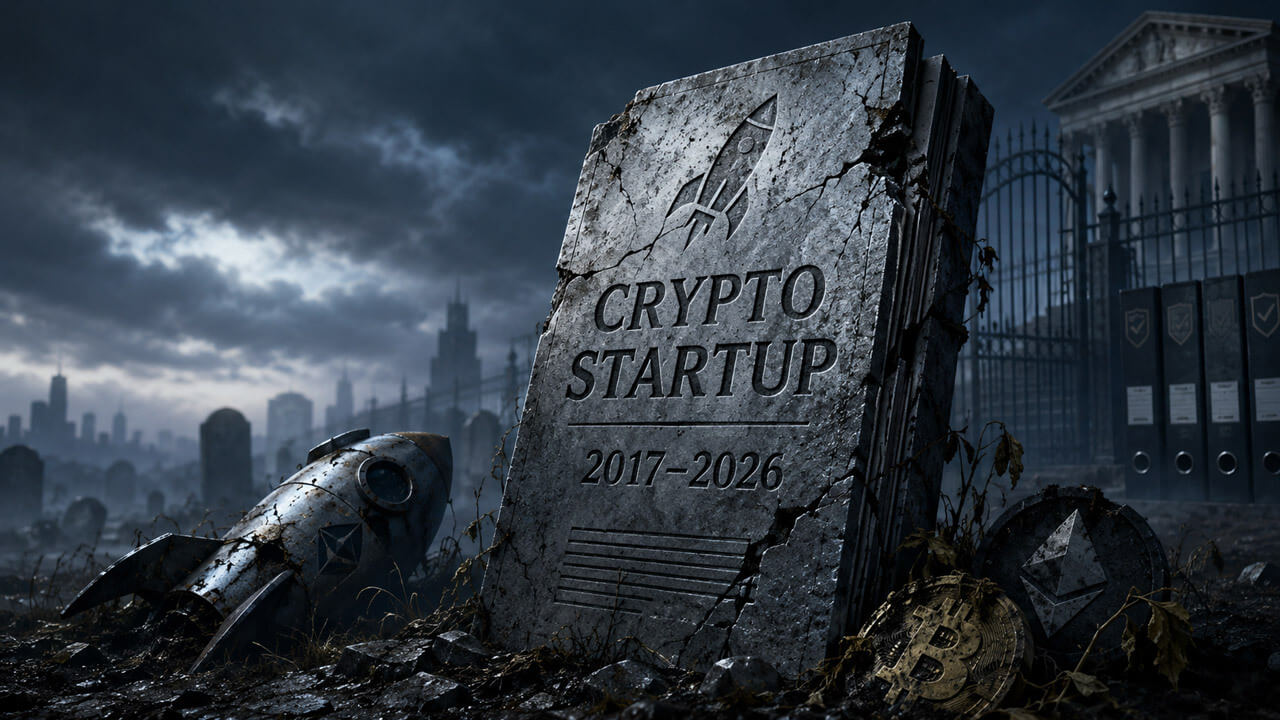
Una década de cambio: El camino hacia la desaparición de las startups cripto

De 2017 a 2026, la industria cripto ha pasado de una era de baja barrera de entrada y experimentación anónima a un entorno altamente regulado con costes de cumplimiento prohibitivos. Antes, un whitepaper y un repositorio de GitHub bastaban para lanzar una startup mediante una ICO. Hoy, operar en mercados regulados como EE.UU., la UE o Asia requiere equipos legales, canales bancarios, licencias (como BitLicense o MiCA) y una inversión inicial que puede superar el millón de dólares. La inversión de capital riesgo se ha concentrado en empresas maduras, dejando a las startups tempranas con menos financiación. Los datos muestran que en 2026, el 57% de la inversión se destinó a etapas tardías, mientras que las rondas iniciales apenas captaron un 5.2%. Las fusiones y adquisiciones se han disparado, permitiendo a los grandes actores (como Coinbase y Ripple) adquirir rápidamente licencias y canales de distribución. La innovación técnica ya no es el factor clave; ahora, las ventajas competitivas son las relaciones bancarias, las licencias y la confianza institucional. Esto eleva la calidad y seguridad del sector, atrayendo capital institucional, pero también crea una barrera alta para nuevos emprendedores sin recursos o contactos. La industria, nacida para desafiar los monopolios financieros, parece estar siguiendo la misma curva de consolidación y concentración de poder que otros sectores regulados antes que ella.

Foresight NewsHace 54 min(s)

Una década de cambio: El camino hacia la desaparición de las startups cripto

Foresight NewsHace 54 min(s)

Trading

Spot
活动图片