Mpeppe Presale Gains Support From Dogecoin & PlayDoge Investors, Tier 1 Listing Potential

bitcoinistPublicado a 2024-09-04Actualizado a 2024-09-04

Resumen

The cryptocurrency market is witnessing a shift as investors from established meme coins like Dogecoin (DOGE) and PlayDoge (PLAY) start...

The cryptocurrency market is witnessing a shift as investors from established meme coins like Dogecoin (DOGE) and PlayDoge (PLAY) start diversifying into newer, promising projects. Mpeppe (MPEPE), a meme coin that has quickly gained traction during its presale, is now capturing the attention of these investors, particularly with the potential of a Tier 1 exchange listing on the horizon. This article explores why Mpeppe is becoming the meme coin of choice for Dogecoin and PlayDoge investors and what the future holds for this rising star.

Mpeppe: The Presale Giant with Tier 1 Listing Potential

Mpeppe (MPEPE) has quickly become a presale sensation, attracting significant attention from investors across the crypto spectrum. The presale’s success, characterized by rapid fundraising and strong community engagement, has positioned Mpeppe as one of the most promising meme coins of 2024.

One of the key factors driving interest in Mpeppe is the potential for a Tier 1 exchange listing. Such a listing would not only provide Mpeppe with increased visibility and credibility but also offer its investors the liquidity and trading opportunities that come with being listed on a major exchange. The anticipation of this listing has only added to the frenzy surrounding Mpeppe’s presale, drawing in even more investors from established coins like Dogecoin and PlayDoge.

PlayDoge’s Strategic Market Shift

PlayDoge, with its focus on play-to-earn (P2E) gaming, has positioned itself as a strong competitor in the meme coin market. Its recent success in the presale and the subsequent 24% price surge post-launch indicate that PlayDoge is not just another meme coin but a project with real potential in the growing P2E sector.

However, the allure of Mpeppe’s presale has proven too strong to ignore for many PlayDoge investors. The promise of substantial returns and the excitement surrounding Mpeppe’s marketing and community initiatives have led some PlayDoge holders to diversify their investments. The shift indicates that while PlayDoge remains a viable investment, Mpeppe’s potential for explosive growth is too significant to overlook.

Dogecoin’s Enduring Appeal

Dogecoin has long been the poster child of meme coins, with its roots as a joke cryptocurrency transforming into a global phenomenon. Despite its initial lighthearted purpose, Dogecoin has amassed a large and loyal community, bolstered by endorsements from influential figures like Elon Musk. However, as the market evolves, Dogecoin faces the challenge of maintaining its dominance in a field that is increasingly crowded with innovative newcomers.

Dogecoin’s price has seen significant fluctuations, and while it has managed to hold its position as a top meme coin, the quest for higher returns has led some of its investors to explore other opportunities. This is where Mpeppe (MPEPE) comes into the picture.

Why Are Dogecoin and PlayDoge Investors Flocking to Mpeppe?

The migration of Dogecoin and PlayDoge investors to Mpeppe can be attributed to several factors. First, the potential for higher returns is a significant motivator. As Dogecoin and PlayDoge continue to face market challenges and price stagnation, Mpeppe offers a fresh opportunity for substantial gains, especially for those who get in early.

Second, Mpeppe’s marketing and community-building efforts have resonated with meme coin enthusiasts. The project has managed to create a buzz that rivals some of the biggest names in the meme coin space, drawing in investors who are looking for the next big thing.

Finally, the potential for a Tier 1 exchange listing has provided an additional layer of confidence for investors. A listing on a major exchange would not only validate Mpeppe’s credibility but also open the doors to a broader audience, further driving demand and potentially leading to significant price appreciation.

What’s in Store For Mpeppe, Dogecoin, and PlayDoge?

As Mpeppe (MPEPE) prepares for its official launch and potential Tier 1 listing, the future looks bright for this shining star. The support from Dogecoin and PlayDoge investors indicates a strong belief in Mpeppe’s potential to become a major player in the meme coin market.

For Dogecoin, the challenge will be to maintain its relevance in an increasingly competitive market. While it still enjoys a strong community and widespread recognition, the rise of coins like Mpeppe highlights the need for Dogecoin to innovate and adapt.

PlayDoge, with its focus on P2E gaming, continues to offer a unique value proposition. However, the shift of some of its investors to Mpeppe suggests that even the most promising projects must continuously evolve to retain investor interest.

In conclusion, Mpeppe’s presale success and the growing support from Dogecoin and PlayDoge investors signal a bright future for this new meme coin. As the market awaits Mpeppe’s official launch and potential Tier 1 listing, all eyes will be on this project to see if it can live up to the hype and deliver on its promise of substantial returns.

For more information on the Mpeppe (MPEPPE) Presale: 

Visit Mpeppe (MPEPPE)

Join and become a community member: 

https://t.me/mpeppecoin

https://x.com/mpeppecommunity?s=11&t=hQv3guBuxfglZI-0YOTGuQ


Bitcoinist

Bitcoinist

Bitcoinist is the ultimate news and review site for the crypto currency community!

Lecturas Relacionadas

Diálogo con el fundador de 42 Macro: La "rana hervida a fuego lento" de la Fed y la economía en K

Fuente: "Anthony Pompliano" Organizado por: Felix, PANews En el podcast "Anthony Pompliano", Darius Dale, fundador de 42 Macro, analizó la política monetaria de la Fed, la economía en forma de K y la inflación. Calificó al nuevo presidente de la Fed, Kevin Warsh, como un "halcón con apariencia de paloma", quien posiblemente endurezca la política monetaria en los próximos trimestres para luego poder relajarla. Dale destacó que las expectativas de inflación no predicen resultados futuros; los verdaderos impulsores son factores monetarios y políticos, como el gasto deficitario y la monetización de deuda. Señaló que la Fed no alcanzará su objetivo del 2% de inflación y que su estrategia es una "cocción lenta" (financial repression) para evitar problemas de estabilidad. Sobre la economía en forma de K, explicó que mientras las familias en la parte superior poseen unos 12 billones de dólares en efectivo y consumen intensamente, las de la parte inferior enfrentan tasas de morosidad récord en créditos. Advirtió que quienes no inviertan en activos quedarán rezagados debido al "efecto Cantillón", que transfiere riqueza a los primeros receptores del dinero nuevo. Respecto al mercado bursátil, mencionó que los inversores están trasladando capital de las "siete grandes" tecnológicas hacia empresas más amplias de IA, pero alertó sobre el riesgo de burbuja en los gastos de capital. Finalmente, compartió su experiencia personal sobre la división económica y social, subrayando que todas las personas, independientemente de su origen, buscan dignidad y seguridad para sus familias.

marsbitHace 34 min(s)

Diálogo con el fundador de 42 Macro: La "rana hervida a fuego lento" de la Fed y la economía en K

marsbitHace 34 min(s)

Los ocho padres del Transformer, ¿dónde están ahora?

Ocho investigadores de Google Brain revolucionaron la IA en 2017 con el artículo “Attention Is All You Need”, presentando la arquitectura Transformer. Nueve años después, los ocho autores originales han dejado Google, trazando caminos divergentes en la industria. Noam Shazeer, cofundador de Character.AI y clave en el mecanismo de atención, regresó brevemente a Google DeepMind antes de unirse recientemente a OpenAI. Ashish Vaswani, co-diseñador del modelo, fundó Essential AI, aunque hay rumores de que su equipo podría integrarse en Nvidia. Niki Parmar, después de cofundar Adept AI y Essential AI, ahora trabaja en Anthropic. Jakob Uszkoreit, quien propuso la idea central, fundó Inceptive, aplicando la IA al diseño de moléculas de ARN. Llion Jones, tras una larga carrera en Google, cofundó Sakana AI en Tokio, explorando modelos colaborativos inspirados en la naturaleza. Aidan N. Gomez, el más joven del grupo, fundó Cohere, centrada en soluciones empresariales de IA. Łukasz Kaiser, con un trasfondo teórico, es investigador clave en OpenAI, contribuyendo a modelos como GPT-4 y o1. Illia Polosukhin, co-diseñador del Transformer, es cofundador del protocolo blockchain NEAR. A pesar de sus trayectorias distintas —desde biotecnología y blockchain hasta laboratorios de IA—, comparten una creencia: Transformer no es el punto final. Siguen explorando activamente la próxima arquitectura que supere claramente al actual pilar de la IA moderna.

marsbitHace 36 min(s)

Los ocho padres del Transformer, ¿dónde están ahora?

marsbitHace 36 min(s)

Respuesta nacional al cálculo espacial: usar fotones es más eficiente, Musk y Huang Renxun dan demasiadas vueltas

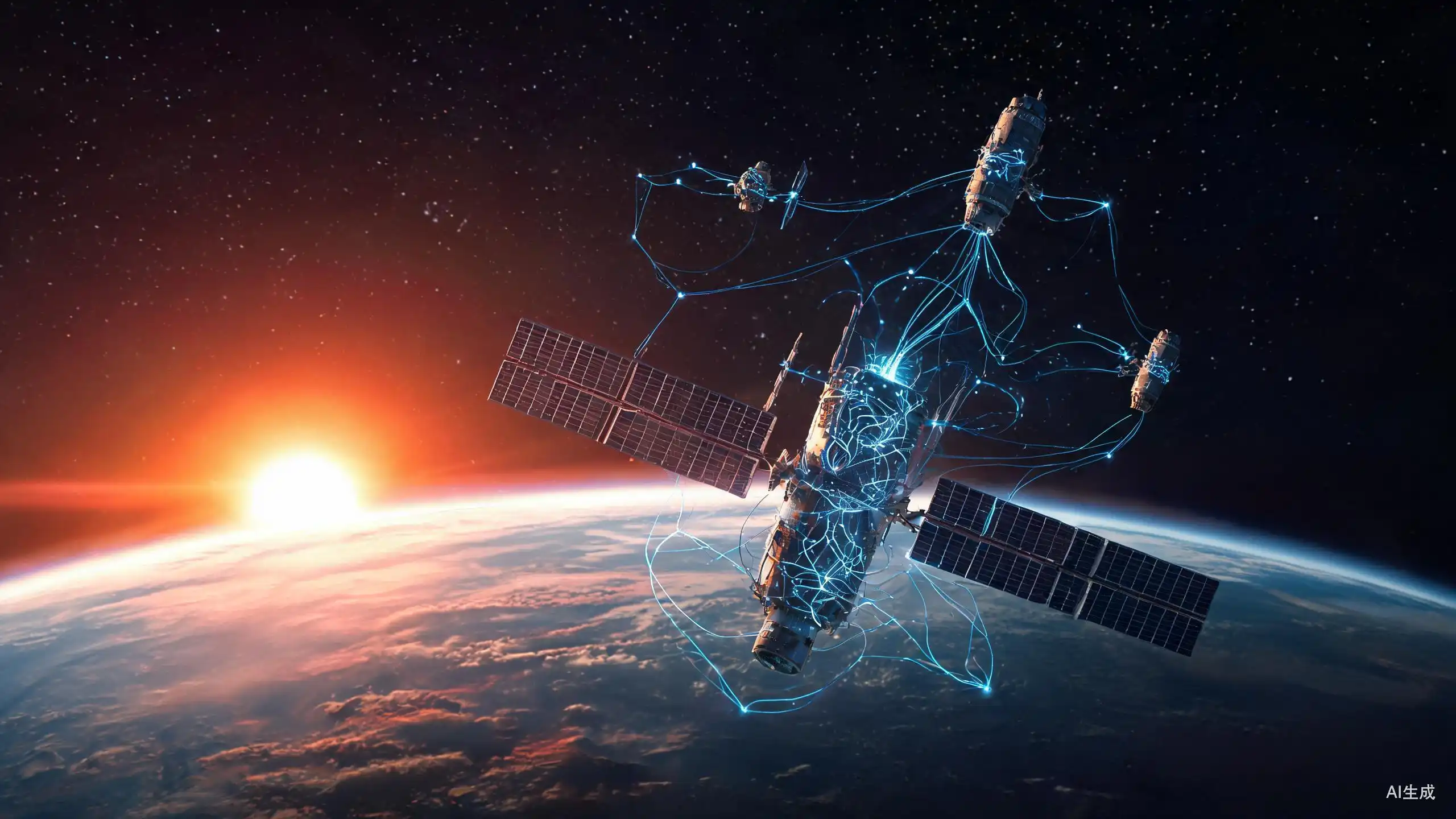
La carrera por la computación espacial se ha convertido en una verdadera competencia de armamentos tecnológicos. Figuras como Elon Musk y Jensen Huang han destacado el potencial de la inteligencia artificial y la computación en órbita. Sin embargo, los desafíos en el espacio son extremos: radiación cósmica, disipación de calor en el vacío y limitaciones energéticas severas. Aquí es donde la computación fotónica, que utiliza fotones en lugar de electrones, emerge como una solución prometedora. Sus ventajas son clave para el entorno espacial: es inherentemente resistente a la radiación, genera muy poco calor y consume menos energía. Esto permite empaquetar más potencia de cálculo en un satélite con el mismo peso y recursos, superando las limitaciones de los chips electrónicos tradicionales. Aunque la tecnología fotónica para IA, especialmente en tareas de inferencia, aún debe superar retos de integración y estabilidad mecánica para los lanzamientos espaciales, su trayectoria es distinta. No depende de la miniaturización extrema de los transistores, sino de escalar el uso de propiedades de la luz como la longitud de onda. En una carrera donde la computación electrónica se acerca a límites físicos, la vía "óptica" podría ser la carta decisiva para desplegar de forma eficiente y sostenible la capacidad de cálculo en el espacio.

marsbitHace 1 hora(s)

Respuesta nacional al cálculo espacial: usar fotones es más eficiente, Musk y Huang Renxun dan demasiadas vueltas

marsbitHace 1 hora(s)

Trading

Spot
活动图片