Good morning. Here’s what’s happening:
Prices: Ether continued its ascent following last week's Shanghai upgrade on the Ethereum blockchain, reaching an 11-month high.
Insights: Sufficiently decentralized ownership and control would prevent any single party from dictating AI development, CoinDesk Chief Content Officer Michael Casey writes.
__________________________________________________________________________________________
For months traders speculated whether the ether (ETH) price would crash following the Ethereum blockchain's milestone Shanghai upgrade, or if it would rally.
Now we know: Ether's price took off after last week's first-ever enabling of crypto withdrawals from the blockchain's staking mechanism, blowing past $2,000 on fresh enthusiasm that the success of the upgrade could lead to a surge in growth and investor interest.
And it's kept rising, gaining on four of the past five days, and hitting a fresh 11-month high on Sunday around $2,141.
The ETH price is now up 77% year-to-date, still trailing the bitcoin (BTC) price gain of 83% in 2023, but catching up fast.
"The market's pessimism regarding Ethereum staking withdrawals proved excessive," as Sean Farrell, head of digital asset strategy at FundStrat, put it last week.
Insights
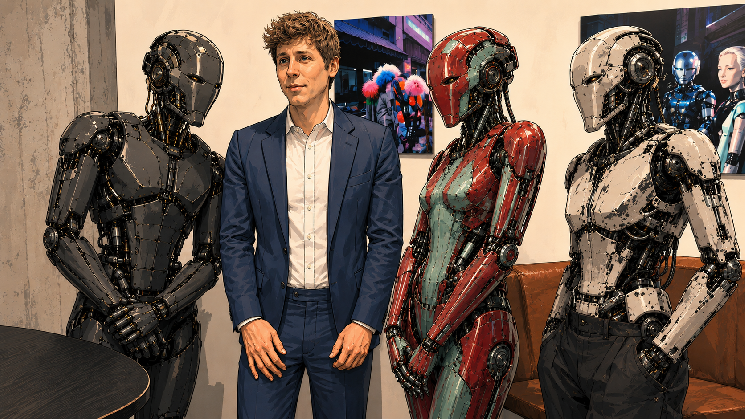
Web2’s Lesson for AI: Decentralize to Protect Humanity
This is going to sound presumptuous coming from a guy who doesn’t write code, let alone have any direct experience in machine learning or artificial intelligence research.
But I gotta say it: The recent alarmist demand for a six-month pause or even a militarily enforced shutdown in AI research – from people with experience, money and influence in the artificial intelligence industry – is founded on some fundamentally flawed thinking that will encourage the same destructive outcome for humanity that we seek to avoid. That the U.S. government is simultaneously orchestrating a crackdown on the crypto industry, a field of open-source innovation that develops the kind of cryptography and network coordination technologies needed to manage AI threats, makes this an especially dangerous moment for all of us.
These doomsayers are computer scientists, not students of economic history. The issue is not, in and of itself, that an out-of-control AI could evolve to kill us all. (We all know that. For decades, Hollywood has taught us that it is so.) No, the task is to ensure that the economics of AI don’t intrinsically encourage that horrific result. We must prevent concentrated control of the inputs and outputs of AI machines from hindering our capacity to act together in the common interest. We need collective, collaborative software development that creates a computational antidote to these dystopian nightmares.
You’re reading Money Reimagined, a weekly look at the technological, economic and social events and trends that are redefining our relationship with money and transforming the global financial system. Subscribe to get the full newsletter here.
The answer does not lie in shutting down AI innovation and locking ChatGPT creator OpenAI, the industry leader that has taken the field to its current level of development, into pole position. On the contrary, that’s the best way to ensure the nightmare comes true.