# Vaults Related Articles

HTX News Center provides the latest articles and in-depth analysis on "Vaults", covering market trends, project updates, tech developments, and regulatory policies in the crypto industry.

Dialogue with Bitwise: Institutions See the Current Moment as a Good Entry Point for Bitcoin, Requiring a Clear Roadmap to Address Quantum Attacks

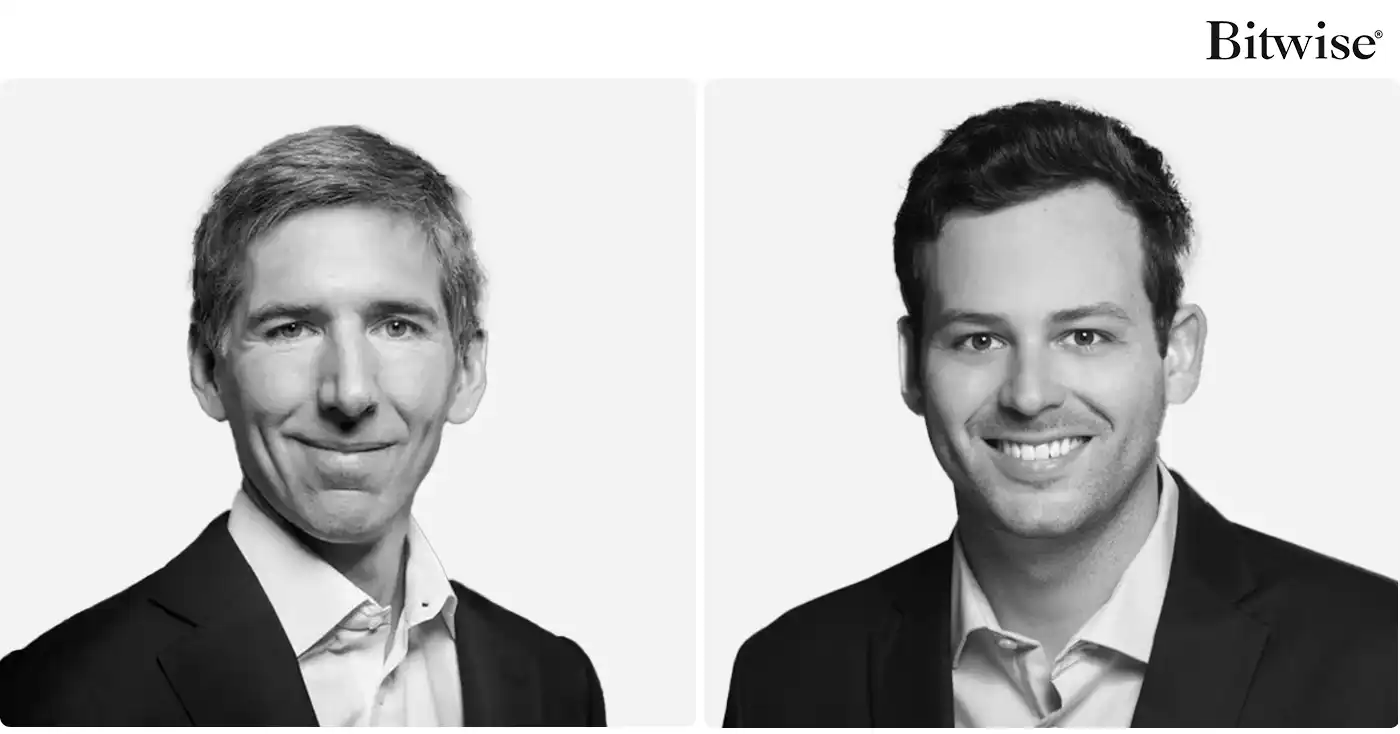
Bitwise CIO Matt Hougan and research lead Ryan Rasmussen discuss key catalysts that could drive Bitcoin to $95,000 by 2026. They highlight three main factors: improved macro and geopolitical stability, clearer regulatory frameworks (including the potential passage of the Clarity Act), and strong institutional demand—evidenced by over $1 billion in Bitcoin ETF inflows despite recent market uncertainty. A significant point of discussion is the rising concern around quantum computing threats to Bitcoin. Matt emphasizes the need for a clear mitigation roadmap to reassure long-term investors, particularly the "OG" crypto community, whose confidence has been affected. Both note that institutional investors view current prices as an attractive entry point and are making strategic long-term investments. The conversation also covers structural shifts in crypto, such as the growing institutional adoption of vaults (a more efficient form of asset management than ETFs), tokenization, and stablecoins. They observe a disconnect between crypto-native traders, who are emotionally reactive to price swings, and institutional or AI-focused builders, who are optimistic about blockchain’s foundational technology. Finally, they discuss the emerging importance of prediction markets (e.g., Polymarket and Kalshi), which provide more accurate real-time economic forecasts than traditional sources and offer new tools for portfolio hedging and risk management.

marsbit04/10 07:45
Dialogue with Bitwise: Institutions See the Current Moment as a Good Entry Point for Bitcoin, Requiring a Clear Roadmap to Address Quantum Attacks

marsbit04/10 07:45

The Boundaries and Channels of Finance: The New Pricing Logic of Global Markets

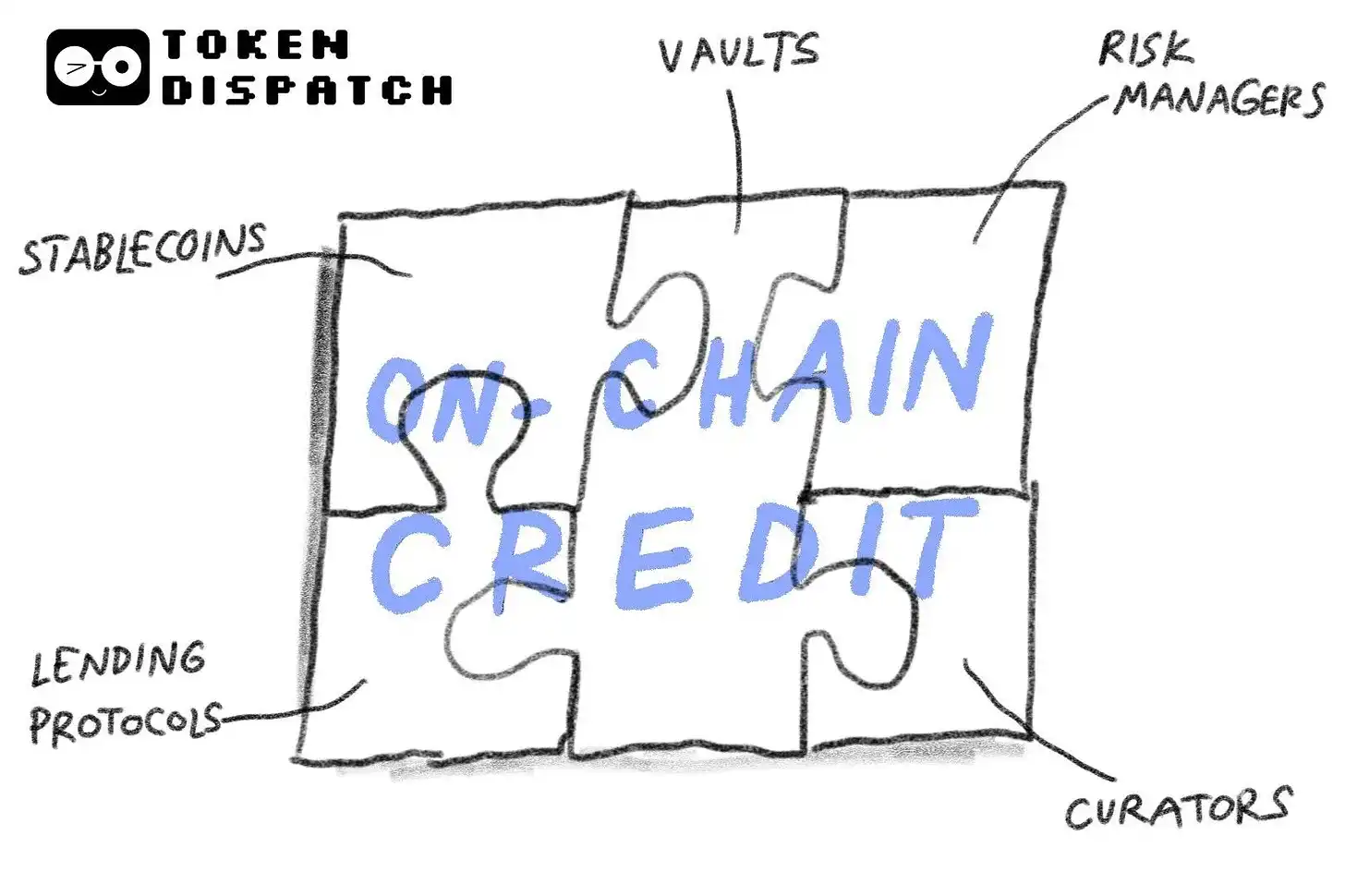
The article "Financial Boundaries and Channels: The New Pricing Logic of Global Markets" explores the evolving relationship between traditional finance and decentralized finance (DeFi), focusing on the growing interest of asset management giants like BlackRock and Apollo in on-chain vaults and RWA (Real World Assets). It argues that while DeFi has adopted USDT/USDC as de facto standards due to their scale, this reliance on U.S. Treasury-backed stablecoins means DeFi is subject to external monetary policies without reciprocal influence. The piece highlights the absence of a native DeFi risk-free rate and examines past attempts, like algorithmic stablecoins, which failed to challenge this dominance. The author suggests that vaults and curators may become central to a new financial architecture, facilitating global capital flow and efficiency. However, these structures currently lack mechanisms for asset price inflation and face risks from code vulnerabilities and governance issues. The future may lie in broker-like channels that enhance capital fluidity beyond centralized exchanges, potentially leading to a more integrated and efficient global market system. Ultimately, the article concludes that while DeFi infrastructure matures, the real innovation opportunity resides in creating channels that enable seamless, scalable capital interaction, moving beyond traditional token economics.

比推03/11 06:44

The Boundaries and Channels of Finance: The New Pricing Logic of Global Markets

比推03/11 06:44

The Limits of Finance, The Channel Value of Global Markets

This article explores the evolving relationship between traditional finance and decentralized finance (DeFi), focusing on the growing institutional interest in on-chain vaults and real-world assets (RWA). While major asset managers like BlackRock and Apollo are investing heavily in DeFi tokens, the sector faces challenges, including liquidity crises and structural limitations. A central theme is the absence of a native DeFi risk-free interest rate. Despite multiple attempts—from algorithmic stablecoins to liquidity staking tokens—DeFi has largely adopted USDT and USDC for their scale, effectively making U.S. Treasury bonds the de facto benchmark. However, this dependency creates vulnerability, as DeFi cannot interact bidirectionally with traditional finance. The article argues that the next phase of DeFi will revolve around vaults—on-chain repositories that aggregate assets and yield. These vaults, managed by "curators," aim to offer fixed-rate products and credit systems but currently lack mechanisms for asset price inflation and clear risk management. The piece concludes that while vaults and curators are gaining traction, the true innovation lies in creating efficient "channels" or broker-like systems that enhance global capital flow. These could eventually replace centralized exchanges as the primary liquidity hubs, enabling a more integrated and efficient financial system without relying on traditional tokenomics.

marsbit03/10 13:23

The Limits of Finance, The Channel Value of Global Markets

marsbit03/10 13:23

活动图片