# Bonds Related Articles

HTX News Center provides the latest articles and in-depth analysis on "Bonds", covering market trends, project updates, tech developments, and regulatory policies in the crypto industry.

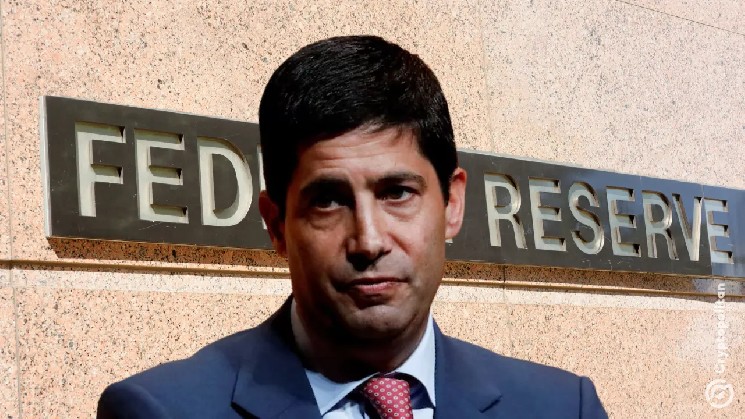
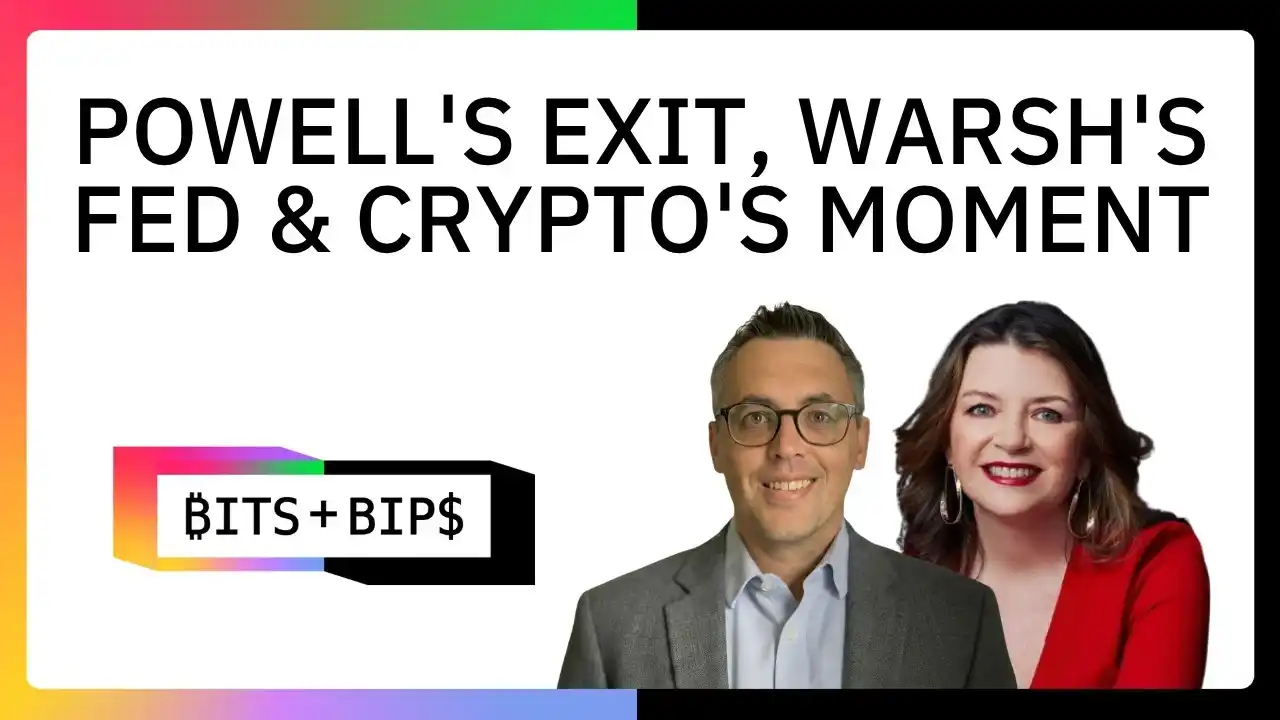
Senior Analyst Dialogue: What Powell's Departure and Warsh's Appointment Mean for Crypto?

The podcast episode "Powell Is Out, Warsh Is In: What It Means for Crypto" features an analysis by Noelle Acheson on the macro-economic landscape and its implications for crypto. Key discussion points include: * **Equity-Bond Divergence:** Acheson highlights a significant and growing disconnect between stock and bond markets. While bond yields rise globally, signaling tighter financial conditions, equities are driven by AI-related hype and speculation, reminiscent of the 1999 dot-com bubble. * **'Bliss Trade' and Systemic Fragility:** The discussion explores the concept of a structural, cross-party government expectation to provide fiscal support ("Bliss Trade"), which underpins risk asset valuations and carries its own systemic vulnerabilities. * **Inflation Outlook:** Acheson argues that inflation is not meaningfully declining, citing core CPI stagnation and attributing the trend to de-globalization, tariffs, and geopolitical tensions like the Strait of Hormuz crisis. * **Powell's Legacy:** Powell's tenure receives mixed marks. While his defense of Fed independence is noted, he is also criticized for overseeing the "de-banking" of crypto firms in 2023 and initially misjudging inflation. * **Outlook for Warsh:** Expectations for the incoming Fed Chair, Kevin Warsh, are measured. While he may aim to reduce Fed balance sheet size and forward guidance, market realities and the FOMC will likely constrain his ability to enact significant policy shifts, particularly rate cuts. * **Crypto as a Macro Asset:** Bitcoin's role is framed as a hedge against currency debasement, benefiting from expectations of monetary stimulus. However, its maturation as a macro asset means it now competes with other high-volatility investments like AI stocks, potentially limiting near-term price catalysts. * **Market Structure & Tokenization:** The potential Clarity Act is seen as more beneficial for assets like Ethereum than Bitcoin, which already has relative regulatory clarity. Concerns are raised about "innovation exemptions" for tokenization if they enable third-party derivatives that encourage pure speculation over capital formation. In conclusion, the analysis suggests crypto markets lack a near-term positive catalyst and are caught between competing macro narratives, with significant underlying fragilities in traditional markets.

marsbit21h ago

Senior Analyst Dialogue: What Powell's Departure and Warsh's Appointment Mean for Crypto?

marsbit21h ago

Global Long-Term Bonds Break Down: The Fiscal Illusion of the Low-Interest Era is Collapsing

Global long-term bonds are experiencing a widespread breakdown, as the fiscal illusion of the low-interest-rate era collapses. Sovereign yields are hitting multi-year highs in the US, UK, Japan, and France, signaling a market repricing driven by a common reality: unsustainable debt and deficits outpacing economic growth, compounded by renewed inflationary pressures from energy shocks. The direct trigger is the blockade of the Strait of Hormuz, which has pushed oil prices higher and reignited inflation fears. This squeezes central bank policy space, with expectations shifting from future rate cuts to potential hikes. The core "fiscal Ponzi scheme" is becoming evident—governments rely on new debt to service existing obligations, but as growth lags and borrowing costs rise, investors demand higher yields. Key developments include the US 30-year yield surpassing 5% for the first time since 2007, with tepid auction demand; Japan's 30-year yield reaching 4%, threatening its long-standing low-rate financial system; and political paralysis in the UK and France making meaningful fiscal consolidation unlikely. The marginal buyer for US debt is also shifting from foreign central banks to more price-sensitive private investors. While debt managers may adjust issuance, fundamental drivers—deteriorating fiscal paths, persistent inflation, and constrained central banks—remain. The market is conclusively repricing the end of the low-interest-rate financing model for highly indebted developed economies.

marsbit05/19 09:01

Global Long-Term Bonds Break Down: The Fiscal Illusion of the Low-Interest Era is Collapsing

marsbit05/19 09:01

Money Has Gone to Bonds and IPOs, Leaving Only HYPE Rising in Crypto

The article "Where Has All the Money Gone? Bonds and IPOs Are Soaring, While Crypto Only Sees HYPE Rising" analyzes the recent underperformance of major cryptocurrencies like Bitcoin and Ethereum compared to traditional financial markets. It identifies three primary factors diverting capital away from crypto: First, surging bond yields, with the 30-year U.S. Treasury hitting a near 20-year high of 5.12%, are attracting capital seeking safe, predictable returns. This is evidenced by Bitcoin spot ETFs experiencing a significant $10.39 billion net outflow in mid-May. Second, a massive $4 trillion IPO pipeline, highlighted by SpaceX's upcoming listing, is absorbing risk capital that might otherwise flow into crypto. Platforms like Hyperliquid are even channeling on-chain crypto liquidity into pre-IPO trading for traditional stocks. Third, uncertainty surrounds new Federal Reserve Chair Warsh's ability to deliver expected interest rate cuts this year due to conflicting political pressures and stubborn inflation expectations, potentially eliminating a hoped-for source of new market liquidity. Consequently, while traditional equities and bonds rally, the crypto market's post-leverage crash recovery is stalled. The notable exception is assets like Hyperliquid (HYPE), which is rising due to its role in facilitating traditional asset trading, underscoring a market divergence where only crypto projects with novel, cross-market narratives are gaining. The article concludes that Bitcoin's next major catalyst may be the August enactment of the CLARITY Act, but warns of a potential retest of the $70,000 support level before then.

marsbit05/19 06:47

Money Has Gone to Bonds and IPOs, Leaving Only HYPE Rising in Crypto

marsbit05/19 06:47

Borrowing Money from a Hundred Years Later, Building Incomprehensible AI

Tech giants like Alphabet, Amazon, Meta, and Microsoft are undergoing a radical financial transformation due to AI. Their traditional "light-asset, high-free-cash-flow" model is being dismantled by staggering capital expenditures on AI infrastructure—data centers, GPUs, and power. Combined 2026 guidance exceeds $700 billion, a 4.5x increase from 2022, causing free cash flow to plummet (e.g., Amazon's fell 95%). To fund this, they are borrowing unprecedented sums through long-dated, multi-currency bonds (e.g., Alphabet's 100-year bond). The world's most conservative capital—pensions, insurers—is now funding Silicon Valley's most speculative bet. This shift makes these companies resemble heavy-asset industrials (railroads, utilities) rather than software firms, threatening their premium valuations. Historically, such infrastructure booms (railroads, fiber optics) followed a pattern: genuine technology, overbuilding fueled by competitive frenzy, aggressive debt financing, and a crash triggered by financial conditions—not technology failure. The infrastructure remained, but many original builders and financiers did not survive. The core gamble is a "time arbitrage": using cheap debt today to build scale and lock in customers before AI capabilities commoditize. They are betting that AI revenue will materialize before debt comes due. Their positions vary: Amazon is under immediate cash pressure; Meta's path to monetization is unclear; Alphabet has a robust core business buffer; Microsoft has the shortest path from infrastructure to revenue. The contract is set: the most risk-averse global capital has lent its time to Silicon Valley, awaiting a future that is promised but uncertain.

marsbit05/12 06:12

Borrowing Money from a Hundred Years Later, Building Incomprehensible AI

marsbit05/12 06:12

Franklin Templeton's Latest Research: How to Understand RWA Tokenization

Franklin Templeton's research explores the rapid growth and structural evolution of real-world asset (RWA) tokenization, which has expanded from $5 billion in 2023 to over $25 billion by early 2026. This surge is driven by clearer regulations and greater trust in blockchain technology. RWA tokenization covers assets like stocks, bonds, commodities, and real estate, distinguishing them from native cryptocurrencies. The market saw a turning point as tokenization expanded from government bonds to equities, with early movers like Robinhood, Kraken, and Ondo launching tokenized stock offerings. Traditional institutions, including DTCC, NYSE, and Nasdaq, have since announced significant tokenization initiatives, signaling a major shift in securities processing. The article identifies three tokenization models: 1. **Digital Native Tokens**: Direct ownership of the underlying asset with on-chain settlement (e.g., Franklin Templeton’s money market fund). 2. **Synthetic Asset Tokens**: Indirect economic exposure via special purpose vehicles, allowing broader DeFi utility but limited investor rights. 3. **Digital Mirror Tokens**: Tokenized receipts of off-chain assets, with legacy settlement systems and restricted transferability. Synthetic tokens are permissionless, requiring only KYT checks, while digital native and mirror tokens require full KYC/AML compliance. Each model offers distinct advantages in transparency, utility, and efficiency compared to traditional systems. Tokenization is driving convergence between crypto and traditional finance, with wallets emerging as a universal financial interface.

marsbit04/14 11:35

Franklin Templeton's Latest Research: How to Understand RWA Tokenization

marsbit04/14 11:35

Overseas Funds Accelerate Withdrawal, U.S. Bonds Face Largest Selling Pressure in Six Years

Overseas official investors are accelerating their withdrawal from U.S. Treasuries, with foreign official accounts at the New York Fed shedding $75 billion over the past four weeks—the largest monthly decline since the COVID-19 pandemic hit in March 2020. According to Deutsche Bank research, this implies net sales of approximately $60 billion, marking the most significant sell-off since the pandemic began. The sell-off is particularly concentrated in the mid-term segment of the yield curve, contributing to recent rapid yield rises. Unlike in March 2023, the drawdown was not offset by increased use of the Fed’s FIMA repo facility, indicating outright sales or non-reinvestment of maturing securities. The drop in custody holdings aligns with observed FX intervention by Asian central banks and a broader slowdown in foreign purchases of dollar assets. Historical correlation suggests custody data explains about 50% of the variation in official net flows reported in TIC data. Deutsche Bank warns that sustained foreign selling could erode the “convenience yield” advantage enjoyed by U.S. debt due to its reserve currency status. Estimates suggest the 10-year yield may be suppressed by 90–100 basis points due to dollar dominance. A continued retreat of foreign demand could push long-term yields significantly higher, increasing refinancing costs and affecting global financial conditions.

marsbit03/25 02:59

Overseas Funds Accelerate Withdrawal, U.S. Bonds Face Largest Selling Pressure in Six Years

marsbit03/25 02:59

活动图片