China's 'Bio DeepSeek' Emerges: 4 Oxford Prodigies Let AI Take Over Life Science

marsbitPublished on 2026-08-04Last updated on 2026-08-04

Abstract

China's 'Biology DeepSeek' Emerges: Four Oxford Alumni Aim to Let AI Take Over Life Sciences Following DeepSeek-V4-Flash's global impact, a Chinese counterpart for life sciences has arrived. Jindu Bio, founded by four Oxford University alumni, has developed GeneLLM, a multi-omics large language model. Published in top journals *Nature Communications* and *Advanced Science*, GeneLLM is the first model pre-trained directly on raw omics data, aiming to understand the "language" and "system" of life. GeneLLM treats the four RNA bases (A, U, G, C) as fundamental tokens, learning from raw sequencing data without relying on pre-defined annotations. It uses a Transformer architecture to predict the next base, processing trillions of RNA reads. With versions ranging from 1.5 billion to 30 billion parameters, it achieves high accuracy in disease prediction with significantly lower-cost, shallow-depth sequencing, making precision medicine more accessible. Beyond the model, Jindu Bio is building BioFord Harness, an infrastructure to connect AI with physical labs. This system translates scientific intent into executable commands for various lab equipment, manages scheduling, and creates a data feedback loop. Its platform features five collaborative AI agents for literature review, experimental design, scientific reasoning, lab scheduling, and data analysis, drastically speeding up research cycles. Crucially, it turns all experimental data—including failures—into valuable learning mater...

Just as DeepSeek-V4-Flash's official release shook the global general-purpose large model community, China's life science version of DeepSeek followed closely behind.

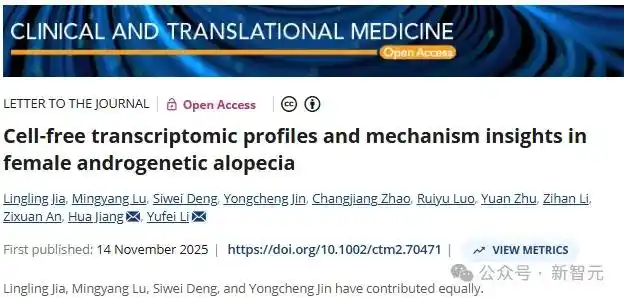
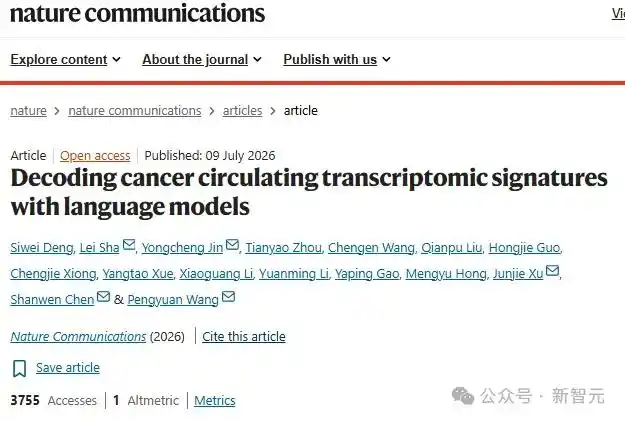
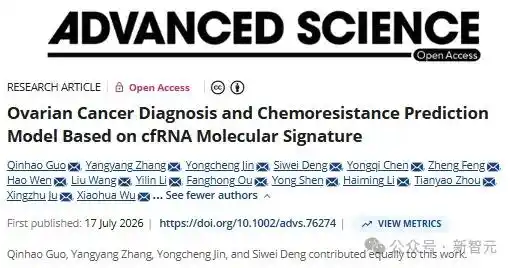
Recently, GeneLLM, a life science vertical multi-omics large model independently developed by Kindu Biology (founded by 4 Oxford University returnees), has been successively published in top-tier international academic journals – Nature Communications and Advanced Science.

As the world's first multi-omics large model pre-trained directly on raw omics data, GeneLLM is another heavyweight model following Google's AlphaFold and Stanford's EVO 2, filling the gap in China's life science foundational large models. It can be called China's life science version of DeepSeek, allowing AI to begin understanding the multiple 'languages' and the entire 'system' of life.
Predicting the Next Piece of Life Information Like Predicting the Next Token

Disease recognition is just one application scenario for GeneLLM. What Kindu Biology truly aims to do is build the "Claude Code" for the life science field.

The core of large language models like ChatGPT, Claude, and DeepSeek is next-token prediction.

GeneLLM adopts a similar approach, but what it predicts is not text, but life information.

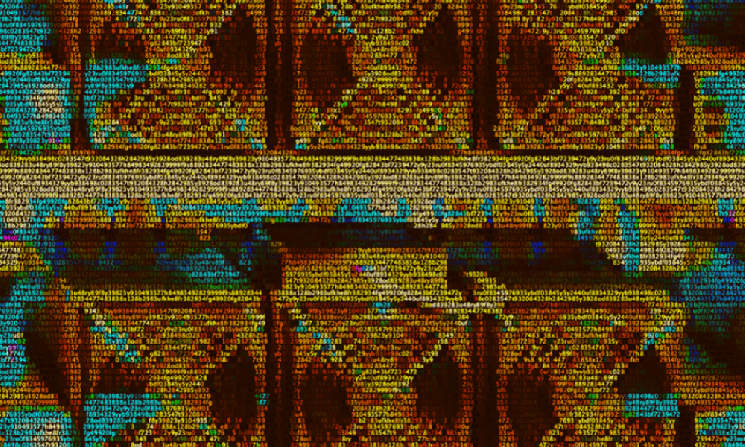
The four bases in RNA sequences – Adenine (A), Uracil (U), Guanine (G), and Cytosine (C) – become the basic tokens for GeneLLM to understand the language of life.

Traditional bioinformatics analysis typically relies on gene annotation, sequence alignment, and manually defined labels. While accurate, this method prematurely limits the model's cognitive scope and may lose vast amounts of unknown biological signals hidden in raw data.

GeneLLM, however, charts a different path, learning life's patterns directly from unprocessed raw sequencing data.

It uses multi-omics raw data such as RNA-seq, proteomics, and metabolomics as training data, allowing the model to autonomously discover disease-related patterns.

Currently, GeneLLM has completed pre-training of a 1.5 billion parameter model with 3.5 trillion base sequences, and the XLarge version has achieved pre-training of a 30 billion parameter model, continuously expanding the technological barrier.

As the world's first multi-omics large model pre-trained on raw sequencing data, GeneLLM includes two main stages:

(1) Unsupervised Pre-training & Prototype Discovery

(2) Patient-level Disease Fine-tuning (Disease Tuning)
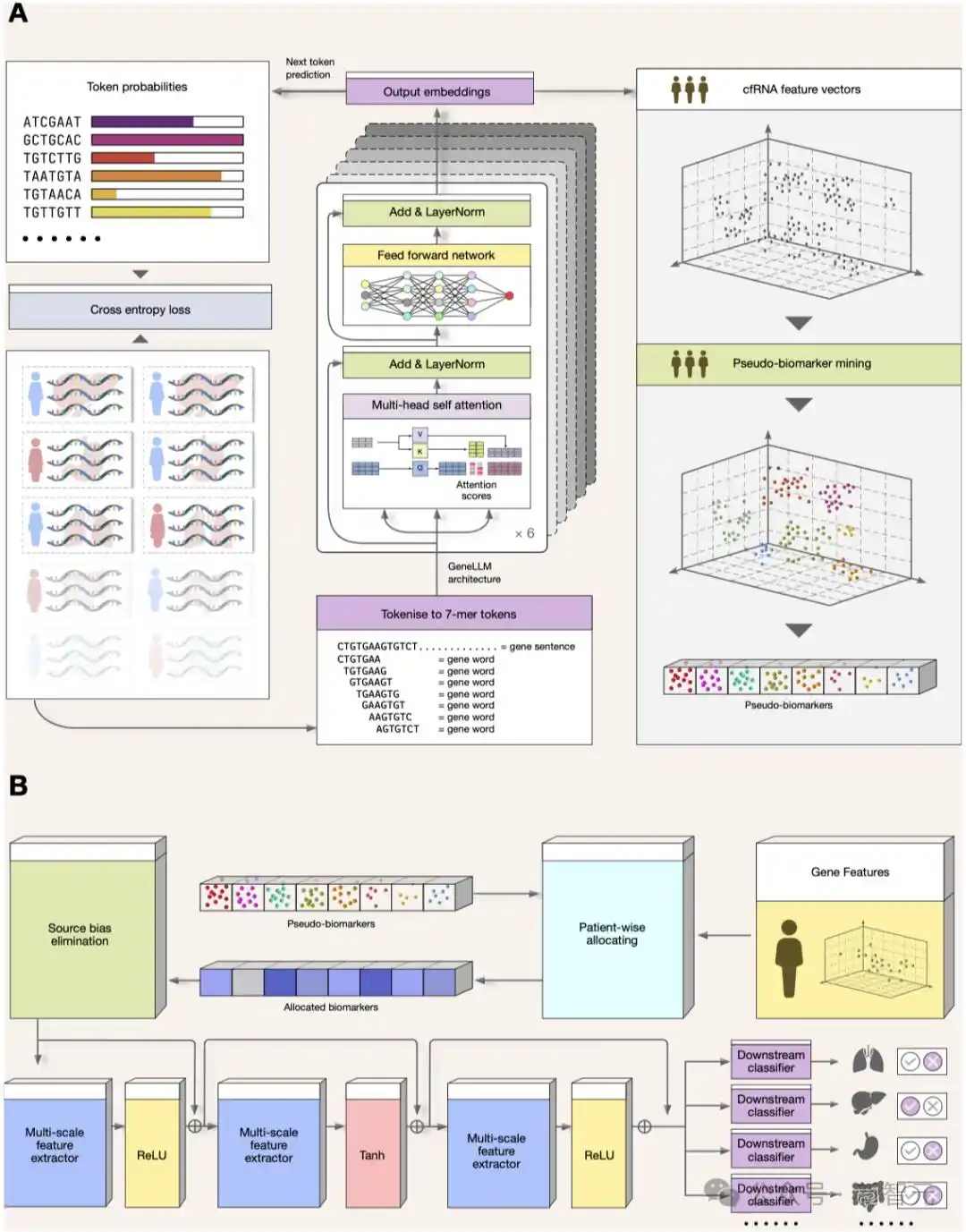
GeneLLM first needs to solve a problem:

How to transform complex life data into a language AI can understand?

In natural language processing, the BPE algorithm splits sentences into Tokens; GeneLLM, however, splits RNA sequencing fragments of about 150bp length into life Tokens using a sliding window of 7 bases (7-mer).

Subsequently, the model utilizes the Transformer architecture to directly predict the next base without gene annotation or human labels.

This means the AI is not first consulting a human-compiled "dictionary," but learning directly from the raw signals of life.

During training, GeneLLM processed approximately tens of trillions of RNA reads, trained on a hundred-card cluster of NVIDIA A100 GPUs.

At this point, GeneLLM's generalization and other capabilities began to "emerge."

As a major innovative breakthrough in the life science field, this domestically produced life science model, GeneLLM, can be applied to various fields including new drug R&D, precision medicine, synthetic biology, environmental monitoring, microbiology & bio-agriculture, and protein & molecule design. It is one of the few large models globally that has achieved real-world scenario deployment.
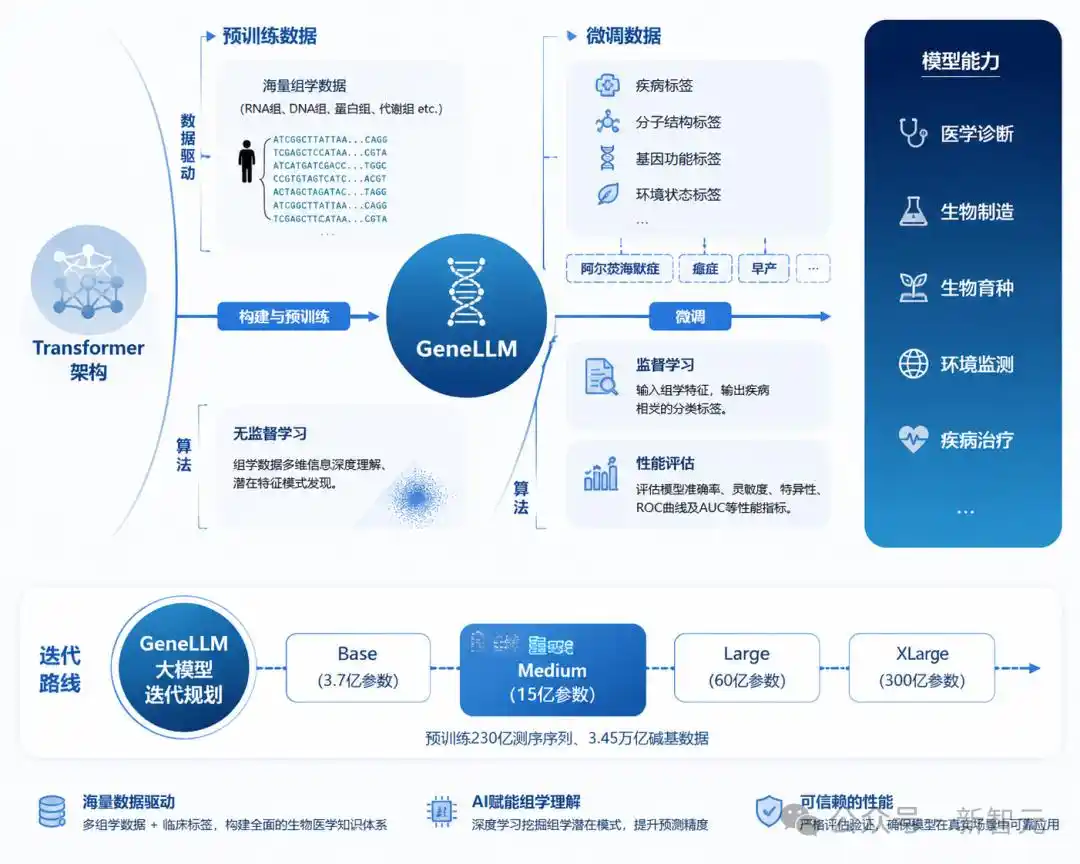
Only after examining the underlying innovations of GeneLLM in "data, architecture, training," can we truly understand: why it represents China's "Bio Version of DeepSeek."

Silicon Valley stacks tens of thousands of H100s for trillion-parameter models, DeepSeek improves computing efficiency through algorithmic innovation, and GeneLLM similarly moves massive life science data with a deft touch.

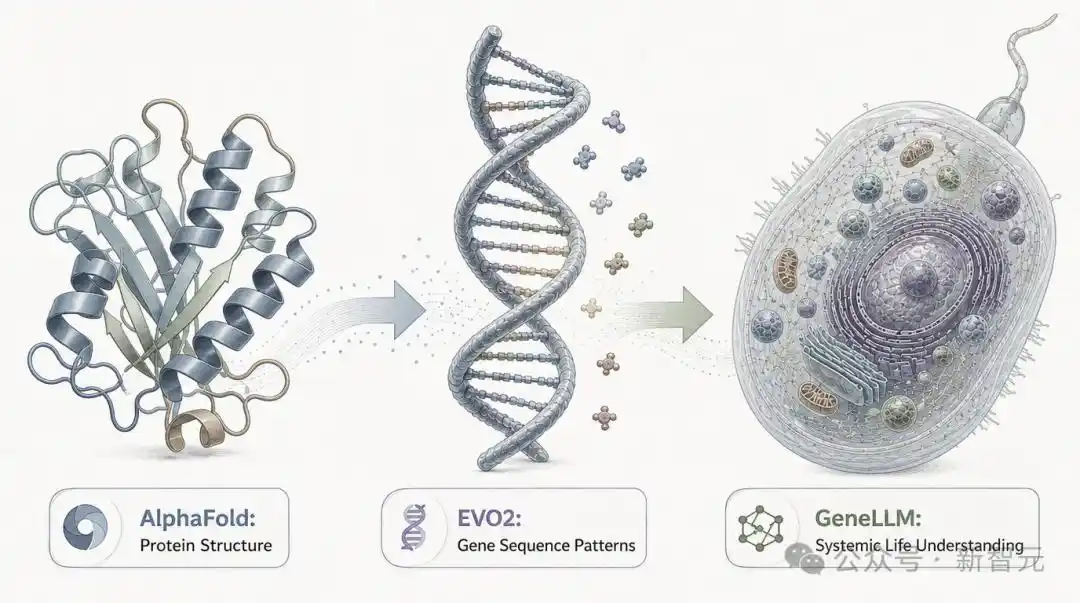
If AlphaFold allowed AI to see life's "structure" for the first time, and EVO2 allowed AI to begin understanding life's "code," then GeneLLM attempts to further understand life's "system."
What's more remarkable is efficiency. Traditional methods rely on 6Gb deep sequencing, with high costs making deployment difficult. GeneLLM maintains AUC > 0.8 even at an extremely shallow depth of 1Gb (cost reduced by 83%).

This truly holds the promise of making affordable precision medicine a reality.

A new research paradigm begins to emerge: letting AI learn from life data, bringing life science into a new stage of predictable, computable, and scalable exploration.

Not Just a Model, but the "Last Mile" Intelligent Infrastructure

But Kindu Biology's strategy extends beyond the foundational model.

Using the GeneLLM multi-omics large model as the life cognition base, Kindu Biology further constructs an execution system connecting AI intelligence with the physical world. Through the Harness intelligent experiment execution layer and the DBTL (Design-Build-Test-Learn) data feedback loop, it achieves a complete AI for Science closed loop—from understanding life patterns and generating scientific hypotheses, to automated experimental validation and continuous iterative optimization.

As Liam Fedus, former OpenAI VP and head of post-training, said, current LLMs have exhausted the limited text and code on the internet. The next major advance in scientific discovery must rely on experimental iteration.
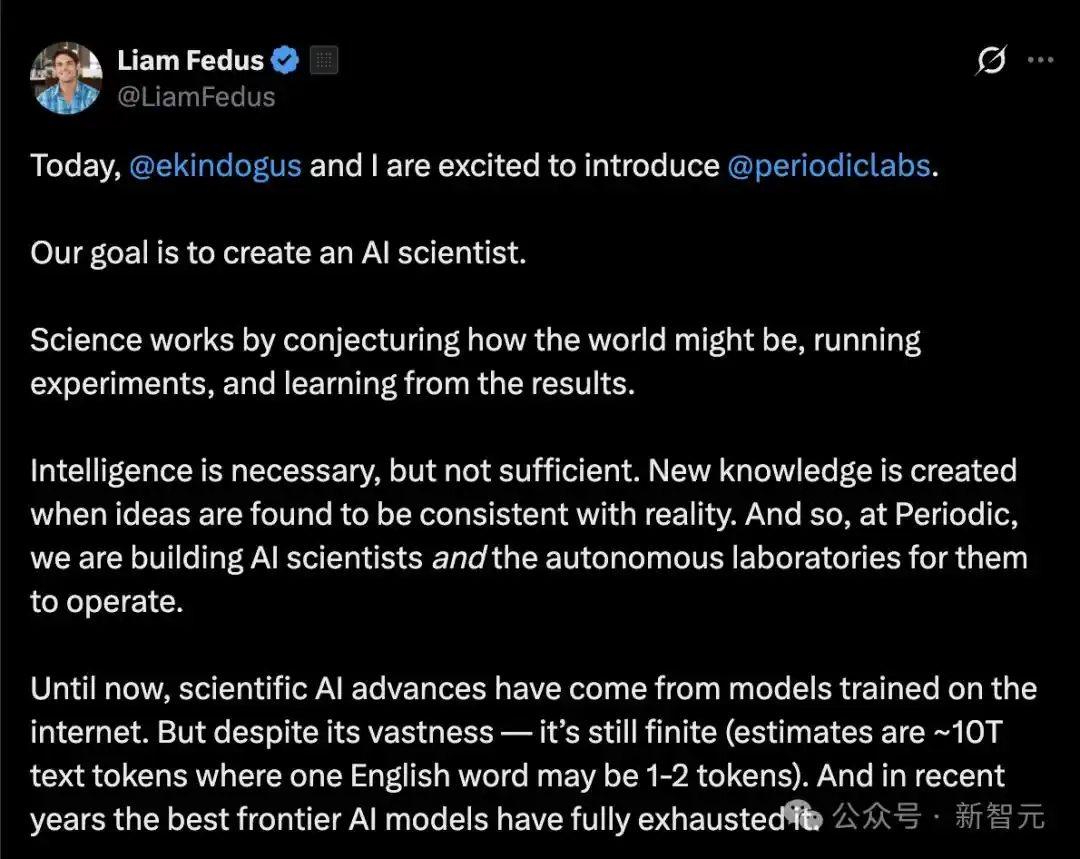
In other words, AI cannot discover new knowledge solely by reading what humans have already written; it must conduct experiments itself.

But here's the problem—

Internet services inherently have APIs; network information is inherently digital. But research equipment comes from different vendors with varying protocols, complex and expensive. No one can rebuild everything from scratch in a few months.

Most labs today are designed for humans: instrument panels, pipetting actions, sample states, on-the-spot judgments—the vast majority are not translated into machine-readable signals.

For AI to enter the lab, the current challenge is not just model capability; it requires a new set of infrastructure.

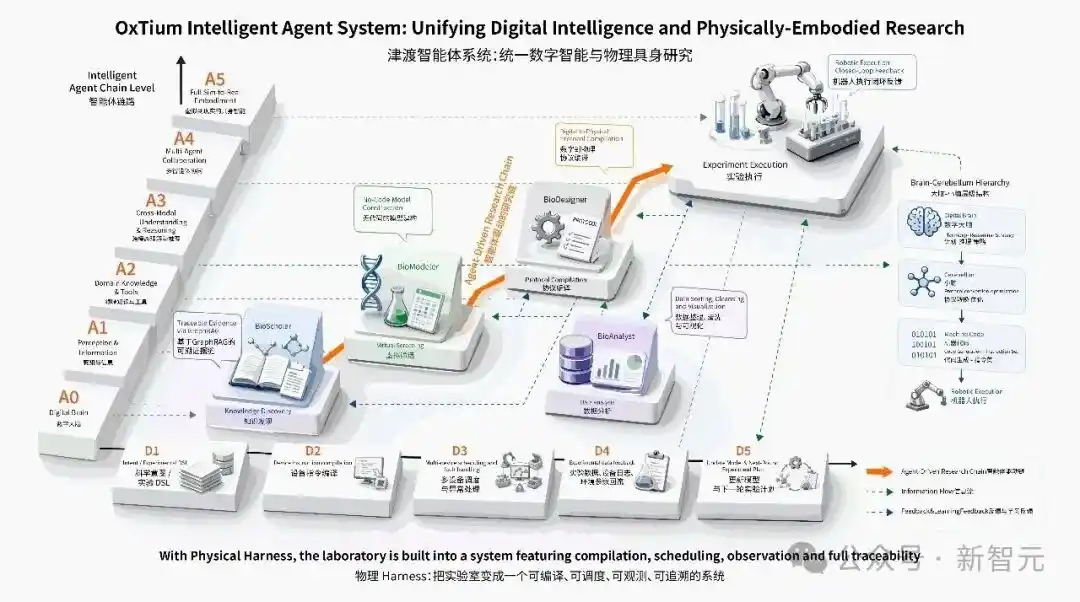
Therefore, for AI to enter the lab, the current issue is not just a model capability problem; it also requires a physical Harness: turning the lab into a system that can be compiled, scheduled, monitored, and traced.

This is the true last mile of AI4S.

BioFord Harness, Making the Lab Start "Running Itself"

For this purpose, Kindu developed a system called BioFord Harness.

This is an infrastructure that connects AI with the physical lab.

They are not making robotic arms imitate human hands, but transforming the lab into a system that can be compiled, scheduled, monitored, and traced.

In this process, the physical Harness must accomplish at least three things:

1. Compile scientific intent or experimental DSL into instructions executable by different devices;

2. Complete scheduling, resource and safety constraint management among multiple devices, and handle exceptions;

3. Let experimental results, device logs, and environmental parameters flow back, becoming inputs for the next round of model and experimental design.

Scientific question → AI understanding → experimental plan → device scheduling → execution → data feedback → model optimization → next round.

A flywheel for scientific experimental data is thus set in motion.
Five Intelligent Agents, Turning Research Workflow into an Assembly Line

The BioFord Agent embodied intelligent research platform connects downward to the physical lab layer and upward to the scientist's cognitive layer, bridging the gap between reasoning and execution with physical AI.

At the cognitive layer, BioFord Agent consists of a collaborative network of five intelligent agents, spanning the entire life science research workflow, potentially multiplying research efficiency.

Literature Retrieval Agent

Experimental Design Agent

Science Agent

Experiment Scheduling Agent

Data Analysis Agent

For example, the Literature Retrieval Agent can quickly help you search and read vast amounts of literature, complete literature reviews, and assist in hypothesis generation.
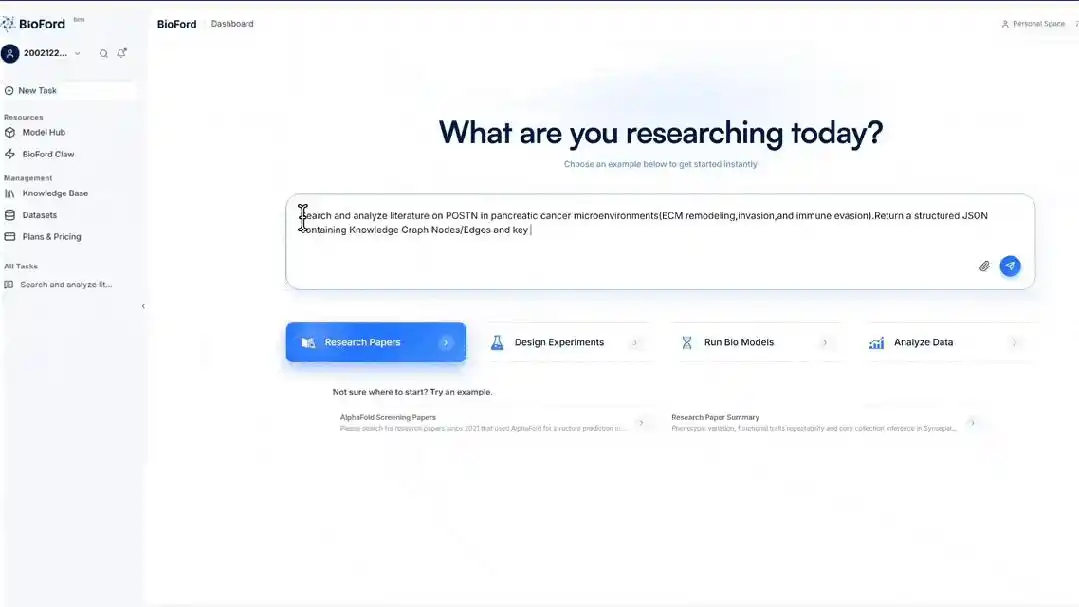
The Experimental Design Agent enabled the research team to shorten the experimental design cycle from several months to one week.

The Experiment Scheduling Agent launched by Kindu Biology, relying on the Universal Instrument Abstraction Layer, breaks protocol barriers between various heterogeneous devices.

Whether it's PCR machines, microplate readers, flow cytometers, or automated liquid handling workstations, they can all achieve unified management and scheduling. The system has built-in dynamic scheduling algorithms, enabling automatic batch scheduling, real-time conflict avoidance, and full recording of experimental parameters, forming a traceable audit trail.
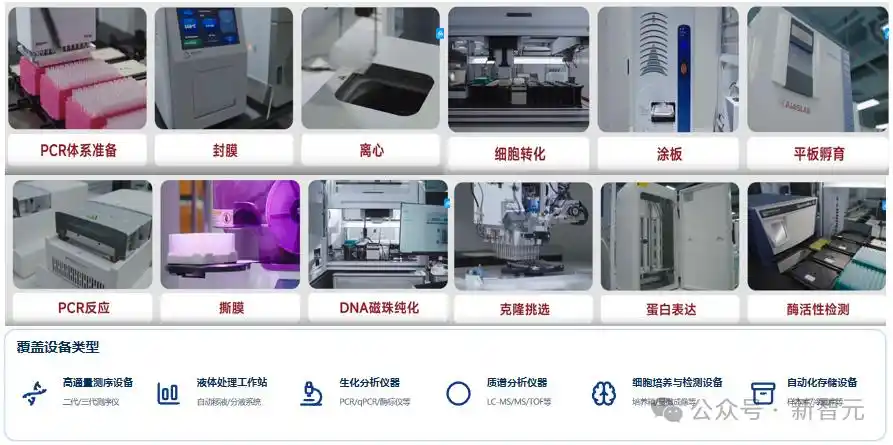
This means AI is no longer stuck in the "suggestions" stage, but truly enters the lab, operates equipment, executes tasks, and becomes a trustworthy "research assistant."

Failure Data Might Be More Valuable Than Success Data

The deeper value this system addresses is: making every experiment—whether successful or failed—data that the system can digest.

In a traditional lab, a failed record might just be a line saying "results not as expected." The experience resides in people's minds; when they leave, the experience is gone.

But in the BioFord system, every failure is valuable training data—the logic of parameter selection, records of environmental conditions, proofs of erroneous paths... all are deposited, becoming part of the system's "experience."

Next time, AI knows: this path is blocked.

Interestingly, in this field, it's not the one with the strongest computing power that wins, nor the one with the largest model.

Computing power can be bought, but research data cannot.

Jin Yongcheng, Founder & CEO of Kindu Biology, stated: "During the R&D process, we gradually realized that AI for BioScience is not simply about stacking models and data. For those doing experiments, the ultimate problem to solve remains the dilemma of not knowing how to proceed after calculation, and not getting it right when proceeding."

This is the most important, and hardest-to-replicate, moat in the AI4S field.

Four Oxford People, Including a Senior Fellow of Luo Fuli

In 2022, when Jin Yongcheng received his PhD in Bioengineering from the University of Oxford, he faced a choice.

His supervisor was Hagan Bayley, a Fellow of the Royal Society and founder of the UK-listed third-generation sequencing giant Oxford Nanopore. The lab had a strong tradition of "translating research into practice." Staying in the UK was a clear, smooth path.

But he chose another path—packing a "prototype technology" from the lab into his suitcase and bringing it back to China. Accompanying him were three Oxford alumni: Biology PhD Deng Siwei, Computer Science Associate Researcher Sha Lei (PhD in Computer Science from Peking University, senior fellow of Luo Fuli, head of Xiaomi's large model), and Zhou Tianyao, skilled in product commercialization. The four possess complementary backgrounds in bioengineering, AI, computational biology, and business operations, forming a perfect team for highly interdisciplinary research. They had previously collaborated on joint research projects, achieving disease prediction and detection by combining AI and transcriptomics technology.

The company name "Kindu Biology": "Kin" is taken from "Oxford," symbolizing their starting point from top-tier academic institutions like Oxford labs; "du" (渡) signifies ferrying or helping others, representing the destination they believe AI for Science should reach.

Currently, Kindu Biology's BioFord Agent physical AI research platform has been deployed in several prestigious domestic universities with significant results, reducing research cycles from several months to one week.

The Wind Rises: 4 Funding Rounds in 1 Year, A Capital "Enchantment" Scene

However, walking a path "untrodden by predecessors" inevitably comes with solitude.

The early days of entrepreneurship were full of difficulties. At that time, AI startups were booming, but "AI+" attempts in the biological sciences were rare. "Those who understand AI may not understand biological science, and most who understand biological science don't understand AI."

Jin Yongcheng admitted: "Investors once couldn't understand what we were doing."

The team chose the "hardest path": starting from a biological foundational large model, a direction pursued by only a handful of companies globally.

In 2025, a turning point emerged.

That year, the State Council issued the "Opinions on Deepening the Implementation of the 'AI+' Initiative," listing AI for Science among the key areas. The field began to gain momentum.

Kindu Biology achieved the feat of "completing 4 funding rounds in one year." The company's main funding timeline is a benchmark for the industry.

Angel+ Round: Led by Sequoia Capital China Seed Fund;

Pre-A+ Round: Led by Chuangdongfang Investment with tens of millions;

Pre-A+ Round: Received tens of millions in investment from Nanshan Zhanxintou;

Series A Round: Led by Gaotejia Investment with nearly 100 million RMB.

Teng Yuhang, Executive Partner at Gaotejia Investment, stated: "Kindu Biology has transformed life science basic research into a subscribable, scalable 'computing power + experiment' infrastructure."

Jin Yongcheng's goal is even more ambitious: "We are not satisfied with just selling software; we want to build the intelligent operating system for the life science field. Just as Intel defined computing power in the PC era, we hope to define the new R&D paradigm for life science in the AI era."

From Oxford labs to Shenzhen, from being misunderstood to receiving heavy investment from top-tier capital, the story of the four Oxford graduates is not just a startup legend, but a soul-searching inquiry about "what we can do for humanity."

When AI learns to "stay up all night" doing research on its own, scientific discovery may no longer rely on the serendipitous inspiration of geniuses, but become a predictable inevitability. This journey has just begun for them.

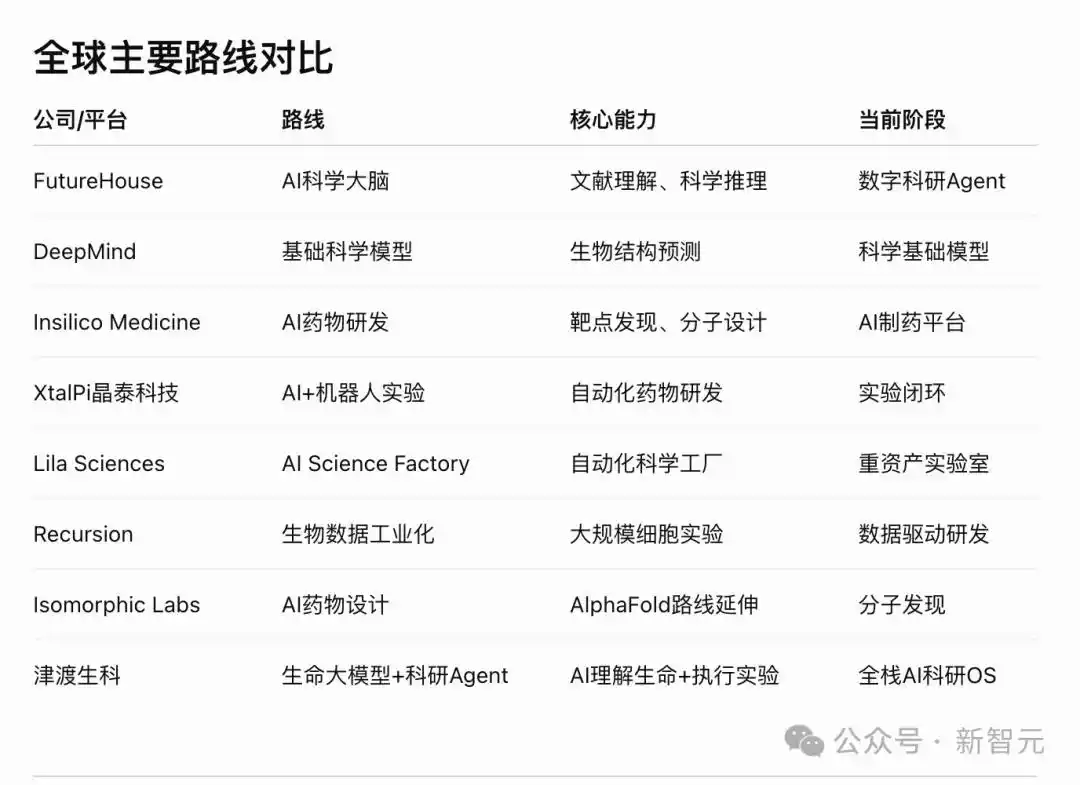
Industry Landscape: Kindu Charts a Lightweight Physical AI Path

In the broader AI for BioScience landscape, Kindu is not alone, but its entry point is distinctly different.

The first category is Digital AI Scientists.

Stanford-incubated Biomni (commercialized as Phylo) possesses over 150 specialized tools, capable of automatically performing literature review, hypothesis generation, and bioinformatics analysis.

FutureHouse, backed by Eric Schmidt, is dedicated to building AI scientists that can autonomously generate hypotheses and write papers.

However, while powerful, they remain confined to the digital world.

The second category is the Full-stack Autonomous route.

XtalPi deploys over 300 "AI + robotics" workstations globally.

Lila Sciences, incubated by Flagship Pioneering, with $550 million in funding, attempts to let AI completely take over the design, execution, and redesign of experiments, aiming for "scientific superintelligence."

But these approaches are extremely capital-intensive.

The third category is the End-to-end Pipeline route.

Insilico Medicine pushes AI directly into its own innovative drug pipelines, with its first AI-discovered drug entering Phase III clinical trials, but they are "car builders" rather than "road pavers."

Kindu Biology's choice is: focus on building the physical Harness, creating the "last mile" infrastructure between models and physical experimental systems.

Not engaging in the foundational model race, not pursuing end-to-end pipelines, not creating pure digital AI scientists. Focusing only on that last mile is undoubtedly a more lightweight approach.

Jin Yongcheng articulated this judgment clearly: "The true watershed for AI for Science is not how well the model mimics a scientist's answers, but whether the lab can start functioning like a continuously learning system."

Moreover, in the global AI for Science field, Kindu is not simply "only doing the last mile."

More accurately, it uses the last mile as an entry point to compete for the orchestration rights of the entire scientific workflow.

Compared to pure digital AI scientists, it can interact with the physical world; compared to building heavy-asset science factories from scratch, it has the opportunity to take over clients' existing labs; compared to end-to-end AI drug discovery companies, it doesn't have to bet its fate on a single clinical pipeline.
Its true moat will not be parameter count, but the continuously accumulated experimental trajectories, device interfaces, failure experiences, and cross-laboratory execution network.

As Jin Yongcheng said, the myriad signaling pathways within organisms and the reaction mechanisms full of unknowns are fascinating. "As rich as biology is, so is the prospect of AI for Science."

Exploring the mysteries of life with AI's intelligence—the vast universe for these Oxford prodigies has just begun to unfold.

This article is from the WeChat public account "Xinzhiyuan", author: Xinzhiyuan; Editor: Aeneas KingHZ


Trending Cryptos

Related Questions

QWhat is GeneLLM, and how does it represent a significant advancement in China's life science AI field?

AGeneLLM is a multi-omics foundation model developed by Jindu Biotechnology, created by four Oxford University returnees. It is hailed as China's 'DeepSeek for Life Sciences.' Its significance lies in being the first multi-omics foundation model in the world trained directly on raw omics data (like RNA, proteomics, metabolomics) without relying on pre-defined gene annotations or labels. This allows it to autonomously learn patterns and 'understand' the language and systems of life from primary biological signals, filling a key gap in China's life science foundation model landscape. It has been published in top journals like Nature Communications and Advanced Science.

QHow does GeneLLM's core training approach mimic Large Language Models (LLMs) like ChatGPT?

AGeneLLM's core approach mirrors that of text-based LLMs. Just as LLMs predict the next 'token' (word piece) in a sequence, GeneLLM predicts the next 'life information token.' It treats the four RNA bases (A, U, G, C) as fundamental tokens. The model processes raw RNA sequencing data by splitting it into fragments using a sliding 7-mer window, creating these biological tokens. It then uses a Transformer architecture to predict the next base in a sequence, learning directly from the raw data without human-curated 'dictionaries' of biological knowledge.

QWhat is BioFord Harness, and what role does it play in the AI for Science (AI4S) ecosystem according to the article?

ABioFord Harness is a physical infrastructure system developed by Jindu Biotech. Its role is to bridge the gap between AI models and the physical laboratory—solving the 'last-mile' problem in AI4S. It transforms a lab into a 'compilable, schedulable, observable, and traceable' system. It does this by 1) compiling scientific intent into executable instructions for diverse lab equipment, 2) managing scheduling, resources, and safety constraints across multiple devices, and 3) ensuring experimental results, logs, and environmental data flow back to optimize the next round of AI models and experimental designs, creating a continuous learning loop.

QWhat distinguishes Jindu Biotech's strategic approach from other major players in the AI for BioScience field?

AJindu Biotech carves out a distinct, 'lightweight' strategic niche by focusing on the 'last mile' infrastructure (BioFord Harness) rather than competing directly in other established approaches. It does not aim to be a pure 'digital AI scientist' (like Biomni), build capital-intensive fully autonomous labs (like Lila Sciences or XtalPi), or develop end-to-end proprietary drug pipelines (like Insilico Medicine). Instead, it specializes in building the physical harness that connects AI models to existing laboratory equipment, allowing it to orchestrate the entire scientific workflow without the massive capital expenditure of rebuilding labs from scratch.

QHow did the founding team's background and the 2025 policy shift contribute to Jindu Biotech's development?

AThe founding team comprised four Oxford alumni with complementary expertise in bioengineering (CEO Jin Yongcheng), biology, computer science (a former colleague of DeepSeek's Luo Fuli), and business operations. This interdisciplinary 'puzzle' was crucial for tackling the highly cross-disciplinary AI for Science challenge. Despite initial investor skepticism, a major turning point came in 2025 when the Chinese State Council issued guidelines prioritizing 'AI+', including AI for Science. This policy tailwind helped validate the field, leading Jindu Biotech to secure an impressive four rounds of funding in one year from top-tier investors like Sequoia Capital China and Gaotejia Investment, fueling its rapid growth.

Related Reads

Sui Transfers $65 Billion for Free. Its Co-founder Is Confident Even Grander Things Are Ahead

Sui's co-founder Evan Cheng makes a radical prediction: within four years, digital payment volume on the Sui blockchain will rival that of traditional card networks and banking systems. This claim is ambitious for an L1 blockchain whose token trades just above $0.60. Cheng, CEO of Sui's developer Mysten Labs, frames Sui's roadmap as an infrastructure play, not a trading platform. He believes current Web3 infrastructure is stuck in an "era of dial-up access." Founded by ex-Meta engineers behind the Diem blockchain and Move programming language, Mysten Labs envisions Sui as a "communication system" for stablecoin settlements, remittances, and future AI-to-AI commerce. Co-founder Adeniyi Abiodun adds that the internet will soon enable free, private, large-scale payments as privacy features roll out on Sui. The vision is backed by data. Since Mysten Labs eliminated gas fees for stablecoin transfers at the protocol level in June, Sui has processed over $65 billion in stablecoin transfers. Having handled $2.27 trillion in stablecoin volume since early 2024, this move removes a major barrier by not requiring merchants to hold a second asset for fees. Sui is also encroaching on Bitcoin's territory with the Hashi testnet, allowing Bitcoin to be used as DeFi collateral on Sui without converting to a synthetic token. Furthermore, a default privacy feature for stablecoin transactions is in development, cited by institutions as crucial for moving real payment volume to public blockchains. Skeptics point to Sui's token facing sell pressure from unlock schedules and its $2.8B market cap being a fraction of the payment volumes Cheng cites. Whether Sui becomes the "rail for every internet payment" or captures a smaller but significant share of stablecoin and cross-border settlements remains to be seen. The coming year's gas-free transaction data and Hashi bridge adoption will test if Cheng's four-year forecast is realistic or founder-driven optimism.

cryptonews.ru14m ago

Sui Transfers $65 Billion for Free. Its Co-founder Is Confident Even Grander Things Are Ahead

cryptonews.ru14m ago

Analysts Have Announced Signs of a Bear Cycle Ending on the Crypto Market

Analysts at Wintermute suggest the cryptocurrency market is showing signs of a bear cycle ending, despite tough macroeconomic conditions and ongoing uncertainty around US monetary policy. They noted that digital assets displayed relative resilience last week against several negative events that typically pressure risk assets, including an unchanged Fed rate, a multi-decade high in 30-year US Treasury yields, and a major AI fund liquidating assets. Bitcoin and Ethereum fell less than 4% for the week, which analysts interpret as a sign of nearly exhausted selling pressure, with excessive optimism now leaving the stock market instead. While a rapid shift to a sustained bull run is not expected, low open interest and summer liquidity could set the stage for a short-term technical rally. However, this scenario would be invalidated if the market breaks last week's lows on high volume, signaling the return of active sellers. The report also highlighted a shift in institutional demand: US spot Bitcoin ETFs saw outflows in late July, while Ethereum funds posted a fourth consecutive week of inflows. Furthermore, a major corporate buyer, Strategy, has resumed periodic Bitcoin sales to fund dividends, becoming an occasional seller during weak demand periods. Near-term catalysts include upcoming US ISM Services data and the jobs report, which will shape Fed policy expectations. The upcoming Jackson Hole symposium, where Fed Chair Kevin Warsh may signal future policy direction ahead of the September meeting, is also seen as a key event that will influence the crypto market's next move.

cryptonews.ru21m ago

Analysts Have Announced Signs of a Bear Cycle Ending on the Crypto Market

cryptonews.ru21m ago

Trading

Spot

Hot Articles

What is SONIC

Sonic: Pioneering the Future of Gaming in Web3 Introduction to Sonic In the ever-evolving landscape of Web3, the gaming industry stands out as one of the most dynamic and promising sectors. At the forefront of this revolution is Sonic, a project designed to amplify the gaming ecosystem on the Solana blockchain. Leveraging cutting-edge technology, Sonic aims to deliver an unparalleled gaming experience by efficiently processing millions of requests per second, ensuring that players enjoy seamless gameplay while maintaining low transaction costs. This article delves into the intricate details of Sonic, exploring its creators, funding sources, operational mechanics, and the timeline of significant events that have shaped its journey. What is Sonic? Sonic is an innovative layer-2 network that operates atop the Solana blockchain, specifically tailored to enhance the existing Solana gaming ecosystem. It accomplishes this through a customised, VM-agnostic game engine paired with a HyperGrid interpreter, facilitating sovereign game economies that roll up back to the Solana platform. The primary goals of Sonic include: Enhanced Gaming Experiences: Sonic is committed to offering lightning-fast on-chain gameplay, allowing players and developers to engage with games at previously unattainable speeds. Atomic Interoperability: This feature enables transactions to be executed within Sonic without the need to redeploy Solana programmes and accounts. This makes the process more efficient and directly benefits from Solana Layer1 services and liquidity. Seamless Deployment: Sonic allows developers to write for Ethereum Virtual Machine (EVM) based systems and execute them on Solana’s SVM infrastructure. This interoperability is crucial for attracting a broader range of dApps and decentralised applications to the platform. Support for Developers: By offering native composable gaming primitives and extensible data types - dining within the Entity-Component-System (ECS) framework - game creators can craft intricate business logic with ease. Overall, Sonic's unique approach not only caters to players but also provides an accessible and low-cost environment for developers to innovate and thrive. Creator of Sonic The information regarding the creator of Sonic is somewhat ambiguous. However, it is known that Sonic's SVM is owned by the company Mirror World. The absence of detailed information about the individuals behind Sonic reflects a common trend in several Web3 projects, where collective efforts and partnerships often overshadow individual contributions. Investors of Sonic Sonic has garnered considerable attention and support from various investors within the crypto and gaming sectors. Notably, the project raised an impressive $12 million during its Series A funding round. The round was led by BITKRAFT Ventures, with other notable investors including Galaxy, Okx Ventures, Interactive, Big Brain Holdings, and Mirana. This financial backing signifies the confidence that investment foundations have in Sonic’s potential to revolutionise the Web3 gaming landscape, further validating its innovative approaches and technologies. How Does Sonic Work? Sonic utilises the HyperGrid framework, a sophisticated parallel processing mechanism that enhances its scalability and customisability. Here are the core features that set Sonic apart: Lightning Speed at Low Costs: Sonic offers one of the fastest on-chain gaming experiences compared to other Layer-1 solutions, powered by the scalability of Solana’s virtual machine (SVM). Atomic Interoperability: Sonic enables transaction execution without redeployment of Solana programmes and accounts, effectively streamlining the interaction between users and the blockchain. EVM Compatibility: Developers can effortlessly migrate decentralised applications from EVM chains to the Solana environment using Sonic’s HyperGrid interpreter, increasing the accessibility and integration of various dApps. Ecosystem Support for Developers: By exposing native composable gaming primitives, Sonic facilitates a sandbox-like environment where developers can experiment and implement business logic, greatly enhancing the overall development experience. Monetisation Infrastructure: Sonic natively supports growth and monetisation efforts, providing frameworks for traffic generation, payments, and settlements, thereby ensuring that gaming projects are not only viable but also sustainable financially. Timeline of Sonic The evolution of Sonic has been marked by several key milestones. Below is a brief timeline highlighting critical events in the project's history: 2022: The Sonic cryptocurrency was officially launched, marking the beginning of its journey in the Web3 gaming arena. 2024: June: Sonic SVM successfully raised $12 million in a Series A funding round. This investment allowed Sonic to further develop its platform and expand its offerings. August: The launch of the Sonic Odyssey testnet provided users with the first opportunity to engage with the platform, offering interactive activities such as collecting rings—a nod to gaming nostalgia. October: SonicX, an innovative crypto game integrated with Solana, made its debut on TikTok, capturing the attention of over 120,000 users within a short span. This integration illustrated Sonic’s commitment to reaching a broader, global audience and showcased the potential of blockchain gaming. Key Points Sonic SVM is a revolutionary layer-2 network on Solana explicitly designed to enhance the GameFi landscape, demonstrating great potential for future development. HyperGrid Framework empowers Sonic by introducing horizontal scaling capabilities, ensuring that the network can handle the demands of Web3 gaming. Integration with Social Platforms: The successful launch of SonicX on TikTok displays Sonic’s strategy to leverage social media platforms to engage users, exponentially increasing the exposure and reach of its projects. Investment Confidence: The substantial funding from BITKRAFT Ventures, among others, emphasizes the robust backing Sonic has, paving the way for its ambitious future. In conclusion, Sonic encapsulates the essence of Web3 gaming innovation, striking a balance between cutting-edge technology, developer-centric tools, and community engagement. As the project continues to evolve, it is poised to redefine the gaming landscape, making it a notable entity for gamers and developers alike. As Sonic moves forward, it will undoubtedly attract greater interest and participation, solidifying its place within the broader narrative of blockchain gaming.

2.2k Total ViewsPublished 2024.04.04Updated 2024.12.03

What is SONIC

What is $S$

Understanding SPERO: A Comprehensive Overview Introduction to SPERO As the landscape of innovation continues to evolve, the emergence of web3 technologies and cryptocurrency projects plays a pivotal role in shaping the digital future. One project that has garnered attention in this dynamic field is SPERO, denoted as SPERO,$$s$. This article aims to gather and present detailed information about SPERO, to help enthusiasts and investors understand its foundations, objectives, and innovations within the web3 and crypto domains. What is SPERO,$$s$? SPERO,$$s$ is a unique project within the crypto space that seeks to leverage the principles of decentralisation and blockchain technology to create an ecosystem that promotes engagement, utility, and financial inclusion. The project is tailored to facilitate peer-to-peer interactions in new ways, providing users with innovative financial solutions and services. At its core, SPERO,$$s$ aims to empower individuals by providing tools and platforms that enhance user experience in the cryptocurrency space. This includes enabling more flexible transaction methods, fostering community-driven initiatives, and creating pathways for financial opportunities through decentralised applications (dApps). The underlying vision of SPERO,$$s$ revolves around inclusiveness, aiming to bridge gaps within traditional finance while harnessing the benefits of blockchain technology. Who is the Creator of SPERO,$$s$? The identity of the creator of SPERO,$$s$ remains somewhat obscure, as there are limited publicly available resources providing detailed background information on its founder(s). This lack of transparency can stem from the project's commitment to decentralisation—an ethos that many web3 projects share, prioritising collective contributions over individual recognition. By centring discussions around the community and its collective goals, SPERO,$$s$ embodies the essence of empowerment without singling out specific individuals. As such, understanding the ethos and mission of SPERO remains more important than identifying a singular creator. Who are the Investors of SPERO,$$s$? SPERO,$$s$ is supported by a diverse array of investors ranging from venture capitalists to angel investors dedicated to fostering innovation in the crypto sector. The focus of these investors generally aligns with SPERO's mission—prioritising projects that promise societal technological advancement, financial inclusivity, and decentralised governance. These investor foundations are typically interested in projects that not only offer innovative products but also contribute positively to the blockchain community and its ecosystems. The backing from these investors reinforces SPERO,$$s$ as a noteworthy contender in the rapidly evolving domain of crypto projects. How Does SPERO,$$s$ Work? SPERO,$$s$ employs a multi-faceted framework that distinguishes it from conventional cryptocurrency projects. Here are some of the key features that underline its uniqueness and innovation: Decentralised Governance: SPERO,$$s$ integrates decentralised governance models, empowering users to participate actively in decision-making processes regarding the project’s future. This approach fosters a sense of ownership and accountability among community members. Token Utility: SPERO,$$s$ utilises its own cryptocurrency token, designed to serve various functions within the ecosystem. These tokens enable transactions, rewards, and the facilitation of services offered on the platform, enhancing overall engagement and utility. Layered Architecture: The technical architecture of SPERO,$$s$ supports modularity and scalability, allowing for seamless integration of additional features and applications as the project evolves. This adaptability is paramount for sustaining relevance in the ever-changing crypto landscape. Community Engagement: The project emphasises community-driven initiatives, employing mechanisms that incentivise collaboration and feedback. By nurturing a strong community, SPERO,$$s$ can better address user needs and adapt to market trends. Focus on Inclusion: By offering low transaction fees and user-friendly interfaces, SPERO,$$s$ aims to attract a diverse user base, including individuals who may not previously have engaged in the crypto space. This commitment to inclusion aligns with its overarching mission of empowerment through accessibility. Timeline of SPERO,$$s$ Understanding a project's history provides crucial insights into its development trajectory and milestones. Below is a suggested timeline mapping significant events in the evolution of SPERO,$$s$: Conceptualisation and Ideation Phase: The initial ideas forming the basis of SPERO,$$s$ were conceived, aligning closely with the principles of decentralisation and community focus within the blockchain industry. Launch of Project Whitepaper: Following the conceptual phase, a comprehensive whitepaper detailing the vision, goals, and technological infrastructure of SPERO,$$s$ was released to garner community interest and feedback. Community Building and Early Engagements: Active outreach efforts were made to build a community of early adopters and potential investors, facilitating discussions around the project’s goals and garnering support. Token Generation Event: SPERO,$$s$ conducted a token generation event (TGE) to distribute its native tokens to early supporters and establish initial liquidity within the ecosystem. Launch of Initial dApp: The first decentralised application (dApp) associated with SPERO,$$s$ went live, allowing users to engage with the platform's core functionalities. Ongoing Development and Partnerships: Continuous updates and enhancements to the project's offerings, including strategic partnerships with other players in the blockchain space, have shaped SPERO,$$s$ into a competitive and evolving player in the crypto market. Conclusion SPERO,$$s$ stands as a testament to the potential of web3 and cryptocurrency to revolutionise financial systems and empower individuals. With a commitment to decentralised governance, community engagement, and innovatively designed functionalities, it paves the way toward a more inclusive financial landscape. As with any investment in the rapidly evolving crypto space, potential investors and users are encouraged to research thoroughly and engage thoughtfully with the ongoing developments within SPERO,$$s$. The project showcases the innovative spirit of the crypto industry, inviting further exploration into its myriad possibilities. While the journey of SPERO,$$s$ is still unfolding, its foundational principles may indeed influence the future of how we interact with technology, finance, and each other in interconnected digital ecosystems.

300 Total ViewsPublished 2024.12.17Updated 2024.12.17

What is $S$

What is AGENT S

Agent S: The Future of Autonomous Interaction in Web3 Introduction In the ever-evolving landscape of Web3 and cryptocurrency, innovations are constantly redefining how individuals interact with digital platforms. One such pioneering project, Agent S, promises to revolutionise human-computer interaction through its open agentic framework. By paving the way for autonomous interactions, Agent S aims to simplify complex tasks, offering transformative applications in artificial intelligence (AI). This detailed exploration will delve into the project's intricacies, its unique features, and the implications for the cryptocurrency domain. What is Agent S? Agent S stands as a groundbreaking open agentic framework, specifically designed to tackle three fundamental challenges in the automation of computer tasks: Acquiring Domain-Specific Knowledge: The framework intelligently learns from various external knowledge sources and internal experiences. This dual approach empowers it to build a rich repository of domain-specific knowledge, enhancing its performance in task execution. Planning Over Long Task Horizons: Agent S employs experience-augmented hierarchical planning, a strategic approach that facilitates efficient breakdown and execution of intricate tasks. This feature significantly enhances its ability to manage multiple subtasks efficiently and effectively. Handling Dynamic, Non-Uniform Interfaces: The project introduces the Agent-Computer Interface (ACI), an innovative solution that enhances the interaction between agents and users. Utilizing Multimodal Large Language Models (MLLMs), Agent S can navigate and manipulate diverse graphical user interfaces seamlessly. Through these pioneering features, Agent S provides a robust framework that addresses the complexities involved in automating human interaction with machines, setting the stage for myriad applications in AI and beyond. Who is the Creator of Agent S? While the concept of Agent S is fundamentally innovative, specific information about its creator remains elusive. The creator is currently unknown, which highlights either the nascent stage of the project or the strategic choice to keep founding members under wraps. Regardless of anonymity, the focus remains on the framework's capabilities and potential. Who are the Investors of Agent S? As Agent S is relatively new in the cryptographic ecosystem, detailed information regarding its investors and financial backers is not explicitly documented. The lack of publicly available insights into the investment foundations or organisations supporting the project raises questions about its funding structure and development roadmap. Understanding the backing is crucial for gauging the project's sustainability and potential market impact. How Does Agent S Work? At the core of Agent S lies cutting-edge technology that enables it to function effectively in diverse settings. Its operational model is built around several key features: Human-like Computer Interaction: The framework offers advanced AI planning, striving to make interactions with computers more intuitive. By mimicking human behaviour in tasks execution, it promises to elevate user experiences. Narrative Memory: Employed to leverage high-level experiences, Agent S utilises narrative memory to keep track of task histories, thereby enhancing its decision-making processes. Episodic Memory: This feature provides users with step-by-step guidance, allowing the framework to offer contextual support as tasks unfold. Support for OpenACI: With the ability to run locally, Agent S allows users to maintain control over their interactions and workflows, aligning with the decentralised ethos of Web3. Easy Integration with External APIs: Its versatility and compatibility with various AI platforms ensure that Agent S can fit seamlessly into existing technological ecosystems, making it an appealing choice for developers and organisations. These functionalities collectively contribute to Agent S's unique position within the crypto space, as it automates complex, multi-step tasks with minimal human intervention. As the project evolves, its potential applications in Web3 could redefine how digital interactions unfold. Timeline of Agent S The development and milestones of Agent S can be encapsulated in a timeline that highlights its significant events: September 27, 2024: The concept of Agent S was launched in a comprehensive research paper titled “An Open Agentic Framework that Uses Computers Like a Human,” showcasing the groundwork for the project. October 10, 2024: The research paper was made publicly available on arXiv, offering an in-depth exploration of the framework and its performance evaluation based on the OSWorld benchmark. October 12, 2024: A video presentation was released, providing a visual insight into the capabilities and features of Agent S, further engaging potential users and investors. These markers in the timeline not only illustrate the progress of Agent S but also indicate its commitment to transparency and community engagement. Key Points About Agent S As the Agent S framework continues to evolve, several key attributes stand out, underscoring its innovative nature and potential: Innovative Framework: Designed to provide an intuitive use of computers akin to human interaction, Agent S brings a novel approach to task automation. Autonomous Interaction: The ability to interact autonomously with computers through GUI signifies a leap towards more intelligent and efficient computing solutions. Complex Task Automation: With its robust methodology, it can automate complex, multi-step tasks, making processes faster and less error-prone. Continuous Improvement: The learning mechanisms enable Agent S to improve from past experiences, continually enhancing its performance and efficacy. Versatility: Its adaptability across different operating environments like OSWorld and WindowsAgentArena ensures that it can serve a broad range of applications. As Agent S positions itself in the Web3 and crypto landscape, its potential to enhance interaction capabilities and automate processes signifies a significant advancement in AI technologies. Through its innovative framework, Agent S exemplifies the future of digital interactions, promising a more seamless and efficient experience for users across various industries. Conclusion Agent S represents a bold leap forward in the marriage of AI and Web3, with the capacity to redefine how we interact with technology. While still in its early stages, the possibilities for its application are vast and compelling. Through its comprehensive framework addressing critical challenges, Agent S aims to bring autonomous interactions to the forefront of the digital experience. As we move deeper into the realms of cryptocurrency and decentralisation, projects like Agent S will undoubtedly play a crucial role in shaping the future of technology and human-computer collaboration.

962 Total ViewsPublished 2025.01.14Updated 2025.01.14

What is AGENT S

Discussions

Welcome to the HTX Community. Here, you can stay informed about the latest platform developments and gain access to professional market insights. Users' opinions on the price of S (S) are presented below.

活动图片