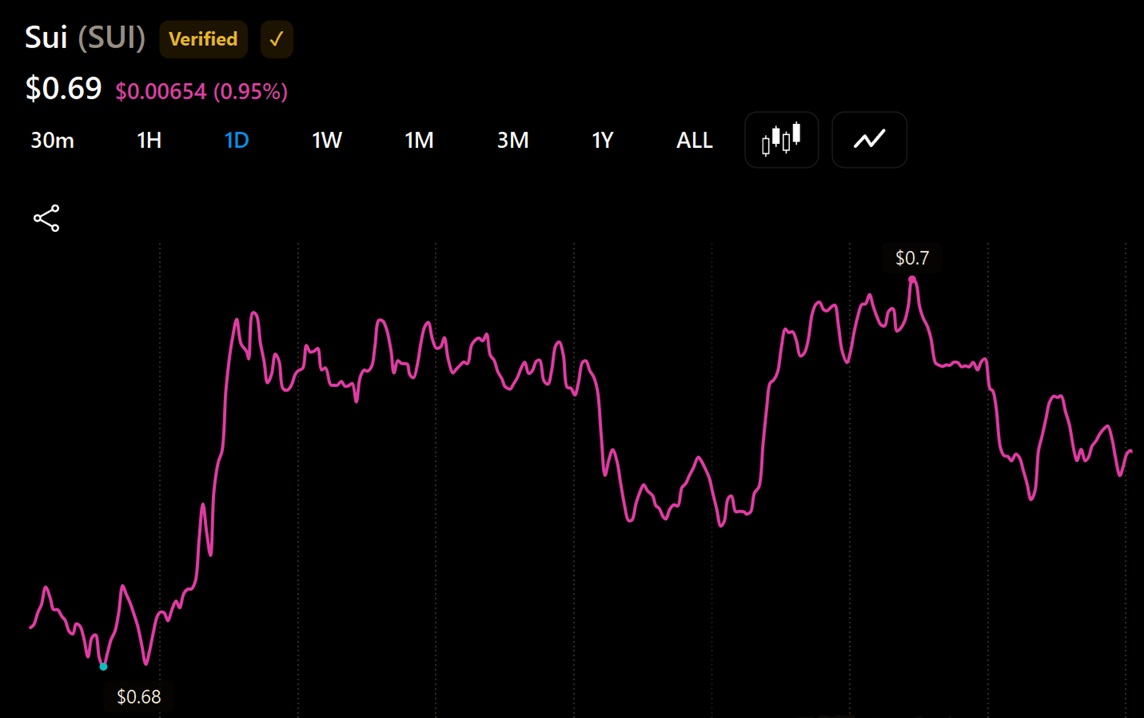
Cheng's forecast is radical: within four years, the volume of digital payments processed through Sui will be comparable to the combined volume of payments processed by card networks and traditional internet banking systems. At first glance, such a claim invites skepticism, especially from an L1 whose token still trades at just over 60 cents per token.
Mysten Labs — the development studio behind Sui, which Cheng leads as CEO — was founded in 2021 by a group of engineers who previously built Meta's abandoned Diem blockchain and the Move programming language. This experience in payment infrastructure underpins how Cheng envisions Sui's ultimate goal: not as a platform for speculative trading, but as a "communication system" for stablecoin settlements, remittances, and ultimately, agentic commerce between AI systems.
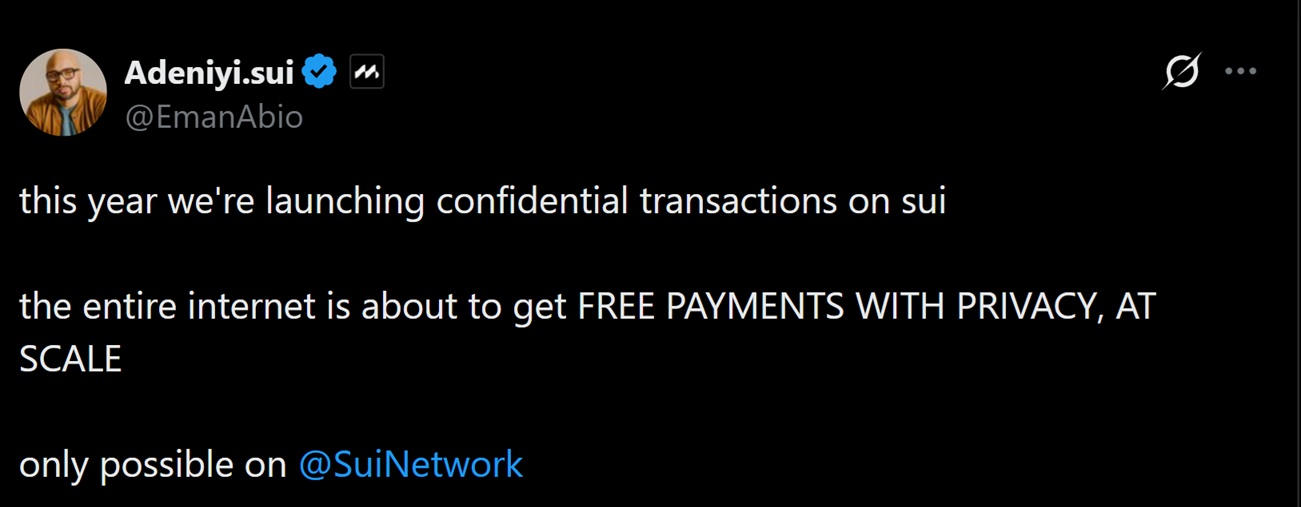
Another Mysten Labs co-founder, Adeniyi Abiodun, was even more direct earlier this year, writing that the entire Internet would soon gain the ability to make privacy-preserving payments at scale for free as privacy transaction features roll out onto the network.
The Numbers Behind This Bet
Unlike many forecasts based on hypotheses, this one is backed by fresh data. In the roughly two months since June 10, when Mysten Labs eliminated the gas fee for moving stablecoins at the protocol level, Sui has processed over $65 billion in stablecoin transfers. This gas-less mechanism, implemented on a network that has already processed a cumulative $2.27 trillion in stablecoin volume since early 2024, removes what Abiodun characterized as a primary barrier to blockchain payments (which forces merchants and applications to hold a second reserve asset just to cover network fees).
Sui is also encroaching on Bitcoin territory through the Hashi testnet launched on July 22. It allows Bitcoin to be used as collateral for decentralized finance loans on Sui without needing to convert it into a synthetic token — a bridge created by Mysten Labs and the Sui Foundation with the involvement of over two dozen organizations.
The gist is that Sui could pull some activity away from the $1.4 trillion Bitcoin market without requiring holders to part with their asset custody beliefs. Furthermore, Sui is in the process of implementing a feature where stablecoin transactions will be private by default — a feature institutional users have noted as a prerequisite for moving real payment volumes onto public blockchains instead of private ledgers.
What Both Skeptics and Proponents Point To
Sui's native token faces pressure from periodic unlock schedules that consistently add new supply to the market, and its market capitalization of roughly $2.8 billion still represents only a small fraction of the payment volume Cheng is talking about.
Whether Sui becomes the "railroad" for "every payment on the internet" or captures a smaller yet still meaningful share of the stablecoin and cross-border settlement market remains to be seen. Data on gas-less transaction volume and the adoption level of the Hashi bridge next year will serve as the most visual test of whether Cheng's four-year forecast is realistic or simply founder marketing hype from someone who has poured significant personal funds into the project.
end-content