It is expected that within six months, ChatGPT's next-generation model will be able to monitor your screen, record every meeting and call, and fully grasp the complete context of your life.
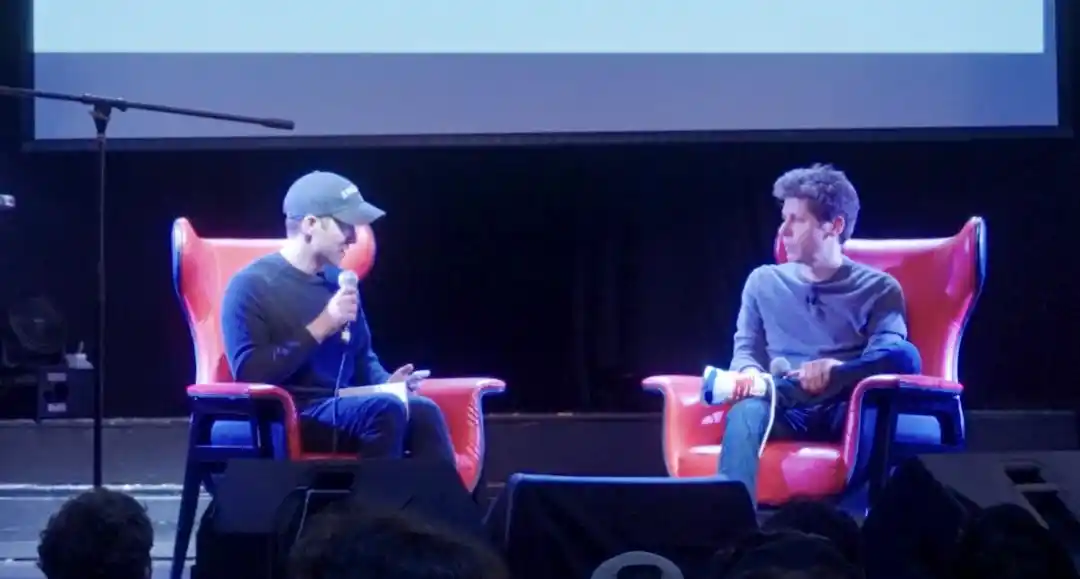
Altman told Cory Levy, founder of Z Fellows, in a recent interview:
While it won't directly make decisions for you, it can be the best partner for CEOs to cope with information overload; because it can collaborate on work, provide new ideas, proactively identify gaps, and share the burden of tedious tasks.
Netizens immediately fell into a "three-way split."
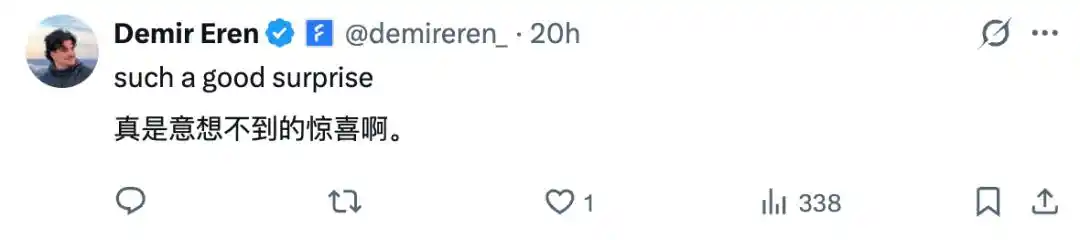
Some thought Great! Their days of being overwhelmed by massive amounts of information were finally going to get easier!
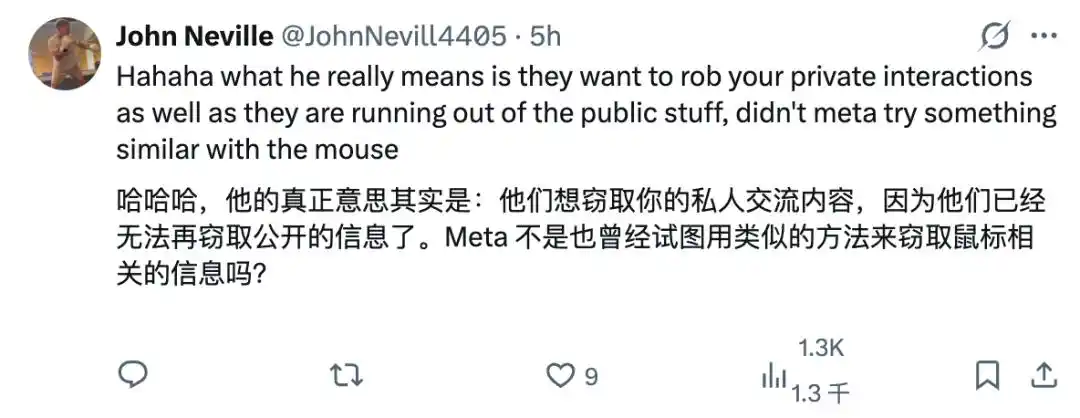
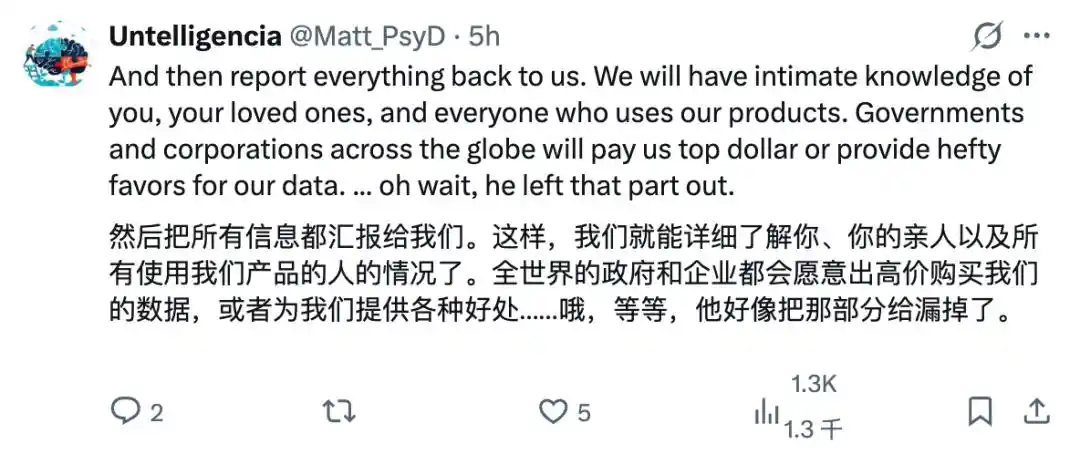
Some complained that Altman is surely once again stealing personal information under the guise of upgrading technology, just to sell it to product vendors for profit;
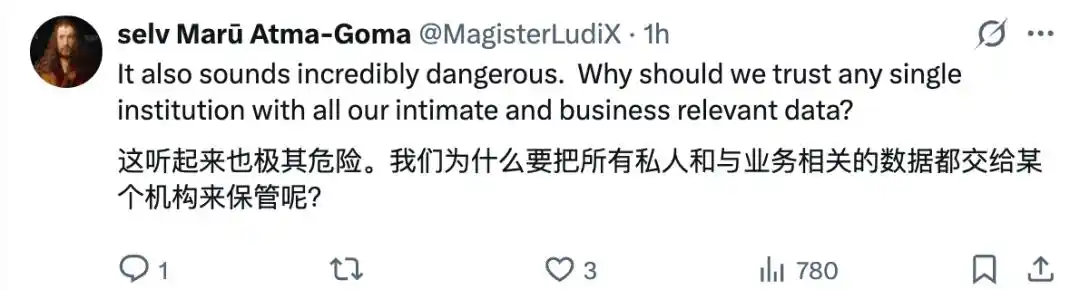
Others were worried that this sounds extremely dangerous, because AI shouldn't take over our memories, and we absolutely don't need OpenAI to be responsible for managing our work and lives. 🙅
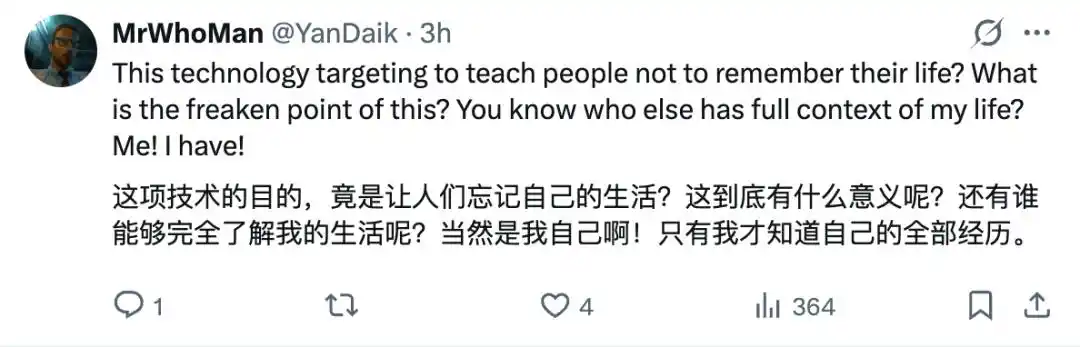
So what exactly does Altman want to do? What problems can the next-generation GPT help us solve? Which user groups is it targeting?
Read on to find out.
The Next-Generation GPT Wants to Actively Take Over Our Unmanageable Work
It sounds somewhat like an AI version of "The Truman Show."
A ChatGPT that is omnipresent, continuously observing your computer screen, recording every meeting you attend, every call you take.
Once authorized, it can also access text messages, emails, documents, and collaborative office software, gradually mastering the complete context of your work and life.

But Altman does not want GPT to become the indifferent spectators in "The Truman Show," watching our lives like they watched Truman Burbank.
What he really wants to solve is a problem almost every office worker faces: the daily influx of various information and feedback is likely more than we can possibly process.
Dozens of emails waiting for replies, scattered work arrangements across various group chats, discussions missed during meetings, and constantly updated documents and user feedback...
Even if you're busy from morning till night, important information can still slip through.
The next-generation GPT Altman envisions is precisely aimed at actively taking over this part of the work.
When talking about his envisioned way of using it, Altman candidly said:
I want to talk about a more interesting vision and the way I hope to use it. We are actually standing at the threshold of a new era, where AI is no longer just a tool, but begins to work side-by-side with people and co-evolve. ChatGPT's next-generation model can continuously observe your computer screen, record every meeting and every call you take, and grasp the complete context of your life. Of course, during this time, you will have full autonomy to decide what information you grant access to, and you can freely choose which work aspects to connect it to, such as sending/receiving text messages and emails, editing documents, collaborative office software, etc.
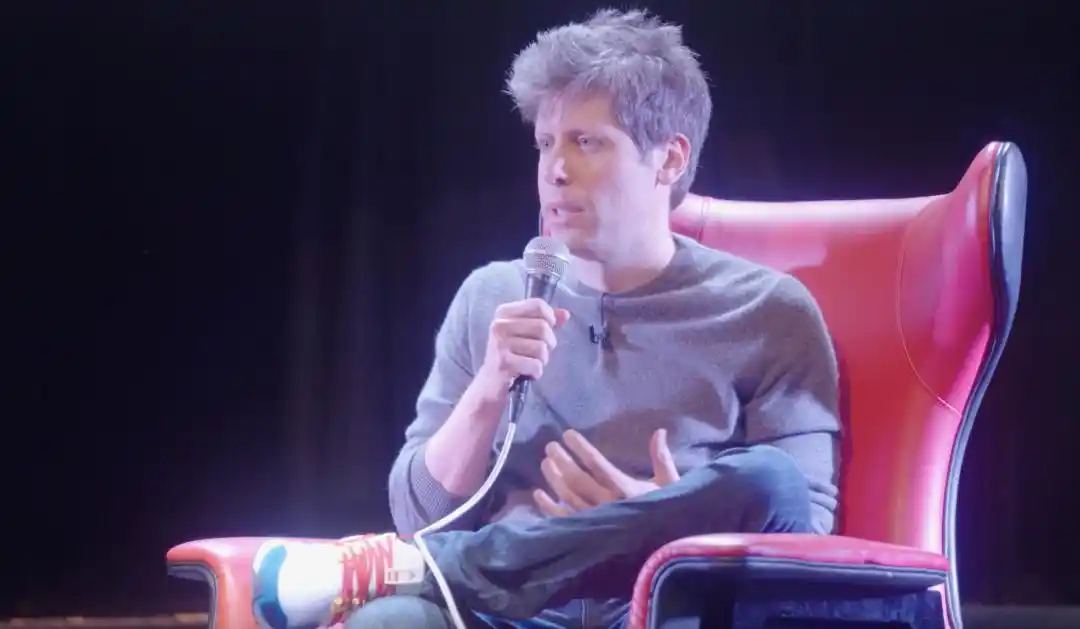
Altman believes that the next-generation GPT can't just be a digital shadow waiting for your questions; it first needs to understand what the user is doing, know what happened before, and then proactively offer help based on the complete context.
For example, when you're writing a document, it can combine content from previous meetings to remind you of an important issue you missed;
When a large amount of user feedback comes in, it can proactively sort out the common requests;
When you're overwhelmed by emails, chat records, and work documents, it can also identify the information that truly needs attention.
This means ChatGPT is trying to transform from an on-call Q&A tool into a collaborator capable of long-term observation, continuous understanding, and proactive participation in work.
And Altman is first targeting the group of people in the world whose work is most unmanageable—startup CEOs.
First Targeting the Needs of Startup CEOs
In Altman's view, startup CEOs are the ideal target users for the next-generation GPT model.
Because startup CEOs often need to handle massive volumes of diverse and complex tasks, like product progress, customer demands, team management, fundraising communication, and strategic judgment.
Almost everything requires the CEO's personal involvement, but people aren't gods, people's time and attention are ultimately limited, making it truly impossible to properly handle every single thing...

Altman deeply empathizes with this:
For CEOs working hard to build their startups, work is never "finished." The constant influx of massive information is destined to be impossible to manage comprehensively, because you basically can't read every single piece of user feedback. At this point, AI can collaborate with the CEO, proactively taking on those tasks that are numerous yet cannot be completely ignored.
It won't bypass people to make decisions directly, but before decisions are made, it can help people organize information, identify problems, and fill in details that are easily overlooked.
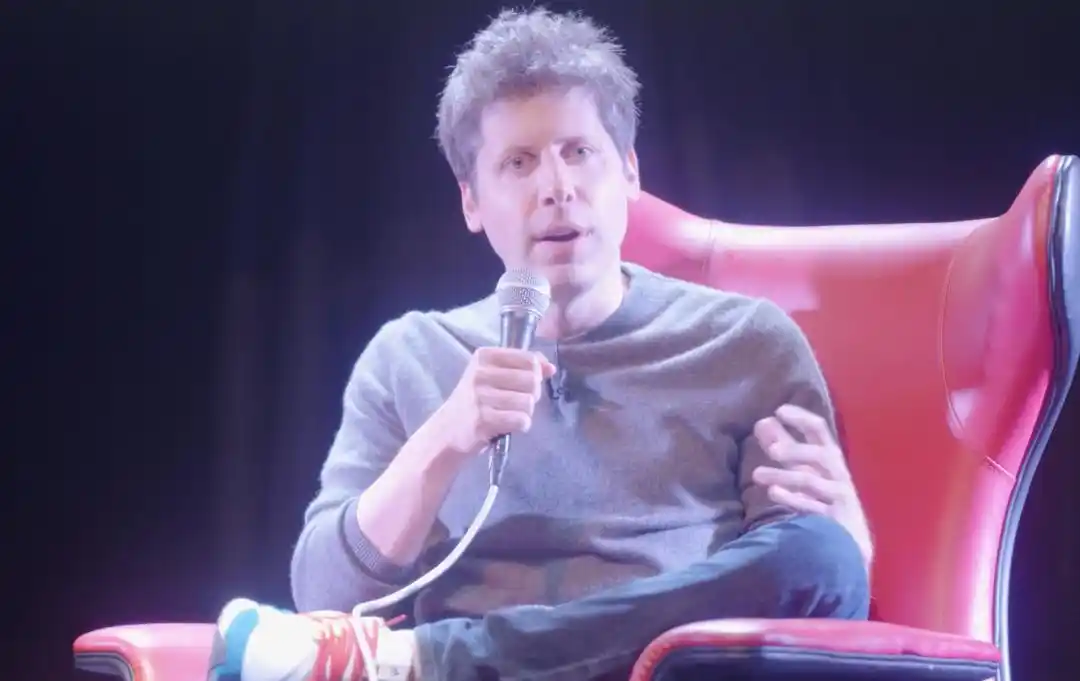
The example Altman gives is:
When you're writing a client sales pitch or a strategic document, it can remind you of user needs, provide new ideas, point out potential oversights, and proactively help you with part of the work. For instance, when a CEO is drafting a client sales pitch, GPT can combine previous communication records to remind them what the client truly cares about, and also check the pitch for any missing key needs. When a CEO is preparing a strategic document, GPT can also pull meeting discussions, user feedback, and internal materials to help supplement ideas and point out potential flaws in the argumentation.
It doesn't make the final call, but it can try to ensure decision-makers miss less information and repeat less work.
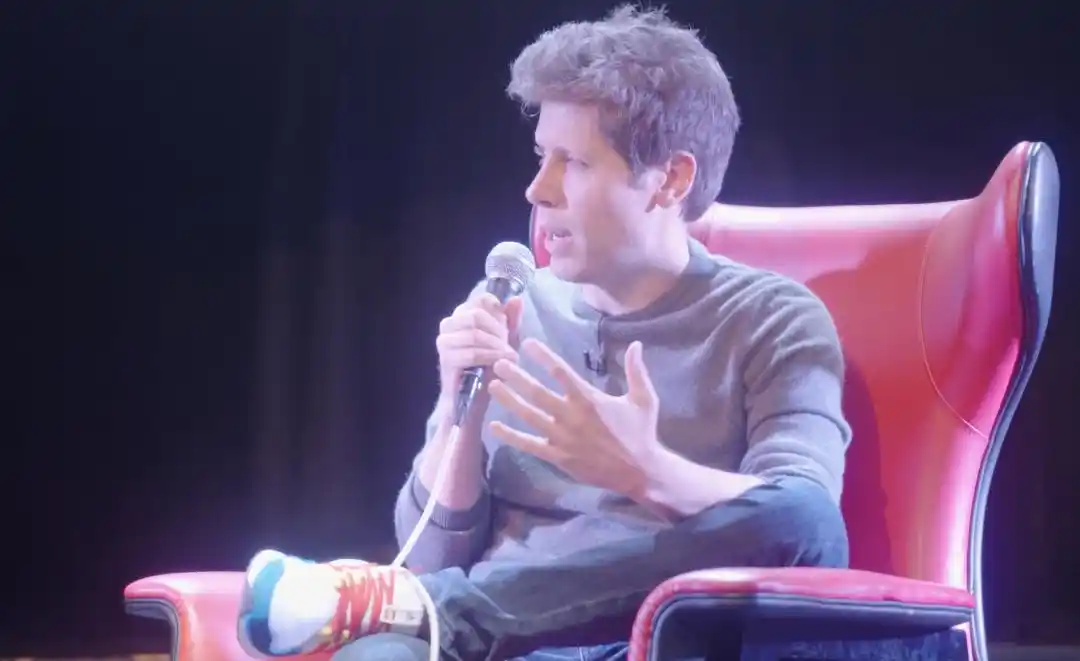
From this perspective, the next-generation GPT Altman describes is more like a full-time assistant who understands all the work context;
It can not only answer questions but also knows why you're asking them and what past events might influence the answer.
More importantly, such a product doesn't seem far off.
When the host pressed for an estimated timeline, Altman's answer was:
Roughly within the next six months.
In his view, with just one more model iteration, this experience will achieve a qualitative leap, potentially even reshaping our work patterns entirely.
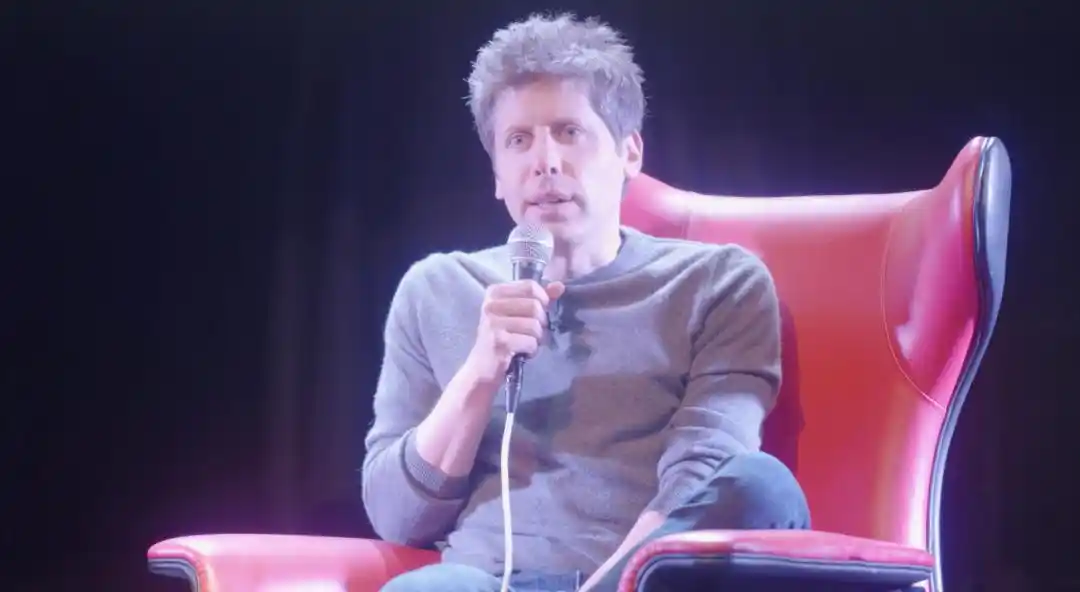
So it seems Altman has indeed targeted a very practical direction for iteration. If it can actively help office workers and CEOs handle complex documents, reduce work pressure, and improve efficiency, that would be fantastic.
But netizens' concerns are not without merit. For AI to actively take over our work, it must know what we've experienced before, what we're experiencing now, and what we will experience.
This also means the next-generation GPT, while showing immense potential, touches upon an extremely sensitive issue—privacy.
The more it understands you, the better it can help you; but the more it knows, the more privacy you have to give up.
Although it won't directly make decisions for you, if the AI can remember every word you've said, know every meeting you've attended, even see and remember what you've browsed late at night...
Would you still dare let it "see" your life?

Therefore, for AI companies, how to balance protecting privacy and enhancing AI capabilities is also a compulsory, must-be-answered question that cannot be avoided and must be approached with caution.
Reference Links:[1]https://x.com/haider1/status/2087219995466224120[2]https://x.com/cory/status/2087060650870907170?s=20
This article is from WeChat public account "QbitAI", author: Focus on Frontier Technology