Author: Will Clemente, Bitcoin Analyst / STIX Investment & Strategy Member / Co-founder of Reflexivity Research
Translation: Jiahuan, ChainCatcher
I hope everyone had a pleasant summer. I haven't written a long piece about Bitcoin for a while. In this article, I want to gather my thoughts on this asset and some ideas that have been forming in my mind recently, discussing how to view and allocate to Bitcoin going forward.
Last year, I largely shifted my personal market focus to commodities. The reason was that it had become evident that the crypto market was facing a supply overhang, which weighed heavily on the entire market.
At the same time, apart from a few niche areas like Hyperliquid, the industry lacked sufficient innovation, at least compared to the vibrant performance of other markets. Therefore, the market also suffered from insufficient demand to absorb the large supply.
I originally thought there was a window for Bitcoin to show strength late last year: small-cap stocks were soaring, and gold had just experienced a strong rally. But Bitcoin ultimately essentially just made a failed breakout—just a few days before October 10th—which was very disappointing to me.
In January of this year, as the market performance closely resembled the last bear market we experienced in 2022, I further reduced my remaining Bitcoin exposure.
To be frank, this hasn't been a pleasant year to focus on Bitcoin, or the entire crypto market for that matter. In terms of percentage decline from the highs, this cycle has been milder overall than the last one, but from many angles, this bear market might even be more difficult than 2022.
At least in 2022, you could clearly point to reasons for the market's decline: rising interest rates, the cleansing of leverage and fraud, and the FTX collapse. Then you could say, "If these factors might change, and by the end of 2022 the room for things to get worse was clearly smaller than the room for improvement, then Bitcoin likely presents a good long-term buying opportunity."
But there is no similar logic today, with perhaps a few exceptions like Digital Asset Treasuries (DATs) and the quantum computing risk—which I'll touch on later, and which in my view are finally starting to show some signs of repair.
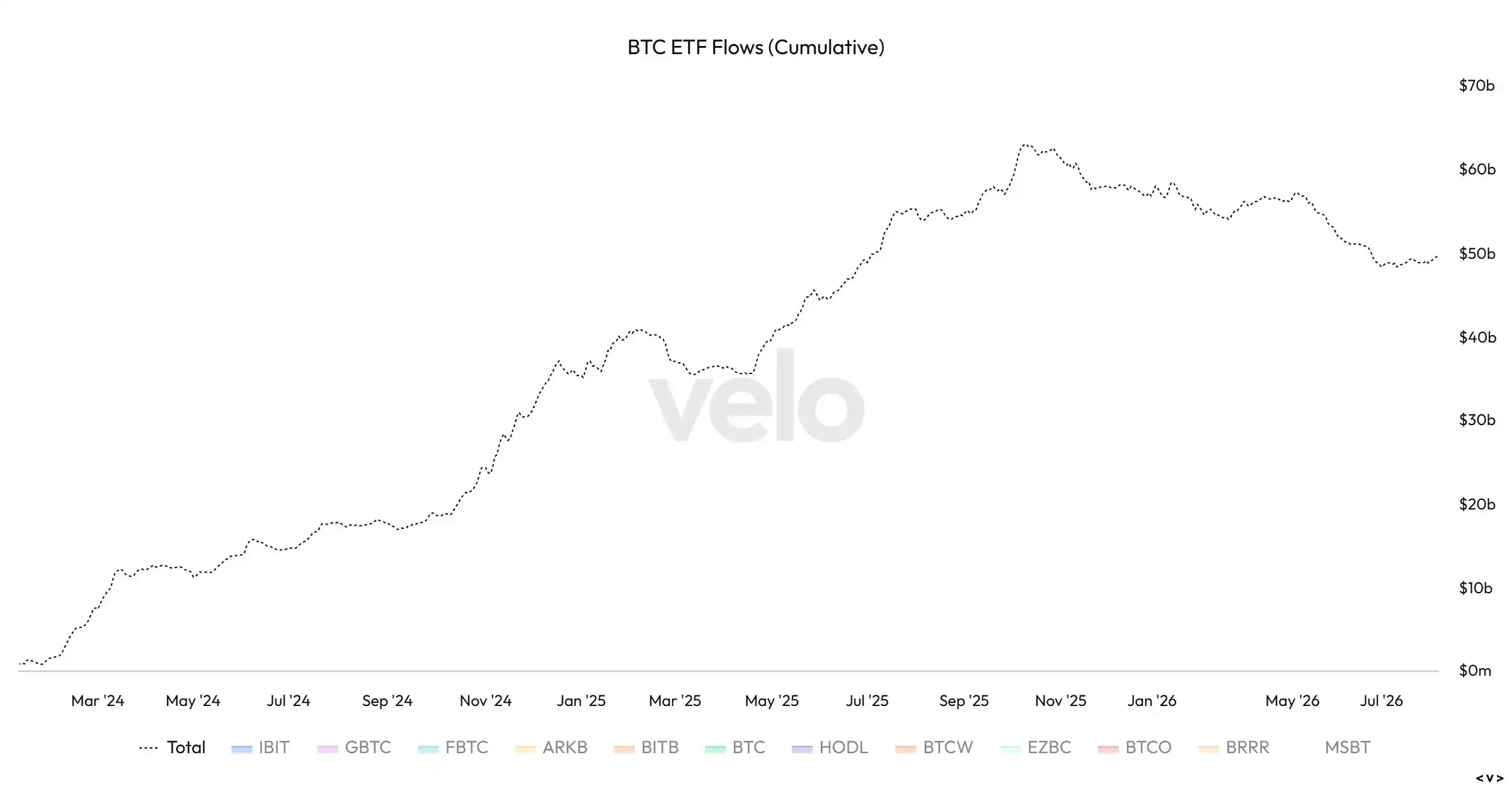
Bitcoin ETFs hold about $50 billion in assets. They set records for inflows upon launch, only surpassed earlier this year by memory ETFs. Major financial institutions have also started rolling out lending products.
Last year, gold performed exceptionally well driven by central bank reserve demand and the "de-dollarization" narrative; theoretically, that should have been Bitcoin's moment to shine.
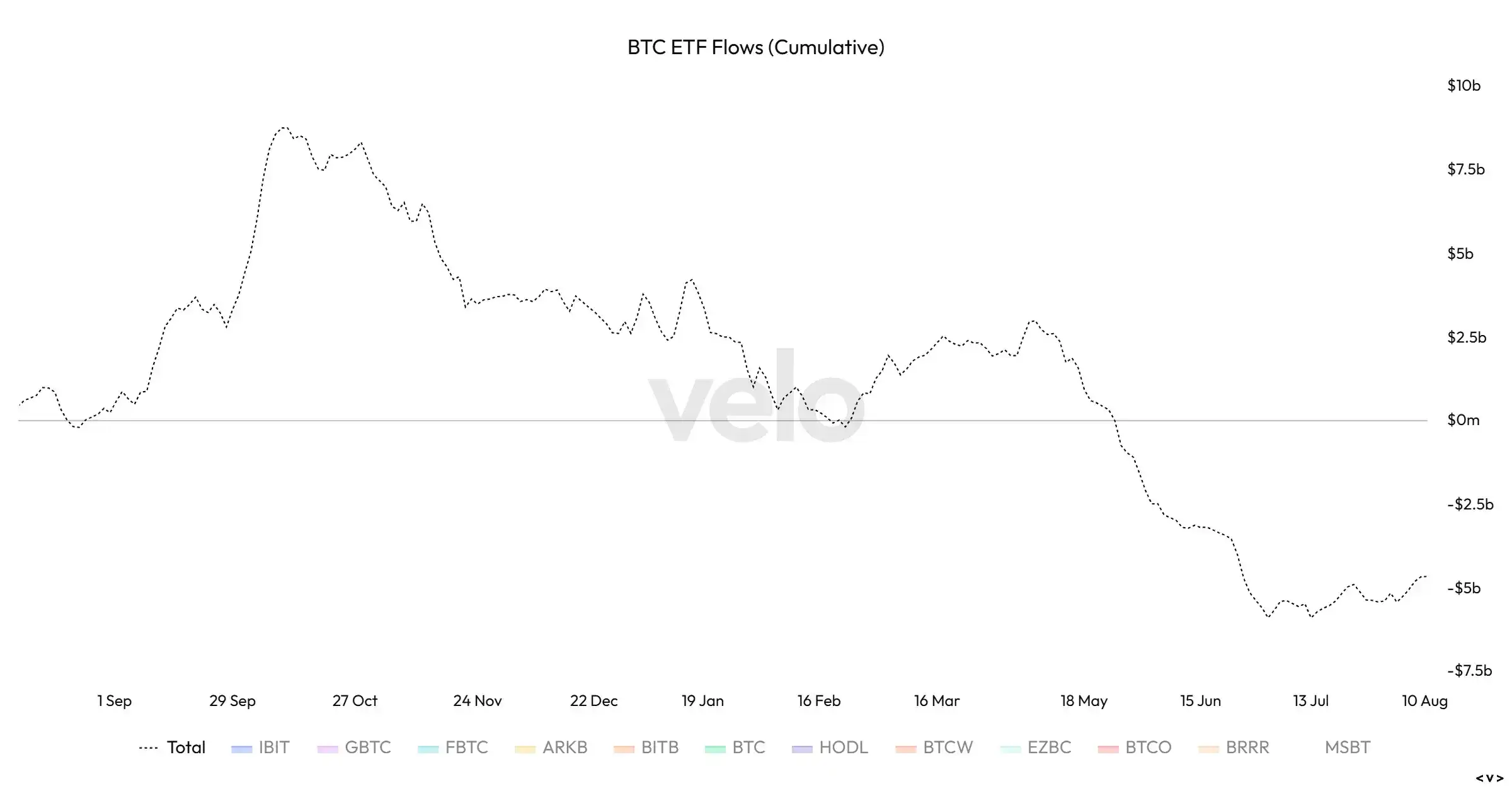
Now, virtually any individual or institution wishing to gain Bitcoin exposure has a channel to do so. Precisely because of this, the contrast is especially disappointing: Bitcoin ETFs have seen $5 billion in net outflows over the past year, while DRAM-related products attracted $10 billion in a single month.
Network Health
When discussing Bitcoin's fundamentals, we are obviously not talking about traditional financial metrics, but rather observing the underlying state of the network itself. I won't go through every indicator just for the sake of listing data, but there are two points I believe are truly important.
In an increasingly centralized world—with state-led economies, state-influenced markets, plus the perhaps most powerful technological centralizing force we've seen yet from big tech companies—I do believe "decentralization" has intrinsic value.
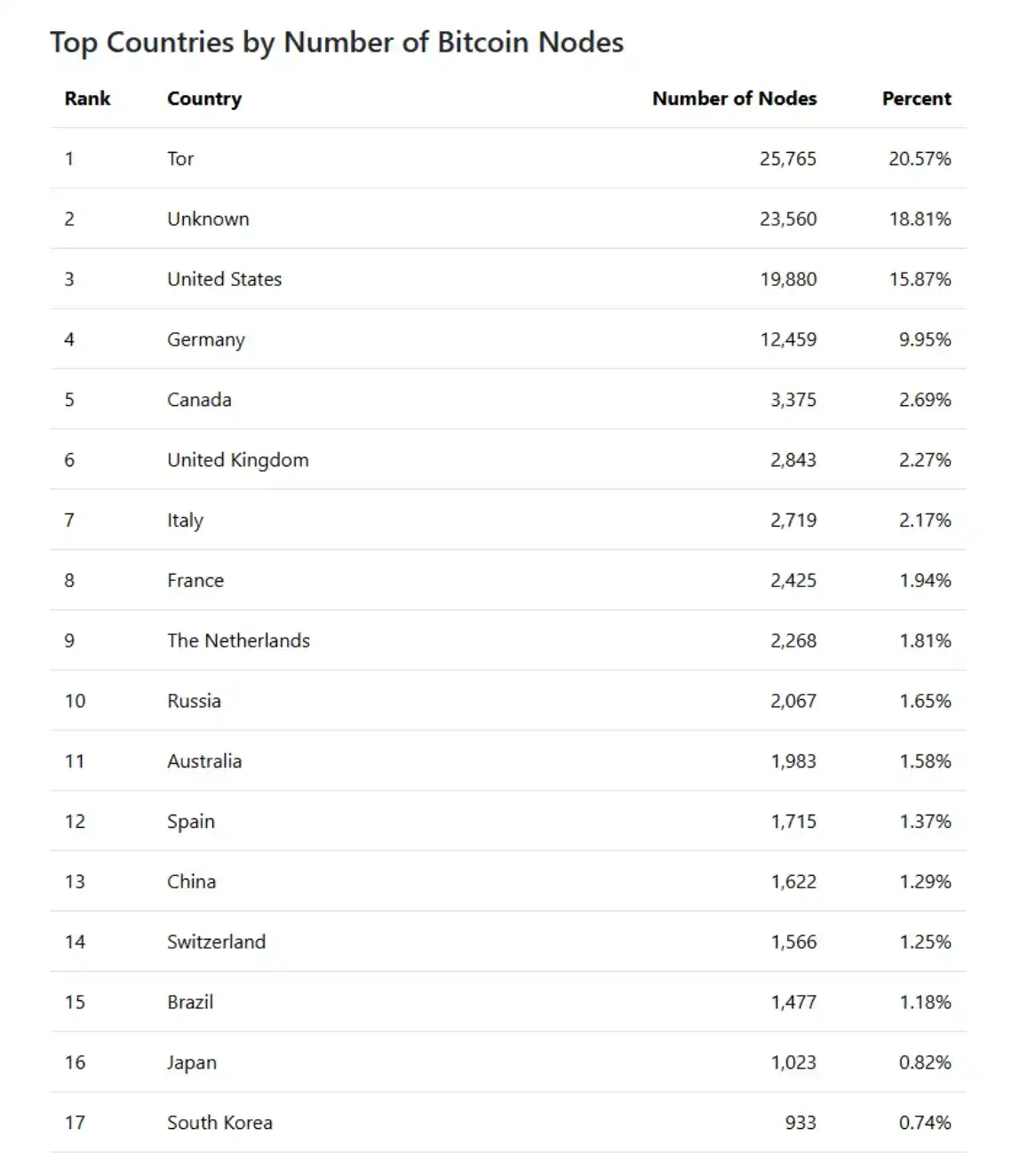
For those less familiar with Bitcoin's underlying mechanics, the network has both miners, whom everyone has heard of, and nodes. Anyone can run a node. Nodes enforce the rules and validate the network, while miners provide security through computational work backed by massive energy consumption. Nodes are spread across the globe, and there are likely many more that aren't easily tracked. The list below alone covers nearly 200 countries.
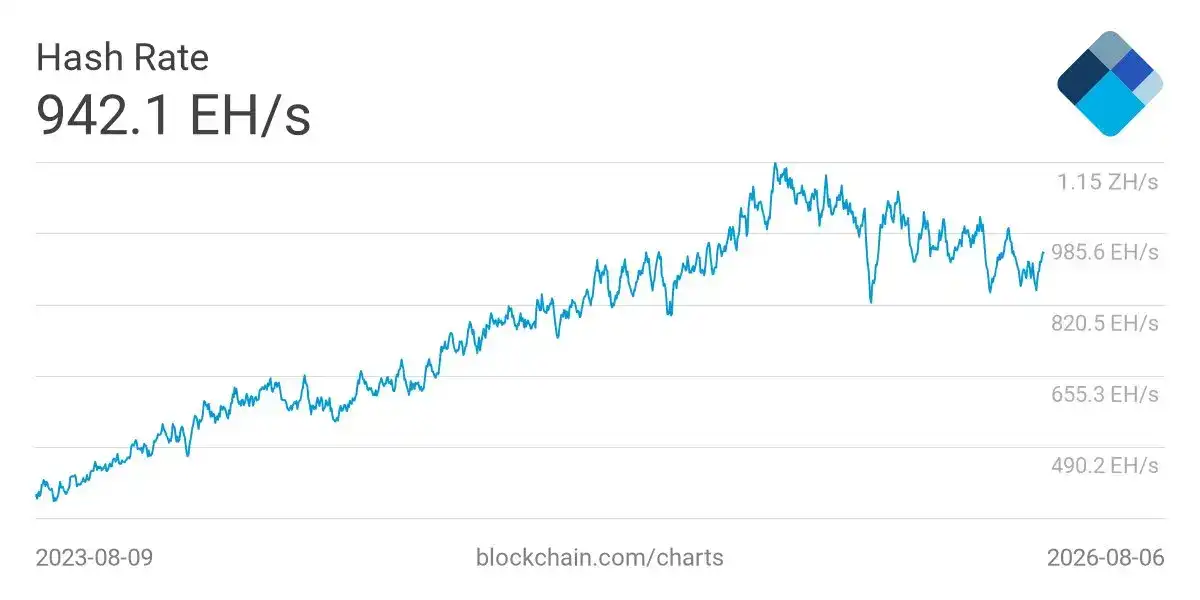
We can observe mining pools—though pools don't control the individual miners within them—but it's difficult to track every independent miner like we can track nodes. However, we can look at the overall energy input securing the network through hash rate.
From any angle, Bitcoin's total network hash rate is declining. Post-2022, miner profit margins were squeezed by increased competition and rising energy costs. More importantly, many mining companies began pivoting to Artificial Intelligence and High-Performance Computing (AI/HPC). So far, this has proven a prudent business decision for those listed miners who have transitioned.
Bitcoin's underperformance relative to AI-related assets, coupled with the strong growth in demand for computing power, has further reinforced this trend. Therefore, this can be interpreted both pessimistically and optimistically.
The pessimistic side: In terms of energy input securing the network, the Bitcoin network is indeed technically less secure; simultaneously, the energy input value—essentially the production cost—backing each unit of Bitcoin as a digital commodity has decreased.
However, it's worth noting that due to the difficulty adjustment mechanism, the network itself is not in crisis. The network automatically adjusts mining difficulty and reward conditions every two weeks based on the hash rate level. When competition decreases, this mechanism incentivizes new miners to join and provide security.
The optimistic side: Even though virtually every listed mining company we know of is pivoting to AI/HPC, the total network hash rate has only fallen back to mid-last year's levels. This suggests there may be more entities actually mining Bitcoin and able to access cheap energy than some previously thought. Combined with node distribution data, the Bitcoin network remains decentralized and healthy.
Overall, I believe the Bitcoin network itself remains as decentralized and healthy as it has ever been.
Valuation Methods & Current Metrics
Bitcoin obviously doesn't generate cash flow, but we can still compare its current valuation to historical market performance using several unique methods.
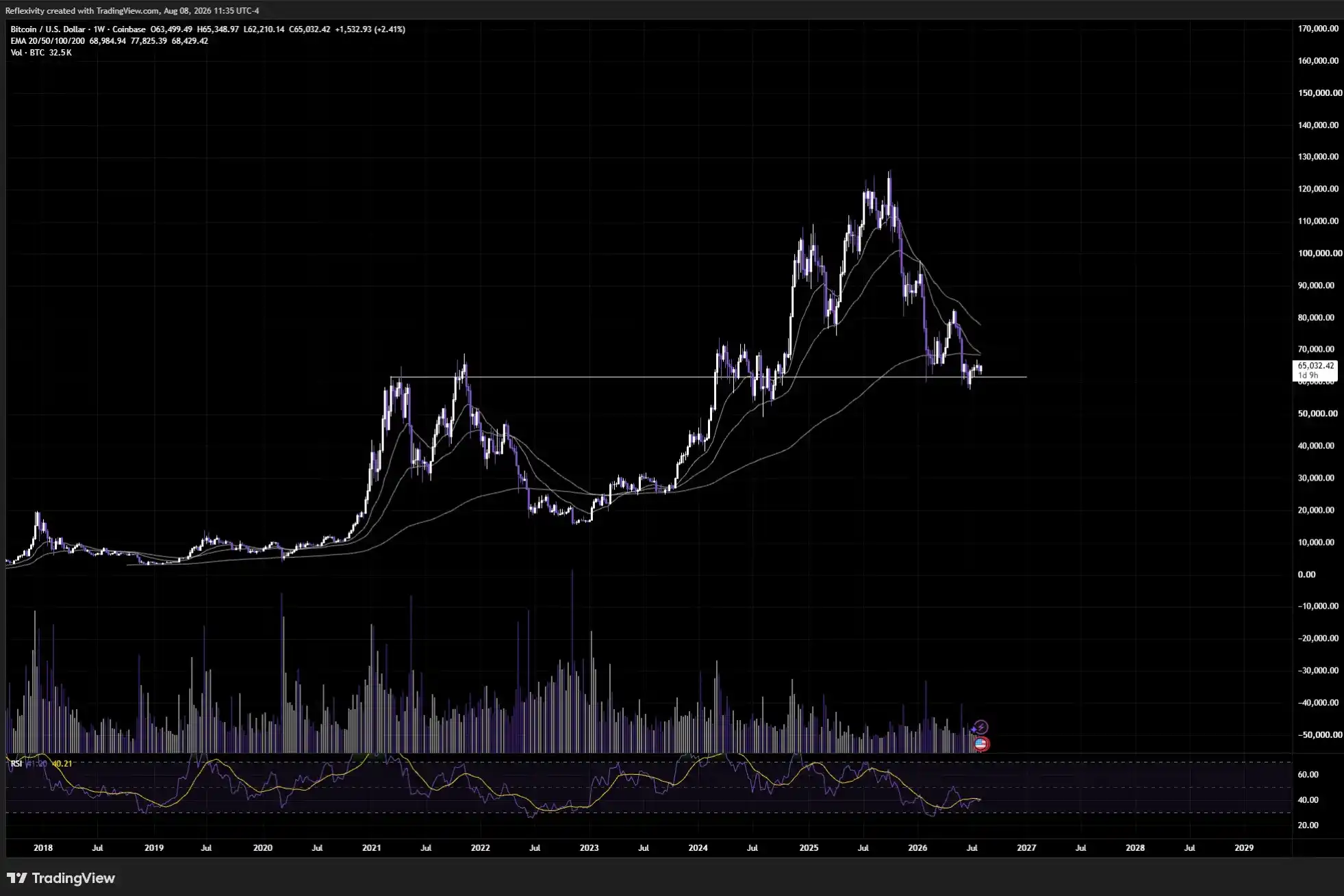
From a technical perspective, Bitcoin is currently consolidating near its 2021 previous highs, slightly below the 200-week Exponential Moving Average (EMA). The weekly RSI is showing a bullish divergence emerging from oversold territory, with the last time it reached such oversold levels being the depths of the previous bear market.
Historically, the 200-week moving average has been a decent baseline threshold to start considering gradually accumulating Bitcoin spot positions.
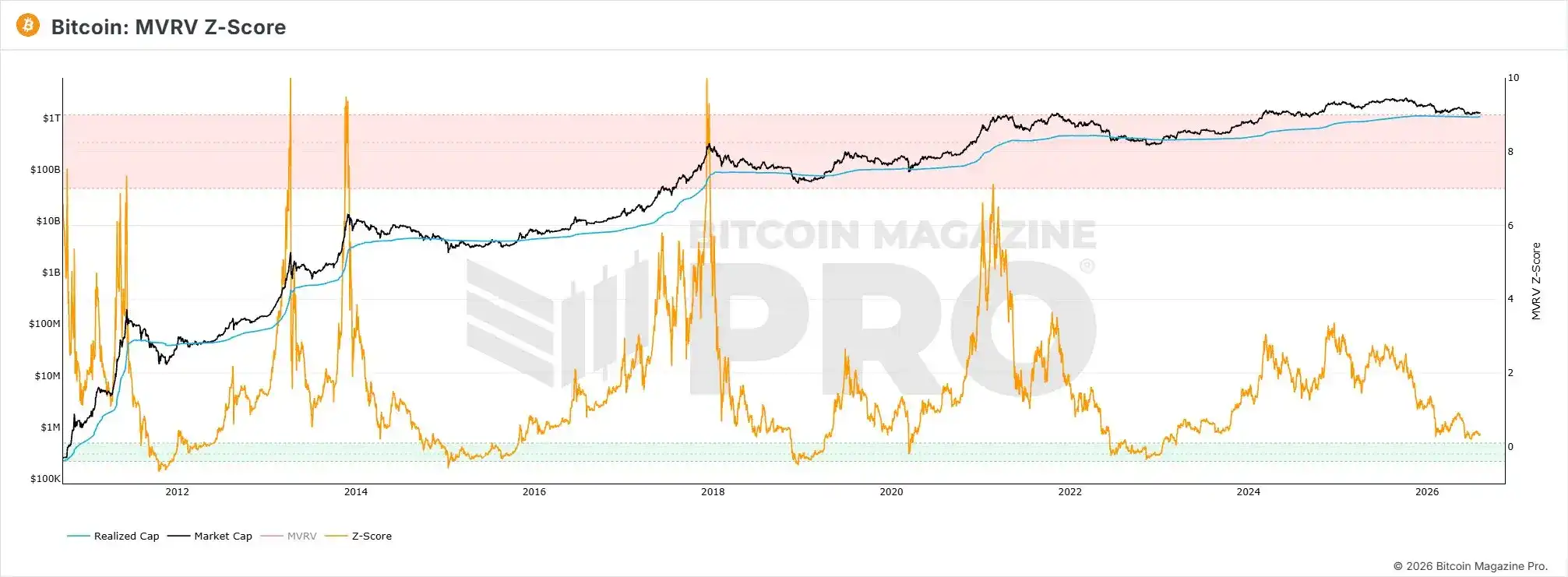
Among on-chain data-based valuation methods, one of the most effective indicators is the Market Value to Realized Value (MVRV) ratio. It compares Bitcoin's current marginal transaction price to the aggregate cost basis of the entire network; the latter is calculated based on the price at which tokens last moved to a new wallet cluster.
When this ratio is high, it means the current marginal transaction price is significantly above the network's average cost. There is a large amount of unrealized paper profit (PNL) in the market, giving many holders strong motivation to take profits.
When the ratio is below 0, it means market participants are, on average, in an unrealized loss position. Historically, this has often marked a phase more suitable for accumulation.
You'll notice that in 2024–2025, this indicator never truly reached the frenzied, blow-off-top levels of the past. This reflects the asset class's gradual maturation and the accompanying compression in volatility in recent years.
Considering that each bull market's indicator highs have been progressively lower, and the lows at the deepest points of each bear market have been slightly higher, a reasonable conclusion might be that the market doesn't necessarily have to enter negative territory this time to find a bottom.
It's extremely difficult to buy precisely at the lowest point. The most important takeaway here is that Bitcoin is currently at the lower end of its historical valuation range.
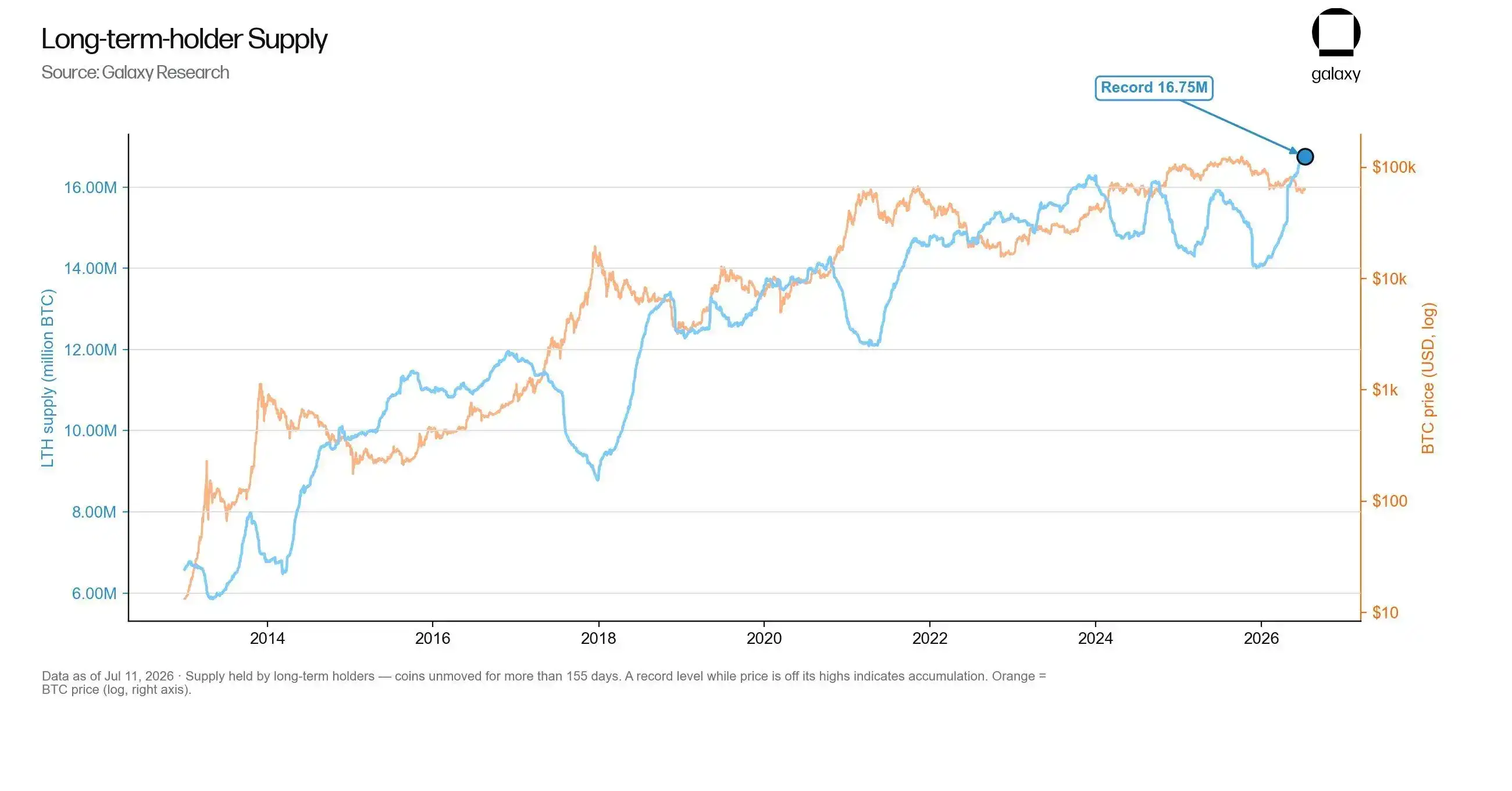
Long-term holders also seem to be accumulating quite aggressively. After sustained distribution in mid-to-late 2025, they are now accumulating again, indicating they see value at current price levels.
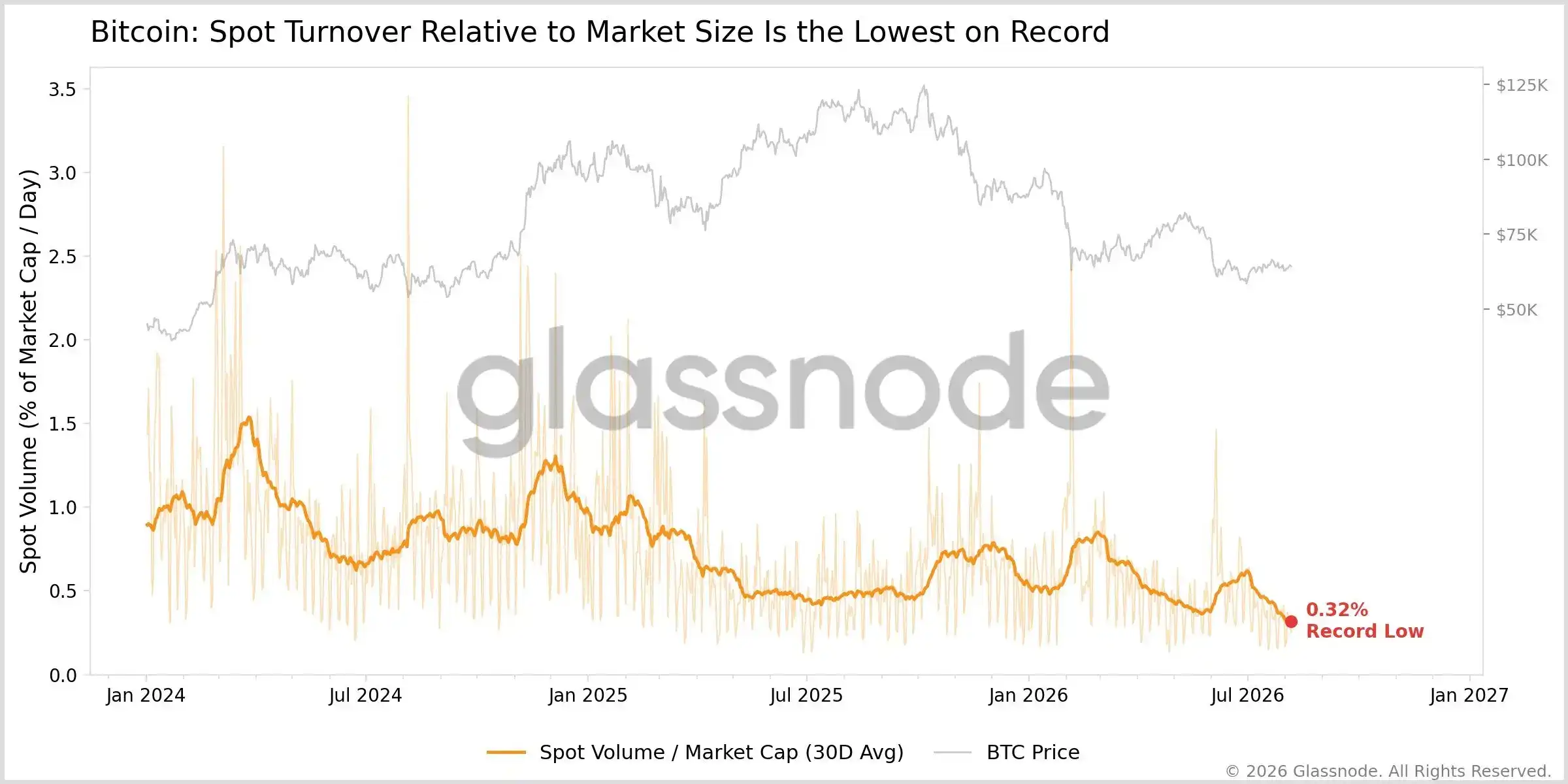
Trading volume, meanwhile, has almost completely dried up. @n3ocortex made an excellent chart showing Bitcoin spot trading volume relative to its market capitalization has fallen to historical lows. ETF and DAT trading volumes show a similar state.
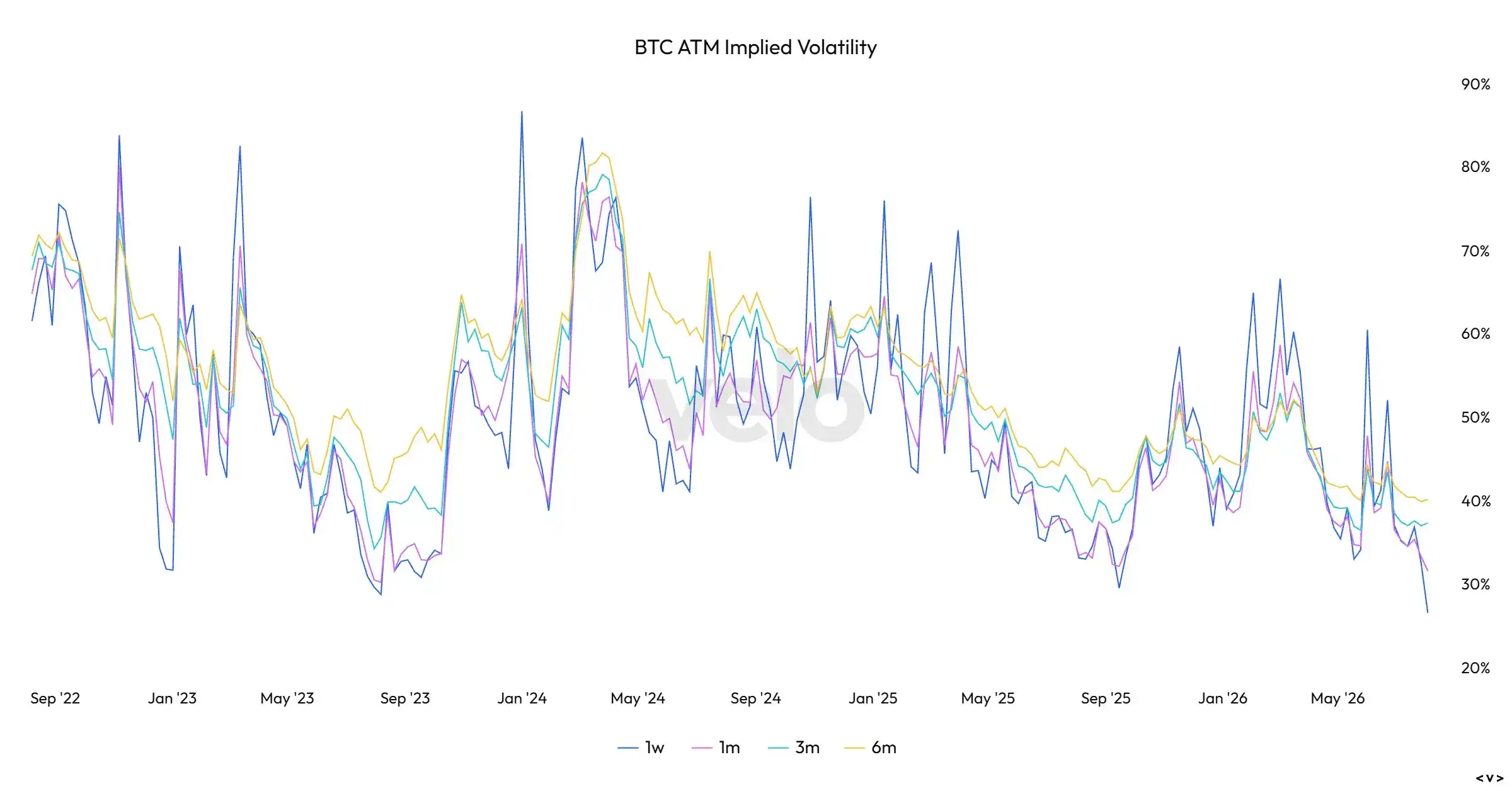
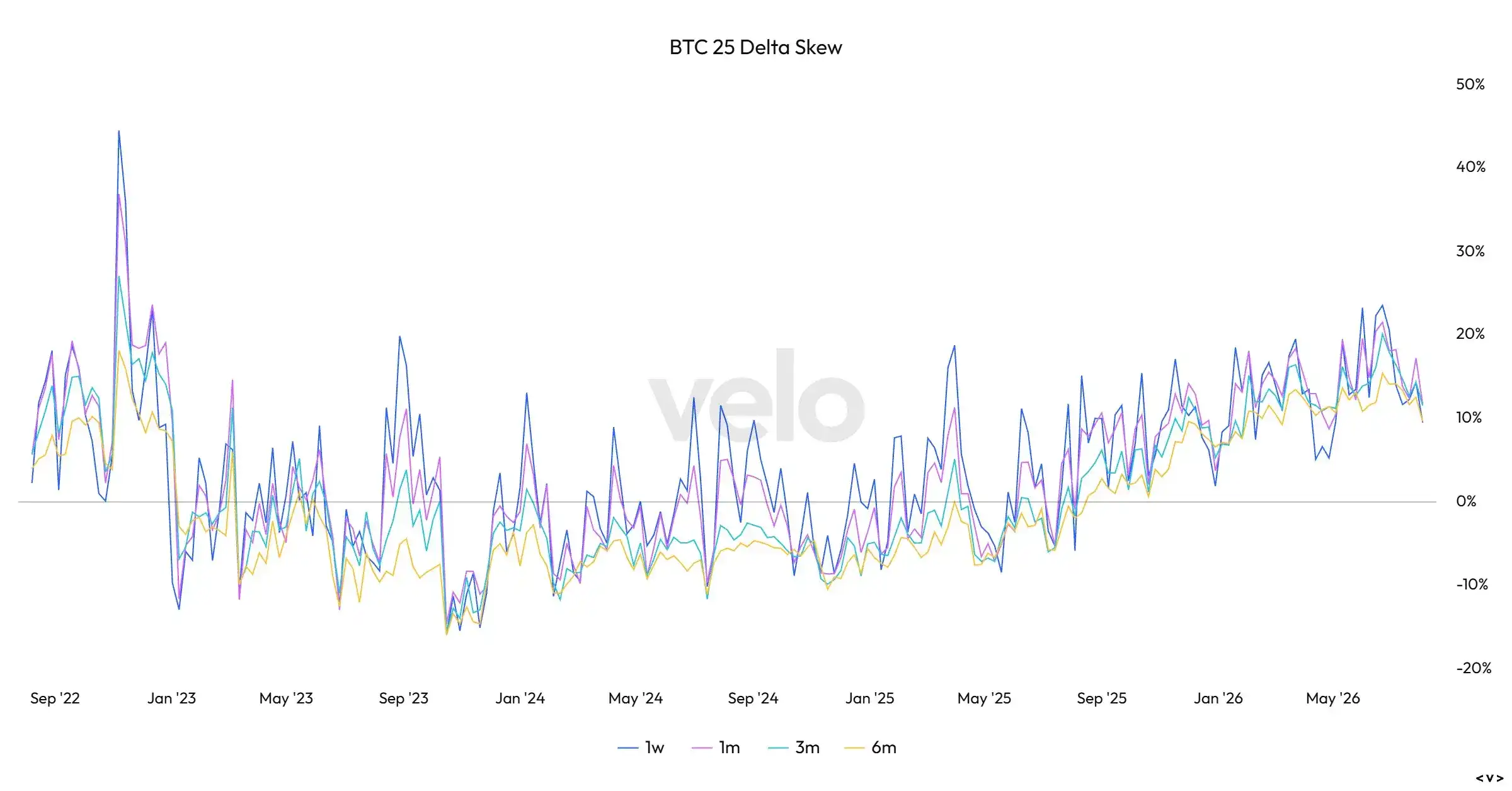
Near-month implied volatility in the options market has fallen to multi-year lows, meaning the market views Bitcoin as "dead money" with no near-term performance expected. Meanwhile, options skew data shows that over the past year, the only thing the market has been demonstrably interested in is buying more downside protection.
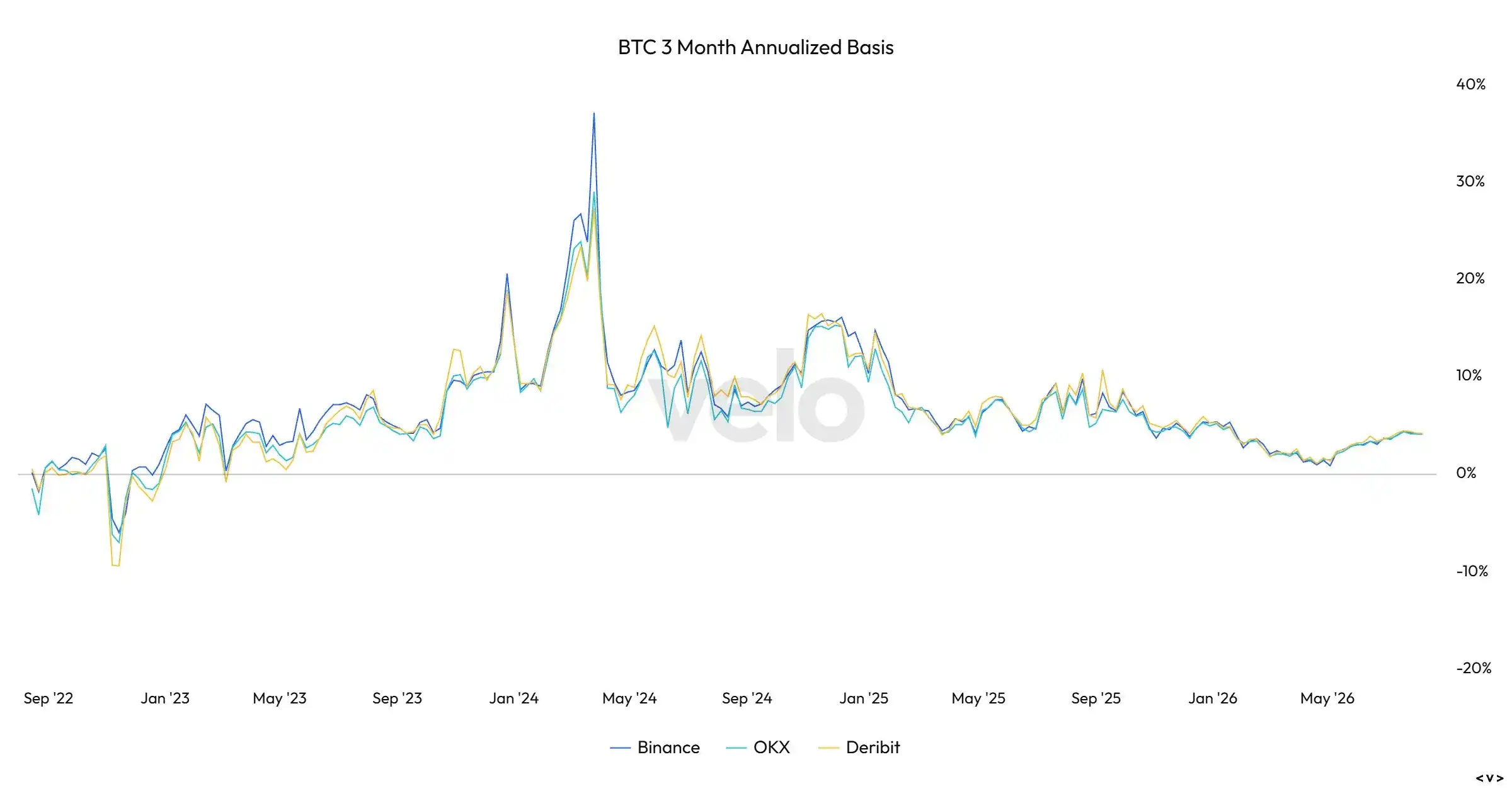
Finally, looking at the derivatives market: the Bitcoin futures basis—the spread between the price of forward contracts and the Bitcoin spot price—has been declining for years, and it's even difficult to reach levels matching U.S. Treasury bill yields.
This indicates two things:
- An increasing number of funds are arbitraging the Bitcoin futures basis;
- The market is not pricing in a significant premium for forward Bitcoin futures contracts relative to the spot price.
Putting these factors together, the objective picture presented is: the market has gone completely quiet. Neither in futures nor options markets are traders expressing bullish views, and they are pricing in further flattening of Bitcoin volatility.
Meanwhile, multiple indicators show Bitcoin entering deep value territory; long-term holders are accumulating again. This seems to contradict both trader sentiment and the trend of $5 billion in net outflows from Bitcoin ETFs over the past 52 weeks.
DATs & The Specter of "Quantum Computing"
One of the biggest pressures on the market during the 2023–2025 bull run was Digital Asset Treasuries (DATs). At least in theory, the design logic of these instruments is to dilute common shareholders in a way that accretes value per share, thereby accumulating more Bitcoin and ultimately enhancing shareholder value.
However, after the success of MicroStrategy and Japan's Metaplanet, a wave of similar companies emerged competing for returns, significantly intensifying competition. Flows into these instruments were broadly dispersed, ultimately leading to a narrowing of their premiums to net asset value.
In recent months, we've seen several related news items: some treasuries have slowed their Bitcoin accumulation, some have begun directly selling Bitcoin, and a few have even completely changed their strategies. I view these as positive signals of market self-repair.
Recently, when Saylor announced a Bitcoin sale, the price of Bitcoin actually rose. According to MicroStrategy's latest earnings call, the company is consolidating its capital structure and prioritizing STRIC. This stands in stark contrast to the earlier pattern of "announcing a Bitcoin purchase, Bitcoin price falling."
Looking ahead, I don't believe DATs will pressure the market to the same degree they did 6–9 months ago, especially with Bitcoin price down more than 50% from its highs.
I do believe quantum computing is a real concern, particularly on a timeframe beyond five years. In recent months, while assisting with investment analysis at STIX, I've interacted with several quantum computing startups beginning to mature, spoken with people in the industry, and thus gained some understanding of the field. Of course, I am no expert.
My view is that this threat deserves to be taken seriously. However, with Bitcoin priced at $60,000, down 50% from its highs, and underperforming other assets, I believe the current price already reflects this risk to a significant degree.
From now on, even considering the most extreme doomsday scenarios, the direction of these widely discussed and publicly known concerns will likely only become less bad. The worse Bitcoin performs due to market concerns about quantum risk, the more incentive large holders and institutions profiting from Bitcoin trading, custody, and lending businesses have to motivate a cohort of developers to find and propose solutions.
This is similar to the situation with ETF approval in the last cycle: the market trades ahead of the probability of the problem being solved. Therefore, once the risk is completely resolved, you likely won't be able to buy at extremely low prices anymore.
Potential Bullish Logic
Even if you think Bitcoin is roughly at a level suitable for long-term allocation now, opportunity cost remains an extremely important consideration for medium-to-short-term capital allocators: with a hot economy and genuinely investable and speculatable innovative opportunities in the market, allocating capital to Bitcoin seems to miss out on a lot by comparison.
The core question that has persisted for months is: if gold is up this year and high-beta stocks have performed strongly, yet Bitcoin hasn't followed, what exactly needs to happen for Bitcoin to start performing from here?
As the charts earlier show, on-chain data indicates long-term holders are buying with significant force. Meanwhile, DATs have shown signs of capitulation-style selling, and ETFs have brought fairly significant net selling pressure.
Past Bitcoin bear markets have ended due to seller exhaustion, not necessarily requiring a catalyst that sparks massive new demand. At this point, if you were concerned about DATs, quantum computing risk, or Bitcoin's underperformance, how many people haven't sold yet and can continue selling at a pace exceeding the last 6–9 months?
Obviously, if macroeconomic or geopolitical turmoil occurs, Bitcoin could still experience a sharp drop due to a sudden spike in asset correlations. But here we are discussing a judgment on a higher timeframe of the coming months.
I fully understand there isn't a clear catalyst at the moment. The "Clarity" bill might be one, but I don't think it will have a huge impact on Bitcoin itself. However, market bottoms often look like this.
What you weigh is the probability of things getting worse relative to the expectations already reflected in the current price. It's the opposite of a bull market judgment: in a bull market, people assess the probability of reality being better than expected.
I'm not ruling out one final leg down sometime this year, but at this point, I believe the market has priced in many of these risks over the past year.
A potential catalyst for Bitcoin might simply be steady buying by large institutions as per their mandates. The initial Asset Under Management (AUM) growth upon ETF launch was staggering, but we are long past the initial excitement phase. Total ETF AUM has been slowly declining since last October.
One possible catalyst could be large asset management firms deciding to include a small, single-digit percentage Bitcoin allocation across their various investment portfolios. This would bring price-insensitive inflows to Bitcoin.
This might sound a bit like grasping for straws, but Bitcoin's lack of significant correlation with multiple asset classes over the past year could indeed serve as a rational basis for large management firms, which often seek to diversify asset correlations and risk exposures, to allocate a small amount to Bitcoin.
Conclusion: How to Think About Allocation Going Forward
In short: I think Bitcoin is "cheap," though it could still take another step down sometime this year. The network's fundamentals are generally healthy. At this point, most risks have been priced in; those who would sell because of these risks have likely already sold. You almost certainly cannot buy precisely at the bottom.
In my view, there are a few ways to allocate from here. Of course, this is not investment advice.
The simplest strategy is to consider starting a dollar-cost averaging plan to gradually buy Bitcoin spot over the coming months. You could also wait for a final leg down, or wait for the market to regain vitality and upward momentum before acting.
Another strategy is to start allocating now. Since implied volatility is very cheap, you can simultaneously use the options market to hedge against any final leg down that might shake you out of your position.
Personally, I haven't truly pulled the trigger yet, but I'll likely start acting in some manner soon.
I hope this article provided some valuable food for thought and sparked discussion on how others are viewing these issues. Maybe the "four-year cycle" proves we live in a simulation. Regardless, the coming months look to be interesting for this orange coin.