Looks like Zuck just can't let it go…
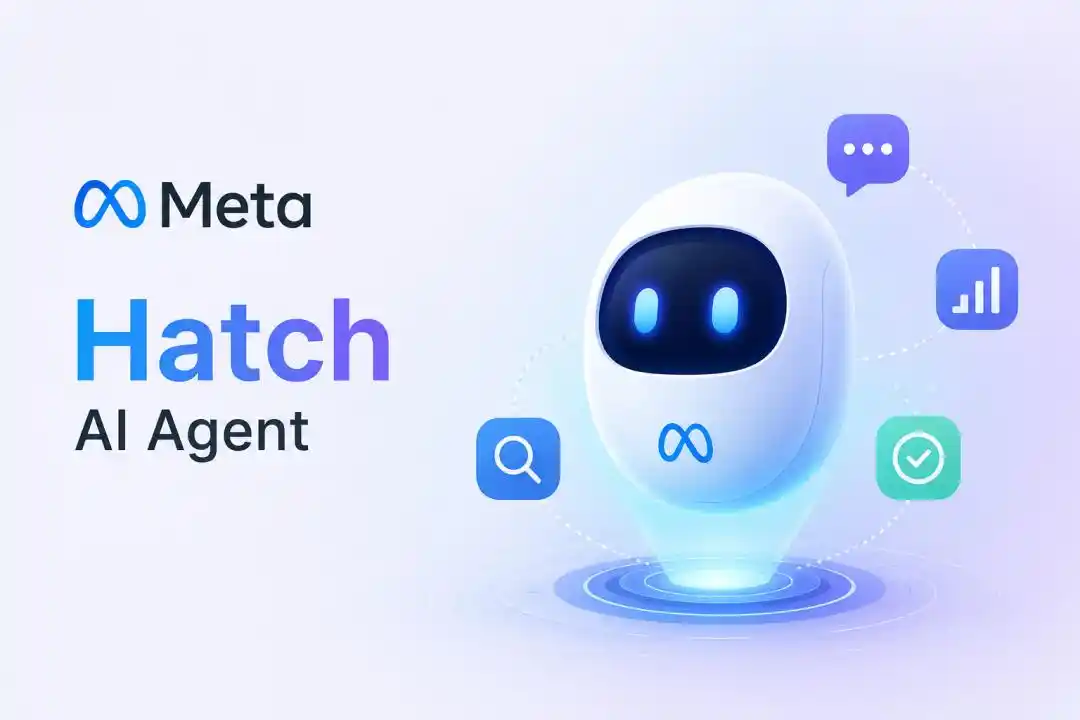
Right after handing Manus back, Meta has turned around and built its own agent platform called "Hatch".
Looks like Zuck just can't let it go…

According to reports from The Information, Hatch functionally emphasizes "setting a goal, automatically breaking it down, and delivering results", which sounds quite similar to Manus. However, Meta insists on a different marketing angle, calling it the "consumer version of OpenClaw".
Its top price tier is $199.99 per month, also matching Manus's highest tier of $200 per month.
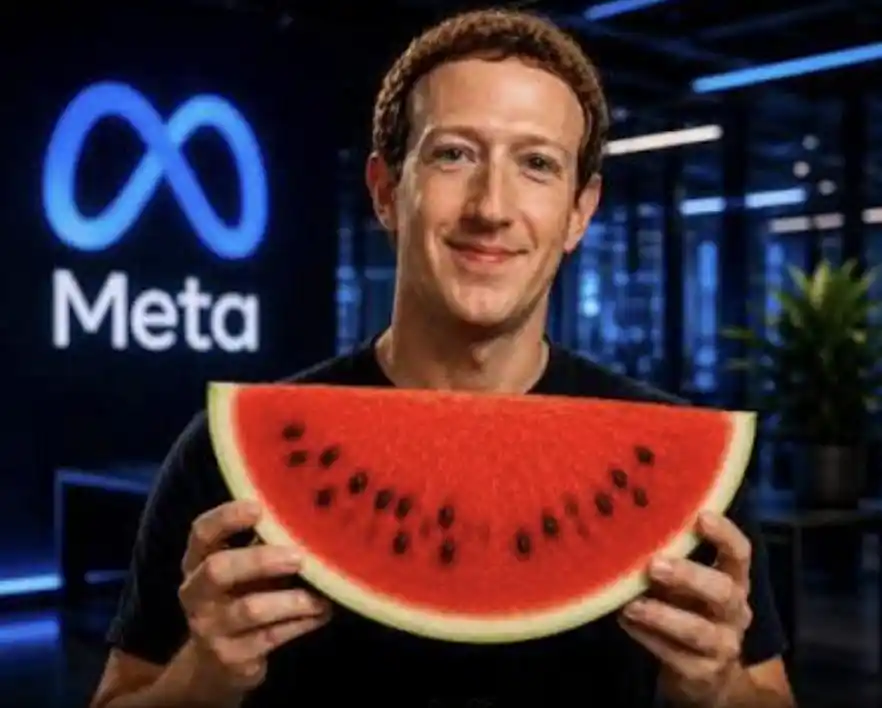
Additionally, during its development phase, Hatch used the Claude model. The plan is to switch to Meta's own Muse Spark model only when the product officially launches, with a new model, Watermelon, slated for release in October.
Failed Acquisition? Do It Yourself
Unlike tools like Codex or Claude Code, which are essentially developer tools aimed at writing code, debugging, and building software,
Hatch focuses more on "consuming digital life."
For early training of Hatch, Meta configured environments that included simulated versions of internet services like DoorDash, Etsy, Reddit, Yelp, and Outlook.
This covers local services & delivery, goods trading, community information retrieval, and personal productivity management.
Coupled with Meta's own social network ecosystems of Instagram, Facebook, and WhatsApp,
In other words, Hatch's goal is to bridge the complete path of "Discovery—Comparison—Communication—Scheduling—Purchase."
For example, if a user sees a pair of shoes on Instagram Reels, Hatch could, in theory, identify the product cue, search for similar items, compare prices and delivery times, offer suggestions based on the user's budget and historical preferences, and request confirmation before payment.
However, there are also differences from Manus. Manus is an independent, general-purpose execution environment aimed at research, web automation, coding, and content creation. Hatch, on the other hand, places greater emphasis on long-term memory, personalized context, cross-service operations, and deep integration with Meta's social ecosystem of billions of users.
On the technical roadmap, using Claude during development easily leads others to assume that Muse Spark hasn't yet met the mark in multi-step reasoning, tool calling, and other agent tests.
But long-term dependence on a competitor's model clearly doesn't align with Meta's cost and strategic interests. Once a consumer-grade agent achieves high-frequency usage and long-chain reasoning, inference costs will skyrocket.
Meta's plan is a phased migration.
Use Claude as a transition during the R&D and internal testing phases, switch to the self-developed Muse Spark series of models in the initial productization stage, with subsequent expansion phases taken over by next-generation models like Watermelon, launching in October.
This seems like another potential pitfall—different model behaviors could make migration difficult, right?
However, it's still not confirmed whether Watermelon belongs to the Muse series or will directly become Hatch's core model.
Meta's advertising business has long provided strong cash flow, but the rapid rise of AI infrastructure, model training, and inference costs demands that the company establish more direct AI monetization methods beyond ads.
Hatch's high-end subscription pricing finds its biggest trump card in "default distribution."
Users familiar with Meta's ecosystem don't need to download unfamiliar tools; they can directly use Hatch within Instagram, Facebook, WhatsApp, Messenger, the Meta AI app, or even smart glasses.
A typical challenge for general-purpose Agents is not understanding the user. Meta hopes to use Hatch to convert these scattered signals into the ability to "understand user intent," a capability that pure chat-based AI products lack.
However, a price tag of nearly $200 per month means users will evaluate based on "whether it can consistently save several or even dozens of hours of human effort."
This requires Hatch to maintain reliable performance in real-world scenarios with complex webpages, incomplete information, changing login statuses, payment confirmations, and error handling.
The real internet is far more complex than a simulated training environment. Webpage structures often change, and pop-ups, CAPTCHAs, anti-bot measures, regional differences, and inventory fluctuations can all cause task failures.
This article is from the WeChat public account "QbitAI," author: Meng Chen