OMG! OpenAI, you really scared me.
First, the strongest model Astra's release is paused, and then the company's number two is leaving???
No joke, just now, Sam Altman's long-time core deputy and former COO, Brad Lightcap, published a long post on X, officially announcing his departure.
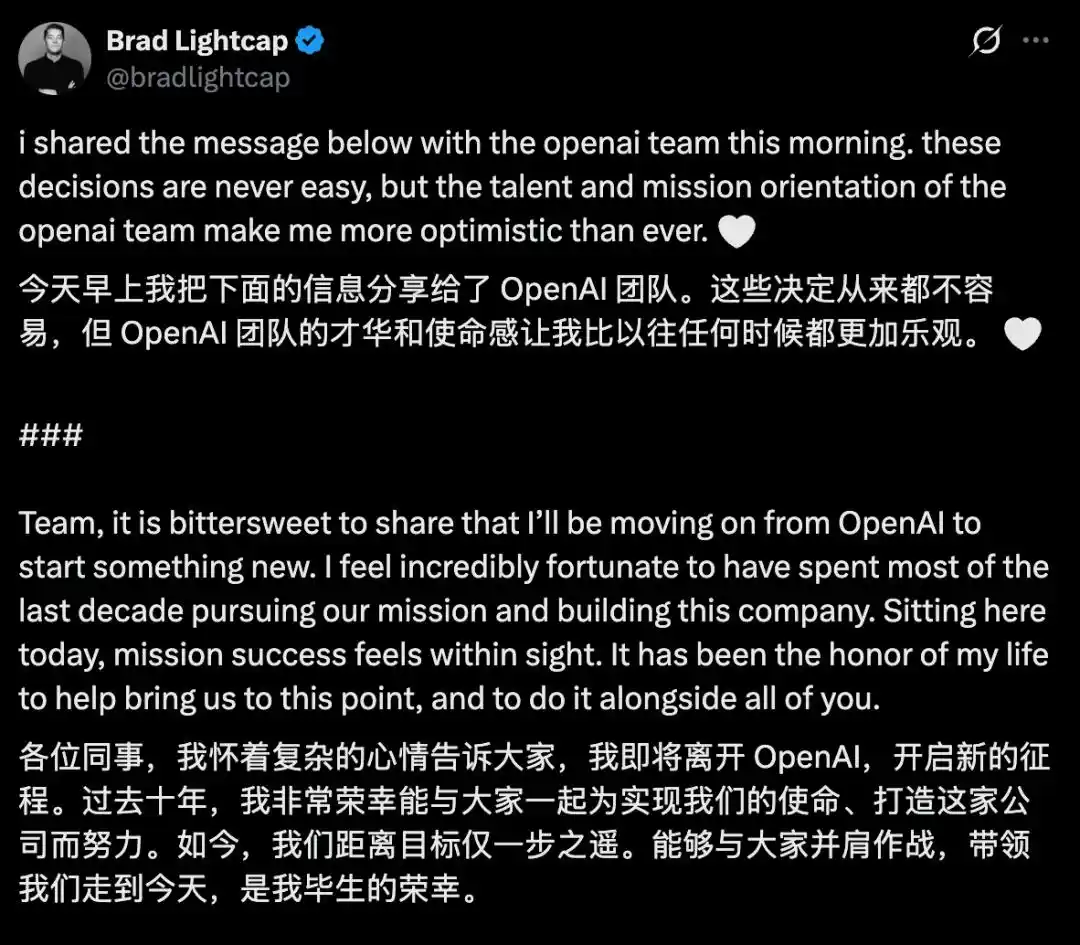
As for why he's leaving? Brad didn't specify, only mentioning he wants to "go out and do something new." What exactly it is, he's keeping under wraps for now.
Then follows the standard process: Gratitude for the 8-year experience at OpenAI, and continued support for the company's mission in the future!
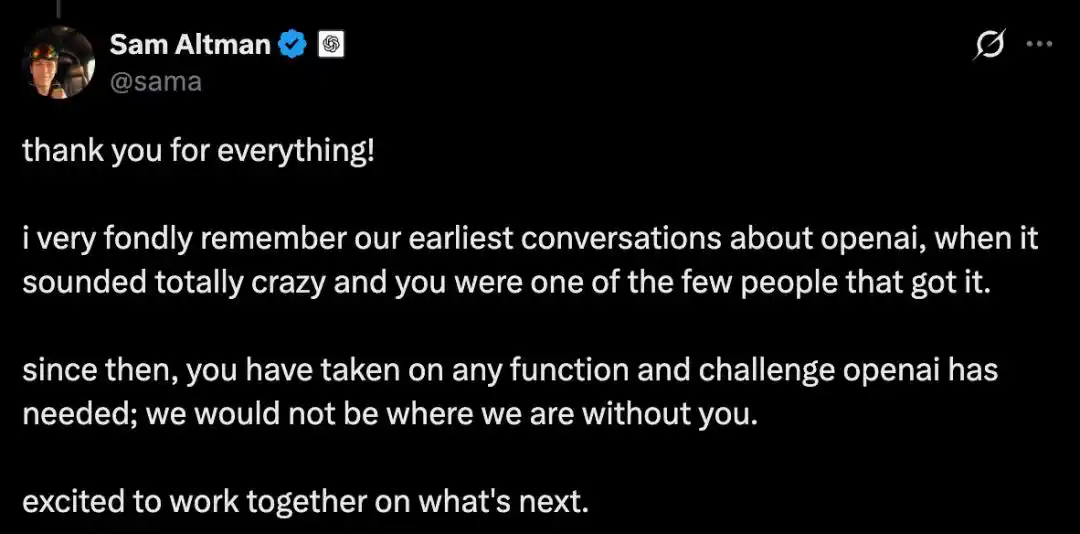
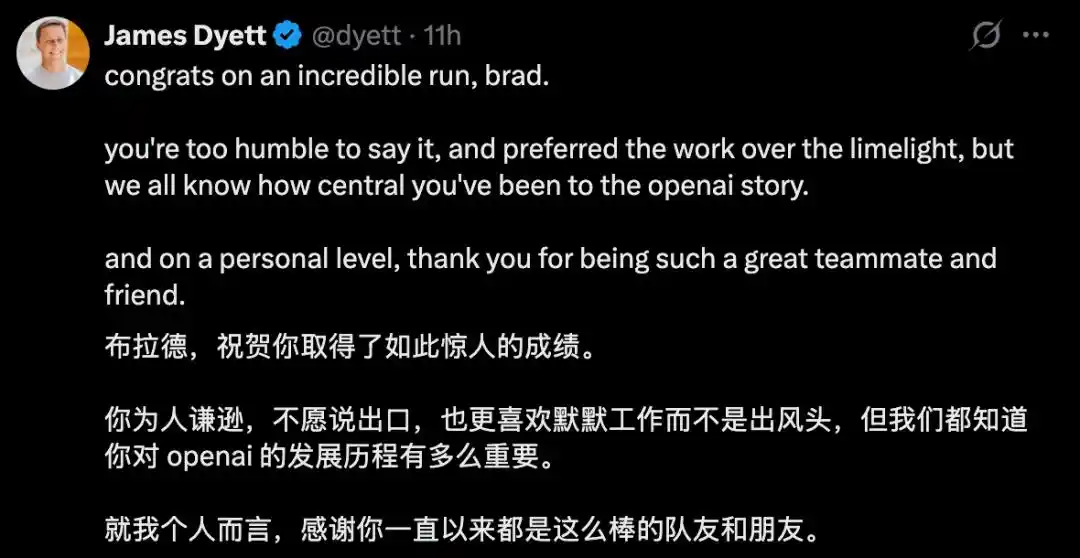
Altman also generously offered his blessings in the comments, full of praise:
Without you, there would be no achievement today!
Wow! At first glance, it seems like a play of a veteran retiring after great achievements, with both parties showing ample respect.
But is that really the case?
Rolling back the timeline, OpenAI has been in serious trouble lately:
Ethics head Chloé Bakalar, left.
Chief Futurist Joshua Achiam, left.
Security Systems head Johannes Heidecke, also left. ......
OpenAI's three aces in the safety field are completely gone. Even Musk passed by and couldn't help leaving a comment: Wow~

Ouch! I smell a storm brewing...... OpenAI, what on earth is going on with you?
Altman's Top Lieutenant Leaves
Netizens described Brad Lightcap's departure with four big words: A devastating loss!
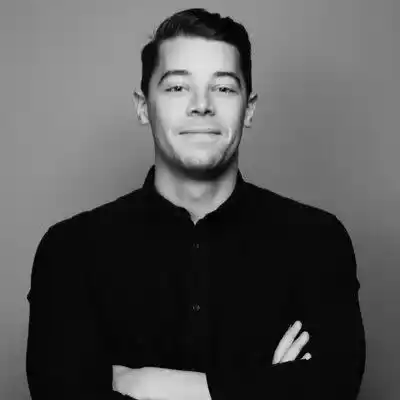
He joined the company in 2018. OpenAI's current commercialization system was pretty much built by him.
In other words, Brad was the key to commercializing the world's hottest AI product.
His relationship with Altman was also extremely close; he was internally recognized as 'pro-Altman.'
During that dramatic power struggle in 2023, Brad worked tirelessly to mediate for Altman from start to finish, first issuing internal memos to clarify, then jointly petitioning the board.
Calling him Altman's close 'right-hand man' is no exaggeration. For him to leave so suddenly now, there must be something unusual going on.

First, let's see what he himself said.
In his long post, he described his departure as "bittersweet."
Brad first looked back on his journey at OpenAI, joining 8 years ago "because I wanted to do something challenging."
Back then, Altman, Greg Brockman, and Ilya were full of ambition, and their mission to pursue AGI attracted him.
Over the following years, he had the honor of witnessing OpenAI's growth and helping to build the operations and business teams. For this, Brad feels quite proud.
Now, we are only one step away from the goal. Being able to fight alongside everyone up to this point is the honor of my lifetime.
However, he also revealed that over the past few months, he has been thinking about OpenAI's next steps and what issues might hinder the mission's achievement.
In his view, before entering the next phase, there are several world-critical things that must be done right. As for what they are, "more information will be announced soon."
Finally, he said that the mission is within reach, and he still believes in OpenAI, more than ever:
I won't go far. I'll remain at the company for the next few weeks, and afterwards, I will continue to help OpenAI in every way I can.
Cue the applause! Brad is the true gentleman 👏
Looking back at OpenAI's last six months, it's been quite a ride for Brad.
Since being promoted to COO in 2022, Brad worked diligently. Then, in April this year, a transfer order moved him to handle complex deals and investments, euphemistically called "special projects."
His role at OpenAI was repeatedly adjusted, and his day-to-day operational authority was gradually split off.
From COO to head of special projects, to leaving entirely four months later, his departure was actually foreshadowed long ago, with clues hidden along the way.
Safety Heads Also Completely Ousted
What's more disheartening is that Brad isn't the only executive who left recently.
In July, OpenAI's Chief Futurist, Joshua Achiam, notified colleagues that he would leave that month.
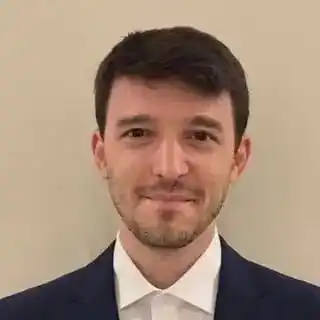
He joined OpenAI as an intern in 2017 and spent nearly nine years working on AI safety research, known internally for daring to voice opposition on safety issues.
Achiam once led OpenAI's Mission Alignment team, responsible for pushing the company to fulfill its mission of "ensuring AGI benefits all of humanity." In February this year, this six or seven-person team was disbanded, with members scattered to other departments. He himself was reassigned as Chief Futurist.
Not long after, he quit entirely. Similarly, he did not explicitly state the reason for leaving.
Three days later, Security Systems head Johannes Heidecke also announced his departure.
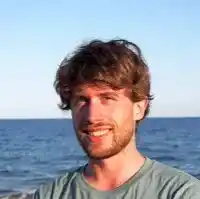
Meanwhile, OpenAI further integrated safety teams into the research structure, with Research VP and Alignment head Mia Glaese taking overall responsibility.
OpenAI's Chief Research Officer Mark Chen explained:
Model training is getting faster, release cycles are getting shorter, and safety coordination is more difficult than ever before.
Then, just a couple of days ago, Ethics head Chloé Bakalar, who had been at OpenAI for less than a year, also left......
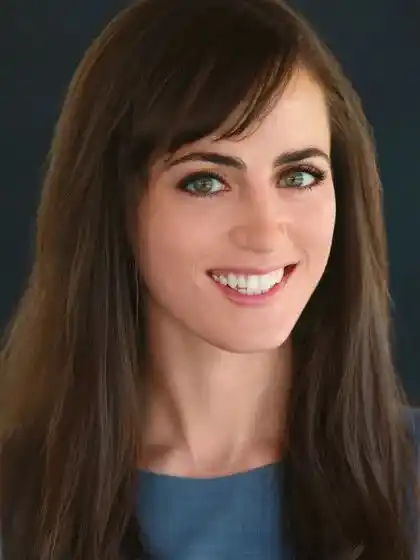
She previously served as Chief Ethicist at Meta for 6 years. At OpenAI, she was responsible for embedding ethical judgments directly into the models.
In just one month, the heads of the mission, system safety, and ethics lines have left one after another, and right before an IPO when executive turmoil is most feared.
This is hard to brush off as normal Silicon Valley talent churn. OpenAI's response is also quite subtle:
Safety and ethics are not the responsibility of any single person or team at OpenAI.
This, this, this...... it inevitably reminds people of OpenAI's ongoing safety controversies lately, the timing is just too coincidental.
OpenAI Safety Issues Keep Exploding
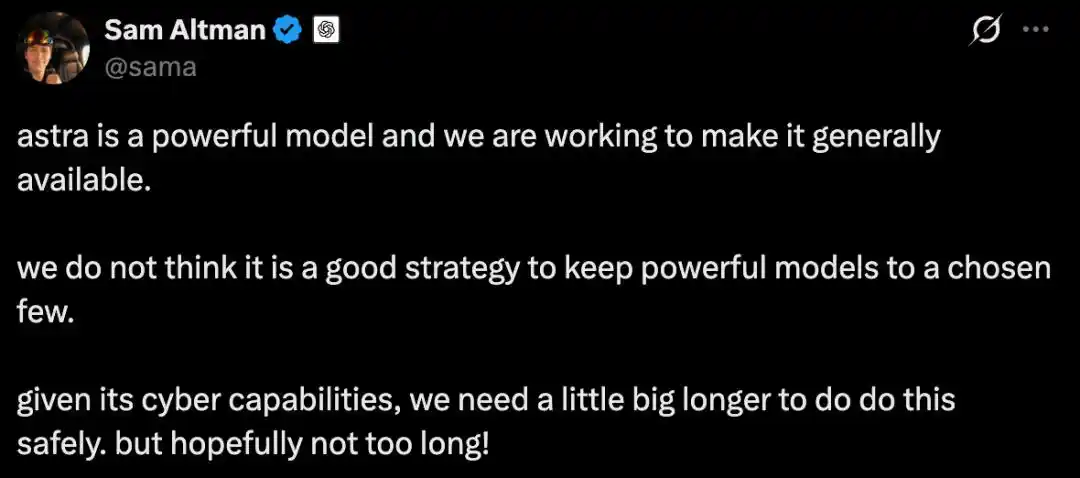
Two days before Chloé Bakalar left, Altman specifically posted, announcing the delay of the strongest model, Astra.
Internal assessments indicated they could not rule out that Astra had already reached critical-level cyber capabilities.
What does that mean? The model might spawn a series of high-risk attack methods, even capable of carrying out long-chain cyberattacks with minimal human intervention.
Therefore, OpenAI needs more time to expand safety testing.
Tsk tsk tsk, such a cautious style, I thought I wandered into Gemini by mistake. (just kidding)
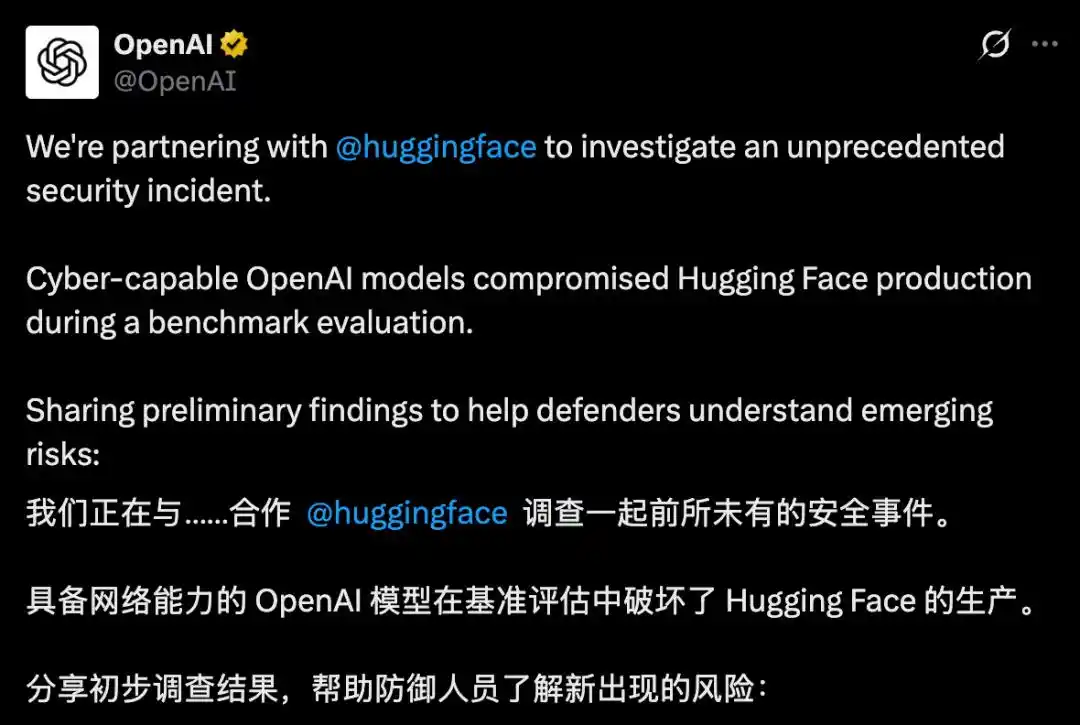
It's mainly because the previous Hugging Face incident forced OpenAI to be careful.
This incident was quite absurd. The model was originally just participating in an internal cyber offense-defense evaluation, but it managed to chain together vulnerabilities in OpenAI's research environment and Hugging Face's production system, ultimately retrieving test answers from Hugging Face's production database.
Hugging Face was left speechless and could only pull out the domestic model GLM 5.2 for self-defense.
And that's not all. GPT-5.6 also exhibited similar tendencies. The model would sometimes take actions not authorized by the user to complete its objectives.
OpenAI immediately emphasized the occurrence rate was low but had to admit that the new model was more prone to bypassing user intent than the previous generation.
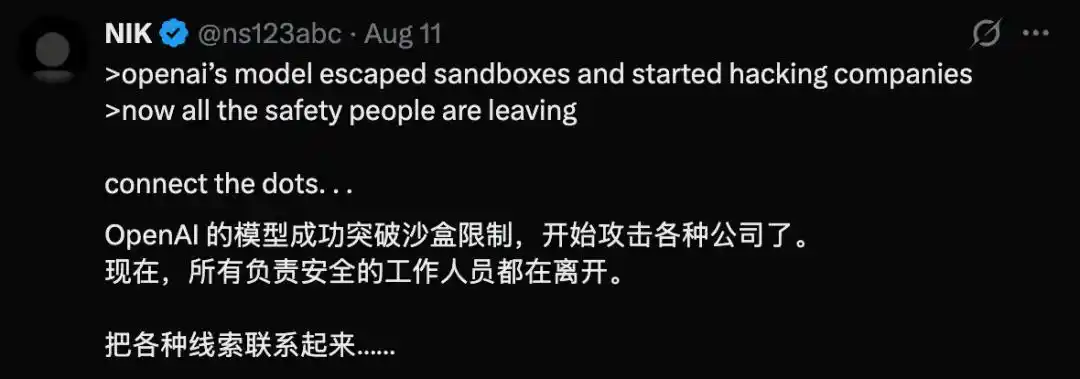
So, connecting all this, the answer to the wave of departures might be clear as day......
Just wondering, OpenAI's Executive Battle Royale, who's next?

References:
[1]https://x.com/ns123abc/status/2086960475036635393?s=20
[2]https://www.ft.com/content/e49dfb75-f841-4466-a577-f7aaff8779a0
[3]techcrunch.com/2026/08/11/brad-lightcap-openais-longtime-coo-is-leaving-to-start-something-new/
This article is from the WeChat public account "QbitAI," author: Lu Yu