下沉市场中的元宇宙:我们造了一个“虚拟贫民窟”?

PanewsPublished on 2022-10-24Last updated on 2022-10-24

Abstract

在元宇宙,你几乎可以做任何能想象的事情--与朋友和家人聚在一起、工作、学习、玩耍、购物、创作——以及完全不符合我们如今对电脑或手机的看法的全新体验。

在探访元宇宙里的贫民窟之前,先看看科技巨擎们向我们描绘的理想元宇宙:

“在元宇宙,你几乎可以做任何能想象的事情--与朋友和家人聚在一起、工作、学习、玩耍、购物、创作——以及完全不符合我们如今对电脑或手机的看法的全新体验。”——Meta CEO 扎克伯格

“我认为元宇宙可能会通过AR技术,来提升计算的沉浸感,并且会开启各种沉浸式、交互式的多样化体验。”——谷歌CEO Sundar Pichai

“元宇宙本质上是一个社交场所......我们围绕着一个共同的愿景、一个共同的障碍或一些创造娱乐渠道的东西聚在一起。”——Roblox CEO Craig Donato

CEO们在布局,NFT卖出了天价,搜索页面的前10页看起来都欣欣向荣。

或许我们还有必要了解一下这个宇宙模型的一些基建,也是普通人更容易参与的部分。

图片来源:Facebook@Mark Zuckerberg

NFT游戏对没钱没技能的普通人来说,是进入“元宇宙”最容易的方式,P2E(Play to Earn)模式让玩家可以通过做任务来换取加密代币作为奖励。

在今年3月份,Finder发布了全球26个国家和地区的NFT游戏统计报告,以菲律宾为首的东南亚国家,以及非洲的尼日利亚和南非,NFT游戏玩家比例比欧洲发达国家还高,但他们不是来玩游戏的,是来打工的。
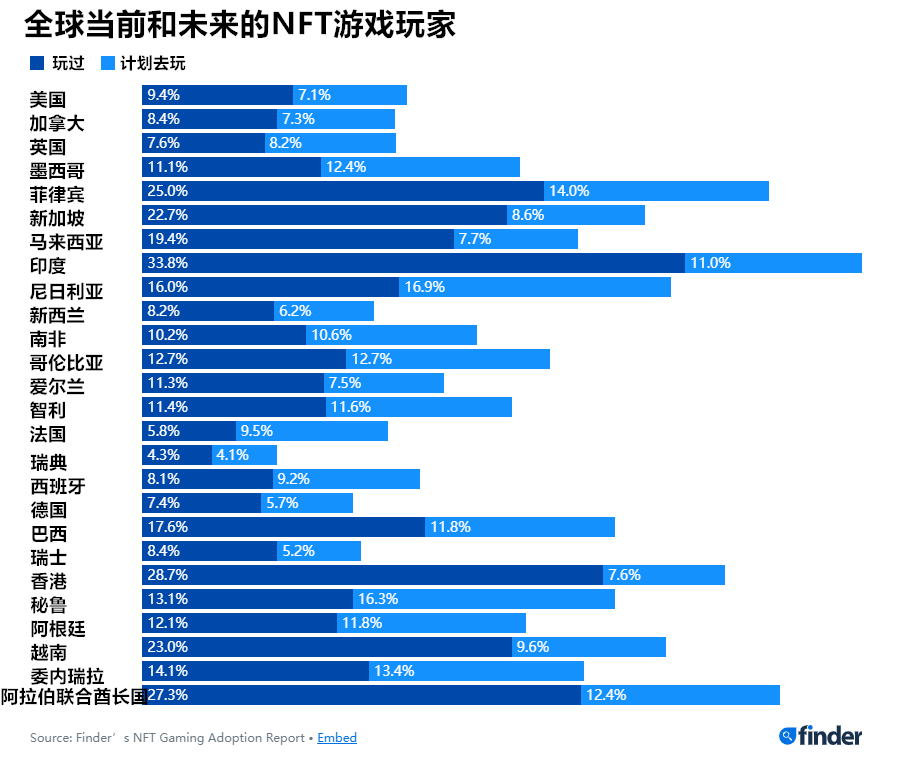
图片来源:Finder

40%的Axie Infinity玩家都是菲律宾人,这个游戏有点像Pokemon Go,玩家需要买三个怪物Axies,做任务获得的游戏币可以兑换成加密货币,同时每个Axies都是一个NFT代币,可以拿去出租或交易,巅峰时期,每天有270万人在Axie Infinity打怪升级。

Orias原本是一个做章鱼烧的厨师,一个月能赚4000比索(约80美元),去年他刚开始玩Axie Infinity的时候,每周能到手29美元,加起来比工资还高。

Orias,图片来源:TIME@Ezra Acayan
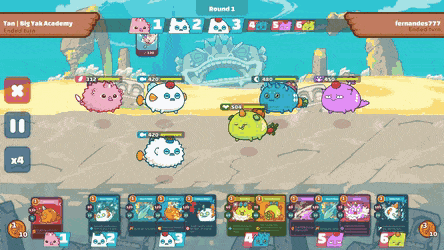
Axie Infinity游戏页面

Orias这样的菲律宾穷人大量涌入Axie Infinity,很多人连买三个入门级怪物的钱都拿不出(最便宜的一个37美元),于是又崛起了一批游戏公会,把怪物租给这些玩家,从玩家的收入里收30%-50%的回扣。

这类NFT游戏也叫区块链游戏,游戏机制大多枯燥甚至幼稚,只能用奖励机制吸引玩家,而吸引来的“玩家”,更像是花钱雇来的NPC。

在这个虚拟世界里,没有游戏体验可言,科技巨头许诺的未来感、虚拟娱乐和他们毫不沾边,贫穷让大家相遇,忙忙碌碌,只为加密货币的小数点后几位数。
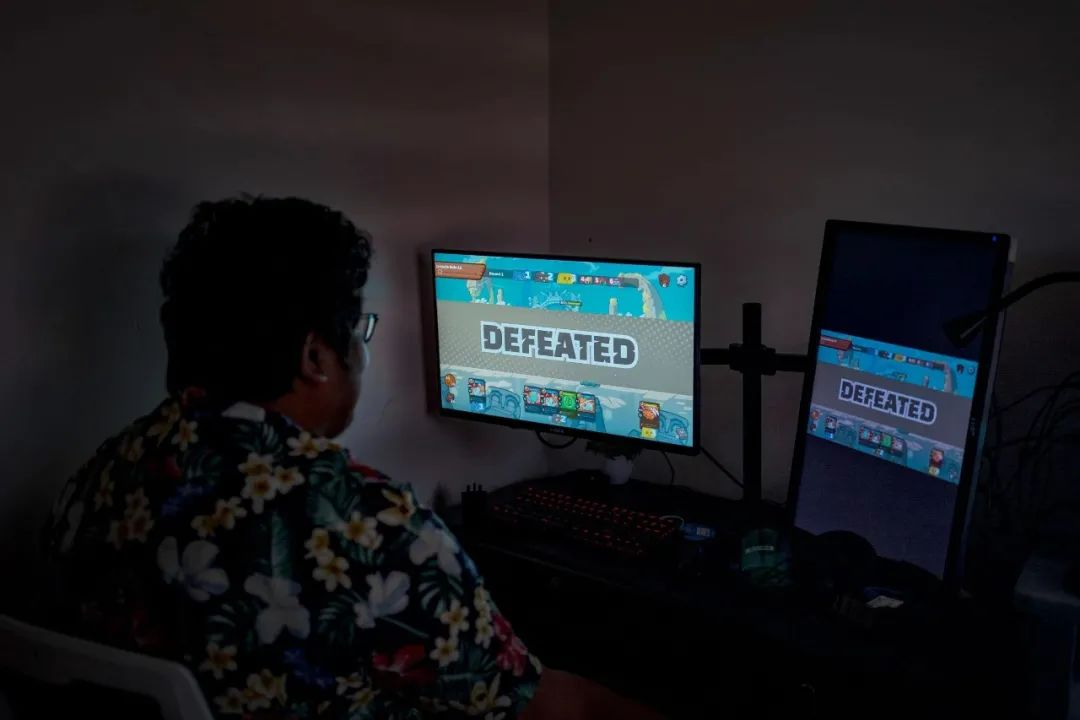
图片来源:TIME@Ezra Acayan,出租怪物的人被叫做“经理”,Albert Oasnon就是其中之一,最多的时候手下有20个租客

玩家一多,竞争就激烈,碰到加密货币全线暴跌,做任务换到的钱也越来越少,再加上今年三月份,Axie Infinity被黑客入侵盗走了6亿美元的加密货币,Axie NFT价格缩水99%,曾经只要每天玩几个小时手机就能养家糊口,如今有些人连租怪物的钱都无力偿还。

Axie Infinity的陨落没有让其他NFT游戏吸取教训,但吸取了一批穷人NPC。

一部分玩家转战Critterz,这是一款搭建在“我的世界”(Minecraft)里的NFT游戏,玩家可以买Critterz的NFT作为门票,访问专属的Minecraft世界,在里面耕地、造建筑、生产商品来获得代币奖励,最多时一天能挣上100美元。
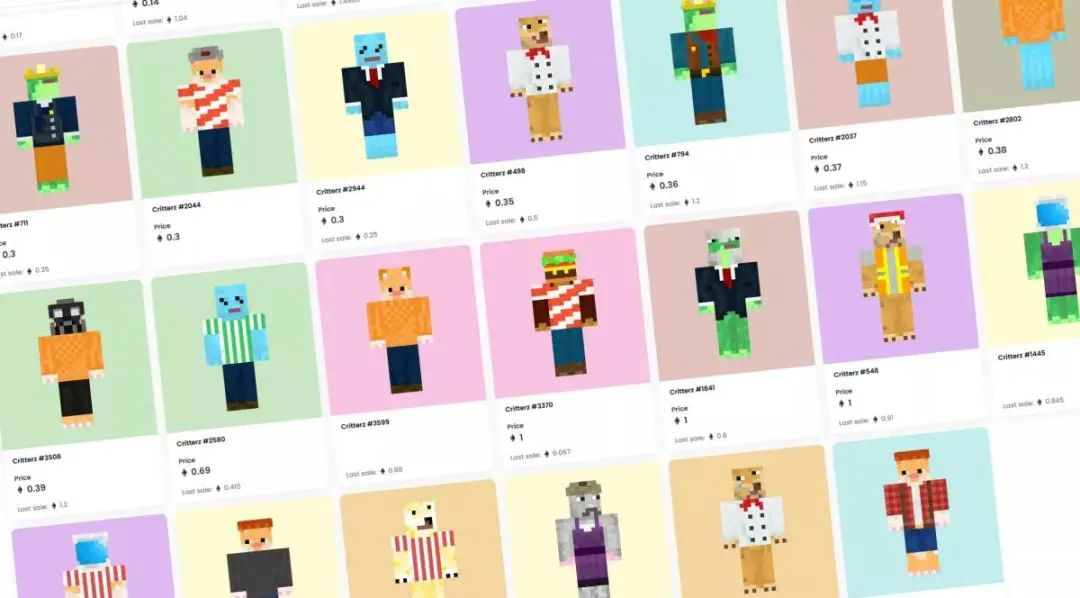
Critterz NFT=打工人图鉴

Big Chief在“我的世界”里建了一个赌场,为了收集建筑材料,他雇了一帮菲律宾孩子,每天给他打工8个小时来赚钱。

面对剥削童工的指责,Big Chief还觉得很不服气,觉得自己明明帮助了这些想赚外快的穷人:

“我不能告诉你每个小时收入是多少,但我可以告诉你,菲律宾人挣的钱很少,生活成本也很低。”

直到今年7月,“我的世界”开发商Mojang宣布禁止在游戏里玩NFT交易,玩家们再一次下岗。
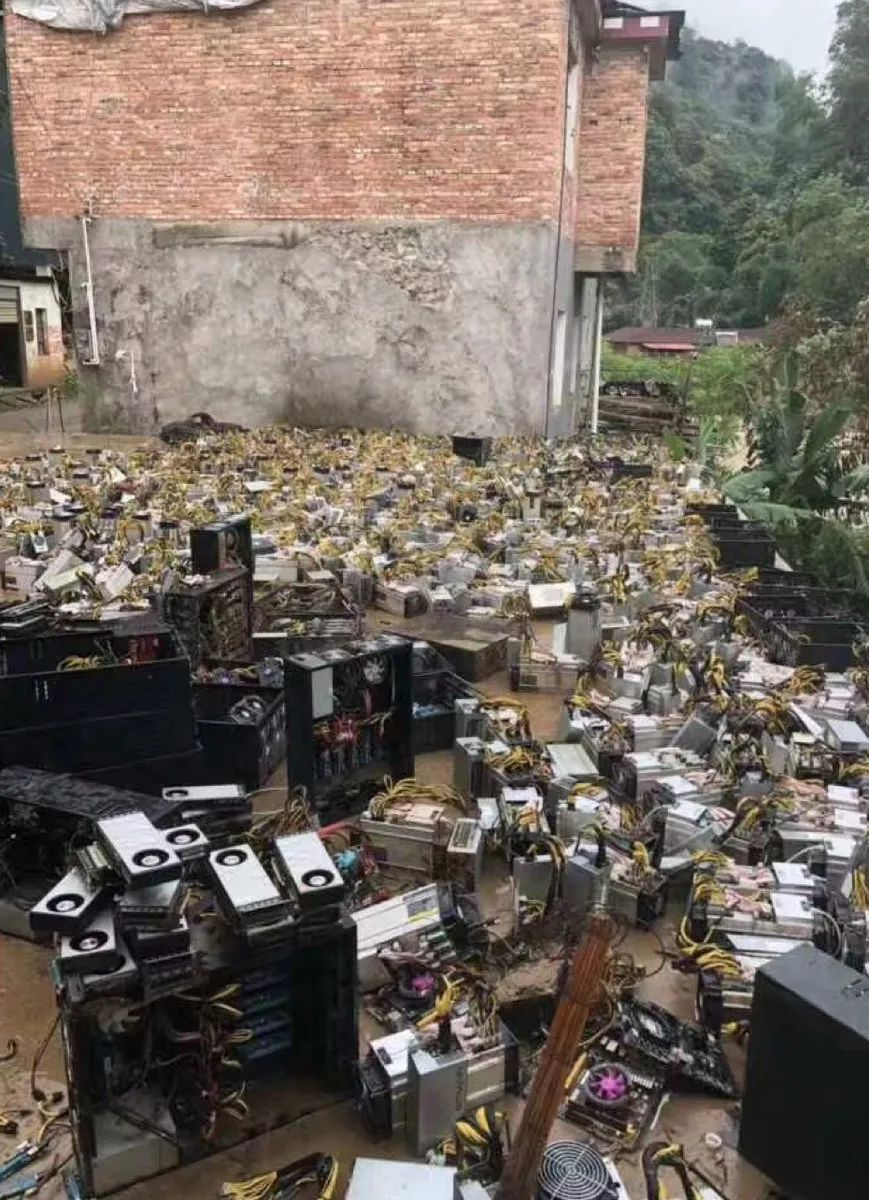
比他们更惨的,可能只有矿场里日夜兼工的显卡了

虽然没有人关心这些打工人的死活,但这种雇佣模式也带来了一些启发。

Wolves DAO成员 Mikhai Kossar建议发展中国家的玩家可以在富裕玩家的世界中扮演 NPC:

“只是在世界上居住——也许做一份随机的工作,或者只是来回走动、钓鱼、讲故事、当店主,一切皆有可能。”

这剧情怎么莫名熟悉?

不想在元宇宙里打工的人,可以创作并出售NFT作品,元宇宙里的艺术家,你们挣到钱了吗?

CryptoArt.io只收录了身价最高的一万名NFT艺术家,第一名是Pak,一个已经在数字艺术领域活跃了二十多年的数字艺术家,把自己的NFT送进苏富比拍卖,他的团队可以在2年的时间创作并卖掉18万幅NFT作品,赚了3.9亿美元。

而排在第10000名的chrisparks卖了8幅NFT,价值2084美元。

图片来源:CryptoArt.io

图片来源:YouTube@Gamertag VR

NonFungible显示最近7天内,NFT作品的平均售价是461美元,同时,售价最高的一幅NFT卖了49万美元,这样摊出来的平均价格,跟平均工资水平一样没什么参考意义。

艺术家Kimberly Parker曾经在NFT交易网站OpenSea上,收集了一个星期的NFT销售记录,数据表明有一半的NFT作品售价不超过200美元。

你在新闻里看到的动辄上千万美元的NFT作品,只是统计图里最细的一线生机,而这统计的还是那些能卖出去的NFT。
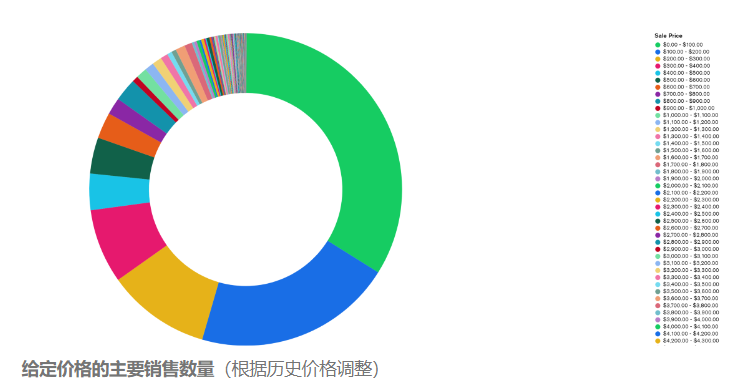
图片来源:Kimberly Parker

至于那些没有卖出作品的NFT艺术家,虽然还没有挣到钱,但他们丰富了NFT交易市场,是一串串漂亮数据背后的无名英雄,以另一种NPC的形式,活跃于元宇宙中。

NVIDA的CEO Jensen Huang曾经这样描述他眼里的元宇宙:“很多人是这样想的——当你说‘虚拟世界’的时候,他们想象着戴上VR头盔,但显然不仅仅是这样。我最喜欢的享受虚拟世界的方式之一是一大堆的机器人在虚拟世界中工作,并与物理世界中的其他机器人进行交流。物理世界和虚拟世界可以通过很多不同的方式连接,不一定只有人类,可以是机器对机器。”

目前看来他才是真正的预言家,这些元宇宙里的NPC,和机器又有什么区别。

“加入元宇宙吧,你也可以在虚拟世界里过上我的现实生活。”

或许又如一位reddit网友所困惑的:“web2.0的时候,我们追求资讯共享、跨越地域和种族的交流,web3.0的时候,我们发行货币,模拟娱乐,复制一个消费至死的地球,你们管这堆虚拟世界的玩具叫元宇宙?”

这是我们迈向未来必经的阵痛,还是某条岔路上竭泽而渔的巅峰?

图片及资料来源

《A Crypto Game Promised to Lift Filipinos Out of Poverty. Here's What Happened Instead》by ANDREW R. CHOW and CHAD DE GUZMAN / MANILA,TIME

《Most artists are not making money off NFTs and here are some graphs to prove it》by Kimberly Parker

《NFT expert imagines a hopeful future where poor people serve as 'real-life NPCs' in games》by Andy Chalk,PCGAMER

《Can an NFT Game Throw a Lifeline to Asia’s Poor?》by George Russell,AFP

《NFT Game Consultant Says Poor People Could Be NPCs》byKate Irwin,Decrypt

《Embracing the metaverse: Roblox’s ambitious vision for building online worlds》by Janko Roettgers

Finder

NonFungible

CryptoArt.io

Trending Cryptos

Related Reads

Giants Wage the Context War, Reconstructing AI Moats

The article "Giants Launch the Context War, Reconstructing AI's Moat" discusses how leading AI companies—OpenAI, Anthropic, and Google—are shifting their competitive focus from model size to acquiring, managing, and utilizing user context (Context). Initially, Context referred to the length of text a model could process, leading to a "arms race" for longer context windows. However, the competition has evolved through three key phases: expanding text capacity (long context windows), enabling memory across sessions, and finally, integrating AI into real user environments like browsers and desktops to capture dynamic task states. Each company is pursuing a distinct strategy. OpenAI is building Context around the ChatGPT account, turning it into a central hub that accumulates user understanding across various integrated applications and tools. Anthropic, lacking a major user base, focuses on high-value verticals like coding, empowering its Claude model to actively gather Context through GUI interaction (Computer Use) and system connections (MCP protocol). Google, with vast existing user data from products like Search and Gmail, faces the challenge of restructuring this data into actionable, AI-understandable Context for its Gemini model within its ecosystem. The core argument is that the nature of competitive advantage in AI is changing. The internet era prized network effects—connecting more users. The AI era values "individual depth": the ability to build deep, task-specific understanding of a user. This creates a new moat through 1) the compounding value of accumulated Context, 2) deep integration with user tools and permissions, and 3) the establishment of trust for complex tasks. Therefore, the battle for Context is fundamentally about capturing "task entry points" and converting existing digital ecosystems into environments where AI can effectively understand and act, rather than merely scaling user numbers.

marsbit20m ago

Giants Wage the Context War, Reconstructing AI Moats

marsbit20m ago

Foundation Steps Back, Ethlabs Steps Forward: Ethereum Undergoes Its Largest Restructuring in History

On June 23rd, the Ethereum ecosystem witnessed two major shifts, signaling a significant governance realignment. First, former Ethereum Foundation researchers established Ethlabs, a new independent non-profit. Backed by major ETH holders like Bitmine and SharpLink, Ethlabs aims to address practical needs for institutional adoption, including faster settlement, native asset issuance, cross-chain transactions, and mainnet scaling. Secondly, the Ethereum Foundation announced a major restructuring, laying off 54 employees (20% of its staff) to become a leaner entity focused on protocol governance and maintenance rather than being the primary builder. This move represents a pivotal correction. Criticisms had mounted over the Foundation's perceived slowness, lack of clear strategy, and over-reliance on Vitalik Buterin's influence. Ethlabs emerges as a more execution-oriented, "industrialized" layer focused on market adoption—bridging the gap between research and real-world use. Notably, Vitalik Buterin is absent from its list of supporters, interpreted as an intentional step to avoid excessive personal endorsement and allow the organization to build independent credibility. The Ethereum Foundation's downsizing and redefinition mark a retreat from its former central coordinating role. It now aims to share the "privilege of stewarding Ethereum" with other emerging groups like Ethlabs, the Ethereum Applications Guild, and The Ethereum Economic Zone. Analysts frame this dual shift as the Foundation ensuring Ethereum remains "correct" (credibly neutral), while Ethlabs must prove it remains "effective" (competitive and attractive for capital and adoption). This addresses community "shareholder-like anxiety" about ETH's market performance. While risks exist—such as concerns over shifting from Foundation centrality to large-holder influence—the consensus is that the greater risk for Ethereum was inaction, caught between technical idealism and organizational inertia. These steps aim to create a more multi-stakeholder, execution-driven future for the network.

链捕手7h ago

Foundation Steps Back, Ethlabs Steps Forward: Ethereum Undergoes Its Largest Restructuring in History

链捕手7h ago

Second Half of U.S. Crypto Policy: The Clarity Act Aims for 60 Votes, CFTC's "One-Person Commission" Becomes Biggest Variable

In a pivotal year for US crypto policy, the "CLARITY Act" is advancing in the Senate but faces a high hurdle, needing 60 votes to pass. Key challenges include bridging partisan divides on ethics and swaying undecided Republican senators within a tight legislative calendar of only about 40 working days. The policy "second half" involves intense negotiations on a broader framework for Web3 and DeFi, including crypto tax reforms and the Blockchain Regulatory Certainty Act. A significant uncertainty is the understaffed CFTC, operating with four commissioner vacancies, which complicates regulatory clarity. Meanwhile, the departure of key "crypto champions"—SEC Commissioner Hester Peirce and Senator Cynthia Lummis—will impact ongoing policy efforts. Industry experts are cautiously optimistic but realistic. Sara K. Weed notes that while progress is being made, CLARITY is unlikely to pass this Congress, pushing agencies like the SEC and CFTC to provide more guidance. Sulolit Mukherjee suggests meaningful crypto tax legislation is more likely to be attached to larger must-pass bills. Rashan Colbert discusses the jurisdictional debate over prediction markets, emphasizing the need for a regulatory framework that fosters their development as financial tools rather than treating them broadly as gambling. The clock is ticking, but opportunities remain for substantive progress through continued bipartisan dialogue and pragmatic efforts.

marsbit10h ago

Second Half of U.S. Crypto Policy: The Clarity Act Aims for 60 Votes, CFTC's "One-Person Commission" Becomes Biggest Variable

marsbit10h ago

Dan Koe's New Essay: Escaping the Fate of the Wage Slave, How to Survive the AI Replacement Wave?

Dan Koe argues that the true threat in the AI era isn't technology itself, but a reliance on others for one's livelihood and happiness. The core problem is "wage slavery"—spending life on unfulfilling work. To survive and thrive, one must escape this by building their own enterprise. The key is developing five elements: Agency (initiative), Taste (discernment), Persuasion, Persistence, and Iteration. These boil down to problem-solving skills and experiential knowledge, which cannot be learned passively but only through doing your own projects. The solution is to become "unemployable" by shifting your identity. This requires: 1) Radically changing your environment to force growth, 2) Choosing a medium (like content creation) that provides real feedback through trial and error, and 3) Mastering either code or, preferably, media (content). Content creation is more valuable because its subjective nature and need for human perspective create a durable advantage over generic AI output. To start, define your life's work by answering foundational questions about your innate knowledge, unique abilities, and contrarian beliefs. Then, immediately act by publishing your first piece of content. The cycle of creating, receiving feedback, and iterating is the essential path to developing the skills needed for an independent, meaningful career and financial resilience.

marsbit11h ago

Dan Koe's New Essay: Escaping the Fate of the Wage Slave, How to Survive the AI Replacement Wave?

marsbit11h ago

Trading

Spot
Futures

Hot Articles

How to Buy AR

Welcome to HTX.com! We've made purchasing Arweave (AR) simple and convenient. Follow our step-by-step guide to embark on your crypto journey.Step 1: Create Your HTX AccountUse your email or phone number to sign up for a free account on HTX. Experience a hassle-free registration journey and unlock all features.Get My AccountStep 2: Go to Buy Crypto and Choose Your Payment MethodCredit/Debit Card: Use your Visa or Mastercard to buy Arweave (AR) instantly.Balance: Use funds from your HTX account balance to trade seamlessly.Third Parties: We've added popular payment methods such as Google Pay and Apple Pay to enhance convenience.P2P: Trade directly with other users on HTX.Over-the-Counter (OTC): We offer tailor-made services and competitive exchange rates for traders.Step 3: Store Your Arweave (AR)After purchasing your Arweave (AR), store it in your HTX account. Alternatively, you can send it elsewhere via blockchain transfer or use it to trade other cryptocurrencies.Step 4: Trade Arweave (AR)Easily trade Arweave (AR) on HTX's spot market. Simply access your account, select your trading pair, execute your trades, and monitor in real-time. We offer a user-friendly experience for both beginners and seasoned traders.

11.0k Total ViewsPublished 2024.03.29Updated 2026.06.02

How to Buy AR

Discussions

Welcome to the HTX Community. Here, you can stay informed about the latest platform developments and gain access to professional market insights. Users' opinions on the price of AR (AR) are presented below.

活动图片