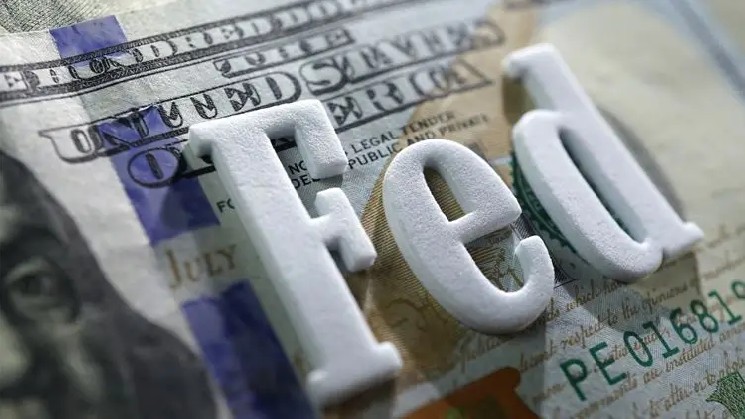
比特币未能突破81,500美元关口,因“巨鲸”在81,000美元处筑起巨大“卖单墙”

cryptonews.ruPublished on 2026-08-28Last updated on 2026-08-28

Abstract

比特币在突破81,000美元后未能站稳,于81,500美元附近遇阻回落。这主要是由于在81,000美元附近出现了“鲸鱼”设置的巨大卖单墙。价格在周四晚间短暂触及81,455美元后迅速下跌,最低跌至76,877美元,随后反弹至77,000-78,000美元区间。此次回调使比特币周涨幅收窄至2%,但月度涨幅仍保持两位数。 市场逆转导致衍生品市场约1.07亿美元的多空仓位被清算,整个加密货币市场约3亿美元杠杆头寸被清除。订单簿数据显示,流动性分布严重向下倾斜,大量流动性集中在75,000至78,500美元区间,而上行区间(81,500至84,000美元)的流动性相对较少,表明深度回调风险依然存在。 与此同时,美联储主席在杰克逊霍尔论坛的讲话重申了对通胀风险的警惕,强调需根据经济状况调整利率以维持物价稳定。尽管面临地缘政治和油价上涨的压力,他对美国经济前景,尤其是人工智能相关投资带来的动力,表达了乐观看法。

在突破81,000美元关口后不久,比特币失去了上涨动力,因市场正等待美联储主席凯文·沃什在杰克逊霍尔论坛上的首次演讲。价格在本周内第二次触及这一关键阻力位后不久便掉头向下,重复了8月25日的回调行情——当时该加密货币在三个多月来首次突破80,000美元大关。

市场数据显示,比特币在周四21:30过后不久触及81,455美元的峰值,短暂摆脱了自周二以来不断加大的看跌压力。随后出现的急剧抛售抹去了8月27日的全部涨幅,该资产在上午10:15左右跌至78,442美元的盘中低点。然而,在沃什发表讲话后仅一个多小时,比特币进一步跌至76,877美元的新低,随后迅速回升至77,000美元并试图测试78,000美元关口。

此轮下跌将比特币的周涨幅缩减至2%,市值也从超过1.61万亿美元降至1.58万亿美元。尽管有所回落,但由于8月19日至21日期间的强劲反弹,比特币月度涨幅仍有望达到两位数。

在衍生品市场上,比特币在收复80,000美元关口后不到24小时便发生逆转,导致多空双方总计1.07亿美元的仓位被清算。Coinglass数据显示比例几乎持平:多头仓位清算5,000万美元,空头仓位清算5,700万美元。整个加密货币市场上,约3亿美元的杠杆头寸被蒸发。

根据分析资源Cryptoreviewing的数据,比特币在凌晨早些时候飙升至81,500美元后立即跌破79,300美元,导致24小时内发生4.65亿美元的清算——这远超仅根据交易所数据可推断出的衍生品标准清算量。Cryptoreviewing在X平台上发文指出,比特币几乎完美地穿越了上行趋势中80,400美元至81,600美元区间的流动性区域,但未能守住80,000美元。这削弱了短期动能,并使短期趋势再次偏向谨慎。

订单簿失衡

该文章还强调,目前流动性分布严重向下倾斜:大约57亿美元集中在75,000美元至78,500美元的区间。这与上方集中在81,500美元至84,000美元区间的大约28亿美元形成对比。据Cryptoreviewing称,这种失衡表明,在更长的时间框架内,更深度的回调仍然是一个重大风险。

在较低的时间框架上,最大的流动性集中点分别位于下方的78,600美元和79,100美元,以及上方的81,300美元和81,900美元。文章得出结论认为,近期内这些区域最有可能被突破。

关于订单流,Cryptoreviewing指出,“巨鲸”在80,800美元至83,000美元的区间维持着强大的卖单墙,而大型买单仍然聚集在78,000美元至79,000美元区域及以下——这表明机构买家继续在下跌时吸筹,但继续上涨面临严重阻力。与此同时,未平仓合约量有所恢复,期货交易者正在增加头寸,Coinbase的溢价也已转为正值。然而现货市场需求疲软,这表明杠杆使用的恢复速度快于有机购买需求。

沃什在演讲中重申了他对“前瞻指引”策略的反对态度——这是以往几任美联储主席偏好的信号传递策略——他的理由是,尽管近期数据积极,但持续的通胀仍对经济增长构成威胁。他强调有必要回归传统的中央银行管理方式:即根据条件变化调整利率,以确保价格稳定,同时不扰乱劳动力市场。

尽管伊朗战争和油价飙升给美国经济增长前景蒙上了阴影,但沃什表达出了乐观态度,他指出企业在人工智能技术和基础设施上投入的空前资金是一个强大的抵消因素。

Trending Cryptos

Related Questions

Q比特币为什么未能突破81,500美元的关键阻力位?

A根据文章,比特币未能突破81,500美元的关键阻力位,主要是因为大型投资者(“鲸鱼”)在81,000美元附近设置了巨大的“卖单墙”,形成了强大的抛售压力。同时,在价格接近81,500美元时,市场遇到了强劲的上方阻力区域(80,400至81,600美元),虽然短暂触及,但无法站稳在80,000美元上方,导致上涨动力减弱。

Q在比特币价格回调期间,衍生品市场发生了什么?

A比特币价格快速反转导致衍生品市场发生大规模清算。根据Coinglass的数据,多头和空头头寸总计被清算了约1.07亿美元,其中多头清算约5000万美元,空头清算约5700万美元。另一项分析指出,在24小时内,市场总清算额高达4.65亿美元,远超仅根据交易所数据估算的常规水平。

Q当前订单簿的流动性分布显示出什么风险信号?

A当前的流动性分布显示出显著的下行风险。根据Cryptoreviewing的数据,大约有57亿美元流动性集中在75,000至78,500美元的下方区间,而81,500至84,000美元的上方区间仅集中了约28亿美元流动性。这种巨大的不平衡表明,市场在未来更长的时间框架内,仍面临深度回调的显著风险。

Q文章中提到美联储主席凯文·沃什的讲话对市场有何影响?其政策立场是什么?

A文章提到,在沃什讲话后,比特币价格一度跌至新低76,877美元,随后有所反弹。沃什在讲话中重申了他反对“前瞻性指引”策略的立场,即不倾向于像前任主席那样明确发出未来政策信号。他强调需要回归传统的央行管理模式:根据经济条件变化调整利率,以稳定物价,同时不扰乱劳动力市场。他对人工智能技术和基础设施投资的增长表示乐观,认为这能抵消经济面临的部分风险。

Q根据分析,比特币近期最可能突破的价格区域是哪里?

A根据Cryptoreviewing的分析,在较短的时间框架内,最大的流动性聚集点集中在78,600美元和79,100美元(下方),以及81,300美元和81,900美元(上方)。因此,这些价格区域在近期是最有可能被突破的。同时,机构买盘仍集中在78,000至79,000美元及更低价位,而卖压则主要存在于80,800至83,000美元区间。

Related Reads

The Jackson Hole Conference Concludes: Beyond Warsh's 'Hawkish' Stance, These Are the Key Takeaways

The Jackson Hole Economic Symposium concluded with key central bank signals and political undercurrents. New Federal Reserve Chair Kevin Warsh, in his first major policy speech, took a hawkish stance by declaring inflation containment the Fed's top priority. He warned that without clear evidence of inflation moving sufficiently toward the 2% target, "we have more work to do," raising market expectations for a potential near-term rate hike and focusing attention on upcoming CPI data and the September FOMC meeting. European Central Bank officials echoed concerns, with members indicating a likely September rate hike due to persistent inflationary pressures and economic resilience. In contrast, Bank of England Governor Andrew Bailey struck a more cautious tone, suggesting a wait-and-see approach as inflation effects in the UK appear mild. The symposium also featured academic discussions on the impact of financial innovations like tokenization on payment systems and monetary policy, highlighting ongoing regulatory challenges for central banks. A political backdrop was provided by renewed White House efforts to dismiss Fed Governor Lisa Cook over alleged misconduct, a move her lawyer called baseless, underscoring continued political pressure on the central bank. Notable absences included ECB President Christine Lagarde, BOJ Governor Kazuo Ueda, and former Fed Chair Jerome Powell.

marsbit37m ago

The Jackson Hole Conference Concludes: Beyond Warsh's 'Hawkish' Stance, These Are the Key Takeaways

marsbit37m ago

Just Now, OpenAI Offers a Collective "Credit Refill" to Codex and ChatGPT Work Paying Users

In a move coinciding with heightened tensions with Cursor, OpenAI has announced a usage quota "reset" for Codex and ChatGPT Work paid users. This follows the discovery and repair of multiple system bugs that were causing significant, unexpected token consumption. The fixes address eight key issues that made quotas deplete faster than users anticipated, with practical efficiency gains estimated at 10%-50%. Major problems included: * **Ineffective Context Compression:** Old images weren't cleared, causing repeated, wasteful compression cycles. * **Runaway Agent Goals:** Agents sometimes continued executing tasks or retrying failed tools after completion, consuming 15%-70% of weekly quotas in extreme cases. * **Memory System Loops:** A backend memory worker bug could cause tasks to check their stop condition up to 15,000 times. * **Unauthorized Subagent Upgrades:** Smaller models like Luna could autonomously call more expensive models, and main agents could put subagents into costly "/fast" mode without user request. * **Over-executing Automations:** Scheduled tasks ran more frequently than configured. * **Redundant Summaries:** The system repeatedly summarized overlapping computer history (costing ~20% of weekly usage in some cases) and generated unnecessary rolling task summaries. * **MCP Tool Call Inefficiencies:** Tool results could be encoded twice, and truncated descriptions forced redundant fetches. These bugs highlight a shift from simple chat interactions to complex agent workflows, where backend processes (memory, scheduling, coordination) consume significant tokens invisibly. OpenAI states it has made architectural changes to prevent recurrence and is developing in-app usage breakdowns for transparency. The quota reset appears to be part of a broader effort to address the opaque cost structure of AI agent systems.

marsbit2h ago

Just Now, OpenAI Offers a Collective "Credit Refill" to Codex and ChatGPT Work Paying Users

marsbit2h ago

From Contract to Cryptocurrency Payment: Sberbank Unveils Legal Scheme for Settlements with Foreigners

Sber Bank plans to launch international business settlements in digital currencies via its SberBusiness app by the end of 2026. The bank's deputy chairman, Anatoly Popov, announced this ahead of the Eastern Economic Forum, stating the goal is to simplify digital currency use for businesses in cross-border trade. The legal basis is Federal Law No. 282-FZ "On Digital Currency and Digital Rights," effective September 1, 2026, which permits foreign trade crypto settlements through licensed intermediaries. A published guide outlines the process: a company signs a contract, transfers rubles to a licensed intermediary, who then buys and sends cryptocurrency to the recipient, with reporting for regulators generated automatically. This service is positioned as an alternative channel for foreign trade, especially where traditional bank transfers face sanctions. Sber aims to integrate crypto payments into standard business tools within SberBusiness, avoiding the need for specialized technical knowledge. Development will depend on the practical application of the new law. From a macro perspective, this initiative is seen not just as a technical innovation but also within the context of sanctions pressure on crypto markets. The article notes that licensed intermediaries could become targets for secondary sanctions, as seen with UK actions against crypto exchanges in summer 2026. The long-term viability of Sber's scheme may depend more on political dynamics than technology, following a historical pattern where new payment channels face regulatory countermeasures.

cryptonews.ru4h ago

From Contract to Cryptocurrency Payment: Sberbank Unveils Legal Scheme for Settlements with Foreigners

cryptonews.ru4h ago

Trading

Spot

Hot Articles

What is $BITCOIN

DIGITAL GOLD ($BITCOIN): A Comprehensive Analysis Introduction to DIGITAL GOLD ($BITCOIN) DIGITAL GOLD ($BITCOIN) is a blockchain-based project operating on the Solana network, which aims to combine the characteristics of traditional precious metals with the innovation of decentralized technologies. While it shares a name with Bitcoin, often referred to as “digital gold” due to its perception as a store of value, DIGITAL GOLD is a separate token designed to create a unique ecosystem within the Web3 landscape. Its goal is to position itself as a viable alternative digital asset, although specifics regarding its applications and functionalities are still developing. What is DIGITAL GOLD ($BITCOIN)? DIGITAL GOLD ($BITCOIN) is a cryptocurrency token explicitly designed for use on the Solana blockchain. In contrast to Bitcoin, which provides a widely recognized value storage role, this token appears to focus on broader applications and characteristics. Notable aspects include: Blockchain Infrastructure: The token is built on the Solana blockchain, known for its capacity to handle high-speed and low-cost transactions. Supply Dynamics: DIGITAL GOLD has a maximum supply capped at 100 quadrillion tokens (100P $BITCOIN), although details regarding its circulating supply are currently undisclosed. Utility: While precise functionalities are not explicitly outlined, there are indications that the token could be utilized for various applications, potentially involving decentralized applications (dApps) or asset tokenization strategies. Who is the Creator of DIGITAL GOLD ($BITCOIN)? At present, the identity of the creators and development team behind DIGITAL GOLD ($BITCOIN) remains unknown. This situation is typical among many innovative projects within the blockchain space, particularly those aligning with decentralized finance and meme coin phenomena. While such anonymity may foster a community-driven culture, it intensifies concerns about governance and accountability. Who are the Investors of DIGITAL GOLD ($BITCOIN)? The available information indicates that DIGITAL GOLD ($BITCOIN) does not have any known institutional backers or prominent venture capital investments. The project seems to operate on a peer-to-peer model focused on community support and adoption rather than traditional funding routes. Its activity and liquidity are primarily situated on decentralized exchanges (DEXs), such as PumpSwap, rather than established centralized trading platforms, further highlighting its grassroots approach. How DIGITAL GOLD ($BITCOIN) Works The operational mechanics of DIGITAL GOLD ($BITCOIN) can be elaborated on based on its blockchain design and network attributes: Consensus Mechanism: By leveraging Solana’s unique proof-of-history (PoH) combined with a proof-of-stake (PoS) model, the project ensures efficient transaction validation contributing to the network's high performance. Tokenomics: While specific deflationary mechanisms have not been extensively detailed, the vast maximum token supply implies that it may cater to microtransactions or niche use cases that are still to be defined. Interoperability: There exists the potential for integration with Solana’s broader ecosystem, including various decentralized finance (DeFi) platforms. However, the details regarding specific integrations remain unspecified. Timeline of Key Events Here is a timeline that highlights significant milestones concerning DIGITAL GOLD ($BITCOIN): 2023: The initial deployment of the token occurs on the Solana blockchain, marked by its contract address. 2024: DIGITAL GOLD gains visibility as it becomes available for trading on decentralized exchanges like PumpSwap, allowing users to trade it against SOL. 2025: The project witnesses sporadic trading activity and potential interest in community-led engagements, although no noteworthy partnerships or technical advancements have been documented as of yet. Critical Analysis Strengths Scalability: The underlying Solana infrastructure supports high transaction volumes, which could enhance the utility of $BITCOIN in various transaction scenarios. Accessibility: The potential low trading price per token could attract retail investors, facilitating wider participation due to fractional ownership opportunities. Risks Lack of Transparency: The absence of publicly known backers, developers, or an audit process may yield skepticism regarding the project's sustainability and trustworthiness. Market Volatility: The trading activity is heavily reliant on speculative behavior, which can result in significant price volatility and uncertainty for investors. Conclusion DIGITAL GOLD ($BITCOIN) emerges as an intriguing yet ambiguous project within the rapidly evolving Solana ecosystem. While it attempts to leverage the “digital gold” narrative, its departure from Bitcoin's established role as a store of value underscores the need for a clearer differentiation of its intended utility and governance structure. Future acceptance and adoption will likely depend on addressing the current opacity and defining its operational and economic strategies more explicitly. Note: This report encompasses synthesised information available as of October 2023, and developments may have transpired beyond the research period.

2.4k Total ViewsPublished 2025.05.13Updated 2025.05.13

What is $BITCOIN

Discussions

Welcome to the HTX Community. Here, you can stay informed about the latest platform developments and gain access to professional market insights. Users' opinions on the price of BTC (BTC) are presented below.

活动图片