Chàng trai sinh năm 1995 ở Hàng Châu mua biệt thự ở Thung lũng Silicon với giá 5 tỷ

marsbitPublished on 2026-08-16Last updated on 2026-08-16

Abstract

Tony Wu, một đồng sáng lập 95 tuổi của xAI đến từ Hàng Châu, đã mua một bất động sản trị giá 70 triệu USD (khoảng 5 tỷ NDT) tại Hillsborough, khu vực giàu có của Thung lũng Silicon. Đây là giao dịch nhà ở có giá trị cao nhất ở Bắc California tính đến nay trong năm. Tony Wu, từng là nhân vật chủ chốt trong nhóm lập luận của Grok 3 tại xAI, đã rời công ty vào tháng 2 sau khi xAI sáp nhập với SpaceX. Việc mua căn nhà sang trọng này được cho là có liên quan đến việc ông thu được lợi nhuận đáng kể từ đợt IPO kỷ lục của xAI-SpaceX. Các nhà nghiên cứu AI hàng đầu như Wu đang nhanh chóng trở thành những nhân vật chính trong bản đồ tài sản mới của Silicon Valley, điều này cũng thúc đẩy giá bất động sản tại Vịnh San Francisco tăng mạnh.

Những người đồng sáng lập xAI của Musk đã đi đâu sau khi toàn bộ rời đi?

Người thì khởi nghiệp, người thì nhảy việc.

Ngược lại, Ngô Vũ Hoài (Tony Wu) khá thực tế và mang đậm chất Trung Quốc:

Mua nhà ở Thung lũng Silicon.

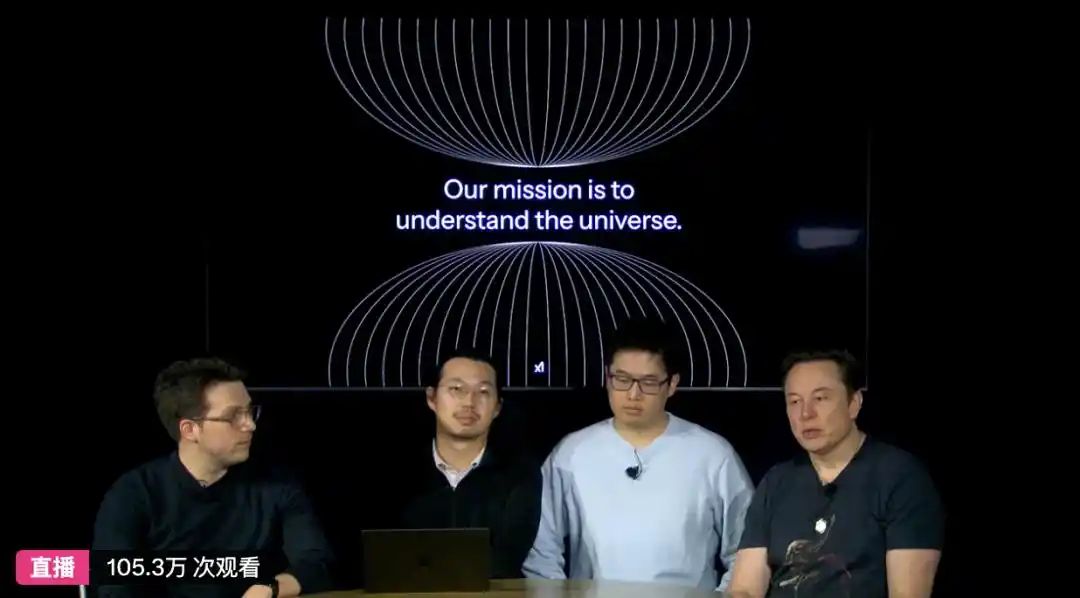
Đúng vậy, bạn không nghe nhầm, chính là chàng trai sinh năm 1995 ở Hàng Châu đó, người đã xuất hiện cùng Musk, vai kề vai trong buổi ra mắt Grok 3 năm ngoái.

31 tuổi, vừa mạnh tay chi 5 tỷ sở hữu căn biệt thự lớn ở Vùng Vịnh... Cuộc đời nam chính tiểu thuyết ngôn tình, dễ dàng như trở bàn tay!
Cụ thể là như thế nào?

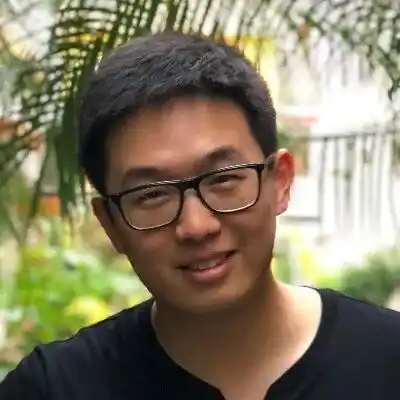
Gần đây, Vùng Vịnh San Francisco đã hoàn tất giao dịch bất động sản hạng sang có giá trị cao nhất tính đến thời điểm hiện tại trong năm. Truyền thông lần theo manh mối và phát hiện, người mua được cho là Ngô Vũ Hoài, người đồng sáng lập xAI, "một thanh niên làm việc trong lĩnh vực AI".

Vào năm ngoái, anh ấy vừa mua một căn nhà đỉnh cao với giá 12 triệu USD (tương đương khoảng 80 triệu nhân dân tệ).
Hay thật, anh ấy cũng đang chơi trò 「Đại Phú Ông」 phiên bản công nghệ thực tế.

Giá giao dịch tăng vùn vụt như tên lửa SpaceX, đợt IPO lịch sử hoàn thành cùng xAI lần này, kiếm bộn tiền thật!

Biệt thự đắt nhất năm ở Vùng Vịnh: Thuộc về người đồng sáng lập xAI gốc Hoa

Khu biệt thự mới mua này tọa lạc tại khu dân cư giàu có truyền thống của Thung lũng Silicon Hillsborough, diện tích bất động sản khoảng 12 mẫu Anh, diện tích sàn chính khoảng 1.2 vạn feet vuông, cùng một tòa nhà khách rộng 4600 feet vuông.

Sân tennis, sân golf 9 lỗ, green đẩy gạt 18 lỗ, hồ cá Koi chỉ là những tiện nghi thông thường. Trong khuôn viên còn có một nhà hát ngoài trời 150 chỗ, một bể cá dung tích 2100 gallon, cùng một hệ thống đài phun nước ngoài trời được thiết kế mô phỏng theo đài phun nước Bellagio ở Las Vegas.
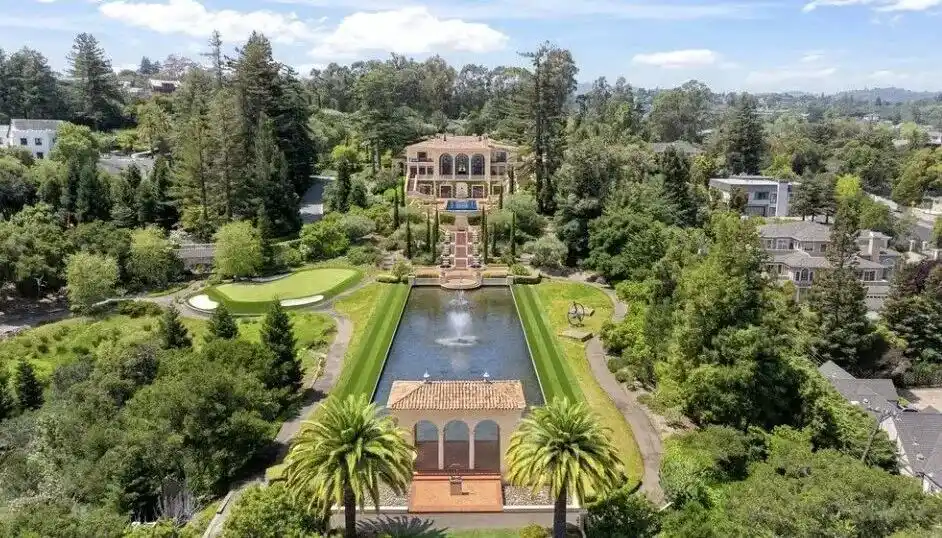
Căn nhà ban đầu được niêm yết với giá 88 triệu USD, sau khi giảm 10 triệu USD, cuối cùng đã được giao dịch vào ngày 6 tháng 8 với giá 70 triệu USD (tương đương khoảng 500 triệu nhân dân tệ), trở thành giao dịch nhà ở lớn nhất ở Bắc California tính đến thời điểm hiện tại trong năm.

Ngược lại với mức độ xa hoa khiến người ta phải ngạc nhiên, danh tính người mua lại bị che giấu vô cùng kỹ lưỡng.

Hồ sơ công khai cho thấy, bất động sản được mua bởi một công ty tên là Daikon no Hana Capital (Củ cải nở hoa). Công ty này mới được thành lập vào ngày 9 tháng 7, người quản lý là một luật sư chuyên về quy hoạch di sản.

Và ông ấy "trùng hợp" đã chuyển căn nhà trị giá 12 triệu USD mà Ngô Vũ Hoài mua trước đó vào quỹ tín thác gia đình chỉ một tuần trước khi giao dịch khu biệt thự mới được hoàn tất.

Còn trùng hợp hơn nữa, trong 5 năm qua, giao dịch nhà ở lớn duy nhất khác mà người môi giới bên mua từng thực hiện, chính là căn nhà mà Ngô Vũ Hoài đã mua vào năm 2025.

Mấy manh mối cùng lúc chỉ về anh ấy, danh tính người mua thực sự đã sắp lộ rõ.

Nhưng so với đầu tư bất động sản, Ngô Vũ Hoài được giới AI biết đến sớm hơn, là nhờ vào các mô hình suy luận.
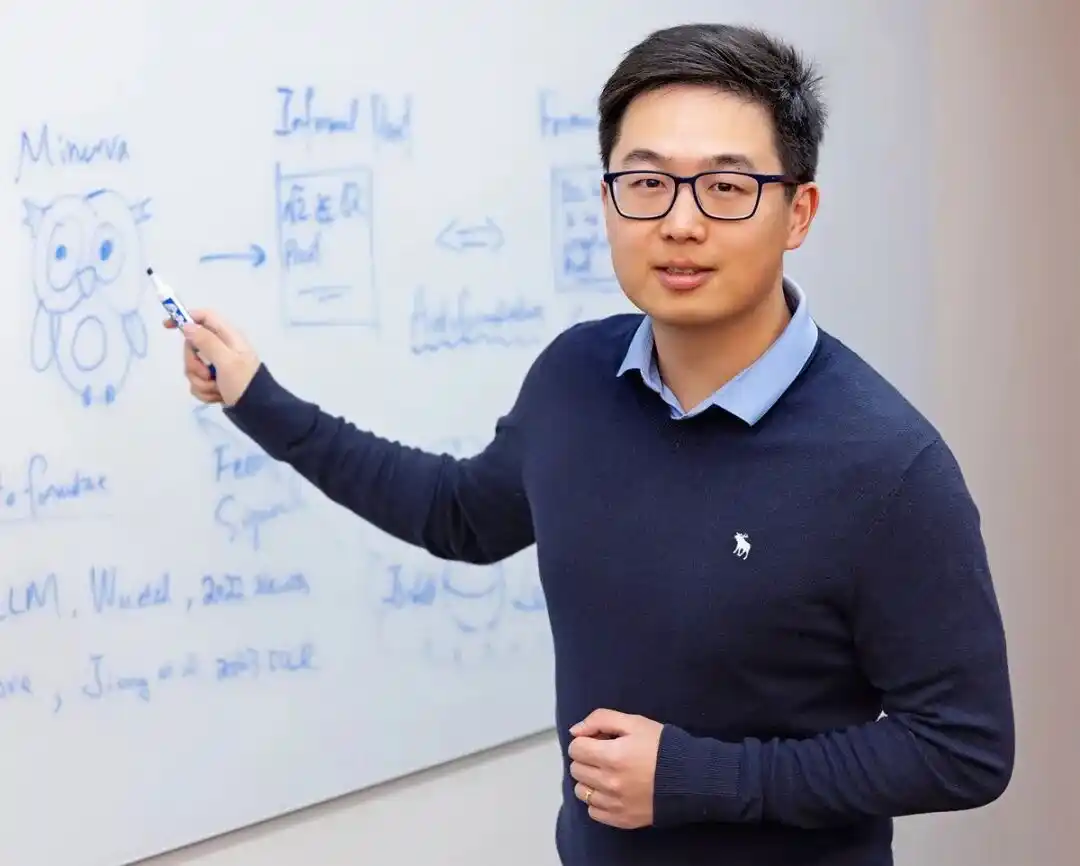
Ngô Vũ Hoài sinh năm 1995 tại Kiến Đức, Hàng Châu, sau đó đến Đại học Toronto theo học tiến sĩ về máy học, dưới sự hướng dẫn của Roger Grosse và Jimmy Ba.

Sau khi tốt nghiệp tiến sĩ, anh tiếp tục đến Stanford để nghiên cứu sau tiến sĩ. Trên trang cá nhân, anh viết hướng nghiên cứu của mình là "tạo ra những cỗ máy có khả năng suy luận".

Theo con đường này, anh đã lần lượt tham gia vào các dự án như AI StarCraft AlphaStar, bộ suy luận tự học STaR, mô hình toán học Minerva, hệ thống suy luận hình học AlphaGeometry, đồng thời thực tập và làm việc tại OpenAI, Google.
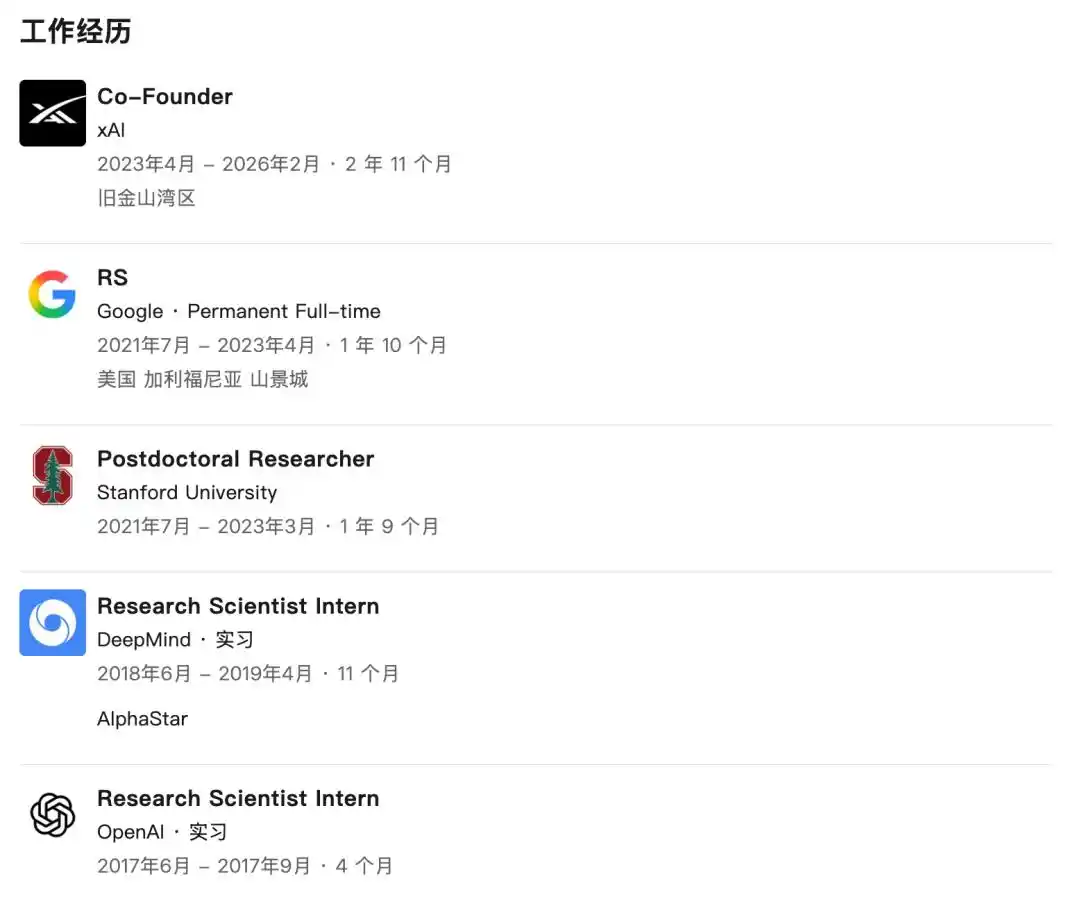
Nói đơn giản, anh tập trung vào việc khiến mô hình tạo ra các bước suy luận, kiểm tra quá trình, rồi tiếp tục học hỏi từ kết quả suy luận của chính nó.

Và hướng nghiên cứu này, chính là xu hướng cạnh tranh của các mô hình lớn hiện nay.

Năm 2023, Musk thành lập xAI, Ngô Vũ Hoài cùng người thầy Jimmy Ba của anh gia nhập, trở thành 1 trong 12 người đồng sáng lập. Đến khi Grok 3 ra mắt, anh đã là nhân vật cốt lõi của đội ngũ suy luận.

Đặc điểm chính của Grok 3 là 「suy nghĩ trước, trả lời sau」, cũng như cách hồi tưởng, kiểm tra và suy diễn trong thời gian dài, đều là sản phẩm hóa từ hướng nghiên cứu nhiều năm của anh trước đây.

Đến tháng 2 năm nay, sau khi xAI sáp nhập vào SpaceX, Ngô Vũ Hoài tuyên bố từ chức. Một ngày sau, người thầy Jimmy Ba của anh cũng lần lượt tuyên bố rời đi.

Lúc đó, lý do anh đưa ra là:

Tiếp theo tôi sẽ khám phá chương mới của cuộc đời, và tin rằng một đội ngũ nhỏ được trang bị AI có thể dời non lấp biển.
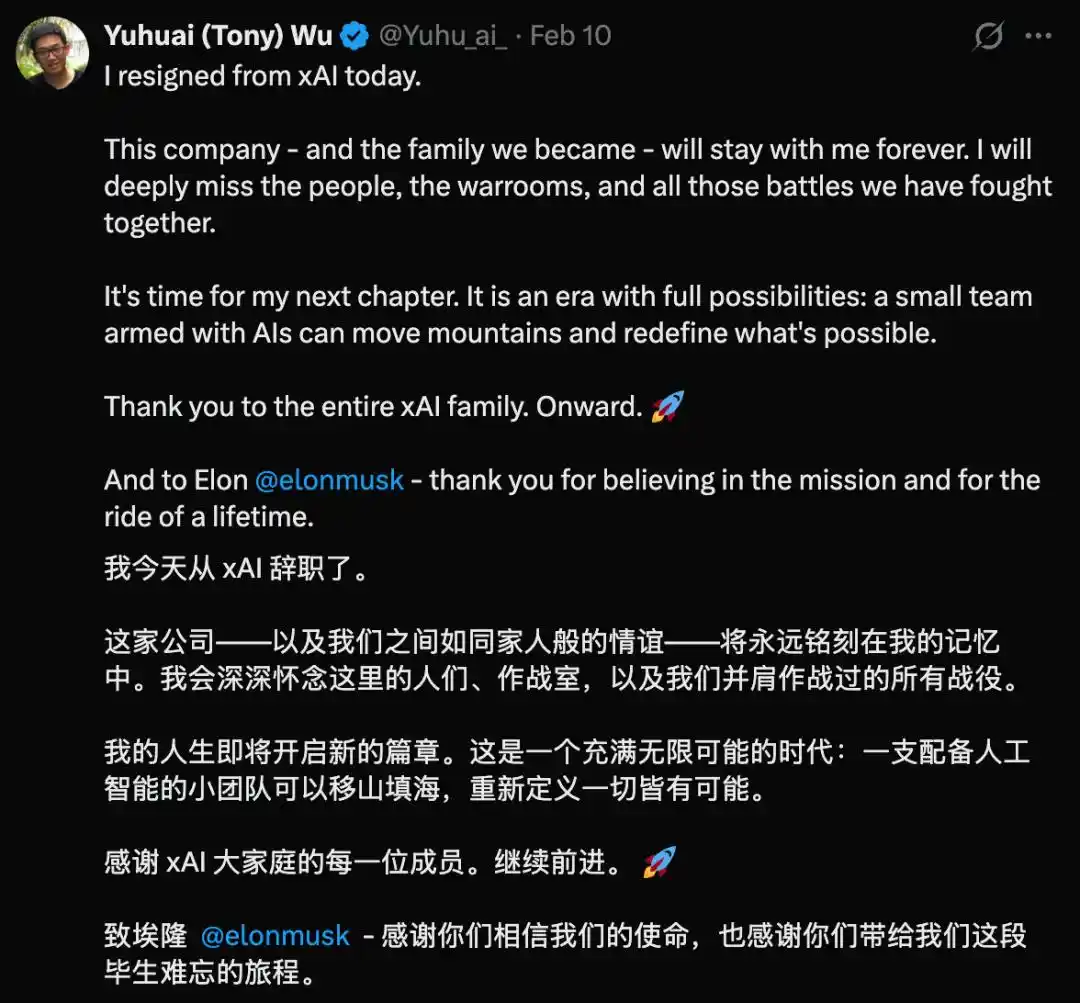
Nửa năm trôi qua, công ty mới vẫn chưa có tin tức gì, nhưng cổ phần tích lũy được ở xAI, lại một lần nữa gây chú ý dưới hình thức những căn biệt thự xa hoa.

xAI tạo ra của cải

Vụ sáp nhập SpaceX và xAI đầu năm, nhìn lại bây giờ, quả thực đã đạt được hiệu quả 1+1>2.

IPO sau khi gắn kết đã phá vỡ kỷ lục lớn nhất lịch sử, quyền lợi công ty của các đồng sáng lập ban đầu cũng tăng lên gấp nhiều lần.

Tài liệu chứng khoán Mỹ tiết lộ, thông qua quy đổi, mỗi cổ phiếu xAI tương ứng với 0.7165 cổ phiếu SpaceX. Theo giá đóng cửa ngày đầu niêm yết, giá trị vào khoảng 115.32 USD.

So với lựa chọn tiền mặt 75.46 USD/cổ phiếu mà SpaceX cung cấp cho một số người đủ điều kiện tại thời điểm sáp nhập, cao hơn khoảng 53%.

Tuy nhiên, số lượng cổ phần cụ thể của Ngô Vũ Hoài vẫn chưa được công khai, việc anh ấy đã thoái vốn được bao nhiêu vẫn là một ẩn số.

Nhưng theo cách mua sắm xa xỉ hiện nay, rõ ràng là giá trị không hề nhỏ, bởi ngay cả quy mô tạo ra của cải của bản thân SpaceX cũng đã khá đáng kể.
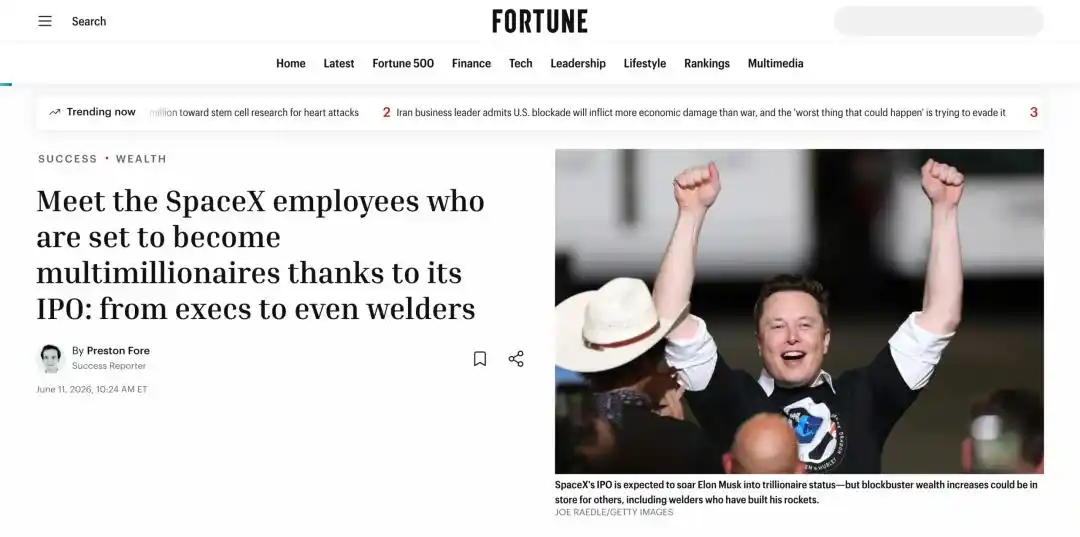
Theo tính toán của truyền thông, hơn 4400 nhân viên hiện tại và cựu nhân viên đã trở thành triệu phú nhờ vụ IPO, trong đó khoảng 400 người có giá trị cổ phần vượt quá 100 triệu USD.

Và câu chuyện về sự thay đổi tài sản như vậy, hiện nay đang diễn ra hàng ngày ở Thung lũng Silicon.

Sau khi Anthropic, OpenAI lần lượt IPO lên sàn, nhiều nhân tài AI đỉnh cao hơn sẽ thực hiện việc nhảy cấp liên tục về tài sản thông qua việc mua lại cổ phần và các đợt IPO siêu lớn.

Những nhà nghiên cứu hàng đầu này, đang với tốc độ đáng kinh ngạc, trở thành nhân vật chính trong bản đồ tài sản mới của Thung lũng Silicon.

Biểu hiện trực quan nhất của sự thay đổi này, chính là giá nhà ở Vùng Vịnh:

Liên tục tăng cao, chỉ riêng năm ngoái đã tăng 14%.
Tài liệu tham khảo:[1]https://sfstandard.com/2026/08/12/xai-cofounder-hillsborough-buyer/[2]https://xhslink.cn/o/6g6pj41mkne[3]https://www.linkedin.com/in/yuhuai-tony-wu-02a641b5/[4]https://yuhuaiwu.github.io/

Nhấn một lần ba nút 「Thích」「Chia sẻ」「Tim」

Chào mừng để lại ý kiến của bạn trong phần bình luận!

Bài viết này đến từ tài khoản công chúng WeChat "Lượng Tử Vị", tác giả: Quan tâm đến công nghệ tiên phong


Trending Cryptos

Related Questions

QNgười mua căn biệt thự đắt nhất ở Vùng Vịnh năm nay là ai?

ANgười mua là Wu Yuhuai (Tony Wu), đồng sáng lập xAI, một thanh niên 31 tuổi người Hàng Châu.

QWu Yuhuai đã nghiên cứu về lĩnh vực nào trong AI?

AAnh ấy chuyên nghiên cứu về "máy móc có khả năng suy luận", tập trung vào việc tạo ra các bước suy luận, kiểm tra quá trình và học hỏi từ kết quả suy luận của chính mô hình.

QGiao dịch biệt thự với giá bao nhiêu và nằm ở khu vực nào?

ACăn biệt thự được giao dịch với giá 70 triệu USD (khoảng 5 tỷ nhân dân tệ), nằm ở Hillsborough, khu vực dân giàu truyền thống của Thung lũng Silicon.

QTại sao Wu Yuhuai có khả năng tài chính để mua căn biệt thự này?

AKhả năng tài chính của anh ấy chủ yếu đến từ việc nắm giữ cổ phần trong xAI, công ty đã sáp nhập với SpaceX và thực hiện đợt IPO lớn kỷ lục, khiến giá trị cổ phần của các đồng sáng lập tăng mạnh.

QViệc xAI và SpaceX hợp nhất đã tạo ra bao nhiêu triệu phú?

ATheo tính toán của giới truyền thông, hơn 4400 nhân viên hiện tại và cũ của SpaceX đã trở thành triệu phú nhờ đợt IPO, trong đó khoảng 400 người có giá trị cổ phần vượt quá 100 triệu USD.

Related Reads

Foreign Capital Sells Off $29 Billion in Short-Term US Treasuries, Why is the US Betting on Stablecoins to "Take Over"?

In June, foreign investors netted $133.5 billion into U.S. financial markets but simultaneously sold $29 billion in short-term U.S. Treasury bills. This divergence highlights a strong preference for U.S. equities over government debt. While overseas buyers purchased $181.4 billion in stocks, demand for Treasuries weakened significantly. This trend explains why the U.S. is looking to stablecoins as a potential new source of demand for its debt. Stablecoin issuers like Tether and Circle back their tokens primarily with highly liquid assets, including short-term Treasuries. As users buy stablecoins, issuers convert that dollar demand into Treasury purchases. Recent U.S. legislative efforts, such as the proposed rules under the *GENIUS Act*, formalize this by mandating stablecoin reserves be held in assets like cash and short-term Treasuries. Currently, stablecoins represent a substantial existing buyer base. For instance, Tether alone held nearly $115 billion in direct T-bill exposure in Q2. However, recent stablecoin supply growth has been minimal and does not account for the $29 billion sell-off by foreign investors in June. For stablecoins to act as a meaningful counterbalance to waning foreign demand, their circulating supply would need to expand significantly. The next TIC report will be crucial to monitor whether foreign selling continues and if stablecoin growth begins to fill the demand gap. Ultimately, the U.S. is strategically positioning the regulated stablecoin sector as a potential new pillar of demand for its government debt.

marsbit2m ago

Foreign Capital Sells Off $29 Billion in Short-Term US Treasuries, Why is the US Betting on Stablecoins to "Take Over"?

marsbit2m ago

Unitree Investors Jointly Heavy Bet on an Embodied Team

Unibot's early investors, including Meituan, Sequoia Capital, and Matrix Partners, have jointly invested in MiaoDong Technology, another humanoid robotics startup. Founded by former DJI employees—CEO Gao Jianrong, a 9-year DJI veteran who led multiple core business units, and CTO Yang Shuo, who previously worked in Tesla's Optimus team—MiaoDong is known for its combined expertise in hardware productization and advanced robotics cognition. Their core strategy centers on in-house motor R&D and full-stack software-hardware capabilities. The company recently made headlines with its first product, Beni, a wheel-legged "camera robot" designed for low-angle, ground-level filming and personal companionship. Successfully launched on Kickstarter, Beni set a record for the highest fundraising amount in the platform's robotics category. It received a perfect 10/10 rating from influential tech reviewer Marques Brownlee (MKBHD). Beni features capabilities like autonomous obstacle avoidance, the ability to jump 25cm, and self-righting after a fall. MiaoDong plans to leverage the technological and user data feedback from Beni's consumer launch to inform the development of future home-use humanoid robots. The company emphasizes a product-first, user-centric approach, prioritizing real-world applications and reliability over rapid, demo-focused scaling. With Beni set for global release in October and an internal target to sell millions of units, MiaoDong aims to establish itself as a significant player in the embodied AI space through steady, product-driven growth.

marsbit16m ago

Unitree Investors Jointly Heavy Bet on an Embodied Team

marsbit16m ago

Trading

Spot

Hot Articles

What is ₿O₿

Bitcoin Bob ($₿o₿): Pioneering Bitcoin-Centric DeFi Through Hybrid Layer-2 Innovation In an era where the digital economy is rapidly evolving, Bitcoin Bob ($₿o₿) emerges as a revolutionary project aiming to enhance Bitcoin's utility in the decentralized finance (DeFi) sector. Officially launched in May 2024, Bitcoin Bob, also known as Build on Bitcoin (BOB), represents a hybrid Layer-2 blockchain solution that melds Bitcoin’s renowned security and immutability with Ethereum's programmability. This initiative seeks to fill a crucial gap in the Bitcoin ecosystem by facilitating the integration of smart contracts and decentralized applications while maintaining the core principles of trust and security inherent to Bitcoin. With significant backing from prominent venture capitalists, Bitcoin Bob is positioned to redefine the role of Bitcoin in the DeFi landscape, making it a cornerstone of decentralized financial operations globally. What Is Bitcoin Bob, $₿o₿? At its core, Bitcoin Bob is a hybrid blockchain solution designed to enhance the functionality of Bitcoin. The main objective of the project is to enable decentralized finance on Bitcoin, facilitating swift and seamless transactions while ensuring high levels of security. Bitcoin Bob employs advanced technology, specifically a hybrid layer-2 architecture that combines Bitcoin's security attributes with the programmability and flexibility of the Ethereum Virtual Machine (EVM). This pragmatic approach allows the project to operate effectively without compromising the fundamental values of Bitcoin, making it a monumental step in bridging the gap between traditional Bitcoin holders and the emerging DeFi ecosystem. One of the standout features of Bitcoin Bob is its role in providing a trust-minimized environment through innovative mechanisms, such as optimistic rollups initially relying on Ethereum, transitioning eventually to full Bitcoin integration. This hybrid system is designed to ensure that the vast liquidity present in Bitcoin is not only preserved but also utilized effectively in various DeFi protocols. Who Is the Creator of Bitcoin Bob, $₿o₿? The creative force behind Bitcoin Bob is co-founder and CEO Alexei Zamyatin, who brings a wealth of experience and knowledge from his extensive background in the cryptocurrency space. Zamyatin holds a PhD in Computer Science and has been actively involved in Bitcoin development since 2015. His deep understanding of both Bitcoin and Ethereum ecosystems plays a crucial role in shaping Bitcoin Bob’s vision and technological underpinnings. Alongside Zamyatin is co-founder Dominik Harz, who serves as the Chief Technology Officer (CTO). Together, the duo has cultivated a team of talented individuals with a shared passion for pushing the boundaries of blockchain technology, ensuring Bitcoin Bob's innovative stature in the market. Who Are the Investors of Bitcoin Bob, $₿o₿? Bitcoin Bob has successfully garnered support from a range of prominent investors and venture capital firms that recognize its potential to transform the Bitcoin landscape. In March 2024, the project completed a robust $10 million seed funding round, led by Castle Island Ventures, with notable participation from firms like Coinbase Ventures and Bankless Ventures. Shortly afterward, in July 2024, Bitcoin Bob secured an additional $1.6 million in strategic funding. This round was co-led by Ledger Ventures and featured angels from various prominent firms such as BlackRock, Aave, and Curve. The strong financial backing reflects an industry-wide recognition of Bitcoin Bob’s innovative approach to unlocking Bitcoin’s potential in the DeFi space. This funding is crucial not only for the project’s continued development but also for establishing an incubator to foster Bitcoin-native decentralized applications (dApps) aimed specifically at meeting the needs of a growing user base. How Does Bitcoin Bob, $₿o₿ Work? The operational mechanics of Bitcoin Bob are rooted in its hybrid rollup architecture, which is designed to combine the benefits of Bitcoin's security with the versatility of Ethereum’s EVM. The project employs a phased security model that outlines its interaction with users and developers in the following manner: Phase 1 – The initial phase operates as an optimistic rollup on Ethereum, wherein transactions are processed with a promising expectation of validity, paving the way for future developments on Bitcoin. Phase 2 – As the project transitions, it will integrate Bitcoin finality through Bitcoin Staking, leveraging the Babylon Network to enhance security. This mechanism requires validators to lock up Bitcoin, thus verifying BOB transactions, which not only enhances security but also creates yield prospects for participants. Phase 3 – The forward-looking vision for Bitcoin Bob is to fully integrate with Bitcoin, using innovative technologies such as BitVM and zero-knowledge proofs to facilitate off-chain computation while retaining the security integrity of Bitcoin. Key innovations such as BitVM2, a trust-minimized bridge protocol co-authored by Zamyatin, are critical to the project's functionality, allowing for Bitcoin deposits and withdrawals without the need for extensive network reliance. This enables the ecosystem to efficiently connect with Ethereum and other compatible chains, creating a streamlined and effective interaction model for users and developers. Timeline of Bitcoin Bob, $₿o₿ Understanding the evolution of Bitcoin Bob involves tracking its important milestones: 2019: Alexei Zamyatin and Dominik Harz establish a research firm focused on blockchain solutions, laying the groundwork for future projects. March 2024: Bitcoin Bob successfully raises $10 million in a seed funding round, marking its entrance into the competitive blockchain landscape. May 1, 2024: The official mainnet launch occurs, showcasing the project’s capabilities with significant user adoption and total value locked (TVL). July 2024: The project attracts an additional $1.6 million in strategic funding for establishing its incubator, aimed at fostering Bitcoin-driven innovations. October 2024: Bitcoin Bob releases a “Vision Paper,” detailing its hybrid layer-2 design and forward-looking strategies. 2025: Expected rollout of Phase 2 features, focusing on Bitcoin finality and BitVM bridges aimed at enhancing overall functionality. Conclusion: Redefining Bitcoin’s Role in Decentralized Finance Bitcoin Bob ($₿o₿) is not just another blockchain project; it represents a paradigm shift in the way Bitcoin can interact with broader financial applications. By meticulously combining Bitcoin's security with Ethereum's flexibility, Bitcoin Bob aims to reshape the DeFi landscape, bridging the gap between digital currency and decentralized applications. With a robust technological framework, strong leadership, and strategic funding, Bitcoin Bob is well-positioned to establish itself as a fundamental player in the cryptocurrency ecosystem, unlocking new dimensions of liquidity and utility for Bitcoin. As the project continues to evolve and expand, it promises to usher in a new era of innovation, proving that Bitcoin's potential extends far beyond being a mere store of value, but rather as a cornerstone of the future financial landscape. As the project advances through its anticipated phases, all eyes will be on Bitcoin Bob, particularly regarding its commitment to incorporating decentralized principles and ensuring that users can enjoy the full benefits of DeFi anchored by Bitcoin.

160 Total ViewsPublished 2025.06.30Updated 2025.06.30

What is ₿O₿

Discussions

Welcome to the HTX Community. Here, you can stay informed about the latest platform developments and gain access to professional market insights. Users' opinions on the price of O (O) are presented below.

活动图片