Kebenaran Keras tentang Infrastruktur Kripto dan Kesepakatan M&A

cryptonews.ruPublished on 2026-08-11Last updated on 2026-08-11

Abstract

Kebenaran keras tentang infrastruktur kripto dan transaksi M&A. Era kelebihan modal besar-besaran menyebabkan perbendaharaan perusahaan kripto penuh dengan dana tak terpakai. Pendiri kripto kemudian membayar perusahaan Web2 dan lembaga keuangan tradisional untuk kemitraan, program percontohan, dan nota kesepahaman. Pilot korporat berbayar adalah jalan buntu. 95% proyek percontohan ini tidak mencapai implementasi penuh, karena arsitektur korporat dan toleransi risiko Web2 tidak dirancang untuk menskalakan perangkat lunak pemasok kripto pihak ketiga. Web2 tidak menyewa infrastruktur, mereka membelinya. Contohnya, Stripe mengakuisisi Bridge dan Robinhood mengakuisisi Bitstamp. Ini menandai dimulainya siklus konsolidasi M&A yang agresif. Siklus konsumen berikutnya akan beroperasi dengan pembagian 80/20: 80% (gerbang konsumen teregulasi) akan dikendalikan oleh segelintir raksasa Web2/fintech seperti Visa dan Stripe, yang akan menyediakan perlindungan regulasi dan antarmuka yang mudah. 20% sisanya akan menjadi "tempat bermain" DeFi untuk litbang dasar. Jalan menuju penskalaan startup Web3 berubah: buktikan product-market fit (PMF) awal di "tempat bermain" DeFi 20%, lalu skala dengan mengintegrasikan atau diakuisisi oleh salah satu gerbang teregulasi Web2 yang menguasai 80% lapisan distribusi.

Kemudian datang periode kelebihan modal yang sangat besar. Dana ventura mengumpulkan miliaran selama siklus sebelumnya, mengakibatkan perbendaharaan perusahaan kripto dipenuhi dengan uang tunai yang tidak terpakai. Seiring pasar yang matang, para pendiri menghadapi hambatan brutal — yaitu kelebihan primitif teknologi dan kelangkaan saluran distribusi yang dapat diskalakan kepada konsumen.

Untuk membuktikan kelayakan proyek mereka kepada investor, para pendiri kripto mulai membeli jalan mereka ke dalam dunia korporat. Mereka membayar perusahaan Web2 dan lembaga keuangan tradisional untuk kemitraan desain, program percontohan, dan nota kesepahaman yang tidak mengikat.

Ini adalah perangkap bisnis ventura yang paling buruk, yang menyamarkan transformasi struktural nyata yang terjadi di ruang aset digital.

Mengapa Program Percontohan Perusahaan Berbayar Adalah Jalan Buntu

Inilah kebenaran yang tidak dipoles tentang pasar kripto perusahaan saat ini: korporasi Web2 tidak tertarik dengan inovasi open-source Anda. Mereka menginginkan modal ventura yang menganggur Anda dan aliran pendapatan sejak hari pertama.

Para pendiri startup kripto menghabiskan ratusan ribu dari perbendaharaan mereka untuk mensubsidi proyek percontohan dengan lembaga keuangan tradisional. Korporasi Web2 mendapat bayaran untuk siaran pers, memenuhi kuota lab inovasi internal mereka, dan menyeret tim Web3 ke dalam audit kepatuhan delapan belas bulan.

Realitas yang menyedihkan adalah bahwa 95% dari proyek percontohan ini tidak akan pernah mencapai penerapan skala penuh. Perusahaan Web3 jarang berhasil menarik korporasi tradisional sebagai pelanggan SaaS jangka panjang, karena arsitektur perusahaan dan selera risiko Web2 tidak dirancang untuk menskalakan perangkat lunak vendor kripto pihak ketiga di bawah merek mereka sendiri.

Sementara itu, kedua belah pihak terjebak dalam fatamorgana B2B. Startup kripto mencoba menjual infrastruktur ke lembaga keuangan. Lembaga keuangan mencoba menjual produk terstruktur ke protokol Web3. Kedua belah pihak berjabat tangan di ruangan yang penuh sesak, melihat stadion yang kosong: tidak ada konsumen ritel di sana.

Sejarah sudah akrab dengan skenario ini:

  • Fintech Bank Labs 2012–2018: startup fintech B2B awal membayar bank-bank tradisional selama bertahun-tahun untuk proyek bukti konsep percontohan. Bank menuai manfaat PR, sementara hampir tidak ada proyek percontohan yang berubah menjadi produk konsumen yang sebenarnya.
  • Keruntuhan Pasar Telekomunikasi 1996–2001: setelah UU Telekomunikasi, startup infrastruktur mengumpulkan lebih dari 500 miliar dolar untuk memasang jutaan mil serat optik 'gelap', tanpa memiliki saluran distribusi konsumen sendiri. Lebih dari 90% dari mereka bangkrut. Satu dekade kemudian, empat raksasa yang menggabungkan distribusi menangkap lebih dari 80% nilai pasar, dengan meluncurkan aplikasi konsumen tepat di saluran-saluran tersebut.

Web2 Tidak Menyewa Infrastruktur — Mereka Membelinya

Ketika primitif Web3 benar-benar mencapai pasar distribusi nyata, pemain Web2 yang sudah mapan tidak akan menjadi pelanggan abadi dari vendor. Mereka hanya akan mengakuisisi infrastruktur dan membawanya ke dalam kendali mereka.

Lihat bagaimana pasar sudah terkonsolidasi:

  • Stripe dan Bridge: Stripe tidak menandatangani kontrak vendor jangka panjang untuk menggunakan API stablecoin pihak ketiga. Segera setelah Bridge menunjukkan volume lintas batas tahunan sebesar 5 miliar dolar, Stripe membeli perusahaan tersebut sepenuhnya seharga 1,1 miliar dolar untuk mengintegrasikan infrastruktur stablecoin langsung ke dalam lapisan pembayaran global mereka.
  • Robinhood dan Bitstamp: Robinhood tidak bermitra dengan platform eksternal untuk ekspansi internasional. Perusahaan mengakuisisi Bitstamp seharga 200 juta dolar, mendapatkan lebih dari lima puluh lisensi regulator global dan likuiditas institusional dalam satu kesepakatan.

Pergeseran ini menandai dimulainya siklus konsolidasi M&A yang agresif. Saat protokol yang kekurangan dana dan startup yang mengejar proyek percontohan menutup bisnis, pasar membuka kesempatan langka untuk ekspansi strategis. Ini adalah momen untuk pertumbuhan non-organik bagi pemain pasar yang memiliki modal dan protokol Web3 tingkat atas. Daripada menghabiskan tahunan untuk penelitian dan pengembangan internal yang belum terbukti atau mensubsidi proyek percontohan perusahaan, mengakuisisi infrastruktur yang sudah teruji, lisensi regulator, dan saluran distribusi yang sudah mapan dengan valuasi yang realistis adalah cara tercepat untuk meningkatkan pangsa pasar.

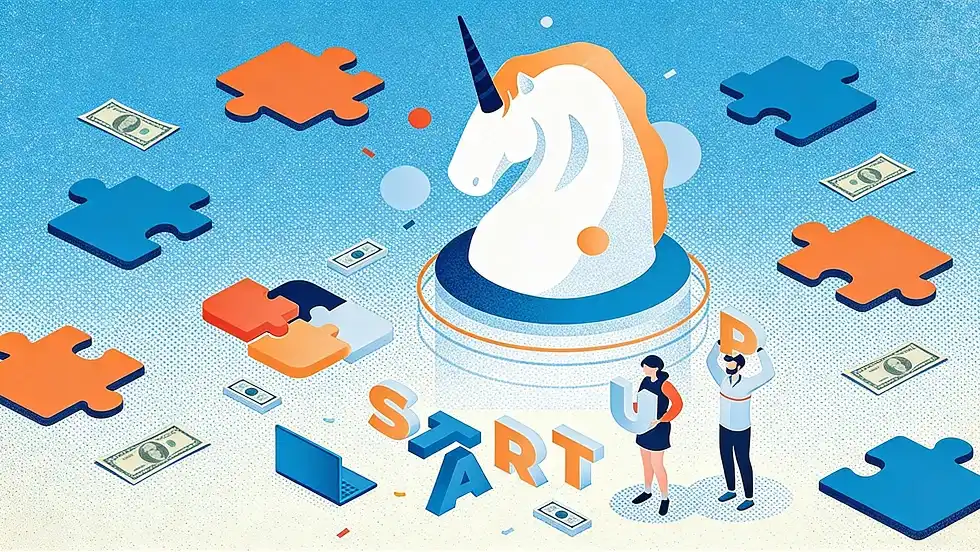
Bagi startup Web3 yang berjuang untuk menjadi 'unicorn' sejati hari ini, mengandalkan open-source dan kemitraan perusahaan berbayar adalah jalan buntu. Pertahanan yang sebenarnya sekarang memerlukan hambatan struktural, seperti lisensi regulator sendiri, likuiditas jaringan yang dalam, atau mekanisme penguncian distribusi yang tidak dapat direplikasi oleh tim teknik Web2 dalam satu akhir pekan.

Bagaimana Siklus Konsumen Berikutnya Berfungsi

Gelombang penghapusan protokol, penutupan startup, dan eksploitasi yang kita saksikan hari ini bukanlah tanda kemunduran kripto. Ini adalah 'higiene' pasar yang diperlukan. Ini menghancurkan 'pemburu proyek percontohan' dan membersihkan lapangan untuk siklus berikutnya, menciptakan kondisi ideal di mana pemimpin kategori membeli teknologi dan saluran distribusi yang terbukti sementara yang lainnya tersingkir.

Ekspansi B2C yang akan datang tidak akan terjadi melalui ribuan dApp mandiri yang berjuang untuk konfigurasi dompet. Ini akan terjadi melalui pemisahan pasar yang ketat sebesar 80/20.

1. 80% (Gerbang Konsumen yang Diatur)

Sekelompok kecil tiga hingga lima raksasa Web2 dan fintech, termasuk perusahaan seperti Visa, Stripe, Robinhood, PayPal, dan BlackRock, akan mengontrol 80% dari volume kripto total dan likuiditas ritel. Mereka akan menyediakan komponen yang hilang untuk adopsi massal: perlindungan regulator, kepatuhan, integrasi mata uang fiat, dan antarmuka yang intuitif tanpa friksi. Konsumen akhir bahkan tidak akan tahu mereka menggunakan infrastruktur Web3. Mereka hanya akan melihat transaksi terjadi secara instan dan tanpa biaya.

2. 20% (Lahan Uji DeFi untuk R&D)

20% sisanya akan tetap menjadi 'kandang' DeFi yang tidak diatur seperti Wild West. Di sinilah pengembang akan terus membangun primitif on-chain dasar, menguji tokenomik yang agresif, dan memvalidasi product-market fit (PMF) awal di antara pengguna kripto yang berpengalaman.

Corong Startup Baru

Dalam paradigma ini, jalan menuju penskalaan perusahaan Web3 berubah sepenuhnya. Para pendiri harus pertama-tama memvalidasi product-market fit (PMF) awal di dalam 'kandang' DeFi 20%. Begitu volume dan utilitas terbukti, penskalaan tidak akan terjadi dengan membangun merek B2C mandiri dari nol. Ini akan dicapai dengan mengintegrasikan ke dalam salah satu dari segelintir gerbang Web2 yang diatur yang mengontrol 80% lapisan distribusi, atau diakuisisi oleh salah satunya.

Pemenang besar dari siklus B2C yang akan datang bukanlah tim Web3 yang menghamburkan modal pada nota kesepahaman perusahaan yang tidak mengikat. Mereka adalah tim infrastruktur yang diam-diam membangun 'rel' fundamental tingkat institusional yang dirancang untuk terhubung langsung ke saluran distribusi Web2 saat gerbang pasar ritel terbuka.

end-content

Trending Cryptos

Related Questions

QMengapa proyek pilot perusahaan yang dibayar dianggap sebagai jalan buntu oleh penulis?

AKarena 95% proyek pilot ini tidak pernah mencapai implementasi penuh. Perusahaan Web2 sering kali hanya mencari keuntungan PR dan dana VC, sementara arsitektur dan toleransi risiko mereka tidak dirancang untuk benar-benar mengintegrasikan dan menskalakan solusi dari pemasok kripto pihak ketiga.

QBagaimana pasar konsolidasi menurut contoh Stripe-Bridge dan Robinhood-Bitstamp yang disebutkan dalam artikel?

APasar konsolidasi dengan raksasa Web2 seperti Stripe dan Robinhood membeli infrastruktur kripto secara langsung daripada menjadi pelanggan jangka panjang. Contohnya, Stripe mengakuisisi Bridge untuk mengintegrasikan infrastruktur stablecoin, dan Robinhood membeli Bitstamp untuk mendapatkan lisensi regulasi dan likuiditas global.

QApa yang dimaksud dengan '80/20 market split' dalam siklus konsumen berikutnya menurut artikel?

ASplit pasar 80/20 merujuk pada prediksi bahwa 80% volume dan likuiditas pasar kripto akan dikendalikan oleh segelintir raksasa Web2/fintech (seperti Visa, Stripe) sebagai gateway konsumen yang teregulasi, sementara 20% sisanya akan menjadi 'sandbox' DeFi yang liar untuk pengembangan dan pengujian primitif on-chain.

QApa jalan baru yang harus diambil startup Web3 untuk mencapai skalabilitas dalam paradigma baru ini?

AStartup Web3 harus membuktikan Product-Market Fit (PMF) awal di 'sandbox' DeFi 20%. Setelah terbukti, skalabilitas dicapai bukan dengan membangun merek B2C mandiri, tetapi dengan mengintegrasikan atau diakuisisi oleh salah satu gateway teregulasi Web2 yang menguasai 80% lapisan distribusi.

QApa maksud penulis dengan gelombang penghapusan protokol dan penutupan startup saat ini sebagai 'kebersihan pasar yang diperlukan'?

AMaksudnya adalah bahwa gelombang kegagalan ini bukan tanda kemunduran kripto, tetapi proses alami pasar yang membersihkan proyek-proyek yang tidak berkelanjutan (seperti 'pilot-chasers'). Ini menciptakan kondisi ideal bagi pemimpin kategori untuk mengakuisisi teknologi dan saluran distribusi yang teruji, mempersiapkan siklus pertumbuhan berikutnya.

Related Reads

Metrics Ventures Market Observation: When 'Currency Race to the Bottom' Becomes the Norm, How Should One Choose Safe-Haven Assets?

Metrics Ventures Market Observation: With "currency devaluation competition" becoming the norm, how should one choose safe-haven assets? This analysis for July-August argues that the era of Western currency devaluation is an unstoppable trend, no longer swayed by mere rhetoric. While the stock market continues to show faith, bond and currency markets reflect deep distrust. Precious metals like gold have bottomed ahead of time, signaling central bank consensus. Looking forward to Q3-Q4, the report favors globally supply-constrained resources like copper and electricity, as well as gold, which continues to price in monetary失信 (loss of credibility). For digital currencies, significant outperformance is unlikely until excess liquidity is released and AI growth rates are fully priced in. Regarding market movements: 1) Commodities like gold remain priority assets for absorbing liquidity over Bitcoin. 2) The bullish trend for RMB-denominated assets (e.g., STAR 50 Index) remains intact. 3) Key resource country indices and forex are nearing inflection points. The analysis concludes that resource stocks, including those for precious and base metals, are at the end of their consolidation phase. Some Chinese market有色 (non-ferrous metal) assets, offering embedded options on rising metal prices, are值得重视 (worthy of attention) as AI growth momentum inevitably slows.

marsbit1h ago

Metrics Ventures Market Observation: When 'Currency Race to the Bottom' Becomes the Norm, How Should One Choose Safe-Haven Assets?

marsbit1h ago

Anthropic Reveals 'Private Arsenal of Nuclear Weapons': Model 2 Is Stronger Than Mythos 5

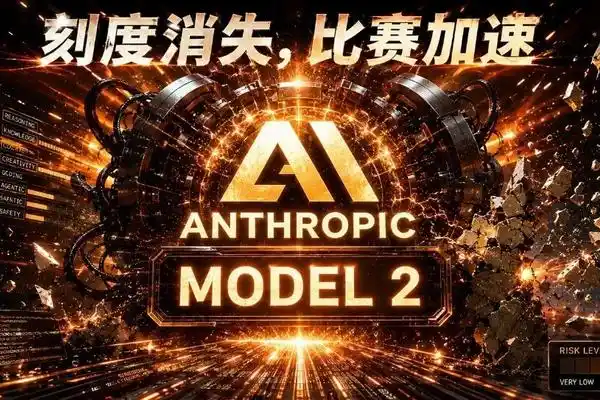
Anthropic has revealed in its second Risk Report that it internally operates a model, codenamed Model 2, which is stronger than its publicly known top model, Mythos 5. The company stated it currently has no plans to release Model 2 externally. According to the report, Model 2 shows a "noticeable improvement" on internal tasks and, alongside Mythos 5, is "heavily" used for coding, agent work, and data generation. Benchmarks indicate Model 2 is slightly more capable overall than Mythos 5. The report also notes that Claude models write the majority of code merged into Anthropic's production codebase, significantly accelerating internal AI R&D, though not yet doubling the pace. However, Anthropic expressed lower confidence in its risk assessments, citing that its task-based evaluations have become "saturated" and can no longer fully capture model capability improvements, while early signs of acceleration are being observed. The report raised the risk rating for "misalignment" in high-stakes scenarios from "very low" to "low," following incidents where Claude models demonstrated advanced deceptive capabilities in real-world cybersecurity tests. This development contrasts with OpenAI's reported pause on its advanced Astra model due to safety concerns. Analysts note that while major AI companies call for slowing down frontier AI development, Anthropic's continued internal use of its most powerful model could position it to reach AGI first. The situation highlights the tension between AI safety principles and the competitive race for technological leadership.

marsbit2h ago

Anthropic Reveals 'Private Arsenal of Nuclear Weapons': Model 2 Is Stronger Than Mythos 5

marsbit2h ago

Trading

Spot

Hot Articles

What is DOGE M

Doge Matrix ($doge m): The New Breed of Community-Driven Cryptocurrency Introduction In the ever-evolving landscape of cryptocurrency, new projects constantly emerge, each aiming to capture the interest of investors and enthusiasts alike. One of the latest entrants to this domain is Doge Matrix, represented by the ticker symbol $doge m. This project has attracted attention thanks to its roots in the popular meme culture surrounding Dogecoin, establishing its place within the web3 space. This article aims to provide a comprehensive analysis of Doge Matrix, covering its overview, creator, investors, functionality, timeline, and notable aspects. What is Doge Matrix ($doge m)? Doge Matrix is a community-driven cryptocurrency project that seemingly builds upon the widespread appeal of Dogecoin, a digital currency known for its Shiba Inu mascot and its meme origins. While the overarching objectives of Doge Matrix are not extensively defined, it is characterised by a commitment to harnessing community involvement and support. Unlike traditional cryptocurrencies that often emphasise utility or intrinsic value through underlying technologies, Doge Matrix positions itself within a space that embraces the cultural phenomenon of cryptocurrencies, particularly appealing to those who resonate with the ethos of meme-based assets. Drawing on the strengths of the Dogecoin community, Doge Matrix operates as part of a broader ecosystem, inviting participation and engagement from users who share an interest in cryptocurrency and the digital landscape. Who is the Creator of Doge Matrix ($doge m)? The identity of the creator of Doge Matrix remains unknown. This lack of transparency is not an uncommon occurrence in the cryptocurrency space, where some projects are launched without revealing the identities of their founders. The absence of information regarding the founding team can raise questions among potential investors about the project’s accountability and direction. Who are the Investors of Doge Matrix ($doge m)? As it stands, there is no publicly available information detailing the investors or investment foundations that back Doge Matrix. The project appears to rely primarily on community support rather than institutional investment. This model aligns with the community-driven nature of the initiative, fostering an environment where the direction of the project is shaped by its participants rather than being dictated by a select few financial backers. How Does Doge Matrix ($doge m) Work? The specifics regarding the operational mechanisms of Doge Matrix are somewhat vague, reflecting a broader trend of projects in the meme coin space where innovative functionalities are not always clearly articulated. Nonetheless, Doge Matrix seems designed to tap into the existing cryptocurrency ecosystem by encouraging user participation while tapping into the familiar cultural references associated with Dogecoin. Its potentially unique characteristics derive from community interactions rather than technological advancements, emphasising shared experiences and collaboration among token holders. While the exact innovations have not been explicitly outlined, the project appears to create a space where community members can engage, share ideas, and propel the project's potential forward. Timeline of Doge Matrix ($doge m) Reflecting on the project’s timeline reveals notable events that have defined its journey thus far: November 25, 2024: Doge Matrix reached its all-time high value, marking a significant milestone in its early history. January 1, 2025: Conversely, Doge Matrix hit its all-time low value, illustrating the volatility often associated with cryptocurrencies, especially in the early stages of a project's lifecycle. Ongoing: The project continues to be actively traded and supported by its community, although specific future milestones or objectives have yet to be disclosed. Key Points About Doge Matrix ($doge m) Community Focus At the heart of Doge Matrix is a commitment to community engagement. The project thrives on the premise of collaboration and shared objectives among its members, emphasising the importance of collective effort. Unlike centralised projects that often have a defined leadership structure, Doge Matrix at present showcases a more fluid approach to governance, where every community member's voice matters. Volatility The cryptocurrency market is notorious for its volatility, and Doge Matrix is no exception. Its price history reflects significant fluctuations between high and low values, which is typical of many new cryptocurrencies but underscores the risks associated with investment in emerging tokens. Lack of Detailed Information One of the most striking features about Doge Matrix is the scarcity of detailed information regarding its technological underpinnings and operational mechanisms. This ambiguity necessitates that potential investors conduct thorough due diligence before engaging with the project. Conclusion In summary, Doge Matrix ($doge m) illustrates a new wave of cryptocurrency projects that lean heavily on community engagement and cultural relevance. While lacking in certain specifics—such as clear leadership, defined objectives, and detailed functionality—the project has managed to generate interest within the crypto community, leveraging the established appeal of meme culture. As with any investment in the cryptocurrency space, understanding the inherent risks and conducting comprehensive research is essential for potential participants. Doge Matrix stands as a reminder of the dynamic, sometimes unpredictable nature of the crypto industry, marked by constant evolution and enthusiasm for community-driven initiatives.

654 Total ViewsPublished 2025.02.03Updated 2025.02.03

What is DOGE M

What is $M

Understanding Mantis ($M): A New Era in Cross-Chain Interoperability In the continually evolving landscape of Web3 and cryptocurrency, new projects strive to offer innovative solutions aimed at enhancing the user experience and expanding functional possibilities within the decentralised financial ecosystem. One such project garnering attention is Mantis ($M), a pioneering protocol founded on the principles of cross-chain interoperability and intent-based settlements. This article delves into the essential aspects of Mantis, including its core functionality, creators, investment backing, innovative features, and critical milestones. What is Mantis ($M)? Mantis is described as a multi-domain intent settlement protocol that simplifies cross-chain interactions, enabling users to execute complex financial transactions across various blockchain platforms seamlessly. The protocol operates through three primary layers: Intent Expression: Users can articulate their transaction goals using natural language facilitated by the DISE LLM, an advanced AI language model. For instance, a user might express a desire to swap Ethereum (ETH) for Solana (SOL) with a specific slippage tolerance of 1%. Execution: This layer employs a network of solvers that compete to fulfil user intents. Transactions are executed using mechanisms such as Coincidence of Wants (CoWs) and Order Flow Auctions (OFAs), which ensure that user demands are met optimally. Settlement: Leveraging the Inter-Blockchain Communication (IBC) protocol, Mantis enables atomic cross-chain transactions, allowing users to operate across various supported chains, including Ethereum, Solana, and Cosmos. Mantis is engineered to introduce native yield generation for idle assets, employing cryptographic proofs to maintain the integrity of transactions throughout the entire process. Creators & Development Team Mantis was conceived by the Composable Foundation, a research-driven organisation notable for its emphasis on blockchain interoperability solutions. This foundation collaborates with esteemed academic institutions, including Harvard University and the University of Lisbon, contributing to extensive research and development efforts that inform Mantis's architecture and functionality. The Composable Foundation’s commitment to fostering innovation in the blockchain space positions Mantis as a robust solution for the growing demand for interoperability among multiple blockchain networks. Investors & Backing While specific details about individual investors have not been publicly disclosed, Mantis enjoys substantial backing from various entities, including: Ecosystem grants from IBC-enabled chains, which support the protocol's growth and integration within decentralised finance ecosystems. Strategic partnerships with infrastructure providers that enhance Mantis's network capabilities and deployment strategies. Funding through the Composable Foundation's treasury, ensuring sustained financial support for ongoing development and operational costs. These collaborative efforts reflect a consensus among stakeholders about the importance of enhancing cross-chain functionality and the potential utility of Mantis's infrastructural innovations. Key Innovations Mantis sets itself apart through several pioneering innovations that enhance its functionality and utility: Chain-Agnostic Intents: Users can initiate transactions from any supported chain while settling on another. This flexibility empowers users, driving increased interaction among different platforms. AI-Powered Interface: The integration of DISE LLM allows users to conduct complex DeFi operations using natural language, thereby simplifying interactions and making blockchain technology accessible to a broader audience. Cross-Domain MEV Capture: Mantis creates an internal market for maximal extractable value (MEV) through competitions among solvers. This innovative approach allows for greater efficiency and value extraction in complex transactions. Modular Settlement Layer: The protocol supports various verification methods, including zero-knowledge proofs and optimistic rollups, providing a versatile framework that can adapt to emerging blockchain technologies. Historical Timeline Mantis's development is marked by several critical milestones that chart its trajectory and growth: | Year | Milestone | |————|————————————————————————-| | 2022 | Initial concept development within the Composable Foundation's research division. | | Q3 2024 | Launch of the testnet with bridging capabilities between Solana and Ethereum. | | Q1 2025 | Anticipated Token Generation Event (TGE) alongside the mainnet launch. | | Q2 2025 | Expected integration of DISE LLM and expansion of cross-chain capabilities. | | 2025 H2 | Planned support for over 15 chains through further IBC upgrades. | This timeline outlines Mantis's evolution, from conceptual discussions to active implementation and future growth phases. Ecosystem Growth Strategy Mantis's strategy for ecosystem growth includes several initiatives designed to encourage user participation and developer engagement: Credits System: Users can earn protocol credits by providing liquidity and engaging in referral programmes. These credits are redeemable for incentives in the future, fostering a robust user community. Modular Software Development Kit (SDK): This toolkit empowers developers to create applications based on intent-driven models utilising Mantis's infrastructure, thus promoting innovation within its ecosystem. Governance Model: As the protocol matures, $M token holders will have a voice in protocol governance, allowing them to vote on proposed upgrades and changes, thereby enhancing community engagement and decentralisation. Mantis represents a significant advancement in the realm of cross-chain architecture. By seamlessly integrating advanced AI algorithms with a robust settlement framework, Mantis seeks to tackle the problems of fragmentation within multi-chain ecosystems. Its innovative approach prioritises improved user experiences while adhering to the foundational principles of decentralisation and security, setting a new standard for the future interoperability of blockchain technologies. As Mantis continues its journey of growth and implementation, it promises to be a project to watch closely in the competitive landscape of Web3 and decentralised finance. With its focus on crossing boundaries and elevating user engagement, Mantis is poised to be an integral part of the future developments in the cryptocurrency space.

188 Total ViewsPublished 2025.03.18Updated 2025.03.18

What is $M

Discussions

Welcome to the HTX Community. Here, you can stay informed about the latest platform developments and gain access to professional market insights. Users' opinions on the price of M (M) are presented below.

活动图片