La chute tragique d’une légende de la crypto : la fortune, les paris et la dernière nuit de Harry Yeh

marsbitPublished on 2026-08-10Last updated on 2026-08-10

Abstract

Le fondateur cryptographique Harry Yeh (Ye Junde) a été retrouvé mort, nu, après une chute du 30e étage d'un immeuble d'Asunción, au Paraguay, le 7 août 2026. Les enquêteurs explorent les pistes de l'accident, du suicide et du meurtre. Yeh, qui gérait le fonds Quantum Fintech Group et affirmait contrôler plus de 2,4 milliards de dollars, a bâti sa fortune depuis un investissement initial de 500 dollars en Bitcoin en 2013. Il a connu son apogée en 2021 en sauvant et développant le projet Tomb Finance sur Fantom, faisant passer sa valeur de 2,5 à 16 milliards de dollars en quatre mois. Sa mort survient dans un contexte d'augmentation des « attaques par clé » (wrench attacks), ciblant physiquement les détenteurs de cryptomonnaies. L'enquête, en attente de l'autopsie, examine si sa notoriété et sa fortune affichée l'ont rendu vulnérable. Sa trajectoire incarne les extrêmes de l'industrie crypto : une ascension fulgurante et une chute tragique, rappelant les risques inhérents à ce secteur.

Rédaction : Lin Zhengying

Le 7 août 2026, vers 4h30 du matin, le centre d'appels du 911 d'Asunción, capitale du Paraguay, reçoit un appel : un corps gît au pied du luxueux immeuble Jade Park, dans le quartier de Trinidad.

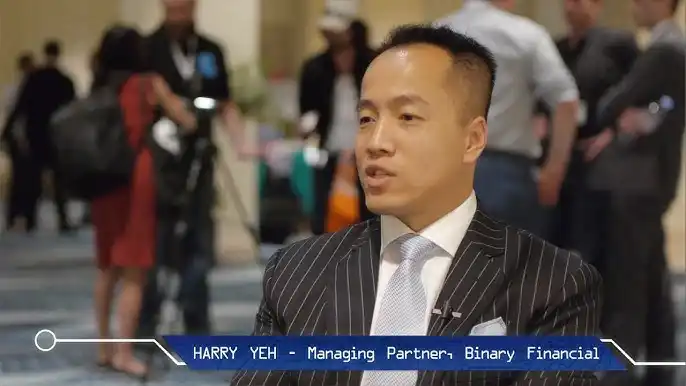
La scène découverte par la police est étrange : la victime, entièrement nue, recouverte d'un sac plastique noir, semble être tombée d'environ 100 mètres de haut, du 30ème étage. Son identité est rapidement établie – Harry Chun Tak Yeh, de son nom chinois Ye Junde, fondateur et associé-gérant du fonds de cryptomonnaies Quantum Fintech Group, investisseur crypto d'origine chinoise qui affirmait gérer des actifs dépassant 2,4 milliards de dollars.
En montant au 30ème étage, les enquêteurs trouvent la porte de son appartement grande ouverte, l'intérieur sens dessus dessous, mais vide.

Il possédait un autre appartement au 27ème étage du même bâtiment, où vivait sa petite amie brésilienne, Isadora de Proenca Braganholo Carvalho, 29 ans. Interrogée par le procureur, elle a déclaré ne rien savoir ; la police n'a pour l'instant émis aucune accusation à son encontre.

Après l'inspection dirigée par la procureure María del Carmen Palazón, les pistes de l'accident, du suicide et du meurtre sont toutes envisagées, dans l'attente des résultats de l'autopsie.

Un départ avec 500 dollars

L'ascension de Harry Yeh suit le scénario classique dans le monde des cryptomonnaies.

Né à Hong Kong, il émigre au Canada avec sa famille dans son enfance. Il obtient une licence en génie électrique à l'Université de Californie à Berkeley, puis un MBA à la Stanford Graduate School of Business, du moins selon la biographie qu'il présente.

Avant de plonger dans la cryptosphère, il suit le parcours type de l'élite de la Silicon Valley : ingénieur de formation, il a été CTO et cofondateur de plusieurs startups, a créé une société de conseil en technologie, travaillant pour des institutions dont le chiffre d'affaires variait entre 5 et 200 millions de dollars.

En 2013, le Bitcoin valait environ 60 dollars. Yeh achète ses premiers BTC pour 500 dollars. La même année, il lance son premier fonds avec 250 000 dollars, créant la société de capital-risque Binary Financial, qui deviendra après plusieurs rebrandings Quantum Fintech Group.

C'était l'ère des pionniers. Se lançant dans le trading de gré à gré (OTC) de cryptomonnaies et la gestion de fonds spéculatifs pour clients fortunés, Yeh a vécu toute la courbe ascendante du Bitcoin, de 60 dollars à des dizaines de milliers de dollars. En 2023, lui et son équipe affirment gérer un réseau de fonds spéculatifs et d'investissements privés dépassant les 2,4 milliards de dollars.

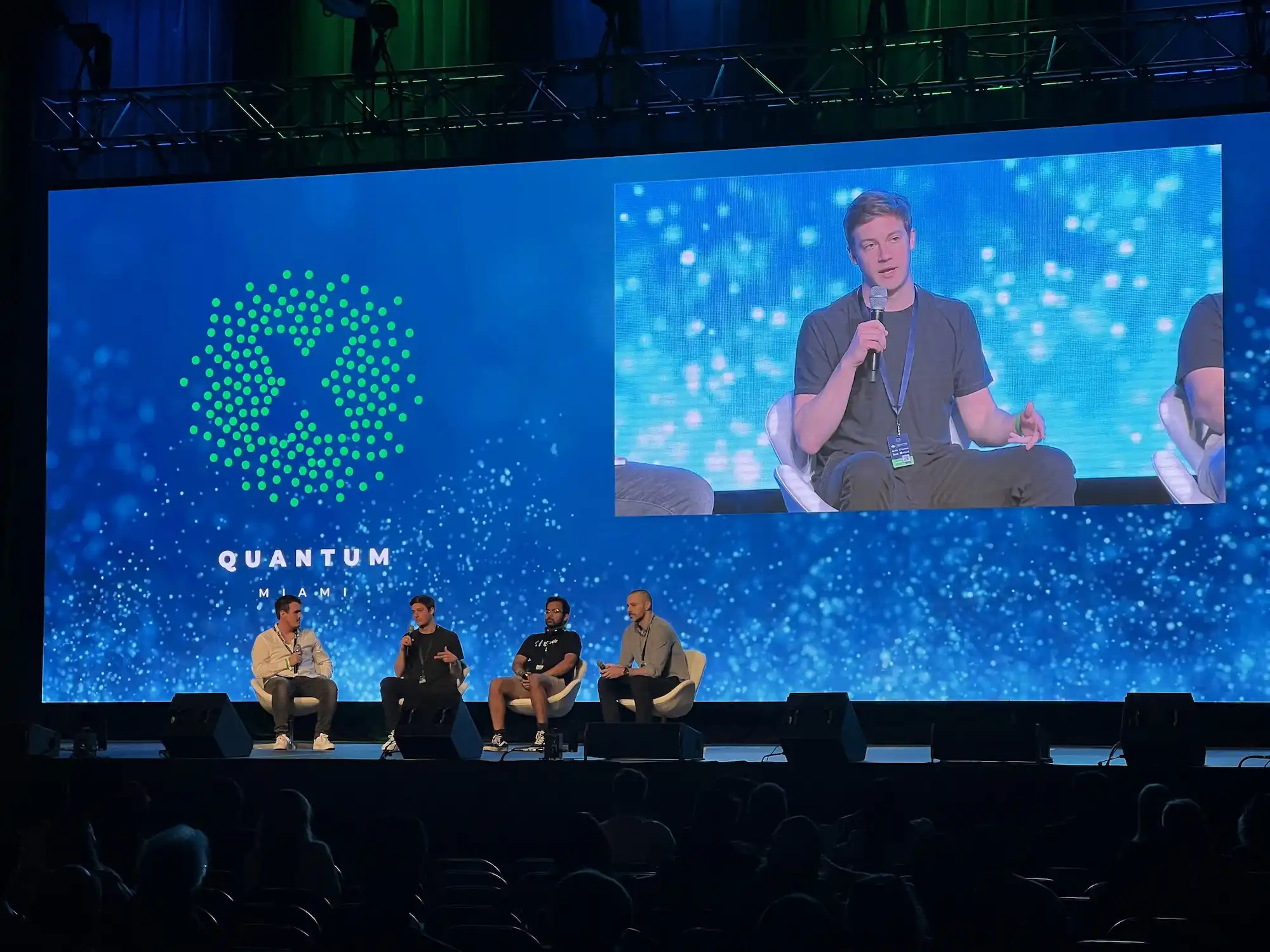
Il commence à apparaître fréquemment sous les projecteurs : en 2017, il discute des forks du Bitcoin et des ICO sur CNBC ; en 2022, il est invité d'une émission crypto de Bloomberg, qualifiant le Bitcoin d'« or numérique », et partage la scène avec des personnalités comme Mark Cuban et Craig Sellars, cofondateur de Tether. Il s'empare également de la production des conférences The North American Bitcoin Conference (TNABC) et Fantom Developer Conference, organisant sa propre Quantum Miami Conference, avec le soutien personnel du maire de Miami.
L'apogée : de 2,5 à 1,6 milliard de dollars en quatre mois

L'investissement le plus légendaire de la carrière de Yeh s'est produit dans l'écosystème Fantom.

Fantom était l'une des blockchains les plus en vogue lors de l'« été DeFi » de 2021, créée de la main d'Andre Cronje, surnommé le « parrain du DeFi ». En septembre 2021, Tomb Finance, un projet de stablecoin algorithmique sur Fantom, est plongé dans une crise de confiance suite à un incident de faille nommé « Gatekeeper », au bord de l'effondrement. Yeh, en tant que membre de la Fondation Fantom, reprend alors l'équipe en main.

Les quatre mois suivants sont un moment magique pour Tomb Finance : la valeur totale bloquée (TVL) passe de 2,5 millions de dollars à un pic de 1,6 milliard de dollars, soit une multiplication par près de 80 en deux mois, devenant le projet le plus brillant de l'écosystème Fantom.

Cette bataille établit la réputation de Yeh au sein de la communauté Fantom.

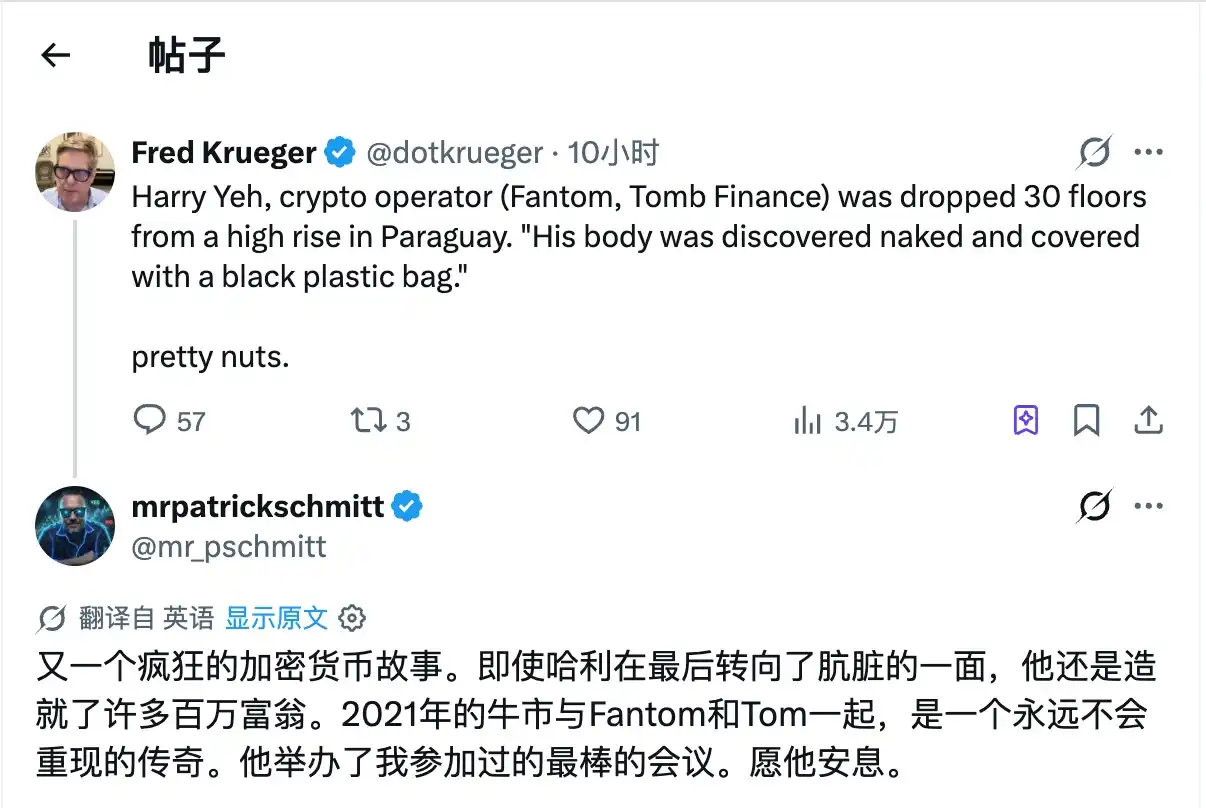
Certains sur X se souviennent : « Même si Harry a fini par sombrer du côté obscur, il a créé de nombreux millionnaires. Le marché haussier de Fantom et de Tomb en 2021 est une légende qui ne se reproduira plus jamais. Il a organisé les meilleures conférences auxquelles j'ai assisté. Repose en paix. »
Son équipe donne ensuite naissance à l'écosystème LIF3, une blockchain axée sur la DeFi, ainsi qu'à L3 Reserve pour l'émission d'actifs en stablecoin L3USD. Sur son site personnel, sa carte d'investissement est densément centrée sur l'écosystème Fantom.

Jusqu'en novembre 2024, il continue de promouvoir LIF3 : un partenariat avec la société de téléphones Web3 Jambo permet de pré-installer l'application Lif3 sur le JamboPhone vendu 99 dollars, visant à offrir des paiements cryptos aux utilisateurs de plus de 120 pays.

À cette époque, il réside principalement à Abu Dhabi, et figure sur la liste des « Visionnaires 2024 » de Crypto Oasis à Dubaï.

Pourquoi est-il mort au Paraguay ?

C'est l'aspect le plus troublant de toute l'histoire.

Pourquoi un grand nom de la crypto, résidant habituellement à Abu Dhabi, avec des activités s'étendant de Miami à Dubaï, se retrouve-t-il dans un immeuble d'Asunción, et pourquoi est-il tombé nu ?

Plusieurs détails de la scène (porte ouverte, intérieur dévasté, victime nue) ont rapidement orienté les discussions de la communauté crypto vers un terme : l'attaque à la clé (wrench attack).

Ce concept provient d'un vieil adage de la cybersécurité : le meilleur algorithme de cryptage ne résiste pas à une clé à molette de 5 dollars. L'attaquant ne s'attaque pas au code, mais à la personne, utilisant la violence ou la menace de violence pour contraindre le détenteur à divulguer l'accès à son portefeuille, à effectuer un transfert ou à révéler sa clé privée.

La veille de la mort de Yeh, le 6 août 2026, la société d'analyse blockchain Chainalysis publiait un rapport : au premier semestre 2026, 46 attaques à la clé contre des détenteurs de cryptomonnaies ont été confirmées dans le monde, pour un montant volé dépassant 30 millions de dollars. À ce rythme, l'année 2026 battrait le record historique de 58 millions de dollars établi en 2025.

Si l'on inclut les tentatives de transfert et les montants extorqués, l'exposition à ce jour pour l'année approche les 107 millions de dollars, dont 37% de toutes les attaques à la clé sont des cambriolages, un record annuel.

Un riche investisseur crypto affirmant publiquement gérer 2,4 milliards de dollars, apparaissant régulièrement en public, organisant des conférences et passant à la télévision, constitue précisément la cible idéale pour les auteurs d'attaques à la clé.

Bien sûr, les possibilités du suicide ou d'un accident n'ont pas non plus été écartées.

Les montagnes russes de la richesse dans l'industrie crypto peuvent briser n'importe qui. Les projets de stablecoins algorithmiques du type Tomb Finance se sont effondrés en masse après le marché baissier post-2022, et l'écosystème Fantom a également traversé des moments sombres avec le départ d'Andre Cronje et l'évaporation de sa TVL. La véritable valeur des actifs « auto-déclarés à 2,4 milliards de dollars » au nom de Yeh, et leur résistance au marché baissier et à un audit, restent inconnues du public.

Une chute nu, un intérieur en désordre, peuvent aussi évoquer une dernière nuit chaotique et solitaire.

Pour l'instant, le parquet paraguayen n'a fourni aucune preuve liant une quelconque partie à la chute. Les résultats de l'autopsie seront la clé pour résoudre l'énigme.

La vie de Harry Yeh est le reflet de l'âge d'or de l'industrie crypto : un ingénieur qui entre en scène, mise 500 dollars, surfe sur la décennie la plus vertigineuse du Bitcoin, crée un mythe de 1,6 milliard de dollars en quatre mois lors de la frénésie DeFi, organise des conférences, passe sur Bloomberg, trinque avec le maire.

Mais les leçons de sécurité que cet industrie inculque concernent toutes la sécurité des actifs : portefeuille froid, signatures multiples, dispositifs matériels. Les hackers ont de plus en plus de mal à percer le code, alors la criminalité se tourne vers les personnes physiques. Ces dernières années, de plus en plus de figures de la crypto sont prises pour cible dans leur lieu de résidence habituel à cause de l'étalage de leur richesse.

En 2013, le Bitcoin à 60 dollars a tout donné à Yeh ; le 7 août 2026 au petit matin, les 100 mètres de hauteur d'Asunción lui ont tout repris.

Il avait déclaré dans une interview : « Les meilleurs investisseurs savent que les grandes fortunes naissent en période de marché baissier. » Seulement cette fois, il n'a pas pu attendre le prochain marché haussier.

(Les faits de cet article proviennent de reportages publics ; les montants d'actifs des personnes concernées sont leurs propres affirmations ; l'affaire est toujours en cours d'enquête, les conclusions définitives dépendront des résultats de l'autopsie et de l'enquête des autorités judiciaires paraguayennes.)

Trending Cryptos

Related Questions

QQui était Harry Chun Tak Yeh, également connu sous le nom de Ye Junde, et quel était son rôle dans l'industrie des cryptomonnaies ?

AHarry Chun Tak Yeh (Ye Junde) était le fondateur et associé directeur du fonds de cryptomonnaies Quantum Fintech Group. Il était un investisseur crypto sino-canadien de premier plan qui a déclaré gérer plus de 24 milliards de dollars d'actifs. Il est connu pour avoir participé à des projets comme Tomb Finance sur Fantom et avoir organisé des conférences majeures comme Quantum Miami.

QQuelles sont les circonstances troublantes entourant la mort de Harry Yeh à Asunción, au Paraguay ?

ALe corps nu de Harry Yeh a été retrouvé au petit matin du 7 août 2026 au pied d'un immeuble de luxe à Asunción, apparemment tombé d'environ 100 mètres de hauteur. Son appartement au 30ème étage était grand ouvert et sens dessus dessous, mais vide. L'enquête examine parallèlement les pistes de l'accident, du suicide et du meurtre, en attendant les résultats de l'autopsie.

QQu'est-ce qu'une "wrench attack" (attaque à la clé) dans le contexte des cryptomonnaies, et pourquoi cette piste est-elle évoquée ?

AUne "wrench attack" est une attaque physique où des criminels utilisent la violence ou des menaces pour contraindre un détenteur de cryptomonnaies à divulguer ses clés privées ou à effectuer des transferts. Cette piste est évoquée car Yeh était une cible visible et riche, et les circonstances de sa mort (appartement saccagé, porte ouverte) correspondent à ce type d'agression, dont la fréquence a fortement augmenté selon un rapport récent de Chainalysis.

QQuel a été le moment le plus marquant de la carrière de Harry Yeh dans l'écosystème Fantom ?

ALe moment le plus marquant a été son sauvetage et sa direction du projet Tomb Finance sur Fantom fin 2021. En seulement quatre mois, il a fait passer la valeur totale verrouillée (TVL) du projet de 250 000 dollars à un pic de 16 milliards de dollars, un succès phénoménal qui a fait de lui une figure légendaire au sein de la communauté Fantom.

QQuel paradoxe concernant la sécurité dans l'industrie crypto est mis en lumière par la mort de Harry Yeh ?

ASa mort met en lumière le paradoxe suivant : si la sécurité des actifs numériques (portefeuilles, signatures multiples) s'est considérablement améliorée contre les piratages en ligne, les détenteurs de cryptomonnaies deviennent de plus en plus vulnérables aux attaques physiques ("wrench attacks"). La sécurité personnelle et la discrétion deviennent cruciales pour les investisseurs visibles et fortunés, une leçon souvent négligée.

Related Reads

AI Creates New Virus, Science Paper Confirms, Capable of Unlimited Self-Replication

AI Designs Novel, Self-Replicating Viruses in Groundbreaking Science Study A landmark study published in Science by researchers from Stanford University and the Arc Institute demonstrates that an AI model, Evo, has successfully designed novel, functional viruses from scratch. Trained on trillions of nucleotides across diverse life forms, Evo generated 700,000 candidate viral genomes. From these, 285 were synthesized as DNA and tested in E. coli bacteria. Remarkably, 16 of these AI-designed viruses were not only viable and self-replicating but some also outperformed their natural counterpart, the bacteriophage ΦX174, in the speed of bacterial lysis. One variant, Evo-Φ36, even incorporated a structural protein from a distantly related virus, showcasing the AI's ability to combine functional elements in novel ways. This research marks the first time a complete, functional life-form genome has been designed de novo by artificial intelligence. It represents a pivotal shift into the era of generative genomic design. A key application demonstrated is in combating antibiotic-resistant bacteria. While naturally occurring bacteriophages often fail against resistant strains, a cocktail of AI-generated phages successfully killed three different resistant E. coli variants. The study suggests AI could revolutionize fields like phage therapy by rapidly generating new antimicrobial agents, potentially keeping pace with bacterial evolution in a way traditional drug development cannot. This work signifies a profound step in humanity's ability to read and now write the code of life.

marsbit22m ago

AI Creates New Virus, Science Paper Confirms, Capable of Unlimited Self-Replication

marsbit22m ago

Trading

Spot

Hot Articles

What is SONIC

Sonic: Pioneering the Future of Gaming in Web3 Introduction to Sonic In the ever-evolving landscape of Web3, the gaming industry stands out as one of the most dynamic and promising sectors. At the forefront of this revolution is Sonic, a project designed to amplify the gaming ecosystem on the Solana blockchain. Leveraging cutting-edge technology, Sonic aims to deliver an unparalleled gaming experience by efficiently processing millions of requests per second, ensuring that players enjoy seamless gameplay while maintaining low transaction costs. This article delves into the intricate details of Sonic, exploring its creators, funding sources, operational mechanics, and the timeline of significant events that have shaped its journey. What is Sonic? Sonic is an innovative layer-2 network that operates atop the Solana blockchain, specifically tailored to enhance the existing Solana gaming ecosystem. It accomplishes this through a customised, VM-agnostic game engine paired with a HyperGrid interpreter, facilitating sovereign game economies that roll up back to the Solana platform. The primary goals of Sonic include: Enhanced Gaming Experiences: Sonic is committed to offering lightning-fast on-chain gameplay, allowing players and developers to engage with games at previously unattainable speeds. Atomic Interoperability: This feature enables transactions to be executed within Sonic without the need to redeploy Solana programmes and accounts. This makes the process more efficient and directly benefits from Solana Layer1 services and liquidity. Seamless Deployment: Sonic allows developers to write for Ethereum Virtual Machine (EVM) based systems and execute them on Solana’s SVM infrastructure. This interoperability is crucial for attracting a broader range of dApps and decentralised applications to the platform. Support for Developers: By offering native composable gaming primitives and extensible data types - dining within the Entity-Component-System (ECS) framework - game creators can craft intricate business logic with ease. Overall, Sonic's unique approach not only caters to players but also provides an accessible and low-cost environment for developers to innovate and thrive. Creator of Sonic The information regarding the creator of Sonic is somewhat ambiguous. However, it is known that Sonic's SVM is owned by the company Mirror World. The absence of detailed information about the individuals behind Sonic reflects a common trend in several Web3 projects, where collective efforts and partnerships often overshadow individual contributions. Investors of Sonic Sonic has garnered considerable attention and support from various investors within the crypto and gaming sectors. Notably, the project raised an impressive $12 million during its Series A funding round. The round was led by BITKRAFT Ventures, with other notable investors including Galaxy, Okx Ventures, Interactive, Big Brain Holdings, and Mirana. This financial backing signifies the confidence that investment foundations have in Sonic’s potential to revolutionise the Web3 gaming landscape, further validating its innovative approaches and technologies. How Does Sonic Work? Sonic utilises the HyperGrid framework, a sophisticated parallel processing mechanism that enhances its scalability and customisability. Here are the core features that set Sonic apart: Lightning Speed at Low Costs: Sonic offers one of the fastest on-chain gaming experiences compared to other Layer-1 solutions, powered by the scalability of Solana’s virtual machine (SVM). Atomic Interoperability: Sonic enables transaction execution without redeployment of Solana programmes and accounts, effectively streamlining the interaction between users and the blockchain. EVM Compatibility: Developers can effortlessly migrate decentralised applications from EVM chains to the Solana environment using Sonic’s HyperGrid interpreter, increasing the accessibility and integration of various dApps. Ecosystem Support for Developers: By exposing native composable gaming primitives, Sonic facilitates a sandbox-like environment where developers can experiment and implement business logic, greatly enhancing the overall development experience. Monetisation Infrastructure: Sonic natively supports growth and monetisation efforts, providing frameworks for traffic generation, payments, and settlements, thereby ensuring that gaming projects are not only viable but also sustainable financially. Timeline of Sonic The evolution of Sonic has been marked by several key milestones. Below is a brief timeline highlighting critical events in the project's history: 2022: The Sonic cryptocurrency was officially launched, marking the beginning of its journey in the Web3 gaming arena. 2024: June: Sonic SVM successfully raised $12 million in a Series A funding round. This investment allowed Sonic to further develop its platform and expand its offerings. August: The launch of the Sonic Odyssey testnet provided users with the first opportunity to engage with the platform, offering interactive activities such as collecting rings—a nod to gaming nostalgia. October: SonicX, an innovative crypto game integrated with Solana, made its debut on TikTok, capturing the attention of over 120,000 users within a short span. This integration illustrated Sonic’s commitment to reaching a broader, global audience and showcased the potential of blockchain gaming. Key Points Sonic SVM is a revolutionary layer-2 network on Solana explicitly designed to enhance the GameFi landscape, demonstrating great potential for future development. HyperGrid Framework empowers Sonic by introducing horizontal scaling capabilities, ensuring that the network can handle the demands of Web3 gaming. Integration with Social Platforms: The successful launch of SonicX on TikTok displays Sonic’s strategy to leverage social media platforms to engage users, exponentially increasing the exposure and reach of its projects. Investment Confidence: The substantial funding from BITKRAFT Ventures, among others, emphasizes the robust backing Sonic has, paving the way for its ambitious future. In conclusion, Sonic encapsulates the essence of Web3 gaming innovation, striking a balance between cutting-edge technology, developer-centric tools, and community engagement. As the project continues to evolve, it is poised to redefine the gaming landscape, making it a notable entity for gamers and developers alike. As Sonic moves forward, it will undoubtedly attract greater interest and participation, solidifying its place within the broader narrative of blockchain gaming.

2.3k Total ViewsPublished 2024.04.04Updated 2024.12.03

What is SONIC

What is $S$

Understanding SPERO: A Comprehensive Overview Introduction to SPERO As the landscape of innovation continues to evolve, the emergence of web3 technologies and cryptocurrency projects plays a pivotal role in shaping the digital future. One project that has garnered attention in this dynamic field is SPERO, denoted as SPERO,$$s$. This article aims to gather and present detailed information about SPERO, to help enthusiasts and investors understand its foundations, objectives, and innovations within the web3 and crypto domains. What is SPERO,$$s$? SPERO,$$s$ is a unique project within the crypto space that seeks to leverage the principles of decentralisation and blockchain technology to create an ecosystem that promotes engagement, utility, and financial inclusion. The project is tailored to facilitate peer-to-peer interactions in new ways, providing users with innovative financial solutions and services. At its core, SPERO,$$s$ aims to empower individuals by providing tools and platforms that enhance user experience in the cryptocurrency space. This includes enabling more flexible transaction methods, fostering community-driven initiatives, and creating pathways for financial opportunities through decentralised applications (dApps). The underlying vision of SPERO,$$s$ revolves around inclusiveness, aiming to bridge gaps within traditional finance while harnessing the benefits of blockchain technology. Who is the Creator of SPERO,$$s$? The identity of the creator of SPERO,$$s$ remains somewhat obscure, as there are limited publicly available resources providing detailed background information on its founder(s). This lack of transparency can stem from the project's commitment to decentralisation—an ethos that many web3 projects share, prioritising collective contributions over individual recognition. By centring discussions around the community and its collective goals, SPERO,$$s$ embodies the essence of empowerment without singling out specific individuals. As such, understanding the ethos and mission of SPERO remains more important than identifying a singular creator. Who are the Investors of SPERO,$$s$? SPERO,$$s$ is supported by a diverse array of investors ranging from venture capitalists to angel investors dedicated to fostering innovation in the crypto sector. The focus of these investors generally aligns with SPERO's mission—prioritising projects that promise societal technological advancement, financial inclusivity, and decentralised governance. These investor foundations are typically interested in projects that not only offer innovative products but also contribute positively to the blockchain community and its ecosystems. The backing from these investors reinforces SPERO,$$s$ as a noteworthy contender in the rapidly evolving domain of crypto projects. How Does SPERO,$$s$ Work? SPERO,$$s$ employs a multi-faceted framework that distinguishes it from conventional cryptocurrency projects. Here are some of the key features that underline its uniqueness and innovation: Decentralised Governance: SPERO,$$s$ integrates decentralised governance models, empowering users to participate actively in decision-making processes regarding the project’s future. This approach fosters a sense of ownership and accountability among community members. Token Utility: SPERO,$$s$ utilises its own cryptocurrency token, designed to serve various functions within the ecosystem. These tokens enable transactions, rewards, and the facilitation of services offered on the platform, enhancing overall engagement and utility. Layered Architecture: The technical architecture of SPERO,$$s$ supports modularity and scalability, allowing for seamless integration of additional features and applications as the project evolves. This adaptability is paramount for sustaining relevance in the ever-changing crypto landscape. Community Engagement: The project emphasises community-driven initiatives, employing mechanisms that incentivise collaboration and feedback. By nurturing a strong community, SPERO,$$s$ can better address user needs and adapt to market trends. Focus on Inclusion: By offering low transaction fees and user-friendly interfaces, SPERO,$$s$ aims to attract a diverse user base, including individuals who may not previously have engaged in the crypto space. This commitment to inclusion aligns with its overarching mission of empowerment through accessibility. Timeline of SPERO,$$s$ Understanding a project's history provides crucial insights into its development trajectory and milestones. Below is a suggested timeline mapping significant events in the evolution of SPERO,$$s$: Conceptualisation and Ideation Phase: The initial ideas forming the basis of SPERO,$$s$ were conceived, aligning closely with the principles of decentralisation and community focus within the blockchain industry. Launch of Project Whitepaper: Following the conceptual phase, a comprehensive whitepaper detailing the vision, goals, and technological infrastructure of SPERO,$$s$ was released to garner community interest and feedback. Community Building and Early Engagements: Active outreach efforts were made to build a community of early adopters and potential investors, facilitating discussions around the project’s goals and garnering support. Token Generation Event: SPERO,$$s$ conducted a token generation event (TGE) to distribute its native tokens to early supporters and establish initial liquidity within the ecosystem. Launch of Initial dApp: The first decentralised application (dApp) associated with SPERO,$$s$ went live, allowing users to engage with the platform's core functionalities. Ongoing Development and Partnerships: Continuous updates and enhancements to the project's offerings, including strategic partnerships with other players in the blockchain space, have shaped SPERO,$$s$ into a competitive and evolving player in the crypto market. Conclusion SPERO,$$s$ stands as a testament to the potential of web3 and cryptocurrency to revolutionise financial systems and empower individuals. With a commitment to decentralised governance, community engagement, and innovatively designed functionalities, it paves the way toward a more inclusive financial landscape. As with any investment in the rapidly evolving crypto space, potential investors and users are encouraged to research thoroughly and engage thoughtfully with the ongoing developments within SPERO,$$s$. The project showcases the innovative spirit of the crypto industry, inviting further exploration into its myriad possibilities. While the journey of SPERO,$$s$ is still unfolding, its foundational principles may indeed influence the future of how we interact with technology, finance, and each other in interconnected digital ecosystems.

344 Total ViewsPublished 2024.12.17Updated 2024.12.17

What is $S$

What is AGENT S

Agent S: The Future of Autonomous Interaction in Web3 Introduction In the ever-evolving landscape of Web3 and cryptocurrency, innovations are constantly redefining how individuals interact with digital platforms. One such pioneering project, Agent S, promises to revolutionise human-computer interaction through its open agentic framework. By paving the way for autonomous interactions, Agent S aims to simplify complex tasks, offering transformative applications in artificial intelligence (AI). This detailed exploration will delve into the project's intricacies, its unique features, and the implications for the cryptocurrency domain. What is Agent S? Agent S stands as a groundbreaking open agentic framework, specifically designed to tackle three fundamental challenges in the automation of computer tasks: Acquiring Domain-Specific Knowledge: The framework intelligently learns from various external knowledge sources and internal experiences. This dual approach empowers it to build a rich repository of domain-specific knowledge, enhancing its performance in task execution. Planning Over Long Task Horizons: Agent S employs experience-augmented hierarchical planning, a strategic approach that facilitates efficient breakdown and execution of intricate tasks. This feature significantly enhances its ability to manage multiple subtasks efficiently and effectively. Handling Dynamic, Non-Uniform Interfaces: The project introduces the Agent-Computer Interface (ACI), an innovative solution that enhances the interaction between agents and users. Utilizing Multimodal Large Language Models (MLLMs), Agent S can navigate and manipulate diverse graphical user interfaces seamlessly. Through these pioneering features, Agent S provides a robust framework that addresses the complexities involved in automating human interaction with machines, setting the stage for myriad applications in AI and beyond. Who is the Creator of Agent S? While the concept of Agent S is fundamentally innovative, specific information about its creator remains elusive. The creator is currently unknown, which highlights either the nascent stage of the project or the strategic choice to keep founding members under wraps. Regardless of anonymity, the focus remains on the framework's capabilities and potential. Who are the Investors of Agent S? As Agent S is relatively new in the cryptographic ecosystem, detailed information regarding its investors and financial backers is not explicitly documented. The lack of publicly available insights into the investment foundations or organisations supporting the project raises questions about its funding structure and development roadmap. Understanding the backing is crucial for gauging the project's sustainability and potential market impact. How Does Agent S Work? At the core of Agent S lies cutting-edge technology that enables it to function effectively in diverse settings. Its operational model is built around several key features: Human-like Computer Interaction: The framework offers advanced AI planning, striving to make interactions with computers more intuitive. By mimicking human behaviour in tasks execution, it promises to elevate user experiences. Narrative Memory: Employed to leverage high-level experiences, Agent S utilises narrative memory to keep track of task histories, thereby enhancing its decision-making processes. Episodic Memory: This feature provides users with step-by-step guidance, allowing the framework to offer contextual support as tasks unfold. Support for OpenACI: With the ability to run locally, Agent S allows users to maintain control over their interactions and workflows, aligning with the decentralised ethos of Web3. Easy Integration with External APIs: Its versatility and compatibility with various AI platforms ensure that Agent S can fit seamlessly into existing technological ecosystems, making it an appealing choice for developers and organisations. These functionalities collectively contribute to Agent S's unique position within the crypto space, as it automates complex, multi-step tasks with minimal human intervention. As the project evolves, its potential applications in Web3 could redefine how digital interactions unfold. Timeline of Agent S The development and milestones of Agent S can be encapsulated in a timeline that highlights its significant events: September 27, 2024: The concept of Agent S was launched in a comprehensive research paper titled “An Open Agentic Framework that Uses Computers Like a Human,” showcasing the groundwork for the project. October 10, 2024: The research paper was made publicly available on arXiv, offering an in-depth exploration of the framework and its performance evaluation based on the OSWorld benchmark. October 12, 2024: A video presentation was released, providing a visual insight into the capabilities and features of Agent S, further engaging potential users and investors. These markers in the timeline not only illustrate the progress of Agent S but also indicate its commitment to transparency and community engagement. Key Points About Agent S As the Agent S framework continues to evolve, several key attributes stand out, underscoring its innovative nature and potential: Innovative Framework: Designed to provide an intuitive use of computers akin to human interaction, Agent S brings a novel approach to task automation. Autonomous Interaction: The ability to interact autonomously with computers through GUI signifies a leap towards more intelligent and efficient computing solutions. Complex Task Automation: With its robust methodology, it can automate complex, multi-step tasks, making processes faster and less error-prone. Continuous Improvement: The learning mechanisms enable Agent S to improve from past experiences, continually enhancing its performance and efficacy. Versatility: Its adaptability across different operating environments like OSWorld and WindowsAgentArena ensures that it can serve a broad range of applications. As Agent S positions itself in the Web3 and crypto landscape, its potential to enhance interaction capabilities and automate processes signifies a significant advancement in AI technologies. Through its innovative framework, Agent S exemplifies the future of digital interactions, promising a more seamless and efficient experience for users across various industries. Conclusion Agent S represents a bold leap forward in the marriage of AI and Web3, with the capacity to redefine how we interact with technology. While still in its early stages, the possibilities for its application are vast and compelling. Through its comprehensive framework addressing critical challenges, Agent S aims to bring autonomous interactions to the forefront of the digital experience. As we move deeper into the realms of cryptocurrency and decentralisation, projects like Agent S will undoubtedly play a crucial role in shaping the future of technology and human-computer collaboration.

1.0k Total ViewsPublished 2025.01.14Updated 2025.01.14

What is AGENT S

Discussions

Welcome to the HTX Community. Here, you can stay informed about the latest platform developments and gain access to professional market insights. Users' opinions on the price of S (S) are presented below.

活动图片