Ketika "Odysseus" Bertemu dengan Algoritma

marsbitPublished on 2026-08-10Last updated on 2026-08-10

Abstract

Ketika "Odysseus" Bertemu Algoritma Pada Juli 2026, film epik "Odyssey" karya Christopher Nolan tayang global. Dengan biaya $250 juta dan syuting di enam negara menggunakan kamera IMAX film khusus, film ini meraih lebih dari $1 miliar box office global dalam waktu singkat. Sementara itu, studio independen Fountain0 merilis film panjang 135 menit "Odysseus: The Fall" yang 100% dihasilkan AI, dengan biaya hanya $50.000. Perbedaan 5000 kali lipat dalam biaya ini memicu perdebatan tentang masa depan industri film. Pendekatan Nolan yang menggunakan film IMAX, efek praktis, dan syuting lokasi dianggap sebagai investasi yang menciptakan kelangkaan, pengalaman menonton imersif, dan aset berharga jangka panjang. Di sisi lain, produksi AI menawarkan efisiensi dan biaya rendah yang ekstrem, tetapi menghadapi tantangan seperti konsistensi visual, simulasi fisika yang terbatas, dan kurangnya perlindungan hak cipta yang kuat. Pasar tampaknya masih memilih narasi yang pasti. Film Nolan mendorong penjualan tiket IMAX yang sangat tinggi, bahkan menjadi barang mewah yang langka. AI, meskipun cepat berkembang, masih berada di zona abu-abu antara demonstrasi teknologi dan produk komersial yang berkelanjutan. Keterbatasan utamanya terletak pada ketidakmampuan menangkap nuansa emosi manusia dan ketidakstabilan dalam adegan panjang. Namun, AI diperkirakan akan mengubah secara mendalam segmen menengah dan hilir rantai produksi film, seperti pra-visualisasi, efek khusus, dan produksi virtual, men...

Oleh | WanDian Research

Burung hantu Athena terbang saat senja, sementara kamera Nolan bergemuruh di tengah hari.

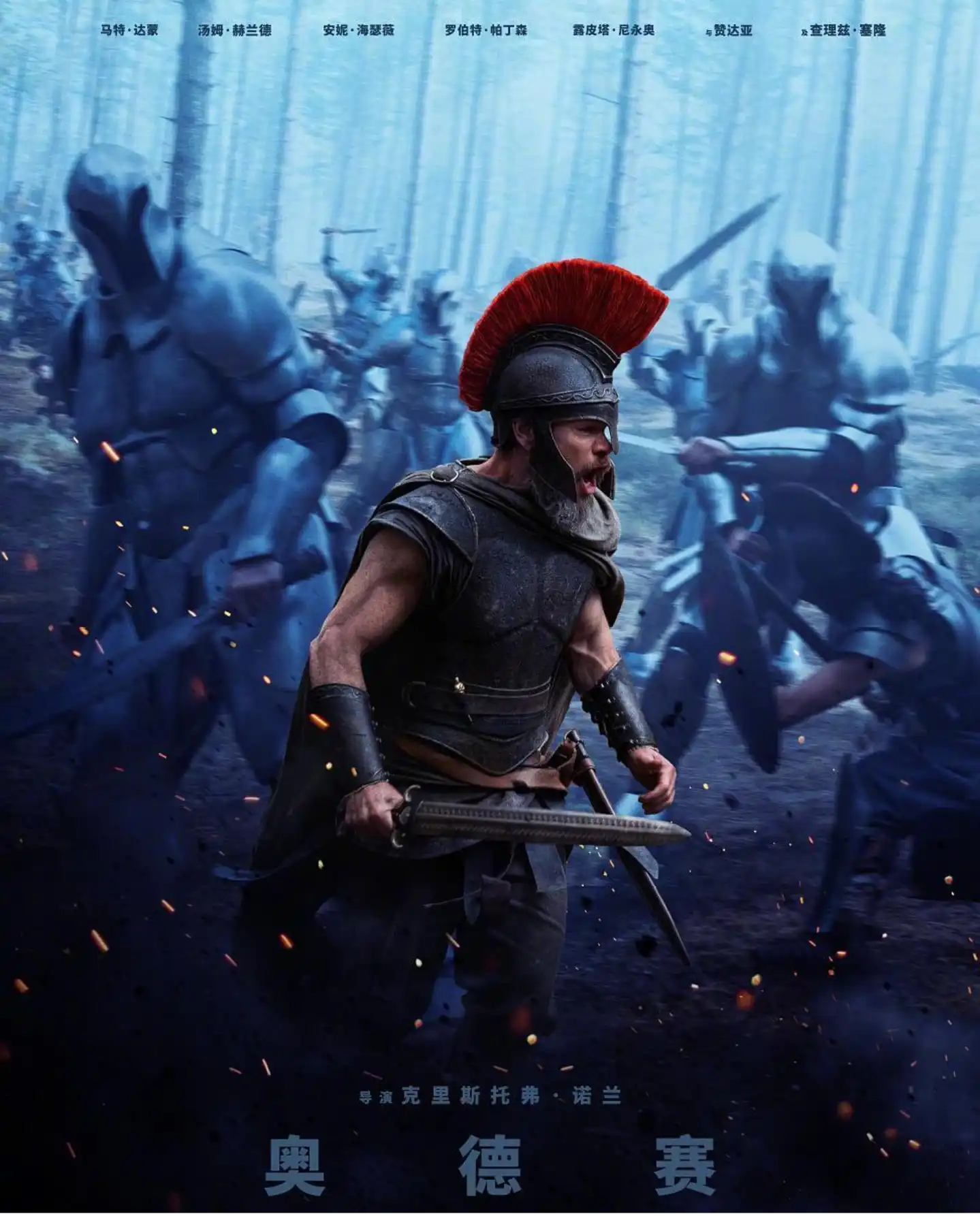
17 Juli 2026, film epik karya Christopher Nolan, "Odyssey", dirilis di bioskop global. Hingga 9 Agustus, film sepanjang 172 menit dengan anggaran 250 juta dolar AS ini telah menembus pendapatan box office global sebesar 1,008 miliar dolar AS, menjadi film dengan pendapatan tertinggi kedua dalam karir sutradaranya, setelah "The Dark Knight Rises". Box office akhir pekan pertama global mencapai 264 juta dolar AS, memecahkan rekor pribadi Nolan. Skor kesegaran 98% di Rotten Tomatoes dan indeks popcorn 99%, keduanya mencatatkan reputasi tertinggi dalam karir penyutradaraannya. Di Tiongkok Daratan, film ini belum resmi ditayangkan (dirilis 14 Agustus), namun hanya dengan tayangan preview dan pre-order telah menghasilkan lebih dari 60 juta yuan RMB—sesi preview dengan persentase penayangan 0,4% berhasil menggerakkan lebih dari 17% pendapatan box office, tingkat keterisian kursi IMAX di kota besar mencapai 94%. Industri memperkirakan pendapatan box office akhir akan berada di kisaran 1,2 hingga 1,5 miliar dolar AS.
Pada saat yang sama, versi lain dari Odysseus sedang berlayar diam-diam di dunia digital. Studio independen Fountain0 merilis film panjang 135 menit yang 100% dihasilkan oleh kecerdasan buatan, "Odysseus: The Fall", dengan total biaya hanya 50.000 dolar AS. Tim 12 orang, siklus produksi tiga bulan, tanpa syuting nyata, tanpa studio, tanpa kru besar. Hampir bersamaan, Elon Musk mengumumkan di platform X bahwa platform AI-nya, Grok Imagine, akan membuat film panjang versi AI "Odyssey" yang "setia pada karya asli Homer" sebelum akhir tahun.

Perbedaan biaya 5000 kali lipat, tema yang sama, jadwal rilis yang sama. Ini bukan hanya benturan aliran seni, tetapi juga perbedaan keyakinan industri. Namun jika menelusuri buku keuangan Hollywood, 250 juta dolar AS Christopher Nolan bukanlah "pengeluaran" yang terbuang percuma, melainkan "tuas investasi" yang menggerakkan keseluruhan—itu ditukar dengan perjanjian eksklusif di bioskop IMAX, hak ekor panjang di pasar koleksi Blu-ray, serta nilai perpustakaan hak cipta untuk setengah abad ke depan.

Sebaliknya, meskipun 50.000 dolar AS dari AI murah, dataset pelatihannya sendiri berada dalam wilayah hukum abu-abu, dan gambar yang dihasilkan tidak dapat mengajukan perlindungan hak cipta yang kuat. "Biaya rendah" tanpa hambatan kepemilikan, dalam pandangan pasar modal, justru merupakan aset negatif yang tidak memiliki parit pertahanan.

Cara syuting Nolan hampir merupakan provokasi yang disengaja terhadap penganut efisiensi tertinggi.

Siklus syuting 91 hari, melintasi enam negara: Maroko, Yunani, Italia, Islandia, Skotlandia, dan Amerika Serikat. Seluruh film menghabiskan lebih dari 640 kilometer (lebih dari 2,1 juta kaki) film IMAX, panjang ini cukup untuk membentang dari Toronto ke New York, dan memproduksi 5.300 set kostum. Untuk membuat film ini, perusahaan IMAX menghabiskan waktu dua tahun mengembangkan kamera film baru pertama dalam 25 tahun, dinamai "Kelly", sebagai penghormatan kepada almarhum Chief Quality Officer David Kelly dan istrinya. Kamera ini menggunakan komponen serat karbon (bersumber sama dengan mobil balap F1), pertama kalinya memungkinkan syuting film IMAX untuk adegan dialog dan close-up—suara bising kamera IMAX yang besar sebelumnya membuat adegan dialog apa pun tidak dapat diselesaikan.

Adegan Cyclops bukanlah hasil CGI. Kru membangun boneka mekanik asli setinggi 60 kaki di Gua Psychero, Yunani, menggabungkan efek mekanik dan teknik boneka tali. Monster laut berkepala enam dan pusaran air raksasa juga difilmkan dengan lokasi nyata—pengemudi speedboat dikemudikan mengelilingi lingkaran, menciptakan pusaran air dinamis fisik, memberikan referensi dinamis real-time untuk tim efek visual. Aktor mengenakan baju besi perunggu dan berendam di air laut bersuhu 9°C. Seperti yang dikatakan Matt Damon: "Ini benar-benar film terbesar yang pernah saya buat dalam karir saya, dibuat dengan cara 100 tahun yang lalu, hanya saja kali ini menggunakan IMAX."

Cara kerja studio independen Fountain0 milik peradaban lain.

Menggunakan model bahasa besar untuk menghasilkan naskah, menggunakan model difusi video untuk merender gambar, algoritma menggantikan sutradara, sinematografer, sutradara seni, penata cahaya, bahkan seluruh tim pasca-produksi. Tidak ada rapat pagi, tidak ada penundaan cuaca, tidak ada konflik jadwal aktor, tidak ada asuransi kecelakaan kerja. Total biaya 50.000 dolar AS hampir hanya setara dengan anggaran makanan sehari untuk kru Nolan. Biaya sewa tunggal film 9,99 dolar AS. Ini pertama kalinya membuktikan: secara teknis mungkin untuk menghasilkan film naratif panjang dengan AI.

Pasar modal telah memberikan suara tahapannya.

Box office IMAX versi Nolan "Odyssey" telah mencapai 257 juta dolar AS, hampir seperempat dari total box office global. Harga saham IMAX pada 3 Agustus melonjak 6,61%, pertama kalinya menembus level 50 dolar AS, mencapai rekor tertinggi sepanjang masa; akumulasi kenaikan sejak awal tahun mencapai 37,99%, berlipat ganda dalam 12 bulan terakhir. Universal Pictures berkat film ini menjadi perusahaan film pertama pada tahun 2026 yang menembus box office global 4 miliar dolar AS. Nolan secara pribadi melalui uang muka 20 juta dolar AS ditambah 20% pembagian box office, diperkirakan akan mendapatkan 75 hingga 100 juta dolar AS.

Sementara film panjang AI Fountain0 setelah diluncurkan di platform streaming, mendapatkan sekitar 1,2 juta tayangan di minggu pertama. Dikonversi ke mode berlangganan, pendapatan langsung kurang dari satu juta dolar AS. Versi Grok Imagine Musk belum terwujud, pasar modal bereaksi datar terhadap hal ini—harga saham Tesla tidak menunjukkan fluktuasi signifikan, valuasi xAI juga tidak mendapatkan penilaian ulang karena ini.

Pasar lebih menyukai narasi yang pasti.

Nolan menggunakan waktu dua puluh tahun, lebih dari sepuluh karya, akumulasi box office global lebih dari 6 miliar dolar AS, membangun sebuah merek yang dapat diprediksi oleh investor. Mendapatkan kontrak Hollywood tingkat atas "20 juta uang muka ditambah 20% pembagian box office" sebagai sutradara, sangat langka dalam sejarah industri. Dan film AI hingga kini belum memiliki model bisnis yang berkelanjutan. Tidak ada premi merek sutradara, tidak ada periode eksklusif bioskop, tidak ada pembagian eksklusif IMAX, tidak ada rantai produk sampingan. Ia masih berada di wilayah abu-abu antara "demonstrasi teknologi" dan "produk lengkap". Yang lebih krusial, cara syuting nyata "tidak efisien" Nolan pada dasarnya adalah "jaminan pelaksanaan fisik" yang diberikan kepada investor. Dengan tingkat kegagalan Hollywood yang sangat tinggi, film yang disyuting adalah aset fisik yang pasti; sementara AI menghasilkan gambar sempurna bergantung pada probabilitas, ketidakpastian kotak hitam ini dalam audit produksi dianggap sebagai lubang hitam potensial dan bom penundaan anggaran.

Tentang apakah AI dapat menggantikan film tradisional, jawaban paling jujur saat ini adalah: tergantung bagaimana Anda mendefinisikan "menggantikan".

Pertama, lihat keterbatasan AI. Menganalisis adegan demi adegan film Fountain0 menunjukkan, tidak ada satu pun adegan yang durasinya melebihi tiga detik. Perpindahan frekuensi tinggi bukanlah gaya penyuntingan avant-garde, melainkan kompromi pasif teknologi—model video AI mainstream saat ini tidak dapat mendukung pembuatan adegan tunggal yang stabil dan lama; semakin lama adegan bertahan, distorsi detail gambar semakin jelas. Konsistensi karakter antar adegan tidak terjamin, karakter yang sama dalam adegan berbeda mungkin menunjukkan kontur wajah yang berbeda. Simulasi fisik berhenti di permukaan, gerakan tubuh kaku dan tersendat, kurang logika kekuatan dan kualitas alami. Di baliknya terdapat kendala yang lebih dalam yaitu "entropi visual": otak manusia sangat sensitif terhadap perubahan sesaat ekspresi mikro, sementara akting hebat sering kali merupakan penyimpangan ekstrem aktor dari keacakan biologis. Namun model difusi pada dasarnya adalah "mencari probabilitas rata-rata", algoritma demi stabilitas akan secara otomatis menghindari momen menakjubkan dengan probabilitas rendah—ini memastikan AI di bidang inti close-up emosional, akan berada di atas rata-rata yang biasa untuk waktu yang lama. Ini adalah masalah struktural, mungkin dapat diselesaikan melalui iterasi dalam tiga hingga lima tahun ke depan.

Tantangan yang lebih dalam terletak pada pengalaman konsumsi. Semua sesi film 70mm di bioskop BFI IMAX London hingga 10 September telah terjual habis. Ada yang terbang setengah dunia dari Atlanta, ada yang berkendara 12 jam hanya untuk menonton satu sesi larut malam, setelah selesai langsung mengambil penerbangan pagi untuk kembali. CEO IMAX, Richard Gelfond, berkata: "Di New York, untuk mendapatkan tiket sesi 70mm harus menunggu hingga September, hampir menjadi merek mewah." Yang dibayar orang bukan hanya harga tiket, tetapi juga waktu, perjalanan, dan perhatian. Investasi ini sendiri menjadi bagian dari pengalaman—kelangkaan menciptakan rasa ritual, dan rasa ritual menciptakan premi. Ini bukan hanya tentang rasa ritual. Di era pasokan tak terbatas streaming, "konsumsi fisik kehadiran tubuh" sedang berkembang menjadi identitas pembeda kelas baru. Kognisi terwujud yang dihasilkan oleh kehadiran fisik ini adalah memori fisiologis yang tidak dapat dikodekan oleh algoritma digital apa pun—nilai berbagi sosial yang dihasilkannya telah jauh melampaui harga tiket film itu sendiri.

Konten yang dihasilkan AI pada dasarnya adalah pasokan tak terbatas. Selama server tidak dimatikan, ia dapat selamanya menghasilkan Odysseus, selamanya menghasilkan Cyclops, selamanya menghasilkan adegan apa pun. Namun pasokan tak terbatas menghancurkan kelangkaan, dan kelangkaan justru merupakan dasar premi industri hiburan. Ketika algoritma membuat gambar menjadi gratis dan tak terbatas seperti udara, orang justru bersedia membayar lebih untuk layar nyata.

Ini bukan berarti AI tidak akan berbuat apa-apa. Sebaliknya, keunggulan efisiensinya akan mengubah secara mendalam bagian tengah dan belakang rantai industri film dan televisi.

Pra-visualisasi (Previs) sudah menggunakan AI untuk menghasilkan storyboard dan preview dinamis; pengisian latar belakang, perluasan adegan, perbaikan dinamis dalam efek pasca-produksi semakin banyak diserahkan kepada algoritma; teknologi produksi virtual yang dihasilkan kombinasi mesin game dan AI telah secara signifikan mengurangi biaya lokasi luar di serial seperti "The Mandalorian". Aplikasi ini tidak memperebutkan gelar "sutradara", tetapi sedang menggerogoti ruang keuntungan bagian berulang dan padat karya dalam industri film tradisional.

Ekonom Universitas Oxford, Carl Benedikt Frey, memiliki penilaian yang patut diperhatikan: penggantian teknologi bukanlah masalah semua atau tidak sama sekali, ia cenderung menggantikan "tugas yang dapat distandarkan", bukan seluruh profesi.

AI dapat menggantikan seniman latar belakang, tetapi sulit menggantikan orang yang memutuskan "mengapa adegan ini dibuat". Ia dapat mengoptimalkan struktur biaya produksi, tetapi sulit menciptakan paradigma naratif baru. Nolan memilih untuk menyutradarai adegan dialog dengan film IMAX—dari sudut pandang efisiensi hampir tidak masuk akal—tetapi justru pilihan "irasional" ini menciptakan nilai unik yang membedakannya dari konten streaming. Dalam pasar konten yang didominasi rekomendasi algoritma dan format video pendek, pembedaan ini sendiri menjadi sumber daya langka.

Tapi harus ditambahkan potongan yang lebih dingin: AI tidak akan menggantikan Nolan di garis finis, tetapi akan menghalangi murid-murid Nolan di garis start. Ketika produser dapat menggunakan AI untuk menghasilkan preview film genre biaya menengah yang "cukup baik", sutradara muda yang awalnya mengandalkan proyek syuting nyata 50 hingga 100 juta dolar AS untuk mengumpulkan pengalaman, akan sangat sulit lagi mendapatkan anggaran syutan green screen. AI tidak menggantikan master di garis finis, tetapi mengeringkan tanah tumbuh master baru di sumbernya. Ketika di masa depan hanya tersisa "barang mewah buatan tangan" Nolan dan "produk cepat saji tak terbatas" AI, wilayah tengah film sebagai seni massa akan mengalami erosi parah.

Yang menarik, AI mungkin justru memperkuat nilai Nolan di dimensi lain.

Ketika film panjang AI menjadi murah dan umum, "syuting nyata dengan aktor" itu sendiri akan mendapatkan label premi seperti "buatan tangan". Seperti setelah revolusi industri, produk buatan tangan tidak hilang, malah mendapatkan posisi pasar baru sebagai "artisan" (pengrajin). Elemen-elemen yang tidak dapat direplikasi oleh algoritma—pandangan mata aktor, cahaya lokasi nyata, kejutan yang diciptakan bersama oleh sekelompok orang dalam ruang yang sama—mungkin menjadi lebih berharga seiring dengan meluasnya gambar AI.

Odysseus mengembara di laut selama sepuluh tahun sebelum kembali ke kampung halaman, industri film dan televisi hari ini juga sedang mengembara.

Satu jalan menuju kemudahan tak terbatas yang dihasilkan algoritma, jalan lain menuju kelangkaan terbatas layar raksasa film. Nolan memilih yang terakhir, pasar memberikan konfirmasi 1 miliar dolar AS. Tapi ini bukanlah akhir. Model video AI sedang beriterasi setiap bulan—mungkin tiga tahun kemudian, Odysseus yang dihasilkan AI akan memiliki wajah yang koheren, fisika yang nyata, dan narasi adegan tunggal selama dua jam. Pada saat itu, apakah epik film ala Nolan akan menjadi lebih mahal karena lebih langka, atau akan menjadi nostalgia yang mahal?

Jika kita cukup jujur, harus diakui bahwa inti dari konfrontasi ini adalah ketidaksepadanan antara "logika efisiensi" dan "logika pengalaman". Algoritma mengejar "solusi optimal"—menghasilkan stimulus visual yang paling sesuai dengan ekspektasi penonton dalam daya komputasi terpendek; sementara Nolan mengejar "solusi tunggal"—getaran jiwa yang hanya bisa tercipta di layar ini, momen ini, butiran film ini.

Saat modal industri gila-gilaan mengejar kepastian algoritma, mereka mengabaikan fakta kejam: manusia bersedia membayar harga mahal untuk "kejutan di luar ekspektasi", tetapi hanya akan membayar biaya berlangganan murah untuk "ketepatan yang sesuai ekspektasi". Odysseus menolak keabadian dan kenyamanan yang ditawarkan Calypso, memilih dengan tegas duri dan risiko di jalan pulang, ini mungkin metafora paling kuno untuk dilema film dan televisi saat ini: pada akhirnya, kita memilih selamanya jalan pelayaran sulit yang membuat kita benar-benar merasa "hidup", bukan jalan mulus algoritma yang menuju kekosongan.


Trending Cryptos

Related Questions

QBerapa selisih biaya produksi antara film 'Odyssey' karya Christopher Nolan dan film 'Odysseus: The Fall' yang dihasilkan AI?

ASelisih biaya produksinya sangat besar. Film 'Odyssey' karya Christopher Nolan menghabiskan biaya 250 juta dolar AS, sedangkan film AI 'Odysseus: The Fall' hanya berbiaya 50 ribu dolar AS. Perbandingannya mencapai 5000 kali lipat.

QApa keunggulan utama dari metode syuting film 'Odyssey' dengan kamera IMAX yang dilakukan Christopher Nolan?

AKeunggulan utamanya adalah penciptaan nilai unik dan kelangkaan. Nolan menggunakan metode syuting fisik yang intensif, termasuk pembuatan boneka mekanis raksasa dan efek praktis. Pendekatan ini menghasilkan aset fisik yang dapat diverifikasi, menciptakan pengalaman 'kehadiran fisik' di bioskop yang langka dan berharga, serta membangun merek dan nilai jangka panjang yang dapat diprediksi oleh pasar.

QApa saja batasan utama atau kelemahan film panjang yang dihasilkan oleh AI menurut artikel tersebut?

ABatasan utamanya meliputi: ketidakmampuan mempertahankan stabilitas dan detail dalam shot tunggal yang lama, inkonsistensi karakter antar adegan, simulasi fisik yang kaku dan tidak alami, serta ketidakmampuan algoritma dalam menangkap 'keacakan biologis' dan momen emosional mendalam dari akting manusia. Konten AI juga bersifat pasokan tak terbatas, yang menghancurkan kelangkaan—fondasi utama penciptaan nilai premium di industri hiburan.

QBagaimana pasar modal merespons keberhasilan film 'Odyssey' karya Nolan dibandingkan dengan film AI?

APasar modal merespons sangat positif terhadap kesuksesan Nolan. Saham IMAX melonjak dan mencapai rekor tertinggi, sementara Universal Pictures menjadi studio pertama yang mencapai pendapatan box office 4 miliar dolar AS pada tahun 2026 berkat film ini. Sebaliknya, film AI menghasilkan pendapatan langsung yang relatif kecil (kurang dari satu juta dolar AS) dan tidak memicu revaluasi signifikan terhadap perusahaan terkait AI seperti xAI milik Elon Musk.

QMenurut artikel, bagaimana dampak AI terhadap masa depan industri film, khususnya bagi sutradara muda?

AAI kemungkinan besar tidak akan menggantikan sutradara mapan seperti Nolan dalam waktu dekat, tetapi akan menyulitkan calon sutradara muda. Dengan kemampuan AI menghasilkan preview film 'cukup bagus' dengan biaya rendah, studio akan enggan memberikan anggaran produksi fisik yang diperlukan bagi sutradara muda untuk belajar dan mengasah keterampilan mereka. Hal ini berisiko mengeringkan tanah subur bagi pertumbuhan generasi sutradara baru, yang dapat menyebabkan terkikisnya 'zona menengah' film sebagai seni populer.

Related Reads

A 25% Weekly Surge: Bitcoin Breaks $79,000 Amid Mass Short Liquidation

Bitcoin surged above $79,000 on August 21, marking a 25% weekly gain. This rally was accompanied by massive liquidations of short positions exceeding $1.2 billion in 24 hours, catching bearish traders off guard. Several analysts provided technical perspectives. Crypto Candy noted Bitcoin quickly hit targets of $70,700 and $75,000 after breaking consolidation. While a short-term pullback is possible, maintaining momentum above $70,000 could drive prices toward $77,000 and $83,000. Trader Roman confirmed a prior forecast for a $75,000 move, citing bullish signals and a decade-long uptrend, though a minor correction is possible. Daan Crypto Trades highlighted Bitcoin's attempt to hold above key support and the weekly 200EMA. He emphasized the $73,000-$74,000 resistance zone; a sustained break above it would boost confidence for a move toward May's highs, pending a weekly close at or above current levels. Key levels identified are: $70,000 (bullish scenario support), $73,000-$74,000 (critical resistance), $79,000 (current peak), and $83,000 (next target). Analysts agree the $73K-$74K zone is crucial for further upside toward $80K-$83K, acknowledging potential for a short-term correction but noting the overall chart structure remains bullish. An AI-driven analysis compares the current surge to past events, suggesting such short-squeeze rallies can be short-lived impulses rather than definitive trend reversals. It questions whether the move reflects genuine spot demand or a cascade of derivative liquidations, with sustainability to be tested after the weekly close.

cryptonews.ru2m ago

A 25% Weekly Surge: Bitcoin Breaks $79,000 Amid Mass Short Liquidation

cryptonews.ru2m ago

Bitcoin, Ethereum, and Solana Rise as Another $1 Billion Short Position is Liquidated

Bitcoin, Ethereum, and Solana have seen significant gains as over $1 billion in short positions were liquidated. Bitcoin surged past $76,000, rising over 9% in 24 hours and 21% for the week, after trading around $64,100 just days prior. Short sellers incurred major losses, with roughly $1.2 billion in short positions liquidated over the past day, contributing to a two-day total exceeding $4 billion. This followed a record $3 billion in liquidations on Thursday, the largest single-day amount since 2021. The liquidations, triggered when leveraged bets move against traders, force buybacks that propel prices upward in a cascading effect. This rally distinguishes between demand-driven growth and mechanics-driven volatility, as forced buying does not reflect a belief in higher intrinsic value. Other major cryptocurrencies also advanced. Ethereum rose nearly 5% to $2,350, Solana gained over 5% to just under $90, and Dogecoin increased almost 9%. The rally was spurred by the U.S. Treasury doubling its long-term bond buyback to $4 billion, easing conditions in the $30 trillion Treasury market and boosting risk appetite. Additionally, Bitcoin broke past key resistance around $66,600, setting $76,000 as the next target. Political support also played a role, with President Trump urging Congress to advance the Digital Asset Market Clarity Act at a White House event attended by crypto industry leaders. Bitcoin's market cap now stands at $1.5 trillion, still about 40% below its October all-time high of over $126,000.

cryptonews.ru32m ago

Bitcoin, Ethereum, and Solana Rise as Another $1 Billion Short Position is Liquidated

cryptonews.ru32m ago

Trading

Spot

Hot Articles

What is SONIC

Sonic: Pioneering the Future of Gaming in Web3 Introduction to Sonic In the ever-evolving landscape of Web3, the gaming industry stands out as one of the most dynamic and promising sectors. At the forefront of this revolution is Sonic, a project designed to amplify the gaming ecosystem on the Solana blockchain. Leveraging cutting-edge technology, Sonic aims to deliver an unparalleled gaming experience by efficiently processing millions of requests per second, ensuring that players enjoy seamless gameplay while maintaining low transaction costs. This article delves into the intricate details of Sonic, exploring its creators, funding sources, operational mechanics, and the timeline of significant events that have shaped its journey. What is Sonic? Sonic is an innovative layer-2 network that operates atop the Solana blockchain, specifically tailored to enhance the existing Solana gaming ecosystem. It accomplishes this through a customised, VM-agnostic game engine paired with a HyperGrid interpreter, facilitating sovereign game economies that roll up back to the Solana platform. The primary goals of Sonic include: Enhanced Gaming Experiences: Sonic is committed to offering lightning-fast on-chain gameplay, allowing players and developers to engage with games at previously unattainable speeds. Atomic Interoperability: This feature enables transactions to be executed within Sonic without the need to redeploy Solana programmes and accounts. This makes the process more efficient and directly benefits from Solana Layer1 services and liquidity. Seamless Deployment: Sonic allows developers to write for Ethereum Virtual Machine (EVM) based systems and execute them on Solana’s SVM infrastructure. This interoperability is crucial for attracting a broader range of dApps and decentralised applications to the platform. Support for Developers: By offering native composable gaming primitives and extensible data types - dining within the Entity-Component-System (ECS) framework - game creators can craft intricate business logic with ease. Overall, Sonic's unique approach not only caters to players but also provides an accessible and low-cost environment for developers to innovate and thrive. Creator of Sonic The information regarding the creator of Sonic is somewhat ambiguous. However, it is known that Sonic's SVM is owned by the company Mirror World. The absence of detailed information about the individuals behind Sonic reflects a common trend in several Web3 projects, where collective efforts and partnerships often overshadow individual contributions. Investors of Sonic Sonic has garnered considerable attention and support from various investors within the crypto and gaming sectors. Notably, the project raised an impressive $12 million during its Series A funding round. The round was led by BITKRAFT Ventures, with other notable investors including Galaxy, Okx Ventures, Interactive, Big Brain Holdings, and Mirana. This financial backing signifies the confidence that investment foundations have in Sonic’s potential to revolutionise the Web3 gaming landscape, further validating its innovative approaches and technologies. How Does Sonic Work? Sonic utilises the HyperGrid framework, a sophisticated parallel processing mechanism that enhances its scalability and customisability. Here are the core features that set Sonic apart: Lightning Speed at Low Costs: Sonic offers one of the fastest on-chain gaming experiences compared to other Layer-1 solutions, powered by the scalability of Solana’s virtual machine (SVM). Atomic Interoperability: Sonic enables transaction execution without redeployment of Solana programmes and accounts, effectively streamlining the interaction between users and the blockchain. EVM Compatibility: Developers can effortlessly migrate decentralised applications from EVM chains to the Solana environment using Sonic’s HyperGrid interpreter, increasing the accessibility and integration of various dApps. Ecosystem Support for Developers: By exposing native composable gaming primitives, Sonic facilitates a sandbox-like environment where developers can experiment and implement business logic, greatly enhancing the overall development experience. Monetisation Infrastructure: Sonic natively supports growth and monetisation efforts, providing frameworks for traffic generation, payments, and settlements, thereby ensuring that gaming projects are not only viable but also sustainable financially. Timeline of Sonic The evolution of Sonic has been marked by several key milestones. Below is a brief timeline highlighting critical events in the project's history: 2022: The Sonic cryptocurrency was officially launched, marking the beginning of its journey in the Web3 gaming arena. 2024: June: Sonic SVM successfully raised $12 million in a Series A funding round. This investment allowed Sonic to further develop its platform and expand its offerings. August: The launch of the Sonic Odyssey testnet provided users with the first opportunity to engage with the platform, offering interactive activities such as collecting rings—a nod to gaming nostalgia. October: SonicX, an innovative crypto game integrated with Solana, made its debut on TikTok, capturing the attention of over 120,000 users within a short span. This integration illustrated Sonic’s commitment to reaching a broader, global audience and showcased the potential of blockchain gaming. Key Points Sonic SVM is a revolutionary layer-2 network on Solana explicitly designed to enhance the GameFi landscape, demonstrating great potential for future development. HyperGrid Framework empowers Sonic by introducing horizontal scaling capabilities, ensuring that the network can handle the demands of Web3 gaming. Integration with Social Platforms: The successful launch of SonicX on TikTok displays Sonic’s strategy to leverage social media platforms to engage users, exponentially increasing the exposure and reach of its projects. Investment Confidence: The substantial funding from BITKRAFT Ventures, among others, emphasizes the robust backing Sonic has, paving the way for its ambitious future. In conclusion, Sonic encapsulates the essence of Web3 gaming innovation, striking a balance between cutting-edge technology, developer-centric tools, and community engagement. As the project continues to evolve, it is poised to redefine the gaming landscape, making it a notable entity for gamers and developers alike. As Sonic moves forward, it will undoubtedly attract greater interest and participation, solidifying its place within the broader narrative of blockchain gaming.

2.4k Total ViewsPublished 2024.04.04Updated 2024.12.03

What is SONIC

What is $S$

Understanding SPERO: A Comprehensive Overview Introduction to SPERO As the landscape of innovation continues to evolve, the emergence of web3 technologies and cryptocurrency projects plays a pivotal role in shaping the digital future. One project that has garnered attention in this dynamic field is SPERO, denoted as SPERO,$$s$. This article aims to gather and present detailed information about SPERO, to help enthusiasts and investors understand its foundations, objectives, and innovations within the web3 and crypto domains. What is SPERO,$$s$? SPERO,$$s$ is a unique project within the crypto space that seeks to leverage the principles of decentralisation and blockchain technology to create an ecosystem that promotes engagement, utility, and financial inclusion. The project is tailored to facilitate peer-to-peer interactions in new ways, providing users with innovative financial solutions and services. At its core, SPERO,$$s$ aims to empower individuals by providing tools and platforms that enhance user experience in the cryptocurrency space. This includes enabling more flexible transaction methods, fostering community-driven initiatives, and creating pathways for financial opportunities through decentralised applications (dApps). The underlying vision of SPERO,$$s$ revolves around inclusiveness, aiming to bridge gaps within traditional finance while harnessing the benefits of blockchain technology. Who is the Creator of SPERO,$$s$? The identity of the creator of SPERO,$$s$ remains somewhat obscure, as there are limited publicly available resources providing detailed background information on its founder(s). This lack of transparency can stem from the project's commitment to decentralisation—an ethos that many web3 projects share, prioritising collective contributions over individual recognition. By centring discussions around the community and its collective goals, SPERO,$$s$ embodies the essence of empowerment without singling out specific individuals. As such, understanding the ethos and mission of SPERO remains more important than identifying a singular creator. Who are the Investors of SPERO,$$s$? SPERO,$$s$ is supported by a diverse array of investors ranging from venture capitalists to angel investors dedicated to fostering innovation in the crypto sector. The focus of these investors generally aligns with SPERO's mission—prioritising projects that promise societal technological advancement, financial inclusivity, and decentralised governance. These investor foundations are typically interested in projects that not only offer innovative products but also contribute positively to the blockchain community and its ecosystems. The backing from these investors reinforces SPERO,$$s$ as a noteworthy contender in the rapidly evolving domain of crypto projects. How Does SPERO,$$s$ Work? SPERO,$$s$ employs a multi-faceted framework that distinguishes it from conventional cryptocurrency projects. Here are some of the key features that underline its uniqueness and innovation: Decentralised Governance: SPERO,$$s$ integrates decentralised governance models, empowering users to participate actively in decision-making processes regarding the project’s future. This approach fosters a sense of ownership and accountability among community members. Token Utility: SPERO,$$s$ utilises its own cryptocurrency token, designed to serve various functions within the ecosystem. These tokens enable transactions, rewards, and the facilitation of services offered on the platform, enhancing overall engagement and utility. Layered Architecture: The technical architecture of SPERO,$$s$ supports modularity and scalability, allowing for seamless integration of additional features and applications as the project evolves. This adaptability is paramount for sustaining relevance in the ever-changing crypto landscape. Community Engagement: The project emphasises community-driven initiatives, employing mechanisms that incentivise collaboration and feedback. By nurturing a strong community, SPERO,$$s$ can better address user needs and adapt to market trends. Focus on Inclusion: By offering low transaction fees and user-friendly interfaces, SPERO,$$s$ aims to attract a diverse user base, including individuals who may not previously have engaged in the crypto space. This commitment to inclusion aligns with its overarching mission of empowerment through accessibility. Timeline of SPERO,$$s$ Understanding a project's history provides crucial insights into its development trajectory and milestones. Below is a suggested timeline mapping significant events in the evolution of SPERO,$$s$: Conceptualisation and Ideation Phase: The initial ideas forming the basis of SPERO,$$s$ were conceived, aligning closely with the principles of decentralisation and community focus within the blockchain industry. Launch of Project Whitepaper: Following the conceptual phase, a comprehensive whitepaper detailing the vision, goals, and technological infrastructure of SPERO,$$s$ was released to garner community interest and feedback. Community Building and Early Engagements: Active outreach efforts were made to build a community of early adopters and potential investors, facilitating discussions around the project’s goals and garnering support. Token Generation Event: SPERO,$$s$ conducted a token generation event (TGE) to distribute its native tokens to early supporters and establish initial liquidity within the ecosystem. Launch of Initial dApp: The first decentralised application (dApp) associated with SPERO,$$s$ went live, allowing users to engage with the platform's core functionalities. Ongoing Development and Partnerships: Continuous updates and enhancements to the project's offerings, including strategic partnerships with other players in the blockchain space, have shaped SPERO,$$s$ into a competitive and evolving player in the crypto market. Conclusion SPERO,$$s$ stands as a testament to the potential of web3 and cryptocurrency to revolutionise financial systems and empower individuals. With a commitment to decentralised governance, community engagement, and innovatively designed functionalities, it paves the way toward a more inclusive financial landscape. As with any investment in the rapidly evolving crypto space, potential investors and users are encouraged to research thoroughly and engage thoughtfully with the ongoing developments within SPERO,$$s$. The project showcases the innovative spirit of the crypto industry, inviting further exploration into its myriad possibilities. While the journey of SPERO,$$s$ is still unfolding, its foundational principles may indeed influence the future of how we interact with technology, finance, and each other in interconnected digital ecosystems.

429 Total ViewsPublished 2024.12.17Updated 2024.12.17

What is $S$

What is AGENT S

Agent S: The Future of Autonomous Interaction in Web3 Introduction In the ever-evolving landscape of Web3 and cryptocurrency, innovations are constantly redefining how individuals interact with digital platforms. One such pioneering project, Agent S, promises to revolutionise human-computer interaction through its open agentic framework. By paving the way for autonomous interactions, Agent S aims to simplify complex tasks, offering transformative applications in artificial intelligence (AI). This detailed exploration will delve into the project's intricacies, its unique features, and the implications for the cryptocurrency domain. What is Agent S? Agent S stands as a groundbreaking open agentic framework, specifically designed to tackle three fundamental challenges in the automation of computer tasks: Acquiring Domain-Specific Knowledge: The framework intelligently learns from various external knowledge sources and internal experiences. This dual approach empowers it to build a rich repository of domain-specific knowledge, enhancing its performance in task execution. Planning Over Long Task Horizons: Agent S employs experience-augmented hierarchical planning, a strategic approach that facilitates efficient breakdown and execution of intricate tasks. This feature significantly enhances its ability to manage multiple subtasks efficiently and effectively. Handling Dynamic, Non-Uniform Interfaces: The project introduces the Agent-Computer Interface (ACI), an innovative solution that enhances the interaction between agents and users. Utilizing Multimodal Large Language Models (MLLMs), Agent S can navigate and manipulate diverse graphical user interfaces seamlessly. Through these pioneering features, Agent S provides a robust framework that addresses the complexities involved in automating human interaction with machines, setting the stage for myriad applications in AI and beyond. Who is the Creator of Agent S? While the concept of Agent S is fundamentally innovative, specific information about its creator remains elusive. The creator is currently unknown, which highlights either the nascent stage of the project or the strategic choice to keep founding members under wraps. Regardless of anonymity, the focus remains on the framework's capabilities and potential. Who are the Investors of Agent S? As Agent S is relatively new in the cryptographic ecosystem, detailed information regarding its investors and financial backers is not explicitly documented. The lack of publicly available insights into the investment foundations or organisations supporting the project raises questions about its funding structure and development roadmap. Understanding the backing is crucial for gauging the project's sustainability and potential market impact. How Does Agent S Work? At the core of Agent S lies cutting-edge technology that enables it to function effectively in diverse settings. Its operational model is built around several key features: Human-like Computer Interaction: The framework offers advanced AI planning, striving to make interactions with computers more intuitive. By mimicking human behaviour in tasks execution, it promises to elevate user experiences. Narrative Memory: Employed to leverage high-level experiences, Agent S utilises narrative memory to keep track of task histories, thereby enhancing its decision-making processes. Episodic Memory: This feature provides users with step-by-step guidance, allowing the framework to offer contextual support as tasks unfold. Support for OpenACI: With the ability to run locally, Agent S allows users to maintain control over their interactions and workflows, aligning with the decentralised ethos of Web3. Easy Integration with External APIs: Its versatility and compatibility with various AI platforms ensure that Agent S can fit seamlessly into existing technological ecosystems, making it an appealing choice for developers and organisations. These functionalities collectively contribute to Agent S's unique position within the crypto space, as it automates complex, multi-step tasks with minimal human intervention. As the project evolves, its potential applications in Web3 could redefine how digital interactions unfold. Timeline of Agent S The development and milestones of Agent S can be encapsulated in a timeline that highlights its significant events: September 27, 2024: The concept of Agent S was launched in a comprehensive research paper titled “An Open Agentic Framework that Uses Computers Like a Human,” showcasing the groundwork for the project. October 10, 2024: The research paper was made publicly available on arXiv, offering an in-depth exploration of the framework and its performance evaluation based on the OSWorld benchmark. October 12, 2024: A video presentation was released, providing a visual insight into the capabilities and features of Agent S, further engaging potential users and investors. These markers in the timeline not only illustrate the progress of Agent S but also indicate its commitment to transparency and community engagement. Key Points About Agent S As the Agent S framework continues to evolve, several key attributes stand out, underscoring its innovative nature and potential: Innovative Framework: Designed to provide an intuitive use of computers akin to human interaction, Agent S brings a novel approach to task automation. Autonomous Interaction: The ability to interact autonomously with computers through GUI signifies a leap towards more intelligent and efficient computing solutions. Complex Task Automation: With its robust methodology, it can automate complex, multi-step tasks, making processes faster and less error-prone. Continuous Improvement: The learning mechanisms enable Agent S to improve from past experiences, continually enhancing its performance and efficacy. Versatility: Its adaptability across different operating environments like OSWorld and WindowsAgentArena ensures that it can serve a broad range of applications. As Agent S positions itself in the Web3 and crypto landscape, its potential to enhance interaction capabilities and automate processes signifies a significant advancement in AI technologies. Through its innovative framework, Agent S exemplifies the future of digital interactions, promising a more seamless and efficient experience for users across various industries. Conclusion Agent S represents a bold leap forward in the marriage of AI and Web3, with the capacity to redefine how we interact with technology. While still in its early stages, the possibilities for its application are vast and compelling. Through its comprehensive framework addressing critical challenges, Agent S aims to bring autonomous interactions to the forefront of the digital experience. As we move deeper into the realms of cryptocurrency and decentralisation, projects like Agent S will undoubtedly play a crucial role in shaping the future of technology and human-computer collaboration.

1.1k Total ViewsPublished 2025.01.14Updated 2025.01.14

What is AGENT S

Discussions

Welcome to the HTX Community. Here, you can stay informed about the latest platform developments and gain access to professional market insights. Users' opinions on the price of S (S) are presented below.

活动图片