从亏192亿到赚71亿,长鑫科技称「下行周期仍是隐患」

marsbitPublished on 2026-07-17Last updated on 2026-07-17

Abstract

国产DRAM厂商长鑫科技即将登陆科创板。2023年至2025年,公司净利润从亏损192.25亿元大幅扭转为盈利71.44亿元,主要得益于AI驱动需求爆发、行业供需紧张及产品涨价、成本下降与结构优化。公司综合毛利率已提升至40.99%,接近国际巨头水平。 然而,公司董事长朱一明指出,DRAM行业强周期性仍是主要风险,若宏观环境变化、AI需求不及预期或新产能集中释放,行业可能重回下行周期。专家分析,公司盈利可持续性需观察其成本控制、高端产品占比及现金流状况。 长鑫科技目前全球市场份额约7.67%,远低于三星、SK海力士和美光。公司计划通过IPO募资295亿元用于技术升级和研发,以追赶国际先进水平。当前增长仍依赖DDR5/LPDDR5X等产品升级,在AI所需的高端存储(如HBM)领域尚未形成规模收入。未来,公司需在提升传统产品竞争力的同时,加速高端存储产业化,以应对行业变革并缩小与国际巨头的差距。

备受关注的国产DRAM(设备运行内存,断电数据清空,服务器、手机刚需)第一股长鑫科技,距离登陆资本市场仅一步之遥。

自2025年12月科创板IPO获受理以来,长鑫科技仅用约7个月时间便完成审核、注册及发行准备,并于7月16日正式开启科创板IPO网上、网下申购,上市进程明显加速。

这家承载国产存储芯片突破希望的企业,也在上市前夕交出了一份截然不同的成绩单。

招股书显示,2023年至2025年净利润分别为-192.25亿元、-90.51亿元、71.44亿元。对于一家长期依靠资本投入追赶海外巨头的存储芯片企业而言,或意味着其国产DRAM业务进入商业化兑现阶段。

不过,这轮盈利增长能否持续,才是市场关注的焦点。

长鑫科技董事长朱一明在7月15日投资者交流会上对《凤凰WEEKLY财经》表示,2025年下半年以来,公司业绩增长受益于AI驱动的DRAM需求爆发以及行业供需紧张,但DRAM行业具有强周期性,价格波动较大,AI发展对市场需求也存在不确定性。若宏观经济发生不利变化、AI需求不及预期或新产能集中释放,行业仍可能重回下行周期。

“行业周期负责点火,公司能力负责把火变成利润。”汇生国际资本总裁黄立冲表示,判断盈利变化是否可持续,不能只看今年存储价格,还要继续观察单位成本、先进产品收入占比以及经营现金流。

已具备盈利能力,能否摆脱周期影响?

存储芯片属于重资产行业,周期性极强,DRAM市场长期由三星、SK海力士、美光几个寡头把控,行业盈利高度依赖供需与产品结构,当前高端 DDR5、HBM 为利润核心。

长鑫是国内唯一实现DRAM量产的厂商,早年依托DDR4完成国产替代起步,目前主力生产 DDR5、LPDDR5X,同步推进HBM研发,老旧DDR4逐步收缩。

过去几年,全球存储芯片市场经历了一轮深度调整,价格下跌、库存高企是行业共同承受的压力,长鑫科技也受到影响。

招股书显示,截至2025年12月31日,其累计未弥补亏损达到366.5亿元,原因为包括DRAM行业规模导向明显,需要持续提升产能规模,同时晶圆厂建设带来的固定资产投入和折旧压力较高。

随着存储周期反转,长鑫科技盈利能力已快速修复。

招股书显示,2025年,其收入增长主要来自两方面:一是DRAM产品价格上涨,二是产销规模扩大以及产品结构优化。其中,长鑫科技主要DRAM产品平均销售单价同比上涨33.69%。

“行业周期只是盈利改善的外部因素,公司自身能力提升决定了利润能否真正兑现。”黄立冲认为,如果只有涨价,没有产品、产能和成本能力,利润也不会如此快速释放。

招股书显示,2025年长鑫科技DDR产品单位价格上涨61%的同时,单位成本下降26.26%;LPDDR产品单位价格上涨24.46%,单位成本下降22.85%。长鑫科技综合毛利率已经从2023年的-1.93%,提升至2025年的40.99%,接近三星、美光等海外厂商水平。

在黄立冲看来,这说明规模效应、良率提升、精益生产以及产品结构升级正在发挥作用,高毛利DDR5产品快速放量也是盈利改善的重要因素。
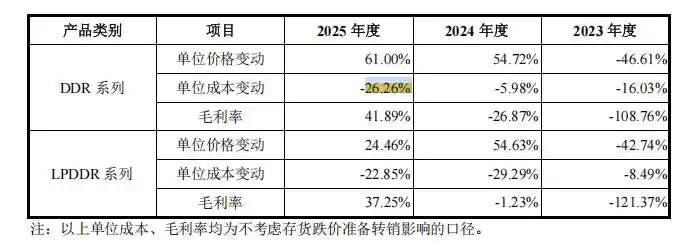
主要产品毛利率变动分析截图

但盈利能力提升并不意味着长鑫科技能完全摆脱周期影响。

DRAM行业价格波动剧烈,企业需要面对高额固定成本压力。招股书显示,2023年至2025年,长鑫科技固定资产折旧分别为105.55亿元、148.75亿元和246.8亿元。

“穿越周期不是每个年份都保持高利润,而是在行业低谷少亏、不失血,研发不断档,在行业复苏时能够比上一轮更快释放利润。”黄立冲称。

跨越“从零到一”,与三星美光有差距

招股书显示,长鑫科技拟通过科创板IPO募集资金295亿元。其中,75亿元用于晶圆制造量产线技术升级,130亿元用于DRAM技术升级,90亿元用于前瞻技术研发。

这意味着,上市并非只是一次融资,而是长鑫科技进一步追赶海外巨头的重要节点。
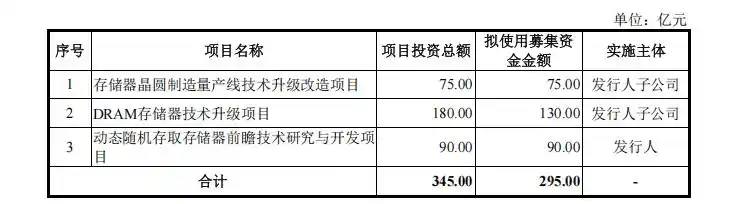
长鑫科技募集资金运用截图

长鑫科技董事长朱一明在7月15日投资者交流会上表示,长鑫科技产能规模已位居中国第一、全球第四,并在合肥和北京拥有三座12英寸DRAM晶圆厂。随着DDR5和LPDDR5/5X等产品正加速渗透下游市场,服务器、移动设备、个人电脑、智能汽车以及其他多元应用场景的持续发展,DRAM市场需求持续增长,募投项目具有良好的发展前景。

但放眼全球市场,长鑫科技仍处于追赶阶段。

数据显示,2025年第四季度,长鑫科技全球DRAM销售额市场份额约为7.67%,而三星、SK海力士、美光分别占据33.96%、34.48%和23.41%。

国联民生证券认为,长鑫科技借科创板IPO拟募295亿元启动大规模扩产,当前其产能规模与海外巨头差距显著,现有产能已接近满产,中长期多基地推进布局的情况下,Semianalysis预测公司2028年全球市占率达17%,对标海外大厂产能体量,长鑫后续扩产增量空间大。

黄立冲也指出,长鑫科技已经跨过了国产DRAM“从零到一”的阶段,但距离成为全球头部厂商仍有差距。“有技术但没有良率无法形成商业利润;有产能但成本过高,行业下行时就会承受巨大亏损。”

在黄立冲看来,长鑫科技下一阶段最需要补齐的是先进工艺的大规模稳定量产能力,核心体现在良率和每比特成本(生产1个比特bit数据存储容量所需要花费的成本)。同时,长鑫科技还需要提升高端产品组合、全球客户资源以及先进封装等能力。

AI推动下,需证明高端竞争能力

“市场份额增长并不是唯一目标,更重要的是市场份额增长同时伴随技术代际提升。”黄立冲表示。

随着AI产业快速发展,存储芯片正在成为新的竞争焦点。

AI服务器对于内存容量、带宽以及低功耗能力提出更高要求,推动DDR5、高性能内存以及相关存储产品需求增长。对于存储企业而言,AI不仅带来需求增量,也正在改变行业竞争格局。

事实上,海外存储巨头近年来正通过HBM等高附加值产品布局AI市场,以降低传统DRAM周期波动带来的影响。

相比之下,长鑫科技则处于向高端存储突破阶段。招股书显示,目前公司AI相关收入占比仍相对较低,且未披露HBM已经形成规模收入。黄立冲认为,未来一段时间,长鑫科技增长仍主要依赖DDR4向DDR5升级、LPDDR4X向LPDDR5/5X升级,以及国产化率提升。

“AI决定行业天花板,传统DRAM升级、工艺良率和成本能力决定长鑫能不能真正爬到这个天花板。”在黄立冲看来,长鑫科技需要在保持规模制造优势的同时,进一步提升高端产品竞争力,才能获得更大的市场空间。

“AI浪潮显著拓宽了存储行业成长空间,重塑了行业增长逻辑。”艾媒咨询集团CEO张毅也表示,未来长鑫科技需要依托传统DRAM迭代与AI高端存储研发“双线布局”:短期通过DDR5产品结构升级稳固基本盘、提升盈利质量;中长期则需要推动HBM等AI高附加值存储产品产业化落地,这将成为公司进一步缩小与国际头部企业差距的重要方向。

本文来自微信公众号“凤凰WEEKLY财经”,作者:王涵,编辑:崔陆鹏

Trending Cryptos

Related Questions

Q长鑫科技在2023年至2025年的净利润分别是多少?

A根据招股书,长鑫科技2023年净利润为-192.25亿元,2024年为-90.51亿元,2025年为71.44亿元。

Q长鑫科技董事长朱一明对2025年业绩增长和未来行业前景的看法是什么?

A朱一明表示,2025年下半年以来的业绩增长受益于AI驱动的DRAM需求爆发及行业供需紧张,但他同时指出DRAM行业具有强周期性,若宏观经济变化、AI需求不及预期或新产能集中释放,行业仍可能重回下行周期。

Q长鑫科技本次科创板IPO计划募集多少资金?这些资金的主要用途是什么?

A长鑫科技计划募集资金295亿元。其中,75亿元用于晶圆制造量产线技术升级,130亿元用于DRAM技术升级,90亿元用于前瞻技术研发。

Q文章中提到,长鑫科技与全球DRAM头部厂商的主要差距在哪里?

A差距主要体现在:市场份额(2025年Q4全球市占率约7.67%,远低于三星、SK海力士和美光)、产能规模、以及高端产品竞争力(如HBM的产业化程度和收入贡献)等方面。

Q分析师黄立冲认为,长鑫科技下一阶段最需要补齐哪些能力?

A黄立冲指出,长鑫科技最需要补齐的是先进工艺的大规模稳定量产能力,其核心体现在良率和每比特成本控制上。同时,还需要提升高端产品组合、全球客户资源以及先进封装等能力。

Related Reads

The Verdict in Choi Tae-won's Divorce Case: Revealing the Inheritance Undercurrent Behind SK Hynix's Trillion-Won Empire

SK Group Chairman Chey Tae-won's high-profile divorce case, involving a record 1.38 trillion won settlement, has drawn attention to the succession plans for Korea's second-largest conglomerate, especially its crown jewel, SK hynix. Unlike traditional chaebol scripts centered on the eldest son, Chey's three children from his marriage to former President Roh Tae-woo's daughter, Roh Soh-yeong, are carving distinct, non-traditional paths. Eldest daughter Chey Yun-jung (b. 1989) is seen as the most evident successor. With a scientific and consulting background, she holds executive roles at SK bioscience and SK Inc.'s growth support department, focusing on future strategy and biopharma. Her marriage is to an AI infrastructure entrepreneur, not a traditional business alliance. Second daughter Chey Min-jung (b. 1991) took a unique route, voluntarily serving as a South Korean naval officer, including an anti-piracy deployment. She later worked on policy and strategy for SK hynix in Washington D.C. before co-founding an AI-driven healthcare startup. She married a former U.S. Marine Corps officer, connecting her to U.S. defense and policy circles—networks crucial for a global semiconductor giant. The only son, Chey In-geun (b. 1995), who studied physics like his father, worked briefly at SK E&S before joining McKinsey. Despite fitting the traditional "heir" profile as the eldest son, he remains silent and holds no public position or shares in SK, suggesting the old succession playbook is obsolete. As SK hynix's valuation soars, becoming a geopolitical asset in the AI era, the heirs' legitimacy is no longer automatic. They must prove themselves in fields like AI biotech, global policy, and strategic consulting. Their marriages also reflect new elite networks in tech and defense, not old political alliances. Their inheritance is the complex challenge of navigating a globalized, tech-driven world, not just a corporate throne.

marsbitYesterday 09:06

The Verdict in Choi Tae-won's Divorce Case: Revealing the Inheritance Undercurrent Behind SK Hynix's Trillion-Won Empire

marsbitYesterday 09:06

From OpenSea to OpenRouter: Is Alex Atallah Repeating His 'Exit at the Peak' Playbook?

From OpenSea to OpenRouter: Is Alex Atallah Repeating His "Exit at the Peak" Playbook? According to the Wall Street Journal, payments giant Stripe is in talks to acquire the AI model aggregation platform OpenRouter in a potential deal valuing the company near $100 billion. This would mark founder Alex Atallah's second creation of a company reaching a $100 billion valuation, following his co-founding of NFT marketplace OpenSea. OpenRouter, founded just over three years ago, has grown rapidly by acting as a unified gateway for developers to access over 400 AI models. It currently has about 10 million users and processes over 200 trillion tokens monthly. While the platform's annualized revenue is around $50 million, its valuation has skyrocketed from $1.3 billion in March 2026. The potential acquisition by Stripe, a company OpenRouter's founder once likened it to, represents a major expansion into AI infrastructure for the payments leader. This move echoes Atallah's previous timing with OpenSea, where he departed before the NFT market's significant downturn. For OpenRouter, selling now may be strategic. Despite its scale, its business model—charging a 5-5.5% fee on AI inference calls—faces pressure from competition, open-source models, and potential price wars among model providers, limiting its profitability narrative for an IPO. A key asset for potential acquirers like Stripe is OpenRouter's vast repository of real-world AI usage data, which offers unique insights into model performance and developer preferences that are difficult to replicate. Whether this potential deal signifies a new valuation benchmark for AI infrastructure or another market peak signal remains to be seen.

链捕手Yesterday 08:42

From OpenSea to OpenRouter: Is Alex Atallah Repeating His 'Exit at the Peak' Playbook?

链捕手Yesterday 08:42

Trading

Spot

Hot Articles

How to Buy CORE

Welcome to HTX.com! We've made purchasing CORE (CORE) simple and convenient. Follow our step-by-step guide to embark on your crypto journey.Step 1: Create Your HTX AccountUse your email or phone number to sign up for a free account on HTX. Experience a hassle-free registration journey and unlock all features.Get My AccountStep 2: Go to Buy Crypto and Choose Your Payment MethodCredit/Debit Card: Use your Visa or Mastercard to buy CORE (CORE) instantly.Balance: Use funds from your HTX account balance to trade seamlessly.Third Parties: We've added popular payment methods such as Google Pay and Apple Pay to enhance convenience.P2P: Trade directly with other users on HTX.Over-the-Counter (OTC): We offer tailor-made services and competitive exchange rates for traders.Step 3: Store Your CORE (CORE)After purchasing your CORE (CORE), store it in your HTX account. Alternatively, you can send it elsewhere via blockchain transfer or use it to trade other cryptocurrencies.Step 4: Trade CORE (CORE)Easily trade CORE (CORE) on HTX's spot market. Simply access your account, select your trading pair, execute your trades, and monitor in real-time. We offer a user-friendly experience for both beginners and seasoned traders.

5.9k Total ViewsPublished 2024.03.29Updated 2026.06.02

How to Buy CORE

Discussions

Welcome to the HTX Community. Here, you can stay informed about the latest platform developments and gain access to professional market insights. Users' opinions on the price of CORE (CORE) are presented below.

活动图片