Los Rumores de la Actualización de Solana Devuelven al Foco las Soluciones a la Congestión de la Red

bitcoinistPublished on 2026-07-15Last updated on 2026-07-15

Abstract

Los rumores sobre una próxima actualización de la red de Solana centran la atención nuevamente en las soluciones para la congestión de la red. Este recordatorio va más allá del precio de los tokens, destacando la importancia de la infraestructura subyacente en el ecosistema cripto. Se especula que la mejora se enfocaría en la programación de transacciones y el alivio de la congestión. Sin embargo, el informe insta a la cautela hasta que haya un anuncio oficial. La noticia es relevante porque toca cuestiones prácticas clave para traders, desarrolladores y equipos de cumplimiento sobre usabilidad, seguridad e incentivos. Aunque añade un dato concreto al análisis del mercado, no garantiza un impacto positivo inmediato. El valor está en entender cómo afectaría específicamente a usuarios y desarrolladores. La lectura responsable evita sobredimensionar el rumor, viéndolo como parte de una tendencia hacia un mercado más profesional y técnico. Se aconseja esperar señales de confirmación, como feedback de desarrolladores o adopción, para determinar si se trata de un desarrollo significativo o de un titular pasajero. En resumen, la historia es una señal a seguir, no una conclusión.

El artículo 'Los Rumores de la Actualización de Solana Devuelven al Foco las Soluciones a la Congestión de la Red' es un útil recordatorio de que la cobertura cripto no solo trata sobre los precios de los tokens. A veces, la historia más importante es la infraestructura, la regulación, la seguridad o la capa de producto que subyace al ruido del mercado.

El punto inmediato es sencillo: los informes apuntan a rumores de una próxima actualización de la red Solana. Eso le da a los lectores algo concreto con lo que trabajar, en lugar de otra actualización de sentimiento vaga.

TL;DR

  • Los informes apuntan a rumores de una próxima actualización de la red Solana.
  • El foco esperado es la programación de transacciones y el alivio de la congestión.
  • La historia debe enmarcarse con cautela hasta que haya un anuncio oficial.

Por qué Esto Importa Ahora

El momento importa porque Solana ya es parte de una conversación más amplia en todo el mercado. Los traders quieren saber si el desarrollo cambia la liquidez o el riesgo. Los desarrolladores quieren saber si cambia lo que se puede desplegar. Los equipos de cumplimiento quieren saber si cambia cómo operan las plataformas.

En ese sentido, la historia es más grande que un simple titular. Se sitúa dentro del cambio continuo de los ciclos cripto especulativos hacia preguntas más prácticas: quién puede usar estos sistemas, cuán seguros son y si los incentivos subyacentes funcionan realmente.

La mejor manera de leerla es con disciplina. No es una garantía de beneficio inmediato, y no debe tratarse como tal. Pero sí añade un nuevo punto de datos a la forma en que el mercado está pensando en Solana.

El Ángulo de Solana

Para Solana, la parte importante es el mecanismo específico. Si se trata de un problema de seguridad, el riesgo reside en las dependencias y la protección del usuario. Si es un listado o lanzamiento de producto, la pregunta es el acceso y la liquidez. Si es una propuesta de gobernanza o investigación, la pregunta es si la idea puede sobrevivir a la implementación.

Ahí es donde esta actualización se vuelve útil. No es solo una etiqueta pegada a una tendencia. Da a los lectores una forma de entender qué podría cambiar realmente si el desarrollo gana tracción.

El mundo cripto tiene la costumbre de convertir cada anuncio en una afirmación amplia del mercado. Este merece una lectura más estrecha. Su valor está en ver cómo afecta a los usuarios, desarrolladores, instituciones o traders más cercanos al tema.

El Lado del Riesgo

También hay una advertencia adjunta. El material fuente puede confirmar que un desarrollo existe, pero no puede probar que le seguirá la adopción. Una propuesta aún necesita apoyo. Un producto aún necesita usuarios. Un gráfico aún necesita confirmación. Una herramienta de cumplimiento aún necesita integración.

Por eso, la lectura responsable no es exagerar la historia. La conclusión más sólida es que esto se suma a un patrón. El mercado cripto se está volviendo constantemente más profesional, más técnico y más sensible a los detalles operativos reales.

Los lectores también deberían estar atentos a señales de seguimiento. Eso podría significar retroalimentación de desarrolladores, apoyo de exchanges, respuesta regulatoria, adopción de carteras, datos de liquidez, o simplemente si los participantes del mercado continúan reaccionando después de que el primer titular se desvanezca.

Qué Sigue

La siguiente etapa decidirá si esto sigue siendo una actualización estrecha o se convierte en parte de un tema de mercado más amplio. En el mundo cripto, esa diferencia importa. Muchas historias parecen importantes durante unas horas y luego desaparecen. Las que perduran suelen reaparecer a través del uso, la liquidez, la aplicación de normas, la gobernanza o la adopción por parte de desarrolladores.

Por ahora, esto le da al mercado otra pieza de información para sopesar. Es lo suficientemente específica como para ser útil, pero aún lo suficientemente temprana como para que los lectores mantengan en vista las advertencias.

Eso la hace digna de cobertura sin fingir que resuelve algo. La historia es una señal, no un veredicto final.

La clave es no confundir la cobertura con la certeza. Las historias de Solana pueden moverse rápidamente, especialmente cuando tocan seguridad, regulación, listados, infraestructura o niveles de precios. El enfoque útil es rastrear el siguiente detalle confirmatorio en lugar de asumir que la primera actualización lleva toda la historia del mercado. Así es como los traders evitan perseguir ruido y como los lectores separan un desarrollo genuino de otro titular pasajero.

Este informe se basa en información de cryptoslate.com.

Este artículo fue escrito por el News Desk y editado por Samuel Rae.

Trending Cryptos

Related Questions

Q¿Qué rumores están llevando las mejoras de congestión de la red de Solana de vuelta al centro de atención?

ALos rumores sobre una próxima actualización de la red de Solana están llevando las mejoras de congestión de la red de vuelta al centro de atención.

QSegún el artículo, ¿cuál es el enfoque principal esperado de la actualización rumoreada de Solana?

AEl enfoque principal esperado de la actualización rumoreada es la programación de transacciones y el alivio de la congestión de la red.

Q¿Por qué el artículo destaca que el momento de esta historia es importante para Solana?

AEl momento es importante porque Solana ya forma parte de una conversación más amplia en el mercado, donde distintas partes interesadas (comerciantes, desarrolladores, equipos de cumplimiento) quieren comprender sus implicaciones.

Q¿Qué advertencia o aspecto de riesgo principal se adjunta a esta noticia sobre la actualización de Solana?

ALa principal advertencia es que la existencia de un desarrollo o propuesta no garantiza su adopción. El artículo aconseja no exagerar la noticia y esperar señales de seguimiento como la respuesta de desarrolladores o el apoyo de exchanges.

Q¿Cómo debe leerse esta noticia sobre Solana para obtener una comprensión útil, según las recomendaciones del artículo?

ADebe leerse con disciplina, como una señal más de datos específica y útil, pero no como una garantía de resultados inmediatos. La clave es ver cómo afecta a usuarios, desarrolladores e instituciones cercanos al problema, y rastrear detalles de confirmación posteriores.

Related Reads

Claude Doesn't Submit Code Directly After Writing It: Runs 4 Skills for Self-Check, Fixes Issues, Then Comes Back to You

Claude No Longer Submits Code Directly: 4 Self-Check Skills to Run Before Coming Back to You AI already writes code, but the burden of reviewing it still falls on you. To address this, Anthropic has built a "verification loop" into Claude Code. After writing code, Claude now runs four self-check skills before delivering the work: * `/code-review`: Finds potential bugs and provides review feedback. * `/simplify`: Cleans up the diff, removing redundant or over-complex implementations to reduce future maintenance costs. * `/verify`: Performs end-to-end validation, actually running the application to confirm the feature works, not just appears to. * `/design`: Used only for UI changes; cross-references the implementation against the project's DESIGN.md file. This loop extends the AI agent's workflow from "gather context → execute" to "gather context → execute → auto-verify → fix → re-verify." It tackles the new bottleneck in AI-assisted development: the speed of verifying code now outpaces human review. These skills are built on Claude Code's existing verification foundation (like running apps and using linters). Teams can create their own custom verification skills by documenting their repetitive manual checks in plain language as Markdown files. Verification can be triggered at four levels: manually (Standalone), embedded in a task, chained with other skills, or automatically on every PR (On every PR). The shift signifies that competition in AI programming is moving from code generation to robust verification and self-correction. Well-built verification loops allow AI agents to run longer and more autonomously with less human supervision. Skills, which encapsulate team knowledge and workflows, are becoming a cross-vendor standard, meaning a team's efficiency gap will depend less on the AI model and more on their investment in these automated workflows and verification mechanisms.

marsbit3m ago

Claude Doesn't Submit Code Directly After Writing It: Runs 4 Skills for Self-Check, Fixes Issues, Then Comes Back to You

marsbit3m ago

How Has Beijing Become a 'Global High Ground'?

How did Beijing become a "global highland"? In the first half of the year, Beijing's GDP grew by 5.4%, with growth in Q1 reaching 5.9%. Key drivers were not consumption or real estate, but hardcore sectors like chips, robotics, computing power, and large AI models. Investment concentrated sharply in tech, with high-tech manufacturing investment up 36% and technology services investment up 87.2%. Nearly 90% of venture capital flowed into hard tech. Output figures were strong: integrated circuit production rose 17.8%, industrial robots 75.5%, and service robots surged 230%. Companies like Qianxun AI and Galaxy General Robotics are deploying robots in real-world logistics and manufacturing, moving beyond demonstrations. The services sector is also being reshaped by tech, with software, IT, and finance growing faster than the sector average. Beijing leads in AI and embodied intelligence. Galaxy General Robotics secured significant funding, including from state-backed funds. The city released foundational AI models and its independent AI ecosystem, FlagOS, is expanding. Companies like Jiuzhang Yunjie provide neutral computing power and base models, supporting the broader ecosystem. Infrastructure is expanding, with Beijing aiming to add over 70,000 Petaflops of intelligent computing power annually. A "Beijing R&D, surrounding training" model is emerging, with computing resources being allocated to regions like Hebei and Tianjin. Efforts to deepen integration within the Beijing-Tianjin-Hebei region include industrial relocation and improved transport links. To bridge the gap between lab and market, Beijing is establishing pilot-scale production platforms. The underlying trend is the convergence of computing power, capital, talent, and real-world applications. While challenges remain in commercialization and regional integration, Beijing's focus on strengthening these interconnected elements is building the foundation for its claim as a global innovation hub.

marsbit4m ago

How Has Beijing Become a 'Global High Ground'?

marsbit4m ago

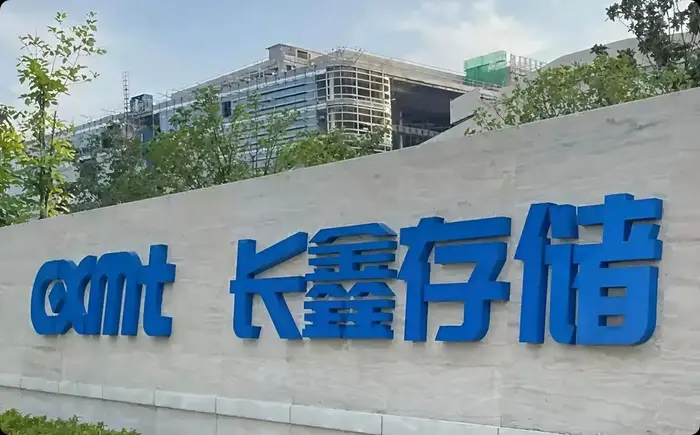
How Did the Target Price of 116 Yuan and a Market Cap of 7.9 Trillion for CXMT Come About?

Nomura's inaugural coverage report on ChangXin Memory Technologies (CXMT) gives a 'Buy' rating with a highly aggressive target price of 116 RMB, implying a 1239.5% upside from the IPO price of 8.66 RMB. The valuation is derived by applying a 20x P/E multiple to projected 2028 EPS of 5.79 RMB. The 20x multiple combines Micron's historical valuation with a premium for Chinese A-shares. The report's financial forecasts are exceptionally bullish. It projects revenue to soar from 62B RMB in 2025 to 773B RMB in 2028, with net profit surging to 393B RMB. A key, and arguably unsustainable, assumption is gross margin expanding to over 90% by 2028, driven almost entirely by price increases with minimal cost growth. This optimism is rooted in a forecast that global DRAM demand will grow over 7x from 2026 to 2030 (CAGR >60%), fueled by agentic AI. Nomura argues that supply growth (30-40% CAGR) will lag far behind demand, creating a persistent shortage. Bottlenecks in cleanroom space, equipment, materials, and skilled engineers will constrain rapid industry expansion. For CXMT, Nomura expects capacity to reach 550k wafers/month by 2028. The company's bit output is forecast to grow 40-45% annually, allowing its global market share to rise from ~10% to ~18%. While CXMT's technology lags leaders by about five years, limiting its wafer ASP, it benefits from supportive domestic procurement policies. Key risks include the cyclicality of memory pricing, with the 90% margin assumption representing a peak-cycle scenario rather than a sustainable norm.

链捕手13m ago

How Did the Target Price of 116 Yuan and a Market Cap of 7.9 Trillion for CXMT Come About?

链捕手13m ago

What Will Ethereum Look Like in 2030?

**Title: What Will Ethereum Look Like in 2030?** **Summary:** This article outlines the "Lean Ethereum" vision, a unified roadmap for Ethereum's evolution leading up to 2030, centered around five key "North Star" goals: 1. **Fast L1:** The goal is to reduce transaction finality from ~15 minutes to seconds and block times from 12 seconds to 4 seconds. This will be achieved through a streamlined consensus mechanism using zero-knowledge proofs (ZK proofs) to aggregate validator votes efficiently. The minimum staking requirement will also be lowered to 1 ETH, promoting greater decentralization. 2. **Billion-Gas L1:** Ethereum aims to increase its Layer 1 throughput by ~200x, targeting 1 billion gas per second. The breakthrough relies on implementing an L1 ZK-EVM, where a single cryptographic proof verifies all transactions in a block, eliminating the need for every node to re-execute them. This enables massive scalability while allowing even light clients (like phones) to fully verify the chain. 3. **Trillion-Gas L2:** The focus shifts to scaling Layer 2 networks (Rollups). Enhancements like PeerDAS and planned upgrades will expand data bandwidth (blob capacity) to 1GB per second, supporting a vast ecosystem of high-throughput L2s. Ethereum will solidify its role as a secure settlement layer, with specialized L2s (e.g., for tokenized stocks) handling application-specific logic. 4. **Quantum-Resistant L1:** To counter future quantum computing threats, Ethereum plans to transition its cryptographic signature schemes (ECDSA, BLS) to quantum-safe, hash-based alternatives. A dedicated post-quantum research team is working on this transition, slated for completion around 2029. 5. **Privacy-Native L1:** For the first time, native privacy is an official goal. Using ZK proofs, transactions could hide sender, receiver, and amount details while proving compliance with network rules. This addresses critical privacy concerns for both individuals and enterprises, though regulatory uncertainty remains. The article notes that development is becoming more decentralized, with new institutions like Ethlabs emerging alongside a downsized Ethereum Foundation. While the "Strawmap" document guiding this vision is a living draft subject to change and delays, the core ambition is clear: to make Ethereum faster, more scalable, quantum-secure, and privacy-preserving while retaining its foundational properties of neutrality and trustlessness.

Foresight News15m ago

What Will Ethereum Look Like in 2030?

Foresight News15m ago

A Critical Week Begins for Bitcoin and Altcoins: All Eyes on the Fed's Interest Rate Decision! When Will It Be Announced? What Message Will the Chairman Send...

This week is critical for Bitcoin and altcoins, as all eyes turn to the Federal Reserve's (Fed) July interest rate decision. The Fed is set to announce its decision on Wednesday, July 29th, at 21:00 Turkey Time (GMT+3). Following the announcement, new Fed Chair Kevin Warsh will hold a press conference at 21:30. Markets currently expect the Fed to hold interest rates steady in July, with probabilities at 66.3% for no change and 33.7% for a 25-basis-point hike. This follows the Fed's decision in June to leave rates unchanged at 5.25-5.50%. Many experts anticipate the Fed will not raise rates for the rest of the year, citing limited inflationary impact from recent tariffs. Bitcoin, having surpassed $65,000 again, and global markets started the week positively after the de-escalation of U.S.-Iran tensions. However, investors will closely monitor the Fed's statement and Chair Warsh's comments for clues on future policy. Chief Economist Mark Zandi of Moody's Analytics stated he expects rates to remain unchanged this year and next, noting inflation has likely peaked. A significant source of uncertainty is the new Fed Chair, Kevin Warsh. Analysts note Warsh maintains a more opaque and less communicative style than his predecessor, Jerome Powell, preferring brief answers and offering fewer forward-looking signals. This shift in communication style makes policy predictions more difficult and could lead to increased bond yield volatility as markets parse his words for hints.

cryptonews.ru18m ago

A Critical Week Begins for Bitcoin and Altcoins: All Eyes on the Fed's Interest Rate Decision! When Will It Be Announced? What Message Will the Chairman Send...

cryptonews.ru18m ago

Trading

Spot

Hot Articles

Discussions

Welcome to the HTX Community. Here, you can stay informed about the latest platform developments and gain access to professional market insights. Users' opinions on the price of SOL (SOL) are presented below.

活动图片