以太坊年初至今下跌45% – 为何SharpLink和巨鲸仍在买入?

ambcryptoPublished on 2026-06-27Last updated on 2026-06-27

Abstract

尽管以太坊(ETH)年内下跌20%-45%,但机构与巨鲸仍在持续买入。SharpLink时隔八个月后通过FalconX购入5000枚ETH,价值约788万美元,随后又增持价值4554万美元的LSETH,使其总持仓达876,285枚ETH。这表明尽管面临未实现亏损,机构对其长期效用和质押收入抱有信念。 巨鲸也在跟进积累。一个新钱包在九天内买入18,361枚ETH(约2890万美元)及大量Hyperliquid代币,显示大资金正在为未来价格波动布局而非短期操作。同时,BlackRock向Coinbase转移了大量BTC和ETH,这通常与ETF结算、托管调整或流动性管理相关,并非直接抛售。 然而,市场信心尚未全面恢复。现货ETF在6月26日出现1285万美元净流出,尽管累计净流入仍高达109亿美元。这表明直接国库买家和ETF投资者对市场反应不一。整体来看,巨鲸积累与机构活动显示信心正逐步重建,但以太坊的持续复苏仍需更强的ETF资金流入来抵消机构资金外流压力。

在加密货币持续疲软的情况下,以太坊 [ETH] 仍然处于亏损状态,年初至今下跌20%-45%。尽管出现这种回调,但主要的山寨币继续吸引着机构的兴趣。

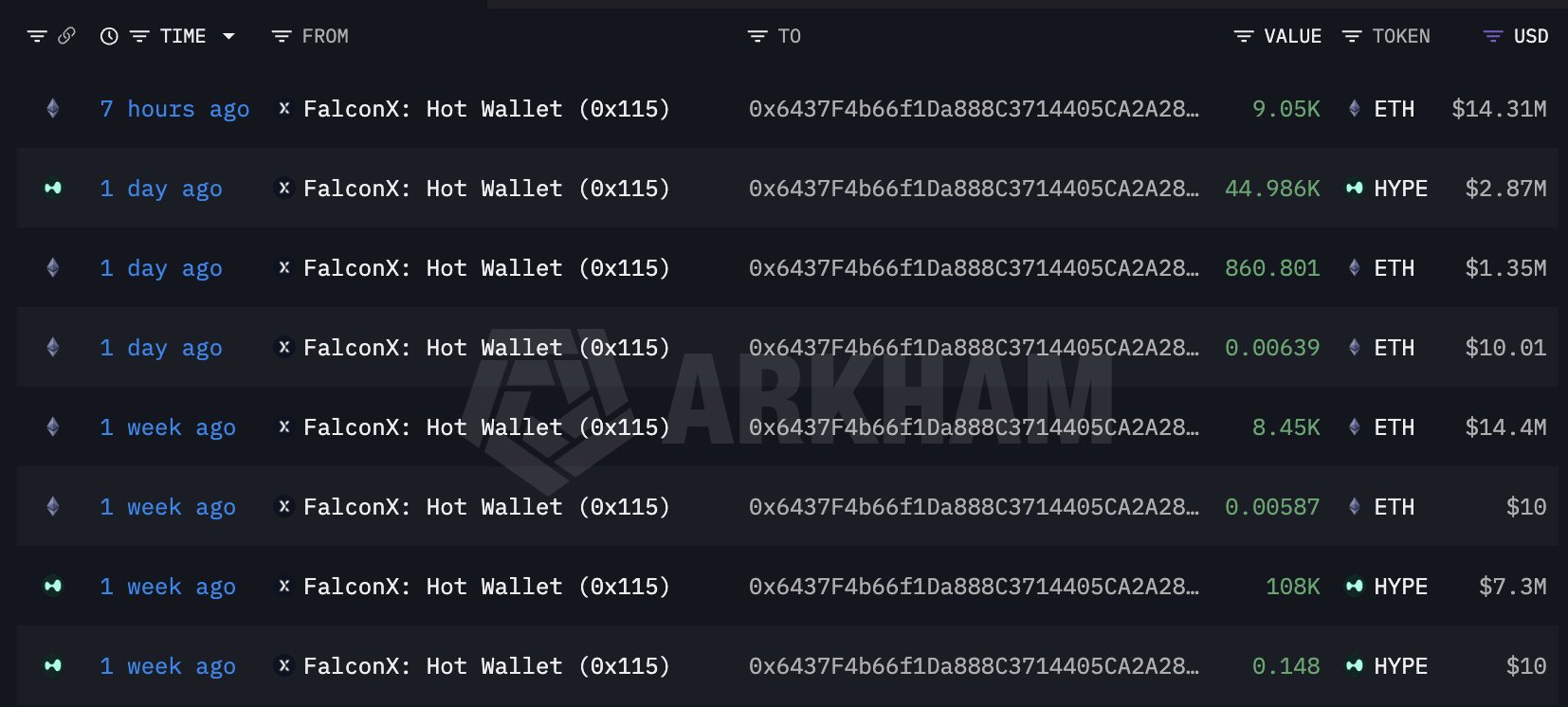
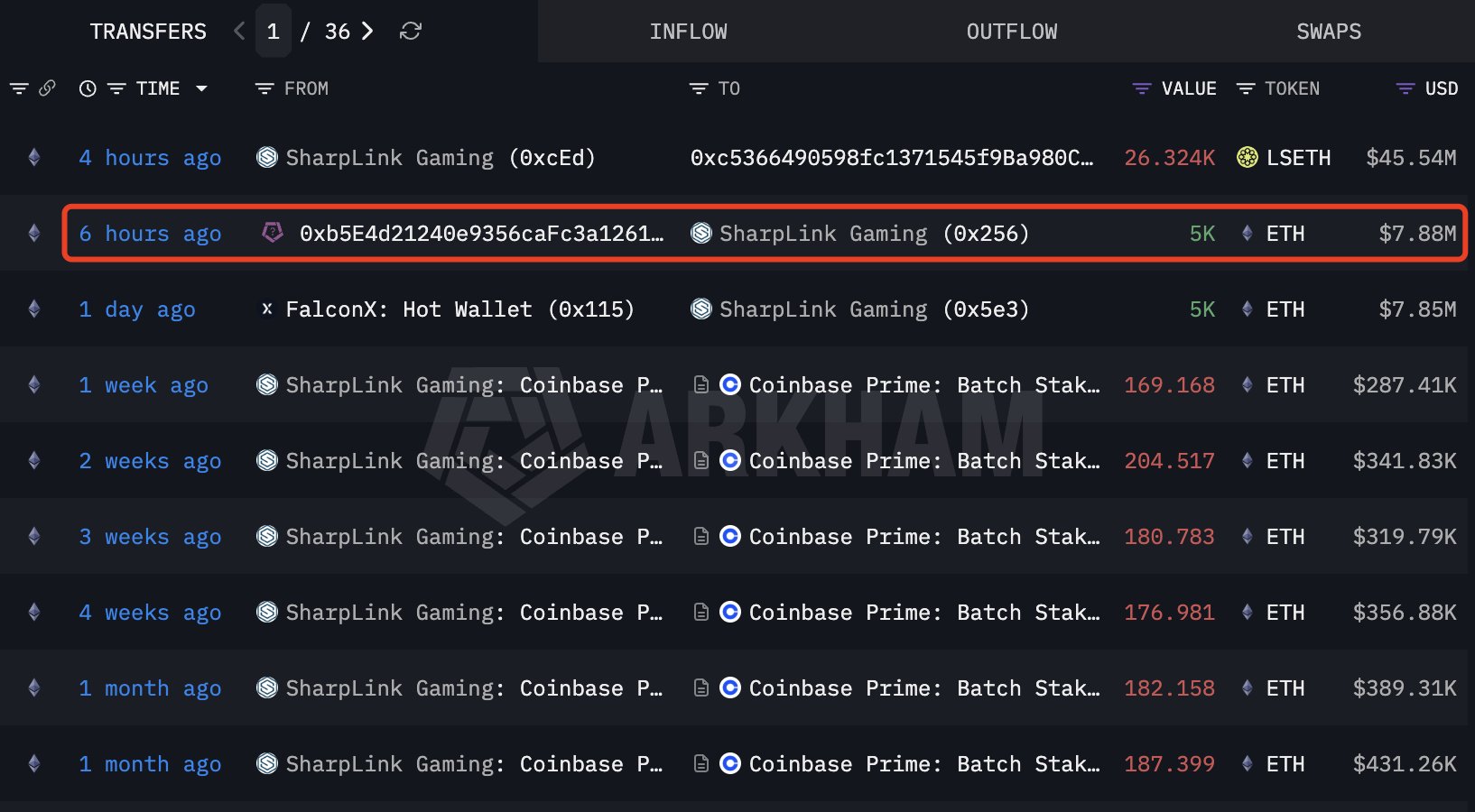
SharpLink在八个月后恢复了购买,通过FalconX增加了5,000 ETH,按平均价格1,576美元计算,价值约788万美元。

不久之后,该加密资产库又补充了26,324个LSETH,价值4,554万美元,进一步增加了资金流入。这些购买将Sharplink的总持仓量推高至876,285 ETH,包括22,102个质押代币。
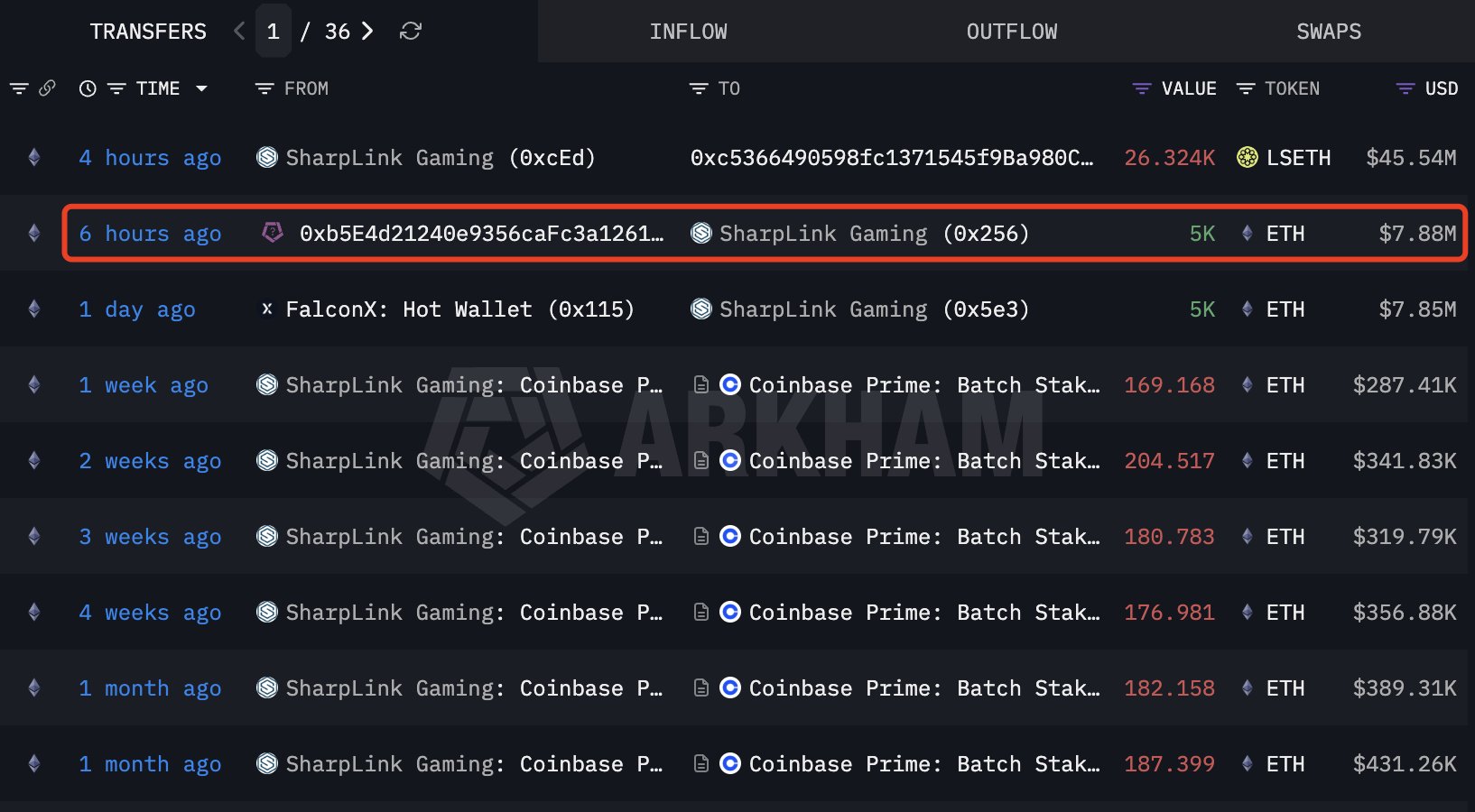
来源:Arkham

尽管该资产库持有近17.1亿美元的未实现亏损,但持续增持表明其对以太坊的长期效用和质押收入抱有信心。

如果更广泛的机构继续吸收市场的弱势,卖压可能会逐渐缓解。然而,持续的复苏仍然取决于网络需求的恢复和市场情绪的改善。

巨鲸增加以太坊敞口

这种机构的信心不再局限于公司资产库。相反,尽管市场不确定性挥之不去,巨鲸钱包也开始呈现出类似的增持模式。

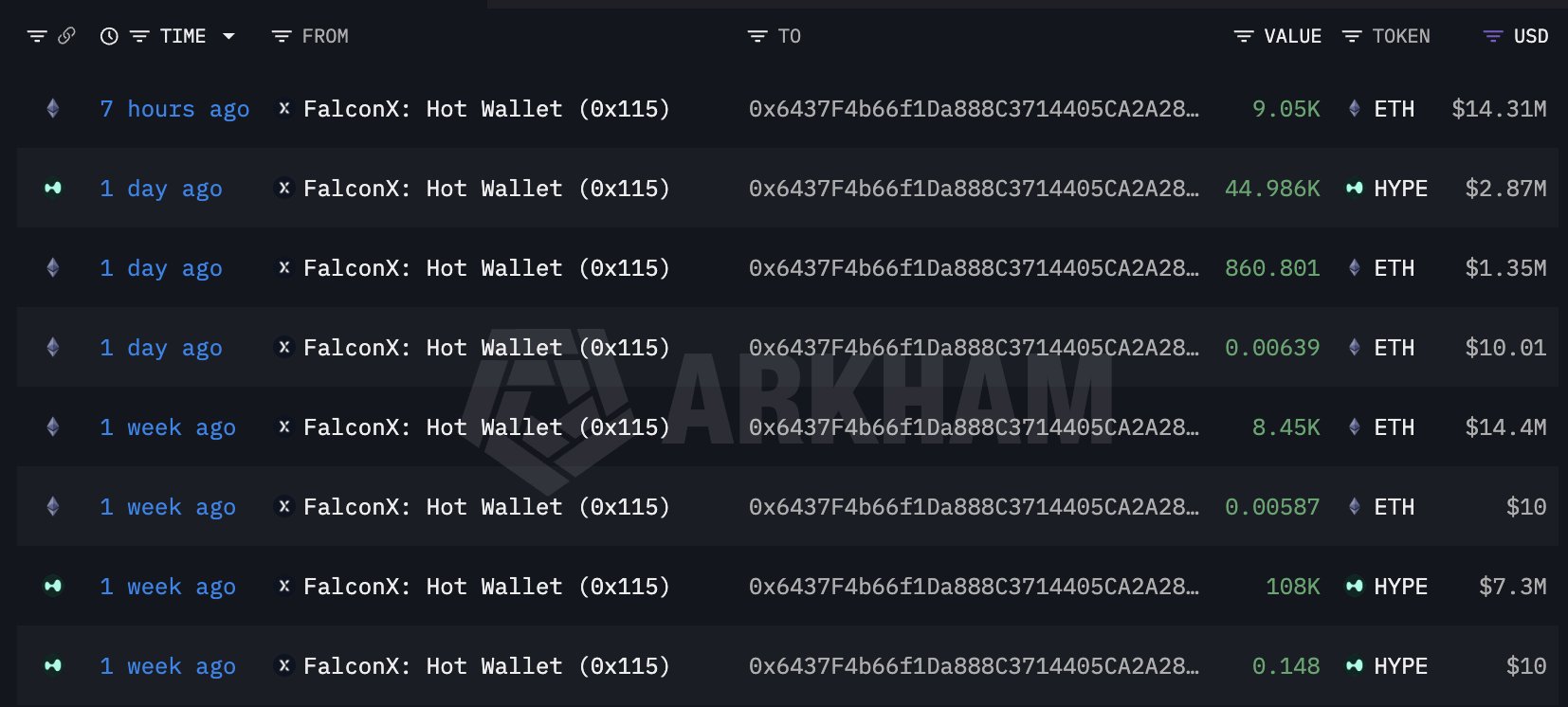
在过去九天里,一个新创建的钱包通过FalconX积累了18,361 ETH,价值2,890万美元,同时还积累了152,986个Hyperliquid [HYPE],价值973万美元。
来源:Arkham

该巨鲸持续构建资产表明,这些较大的巨鲸正在为未来的价格波动建立敞口,而不是试图对每日的价格变动做出反应。

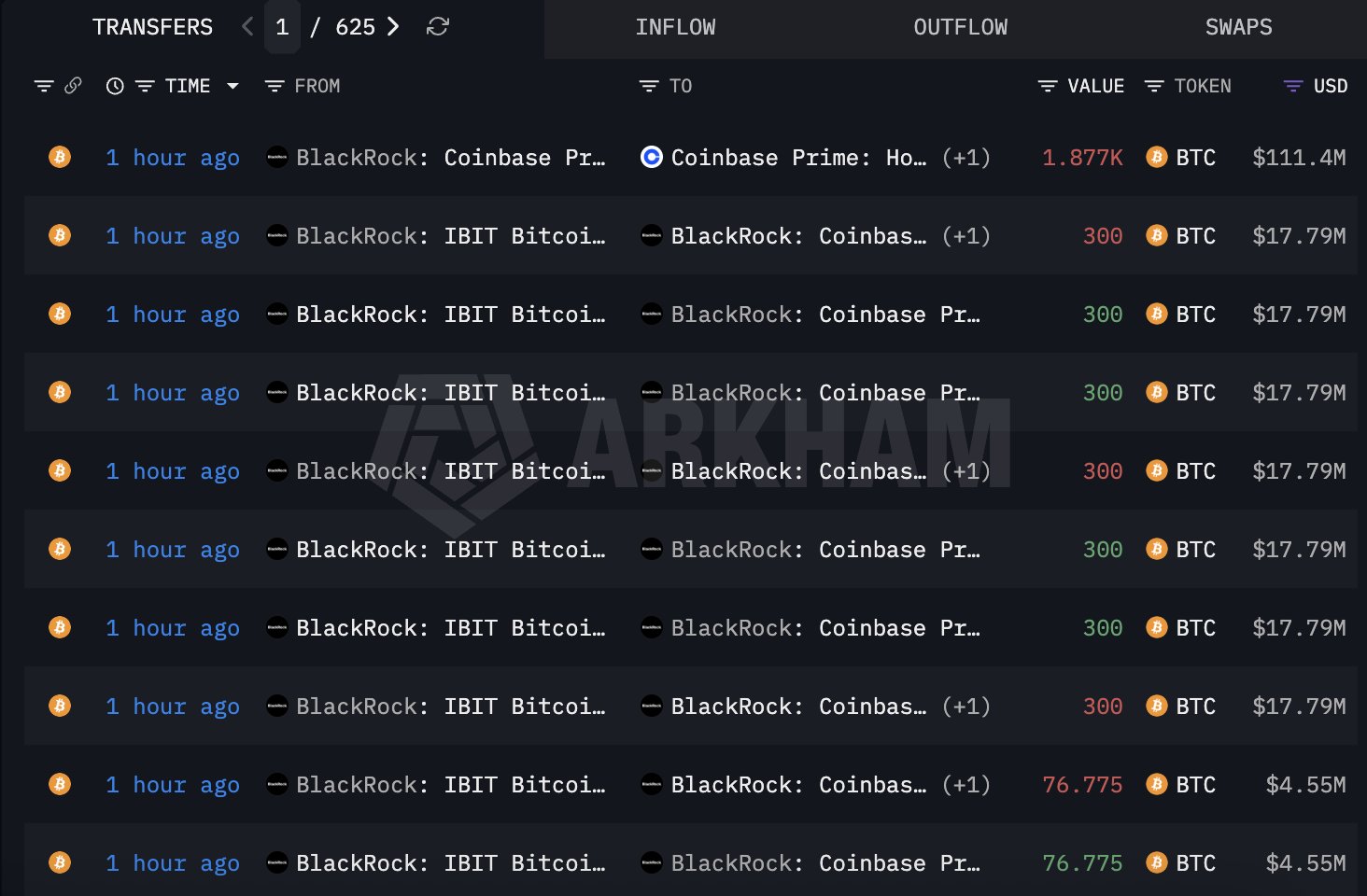
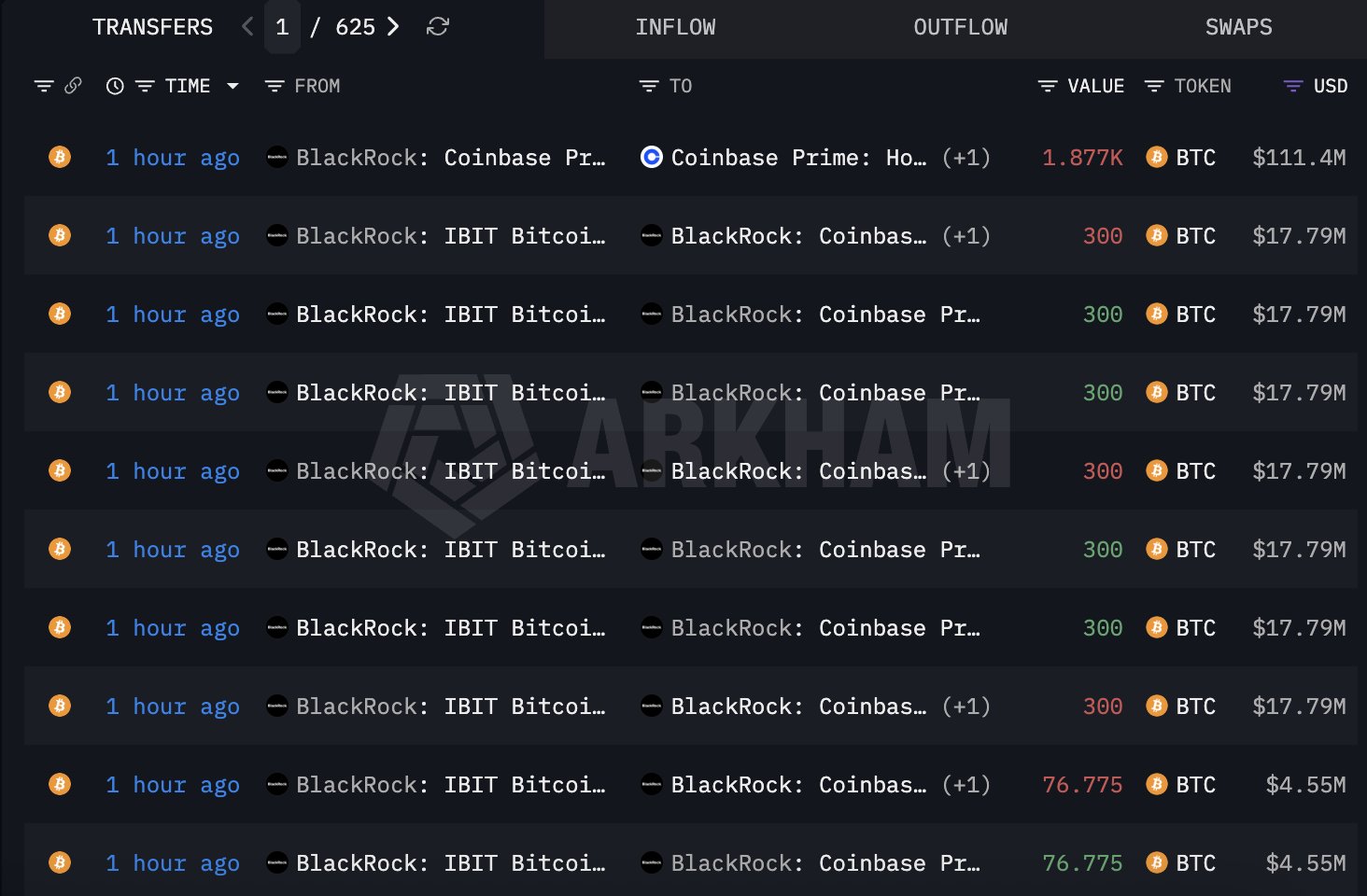
与此同时,贝莱德将2,700个比特币 [BTC] 和41,996个ETH转移到了Coinbase,总计2.26亿美元。这些操作通常与ETF交易结算、调整托管服务或管理流动性有关。
来源:Arkham

然而,这并不直接代表抛售。巨鲸是否继续增持以太坊,或者机构是否变得活跃,将是决定以太坊长期前景的关键。

总而言之,巨鲸的增持和机构活动表明,信心正在逐步重建,尽管更广泛的市场需求仍需加强。

ETF资金外流限制了以太坊的复苏

然而,这种重建的信心并未转化为更广泛的机构需求。根据SosoValue的数据,现货ETF经历了大量资金外流,在6月26日录得1,285万美元的净流出。

早些时候2,250万美元和959万美元的资金流入曾短暂表明情绪正在企稳,但随后卖家重新控制了局面。这种分歧表明,直接的资金库买家和ETF投资者正在对不同的市场状况做出反应。

资金库和ETF投资者的这种分歧反映了不同的市场状况。尽管从这些账户撤出的巨额资金已使累计净流入高达109亿美元。

与此同时,ETF发行方仍持有超过83.8亿美元,占以太坊市值的4.42%,日交易量为4.9173亿美元,这表明机构将继续调整头寸,而非完全放弃ETH。


最终总结

  • 尽管价格疲软,以太坊 [ETH] 的资金库和巨鲸购买仍在继续,增强了长期的机构信心。
  • 以太坊的复苏仍需要更强的ETF资金流入,以抵消持续的机构资金外流。

Trending Cryptos

Related Questions

Q根据文章,为什么SharpLink和其他大额投资者在以太坊价格下跌时继续买入?

ASharpLink和其他大额投资者(鲸鱼)继续买入以太坊,主要是因为他们对以太坊的长期效用和质押收入抱有信念。尽管短期价格表现疲软,他们看好其长远价值,并利用价格低迷时期进行积累。

Q文章中提到的鲸鱼钱包在最近一段时间内累计购入了多少以太坊?

A在过去9天里,一个新创建的鲸鱼钱包累计购入了18,361个以太坊(ETH),价值约2890万美元。

Q文章指出,以太坊的持续复苏面临的主要障碍是什么?

A以太坊的持续复苏面临的主要障碍是现货ETF的资金持续净流出。尽管有直接买家和鲸鱼在积累,但ETF资金的流出限制了价格复苏,表明更广泛的机构需求尚未转向积极。

QBlackRock向Coinbase转移比特币和以太坊的行为通常代表什么?

ABlackRock向Coinbase转移比特币和以太坊的行为通常与ETF结算交易、调整托管服务或管理流动性相关。文章明确指出,这类转移并不直接代表出售行为。

Q文章认为,机构资金(如ETF)和直接买家(如SharpLink)对当前市场状况的反应有何不同?

A机构资金(如ETF)和直接买家对当前市场状况的反应出现了分化。直接买家和鲸鱼(如SharpLink)在价格低迷时持续积累,显示出长期信心;而现货ETF则经历了资金净流出,表明更广泛的机构投资者情绪仍然谨慎,尚未形成一致的看涨共识。

Related Reads

Robinhood Chain Mainnet Goes Live: Can Stocks Finally Be Moved Into Wallets?

Robinhood has officially launched its public mainnet, Robinhood Chain, along with stock-like tokens, the USDG yield product, and a DeFi lending portal. This marks a significant shift where a major online broker is integrating its user interface, regulatory compliance, self-custody wallet, and on-chain protocols into a single, streamlined experience. The goal is to simplify access to stock exposure, stablecoin yields, collateralized lending, and AMM trading for mainstream users. Eligible non-U.S. users can hold these "Stock Tokens"—structured as tokenized debt securities—in the Robinhood Wallet for 24/7 exposure to assets like U.S. stocks or ETFs. U.S. users can access an estimated ~7% APY on dollar-backed USDG through the Robinhood Earn program via self-custody wallets, with lending infrastructure powered by Morpho protocol. Built as a Layer 2 on Arbitrum, Robinhood Chain leverages existing DeFi protocols like Uniswap. The core strategy is not to reinvent DeFi but to channel Robinhood's large traditional finance user base (27.4 million funded customers as of Q1 2026) into on-chain finance, lowering the technical barriers. However, key limitations exist. The stock tokens are not direct equity ownership and are unavailable in the U.S. and some jurisdictions due to regulatory constraints. The ~7% yield is variable and carries inherent DeFi risks, not guaranteed principal protection. Furthermore, while AMMs enable trading, price discovery for major stocks will likely remain anchored in traditional markets like NASDAQ for the foreseeable future. Ultimately, Robinhood Chain is an early experiment in "on-chain brokerage." Its success will depend on real-world metrics like trading volume, sustained user migration to self-custody, stable yield performance, and regulatory feedback, rather than its launch narrative.

marsbit1h ago

Robinhood Chain Mainnet Goes Live: Can Stocks Finally Be Moved Into Wallets?

marsbit1h ago

Circle CEO Responds to OUSD Challenge: Stablecoin Market Is 'Winner-Takes-All', Consortium Model Doomed to Fail

Circle CEO Jeremy Allaire addresses market concerns following the announcement of the Open USD (OUSD) stablecoin project backed by 140 global companies. Allaire argues the stablecoin market exhibits "winner-takes-all" dynamics due to powerful network effects. He cites USDC's near-decade lead in three key areas: 1) **Application Integration & Protocol Development**: Thousands of integrated services and protocols (like CCTP) create utility and lock-in for developers and users. 2) **Liquidity Network Effects**: A deeply embedded, globally distributed liquidity infrastructure across primary and secondary markets, built over years. 3) **Regulatory Integration**: Extensive licensing and compliance groundwork ensuring USDC's acceptance in major markets like Europe and Japan. Allaire challenges OUSD's proposed advantages. He contends that promises of free redemption, while appealing, face market realities where such models can become exit routes for other stablecoins. He also questions the feasibility of fully distributing all revenue to an alliance, stating it would "starve" the critical infrastructure investments needed for scale and utility. Furthermore, he expresses skepticism about large alliance governance models, noting they often lead to slow decision-making and misaligned incentives. While welcoming OUSD to the ecosystem, Allaire reaffirms confidence in USDC's dominant position, backed by its long-term infrastructure investments and strong partnerships, including its ongoing collaboration with Coinbase.

marsbit1h ago

Circle CEO Responds to OUSD Challenge: Stablecoin Market Is 'Winner-Takes-All', Consortium Model Doomed to Fail

marsbit1h ago

Circle CEO Responds to OUSD Challenge: Alliance Model Doomed to Fail, It's a 'Winner-Takes-All' Game

Circle CEO Jeremy Allaire addresses the challenge posed by the new Open USD (OUSD) stablecoin project, backed by 140 global companies. He argues that the stablecoin market exhibits "winner-take-all" characteristics, where USDC's near-decade-long lead in application integrations, global liquidity, and regulatory compliance secures its dominant position. Allaire outlines three key network effects underpinning USDC's strength: 1) Extensive integration as an internet protocol layer, 2) Deep, globally distributed liquidity networks, and 3) Deep integration with global policy and regulatory frameworks. He cites data showing USDC facilitated 80% of on-chain USD stablecoin transaction volume in Q1 2026. He directly counters OUSD's proposed advantages: 1) "Free minting and redemption" may not be sustainable against market realities, which USDC addresses via contractual mechanisms. 2) "Sharing all revenue" risks starving the infrastructure of necessary investment for growth and reliability. 3) A "consortium model" often leads to slow innovation and poor coordination compared to focused, independent operators like Circle. Allaire reaffirms Circle's strong partnership with Coinbase and notes that Circle continues to collaborate with many OUSD founding members. He concludes by welcoming OUSD to the ecosystem while expressing confidence in USDC's entrenched network advantages and continued expansion.

Odaily星球日报1h ago

Circle CEO Responds to OUSD Challenge: Alliance Model Doomed to Fail, It's a 'Winner-Takes-All' Game

Odaily星球日报1h ago

Trading

Spot

Hot Articles

Discussions

Welcome to the HTX Community. Here, you can stay informed about the latest platform developments and gain access to professional market insights. Users' opinions on the price of ETH (ETH) are presented below.

活动图片