Altcoin Phản Phá Thị Trường Gấu Khi NIGHT, HYPE và XMR Thể Hiện Sức Mạnh

TheNewsCryptoPublished on 2026-02-06Last updated on 2026-02-06

Abstract

Mặc dù thị trường altcoin tổng thể vẫn trong xu hướng giảm, một số đồng tiền như Midnight (NIGHT), Hyperliquid (HYPE) và Monero (XMR) đang cho thấy tín hiệu tích lũy và sức mạnh nhờ các cú hích phát triển. Vốn đang đổ vào các dự án có lộ trình rõ ràng hoặc tập trung vào các chủ đề mạnh như quyền riêng tư và giao dịch phi tập trung. Midnight (NIGHT) đang triển khai giai đoạn Kūkolu với mainnet ổn định và các ứng dụng ưu tiên bảo mật, trong khi chỉ báo CMF cho thấy dòng tiền ra đang giảm. Hyperliquid (HYPE) ghi nhận dòng tiền vào tăng, với lợi thế là sàn phái sinh phi tập trung có lượng mở vị thế tăng mạnh. Monero (XMR), dù giảm giá gần đây, cho thấy áp lực bán có thể đã cạn kiệt và nhu cầu giao dịch riêng tư vẫn bền vững. Sự phục hồi của các token này phản ánh xu hướng dịch chuyển vốn vào các lĩnh vực chất lượng với các câu chuyện cụ thể: privacy, L1 và derivatives phi tập trung.

Trong khi phân khúc altcoin vẫn duy trì xu hướng giảm, một số đồng tiền như Midnight (NIGHT), Hyperliquid (HYPE) và Monero (XMR) đang cho thấy tín hiệu tích lũy và sức mạnh dựa trên chất xúc tác. Thị trường tổng thể thể hiện sự sợ hãi cực độ, mặc dù vốn đang dịch chuyển về các dự án có các cột mốc phát triển rõ ràng hoặc các luận điểm mạnh mẽ như quyền riêng tư và giao dịch phi tập trung.

Midnight, giao dịch ở mức $0.047, đang tiến triển theo lộ trình quý đầu năm nay, tập trung vào giai đoạn Kūkolu. Giai đoạn này cung cấp một mainnet ổn định với các trình xác thực đáng tin cậy và các ứng dụng ưu tiên quyền riêng tư, theo bản cập nhật mới nhất vào tháng Một.

Các chỉ báo kỹ thuật như Chỉ tiêu Dòng tiền Chaikin (CMF) đang tăng mạnh, cho thấy dòng tiền ra đang giảm. Một mức quan trọng để phục hồi là $0.053, cho thấy khả năng di chuyển trở lại mức cao kỷ lục trước đó là $0.120.

CMF của Hyperliquid đã vượt qua mức 0, cho thấy dòng tiền vào hiện đang chiếm ưu thế. Giá của HYPE vẫn dao động quanh mức $33.74, điều này cũng cho thấy mức tương quan được báo cáo là -0.22 với BTC, gợi ý một hành động giá độc lập.

Đồng Tiền Thứ Ba

Lợi tức mở (Open interest) trên sàn giao dịch perpetual phi tập trung đã tăng lên $793 triệu vào khoảng ngày 26-27 tháng Một, tăng từ mức $260 triệu một tháng trước đó. Điều này cho thấy nhu cầu ngày càng tăng đối với cấu trúc thị trường phái sinh của nó.

Monero đang được giao dịch ở mức khoảng $305 sau khi giảm mạnh khoảng 30% trong 11 ngày. Chỉ số Dòng tiền (MFI) cho thấy áp lực bán đang gần cạn kiệt.

Monero, một đồng tiền riêng tư được ra mắt vào năm 2014, duy trì luận điểm bền bỉ hướng tới khả năng thay thế và chống kiểm duyệt. Khi các chỉ số altcoin rộng không mạnh, sự phân tán là chủ đề nổi bật. Việc những token được đề cập này tỏa sáng không phải là ngẫu nhiên.

Đó là một sự dịch chuyển về chất lượng với những luận điểm cụ thể. Midnight cho thấy tiến bộ trong các L1 làm giàu tính riêng tư. Hyperliquid cho thấy thị phần ngày càng tăng của các nền tảng phái sinh phi tập trung hiệu suất cao.

Khả năng phục hồi của Monero cho thấy một nhu cầu kiên quyết, không mang tính đầu cơ đối với các giao dịch riêng tư. Những token này là những cá cược có mục tiêu vào các tiểu ngành crypto đang trưởng thành, thể hiện sức mạnh độc lập.

Tin Tức Crypto Nổi Bật Hôm Nay:

Fhenix Phá Vỡ Rào Cản Quyền Riêng Tư Blockchain Với Bước Đột Phá Mã Hóa BFV Phân Rã

TagsAltcoinHYPEXMR

Trending Cryptos

Related Questions

QTại sao một số altcoin như NIGHT, HYPE và XMR lại thể hiện sức mạnh trong thị trường gấu?

ABởi vì chúng có tín hiệu tích lũy và sức mạnh được thúc đẩy bởi các chất xúc tác, cùng với các cột mốc phát triển rõ ràng hoặc câu chuyện mạnh mẽ về quyền riêng tư và giao dịch phi tập trung.

QGiai đoạn Kūkolu của Midnight (NIGHT) tập trung vào điều gì?

AGiai đoạn Kūkolu cung cấp một mainnet ổn định với các trình xác thực đáng tin cậy và các ứng dụng ưu tiên quyền riêng tư.

QChỉ báo kỹ thuật nào cho thấy dòng tiền vào Hyperliquid (HYPE) đang chiếm ưu thế?

AChỉ báo Chaikin Money Flow (CMF) đã vượt trên 0, cho thấy dòng tiền vào đang chiếm ưu thế.

QTại sao Monero (XMR) được coi là có một câu chuyện bền vững?

AMonero duy trì một câu chuyện bền vững tập trung vào khả năng thay thế và kháng kiểm duyệt, đáp ứng nhu cầu phi đầu cơ cho các giao dịch riêng tư.

QSự tăng mạnh về lãi suất mở (open interest) trên sàn giao dịch phái sinh phi tập trung của Hyperliquid cho thấy điều gì?

ANó cho thấy nhu cầu ngày càng tăng đối với cấu trúc thị trường phái sinh của họ, với lãi suất mở tăng lên 793 triệu USD từ 260 triệu một tháng trước đó.

Related Reads

a16z: From Companies to DAOs, DUNA May Become the Next Generation Organizational Form

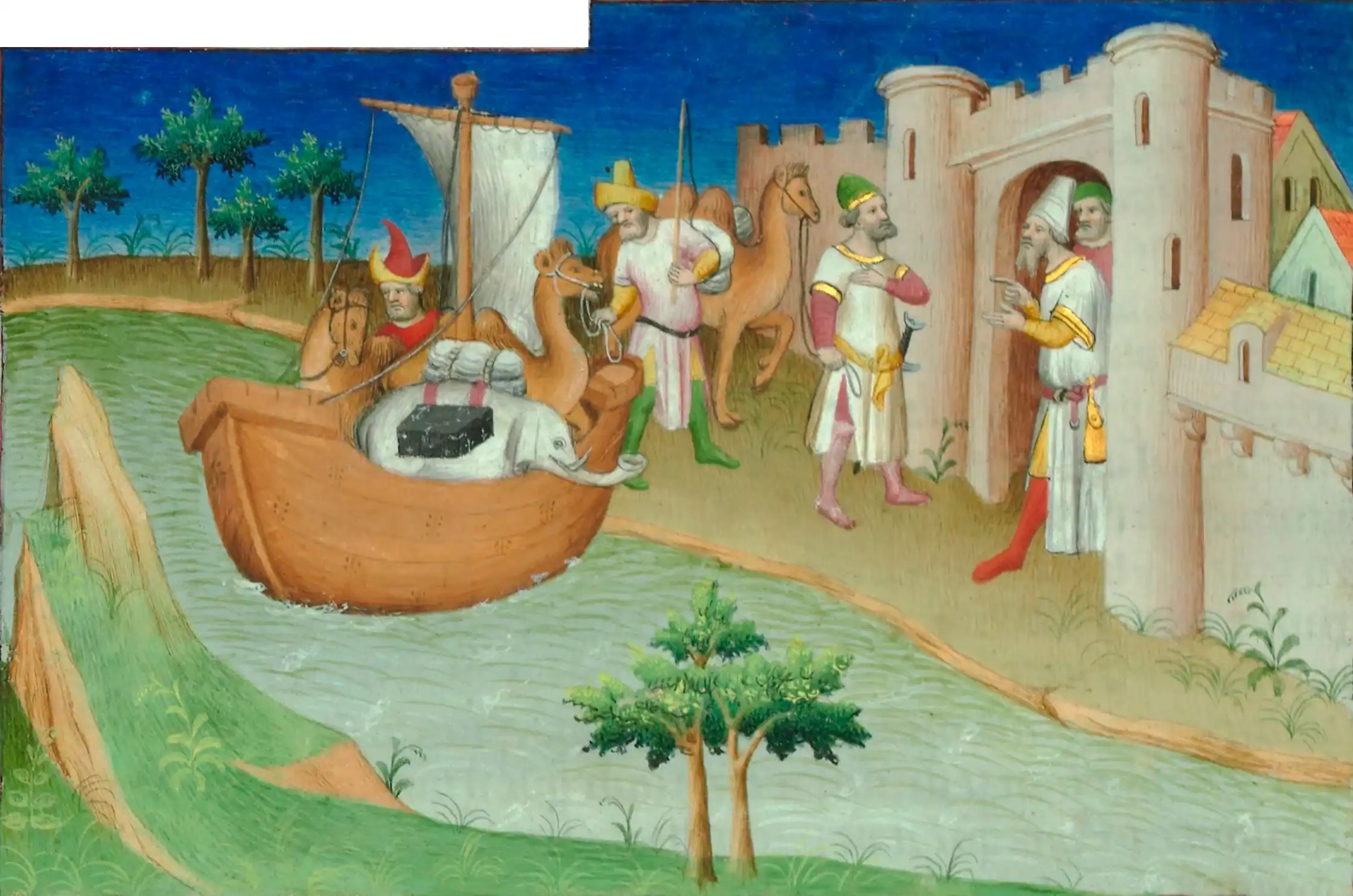
This article, "From Companies to DAOs: How DUNA Could Become the Next Organizational Form," traces the 500-year evolution of business collaboration. It begins with medieval structures like the *commenda* and Florentine *compagnia*, which exposed partners to personal risk. The modern corporation, exemplified by the Dutch East India Company (VOC), was a revolutionary leap, enabling large-scale, capital-intensive ventures by offering limited liability and reducing coordination costs. However, corporations introduced new challenges like principal-agent problems and bureaucratic overhead. The piece argues that software and internet-native protocols are now reducing these traditional overheads. Decentralized Autonomous Organizations (DAOs) emerged as a new model for coordination without centralized management. Yet, DAOs face a significant legal vacuum: they lack legal recognition, leaving members exposed to unlimited personal liability, and their tokens are vulnerable to being classified as securities under unclear regulations (e.g., the Howey Test). This has forced projects into suboptimal workarounds like offshore foundations. The article identifies the Decentralized Unincorporated Nonprofit Association (DUNA) as a potential solution. Recently legalized in states like Wyoming, the DUNA provides a legal wrapper for decentralized networks. It grants key protections—legal personality, limited liability, and perpetual existence—to a group without imposing a traditional hierarchical management structure. This allows token-holder communities to govern, hold assets, and contract as a single legal entity, aligning with their decentralized nature. While DUNA doesn't solve all governance challenges or magically resolve securities law questions, it represents a crucial step. It fills the legal recognition gap, offering a native legal form for internet-scale, decentralized collaboration and extending the separation of personal risk from organizational venture into a new domain.

marsbit22m ago

a16z: From Companies to DAOs, DUNA May Become the Next Generation Organizational Form

marsbit22m ago

2026 Mid-Year Report On-Chain RWA: Tokenized Stock Market Cap Doubles in a Year, But 90% of Rights Are Hollow Shells

The 2026 Mid-Year Report on On-Chain RWA highlights a significant growth in tokenized stock market capitalization, which nearly doubled from $951 million in March to $1.89 billion by July. However, the report reveals a fundamental contradiction in this "layer 2.5" ecosystem: products with the strongest legal foundation (like regulated U.S. infrastructure) lack liquidity and distribution, while freely tradable offshored wrapper products often lack substantive ownership rights. The increase is driven largely by a few products (SECZ, FGRS, STRCx) and platforms (Ondo, xStocks, Securitize collectively hold over 85% share). While distributed value across networks like Ethereum, Solana, and BNB Chain has grown, the market remains fragmented. Products referencing the same underlying asset (e.g., Apple stock) are distinct legal liabilities with different intermediaries and jurisdictional rules, offering varying degrees of legal claim. The report cautions that headline numbers are misleading, as they reflect changes in distributed token value—driven by issuance, conversions, and price movements—not pure investor inflows. True "canonical shares" with legal ownership, wide wallet distribution, institutional liquidity, and independent on-chain price discovery do not yet exist at scale. Tokenized treasuries show stronger product-market fit, and ETFs may be easier to scale than single stocks. The core takeaway is a trade-off: legal certainty versus liquidity and composability.

marsbit1h ago

2026 Mid-Year Report On-Chain RWA: Tokenized Stock Market Cap Doubles in a Year, But 90% of Rights Are Hollow Shells

marsbit1h ago

Coldcard Hardware Wallet Hacked: 594 Bitcoin Withdrawn in 25 Minutes

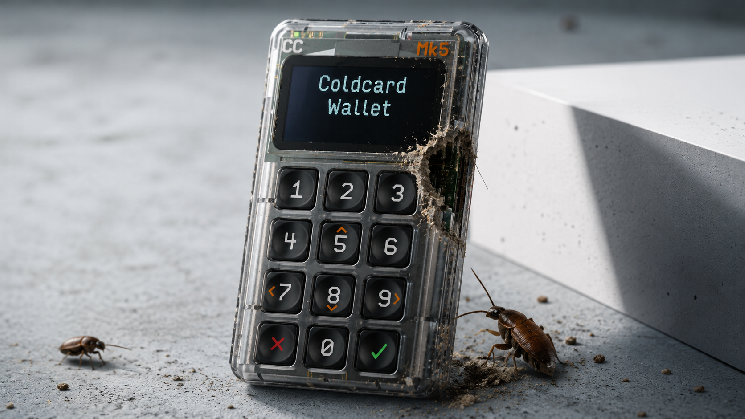
The Coldcard hardware wallet has been compromised, with hackers stealing approximately 594.5 Bitcoin (~$40 million) from 500 addresses in just 25 minutes. The root cause was a critical software bug, undetected for five years, which disabled the device's secure chip for generating true random numbers. This led to the creation of private keys based on predictable data like the processor's serial number, drastically reducing cryptographic security. The attackers exploited this offline by brute-forcing possible seed phrases, finding active addresses on the public ledger, and signing transactions. Initially, Coinkite (Coldcard's maker) claimed only older models were at risk but later admitted all devices running the compromised firmware were vulnerable. CEO Rodolphe Novak (NVK) apologized but ruled out financial compensation for affected users. To secure funds, owners must urgently update their firmware to specific safe versions, generate a completely new seed phrase on the updated device, and transfer all assets to new addresses created with that new seed. While a BIP-39 passphrase can help, it does not replace this migration process. Other Coinkite products like TAPSIGNER were not affected. This incident underscores that even specialized hardware requires rigorous, independent code audits, especially for cryptographic functions. It parallels past failures, like a 2006 OpenSSL bug in Debian, and raises questions about whether automated code analysis can ever fully replace human scrutiny in critical security areas.

cryptonews.ru3h ago

Coldcard Hardware Wallet Hacked: 594 Bitcoin Withdrawn in 25 Minutes

cryptonews.ru3h ago

Trading

Spot

Hot Articles

How to Buy XMR

Welcome to HTX.com! We've made purchasing Monero (XMR) simple and convenient. Follow our step-by-step guide to embark on your crypto journey.Step 1: Create Your HTX AccountUse your email or phone number to sign up for a free account on HTX. Experience a hassle-free registration journey and unlock all features.Get My AccountStep 2: Go to Buy Crypto and Choose Your Payment MethodCredit/Debit Card: Use your Visa or Mastercard to buy Monero (XMR) instantly.Balance: Use funds from your HTX account balance to trade seamlessly.Third Parties: We've added popular payment methods such as Google Pay and Apple Pay to enhance convenience.P2P: Trade directly with other users on HTX.Over-the-Counter (OTC): We offer tailor-made services and competitive exchange rates for traders.Step 3: Store Your Monero (XMR)After purchasing your Monero (XMR), store it in your HTX account. Alternatively, you can send it elsewhere via blockchain transfer or use it to trade other cryptocurrencies.Step 4: Trade Monero (XMR)Easily trade Monero (XMR) on HTX's spot market. Simply access your account, select your trading pair, execute your trades, and monitor in real-time. We offer a user-friendly experience for both beginners and seasoned traders.

5.2k Total ViewsPublished 2024.03.29Updated 2026.06.02

How to Buy XMR

Discussions

Welcome to the HTX Community. Here, you can stay informed about the latest platform developments and gain access to professional market insights. Users' opinions on the price of XMR (XMR) are presented below.

活动图片