Vantage Bank запускает платформу для токенизированных депозитов

cryptonews.ruPublished on 2025-04-23Last updated on 2025-10-24

Криптовалютные банки Custodia Bank и Vantage Bank запустили готовое блокчейн-решение, которое позволяет традиционным банкам выпускать токенизированные депозиты, работающие со стейблкоинами.

Это решение позволяет банкам использовать практически мгновенные и недорогие транзакции на блокчейне, совместимые с другими банками, и при этом сохранять депозиты клиентов, говорится в заявлении двух банков, опубликованном в четверг.

Токенизированные депозиты — это цифровые версии банковских депозитов, выпущенные на блокчейне и представляющие собой реальные доллары США, хранящиеся в банках.

Инициатива направлена на обеспечение совместимости криптовалют с традиционными банковскими услугами путём внедрения единого цифрового токена, который может функционировать как токенизированный депозит и как стейблкоин.

Платформа доступна для банков любого размера, которые сохраняют контроль над своими кошельками, содержащими токенизированные депозиты и стейблкоины, соответствующие требованиям GENIUS Act.

Решение основано на блокчейне, ориентированном на банки, и платёжной платформе Infinant Interlace. Это произошло через семь месяцев после того, как Custodia стала первым банком в США, выпустившим токенизированные депозиты на блокчейне без разрешений с помощью Vantage.

Токенизированные депозиты конкурируют с частными стейблкоинами

Нынешний «бычий» рынок криптовалют в первую очередь подпитывается институциональным внедрением: банки и компании TradFi используют широкий спектр стратегий для участия в криптовалютном пространстве.

Одной из таких областей стали стейблкоины — рынок стоимостью 300 миллиардов долларов, который получил значительный импульс после подписания президентом США Дональдом Трампом в июле закона GENIUS.

Однако банки выразили обеспокоенность перед регулирующими органами тем, что эмитенты стейблкоинов и их аффилированные лица, предлагающие проценты и доходность по депозитам, могут подорвать традиционную банковскую систему.

В апреле Министерство финансов США подсчитало, что к 2028 году рынок стейблкоинов может достичь 2 триллионов долларов, что приведёт к оттоку банковских вкладов на сумму 6,6 триллиона долларов.

Для банков токенизированные депозиты могут стать способом смягчить последствия оттока средств и сохранить конкурентное преимущество в условиях, когда банковская отрасль всё активнее переходит на цифровые решения.

Решение Custodia уже приносит реальную пользу

Custodia уже запускает первые пилотные программы, в которых используется технология токенизации долларов, в том числе для осуществления трансграничных платежей транспортными компаниями и поэтапных выплат в строительстве.

Компания также поддерживает расчёты по цепочке поставок для производителей и предлагает более гибкие варианты оплаты труда в сфере услуг, отмечается в сообщении.


Trending Cryptos

Related Reads

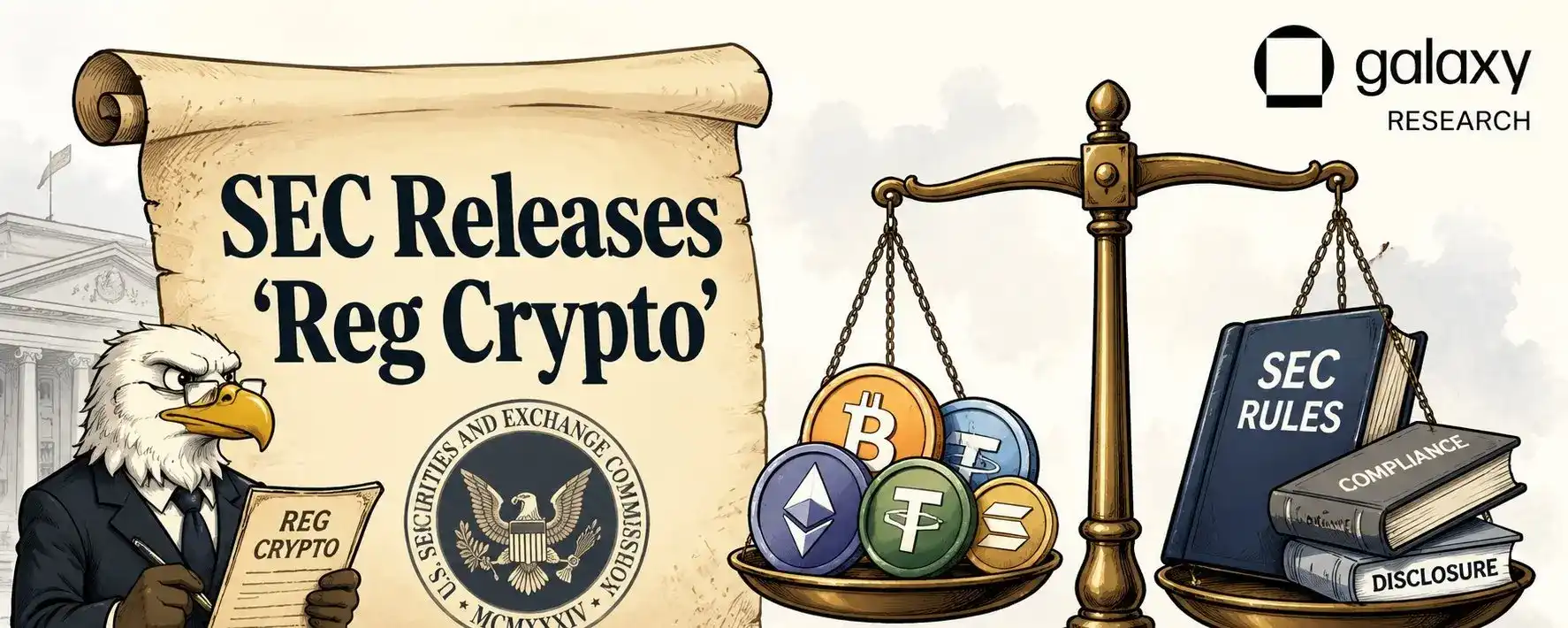
Galaxy Research: Can SEC's New Regulations Usher in a New Era for Token Financing?

**SEC Proposes New Framework for Token Offerings, Potentially Unlocking Legal Paths for U.S. Crypto Fundraising** On August 18, the U.S. Securities and Exchange Commission (SEC) proposed new rules, dubbed "Reg Crypto," specifically tailored for crypto asset offerings. This framework marks a departure from applying traditional securities rules designed for stocks to tokens. It creates a potential legal pathway for token sales to the U.S. public, including non-accredited investors, without full registration. The proposed rules apply to crypto assets that are not themselves securities but were sold as part of an investment contract where the issuer promised to build a product, network, or ecosystem. It establishes a four-phase lifecycle: Raise, Disclose, Build, and Exit. The "Raise" phase includes two new fundraising exemptions: a startup exemption allowing up to $5 million over four years and a larger, Regulation A-based exemption for up to $20 million or $75 million over 12 months. The "Disclose" phase requires specific token-related disclosures like supply schedules, governance, and development progress. After the issuer completes its promised development work and files a transition report, the "Exit" phase allows the associated investment contract to terminate, even if the token continues to trade. The analysis highlights that the framework's most immediate impact may be providing a formal "exit" path for existing tokens with unclear legal status, rather than immediately sparking a new wave of U.S.-based token offerings. It offers advantages over traditional private placements by allowing public sales and immediate token transferability but imposes ongoing disclosure and reporting obligations. A key hurdle is that the larger exemption requires a substantial U.S. operational presence, which may deter projects with offshore structures. Overall, the proposal is seen as a constructive step toward regulatory clarity, acknowledging that token offerings differ from equity offerings and require tailored investor disclosures. However, it remains a proposal subject to a 60-day public comment period, and its long-term stability may ultimately depend on congressional action.

marsbit3h ago

Galaxy Research: Can SEC's New Regulations Usher in a New Era for Token Financing?

marsbit3h ago

Trading

Spot

Hot Articles

What is $BANK

Bank AI: A Revolutionary Step in the Future of Banking Introduction In an era marked by rapid advancements in technology, Bank AI stands at the intersection of artificial intelligence (AI) and banking services. This innovative project seeks to redefine the financial landscape, enhancing operational efficiency, security measures, and customer experiences through the power of AI. As we embark on this exploration of Bank AI, we will delve into what the project entails, its operational dynamics, its historical context, and significant milestones. What is Bank AI? At its core, Bank AI represents a transformative initiative aimed at integrating artificial intelligence into various banking operations. This project harnesses the capabilities of AI to automate processes, improve risk management protocols, and enhance customer interaction through personalised services. The primary objectives of Bank AI include: Automation of Banking Functions: By leveraging AI technologies, Bank AI aims to automate routine tasks, reducing the burden on human resources and enhancing efficiency. Enhanced Risk Management: The project utilises AI algorithms to predict and identify risks, thereby fortifying security measures against fraud and other threats. Personalisation of Banking Services: Bank AI focuses on offering tailored financial products and services by analysing customer data and behaviours. Improving Customer Experience: The implementation of AI-driven solutions, such as chatbots and virtual assistants, aims to provide users with more human-like interactions, revolutionising the way customers engage with banks. With these goals, Bank AI positions itself as a crucial player in rendering banking more efficient, secure, and user-centric. Who is the Creator of Bank AI? Details regarding the creator of Bank AI remain unknown. As such, no specific individual or organisation has been identified in the available information. The anonymity surrounding the project's inception raises questions but does not detract from its ambitious vision and objectives. Who are the Investors of Bank AI? Similar to the project's creator, specific information regarding the investors or supporting organisations of Bank AI has not been disclosed. Without this information, it is challenging to outline the financial backing and institutional support that might be propelling the project forward. Nevertheless, the importance of having a robust investment foundation is pivotal for sustaining development in such an innovative field. How Does Bank AI Work? Bank AI operates on several innovative fronts, focusing on unique factors that differentiate it from traditional banking frameworks. Below are key operational features: Automation: By applying machine learning algorithms, Bank AI automates various manual processes within banks. This results in reduced operational costs and allows human workers to redirect their efforts towards more strategic activities. Advanced Risk Management: The integration of AI into risk management practices equips banks with tools to accurately predict potential threats such as fraud, ensuring that customer information and assets remain secure. Tailored Financial Recommendations: Through continuous learning from customer interactions, the AI systems develop a nuanced understanding of user needs, enabling them to offer tailored advice on financial decisions. Enhanced Customer Interactions: Utilizing chatbots and virtual assistants powered by AI, Bank AI enables a more engaging customer experience, allowing users to have their queries resolved quickly, thus reducing wait times and improving satisfaction levels. Together, these operational features position Bank AI as a pioneer in the banking sector, establishing new benchmarks for service delivery and operational excellence. Timeline of Bank AI Understanding the trajectory of Bank AI requires a look at its historical context. Below is a timeline highlighting important milestones and developments: Early 2010s: The conceptualisation of AI integration into banking services began to gain attention as banking institutions recognised the potential benefits. 2018: A marked increase in the implementation of AI technologies occurred when banks started using AI tools like chatbots for basic customer service and risk management systems for improved security handling. 2023: The sophistication of AI continued to advance, with generative AI being introduced for more complex tasks such as document processing and real-time investment analysis. This year marked a significant leap in the capabilities afforded to banks by AI technology. 2024-Current Status: As of this year, Bank AI is on an upward trajectory, with ongoing research and developments poised to further enhance capabilities in banking operations. Continued exploration of AI applications hints at exciting developments yet to come. Key Points About Bank AI Integration of AI in Banking: Bank AI focuses on adopting artificial intelligence to streamline banking processes and improve user experiences. Automation and Risk Management Focus: The project strongly emphasises these areas, aiming to shift the burden of routine tasks while enhancing security frameworks through predictive analytics. Personalised Banking Solutions: By harnessing customer data, Bank AI enables tailored banking services that cater to individual user needs. Commitment to Development: Bank AI remains committed to ongoing research and development efforts, ensuring its adaptability and ongoing relevance as technology continues to evolve. Conclusion In summary, Bank AI exemplifies a crucial step forward in the banking industry, leveraging artificial intelligence to reshape operational paradigms, enhance security, and promote customer satisfaction. Despite gaps in information surrounding the creator and investors, the clear objectives and functional mechanisms of Bank AI provide a strong foundation for its ongoing evolution. As AI technology continues to advance and merge with the banking sector, Bank AI is well-positioned to significantly impact the future of financial services, enhancing the way we understand and interact with banking.

411 Total ViewsPublished 2024.04.06Updated 2024.12.03

What is $BANK

Discussions

Welcome to the HTX Community. Here, you can stay informed about the latest platform developments and gain access to professional market insights. Users' opinions on the price of BANK (BANK) are presented below.

活动图片