BTC突破还是砸盘 ETH守4000成拉锯战 DOGE分批埋伏 山寨轮动谁能活

金色财经Published on 2025-09-25Last updated on 2025-09-25

昨晚美G(美股+美指)都在打瞌睡,比特币趁机小幅反弹了一下。市场现在全盯着周五的核心PCE数据,大家心里门清:

  • 如果数据温和甚至低于预期 → 美联储更敢降息,股市嗨、黄金嗨、BTC也嗨。

  • 如果数据超预期偏高 → 美联储缩手,美元走强,股市和加密资产一起被锤。

所以现在市场情绪就是一句话:盯盘比看剧还刺激

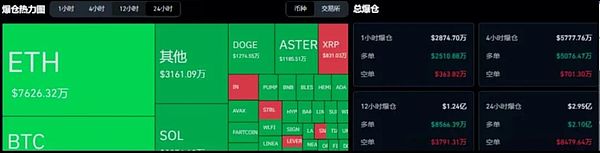
全网爆仓:29.5亿美刀灰飞烟灭

过去24小时,全网 120,796人爆仓,总金额高达 2.95亿美元!其中:

  • 多单爆掉 2.10亿 

  • 空单爆掉 8479万 这波行情基本就是——“多军先血崩,空军再收刀”。

640?wx_fmt=jpeg&from=appmsg

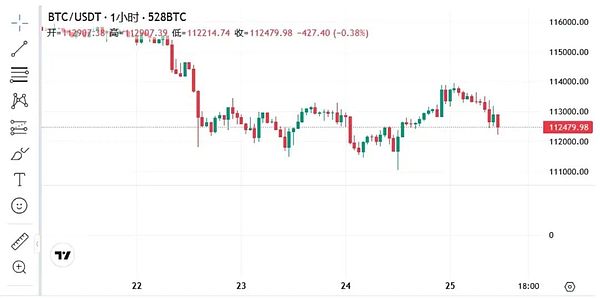
比特币(BTC)

24小时涨跌幅:+0.73%

btc今日操作建议

关键位置不追高——在113,500美元阻力位附近,不盲目追多,等待明确突破信号。

设置好止损——如果做短线,111,000美元是一个重要的防守位,跌破应考虑止损。

关注突破方向——无论是向上突破114,000美元还是向下跌破111,000美元,都可能意味着新趋势的形成。

短期市场就像夏天的天气,说变就变。比特币目前需要放量突破114,000美元,才能确认新一轮上涨趋势开启。而要是失守111,000美元支撑,则可能深度回踩。

不过,从中长期看,机构持续流入、美联储潜在降息周期等基本面因素依然偏向积极。每一次回调,对于还没上车的投资者来说,都可能是不错的机会。

640?wx_fmt=jpeg&from=appmsg

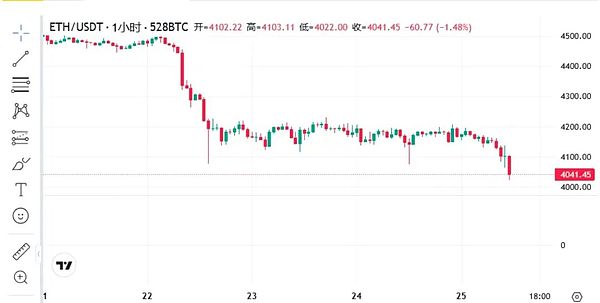
以太坊(ETH)

24小时涨跌幅:-2.29%

eth今日操作建议

短线选手:

空单:在4180-4200区域轻仓试空,止损4250,目标4100以下。

多单:在4080附近搏反弹,止损4030,目标4150-4180(严格带止损!)。

长线选手:

链上数据其实不差——交易所ETH供应量降到5年新低,企业还在囤币(近40亿美元),ETF也在持续流入。如果扛得住波动,4000美元以下可以分批布局,目标仍是5000美元。

今天以太坊的剧本就一个字:弱!技术面被空头按在地上摩擦,但链上基本面和机构囤币行为又托着底。老铁们操作上记住:别追涨杀跌,关键点位突破再动。行情瞬息万变,咱得像狙击手一样耐心等机会!

640?wx_fmt=jpeg&from=appmsg

山寨圈:CZ喊单,Alpha系闪崩

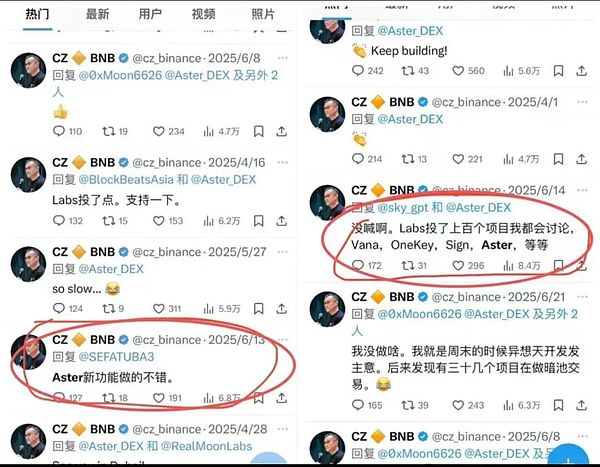
CZ喊的币:Vana、OneKey、Sign、Aster,倒是还稳着。

640?wx_fmt=jpeg&from=appmsg

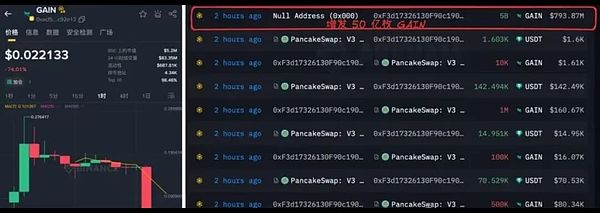
Alpha系出惨案。今天早上 GAIN 遭遇约 50 亿资金的猛烈砸盘,价格瞬间暴跌 95%。虽然传出黑客攻击的说法,但链上至今没能查到明确证据。有人 1 BNB 入场却只能 0.1 BNB 离场,直接惨烈割肉;也有人在抛压暂缓时逆势冲进,继续在刀口上跳舞。币圈的玩家们,再次用行动证明:命不值钱,胆子才值钱。

至于其他项目,GIGGLE 和 JobIess 基本宣告凉透,Aster 与 STBL 仍在艰难支撑。

640?wx_fmt=jpeg&from=appmsg

 BNB:平台币最后一舞

下午涨、晚上跌,BTC起飞才跟上。接下来大盘嗨完,就是平台币→山寨的轮动节奏。剩下三个月,BNB和平台币大概率会继续撒欢

 赛道快照

  • RWA:BUIDL、CFG 还没上B安,后面可能会“拉高—上所—接盘”的老套路。

  • Real:Moonshot上线,动静不大,走势像心电图停机。随缘吧。

  • DOGE:现价0.2155,分批抄底位在0.2065,止损0.1850,目标看下月ETF。狗子可能会在十一来一波节日拉盘。

  • XPL:今晚9点现货上线,FDV 5亿,全流通,理财活动暗示有“彩蛋”。

  • COAI:3点B安Alpha,3:30开合约。低开才买,高开就别碰。

  • ZBT理财局:年化15%+代币奖励,看起来很香,但解锁期7-14天,能不能兑现?先打个问号。

一句话总结

市场现在就像压抑的过山车,大家都在等周五CPI的“发车信号”。BTC和ETH走得谨慎,山寨却是刀光剑影。稳健派:等数据;激进派:随时准备接飞刀

Trending Cryptos

Related Reads

Claude's Watermark Has Been Cracked, Gaining 11k Stars, But Installation Is Refused

The article discusses the controversy surrounding Anthropic's implementation of a hidden watermark in all text generated by its AI, Claude. This policy, based on Google DeepMind's SynthID-Text technique, embeds a statistical signature by making inconsequential word choices. The watermark applies globally, even to human-written text lightly edited by Claude, sparking user backlash over issues of ownership and the creation of an "AI content second-class citizen" status. In response, an open-source tool called "watermarks-remover" (originally "remove-claude-marks") was released on GitHub, quickly gaining 11k stars. It works on three levels: removing invisible Unicode characters, using an agent to rewrite text and break statistical patterns, and stripping metadata from various file formats. Notably, Claude itself refused to install this removal tool as an Agent Skill, a task ultimately completed by another AI model, GLM 5.2. The article points out the irony that the removal code may have been written by Claude. The piece frames this as an ongoing battle between watermarking for traceability against misinformation and the desire for unmarked, owned content from paying users. It questions the practicality of mandatory technical markings when AI-generated text becomes indistinguishable from human writing, suggesting the open-source community's rapid development of countermeasures will continually outpace regulatory efforts.

marsbit22m ago

Claude's Watermark Has Been Cracked, Gaining 11k Stars, But Installation Is Refused

marsbit22m ago

SafePal Leaks Data of Nearly 40,000 Hardware Wallet Buyers: Private Keys Intact, Yet Danger Moves Closer to the Physical

Hardware wallet manufacturer SafePal has disclosed a data breach affecting approximately 39,798 customers who placed orders between March 2025 and April 2026. The leak exposed personal information including names, email addresses, phone numbers, physical delivery addresses, and purchase records. The company confirmed that private keys, recovery phrases, wallet passwords, and financial details were not compromised, as the cold storage systems operate in an isolated environment separate from the e-commerce servers. However, the breach poses significant risks beyond digital theft. Attackers now possess a high-value list of confirmed hardware wallet owners, effectively marking them as likely holders of substantial cryptocurrency. This enables highly targeted social engineering attacks, such as phishing emails referencing real order details, fake hardware deliveries, or phone scams impersonating SafePal support. The company has already identified and taken down over 30 related phishing sites. A critical aspect of the incident is the delayed disclosure timeline. SafePal acknowledged receiving initial user reports of phishing attempts in May but treated them as isolated. A full investigation began in July, with a public announcement not made until August, leaving users exposed for approximately three months. Furthermore, a configuration error prevented a data-purge routine from deleting old order information as intended, potentially increasing the scope of the leaked data. The incident highlights a structural paradox in the hardware wallet industry: while the devices are designed to secure private keys offline, the necessary e-commerce process collects sensitive personal data that, if leaked, makes the user a target. This mirrors a similar breach suffered by Ledger in 2020. Affected users are advised to be extremely vigilant. They should verify if they are impacted via SafePal's dedicated page, treat all unsolicited communications (emails, calls, physical mail) referencing SafePal as suspicious, and never share recovery phrases. Users who may have entered sensitive information on a phishing site must create a new wallet immediately. The breach underscores that in cryptocurrency security, the most vulnerable link is often the human user, not the cryptographic technology.

marsbit43m ago

SafePal Leaks Data of Nearly 40,000 Hardware Wallet Buyers: Private Keys Intact, Yet Danger Moves Closer to the Physical

marsbit43m ago

30 Years After Being Crushed by AI, People Have Fallen Back in Love with Chess

On May 11, 1997, IBM's "Deep Blue" defeated chess champion Garry Kasparov, marking the first time a machine triumphed in a top-level intellectual game. The narrative of human defeat by AI seemed cemented when AlphaGo beat Lee Sedol in Go in 2016, a game once considered AI's final frontier. Yet, nearly 30 years after AI's dominance began, chess is experiencing unprecedented popularity. Chess.com boasts over 250 million registered users and 10 million daily active players. Its CEO, Erik Allebest, attributes this resurgence to several waves: the pandemic, the Netflix series *The Queen's Gambit*, and viral AI chess bots like "Mittens" on social media. Crucially, each surge left a permanently higher user base. The key insight is that AI liberated the game. When machines unequivocally became the best, the pressure to "win" as the ultimate human was removed. Chess returned to its core: the intrinsic joy of play—the thrill of a tactical combo, the tension of a time scramble, the curiosity of post-game analysis. AI, now serving as an always-available coach and anti-cheat tool, became infrastructure that enhanced rather than killed the experience. In contrast, Go, deeply rooted in East Asian elite culture and often pursued for mastery and status, suffered a "collapse of meaning" at the professional level after AlphaGo. Players began mimicking AI moves, erasing distinctive styles and narrative. While some Go players gained fame as online personalities, it didn't translate to widespread engagement with the game itself. The divergence highlights a fundamental question in the age of AI: is the motivation for an activity about *winning* or *playing*? Activities where the process itself is the reward, like chess, can thrive when the pressure of being the best is gone. AI may rightly take over tasks done purely for outcome, but it cannot replace the human experience of simply enjoying the game.

marsbit58m ago

30 Years After Being Crushed by AI, People Have Fallen Back in Love with Chess

marsbit58m ago

Exiting Top Ten Shareholders of Kweichow Moutai, 'Long-term Capital' Portfolio Adjustments Revealed: National Social Security Fund Enters 12 New Stocks, Invests in Hard Tech Mthreads

With the ongoing release of semi-annual reports, the second-quarter investment moves of long-term institutional investors like the National Social Security Fund (NSSF) and insurance capital are becoming clear. Central Huijin Asset Management and China Securities Finance Corp., often referred to as the "national team," are no longer among the top ten shareholders of Kweichow Moutai. Data shows that as of August 14th, the NSSF held positions in 33 A-share companies, with a total portfolio value exceeding 11 billion yuan. It added 12 new stocks in Q2, spanning sectors like chemicals, food & beverage, and semiconductors. The NSSF maintains its stable investment style, favoring companies with solid performance and attractive valuations. Apart from exiting Moutai, Huijin and China Securities Finance also left the top ten shareholder lists of companies like Ping An Bank and Dahua Technology. Insurance capital heavily invested in 41 companies in Q2, with a total holding value over 26 billion yuan. They showed a continued preference for cyclical sectors like non-ferrous metals and chemicals, as well as high-dividend-yield stocks. Analysts note that these long-term funds act as market stabilizers and investment bellwethers. Their presence is reshaping the market ecology, steering focus towards fundamental corporate value and away from speculative trading. A notable move was the NSSF's new investment in Moore Threads, a loss-making but leading domestic GPU design company listed on the STAR Market, indicating interest in hard technology sectors. Looking ahead, analysts expect long-term capital to continue a dual-strategy: maintaining a foundation in high-dividend-value stocks while gradually increasing exposure to growth areas aligned with industrial upgrading, such as advanced manufacturing and tech self-sufficiency. The market's recovery is seen as gaining a firmer footing after recent adjustments.

marsbit1h ago

Exiting Top Ten Shareholders of Kweichow Moutai, 'Long-term Capital' Portfolio Adjustments Revealed: National Social Security Fund Enters 12 New Stocks, Invests in Hard Tech Mthreads

marsbit1h ago

Data of 54,000 wallet users leaked, Clarity odds just 10%: Hodler’s Digest, Aug. 16

Galaxy Digital has slashed the odds of the CLARITY Act passing in 2026 from 75% to just 10%, citing limited Senate session days. If it fails, the SEC and CFTC plan to issue their own crypto rules, though an SEC meeting was abruptly cancelled. High-profile meetings at the White House are planned to discuss the bill. Amid growing hack fears, crypto companies are urging AI labs to grant developers early access to advanced AI models for cybersecurity, following a $116M Coldcard wallet theft. Data breaches at Trezor and SafePal have exposed over 54,000 users' personal information. The CFTC is clashing with states over regulating prediction markets like Kalshi, ordering it to ignore a New York restraining order to maintain a national market, while a Washington state judge ruled against it. The Ethereum Foundation is revising its post-quantum plan, moving away from the Poseidon hash function, and scoping its next major upgrade, Hegotá, for next year. Tether received its first full clean audit opinion from KPMG, showing reserves exceeding liabilities by $6.814 billion. Marketwise, major cryptos saw weekly declines. Predictions include a possible Bitcoin bottom in October, while analysts dispute the feasibility of BTC reaching $1M by 2030. Glassnode notes Bitcoin is in its longest capitulation phase since FTX's collapse. Three men were charged for an alleged Bitcoin kidnapping plot in Missouri.

cointelegraph2h ago

Data of 54,000 wallet users leaked, Clarity odds just 10%: Hodler’s Digest, Aug. 16

cointelegraph2h ago

Trading

Spot

Hot Articles

What is DOGE M

Doge Matrix ($doge m): The New Breed of Community-Driven Cryptocurrency Introduction In the ever-evolving landscape of cryptocurrency, new projects constantly emerge, each aiming to capture the interest of investors and enthusiasts alike. One of the latest entrants to this domain is Doge Matrix, represented by the ticker symbol $doge m. This project has attracted attention thanks to its roots in the popular meme culture surrounding Dogecoin, establishing its place within the web3 space. This article aims to provide a comprehensive analysis of Doge Matrix, covering its overview, creator, investors, functionality, timeline, and notable aspects. What is Doge Matrix ($doge m)? Doge Matrix is a community-driven cryptocurrency project that seemingly builds upon the widespread appeal of Dogecoin, a digital currency known for its Shiba Inu mascot and its meme origins. While the overarching objectives of Doge Matrix are not extensively defined, it is characterized by a commitment to harnessing community involvement and support. Unlike traditional cryptocurrencies that often emphasize utility or intrinsic value through underlying technologies, Doge Matrix positions itself within a space that embraces the cultural phenomenon of cryptocurrencies, particularly appealing to those who resonate with the ethos of meme-based assets. Drawing on the strengths of the Dogecoin community, Doge Matrix operates as part of a broader ecosystem, inviting participation and engagement from users who share an interest in cryptocurrency and the digital landscape. Who is the Creator of Doge Matrix ($doge m)? The identity of the creator of Doge Matrix remains unknown. This lack of transparency is not an uncommon occurrence in the cryptocurrency space, where some projects are launched without revealing the identities of their founders. The absence of information regarding the founding team can raise questions among potential investors about the project’s accountability and direction. Who are the Investors of Doge Matrix ($doge m)? As it stands, there is no publicly available information detailing the investors or investment foundations that back Doge Matrix. The project appears to rely primarily on community support rather than institutional investment. This model aligns with the community-driven nature of the initiative, fostering an environment where the direction of the project is shaped by its participants rather than being dictated by a select few financial backers. How Does Doge Matrix ($doge m) Work? The specifics regarding the operational mechanisms of Doge Matrix are somewhat vague, reflecting a broader trend of projects in the meme coin space where innovative functionalities are not always clearly articulated. Nonetheless, Doge Matrix seems designed to tap into the existing cryptocurrency ecosystem by encouraging user participation while tapping into the familiar cultural references associated with Dogecoin. Its potentially unique characteristics derive from community interactions rather than technological advancements, emphasizing shared experiences and collaboration among token holders. While the exact innovations have not been explicitly outlined, the project appears to create a space where community members can engage, share ideas, and propel the project's potential forward. Timeline of Doge Matrix ($doge m) Reflecting on the project’s timeline reveals notable events that have defined its journey thus far: November 25, 2024: Doge Matrix reached its all-time high value, marking a significant milestone in its early history. January 1, 2025: Conversely, Doge Matrix hit its all-time low value, illustrating the volatility often associated with cryptocurrencies, especially in the early stages of a project's lifecycle. Ongoing: The project continues to be actively traded and supported by its community, although specific future milestones or objectives have yet to be disclosed. Key Points About Doge Matrix ($doge m) Community Focus At the heart of Doge Matrix is a commitment to community engagement. The project thrives on the premise of collaboration and shared objectives among its members, emphasizing the importance of collective effort. Unlike centralized projects that often have a defined leadership structure, Doge Matrix at present showcases a more fluid approach to governance, where every community member's voice matters. Volatility The cryptocurrency market is notorious for its volatility, and Doge Matrix is no exception. Its price history reflects significant fluctuations between high and low values, which is typical of many new cryptocurrencies but underscores the risks associated with investment in emerging tokens. Lack of Detailed Information One of the most striking features about Doge Matrix is the scarcity of detailed information regarding its technological underpinnings and operational mechanisms. This ambiguity necessitates that potential investors conduct thorough due diligence before engaging with the project. Conclusion In summary, Doge Matrix ($doge m) illustrates a new wave of cryptocurrency projects that lean heavily on community engagement and cultural relevance. While lacking in certain specifics—such as clear leadership, defined objectives, and detailed functionality—the project has managed to generate interest within the crypto community, leveraging the established appeal of meme culture. As with any investment in the cryptocurrency space, understanding the inherent risks and conducting comprehensive research is essential for potential participants. Doge Matrix stands as a reminder of the dynamic, sometimes unpredictable nature of the crypto industry, marked by constant evolution and enthusiasm for community-driven initiatives.

4.4k Total ViewsPublished 2025.02.03Updated 2025.02.03
What is DOGE M

Discussions

Welcome to the HTX Community. Here, you can stay informed about the latest platform developments and gain access to professional market insights. Users' opinions on the price of DOGE (DOGE) are presented below.

活动图片