中本聪的 109 万枚比特币,是否会成为信仰的代价?

深潮Published on 2025-07-23Last updated on 2025-07-24

真正的信仰从来就不脆弱,只是需要一次次危机,来证明它值得被守护。

撰文:Daii

这不是一个修辞问题,而是一个日益迫近的现实命题。

在比特币的世界里,中本聪的那 109.6 万枚比特币从未移动,仿佛是这个系统最初的「信仰锚点」——象征去中心化的纯粹,也象征创世者的隐退与不干预。

但现在,一个技术变量正在把这堆「圣物」推向风口浪尖。

不是因为它会不会被用,而是因为它几乎「注定」会被破解——只不过,动手的,不是黑客,而是量子计算机。

在我的《比特币最大的雷,还没有爆——但这或许也是你最大的机会》知乎发表后,大家对此已经有了一个共识:

这颗雷,不再是「是否会爆」的问题,而是「何时爆」的问题。
于是一个更敏感、更具争议的问题被推到聚光灯下:

面对量子威胁,我们到底该不该处理中本聪的比特币?

  • 动了,或许能避免灾难;

  • 不动,或许能保住信仰。

这场争论,撕开的不是代码本身,而是去中心化世界最深处的那道哲学伤口:

当保护信仰本身,会伤害信仰的现实根基时——我们该如何抉择?

在探讨如此深刻的问题之前,我们还是先回顾一下:去中心化是如何成为信仰的?

1. 去中心化,一种信仰?

「去中心化」并不是一个新鲜术语,但在比特币的语境中,它早已超越了技术架构,逐渐被奉为一种不可谈判的信仰。

要理解这份信仰的力量,首先要理解它的「对立面」——中心化世界的深层结构。

在传统金融体系中,银行、清算所、央行等机构垄断了对账本的最终解释权。一个账户是否被冻结、一笔交易是否有效、一个人是否「值得信任」,从来不是你自己说了算,而是系统背后的「权力结构」说了算。

这种结构表面看是秩序,实则是对财产权的有条件施予: 你拥有的,不是你的「权利」,而是他们允许你暂时使用的「资格」。

而比特币的诞生,正是一次从源头拆解这套体系的激进尝试。

在比特币中:

  • 你不需要申请,不需要授权,不需要身份;

  • 任何人都可以发起交易,任何节点都可以验证它的合法性;

  • 账本由工作量证明机制驱动,一经写入,历史就不可篡改;

  • 没有「管理员」,没有「后门」,没有「例外」。

去中心化,在这里,不是「很多人一起维护」的意思,而是根本没有哪个人有特权维护。

这种结构催生了比特币最核心的三大原则:
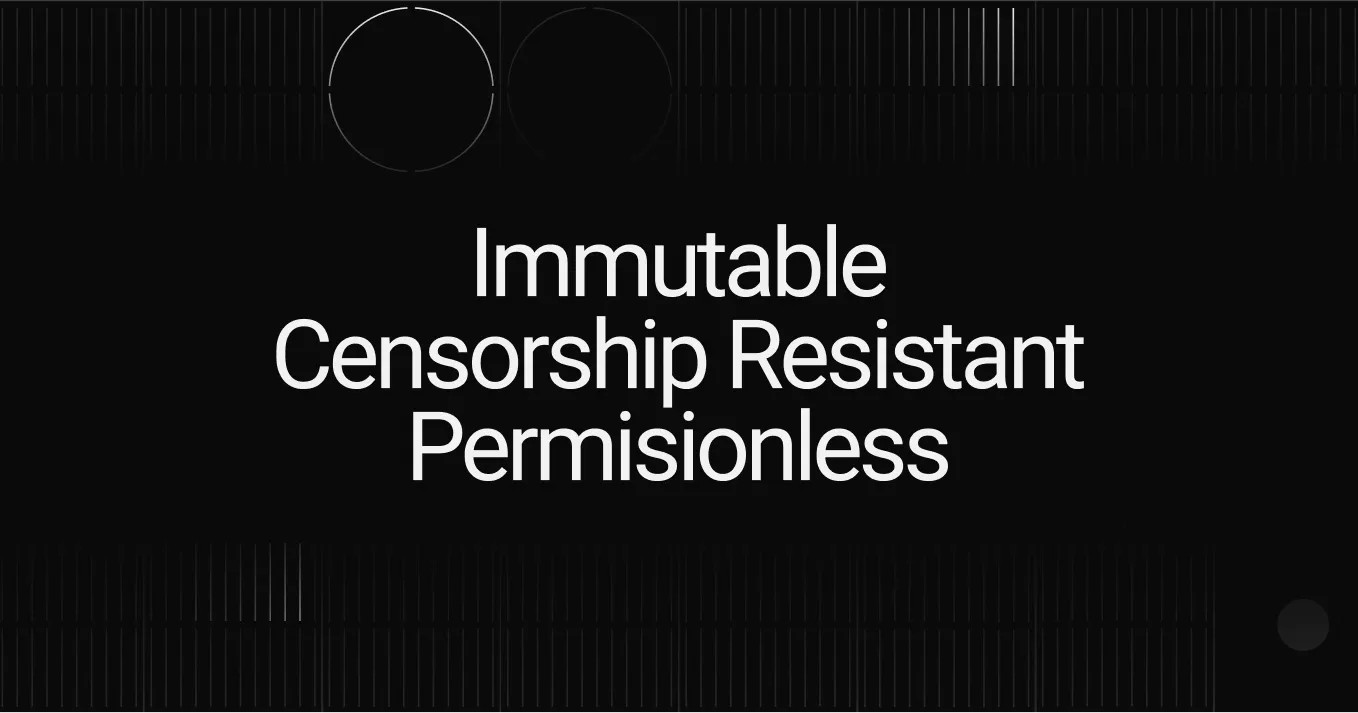
  • 不可篡改性(Immutability):一旦写入账本,永不更改;

  • 抗审查性(Censorship Resistance):任何人都不能阻止你交易;

  • 无需许可性(Permissionless):人人天然拥有使用权,无需批准。

这三大原则,并非写在白皮书上供人传阅的道德宣言,它们被编码进协议,被验证在运行,被信奉成共识,最终被升华成了一种抵抗权力干预的精神灯塔。

所以对于许多比特币信徒而言,去中心化早已不是某种工程机制,而是值得用波动换取、为自由放弃便利、甚至愿意冒存亡风险守护的信念。

他们相信:

一套不被任何人控制的账本,比一个谁都说得通的妥协世界更值得信任。

但问题也恰恰在这里。

因为一旦你承认「某些情况例外」,比如冻结一个高危地址、修改一段历史记录、配合一次监管需求,那么比特币的神圣不可侵犯,就从「绝对规则」变成了「共识协商」。

也就是说,去中心化就不再是信仰,而只是一种「策略」。

而量子计算机的到来,正是这个信仰系统的第一场真实考验。

它不是在挑战技术,而是在挑战人心: 当系统真的面临生死时,你是否还愿意选择不干预?

这不再是关于节点如何同步,而是关于人类能否在危机中,依然坚守「不可触碰」的底线。

2. 量子计算机,引发信仰危机?

比特币的信仰,不只是「共识」二字那么抽象。它的安全性,扎根于现实世界中最稳固的基石之一——密码学。

比特币用的是椭圆曲线加密算法(ECDSA)。该算法的安全基础是「椭圆曲线离散对数问题」,即:

已知公钥,推导私钥几乎不可能完成——至少,在经典计算机上确实如此。

然而,量子计算改变了这场游戏。

1994 年,数学家 Peter Shor 提出了一种量子算法(Shor 算法),能在量子计算机上高效求解大数分解与离散对数问题。这意味着,一旦量子比特(qubit)数量与稳定性达到阈值,现有的 ECDSA 安全机制将被完全瓦解。

据麻省理工学院与谷歌联合团队的研究,破解一个 256 位比特币地址,理论上需要约 2330 个稳定的逻辑量子比特和数百万次门操作【来源:Google AI Quantum + Nature, https://www.nature.com/articles/s41586-019-1666-5】。

传统计算机需要上亿年才能穷举出来的私钥,量子计算机理论上可以在几小时甚至几分钟内破解。

这不是危言耸听。早在 2019 年,Google 就曾宣布实现「量子霸权」——一台 53 量子比特的量子计算机,完成了超级计算机需要上万年才能处理的任务。IBM、英特尔、阿里巴巴也都在竞赛这条量子轨道。保守预测认为,2040 年前,拥有上千量子比特的量子计算机将面世。

到那时,加密世界所有依赖现有非对称加密算法的系统——包括比特币、以太坊、甚至整个互联网的 HTTPS 加密协议——都将面临大规模失效的风险。

这不再是「技术更新」的问题,而是对一整套秩序的挑战。

截至 2024 年底:

  • IBM 宣布其最新量子芯片 Condor 达到 1121 个量子比特,虽未完全容错,但已接近千位门槛【来源:IBM Quantum Roadmap, https://www.ibm.com/quantum/roadmap】。

  • 美国国家标准与技术研究院(NIST)紧急推进「后量子密码算法」标准选拔计划,明确指出 ECDSA 将在未来十年内面临「可预期风险」【来源:NIST PQC Project, https://csrc.nist.gov/Projects/post-quantum-cryptography】。

在这样的背景下,比特币所面临的风险,已经从遥远的「理论威胁」,正式迈入了「战略防御阶段」。

而系统中最脆弱、也是最敏感的部分,正是那批从未移动过的早期比特币——也就是我们熟知的 Patoshi 区块 所属地址。
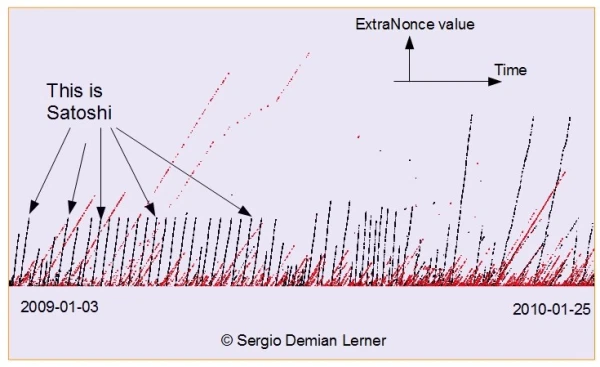
所谓 Patoshi 区块,是指区块链分析专家根据挖矿行为模式识别出的疑似由中本聪在比特币早期亲自开采的一系列区块。

这些区块的特征包括:固定的时间间隔、高度一致的 Nonce 分布,以及独特的「ExtraNonce」增长规律。根据这些链上痕迹,研究者推测,控制这些区块的矿工账户极有可能属于中本聪本人。

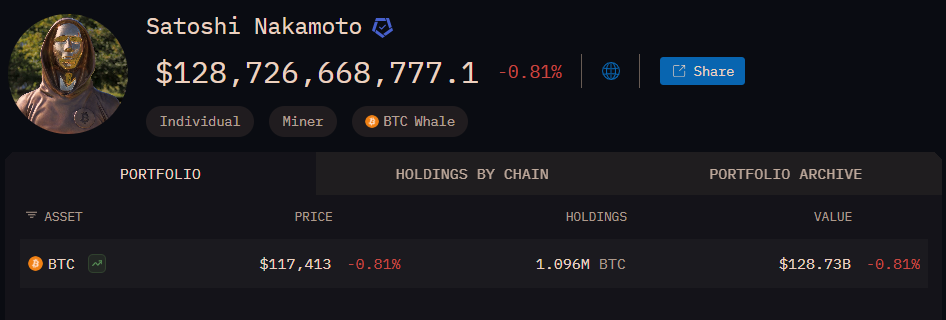
Patoshi 区块共计约挖出了 109.6 万枚比特币,自诞生以来从未被移动,也没有任何花费记录,成为比特币世界中最神秘、也最敏感的「沉默资产」。它们的安全状态,直接关乎比特币信仰的象征与系统的潜在脆弱点。

相比通过软硬分叉实现的抗量子代码升级,这 109.6 万枚中本聪比特币才是真正可能引发社区分裂的导火索。
3. 如何处理中本聪比特币,将引发价值观冲突?

那么,为什么这些中本聪比特币如此危险?

因为它们采用的是极早期的 Pay-to-PubKey(P2PK) 脚本格式,其公钥早已明文暴露在链上。这意味着:

  • 攻击者只要通过公钥就可以破解出私钥,从而直接转移资产。

  • 这种攻击方式,正是量子计算最擅长的。

根据链上追踪数据显示,这批地址累计持有约 109.6 万枚 BTC。如果这些资产一旦被攻破并抛售,市场将面临超过 1200 多亿美元 的冲击,后果不堪设想。
因此,关于是否应「预处理」这批中本聪比特币的讨论,正逐渐从边缘话题,变成不得不直面的现实命题。一场围绕「中本聪币应否处理」的大讨论正在社区持续升温,而目前主要有三种声音:

3.1 第一种声音:「动不得」——比特币的账本绝不可碰

这是比特币社区中最古老、最根正苗红的声音。 他们主张:哪怕这批币真的被盗、真的砸盘、真的动摇信心,也绝不能开启「人为干预账本」的先例。

为什么?因为一旦你动过一次,就会动第二次、第三次。这不再是一个单一事件,而是一个「权限」的开端——谁来定义什么是「合理干预」?是 Core 开发者?是矿工?是某个国家或法院?

正如 Bitcoin Core 开发者 Matt Corallo 曾多次公开表示:

只要你动过一次账本,那它就不是比特币了。

他们认为,去中心化的意义正是:即使系统要爆炸,也不能让某人来按暂停键。

这是一种「让信仰大于风险」的坚持。但问题也在这里——如果这不是一种政治正确的自我催眠,它就必须做好「看着比特币被黑客洗劫」的心理准备。

3.2 第二种声音:「要动,但必须有限度、极其慎重」

这一派不轻易动手,但他们并不认为「不动」是神圣。他们强调的是现实主义:

「如果我们能通过共识,阻止一场即将到来的核爆式抛压,为什么不做?」

他们提出的具体方案,往往包括以下几个要素:

  • 通过软分叉实现锁定机制,比如只对某几个特定的 P2PK 地址设置 spendability 限制;

  • 冻结并非永久,而是延迟激活:如设置 10 年冷却期,在期间内持币人可以通过后量子签名「证明自己」以赎回;

  • 全社区共识投票机制:不由某个团队说了算,而是由矿工、节点、开发者与用户集体参与决策。

这种路径听起来更理性,也有前例可循。
例如,BIP-119(OP_CHECKTEMPLATEVERIFY)就是一种提案工具,可用于实现复杂锁仓脚本结构。尽管最初设计用于批量支付和费用优化,但也有开发者提出可以将其用于限制特定 UTXO 的支出权限,从而「冻结」某些地址【来源:Bitcoin Optech Newsletter, https://bitcoinops.org/en/topics/op_checktemplateverify/】。

他们强调这不是「中心化干预」,而是一次技术性的、社区达成广泛共识的「系统自卫机制」。

但问题在于:即便共识再高,一旦账本可以改,信任就不是「自动」的,而是「协商的」。

3.3 第三种声音:「别冻,别改,别谈判——让它自然死亡」

还有一派主张:「我们什么都不用做。」

这不是放弃,而是一种技术主义的冷静。他们认为:与其去制造伦理麻烦,不如通过协议升级,引导用户迁移到量子安全地址,从而让这些高风险的旧地址「自然失活」。

怎么做?

  • 鼓励用户将旧地址的资产迁移到支持后量子签名的 P2TR(Taproot)或未来的 XMSS/LMS 地址;

  • 用经济激励机制(如手续费优惠)诱导链上「安全升级」;

  • 在系统层面不冻结任何地址,但也不认可非后量子签名对某些关键路径的控制权。

这种方式的好处是不伤共识、不动账本、不惹争议,但代价是极其缓慢,且对中本聪那批「裸币」毫无作用——因为这些币根本没人能「迁移」它们。

换句话说,这种方案是对未来负责,但对「那一颗炸弹」无能为力。

3.4 小结

目前,没有任何一种方案能够完全避免争议。 每一种路径都是一次价值排序:你是更在乎不变的规则,还是更在乎现实的安全?

有人说,比特币是一座神庙,不该因为危险就把神像搬出去; 也有人说,比特币是一艘航船,如果你知道船底有炸药,那就应该立刻处理。

但这一次,不再是代码可以自动解决的问题。 它是一次社区集体意志的试炼,一次关于「权力与原则」的终极投票。

而它的真正问题是:

我们真的准备好面对比特币不是「不能动」,而是「能动但选择不动」的未来了吗?

很显然,这是又一次价值观冲突。
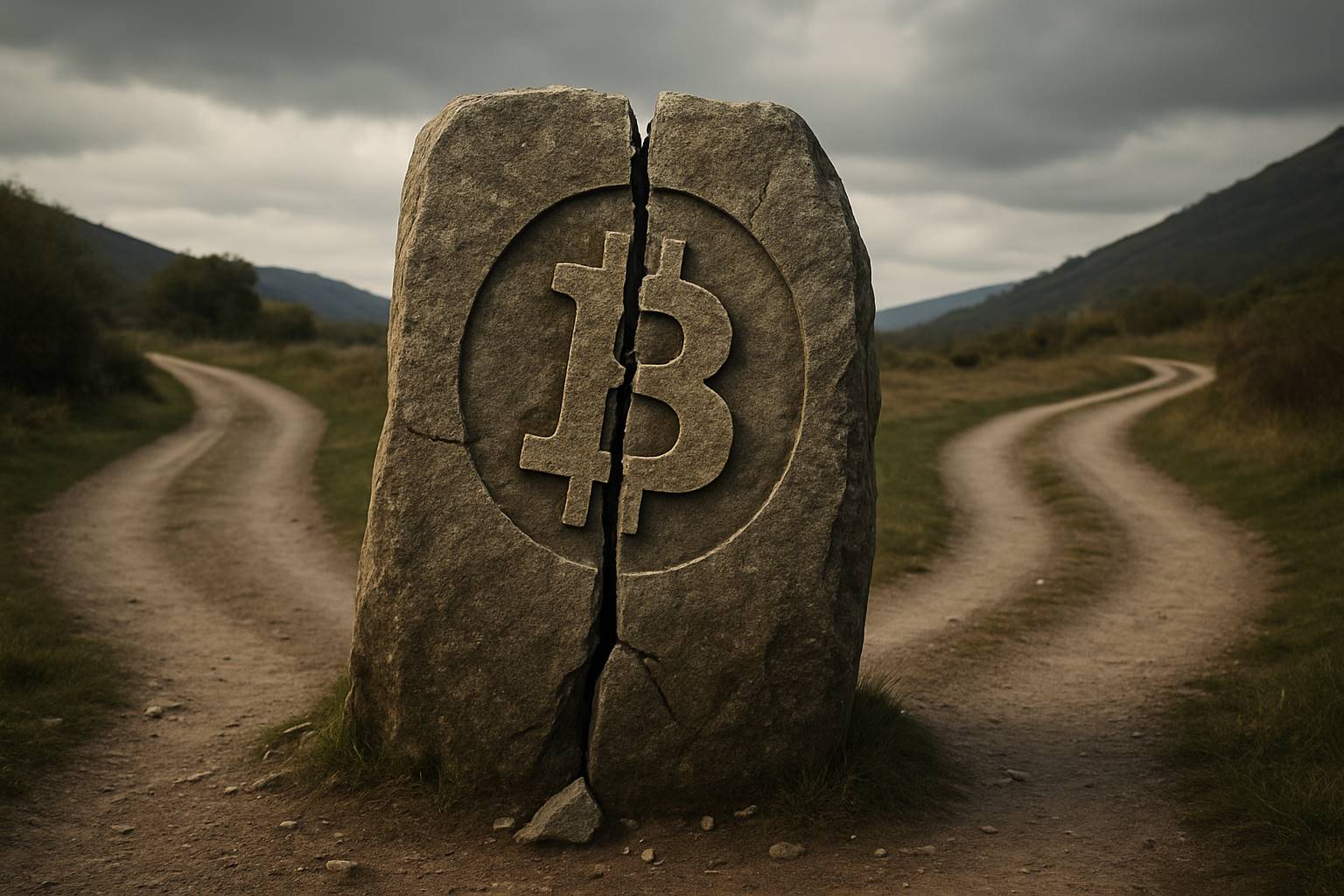
4. 价值观,不容谈判?

每一次比特币面临危机,表面上看是代码、参数或地址的技术分歧,但本质上,几乎都指向同一个深层问题:

我们心中那个「什么是比特币」的定义,还能统一吗?

这一次也不例外。

你以为社区争论的是是否冻结中本聪的比特币,是否该为了防止被盗而进行干预,其实大家争的,是一件更难统一的东西——价值排序的优先级。

而这并不是比特币第一次遭遇这样的「信仰裂谷」。

时间回到 2017 年,比特币曾因「扩容」问题陷入内战。

  • 一派主张坚持 1MB 区块上限,强调去中心化与节点可运行性;

  • 另一派主张提升区块大小,提高 TPS,让比特币更像「全球支付网络」。

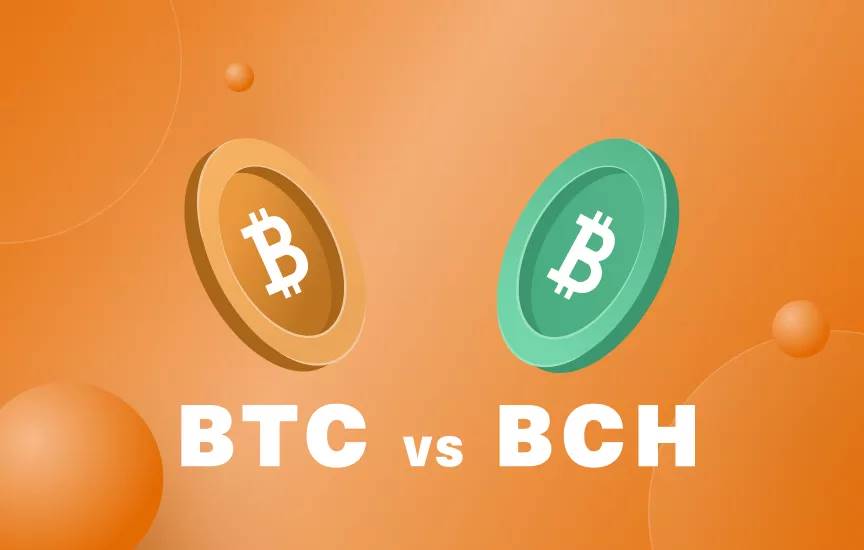
这场争论最终以硬分叉收场,诞生了 Bitcoin Cash(BCH)。而历史的走向也很清楚:BTC 坚守「简洁账本」的底线,至今依然是全球市值最高的加密资产;而 BCH 虽未沉没,却始终处在主流叙事之外。
这说明什么?

比特币的技术可以升级,路线可以争论,但共识不能轻易撕裂。一旦撕裂,它的代价不是「换个链用用」,而是整个信仰体系的重构。

而相比 2017 年的「区块之争」,如今围绕「是否干预中本聪地址」的分歧,只会更加剧烈。

  • 那次争论的是「交易效率」,这次讨论的是「账本能否改写」;

  • 那次分歧在于「应用定位」,这次撕裂的是「去中心化治理的边界」;

  • 那次争议落点是「如何做更好的比特币」,这次则关乎「什么还能叫比特币」。

一些支持主动干预的声音认为,是时候像以太坊一样,让比特币具备一定的「治理弹性」了,不能再做一个「旁观者式的系统」。但反对者的质疑也同样犀利:

「如果我们也开始修改历史、冻结地址、过滤交易,那我们和以太坊还有什么本质区别?」

这不是一句情绪化的指责,而是一记警钟。

一旦你为「特殊情况」开了口子,逻辑的堤坝就会开始崩塌:

  • 你可以冻结中本聪币;

  • 你也可能冻结遭美国制裁的地址(如 Tornado Cash);

  • 然后你可能配合监管设定某种「交易白名单」机制……

这一路走下去,正是比特币花了十四年拒绝走的那条路。

而如果这场关于「是否动手」的分歧,无法取得压倒性共识,最终的结局很可能是——又一次硬分叉。

千万别误解,比特币协议虽然强韧,但并不「不可分裂」。

任何一个人、一个组织、一个矿池,只要愿意 fork 源代码、修改规则、启动新区块链,都能创造一条「另一个比特币」。

过去十年里,这样的尝试比比皆是,从 Bitcoin XT 到 Bitcoin Gold,再到 Bitcoin SV,其中绝大多数最终沉没无声。

但如果这一次分裂的核心,不是技术参数,而是对「治理权边界」的理解,那这条分叉链,很可能不只是临时的「测试链」,而是另一种「新共识」的启程。

到那时,BTC 也许仍然是 BTC,但它不再是当初那个所有人都能达成最低共识的「数字黄金」。

它可能变成两个比特币:

  • 一个守着「纯净账本」,哪怕被动挨炸,也拒绝动用权限;

  • 一个主张「理性干预」,为了系统安全愿意有限修改历史。

而你,作为这个系统中的一员,也终将不得不选择:

你相信的是「规则至上」?还是「灵活生存」?

结语

量子威胁把中本聪的 109.6 万枚比特币推向聚光灯中心,但这并不意味着「末日倒计时」。即便它们最终被破解,最直接的后果也只是一次突发的供给冲击——价格或许会剧烈波动,却不足以摧毁整个系统。

比特币早已历经 Mt.Gox 崩盘、3AC 清算、FTX 灾难,每一次看似「瀑布」的瞬间,最终都被市场吸收、筑底、重构新高。新增筹码终将落入长期信仰者之手,链上费用与算力在剧烈波动中再定价。

量子风暴或许掀起巨浪,但真正掌舵航程的,是共识的韧性与方向。

量子冲击不是终结,而是放大镜。

它放大恐慌,也放大信心;放大技术脆弱,也放大集体智慧。

最终,比特币会用实战告诉世界:

信仰并不脆弱,只是需要一次次危机,来证明它值得被守护。

Trending Cryptos

Related Reads

Report Interpretation: J.P. Morgan Details Micron's Pre-Earnings Sentiment, Current Hardware Sector Dynamics

Morgan Stanley analyst Joshua Meyers' report (June 21, 2026) highlights key trends in the hardware and semiconductor sector ahead of Micron's earnings. The core takeaways are: 1. **Micron & Memory:** Memory remains a high-conviction long theme, driven by strong AI demand and rising ASPs. However, investor focus is shifting to the sustainability of Micron's >80% gross margins and the specifics of potential new long-term supply agreements (SCAs). 2. **Hardware Supply Chain:** AI-related demand for servers, networking, and storage remains robust, but company performance is diverging. Celestica (CLS) shows improved margin confidence, Western Digital and Seagate benefit from pricing, Fabrinet (FN) sees predictable AI optics growth, and Teradyne (TER) anticipates a new Google customer. 3. **AI Capex & WFE Forecasts:** JPMorgan increased its Wafer Fab Equipment (WFE) market growth forecasts to 28% in 2026 and 29% in 2027. AI infrastructure financing is evolving, with higher project-level debt reducing constraints on capex expansion. The report signals that while the AI-driven hardware cycle is strong, the market is entering a phase focused on execution verification (e.g., Micron's SCA details, Fabrinet's ramp with Amazon) and valuation sustainability. Key near-term signals include Micron's guidance, Arista Networks' outlook, and the pace of demand normalization post potential tariff-related pull-ins.

marsbit8h ago

Report Interpretation: J.P. Morgan Details Micron's Pre-Earnings Sentiment, Current Hardware Sector Dynamics

marsbit8h ago

Research Report Analysis: The Fed's New Chair's Debut – New Leader, But Same Script?

Report Analysis: Federal Reserve's New Chair Debut – A New Captain, But the Same Script? Morgan Stanley's chief global economist Seth B. Carpenter analyzes the first FOMC meeting under new Fed Chair Kevin Warsh in a June 21 report. Warsh deliberately avoided providing forward guidance on interest rates, aligning with his philosophy. However, market expectations for a rate hike this year were reinforced. Key signals lie elsewhere: inflation may fall more than expected, and quantitative tightening (QT) could be more aggressive than anticipated. The FOMC's "dot plot" suggests only one rate hike in 2026. Carpenter argues that if inflation undershoots forecasts, the logic for even a single hike weakens, especially as projections indicate potential rate cuts in 2027. On QT, Warsh's stance is clear. Carpenter notes that measures like halving the Treasury's account balance could shrink the Fed's balance sheet by around $500 billion with minimal market impact. Combined with adjustments to reserve interest and liquidity rules, the ultimate QT scale may exceed expectations, though its market effect might be less disruptive unless the Fed actively sells Mortgage-Backed Securities (MBS). While Warsh initiated a review of the Fed's policy framework, the 2% inflation target remains intact for now. The report concludes that the market may be overestimating the significance of reduced forward guidance and the near-term rate hike risk, while potentially underestimating the scope and manageable nature of the coming balance sheet reduction. The key debates will hinge on upcoming core PCE data, the specifics of the QT path, and the framework review's findings.

marsbit8h ago

Research Report Analysis: The Fed's New Chair's Debut – New Leader, But Same Script?

marsbit8h ago

Critical Game Week: BTC Retracement Confirmation vs. HYPE Support Battle | Guest Analysis

This weekly analysis outlines a critical juncture for BTC and HYPE markets, focusing on key price level confirmations. **BTC Analysis:** BTC is at a pivotal point after a five-wave rally from the June 5th low of $59,100. The price has broken below a short-term rising channel's lower boundary, with the current move seen as a pullback to test this breakdown. Failure to reclaim this level could lead to a retest of the $59,000-$60,000 support zone. The core scenario hinges on this channel retest outcome. * **Key Levels:** Resistance at $64,500-$65,000 (channel boundary) and $69,500-$70,500. Support at $59,000-$60,000 and $55,000. * **Strategy:** A core bearish stance is maintained (20% short from last week), with short-term plans for tactical trades. Three detailed contingency plans (A/B/C) are provided for short positions on resistance tests or breakdowns, emphasizing strict stop-loss discipline. **HYPE Analysis:** HYPE shows strong momentum but is currently in a corrective phase after hitting a new high of $76.94. The price is retesting the crucial $64-$66 support area. * **Key Levels:** Resistance near $77 and $80-$82. Support at $64-$66 and $52-$54. * **Strategy:** The short-term approach is "buy on dips, avoid chasing rallies." A long position is considered only if clear stabilization signals appear at the $64-$66 or deeper $52-$54 support zones, with tight risk controls. **General Risk Management:** A standardized trailing stop-loss protocol is emphasized: set initial stop, breakeven at +1% profit, then trail stops upward to lock in gains. *Disclaimer: All analysis is presented as a personal trading framework, not investment advice. Market conditions are complex and require dynamic adjustment.*

marsbit8h ago

Critical Game Week: BTC Retracement Confirmation vs. HYPE Support Battle | Guest Analysis

marsbit8h ago

Trading

Spot
Futures

Hot Articles

What is $BITCOIN

DIGITAL GOLD ($BITCOIN): A Comprehensive Analysis Introduction to DIGITAL GOLD ($BITCOIN) DIGITAL GOLD ($BITCOIN) is a blockchain-based project operating on the Solana network, which aims to combine the characteristics of traditional precious metals with the innovation of decentralized technologies. While it shares a name with Bitcoin, often referred to as “digital gold” due to its perception as a store of value, DIGITAL GOLD is a separate token designed to create a unique ecosystem within the Web3 landscape. Its goal is to position itself as a viable alternative digital asset, although specifics regarding its applications and functionalities are still developing. What is DIGITAL GOLD ($BITCOIN)? DIGITAL GOLD ($BITCOIN) is a cryptocurrency token explicitly designed for use on the Solana blockchain. In contrast to Bitcoin, which provides a widely recognized value storage role, this token appears to focus on broader applications and characteristics. Notable aspects include: Blockchain Infrastructure: The token is built on the Solana blockchain, known for its capacity to handle high-speed and low-cost transactions. Supply Dynamics: DIGITAL GOLD has a maximum supply capped at 100 quadrillion tokens (100P $BITCOIN), although details regarding its circulating supply are currently undisclosed. Utility: While precise functionalities are not explicitly outlined, there are indications that the token could be utilized for various applications, potentially involving decentralized applications (dApps) or asset tokenization strategies. Who is the Creator of DIGITAL GOLD ($BITCOIN)? At present, the identity of the creators and development team behind DIGITAL GOLD ($BITCOIN) remains unknown. This situation is typical among many innovative projects within the blockchain space, particularly those aligning with decentralized finance and meme coin phenomena. While such anonymity may foster a community-driven culture, it intensifies concerns about governance and accountability. Who are the Investors of DIGITAL GOLD ($BITCOIN)? The available information indicates that DIGITAL GOLD ($BITCOIN) does not have any known institutional backers or prominent venture capital investments. The project seems to operate on a peer-to-peer model focused on community support and adoption rather than traditional funding routes. Its activity and liquidity are primarily situated on decentralized exchanges (DEXs), such as PumpSwap, rather than established centralized trading platforms, further highlighting its grassroots approach. How DIGITAL GOLD ($BITCOIN) Works The operational mechanics of DIGITAL GOLD ($BITCOIN) can be elaborated on based on its blockchain design and network attributes: Consensus Mechanism: By leveraging Solana’s unique proof-of-history (PoH) combined with a proof-of-stake (PoS) model, the project ensures efficient transaction validation contributing to the network's high performance. Tokenomics: While specific deflationary mechanisms have not been extensively detailed, the vast maximum token supply implies that it may cater to microtransactions or niche use cases that are still to be defined. Interoperability: There exists the potential for integration with Solana’s broader ecosystem, including various decentralized finance (DeFi) platforms. However, the details regarding specific integrations remain unspecified. Timeline of Key Events Here is a timeline that highlights significant milestones concerning DIGITAL GOLD ($BITCOIN): 2023: The initial deployment of the token occurs on the Solana blockchain, marked by its contract address. 2024: DIGITAL GOLD gains visibility as it becomes available for trading on decentralized exchanges like PumpSwap, allowing users to trade it against SOL. 2025: The project witnesses sporadic trading activity and potential interest in community-led engagements, although no noteworthy partnerships or technical advancements have been documented as of yet. Critical Analysis Strengths Scalability: The underlying Solana infrastructure supports high transaction volumes, which could enhance the utility of $BITCOIN in various transaction scenarios. Accessibility: The potential low trading price per token could attract retail investors, facilitating wider participation due to fractional ownership opportunities. Risks Lack of Transparency: The absence of publicly known backers, developers, or an audit process may yield skepticism regarding the project's sustainability and trustworthiness. Market Volatility: The trading activity is heavily reliant on speculative behavior, which can result in significant price volatility and uncertainty for investors. Conclusion DIGITAL GOLD ($BITCOIN) emerges as an intriguing yet ambiguous project within the rapidly evolving Solana ecosystem. While it attempts to leverage the “digital gold” narrative, its departure from Bitcoin's established role as a store of value underscores the need for a clearer differentiation of its intended utility and governance structure. Future acceptance and adoption will likely depend on addressing the current opacity and defining its operational and economic strategies more explicitly. Note: This report encompasses synthesised information available as of October 2023, and developments may have transpired beyond the research period.

428 Total ViewsPublished 2025.05.13Updated 2025.05.13

What is $BITCOIN

Discussions

Welcome to the HTX Community. Here, you can stay informed about the latest platform developments and gain access to professional market insights. Users' opinions on the price of BTC (BTC) are presented below.

活动图片