当政府成为“加密巨鲸”——英国欲抛售比特币

marsbitPublished on 2025-07-20Last updated on 2025-07-21

一场意外之财,一桩棘手难题

在伦敦西敏宫的走廊里,一场关于国家财政未来的严肃讨论,正被一个出人意料的数字资产搅动。英国财政大臣雷切尔·里夫斯(Rachel Reeves)正面临着一个高达200亿英镑的财政缺口,而一笔价值超过54亿英镑(约70亿美元)的罚没比特币,如同一条沉睡的巨龙,突然闯入了她的视野。据《每日电讯报》报道,英国内政部正与警方合作,计划出售这批巨额加密资产,以解燃眉之急。

这并非简单的资产变现。这批比特币的出现,将英国政府推到了一个历史性的十字路口。一方面,将这笔“意外之财”注入国库,似乎是应对当前经济困境最直接有效的手段。但另一方面,此举也暴露出一个深刻的政策矛盾。就在不久前,里夫斯还公开表示,要通过“稳健的规则”来“增强投资者信心”,致力于将英国打造成全球金融科技与创新的高地。大规模抛售加密世界的基石资产——比特币,无疑会向市场传递一个混乱甚至负面的信号,让那些被吸引到泰晤士河畔的创新企业对英国政府的长期承诺产生疑虑。这种将罚没加密资产视为弥补预算的常规工具的倾向,标志着一个重要的认知转变:加密货币正从执法部门的证物,悄然演变为国家财政资产负债表上一个不可忽视的、尽管充满变数的组成部分。

英国史上最大比特币案的离奇源起

这笔巨额财富的故事,并非始于冰冷的服务器或复杂的代码,而是源自一个伦敦东南角的中餐外卖店。故事的主角之一,简雯(Jian Wen),曾在这里过着朴素的生活,年申报收入不足6000英镑。2017年,她的命运因结识另一位化名为“Yadi Zhang”的神秘女子而彻底改变。这位女子的真实身份是钱志敏(Zhimin Qian),一名在中国策划了涉案金额高达50亿英镑、诈骗了近13万名投资者的庞氏骗局主犯,她携带着巨额赃款潜逃至英国。

钱志敏将骗局所得兑换成比特币,并雇佣简雯作为其“门面”,负责将这些数字资产洗白为现实世界中的奢华生活。简雯的生活轨迹也因此发生了戏剧性的转变:从外卖店楼下的房间搬进了月租1.7万英镑的汉普斯特德豪宅,在哈罗德百货一掷千金,并试图以比特币为支付手段,购买价值数千万英镑的伦敦顶级房产。正是这些无法解释来源的巨额财富,最终引起了警方的注意。2018年,警方突袭了她们的住所,但直到2021年,调查人员才完全厘清线索,发现了藏匿于多个数字钱包中的超过61,000枚比特币,成就了英国历史上最大规模的加密货币扣押案。

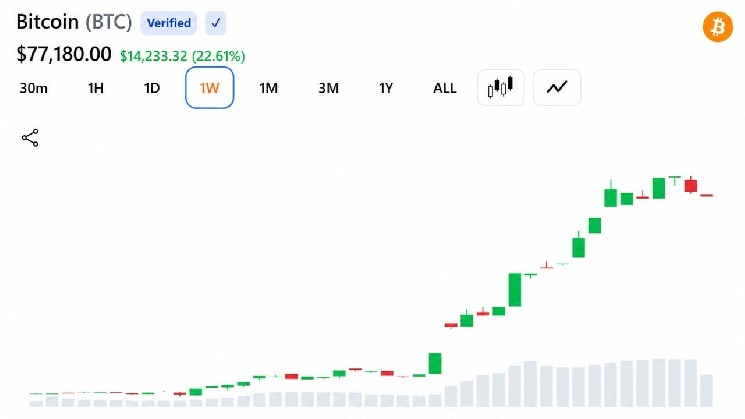
然而,这笔资产的归属权远比其发现过程更为复杂。那近13万名中国投资者作为最初的受害者,已明确要求归还属于他们的资金。英国皇家检察署(CPS)则代表国家,向高等法院申请保留这批比特币,计划将其变现后划归财政部。这起案件的核心争议由此产生:资产自扣押以来增值了超过20倍,从最初的约3亿英镑飙升至54亿英镑。这笔巨大的增值收益,究竟应该归还给最初的受害者,还是应被视为英国的国有财产?这个问题的答案,不仅考验着英国的《犯罪收益法》(POCA),更将为全球范围内处理类似高波动性罚没资产的受害者补偿问题,树立一个关键的法律判例。


一份无人问津的4000万英镑合约

在公众目光聚焦于这笔财富的最终归属时,一个更为现实且紧迫的问题已在英国政府内部发酵:如何安全地保管和出售这批数字黄金?为了解决这一难题,内政部通过警方采购公司BlueLight Commercial,发布了一份价值高达4000万英镑(约5370万美元)的“加密货币存储和变现框架”招标合同。该合同要求单一供应商提供为期至少四年、可延长至八年的端到端软件即服务(SaaS)托管和交易解决方案。

然而,这份看似诱人的合同却在2025年7月8日被悄然终止,原因是“没有收到可接受的投标”。这一失败揭示了政府在理解和进入专业化数字资产领域时所面临的巨大鸿沟。问题的核心在于合同的支付模式:供应商需以“纯佣金”模式运作,其报酬完全基于资产最终“变现”(即出售)时的价值。对于任何一家专业的、受监管的加密货币托管机构而言,这是一个无法接受的条款。

机构级托管服务,如Coinbase Custody或Anchorage Digital所提供的,是一项涉及高昂前期投入和持续运营成本的业务,涵盖了尖端的安全技术(如冷存储、多方计算)、严格的合规流程和巨额的保险费用。这些服务的收费模式通常是基于资产管理规模(AUC)的年费和固定的操作费用,以确保收入的稳定性来覆盖其高昂的风险和成本。而英国政府的招标方案,却要求托管方在可能长达三到四年的法律诉讼期间,无偿承担所有的安全、运营和保险风险,寄望于未来某个不确定的时间点,在一个价格波动剧烈的市场上获得一笔不确定的佣金。这种将自身风险完全转嫁给服务商的模式,暴露了政府对该领域商业逻辑的根本性误解。招标的失败并非市场能力的缺失,而是采购设计的缺陷。这也使英国政府陷入了一个尴尬且危险的境地:在没有专业第三方托管的情况下,它自己成为了一个价值70亿美元的、全球瞩目的黑客攻击目标的实际保管人,这无疑构成了一项严峻的国家安全挑战。


主权者的困境:来自华盛顿、柏林与赫尔辛基的镜鉴

英国政府面临的“卖”与“不卖”的抉择,并非孤例。在全球范围内,各国政府正以截然不同的方式,摸索如何处理其日益增长的加密资产。这些不同的路径选择,为我们理解这场正在上演的主权博弈提供了宝贵的参照。

德国联邦刑事警察局(BKA)近期处理了从一个盗版电影网站缴获的约50,000枚比特币。他们采取了审慎的“分批清算”策略,通过Kraken、Coinbase等多家交易所,在数周内逐步卖出,以避免对市场造成剧烈冲击。尽管操作专业,但时机却不尽人意。德国政府在比特币价格大幅反弹前完成了抛售,据估算,其错失的潜在收益高达16亿美元。芬兰海关在出售其罚没的比特币时也遭遇了类似的“踏空”窘境,其出售所得远低于市场高峰期时资产的潜在价值。

这些案例揭示了一个普遍现象:政府机构作为市场参与者,往往是糟糕的“择时者”。其决策流程受制于财政周期、官僚程序和风险规避的本能,而非投资回报最大化。它们倾向于将高波动的加密资产尽快兑换为稳定的法定货币,这种系统性的行为模式几乎注定了价值的折损。美国法警署(U.S. Marshals Service)早年通过拍卖方式处理“丝绸之路”案缴获的比特币,更是为此付出了超过185亿美元的“机会成本”。

然而,华盛顿的策略正在发生根本性的转变。2025年3月,美国政府发布行政命令,正式成立“战略比特币储备”(Strategic Bitcoin Reserve),规定未来罚没的比特币将被持有而非出售,将其定位为国家战略资产。这一举动意义深远,它不再将比特币仅仅视为犯罪所得,而是将其提升到与黄金、战略石油储备相提并论的地位。这一政策的转变,是对过去“低卖高买”模式的修正,更是对未来全球金融格局的一种战略布局。

 UK Home Office


当政府成为“巨鲸”:61,000枚比特币的市场冲击波

一旦英国政府解决了其技术和法律难题,决定将61,000枚比特币推向市场,其影响将远不止于资产负债表上的数字变化。政府,作为一种特殊的“加密巨鲸”,其一举一动都受到市场的密切关注,并可能引发连锁反应。

尽管61,000枚比特币的数量巨大,但对于当前日交易量动辄数百亿美元、且有大量现货ETF持续吸纳供给的成熟市场而言,技术上完全有能力消化这批卖单。德国的经验也表明,只要采用得当的清算方式,例如通过OTC大宗交易平台直接出售给机构买家,或在交易所进行审慎的、分阶段的抛售,就可以将直接的价格冲击降至最低。

然而,真正的冲击力并非来自供给本身,而是来自这一行为所释放的“信号”。加密市场是一个由叙事驱动的市场。一个主要西方经济体的政府,选择清仓其持有的全部比特币,这是一个极具分量的看空叙事。市场参与者可能会将其解读为英国对数字资产长远价值缺乏信心,甚至是对其监管前景的悲观预示。这与美国建立战略储备所传递的积极信号形成了鲜明对比。

因此,英国的这次抛售,将成为检验当前比特币市场成熟度的关键时刻。如果在大量机构需求和ETF资金流入的背景下,市场能够平稳有序地吸收这批抛售,而未引发灾难性的价格崩盘,那反而会成为一个强有力的看涨信号。它将向世界证明,比特币市场的深度和韧性已经超越了任何单一实体(即便是主权国家)的影响力范围,标志着其作为一种全球性宏观资产的地位得到了进一步巩固。


新的“大博弈”:国家资产负债表上的比特币

最终,英国如何处置这批价值54亿英镑的比特币,已不再是一个单纯的国内财政或司法问题。它已成为一场全球性的、关于未来货币与权力格局的“大博弈”(The New Great Game)中的一个关键落子。这场博弈的核心,在于“内部货币”(Inside Money,如英镑、美元等由主权国家控制的法定货币)与“外部货币”(Outside Money,如黄金、比特币等独立于任何单一主权实体之外的资产)之间的张力。

长期以来,美元凭借其“嚣张的特权”(exorbitant privilege)主导着全球金融体系,但这也使其日益成为地缘政治的工具,促使其他国家寻求替代方案以维护自身金融主权。在这一背景下,比特币作为一种全球化、去中心化、供给量恒定的价值存储媒介,正被一些国家视为一种潜在的战略选择。美国的“战略比特币储备”计划,可以被解读为一种高明的防御性策略:通过将比特币纳入自身体系,既能对冲传统法币体系的风险,又能防止其成为挑战美元霸权的工具。

这为其他国家制造了一种经典的“囚徒困境”:率先将比特币纳入国家储备的国家,如果赌对方向,将获得巨大的先发优势;但随着越来越多的国家加入,后来者的战略价值和潜在收益将递减,不参与的风险则相应增加。

在这样的宏大叙事下,英国选择出售比特币以换取英镑,本质上是一种战略抉择。它代表着对现有法币体系的全然信任,以及对一种新兴全球资产类别的潜在战略价值的放弃。这是一种着眼于当下、解决短期问题的保守策略,是将一种稀缺的、全球性的“外部资产”兑换为一种可无限增发的、区域性的“内部资产”。

历史将会铭记这一刻。如果未来比特币在全球金融体系中的地位继续提升,英国今天的决定,可能会被视为继戈登·布朗在世纪之交以低价抛售英国黄金储备之后,又一次短视的财政操作。无论结果如何,伦敦处理这批天降横财的方式,都将为全世界的政策制定者、投资者和技术专家提供一个宝贵的、或许是代价高昂的案例研究——关于一个传统强国,如何在一个由代码和共识构建的新世界里,做出自己的选择。


Trending Cryptos

Related Reads

A Threefold Performance Leap! NEAR Achieves 200ms Physical Block Time Limit with SPICE

NEAR's core development team, Near One, has announced its next major protocol evolution: SPICE (Separation of Consensus and Execution). Currently in development, SPICE represents the most significant upgrade before the full implementation of Nightshade 3.0. Its core innovation is decoupling the consensus layer, responsible for ordering transactions, from the execution layer, which processes them. This allows the consensus layer to run at full speed without waiting for transaction execution to complete. Once deployed, SPICE is projected to triple NEAR's block production speed, achieving a 200ms block time, which is considered the physical limit due to the speed of light and network latency. This leap will dramatically reduce transaction latency and finality, with transactions confirming in roughly 0.4 seconds—faster than a typical card payment. The upgrade also enables more complex, long-running transactions and significantly improves user experience for applications like NEAR Intents and near.com. Beyond raw speed, SPICE enhances network scalability and security. It enables deeper parallelism, efficiently distributing workload across shards and improving resource utilization. The simpler block structure and lighter contracts also facilitate formal verification and security auditing. Furthermore, SPICE lays the critical groundwork for future Nightshade 3.0 features, most notably atomic cross-shard transactions, which would simplify complex contract logic and eliminate development hurdles caused by asynchronous execution. The Near One team is actively developing SPICE, targeting deployment in the coming months.

Foresight News6m ago

A Threefold Performance Leap! NEAR Achieves 200ms Physical Block Time Limit with SPICE

Foresight News6m ago

Deep Insight: Decentralized Inference is Not Hype, but a Key Track for AI to Break Through Centralized Monopoly

Decentralized Reasoning: Beyond the Hype, a Key to Breaking AI's Centralized Monopoly A future scenario where a powerful AI model is banned by a major government illustrates the core value proposition of decentralized AI: resistance to censorship. The core bet of decentralized inference networks is mitigating this risk, with other benefits like cost being secondary. The path is extremely difficult, involving four key challenges: 1. **Running Massive Models:** Distributing a single model across a decentralized GPU swarm requires sophisticated techniques like pipeline and speculative decoding to overcome crippling network latency, aiming for usable speeds (e.g., 30-40 tokens/second). 2. **Proving Model Integrity:** Verifying that a node runs the correct model is critical. Solutions range from cryptographically secure but slow ZKML to faster, economically-secure methods like statistical fingerprints, deterministic re-execution, or live-weight proofs, each involving trade-offs between integrity, latency, and cost. 3. **Ensuring Prompt Privacy:** Simply sharding a model does not protect user inputs from nodes. Robust solutions currently require trusted hardware (TEEs) or advanced cryptography (FHE), which are not yet widely deployed in consumer swarms. 4. **Building a Real Market:** Identifying the ideal customer is tough. Beyond speculative AI agents, the viable market currently consists of startups embedding AI and projects needing batch processing (e.g., synthetic data generation), where decentralized aggregation can be an advantage over low-latency needs. The article analyzes several projects tackling these problems, such as Dolphin Network (live-weight proofs), Inference.net (statistical verification), Morpheus (TEE-based), and Darkbloom (Apple Secure Enclave). It provides a framework: decentralization is a "tax" for latency-sensitive applications (e.g., chat) but a potential supply-side advantage for throughput-oriented tasks (e.g., batch processing). The long-term vision is a closed data loop where decentralized inference generates valuable data (traces, preferences) to feed decentralized training networks, which in turn produce better open-weight models for the inference networks. A due diligence checklist advises focusing on projects that: are truly decentralized at specific layers; have a credible integrity method; offer real cost benefits; ensure genuine privacy; handle node reliability; have paying users; and are built by teams with deep AI expertise. The ultimate goal should be products that appeal beyond the crypto-native audience, using crypto mechanisms invisibly to deliver better cost, performance, or privacy.

Foresight News35m ago

Deep Insight: Decentralized Inference is Not Hype, but a Key Track for AI to Break Through Centralized Monopoly

Foresight News35m ago

Trading

Spot
Futures

Hot Articles

What is $BITCOIN

DIGITAL GOLD ($BITCOIN): A Comprehensive Analysis Introduction to DIGITAL GOLD ($BITCOIN) DIGITAL GOLD ($BITCOIN) is a blockchain-based project operating on the Solana network, which aims to combine the characteristics of traditional precious metals with the innovation of decentralized technologies. While it shares a name with Bitcoin, often referred to as “digital gold” due to its perception as a store of value, DIGITAL GOLD is a separate token designed to create a unique ecosystem within the Web3 landscape. Its goal is to position itself as a viable alternative digital asset, although specifics regarding its applications and functionalities are still developing. What is DIGITAL GOLD ($BITCOIN)? DIGITAL GOLD ($BITCOIN) is a cryptocurrency token explicitly designed for use on the Solana blockchain. In contrast to Bitcoin, which provides a widely recognized value storage role, this token appears to focus on broader applications and characteristics. Notable aspects include: Blockchain Infrastructure: The token is built on the Solana blockchain, known for its capacity to handle high-speed and low-cost transactions. Supply Dynamics: DIGITAL GOLD has a maximum supply capped at 100 quadrillion tokens (100P $BITCOIN), although details regarding its circulating supply are currently undisclosed. Utility: While precise functionalities are not explicitly outlined, there are indications that the token could be utilized for various applications, potentially involving decentralized applications (dApps) or asset tokenization strategies. Who is the Creator of DIGITAL GOLD ($BITCOIN)? At present, the identity of the creators and development team behind DIGITAL GOLD ($BITCOIN) remains unknown. This situation is typical among many innovative projects within the blockchain space, particularly those aligning with decentralized finance and meme coin phenomena. While such anonymity may foster a community-driven culture, it intensifies concerns about governance and accountability. Who are the Investors of DIGITAL GOLD ($BITCOIN)? The available information indicates that DIGITAL GOLD ($BITCOIN) does not have any known institutional backers or prominent venture capital investments. The project seems to operate on a peer-to-peer model focused on community support and adoption rather than traditional funding routes. Its activity and liquidity are primarily situated on decentralized exchanges (DEXs), such as PumpSwap, rather than established centralized trading platforms, further highlighting its grassroots approach. How DIGITAL GOLD ($BITCOIN) Works The operational mechanics of DIGITAL GOLD ($BITCOIN) can be elaborated on based on its blockchain design and network attributes: Consensus Mechanism: By leveraging Solana’s unique proof-of-history (PoH) combined with a proof-of-stake (PoS) model, the project ensures efficient transaction validation contributing to the network's high performance. Tokenomics: While specific deflationary mechanisms have not been extensively detailed, the vast maximum token supply implies that it may cater to microtransactions or niche use cases that are still to be defined. Interoperability: There exists the potential for integration with Solana’s broader ecosystem, including various decentralized finance (DeFi) platforms. However, the details regarding specific integrations remain unspecified. Timeline of Key Events Here is a timeline that highlights significant milestones concerning DIGITAL GOLD ($BITCOIN): 2023: The initial deployment of the token occurs on the Solana blockchain, marked by its contract address. 2024: DIGITAL GOLD gains visibility as it becomes available for trading on decentralized exchanges like PumpSwap, allowing users to trade it against SOL. 2025: The project witnesses sporadic trading activity and potential interest in community-led engagements, although no noteworthy partnerships or technical advancements have been documented as of yet. Critical Analysis Strengths Scalability: The underlying Solana infrastructure supports high transaction volumes, which could enhance the utility of $BITCOIN in various transaction scenarios. Accessibility: The potential low trading price per token could attract retail investors, facilitating wider participation due to fractional ownership opportunities. Risks Lack of Transparency: The absence of publicly known backers, developers, or an audit process may yield skepticism regarding the project's sustainability and trustworthiness. Market Volatility: The trading activity is heavily reliant on speculative behavior, which can result in significant price volatility and uncertainty for investors. Conclusion DIGITAL GOLD ($BITCOIN) emerges as an intriguing yet ambiguous project within the rapidly evolving Solana ecosystem. While it attempts to leverage the “digital gold” narrative, its departure from Bitcoin's established role as a store of value underscores the need for a clearer differentiation of its intended utility and governance structure. Future acceptance and adoption will likely depend on addressing the current opacity and defining its operational and economic strategies more explicitly. Note: This report encompasses synthesised information available as of October 2023, and developments may have transpired beyond the research period.

431 Total ViewsPublished 2025.05.13Updated 2025.05.13

What is $BITCOIN

Discussions

Welcome to the HTX Community. Here, you can stay informed about the latest platform developments and gain access to professional market insights. Users' opinions on the price of BTC (BTC) are presented below.

活动图片