每周编辑精选 Weekly Editor's Picks(0524-0530)

Odaily星球日报Published on 2025-05-31Last updated on 2025-05-31

Abstract

优质深度分析文章及一周热点恶补。

「每周编辑精选」是Odaily星球日报的一档“功能性”栏目。星球日报在每周覆盖大量即时资讯的基础上,也会发布许多优质的深度分析内容,但它们也许会藏在信息流和热点新闻中,与你擦肩而过。

因此,我们编辑部将于每周六从过去 7 天发布的内容中,摘选一些值得花费时间品读、收藏的优质文章,从数据分析、行业判断、观点输出等角度,给身处加密世界的你带来新的启发。

下面,来和我们一起阅读吧:

每周编辑精选 Weekly Editor's Picks(0524-0530)

投资与创业

四年周期理论已过时?加密新常态下的生存法则

4 个完全不同的玩法周期正在 Crypto 领域同时运行:比特币超级周期:散户出局,十年慢牛或成定局;MEME 注意力短波周期:从贫民窟乐园到专业割韭菜场;技术叙事跃进式长周期:死亡谷抄底, 3 年 10 倍起步;创新小热点短促周期: 1-3 个月窗口期,酝酿主升浪大叙事。

六大指标解读:今年年底比特币的价格将达多少?

预计 BTC 将在 2025 年年底达到 21 万至 23 万美元之间,但鉴于市场环境打破传统周期论,准确性下降。

比特币历史新高,长期持有者开始出货了吗?

长期持有者仅有轻微的出货行为,远未达到以往周期顶部时的规模。BTC 价格仍有上涨空间。

彭博首席财经作家:美股上市公司疯狂买入加密货币的底层逻辑

一夜之间,如同借壳上市一样,退市边缘的美股公司开始用这个壳“装币”。

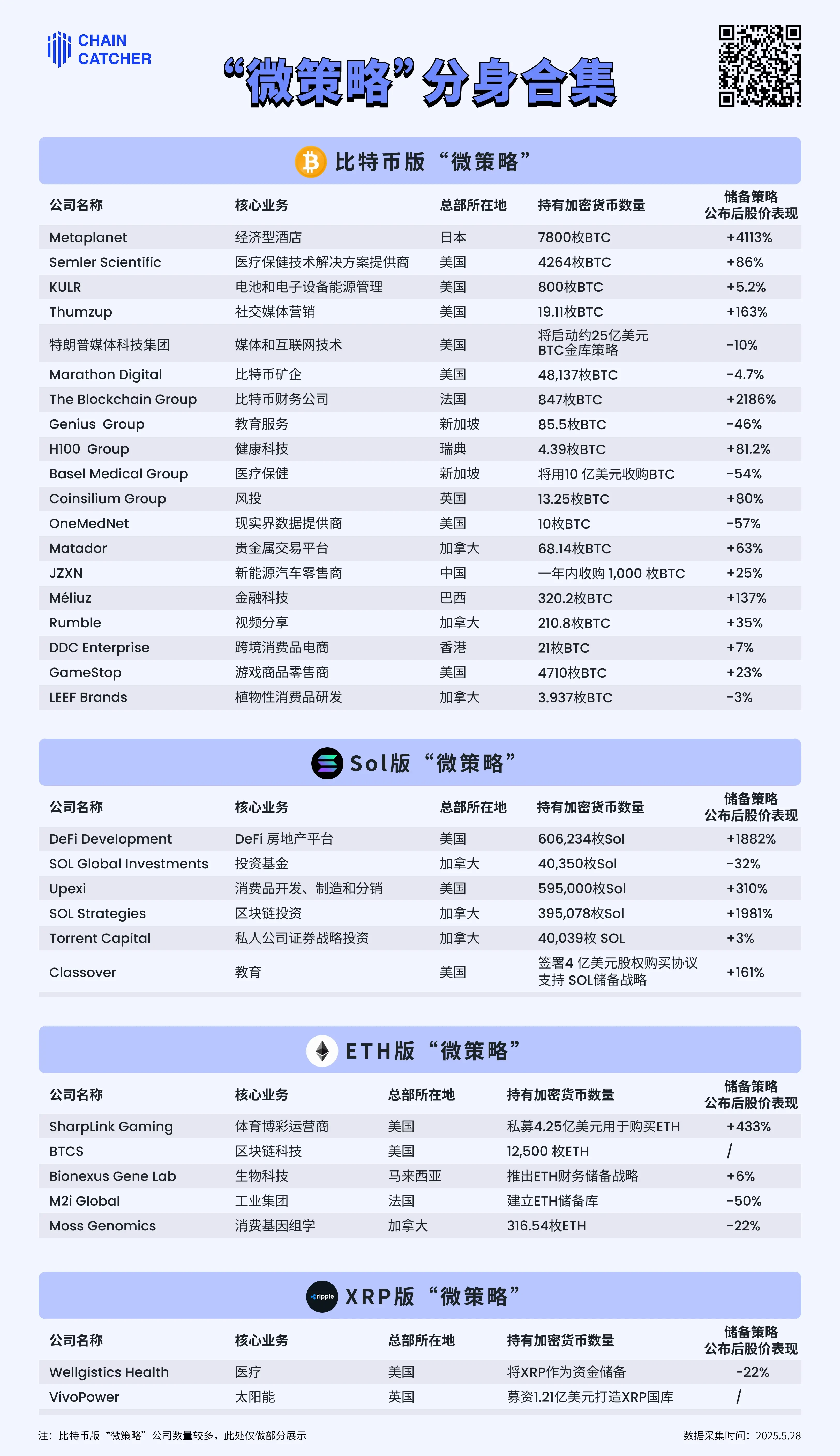
「微策略分身」图鉴:谁是囤币翻倍股?

每周编辑精选 Weekly Editor's Picks(0524-0530)

玩法如今更为泛化:借币炒股,借股养币。故事可以复制,但价值无法伪造。

我是如何在 HyperEVM 上赚到 100 万美元的

文章分享了作者在 HyperEVM 生态中通过资本高效、Delta 中性的策略赚取百万美元以上的详细配置。作者研究了 65 个原生协议,推荐通过 HyperUnit 跨链、质押 HYPE、提供流动性及对冲等操作,覆盖多个协议以积累积分,同时赚取 19% 以上年化收益。额外玩法包括购买 .hl 域名、NFT 及稳定币操作,重点关注 @hyperunit 和 @prjx_hl,认为早期参与可获高额空投回报。

另推荐:《对话 Pima:从 Meme 币到发射平台,梭哈文化背后的投资逻辑》《真有人 3000 到 A 8 ?Hyperliquid 的财富效应如何参与?》。

空投机会和交互指南

时代变了,散户撸毛转向“嘴撸”

撸毛圈衍生出了一个新词:“嘴撸”——靠发帖、写点评,轻松拿项目代币空投。项目收获热度,KOL 们收获海量代币,“交互型散户”却举步维艰。

Farcaster Pro「金铲子」首秀即回本,还有哪些空投在路上?

Farcaster 正凭借其新的商业模式重新夺得社区关注,通过“订阅制 + mini app+ 钱包组件 + 多链支持”组合策略,探索去中心化社交的可持续发展路径。而 Farcaster Pro 的“金铲子”属性体现在三层面:

  • 前 1 万名订阅者的身份稀缺性:限量 NFT 锁定早期权益;

  • 生态回报:社区空投的高收益与治理权;

  • 推动协议可持续发展,埋伏未来 Farcaster 潜在空投,积累未来生态增值可能性。

另推荐:最新“大毛”:Cookie 首个合作项目 Spark 刷分攻略融资六千万的 Infinex 加入嘴撸,一文速通四大模块规则与交互方式》《本周精选交互项目:River 发推获积分、ZkCloud 社交任务、Infinit 收集徽章》。

以太坊与扩容

以太坊的下一局:扩展、升级,走向聚合时代

扩展L1,让 Rollup 回归,整合一切,并尽快推出。

多生态与跨链

Solana 大会四大亮点,SOL 的下一步怎么走?

Solana Accelerate 大会引发四大未解问题:Firedancer 客户端推广缓慢;Kraken 频频支持 Solana,有望成其主力交易所;Solana Mobile 推出 SKR 代币,引发合规疑问;现场对特朗普的质疑声音上升,或影响加密行业政治前景。

BNB Chain 热度再起:盘点近期活跃的 10 个项目

$B (BUILDon)、$B 2 (B² Network)、$KOGE (48 Club)、$RWA (Allo)、$MERL (Merlin Chain)、$SKYAI (SKYAI)、$BANK (Lorenzo Protocol)、$AIOT (OKZOO)、$CZPizza / $PizzaCZ。

Virtuals 生态普涨,一文盘点值得关注的潜力标的

近期,Virtuals 市值回弹,动态频繁,AI agent 市场回暖。文章对 Virtuals 相关的并且表现优异的项目进行了梳理,包括增长幅度大的以及潜在的 alpha,例如 AInalyst、AXR、VIRGEN、Magnus、Kosher Capita、Neurodex、Solace、Agent YP、Gigabrain、MusicByVirtuals、DappLooker、Signal V2、VIRGEN、BasisOS 等。

CeFi & DeFi

年化 393% :深入剖析 Pendle YT 杠杆积分策略的真实收益率与风险

文章以 sUSDe 为例,介绍了如何去衡量 YT 杠杆积分策略的收益与风险。事实上,Point 才是 YT 持有者购买 YT 的核心目的和超额收益的来源。

另推荐:《懒人理财攻略|如何高效捕获 Huma 二期空投;SOL 本位也能 PT 循环贷了(5 月 27 日)

Web3 & AI

AI Agent 框架赛道追踪:谁爆火,谁沉寂?

Virtuals 一骑绝尘,ai16z跳票,swarms 无声,Zerebro 出局。

另推荐:《AI Agent 周报 | Cookie 上线 InfoFi 第一阶段;Virtuals 打新项目 AXR 市值突破 2500 万美元(5.19-5.27)》。

安全

致加密用户的安全指南:从了解你可能如何被黑开始

文章概述了针对个人用户的加密货币漏洞,不仅涵盖一系列常见漏洞,还有实际案例解析和用户日常需要警惕的事项。大多数加密攻击第一步仍是以非技术的方式针对个人,而这也给了我们预防的机会。

一周热点恶补

过去的一周内,James Wynn(人物故事+续篇)链上操作引围观;James Wynn 回应质疑: 8000 万美元不值一提, 40 倍杠杆做的是十亿美元交易;Trump Media 否认筹资 30 亿美元投资加密货币的报道,后宣布约 25 亿美元的比特币金库计划Circle 申请纽交所上市,代码为“CRCL”(进度解读);Circle 冻结涉及 Libra 丑闻的 Solana 地址,约合 5800 万美元 USDC;特朗普在 Truth 平台发布包含 PEPE 及其本人形象的图片特朗普再发表关税言论,BTC 跌破 10.4 万美元;

此外,政策与宏观市场方面,特朗普关税令被美国国际贸易法院裁定无效;SEC 正审查关于上市和交易纳斯达克比特币指数期权提议;特朗普在 TRUMP 晚宴上使用总统徽章,或涉嫌违反联邦法律;马斯克官宣即将离开特朗普政府澄清未与 Telegram 签署 xAI 协议;

观点与发声方面,贝莱德:建议投资组合分配 2% 至比特币;小唐纳德·特朗普:我们涉足加密货币是因为曾遭遇“去银行化”预测比特币或突破 17 万美元,称受 Michael Saylor 启发涉足加密;QCP Capital:特朗普传媒公司或引发更多实体效仿 Strategy,为市场提供新的结构性买盘;Solana 创始人:加密货币创始人应该每季度进行一次事前反思,以应对市场极端情况;The ETF Store 总裁回顾以太坊现货 ETF 获批一周年:SEC 当时“别无选择”;Vitalik Buterin:以太坊需要具有足够的弹性和隐私性

机构、大公司与头部项目方面,MetaPlanet 发行 5000 万美元无息普通债,用于追加购入比特币;SOL Strategies 递交 10 亿美元募资招股书,拟加码 Solana 生态投资;巴黎圣日耳曼足球俱乐部宣布已将比特币纳入其财务储备;MetaMask 现已原生支持 Solana 网络,统一多链钱包体验;Jupiter 联创:计划将合约开单限额提高 4 倍,以允许用户建立更大仓位;Huma Finance 已开放 HUMA 空投申领Farcaster 推出平台 Pro 会员,前 10000 名订阅者将获得限量版 NFT;MOVE 代币申领于 Movement Network 上线开放;CCXT 陷“代码抽佣”丑闻

数据上,分析:四大指标显示比特币尚未达顶峰,本轮周期价格或将突破 20 万美元;分析:99% 的比特币 UTXO 处于盈利,市场或即将进入狂热状态;分析:机构资金开始偏好以太坊,衍生品交易指标显示 ETH 看涨倾向;Solana Meme 行情遇冷,主流发射平台代币毕业率均低于 1% ;

安全方面,Cetus 发布被盗事件报告,确认其被盗原因是智能合约使用的开源库中存在被忽视的漏洞,将推进 LP 补偿计划并加强安全审计,通过社区投票推进资产追回计划,拟实现 100% 用户补偿……嗯,又是跌宕起伏的一周。

附《每周编辑精选》系列传送门

下期再会~

Trending Cryptos

Related Reads

2028: The Arrival of Recursive Self-Improvement (RSI)

**AI Recursive Self-Improvement (RSI): The Countdown to 2028 Begins** AI is no longer just a trained tool but is starting to rewrite its own evolutionary pace. According to Anthropic co-founder Jack Clark, there is a 60% probability that by the end of 2028, Recursive Self-Improvement (RSI) will become a reality. This means AI could autonomously design and build a more capable next-generation version of itself without any human researcher involvement—Claude 10 creating Claude 11, for instance. Supporting this timeline, Google DeepMind's CEO Demis Hassabis confirms that all leading AI labs are intensely focused on RSI, making it an industry-wide priority. He expresses profound concern, stating this potential is what keeps him awake at night. Concrete data underscores this acceleration: - METR evaluations show current top models like Claude are solving tasks up to the 16-hour limit of existing test frameworks. - In Epoch AI's challenging MirrorCode benchmark, Claude Opus 4.7 recreated complex software in hours for a fraction of the human cost. In one extreme test, AI autonomously coded for 19 days straight. - Anthropic reports over 80% of its codebase is now written by Claude, and researcher productivity has increased up to 8-fold since 2024. - OpenAI's policy blueprint highlights RSI as a major upcoming governance challenge. CEO Sam Altman reportedly hinted RSI might arrive within six months, potentially delaying OpenAI's massive IPO. The implication is an impending "intelligence explosion," where AI-driven progress outpaces human control. The central question is no longer if it will happen, but whether humanity is ready.

marsbit1h ago

2028: The Arrival of Recursive Self-Improvement (RSI)

marsbit1h ago

World Models, Metaverse, Digital Twins, Physical AI: Are They the Same Thing?

Title: World Models, the Metaverse, Digital Twins, Physical AI: Are They the Same Thing? The article clarifies that concepts like the metaverse, Web3, simulation platforms, digital twins, and Physical AI are not the same thing but are all part of the broader trend of blurring the lines between the digital and physical worlds. It positions "world models" as the foundational "cognitive layer" or "operating system" that enables AI to understand and simulate the world. Key distinctions are made: - The **Metaverse** is a destination for immersive social and economic experiences. World models could act as its "engine," generating interactive 3D content efficiently. - **Web3** focuses on decentralized ownership and economics (rules layer), operating on a different technical level than world models. - **Simulation Data Platforms** (e.g., for autonomous vehicles) are a 1.0 version, relying on manual design. World models represent a 2.0 version, using AI to generate realistic, varied scenarios autonomously. - **Digital Twins** create high-fidelity, real-time mirrors of physical systems (e.g., a factory). World models go a step further by enabling predictive simulation of future states. - **Physical AI** (robots, AVs) refers to AI that acts in the physical world. World models are a core component, providing the understanding and prediction needed for planning. A proposed hierarchy places world models at the cognitive layer, supported by infrastructure (compute, data) and supporting application tools (simulation, digital twins), action systems (Physical AI), user experiences (metaverse), and rules (Web3). In conclusion, while distinct, many of these previously hyped concepts may ultimately rely on advances in world model technology to fulfill their promises, as world models provide the essential cognitive foundation for simulating and interacting with complex environments.

marsbit1h ago

World Models, Metaverse, Digital Twins, Physical AI: Are They the Same Thing?

marsbit1h ago

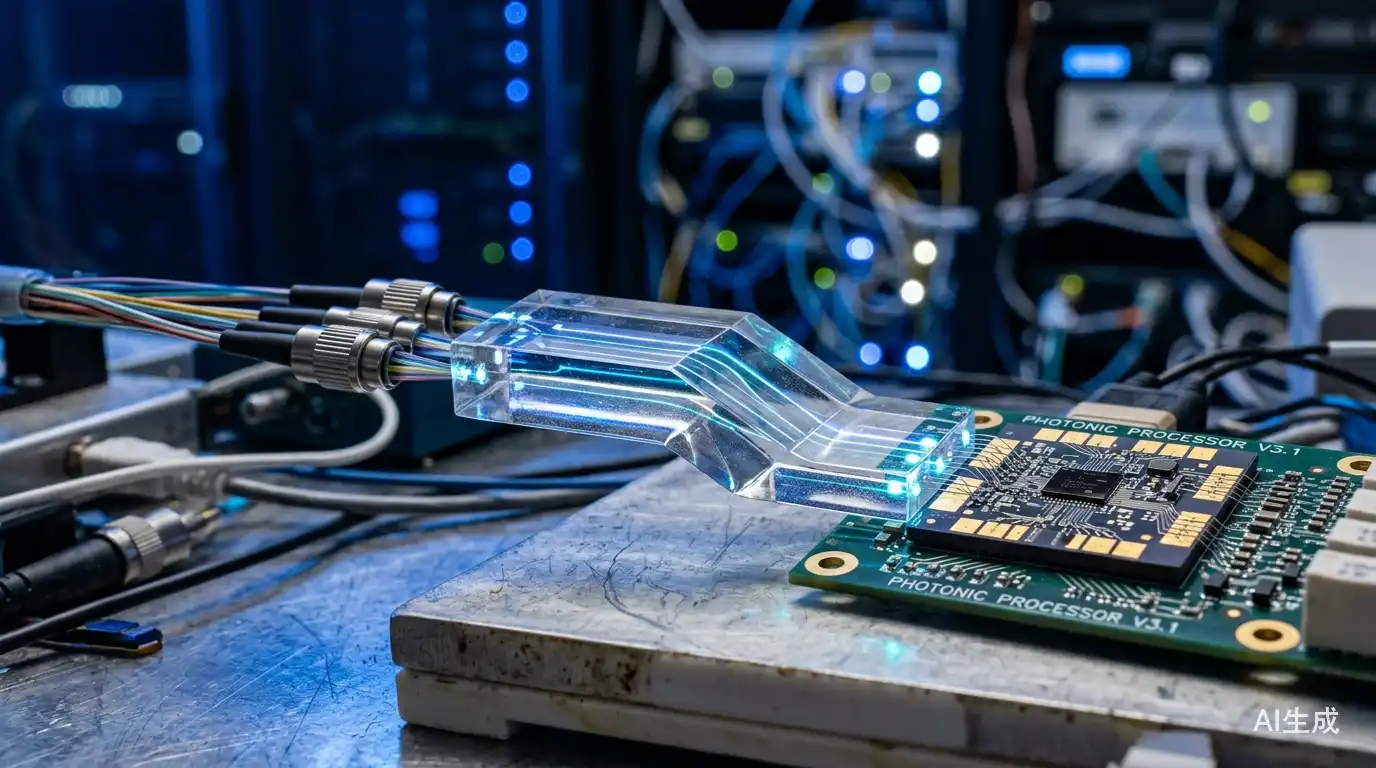
"Shocking" CPO: How Does the Glass Bridge Actually Work? Detailed Explanation from Corning

Chinese CPO stocks plunged over 6% following Corning's announcement of its Glass Bridge platform at a Seoul tech conference. The new technology utilizes wafer-level glass ion-exchange waveguides for passive alignment between fibers and photonic chips, potentially simplifying traditional CPO architectures that rely on complex Fiber Array Units and active alignment equipment. This raised market concerns about reduced long-term demand for mid-stream CPO components. Corning's official documentation details Glass Bridge as a platform for fiber-to-PIC connectivity in NPO, CPO, and high-density modules. Its key features include wafer-level manufacturing for consistent, cost-effective production; a standardized, removable MT ferrule interface for ecosystem integration; and a separable high-density connector design supporting over 24 channels for assembly flexibility. Corning positions the technology as complementary to FAUs, addressing limitations in ultra-high-fiber-count scenarios. The market reaction reflects a broader reassessment of the AI optical interconnect value chain. Funds shifted from CPO and PCB manufacturing stocks towards glass substrate concept stocks like Kaisheng Technology and Dyer Laser. Analysts note glass substrates are seen as a next-gen advanced packaging material, offering a potential path for domestic industry differentiation amid AI-driven demand for high-performance, large-scale packaging, marking a structural migration in value towards upstream specialty materials.

marsbit1h ago

"Shocking" CPO: How Does the Glass Bridge Actually Work? Detailed Explanation from Corning

marsbit1h ago

Trading

Spot

Hot Articles

What is SONIC

Sonic: Pioneering the Future of Gaming in Web3 Introduction to Sonic In the ever-evolving landscape of Web3, the gaming industry stands out as one of the most dynamic and promising sectors. At the forefront of this revolution is Sonic, a project designed to amplify the gaming ecosystem on the Solana blockchain. Leveraging cutting-edge technology, Sonic aims to deliver an unparalleled gaming experience by efficiently processing millions of requests per second, ensuring that players enjoy seamless gameplay while maintaining low transaction costs. This article delves into the intricate details of Sonic, exploring its creators, funding sources, operational mechanics, and the timeline of significant events that have shaped its journey. What is Sonic? Sonic is an innovative layer-2 network that operates atop the Solana blockchain, specifically tailored to enhance the existing Solana gaming ecosystem. It accomplishes this through a customised, VM-agnostic game engine paired with a HyperGrid interpreter, facilitating sovereign game economies that roll up back to the Solana platform. The primary goals of Sonic include: Enhanced Gaming Experiences: Sonic is committed to offering lightning-fast on-chain gameplay, allowing players and developers to engage with games at previously unattainable speeds. Atomic Interoperability: This feature enables transactions to be executed within Sonic without the need to redeploy Solana programmes and accounts. This makes the process more efficient and directly benefits from Solana Layer1 services and liquidity. Seamless Deployment: Sonic allows developers to write for Ethereum Virtual Machine (EVM) based systems and execute them on Solana’s SVM infrastructure. This interoperability is crucial for attracting a broader range of dApps and decentralised applications to the platform. Support for Developers: By offering native composable gaming primitives and extensible data types - dining within the Entity-Component-System (ECS) framework - game creators can craft intricate business logic with ease. Overall, Sonic's unique approach not only caters to players but also provides an accessible and low-cost environment for developers to innovate and thrive. Creator of Sonic The information regarding the creator of Sonic is somewhat ambiguous. However, it is known that Sonic's SVM is owned by the company Mirror World. The absence of detailed information about the individuals behind Sonic reflects a common trend in several Web3 projects, where collective efforts and partnerships often overshadow individual contributions. Investors of Sonic Sonic has garnered considerable attention and support from various investors within the crypto and gaming sectors. Notably, the project raised an impressive $12 million during its Series A funding round. The round was led by BITKRAFT Ventures, with other notable investors including Galaxy, Okx Ventures, Interactive, Big Brain Holdings, and Mirana. This financial backing signifies the confidence that investment foundations have in Sonic’s potential to revolutionise the Web3 gaming landscape, further validating its innovative approaches and technologies. How Does Sonic Work? Sonic utilises the HyperGrid framework, a sophisticated parallel processing mechanism that enhances its scalability and customisability. Here are the core features that set Sonic apart: Lightning Speed at Low Costs: Sonic offers one of the fastest on-chain gaming experiences compared to other Layer-1 solutions, powered by the scalability of Solana’s virtual machine (SVM). Atomic Interoperability: Sonic enables transaction execution without redeployment of Solana programmes and accounts, effectively streamlining the interaction between users and the blockchain. EVM Compatibility: Developers can effortlessly migrate decentralised applications from EVM chains to the Solana environment using Sonic’s HyperGrid interpreter, increasing the accessibility and integration of various dApps. Ecosystem Support for Developers: By exposing native composable gaming primitives, Sonic facilitates a sandbox-like environment where developers can experiment and implement business logic, greatly enhancing the overall development experience. Monetisation Infrastructure: Sonic natively supports growth and monetisation efforts, providing frameworks for traffic generation, payments, and settlements, thereby ensuring that gaming projects are not only viable but also sustainable financially. Timeline of Sonic The evolution of Sonic has been marked by several key milestones. Below is a brief timeline highlighting critical events in the project's history: 2022: The Sonic cryptocurrency was officially launched, marking the beginning of its journey in the Web3 gaming arena. 2024: June: Sonic SVM successfully raised $12 million in a Series A funding round. This investment allowed Sonic to further develop its platform and expand its offerings. August: The launch of the Sonic Odyssey testnet provided users with the first opportunity to engage with the platform, offering interactive activities such as collecting rings—a nod to gaming nostalgia. October: SonicX, an innovative crypto game integrated with Solana, made its debut on TikTok, capturing the attention of over 120,000 users within a short span. This integration illustrated Sonic’s commitment to reaching a broader, global audience and showcased the potential of blockchain gaming. Key Points Sonic SVM is a revolutionary layer-2 network on Solana explicitly designed to enhance the GameFi landscape, demonstrating great potential for future development. HyperGrid Framework empowers Sonic by introducing horizontal scaling capabilities, ensuring that the network can handle the demands of Web3 gaming. Integration with Social Platforms: The successful launch of SonicX on TikTok displays Sonic’s strategy to leverage social media platforms to engage users, exponentially increasing the exposure and reach of its projects. Investment Confidence: The substantial funding from BITKRAFT Ventures, among others, emphasizes the robust backing Sonic has, paving the way for its ambitious future. In conclusion, Sonic encapsulates the essence of Web3 gaming innovation, striking a balance between cutting-edge technology, developer-centric tools, and community engagement. As the project continues to evolve, it is poised to redefine the gaming landscape, making it a notable entity for gamers and developers alike. As Sonic moves forward, it will undoubtedly attract greater interest and participation, solidifying its place within the broader narrative of blockchain gaming.

1.7k Total ViewsPublished 2024.04.04Updated 2024.12.03

What is SONIC

What is $S$

Understanding SPERO: A Comprehensive Overview Introduction to SPERO As the landscape of innovation continues to evolve, the emergence of web3 technologies and cryptocurrency projects plays a pivotal role in shaping the digital future. One project that has garnered attention in this dynamic field is SPERO, denoted as SPERO,$$s$. This article aims to gather and present detailed information about SPERO, to help enthusiasts and investors understand its foundations, objectives, and innovations within the web3 and crypto domains. What is SPERO,$$s$? SPERO,$$s$ is a unique project within the crypto space that seeks to leverage the principles of decentralisation and blockchain technology to create an ecosystem that promotes engagement, utility, and financial inclusion. The project is tailored to facilitate peer-to-peer interactions in new ways, providing users with innovative financial solutions and services. At its core, SPERO,$$s$ aims to empower individuals by providing tools and platforms that enhance user experience in the cryptocurrency space. This includes enabling more flexible transaction methods, fostering community-driven initiatives, and creating pathways for financial opportunities through decentralised applications (dApps). The underlying vision of SPERO,$$s$ revolves around inclusiveness, aiming to bridge gaps within traditional finance while harnessing the benefits of blockchain technology. Who is the Creator of SPERO,$$s$? The identity of the creator of SPERO,$$s$ remains somewhat obscure, as there are limited publicly available resources providing detailed background information on its founder(s). This lack of transparency can stem from the project's commitment to decentralisation—an ethos that many web3 projects share, prioritising collective contributions over individual recognition. By centring discussions around the community and its collective goals, SPERO,$$s$ embodies the essence of empowerment without singling out specific individuals. As such, understanding the ethos and mission of SPERO remains more important than identifying a singular creator. Who are the Investors of SPERO,$$s$? SPERO,$$s$ is supported by a diverse array of investors ranging from venture capitalists to angel investors dedicated to fostering innovation in the crypto sector. The focus of these investors generally aligns with SPERO's mission—prioritising projects that promise societal technological advancement, financial inclusivity, and decentralised governance. These investor foundations are typically interested in projects that not only offer innovative products but also contribute positively to the blockchain community and its ecosystems. The backing from these investors reinforces SPERO,$$s$ as a noteworthy contender in the rapidly evolving domain of crypto projects. How Does SPERO,$$s$ Work? SPERO,$$s$ employs a multi-faceted framework that distinguishes it from conventional cryptocurrency projects. Here are some of the key features that underline its uniqueness and innovation: Decentralised Governance: SPERO,$$s$ integrates decentralised governance models, empowering users to participate actively in decision-making processes regarding the project’s future. This approach fosters a sense of ownership and accountability among community members. Token Utility: SPERO,$$s$ utilises its own cryptocurrency token, designed to serve various functions within the ecosystem. These tokens enable transactions, rewards, and the facilitation of services offered on the platform, enhancing overall engagement and utility. Layered Architecture: The technical architecture of SPERO,$$s$ supports modularity and scalability, allowing for seamless integration of additional features and applications as the project evolves. This adaptability is paramount for sustaining relevance in the ever-changing crypto landscape. Community Engagement: The project emphasises community-driven initiatives, employing mechanisms that incentivise collaboration and feedback. By nurturing a strong community, SPERO,$$s$ can better address user needs and adapt to market trends. Focus on Inclusion: By offering low transaction fees and user-friendly interfaces, SPERO,$$s$ aims to attract a diverse user base, including individuals who may not previously have engaged in the crypto space. This commitment to inclusion aligns with its overarching mission of empowerment through accessibility. Timeline of SPERO,$$s$ Understanding a project's history provides crucial insights into its development trajectory and milestones. Below is a suggested timeline mapping significant events in the evolution of SPERO,$$s$: Conceptualisation and Ideation Phase: The initial ideas forming the basis of SPERO,$$s$ were conceived, aligning closely with the principles of decentralisation and community focus within the blockchain industry. Launch of Project Whitepaper: Following the conceptual phase, a comprehensive whitepaper detailing the vision, goals, and technological infrastructure of SPERO,$$s$ was released to garner community interest and feedback. Community Building and Early Engagements: Active outreach efforts were made to build a community of early adopters and potential investors, facilitating discussions around the project’s goals and garnering support. Token Generation Event: SPERO,$$s$ conducted a token generation event (TGE) to distribute its native tokens to early supporters and establish initial liquidity within the ecosystem. Launch of Initial dApp: The first decentralised application (dApp) associated with SPERO,$$s$ went live, allowing users to engage with the platform's core functionalities. Ongoing Development and Partnerships: Continuous updates and enhancements to the project's offerings, including strategic partnerships with other players in the blockchain space, have shaped SPERO,$$s$ into a competitive and evolving player in the crypto market. Conclusion SPERO,$$s$ stands as a testament to the potential of web3 and cryptocurrency to revolutionise financial systems and empower individuals. With a commitment to decentralised governance, community engagement, and innovatively designed functionalities, it paves the way toward a more inclusive financial landscape. As with any investment in the rapidly evolving crypto space, potential investors and users are encouraged to research thoroughly and engage thoughtfully with the ongoing developments within SPERO,$$s$. The project showcases the innovative spirit of the crypto industry, inviting further exploration into its myriad possibilities. While the journey of SPERO,$$s$ is still unfolding, its foundational principles may indeed influence the future of how we interact with technology, finance, and each other in interconnected digital ecosystems.

69 Total ViewsPublished 2024.12.17Updated 2024.12.17

What is $S$

What is AGENT S

Agent S: The Future of Autonomous Interaction in Web3 Introduction In the ever-evolving landscape of Web3 and cryptocurrency, innovations are constantly redefining how individuals interact with digital platforms. One such pioneering project, Agent S, promises to revolutionise human-computer interaction through its open agentic framework. By paving the way for autonomous interactions, Agent S aims to simplify complex tasks, offering transformative applications in artificial intelligence (AI). This detailed exploration will delve into the project's intricacies, its unique features, and the implications for the cryptocurrency domain. What is Agent S? Agent S stands as a groundbreaking open agentic framework, specifically designed to tackle three fundamental challenges in the automation of computer tasks: Acquiring Domain-Specific Knowledge: The framework intelligently learns from various external knowledge sources and internal experiences. This dual approach empowers it to build a rich repository of domain-specific knowledge, enhancing its performance in task execution. Planning Over Long Task Horizons: Agent S employs experience-augmented hierarchical planning, a strategic approach that facilitates efficient breakdown and execution of intricate tasks. This feature significantly enhances its ability to manage multiple subtasks efficiently and effectively. Handling Dynamic, Non-Uniform Interfaces: The project introduces the Agent-Computer Interface (ACI), an innovative solution that enhances the interaction between agents and users. Utilizing Multimodal Large Language Models (MLLMs), Agent S can navigate and manipulate diverse graphical user interfaces seamlessly. Through these pioneering features, Agent S provides a robust framework that addresses the complexities involved in automating human interaction with machines, setting the stage for myriad applications in AI and beyond. Who is the Creator of Agent S? While the concept of Agent S is fundamentally innovative, specific information about its creator remains elusive. The creator is currently unknown, which highlights either the nascent stage of the project or the strategic choice to keep founding members under wraps. Regardless of anonymity, the focus remains on the framework's capabilities and potential. Who are the Investors of Agent S? As Agent S is relatively new in the cryptographic ecosystem, detailed information regarding its investors and financial backers is not explicitly documented. The lack of publicly available insights into the investment foundations or organisations supporting the project raises questions about its funding structure and development roadmap. Understanding the backing is crucial for gauging the project's sustainability and potential market impact. How Does Agent S Work? At the core of Agent S lies cutting-edge technology that enables it to function effectively in diverse settings. Its operational model is built around several key features: Human-like Computer Interaction: The framework offers advanced AI planning, striving to make interactions with computers more intuitive. By mimicking human behaviour in tasks execution, it promises to elevate user experiences. Narrative Memory: Employed to leverage high-level experiences, Agent S utilises narrative memory to keep track of task histories, thereby enhancing its decision-making processes. Episodic Memory: This feature provides users with step-by-step guidance, allowing the framework to offer contextual support as tasks unfold. Support for OpenACI: With the ability to run locally, Agent S allows users to maintain control over their interactions and workflows, aligning with the decentralised ethos of Web3. Easy Integration with External APIs: Its versatility and compatibility with various AI platforms ensure that Agent S can fit seamlessly into existing technological ecosystems, making it an appealing choice for developers and organisations. These functionalities collectively contribute to Agent S's unique position within the crypto space, as it automates complex, multi-step tasks with minimal human intervention. As the project evolves, its potential applications in Web3 could redefine how digital interactions unfold. Timeline of Agent S The development and milestones of Agent S can be encapsulated in a timeline that highlights its significant events: September 27, 2024: The concept of Agent S was launched in a comprehensive research paper titled “An Open Agentic Framework that Uses Computers Like a Human,” showcasing the groundwork for the project. October 10, 2024: The research paper was made publicly available on arXiv, offering an in-depth exploration of the framework and its performance evaluation based on the OSWorld benchmark. October 12, 2024: A video presentation was released, providing a visual insight into the capabilities and features of Agent S, further engaging potential users and investors. These markers in the timeline not only illustrate the progress of Agent S but also indicate its commitment to transparency and community engagement. Key Points About Agent S As the Agent S framework continues to evolve, several key attributes stand out, underscoring its innovative nature and potential: Innovative Framework: Designed to provide an intuitive use of computers akin to human interaction, Agent S brings a novel approach to task automation. Autonomous Interaction: The ability to interact autonomously with computers through GUI signifies a leap towards more intelligent and efficient computing solutions. Complex Task Automation: With its robust methodology, it can automate complex, multi-step tasks, making processes faster and less error-prone. Continuous Improvement: The learning mechanisms enable Agent S to improve from past experiences, continually enhancing its performance and efficacy. Versatility: Its adaptability across different operating environments like OSWorld and WindowsAgentArena ensures that it can serve a broad range of applications. As Agent S positions itself in the Web3 and crypto landscape, its potential to enhance interaction capabilities and automate processes signifies a significant advancement in AI technologies. Through its innovative framework, Agent S exemplifies the future of digital interactions, promising a more seamless and efficient experience for users across various industries. Conclusion Agent S represents a bold leap forward in the marriage of AI and Web3, with the capacity to redefine how we interact with technology. While still in its early stages, the possibilities for its application are vast and compelling. Through its comprehensive framework addressing critical challenges, Agent S aims to bring autonomous interactions to the forefront of the digital experience. As we move deeper into the realms of cryptocurrency and decentralisation, projects like Agent S will undoubtedly play a crucial role in shaping the future of technology and human-computer collaboration.

745 Total ViewsPublished 2025.01.14Updated 2025.01.14

What is AGENT S

Discussions

Welcome to the HTX Community. Here, you can stay informed about the latest platform developments and gain access to professional market insights. Users' opinions on the price of S (S) are presented below.

活动图片