观点:上市公司筹资购买比特币是「毒」杠杆

深潮Published on 2025-05-26Last updated on 2025-05-26

发行更多普通股,稀释现有股东的权益,这种杠杆最终会到期。

撰文:lowstrife,加密 KOL

编译:Felix, PANews

近期,MSTR、Metaplanet、Twenty One 和 Nakamoto 等比特币储备公司名声大噪。但个人认为,它们的「储备」是具有破坏性的杠杆,是比特币及其所代表的事物遭遇过的最糟糕的事情。以下是这种模式在一定条件下会崩溃的分析。

这些公司使用的反馈环(feedback loop)是用公司资金购买比特币,将其计入资产负债表,然后利用各种公司机制,以该资产负债表为依托筹集更多资金。这种模式被人津津乐道,称其为有史以来最伟大的发明。
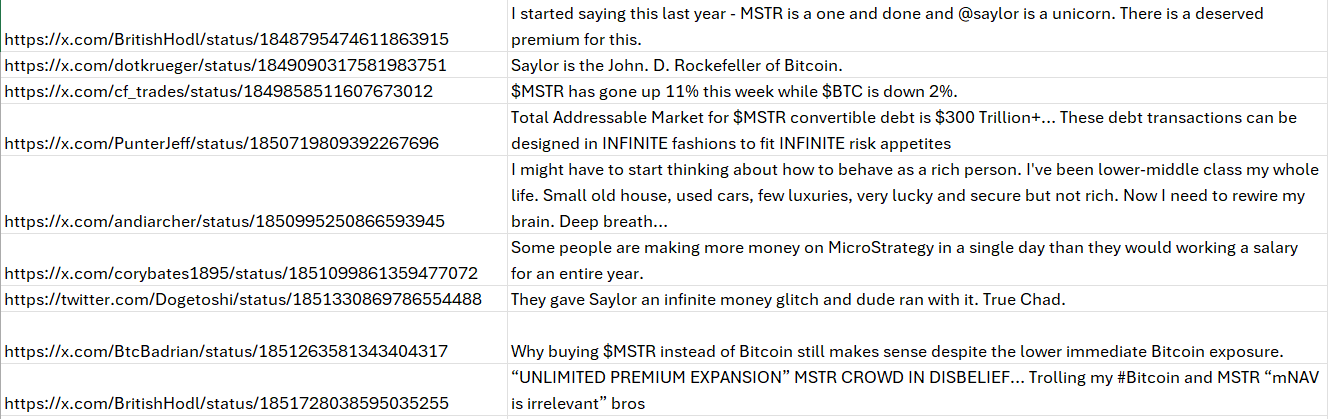
通过发行新股(ATM)、债券、优先股、贷款等方式筹集的资金会立即被用于购买比特币,以驱动这个飞轮。

这里的一个重要区别在于使用增值杠杆:像特斯拉这样的公司只是将资产存入比特币(个人对此并无异议)。

但该飞轮的关键是,普通股股东才是这些财务资产的最终持有者。所有这些筹资机制最终都会导致普通股被稀释,将股票出售到市场上来为这个飞轮提供资金。

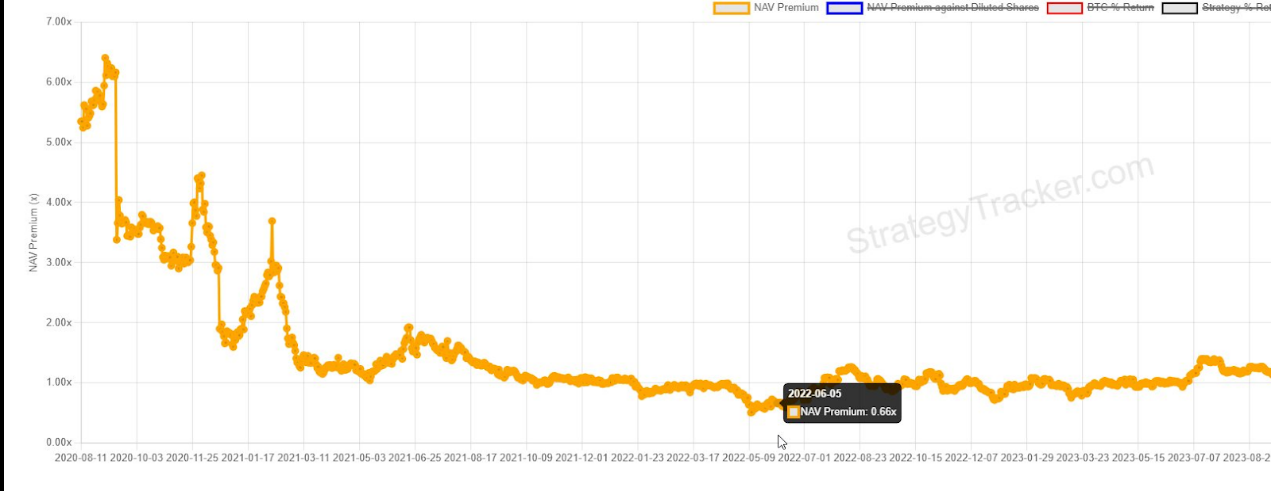
MSTR 主要采用的方法是发行新股(ATM),以实现增值稀释。如果 mNAV(PANews 注:代表目前股价和其拥有比特币的价值比)大于 1.0,这种方法效果很好。但问题是这种杠杆依赖于发行新股来满足其现金流。如果 MSTR 的股价低于 mNAV 的 1.0 倍(就像 2022 年那样),就会出现问题。
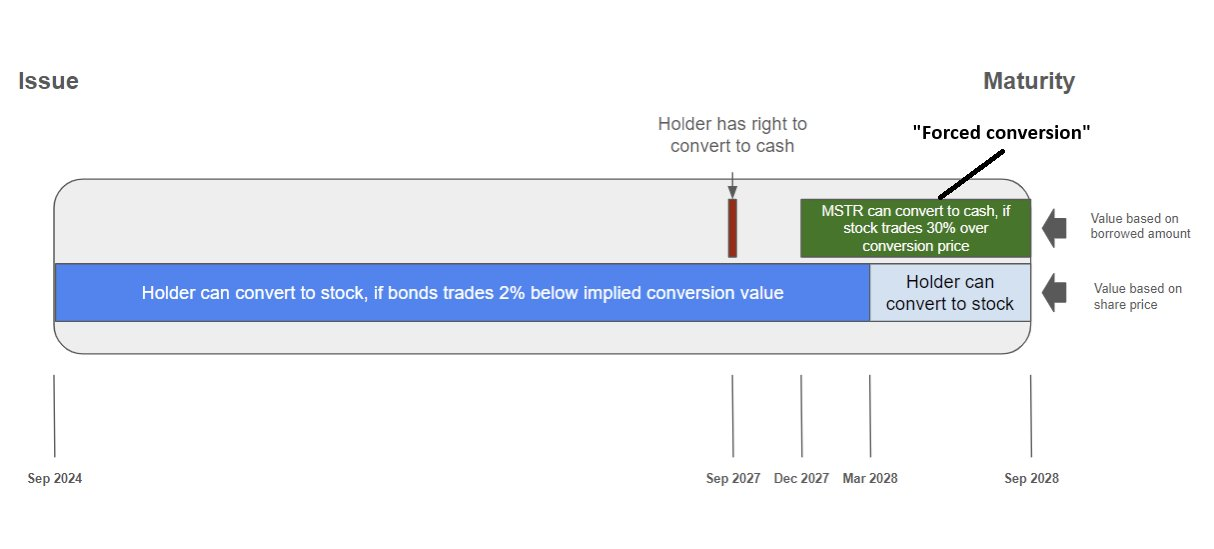
另一种工具是利用杠杆提高其产品的收益率,如可转换债券和永久特别股。因为预期未来会有买入,这加速了股权的预期价值并首先放大了股票溢价。

发行更多普通股,稀释现有股东的权益,这种杠杆最终会到期。但他们允许这种稀释在以后发生,用今天的美元换取明天的现金流 / 稀释,将这种支付和「成本」推迟到遥远的未来。真是「聪明」。

这里的问题有两个:

第一个问题是如果标的股票达不到业绩目标,这些产品就不能成为所有杠杆的支点。对于可转换债券,MSTR 必须进行再融资或出售 BTC 来筹集现金。
第二个问题是优先股。它们需要向这些债务的持有者支付永久的、非增值的股息(即利息)。MSTR 计划发行数万亿美元的此类证券,而这些支付资金来自稀释 MSTR 股权的持有者。

特别是 Strategy 的 STRF(PANews 注:一种固定收益产品,被包装为优先股发行,以便能轻松并持续筹集资金购买比特币),它没有到期日,作为永久性债务,年利率为 10%。MSTR 将永远依靠非增值的 ATM,稀释股东权益,为发行的每一美元融资。今天的购买是以牺牲明天的股东利益为代价。这听起来像什么?

用 ATM 来提供所需现金流的问题在于,它依赖 mNAV,而 mNAV 并非源自其自身资产。它完全依赖于市场情绪:人们认为其金库的价值是多少。

这简直是对比特币本质的侮辱。

虽然有暂停派息的规定,但这会引发更多问题。STRK 必须支付所有未偿还的股息以及罚款才能转换(到期)。更不用说暂停派息会大幅降低产品需求。

如果收益型资产的意义在于剥离风险,那么最不想看到的就是毁掉持有该证券的初衷。这些风险 MSTR 的鼓吹者只字未提。暂停派息将是对偿付能力的警告。

支持者辩称,这些优先股的发行是为当下购买比特币,而且股息支付是值得的。他们认为,如果已经「建模计算过」,那么筹集资金就是值得的。
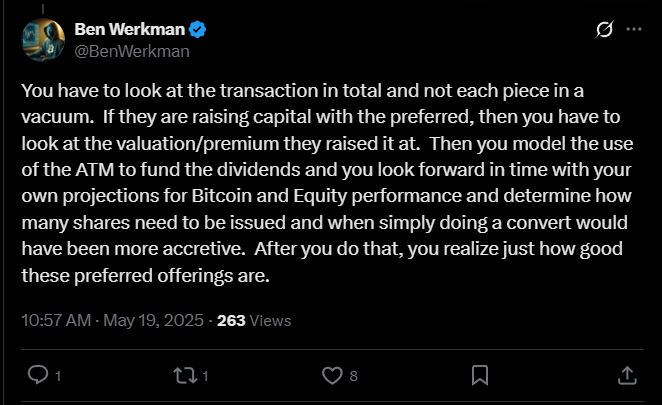
你必须从整体上看待交易,而不是孤立地看待每一部分。如果他们用优先股来融资,那么你必须考虑他们融资时的估值 / 溢价。然后,您可以模拟使用 ATM 来支付股息,并根据自己对比特币和股票表现的预测来展望未来,并确定需要发行多少股票,以及何时进行转换会更有增值效果。一旦你如此做,就会意识到这些优先股发行有多么好

如今,约有 18 亿美元的此类证券在流通,支付这些款项还是有可能的。但 Saylor 提出要发行 3 万亿美元的此类证券,每年需要稀释 3000 亿美元的股东权益,这显然无法自圆其说。

那么这一切会如何爆发?一切都始于 mNAV,mNAV 至关重要。它是生命,是活力。如果 mNAV 出现问题,公司筹集资金的能力也将随之消失,而债务转换会损害 mNAV,公司会失去偿还债务的能力。

GBTC 是另一只在 2021 年牛市中爆红的封闭式基金。人们用它来投资 BTC,因为当时他们现有的账户不允许。

如今,MSTR 被买入的原因也大致相同。问题在于:比特币的获取渠道越来越多。

GBTC 是一只封闭式基金,其价格相对于标的资产存在溢价或折价。一旦对这种投资渠道的需求枯竭,该基金购买新资产的需求也随之减少。

一旦 mNAV 被击垮,需求也就没了。
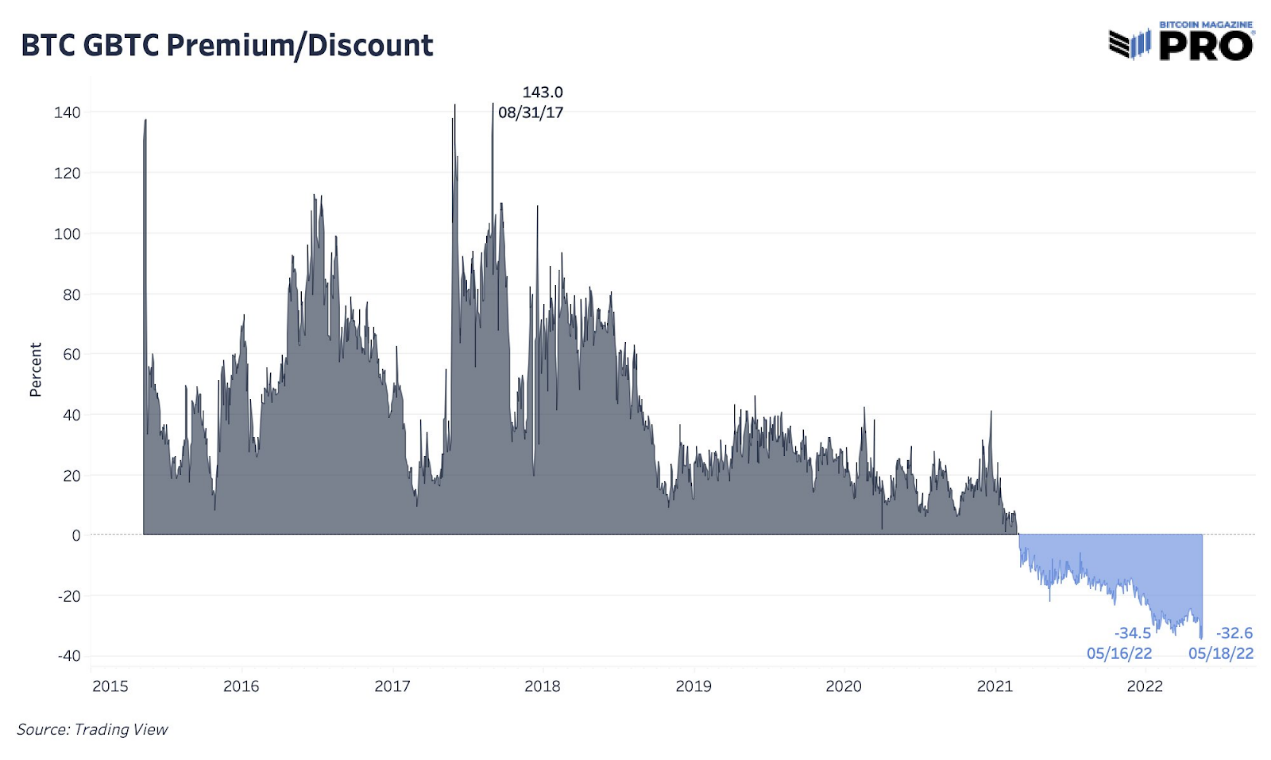
一旦 mNAV 跌破 1.0,MSTR 的筹资能力将会陷入困境,其情形与 GBTC 购买意愿和能力的丧失颇为相似。

值得注意的是,mNAV 完全基于市场情绪。没有任何机制或理由要求它必须按照资产价值进行交易。
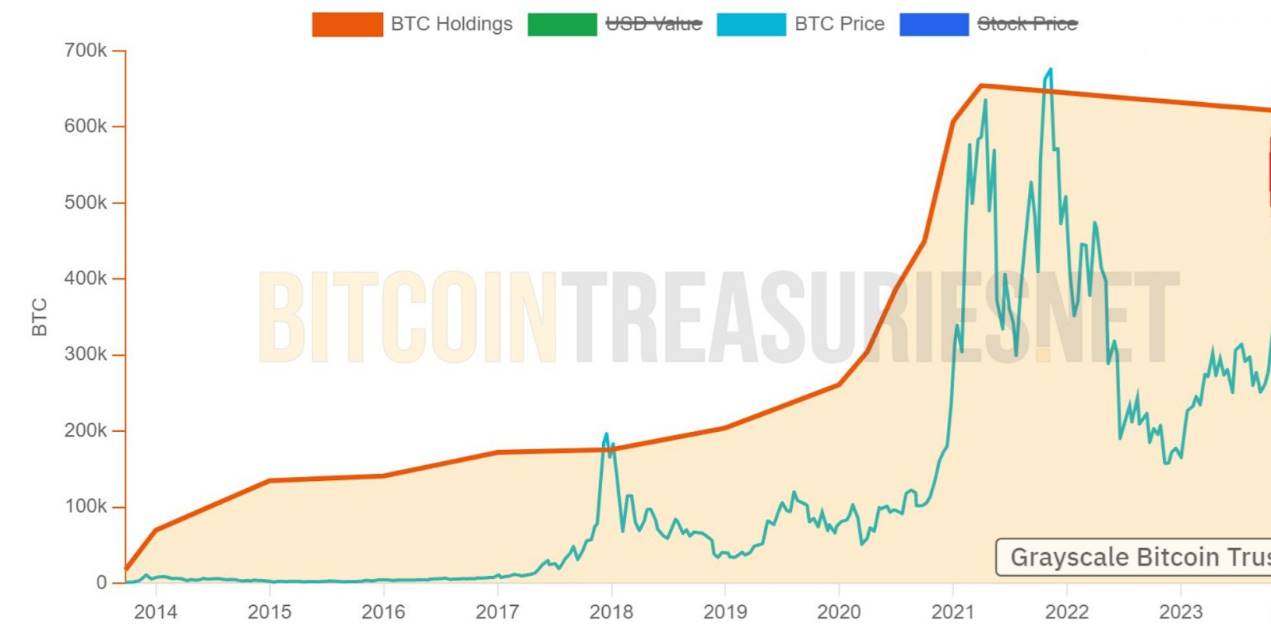
当 mNAV 下跌时,未来继续筹集资金(以及购买比特币)的能力就会减弱,股票的预期价值也会随之降低。如果在不利条件下被迫发放债务股息,这种情况可能会反过来加剧。

可转换债券使情况更加复杂。目前,MSTR 拥有 82 亿美元的可转换债券,将于 2028 年至 2032 年陆续到期。这些债券的风险不在于价格,无论比特币价格涨跌(在合理范围内),债券都不会「爆仓」或追加保证金。

可转换债券的问题在于其名称。它需要转换。MSTR 股票需要升值到预先设定的价格水平,才能使债券转换为新股发行。请记住:这个触发点是 MSTR 的股价,它基于 mNAV 浮动,而 mNAV 基于市场情绪。

如果出于某种原因,价格未能上涨,那么问题就变成了时间问题,而不是价格问题。无论比特币的标的价格是多少,债券都可能到期。MSTR 必须进行再融资,或者通过出售 BTC 以现金偿还债务。

最终,飞轮机制将反向运转,最终使整个计划失效。回购低于 mNAV 1.0 的股票,并出售标的资产来筹集资金。有观点认为,这属于信托责任,而 Bailey 公开表示他也会这么做。

这不是金融革命。这是庞氏骗局的狂热分子追逐杠杆。个人持有比特币已经很久了,看到比特币的 OG 们为 Saylor 欢呼,而他却用比特币重演 2008 年那套金融工程,实在令人痛心。要知道正是这套手段导致了比特币的诞生。


Trending Cryptos

Related Reads

"King of Shilling" Hayes Strikes Again, This Time Setting His Sights on Deribit

On June 29, BitMEX co-founder Arthur Hayes acquired approximately 6.16 million SYN tokens via OTC platform Flowdesk, valued at around $2.2 million. Subsequently, Hayes publicly endorsed SYN on X, calling it one of the most asymmetric investments he's seen since HYPE and declaring it time for an on-chain options DEX to challenge industry leader Deribit, naming Hypercall as that challenger. The article details the evolution of the Synapse Protocol, originally launched in 2021 as a cross-chain messaging and liquidity network. While its TVL peaked above $1 billion during the last bull market, it has since declined. The protocol's team has since built Hypercall, an on-chain options trading platform on Hyperliquid's HyperEVM, which supports trading options on "any asset" with features like 24/7 trading and defined risk limited to the premium paid. Deribit, founded in 2016, is highlighted as the dominant centralized crypto options exchange, commanding roughly 85% market share in BTC and ETH options. Its strengths include deep liquidity and professional tools, though it faces critiques over custody risk, KYC requirements, and regulatory uncertainty. The analysis suggests Hypercall's potential lies in decentralization, permissionless access, and transparency, potentially carving a niche in DeFi-native and emerging asset options. However, it faces significant challenges competing with Deribit's established network effect and liquidity depth. The piece concludes by noting Hayes's recent and mixed "call" history, referencing his previous promotion and subsequent sale of HYPE, as well as a controversial price target report for CARDS from his family office, Maelstrom, which was followed by a significant price drop for the asset. This activity has drawn criticism, with some accusing Hayes of creating exit liquidity for his followers.

Foresight News17m ago

"King of Shilling" Hayes Strikes Again, This Time Setting His Sights on Deribit

Foresight News17m ago

One Year After the Crash of Crypto Treasury Companies, Copycats Are Already Making a Comeback

One year after the collapse of digital asset treasury (DAT) companies, which wiped out up to 99% for early investors, the scheme has returned in a new guise. Recently, Triller Group announced it would become a "SpaceX treasury company," causing its market cap to surge. This follows the rebranding of another firm, LGHL, now targeting a token called HYPE. The original model, popularized by MicroStrategy (MSTR) and its "Bitcoin yield" narrative, saw companies trading at massive premiums to their underlying crypto holdings. However, most followers like TwentyOne, Metaplanet, and Nakamoto have crashed 80-95%+ from their peaks, erasing nearly all value for late investors. The author argues these structures have no fundamental reason to trade at premiums when low-fee Bitcoin ETFs or direct ownership exist. The cycle persists due to speculative demand driven by FOMO, gamification, and a belief the system is rigged, met by insiders and promoters who profit from the pump-and-dump dynamics. Drawing a parallel to the 1637 Tulip Mania, the piece concludes that such frenzies are not a bug but a recurring product of markets, where greater fools provide demand and insiders supply the schemes. Despite holding Bitcoin personally, the author condemns this specific packaging of assets into leveraged corporate vehicles marketed as innovation, a cycle seemingly unstoppable until a major crash.

marsbit28m ago

One Year After the Crash of Crypto Treasury Companies, Copycats Are Already Making a Comeback

marsbit28m ago

Trading

Spot

Hot Articles

What is $BITCOIN

DIGITAL GOLD ($BITCOIN): A Comprehensive Analysis Introduction to DIGITAL GOLD ($BITCOIN) DIGITAL GOLD ($BITCOIN) is a blockchain-based project operating on the Solana network, which aims to combine the characteristics of traditional precious metals with the innovation of decentralized technologies. While it shares a name with Bitcoin, often referred to as “digital gold” due to its perception as a store of value, DIGITAL GOLD is a separate token designed to create a unique ecosystem within the Web3 landscape. Its goal is to position itself as a viable alternative digital asset, although specifics regarding its applications and functionalities are still developing. What is DIGITAL GOLD ($BITCOIN)? DIGITAL GOLD ($BITCOIN) is a cryptocurrency token explicitly designed for use on the Solana blockchain. In contrast to Bitcoin, which provides a widely recognized value storage role, this token appears to focus on broader applications and characteristics. Notable aspects include: Blockchain Infrastructure: The token is built on the Solana blockchain, known for its capacity to handle high-speed and low-cost transactions. Supply Dynamics: DIGITAL GOLD has a maximum supply capped at 100 quadrillion tokens (100P $BITCOIN), although details regarding its circulating supply are currently undisclosed. Utility: While precise functionalities are not explicitly outlined, there are indications that the token could be utilized for various applications, potentially involving decentralized applications (dApps) or asset tokenization strategies. Who is the Creator of DIGITAL GOLD ($BITCOIN)? At present, the identity of the creators and development team behind DIGITAL GOLD ($BITCOIN) remains unknown. This situation is typical among many innovative projects within the blockchain space, particularly those aligning with decentralized finance and meme coin phenomena. While such anonymity may foster a community-driven culture, it intensifies concerns about governance and accountability. Who are the Investors of DIGITAL GOLD ($BITCOIN)? The available information indicates that DIGITAL GOLD ($BITCOIN) does not have any known institutional backers or prominent venture capital investments. The project seems to operate on a peer-to-peer model focused on community support and adoption rather than traditional funding routes. Its activity and liquidity are primarily situated on decentralized exchanges (DEXs), such as PumpSwap, rather than established centralized trading platforms, further highlighting its grassroots approach. How DIGITAL GOLD ($BITCOIN) Works The operational mechanics of DIGITAL GOLD ($BITCOIN) can be elaborated on based on its blockchain design and network attributes: Consensus Mechanism: By leveraging Solana’s unique proof-of-history (PoH) combined with a proof-of-stake (PoS) model, the project ensures efficient transaction validation contributing to the network's high performance. Tokenomics: While specific deflationary mechanisms have not been extensively detailed, the vast maximum token supply implies that it may cater to microtransactions or niche use cases that are still to be defined. Interoperability: There exists the potential for integration with Solana’s broader ecosystem, including various decentralized finance (DeFi) platforms. However, the details regarding specific integrations remain unspecified. Timeline of Key Events Here is a timeline that highlights significant milestones concerning DIGITAL GOLD ($BITCOIN): 2023: The initial deployment of the token occurs on the Solana blockchain, marked by its contract address. 2024: DIGITAL GOLD gains visibility as it becomes available for trading on decentralized exchanges like PumpSwap, allowing users to trade it against SOL. 2025: The project witnesses sporadic trading activity and potential interest in community-led engagements, although no noteworthy partnerships or technical advancements have been documented as of yet. Critical Analysis Strengths Scalability: The underlying Solana infrastructure supports high transaction volumes, which could enhance the utility of $BITCOIN in various transaction scenarios. Accessibility: The potential low trading price per token could attract retail investors, facilitating wider participation due to fractional ownership opportunities. Risks Lack of Transparency: The absence of publicly known backers, developers, or an audit process may yield skepticism regarding the project's sustainability and trustworthiness. Market Volatility: The trading activity is heavily reliant on speculative behavior, which can result in significant price volatility and uncertainty for investors. Conclusion DIGITAL GOLD ($BITCOIN) emerges as an intriguing yet ambiguous project within the rapidly evolving Solana ecosystem. While it attempts to leverage the “digital gold” narrative, its departure from Bitcoin's established role as a store of value underscores the need for a clearer differentiation of its intended utility and governance structure. Future acceptance and adoption will likely depend on addressing the current opacity and defining its operational and economic strategies more explicitly. Note: This report encompasses synthesised information available as of October 2023, and developments may have transpired beyond the research period.

504 Total ViewsPublished 2025.05.13Updated 2025.05.13

What is $BITCOIN

Discussions

Welcome to the HTX Community. Here, you can stay informed about the latest platform developments and gain access to professional market insights. Users' opinions on the price of BTC (BTC) are presented below.

活动图片