Hotcoin Research | 以太坊起飞新引擎还是空噱头?Spectra 升级及其对加密市场的影响分析

深潮Published on 2025-05-10Last updated on 2025-05-10

总之,Spectra 升级使以太坊在扩容和用户体验上迈出重要步伐,这为 DeFi/NFT、大型应用和机构级别用例提供了机遇。

一、引言

回顾区块链十余年的技术演进史,以太坊始终扮演着引领者与开拓者的双重角色。从 2015 年的创世区块,到 2022 年完成能源消耗骤降 99.95% 的 The Merge,再到 2024 年使 Layer2 费用大幅降低的 EIP‑4844,每一次升级都深刻改变了去中心化应用的可能边界。如今,面对 Solana、Sui 等新兴高性能公链的猛烈冲击以及市场对低费用、高速度、易用性的需求,以太坊又站在了新的十字路口——Spectra升级。在 ETH 价格低迷、资本加速流向高速 Layer1 的背景下,Spectra 的成败不仅关乎以太坊自身的性能与体验,也将重塑加密市场资金、开发者与用户的流向逻辑。

本文将以通俗易懂的语言,系统梳理以太坊升级路线图,拆解 Spectra 升级的内容与意义,并深入分析其对加密市场的潜在影响。希望通过这篇文章,读者能够理解为什么 Spectra 可能是以太坊的下一把火、又为何仍面临严峻挑战。

二、Spectra 升级的背景和内容

以太坊的发展可分为多个阶段:早期为工作量证明(PoW)共识,而后在2022年完成了转向权益证明(PoS)的“合并”升级(The Merge),使网络能耗骤降约99.95%,为后续扩容奠定基础。合并之后,以太坊官方路线图提出了“以太坊的六大愿景”,依次为: Merge、Surge、Scourge、Verge、Purge和Splurge。每个阶段对应不同目标,其共同目标是提升扩展性、降低成本,同时维护网络安全与去中心化。

  • 合并(The Merge):2022 年以太坊主网与信标链完成融合,完成从 PoW 到 PoS 的共识机制切换,将网络能耗减少近 99.95%,并为未来的扩容技术(如提案-区块分离等)创造可能。
     
  • 激增(The Surge):通过 Rollup 和数据可用性分片等技术(如 EIP-4844 引入的 Blob 数据),显著提升网络吞吐量,目标令以太坊在 L1+L2 总计达到 10 万+ TPS。该阶段还会持续推进数据可用性抽样(DAS)方案,开启数据抽样验证能力。
     
  • 清祓(The Scourge):为提升抗审查和去中心化而设计,重点降低大型验证者和单点控制风险,如通过强制提案-区块分离(ePBS)等机制中和 MEV(矿工/验证者可提取价值)问题。
     
  • 边缘(The Verge):原本计划采用 Verkle 树替代状态根 Patricia 树,使验证者可以通过极小的“见证”验证区块而无需完整状态,实现无状态客户端。此外,Verge 阶段还展望用零知识证明(SNARK/STARK)来高效验证执行,有望让任何设备(甚至手机)都能全节点验证网络。
     
  • 净化(The Purge):通过历史数据过期、简化协议(如执行数据仅保留有限时间)、剔除老旧功能等手段,大幅降低节点对历史数据的存储压力。例如,EIP-4444 提议将历史区块和交易数据的保存期统一在一年内,配合未来的分布式存储机制,节点不再需永久保存所有历史状态。
     
  • 放浪(The Splurge):包含各种杂项与细节优化,包括将 EVM 带入更高效稳定状态(如采用新型 EVM 对象格式 EOF)、深化账户抽象原生化(允许所有账户具有更智能的功能)、优化费用模型、引入更先进的密码学(可验证延时函数、混淆签名等)等。
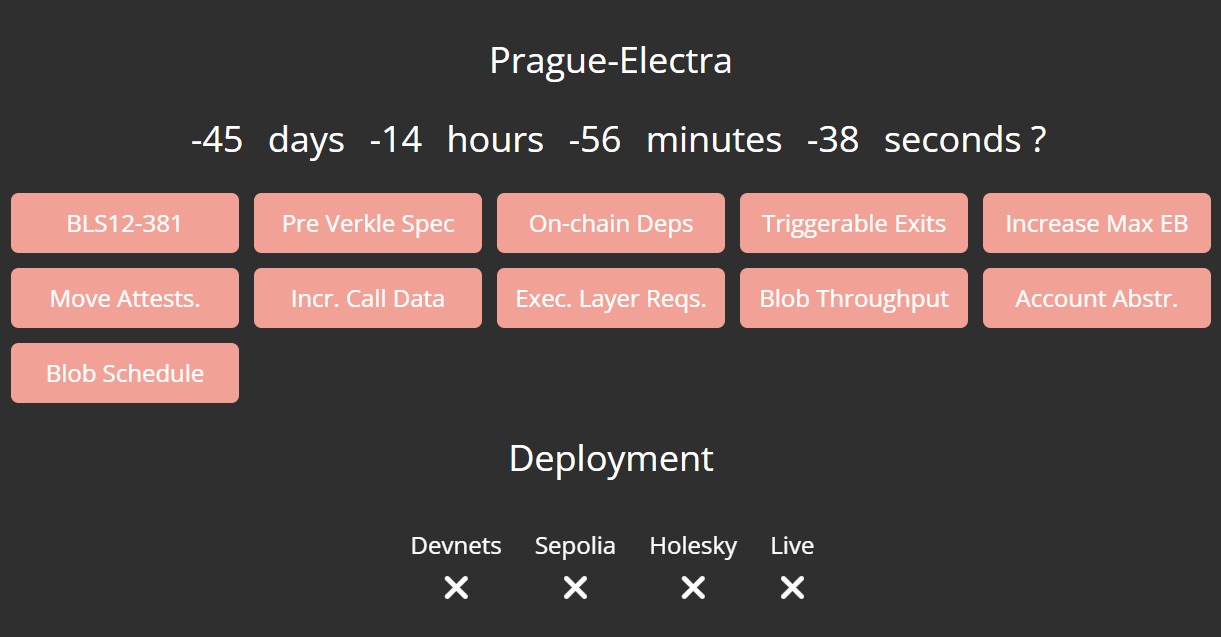
来源:https://ethroadmap.com/  

Spectra 升级(又称 Pectra,源自 Prague + Electra)计划于 2025 年 5 月7日正式上线,是自合并以来最重要的网络升级。此次升级聚焦提升可扩展性和用户体验,同时优化验证者运维。核心目标包括:智能账户支持、扩大数据吞吐、流畅的质押/退出流程等。Spectra 包含约 11 个核心 EIP,涵盖了执行层和共识层的多项改动。其中主要内容有:

  • 账户抽象:EIP-7702允许普通外部账户(EOA)“临时”表现为智能合约,使钱包可以打包交易、设定操作条件、由第三方代付手续费等功能。这意味着用户以后无需持有 ETH 即可支付 Gas,可使用如 USDC、DAI 等稳定币来付费,大大简化了新手入门门槛。
     
  • 验证者灵活性:引入 EIP-7251 将验证者的最大质押余额从 32 ETH 提升至 2048 ETH,使大型质押方可以将多个验证者整合为单个节点,从而减少运行多节点的开销。同时 EIP-7002 添加执行层触发退出机制,验证者可通过调用合约自行退出,而无需持有原始验证者私钥,这进一步简化了验证者的退出流程。这些改动将降低运营复杂度、提高网络可用性。
     
  • 扩容与数据可用性:EIP-7691 将每区块可承载的 blob 数据量对半翻倍(平均值从 3 提升至 6,峰值从 6 至 9),有效提升 Layer2(Rollup)吞吐,缓解以往的拥堵问题。同时为了不使节点硬件需求过于苛刻,引入 PeerDAS(EIP-7594)——一种点对点数据可用性采样协议。PeerDAS 使得网络可通过随机抽样的方式确认 L2 数据是否可用,而无需每个节点都完整下载所有数据,在提高吞吐的同时保持节点的去中心化性。
     
  • 状态优化:EIP-2935 在执行层引入新的系统合约,可供查询最近 8192 个区块哈希,为未来引入 Verkle 树等技术做好准备。具体来说,此合约让轻节点能够在不保存全部历史的情况下,获取相对较长历史的区块哈希,从而为去中心化的状态验证提供便捷支持。此外,EIP-7549 将 attestation 消息中的委员会索引移出签名范围,以简化共识节点的验证工作,并提升零知识证明电路的效率。
     
  • 其他改进:Spectra 还包括将验证者存款纳入执行层(EIP-6110),使 ETH 存款在出块时直接并入信标链,简化了历史存款数据的验证;EIP-7840 将区块的 Blob 配置参数固定在客户端,统一了执行共识的参数;EIP-7623 调整了传统 calldata 的费用定价,引导开发者更多使用更高效的 Blob 存储。此外,还引入了 BLS12-381 曲线预编译(EIP-2537)等功能,以支持未来零知识协议和多签名应用。
     

通俗地说,Spectra 升级使以太坊网络能够在不牺牲去中心化的前提下跑得更快更稳。以太坊节点未来将能支持更大的数据量,同时所需的硬件门槛并不会成倍增长,因为新引入的 PeerDAS 机制减轻了每个节点的负担。更高的吞吐能力和更灵活的验证机制,将为用户带来更低的交易手续费和更快的确认时间,而开发者则能在此基础上设计更复杂、互动性更强的应用。

三、Spectra 升级对加密市场的影响分析

1.资金流出与 ETH持续低迷

今年以来,以太坊现货 ETF 累计净流出已超 1.1 亿美元,面临抛压 。机构减仓导致 ETH/BTC 比价跌至 0.019 的五年新低,然而SOLETH 比率则上涨 24 %。Q1 以来,ETH 网络平均 L1 Gas 费高出 Solana 20–30 倍,同期 ETH 处理量约 1.5 TPS,而 Solana 峰值突破 2,000 TPS。由于 32 ETH 质押门槛偏高,ETH 质押率仅 28 %,而 Solana 质押率达 65 % 。
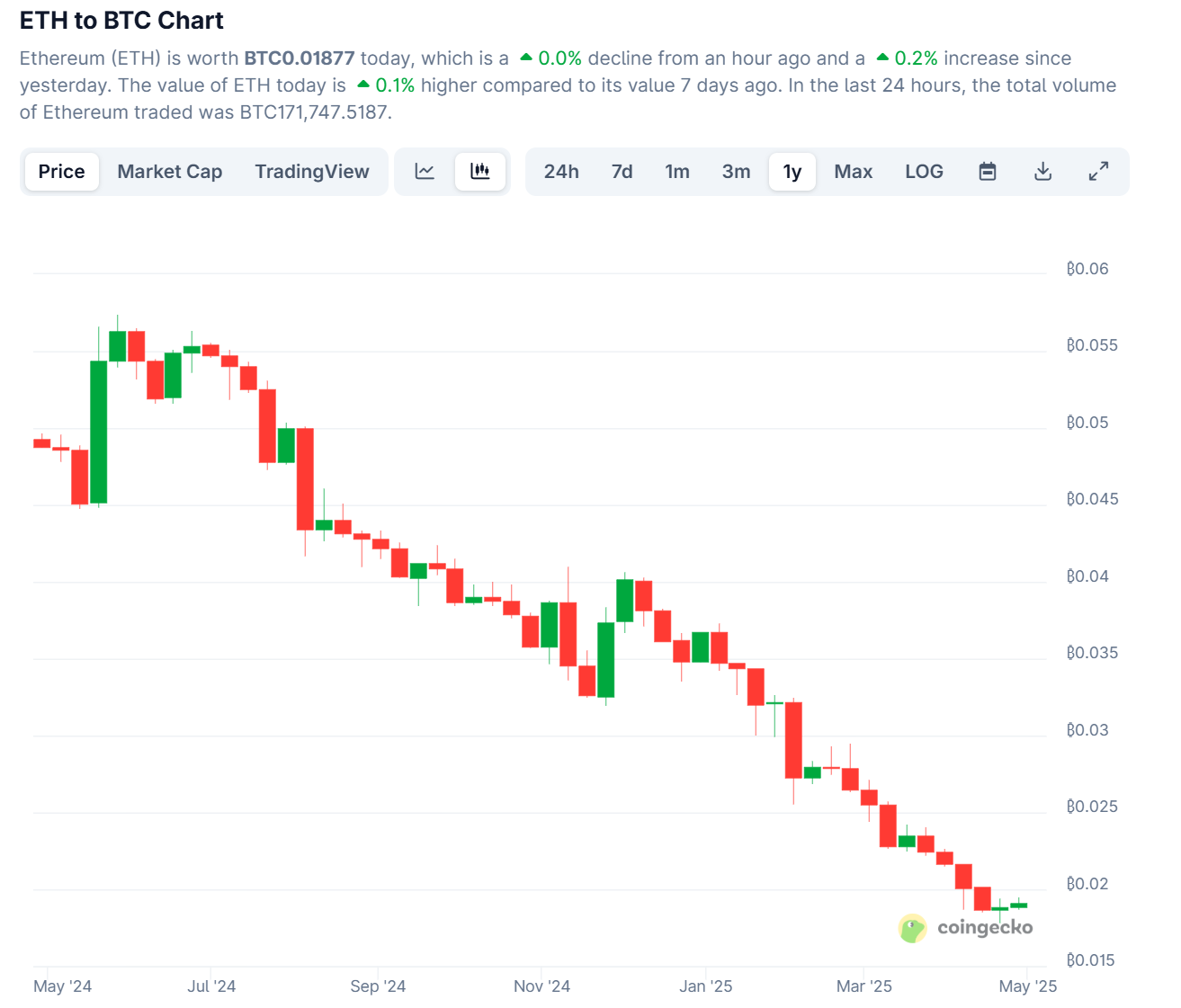
来源:https://www.coingecko.com/en/coins/ethereum/btc 
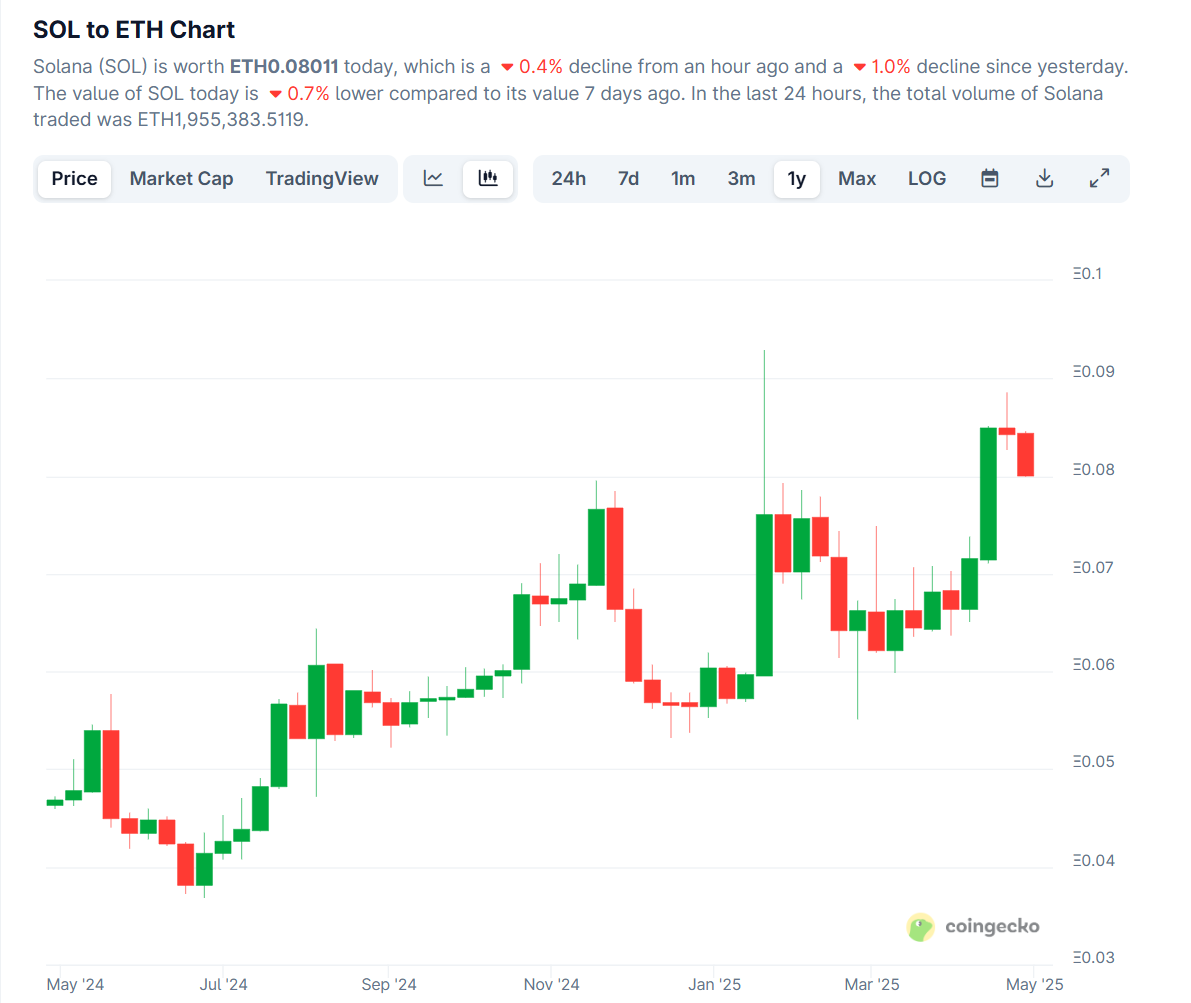
来源:https://www.coingecko.com/en/coins/solana/eth

2. Spectra 升级对 ETH 供需结构的重塑

  • 智能账户(EIP‑7702) 允许用 USDC/DAI 直接支付 Gas,取消“先买 ETH”门槛,业内普遍预计能提升日活 15–25 % 。
     
  • Blob 容量翻倍 + PeerDAS 令 L2 平均手续费有望再降 40 %,Rollup 交易量预计 6 个月内提升 2–3 倍 。
  • EIP‑7251 把单验证者上限提高到 2,048 ETH,可将大型节点合并,减少“复投”质押奖励流失;若 20 % 的质押者合箱,年化新抛压理论上可下降 3–4 % 。
     
  • EIP‑7002 允许执行层发起主动退出,提升流动性;结合 ETF 规则禁止质押,Spectra 后或促使更多长线资金在链上直接质押以赚收益,减少二级市场流通筹码。
     

3. 对 L1和L2 的连锁影响

  • Solana 高负荷时仍偶现停机,且缺乏智能账户级别的原生抽象;Spectra 若显著改善 ETH 体验,可能分流部分高频交易与 DeFi 资金,抑制 SOL「翻盘」预期。
  • Sui 依赖游戏与社交场景差异化。Spectra 降费后,L2 游戏(如 Immutable、Xai)成本优势将凸显,或对 Sui 形成潜在竞争。
  • Layer2 项目将从升级中直接受益。更大的 Blob 容量和数据可用性改进,使 Arbitrum、Optimism 等项目的交易更加高效、费用更低,从而提高这些扩容方案的吸引力。随着升级落地,市场参与者预期整个加密生态(尤其是 Rollup 代币和 DeFi 平台)将迎来更多资金和用户涌入。

四、Spectra 升级带来的机遇与挑战

Spectra 升级为以太坊及整个行业带来诸多机遇:

1.有望巩固以太坊的竞争优势:通过显著提升扩展性和用户友好度,Spectra 使以太坊能够更好地应对 Solana、Avalanche、BNB Chain 等竞品的挑战。例如,随着以太坊提高了处理能力和降低了手续费,投资者和开发者将更倾向于在以太坊生态中持续投入,而非转向其他链。

2.提升以太坊对机构的吸引力:更高的可扩展性和稳定性,结合即将支持的企业级功能(如原生隐私和合约账户等),有望吸引金融科技和传统金融机构进一步参与 Web3 领域。这符合以太坊成为“真正全球化、安全基础设施”的长期愿景。

3.对普通用户更加友好:友好的支付方式和更低的入门门槛则可能推动大众用户的普及,有助于加密市场的整体成长。

然而,Spectra 同时也面临挑战:

1.技术复杂性和实施风险:此次升级集成了多项前沿技术(PeerDAS、Verkle 等),在测试阶段就曾出现意外情况:两次测试网激活时验证者出现失误,导致网络分叉,开发者不得不做第三次测试来修复问题。这凸显出大规模协议升级的复杂度,未来任何相似的改动都需极为谨慎。

2.Layer2 生态的碎片化:当前以太坊上有多种 L2 解决方案,如何实现更好的跨链互操作和流动性共享,依然需要更多标准和基础设施的支撑。

3.竞争对手的压力:其他公链不甘落后,也在加紧推进扩容和用户体验改进,Spectra 虽提升了以太坊的领先优势,但其他链的技术迭代将持续存在。从策略上看,以太坊需要在提升性能的同时,持续加强去中心化和安全属性以保持优势。

五、以太坊后续升级展望与总结

展望未来,以太坊路线图仍在不断演进。完成 Spectra 后,接下来的重点包括进一步完善协议和引入下一代技术。以太坊基金会已提出在 2025 年之后的路线中纳入 Fusaka和 Glamsterdam两大升级目标。其中 Fusaka 将引入 PeerDAS 等更完整的数据可用性采样方案,使以太坊在不“吞掉”全网数据量的前提下,进一步实现极高吞吐;Glamsterdam 则专注于 Gas 成本优化和协议效率改进,使网络在更复杂负载下保持高性能,特别对深入整合的 Layer2 Rollup 和 ZK 技术提供支持。这两个升级将把以太坊推向真正的全球化高吞吐结算层。

总之,Spectra 升级使以太坊在扩容和用户体验上迈出重要步伐,这为 DeFi/NFT、大型应用和机构级别用例提供了机遇。但与此同时,升级的技术难度高、外部竞争加剧、监管环境尚未明朗、以及多层级生态互操作的难题都对以太坊提出了更高要求。未来,以太坊生态能否充分利用这些机遇,并有效应对挑战,将决定其在全球加密市场中的地位。

关于我们

Hotcoin Research 作为 Hotcoin 生态的核心投研中枢,专注为全球加密资产投资者提供专业深度分析与前瞻洞察。我们构建"趋势研判+价值挖掘+实时追踪"三位一体的服务体系,通过加密货币行业趋势深度解析、潜力项目多维度评估、全天候市场波动监测,结合每周双更的《热币严选》策略直播与《区块链今日头条》每日要闻速递,为不同层级投资者提供精准市场解读与实战策略。依托前沿数据分析模型与行业资源网络,我们持续赋能新手投资者建立认知框架,助力专业机构捕捉阿尔法收益,共同把握Web3时代的价值增长机遇。

风险提示

加密货币市场的波动性较大,投资本身带有风险。我们强烈建议投资者在完全了解这些风险的基础上,并在严格的风险管理框架下进行投资,以确保资金安全。

Website:https://lite.hotcoingex.cc/r/Hotcoinresearch

X: x.com/Hotcoin_Academy

Mail:labs@hotcoin.com 

Trending Cryptos

Related Reads

In the AI Era, What's Left for Bitcoin?

As Bitcoin falls below $60,000, the author reflects on the relationship between AI and Bitcoin, seeing them as two sides of the same coin. In the AI era, the cost of generating content has plummeted, making fake text, images, and videos increasingly easy and cheap to produce. This has led to a fundamental shift: while AI dramatically lowers the cost of information production, it also undermines trust and authenticity online. What becomes truly valuable is not more content, but the ability to verify what is real—"verifiability." This perspective offers a new lens for Bitcoin. Its massive energy consumption, often criticized as wasteful, is reinterpreted. While AI burns energy to enhance "capability" and efficiency, Bitcoin burns energy to produce "verifiability." Its purpose is not to be trusted but to enable a system where no trust in intermediaries—banks, platforms, or developers—is needed. Every transaction and the entire ledger's history is secured by cryptography and a decentralized network of nodes, making it independently verifiable. AI cannot forge a transaction on the Bitcoin network because the system is designed for proof, not generation. The author draws a historical parallel to the Renaissance: the printing press drastically reduced the cost of copying knowledge, while double-entry bookkeeping reduced the cost of trust in commerce. Today, AI is the new printing press, reducing content creation costs to near zero. Blockchain, and Bitcoin as its pioneer, may be the modern equivalent of double-entry bookkeeping—a foundational technology for verifying digital asset ownership and historical records without centralized authorities. Thus, AI and blockchain are not competitors. AI lowers the cost of creation; blockchain lowers the cost of verification. In an age where AI can generate anything, true scarcity may lie not in more content, but in independently verifiable facts. Whether the market will reprice Bitcoin accordingly remains uncertain, but its core value proposition as a "machine for producing verifiability" becomes strikingly relevant.

marsbit21m ago

In the AI Era, What's Left for Bitcoin?

marsbit21m ago

In the Age of AI, What's Left for Bitcoin?

Author: Sevclub, Seven Research Amid Bitcoin's recent drop below $60k, the author reflects on a growing sense that AI and Bitcoin are two sides of the same coin. Today, encountering any content triggers a new default question: "Was this made by AI?" The cost of generating convincing text, images, and video is now negligible. While the internet lowered information *distribution* costs, AI is crashing information *production* costs to near zero. The consequence is a flood of content where truth and falsehood are increasingly indistinguishable. In this environment, what becomes truly valuable is not more information, but the ability to verify what is real—"verifiability." This reframes the common criticism that Bitcoin "wastes electricity." AI consumes power to produce "capability" (e.g., more powerful models). Bitcoin consumes power to produce something else: "verifiability." Bitcoin's core purpose isn't about belief or trust in any institution, developer, or even its creator. It's about enabling independent verification. Every bitcoin's origin, every transaction, and the integrity of the entire ledger are secured by mathematics, cryptography, and a global network of nodes. AI can fabricate convincing media, but it cannot falsify a transaction on the Bitcoin network. The expended energy makes篡改历史 (tampering with history) prohibitively expensive, purchasing a globally verifiable ledger. The author draws a historical parallel to the Renaissance. The printing press drastically reduced the cost of copying knowledge, while double-entry bookkeeping reduced the cost of trust in commerce—one enabled creation, the other verification. Today, AI is the new printing press, driving content production costs toward zero. The question becomes: what is this era's "double-entry bookkeeping"? Blockchain appears to be the leading candidate. It doesn't verify which news is true or which image is real, but it provides a foundational layer for independently verifying asset ownership and historical records in the digital realm without centralized authorities. Therefore, AI and blockchain are not in competition. AI lowers the cost of *generation*. Blockchain (and Bitcoin as a prime example) lowers the cost of *verification*. One creates, the other proves. Whether Bitcoin ultimately succeeds remains uncertain, facing potential challenges from quantum computing, regulation, and technical evolution. However, the author now sees it less as a "machine for making bitcoin" and more as a "machine for making verifiability." In an age where AI can generate anything, true scarcity may no longer be "more content," but "more independently verifiable facts." Whether the market will price this accordingly is a separate question.

链捕手29m ago

In the Age of AI, What's Left for Bitcoin?

链捕手29m ago

Trading

Spot

Hot Articles

Discussions

Welcome to the HTX Community. Here, you can stay informed about the latest platform developments and gain access to professional market insights. Users' opinions on the price of ETH (ETH) are presented below.

活动图片