CEO Uniswap призвал приоритизировать L2 для масштабирования Ethereum

cryptonews.ruPublished on 2024-11-20Last updated on 2025-04-20

Блокчейн Ethereum уступает Solana с точки зрения строительства DeFi, потому разработчикам стоит придерживаться курса на развитие решений второго уровня (L2). Такое мнение озвучил глава Uniswap Хейден Адамс в рамках дискуссии с сооснователем Bankless Дэвидом Хоффманом.

Solana has a better roadmap, team, and and approach if the plan is to do defi on L1 /vertical scaling

Ethereum has been working towards L2 centric / horizontal scaling roadmap for 5+ years

You want to throw this away at the final stretch because of what reason?

— Hayden Adams 🦄 (@haydenzadams) April 19, 2025

Дебаты спровоцировал пост X-аккаунта Unichain — L2-проекта разработчиков Uniswap — со словами «Unichain — для DeFi». Хоффман возразил, указав на L1 Ethereum.

«Если план состоит в том, чтобы построить DeFi на L1 и вертикальном масштабировании, у Solana лучше роадмап, команда и подход. Ethereum уже более 5 лет работает над дорожной картой, ориентированной на L2 и горизонтальное масштабирование. Почему вы хотите отказаться от этого на финишной прямой?», — заявил Адамс в ответ сооснователю Bankless.

Он отметил, что выступает за улучшения для масштабирования L1 как одно из требований роллап-центричной дорожной карты, однако назвал проблемой «путаницу» в приоритетах:

«Людям нужно определиться с курсом и попытаться снизить связанные с ним риски, а не пытаться каждый месяц менять нарративы и стратегию.»

По словам Адамса, пытаться следовать всем подходам одновременно — «единственное, что может быть хуже, чем не выбирать ничего».

Хоффман призвал совмещать работу над обоими слоями в экосистеме Ethereum.

«Это не должна быть “роллап-центричная дорожная карта”, это должна быть “роллап-центричная дорожная карта вокруг очень сильной L1”», — ответил соучредитель Bankless.

Он отметил, что выступает против присвоения статуса «дома для DeFi» какой-либо из L2-сетей, потому что это «происходит за счет DeFi на L1».

В январе в одной из своих статей основатель Ethereum Виталик Бутерин заявил, что экосистема продолжит масштабироваться в первую очередь через L2-решения.

Тогда он отметил, что основными препятствиями этому остаются недостаточное пространство для BLOB-объектов и взаимная несовместимость различных сетей второго уровня.

В апреле в Ethereum представили «упрощенную дорожную карту» на ближайший год: масштабировать BLOB-объекты и L1, а также улучшить пользовательский опыт посредством большей интероперабельности между сетями второго уровня и работы над уровнем приложений.

simplified roadmap

— scale blobs
— scale the L1
— improve UX (L2 interop + app layer focus)

— joshrudolf.eth (@rudolf6_) April 13, 2025

Многие комментаторы высказались в поддержку курса на масштабирование основной сети, предусмотренного в обновлении Glamsterdam.

Напомним, в апреле экосистема Ethereum вернула лидерство по совокупному объему торгов на децентрализованных биржах, сместив Solana.


Trending Cryptos

Related Reads

Li Fei-Fei's Latest Long-Form Article: When Video Generation, Robotics, and NVIDIA All Call Themselves World Models, We Need a Taxonomy

In a new article, Dr. Fei-Fei Li addresses the widespread and often inconsistent use of the term "world model" in AI. She proposes a clear, functional taxonomy rooted in the classic Partially Observable Markov Decision Process (POMDP) loop (agent → action → state → observation → agent). According to this framework, current systems called "world models" are different projections of this loop, categorized by their primary output: 1. **Renderers**: Output observations (pixels). Their goal is visual fidelity for human consumption (e.g., video generation models like Sora). They are the most commercially mature but are limited by a focus on appearance over physical accuracy. 2. **Simulators**: Output states (geometric, physical, dynamic representations). They provide a structurally accurate world for both human professionals (e.g., architects) and computational agents (e.g., robots for training). Li argues simulators are the crucial, underappreciated bridge, as they can underpin both rendering and planning. 3. **Planners**: Output actions. Given an observation and a goal, they decide what an agent should do next (e.g., robotic action models). This area is highly promising but remains the least mature for real-world deployment. Li highlights a key trend: the boundaries between these three categories are beginning to blur, as they all rely on a shared underlying understanding of geometry, physics, and dynamics. The logical endpoint is a unified world foundation model capable of switching between rendering, simulation, and planning based on downstream needs. This convergence, she concludes, is central to advancing spatial intelligence—enabling machines not just to talk about the world, but to truly understand, imagine, and interact with it.

marsbit49m ago

Li Fei-Fei's Latest Long-Form Article: When Video Generation, Robotics, and NVIDIA All Call Themselves World Models, We Need a Taxonomy

marsbit49m ago

Forbes Feature: Stablecoin Cross-Border Payments Are Faster, But Not Yet Cheaper

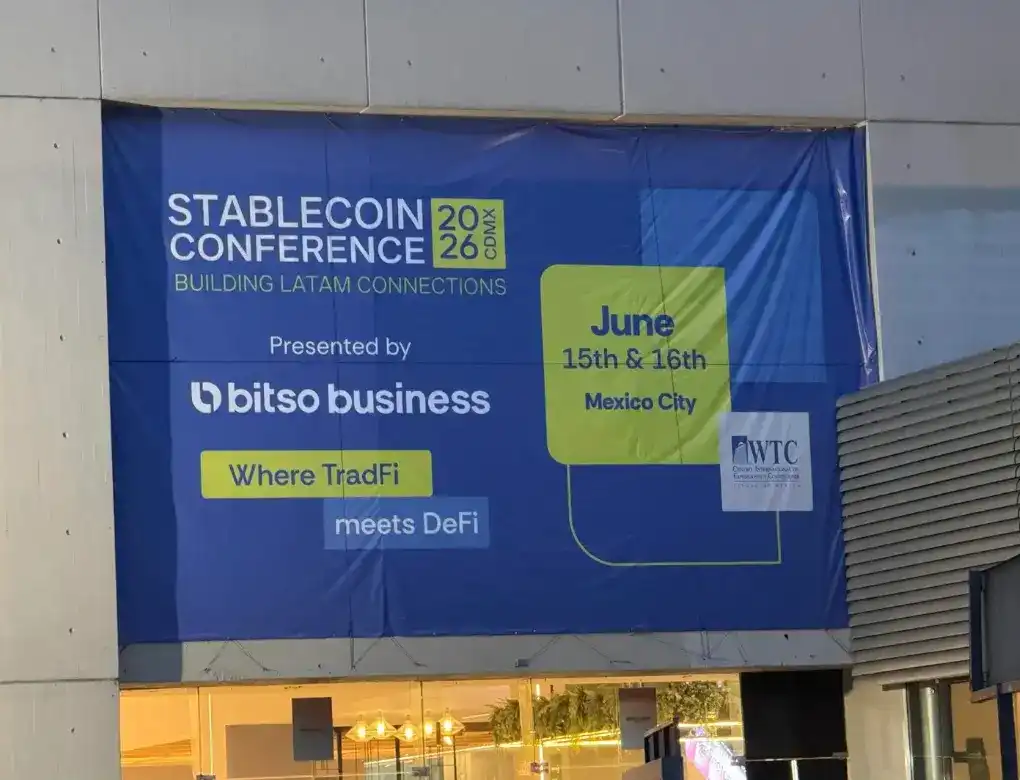
A Forbes feature delves into the state of stablecoin-based cross-border payments, noting rapid growth but a key shortfall: while faster and more accessible, they are not yet cheaper. At a recent industry conference in Mexico City, optimism about technology, regulation, and volume was tempered by discussions with practitioners. The core issue is liquidity. Traditional FX brokers charge 60-70 basis points, and stablecoins promise to slash this to 2-5 basis points. However, this theoretical cost advantage cannot be realized until deep liquidity pools are established at scale, requiring significant institutional capital inflow. A major adoption barrier is trust. Businesses often rely on long-standing relationships with traditional brokers, valuing reliability over marginal cost savings. This shift will be gradual. Furthermore, successful companies in the space are not positioning themselves as replacements for legacy systems like SWIFT, but as complements. They leverage stablecoins for speed while using traditional rails for their standardization and reliability in ensuring accurate payment details—a critical factor for supplier payments to avoid customs issues. Companies like Caliza, experiencing high monthly growth, exemplify this hybrid approach. The industry anticipates consolidation, as long-term viability will depend on securing the essential trifecta: proper licensing, robust fiat on/off-ramps, and deep liquidity. Without these, firms risk being mere intermediaries rather than building sustainable businesses.

marsbit50m ago

Forbes Feature: Stablecoin Cross-Border Payments Are Faster, But Not Yet Cheaper

marsbit50m ago

Li Feifei's Latest Article: When Video Generation, Robotics, and NVIDIA All Claim to Have 'World Models,' We Need a Taxonomy

"World Model" has become a widely used yet ambiguous term in AI. Drawing from the classic POMDP framework (agent → action → state → observation), this article proposes a functional taxonomy to clarify the concept. It identifies three distinct types, categorized by their output in the perception-action loop: 1. **Renderers**: Output visual observations (pixels). These models, like advanced video generators, prioritize visual fidelity but often lack underlying physical accuracy. 2. **Simulators**: Output the state of the world (geometry, physics, dynamics). They provide a structurally accurate representation for professionals (e.g., architects) and serve as training environments for robots and AI agents. 3. **Planners**: Output actions. Given an observation and a goal, they determine what an agent should do next, closing the perception-action loop (e.g., vision-language-action models). While renderers are currently the most commercially mature and planners are the most aspirational, the article argues that **simulators are the crucial, underappreciated hub**. By working at the level of geometry and physics, a simulator can project upwards to create visuals for humans and downwards to predict action consequences for agents. The future lies in the convergence of these three functions. Emerging research and products, like World Labs' Marble model which outputs both visual splats and physical collision meshes, are beginning to blur these boundaries. The logical endpoint is a unified world foundation model capable of rendering, simulating, and planning based on a shared understanding of spatial and temporal structures—ultimately enabling machines to understand, imagine, and interact with the physical world.

链捕手1h ago

Li Feifei's Latest Article: When Video Generation, Robotics, and NVIDIA All Claim to Have 'World Models,' We Need a Taxonomy

链捕手1h ago

Trading

Spot

Hot Articles

Discussions

Welcome to the HTX Community. Here, you can stay informed about the latest platform developments and gain access to professional market insights. Users' opinions on the price of ETH (ETH) are presented below.

活动图片