Solana отмечает 5-летие на фоне снижения сетевой активности

cryptonews.ruPublished on 2024-10-17Last updated on 2025-03-17

Acryptoinvest.news: В воскресенье Solana отметила свой 5-летний юбилей, что стало важной вехой в истории сети, которая в настоящее время является шестой по величине криптовалютой в мире по рыночной капитализации.

Однако в последние месяцы активность в сети снизилась. Количество активных адресов в сети уменьшалось каждый месяц с момента пика в ноябре, и в марте, по всей видимости, будет меньше активных адресов, чем в феврале.

Снижение активности, вероятно, связано с уменьшением популярности площадки для запуска мемкоинов Pump fun, которая стала самым быстрорастущим стартапом в истории криптовалют после своего запуска в мае 2024 года, которому потребовалось всего 217 дней, чтобы достичь совокупного дохода в 100 миллионов долларов.

Популярность Pump fun в последнее время пошла на спад после ряда громких скандалов с memecoin, включая тот, который затронул президента Аргентины и привел к призывам к его импичменту. В субботу всего 0,66% токенов перешли на Raydium с стартовой площадки, что является самым низким показателем с момента запуска платформы. (Переход токенов указывает на значительную долю участия трейдеров memecoin.)

Тем не менее, цена SOL значительно выросла со значения ниже $10 после краха криптовалютной биржи FTX в ноябре 2022 года, которая была значительным спонсором сети. Соучредитель Solana, Радж Гокал назвал кризис FTX «критическим моментом» для зарождающейся блокчейн-сети в то время. SOL восстановил свои пиковые цены 2022 года, прежде чем снизиться до текущей стоимости около $127.

Запуск Firedancer на несколько дюймов ближе

Следующей важной вехой для блокчейна, вероятно, станет запуск клиента Firedancer Solana от Jump Crypto, который предоставляет альтернативный высокопроизводительный клиент для сети, увеличивая ее возможности обработки транзакций и устойчивость к угрозам и сбоям. Тестовая версия клиента и прототип основной версии под названием Frankendancer были запущены в сентябре прошлого года.

Хотя изначально запуск был запланирован на второй квартал 2024 года, ожидается, что Firedancer будет запущен в полном объеме в этом году. Соучредитель Helius, Мерт Мемтаз, значимая фигура в сообществе Solana, в декабре предсказал, что Firedancer будет запущен «в конце второго квартала». Ожидается, что обновление поможет Solana масштабироваться до своей цели в 1 миллион транзакций в секунду (TPS).

Solana также может быть одобрена для включения в ETF в 2024 году; несколько управляющих активами подали предложения о фондах, которые будут включать токен. Solana, наряду с Litecoin, Dogecoin и XRP, упоминается аналитиками как имеющая высокую вероятность одобрения ETF.


Trending Cryptos

Related Reads

Blood Loss of $55 Million Selling 3,588 BTC, Strategy Becomes a Literal Scumbag

On July 6th, Strategy (formerly MicroStrategy) disclosed in an SEC filing that it sold 3,588 Bitcoin (BTC) between June 29th and July 5th for approximately $216 million, at an average price of ~$60,200. This marked the company's largest net sale since initiating its Bitcoin strategy in 2020 and its first institutionalized reduction of its core holding. The sale resulted in a realized loss of about $54.8 million, as the selling price was below its average cost basis of ~$75,476 per BTC. The proceeds were used to pay preferred stock dividends and replenish USD reserves. This move follows a new "Digital Credit Capital Framework" approved on June 29th, authorizing the sale of up to $1.25 billion in Bitcoin. The sale consumes roughly 17% of this authorized amount in its first week. Strategy's foundational narrative, built by founder Michael Saylor, was a commitment to "never sell" Bitcoin. The recent institutionalized selling framework and these substantial sales represent a significant shift from that original promise. While the amount sold is only 0.4% of Strategy's total holdings of 843,775 BTC, the action challenges the premium at which its stock (MSTR) trades relative to its Bitcoin holdings. Investors had priced in the "never sell" narrative. The company now faces a contradiction: it sells Bitcoin at a loss to pay dividends on the preferred stock it issued to fund Bitcoin purchases. Saylor has framed selling as a tool for future strategic purchases, but each sale erodes the credibility of the original commitment, potentially threatening the premium valuation of MSTR shares.

Foresight News34m ago

Blood Loss of $55 Million Selling 3,588 BTC, Strategy Becomes a Literal Scumbag

Foresight News34m ago

Dialogue with Yihui Capital, SoundAI Technology, Ling Universe, and Zhongbo Jili: Opportunities and Challenges in the AI Smart Hardware Track

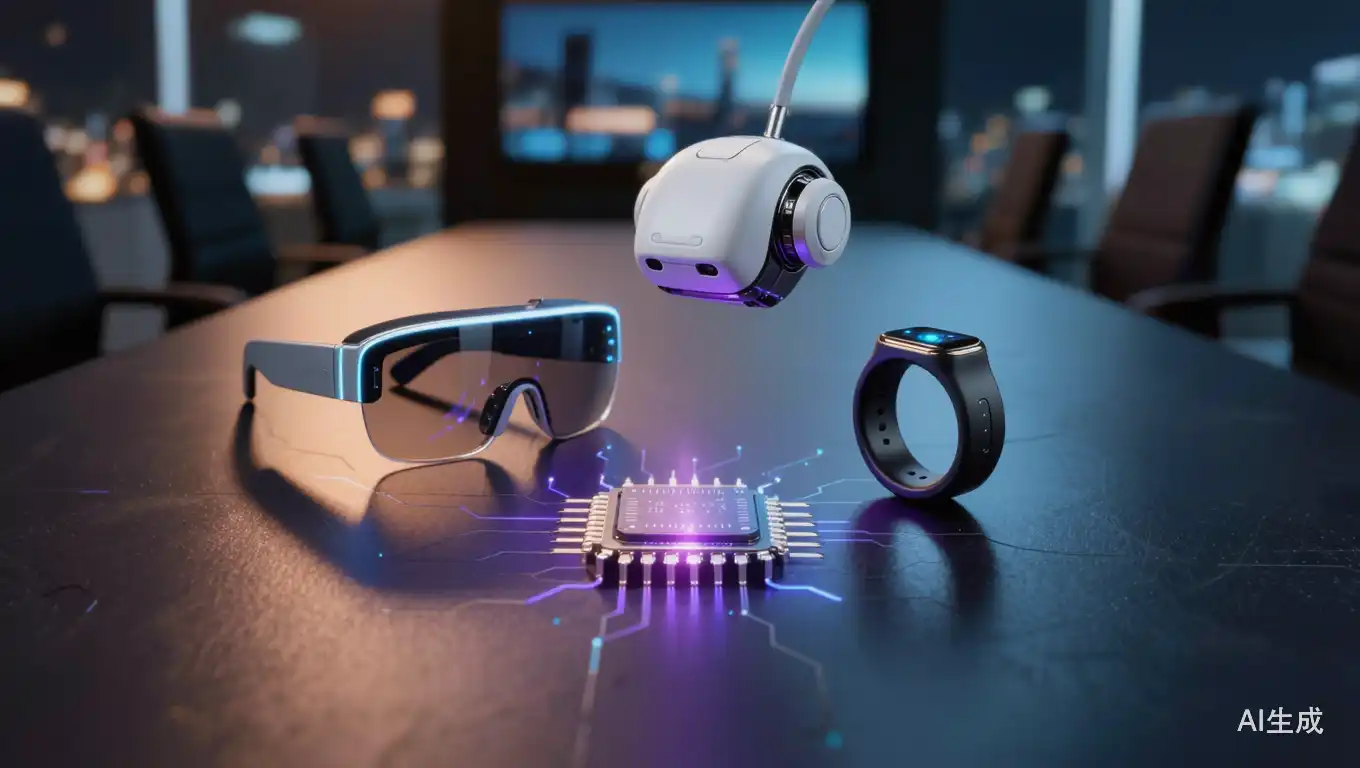
On June 28, 2026, an event titled "New Opportunities in AI Hardware: The Battle for Interactive Entry Points Begins" was held in Beijing. It featured a report from ITJuzi and discussions with experts from SoundAI, Ling Universe, One Reed Capital, and Zhongbo Juli on the opportunities and challenges in China's AI hardware sector. Key report findings highlight the sector's intense activity: 327 out of 431 startups founded post-2023 have secured funding, with 179 investments in H1 2026 alone. The landscape is dominated by embodied intelligent robots, while wearable tech like smart rings and AI glasses shows rapid growth. Geographically, Shenzhen leads, leveraging its superior hardware supply chain, followed by Beijing and Shanghai. The overarching trend is for companies to focus on micro-innovations within specific scenarios rather than reinventing foundational technology. Industry leaders shared several critical insights: 1. **Balancing Innovation & Market Readiness**: Entrepreneurs face the "hammer looking for a nail" dilemma. Success requires balancing technical capability with user acceptance, cost control, and incremental design improvements rather than chasing disruptive innovation. 2. **Competitive Landscape**: The future interactive entry point may not be a single super-device but a mix of universal terminals and specialized, scenario-specific hardware. While large companies have ecosystem advantages, startups can win by deeply targeting vertical markets and specific user groups. 3. **Core Challenges & Business Models**: Key hurdles include deep understanding of AI models and navigating non-transparent hardware supply chains. Viable business models may involve selling hardware at cost and generating revenue through software subscriptions, but this requires tight control over both hardware BOM and model inference costs. 4. **The Road to Commercialization**: The ultimate test is market validation—achieving sales growth and sustainable cash flow. Companies must find the right application scenario, use edge computing effectively, and close the loop from technology to commercial success. 5. **The Future of Interaction**: Proactive, context-aware interaction is the next frontier, though it's currently limited by issues like model hallucinations and environmental perception. The near-term focus should be on identifying target users and creating a coherent experience in specific domains, such as health wearables. In summary, to succeed in the competitive AI hardware arena, companies must strategically choose their niche, build a team with the right geographical advantages (e.g., leveraging Shenzhen's supply chain), and most importantly, execute a flawless commercialization strategy that translates technology into market-accepted products and sustainable business growth.

marsbit1h ago

Dialogue with Yihui Capital, SoundAI Technology, Ling Universe, and Zhongbo Jili: Opportunities and Challenges in the AI Smart Hardware Track

marsbit1h ago

Trading

Spot

Hot Articles

Discussions

Welcome to the HTX Community. Here, you can stay informed about the latest platform developments and gain access to professional market insights. Users' opinions on the price of SOL (SOL) are presented below.

活动图片