韭菜的自我修养:当古老的代投披上AI外衣,0G的魔幻现实主义割韭指南

marsbitPublished on 2025-03-13Last updated on 2025-03-14

如果你还在感叹2017年的ICO是币圈的“黄金时代”,那么恭喜你,今天的市场已经进化到了一种更高级、更精致、更魔幻的收割模式——AI+区块链+资金盘的缝合怪。

0G,一个号称“去中心化AI操作系统”的新项目,顶着“AI民主化”的光环,打着科技创新的旗号,实际上却是一本精妙绝伦的割韭圣经。它不仅拿到了7500万美元的融资,还借着“节点销售”这一古早割韭技巧,将“经济舱”“头等舱”玩法搬到了Web3赛道,甚至连解锁规则都玩出了“数学玄学”新高度。

如果说币圈的历史就是一部镰刀进化史,那0G无疑是最新版本的AI智能收割机。接下来,让我们深入这场金融魔术秀,看看这个项目如何凭借“高端黑话+资本加持+割韭艺术”,打造了一场当代加密市场的魔幻现实主义剧本。


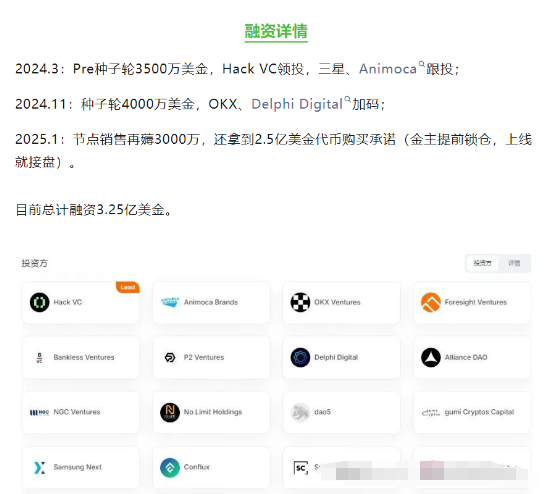
当"去中心化"沦为资本传销的遮羞布:论如何用PPT收割3.25亿美金的艺术

节点

看到0G项目方在软文里大书特书"首个去中心化AI操作系统",我差点以为自己在看《三体》里的"思想钢印"产品说明书。这个号称要"消除AI民主化障碍"的项目,本质上就是个缝合了区块链黑话、AI泡沫和古典资金盘技术的究极缝合怪。


节点

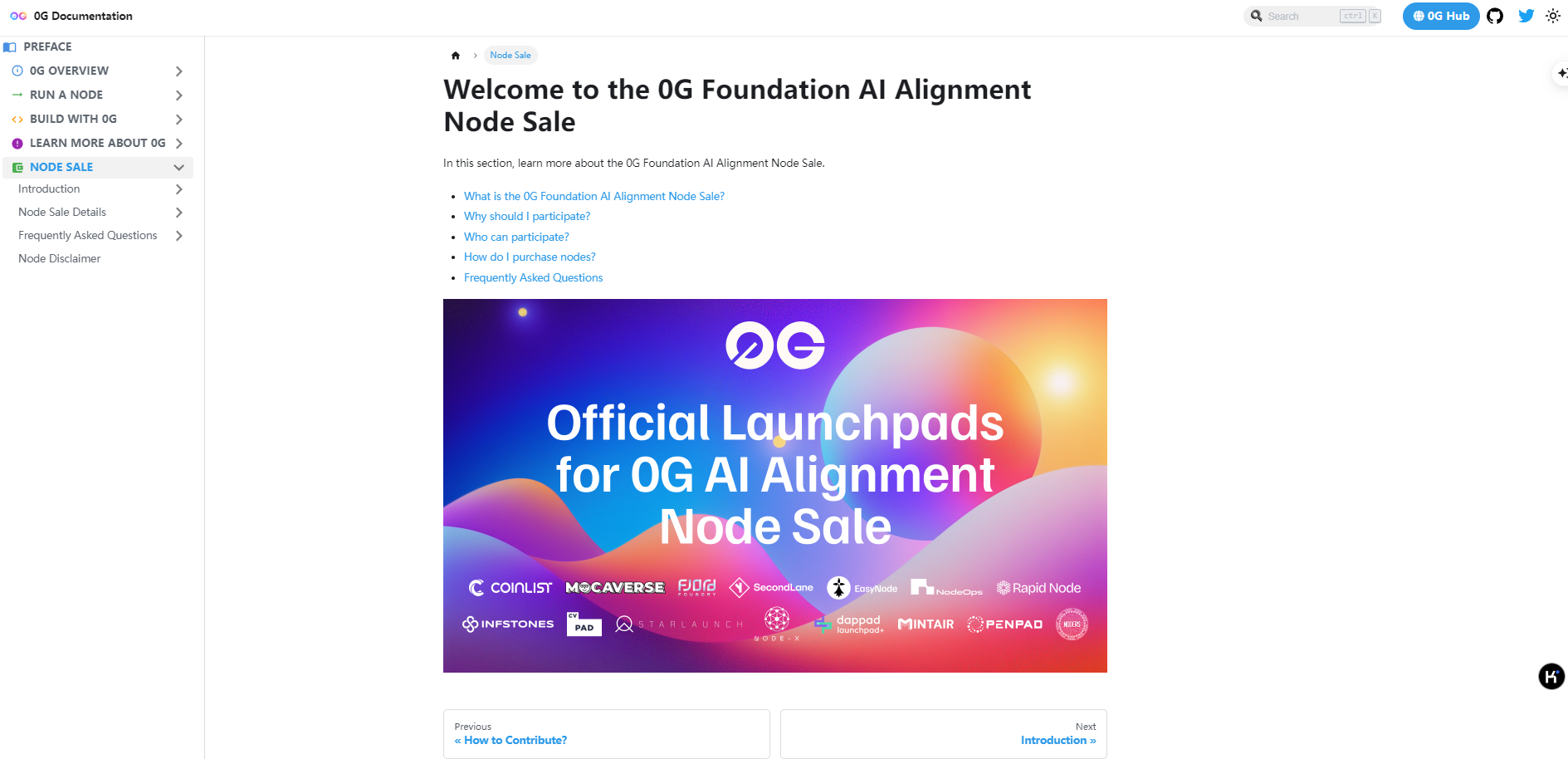
让我们细品这波骚操作:项目方先是拿Hack VC、三星等机构背书融了7500万刀,转头就搞出个"节点销售"的经典割韭三板斧。

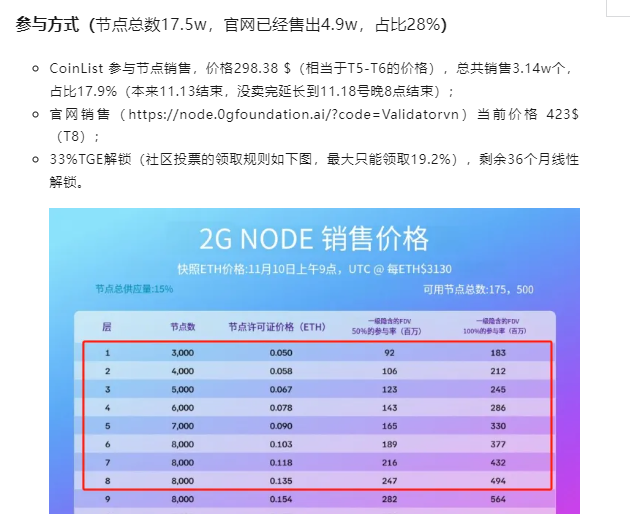
这里有个当代行为艺术的精妙之处——他们甚至贴心地准备了两种宰客套餐:CoinList上298刀/节点的"经济舱",官网上423刀/节点的"头等舱",完美诠释了"韭菜也分三六九等"的互联网阶级观。

节点


0G此前进行销售节点延期

更魔幻的是,原本计划11月13日结束的销售,硬是拖到18号才勉强凑数,这场景像极了菜市场收摊前甩卖蔫白菜的大妈。


节点


最让我拍案叫绝的是项目方的"解锁玄学":号称TGE解锁33%,结果实际操作中最大只能提19.2%。这数学水平建议和"1.2米儿童票按身高1/3收费"的景区学习交流,毕竟人家好歹还能算出40厘米的精确数值。更别说剩下36个月的线性解锁,等韭菜们熬到那时候,估计连项目方的墓碑二维码都扫不出来了。


论"古典代投"的文艺复兴:从ICO到节点销售的行为艺术进化史

节点


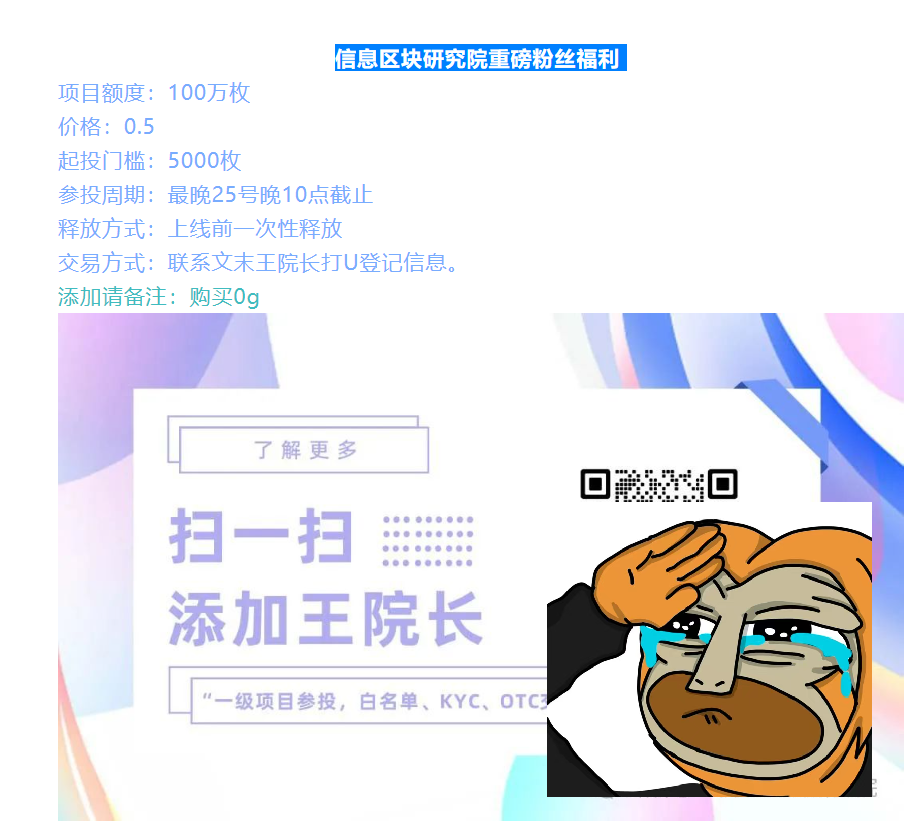
看着软文里"研究院重磅粉丝福利"的传销式话术,我仿佛穿越回了2017年的币圈茶馆。那熟悉的配方:"起投门槛5000枚"、"联系王院长打U"、"法院不认合同",简直就是把《刑法》第266条明晃晃地写在脸上。这时候应该@中国反诈APP,建议在"虚拟货币投资"诈骗分类里新增"节点型传销"子项。

更黑色幽默的是项目方的"2.5亿美金代币购买承诺"——翻译成人话就是:"金主爸爸已经准备好上线接盘啦!"。这让我想起经典电影《大空头》里的场景,只不过这次华尔街之狼们集体转型成了"区块链牧羊人"。但稍有常识的韭菜都知道,当庄家提前锁仓时,你以为的"接盘"很可能是"断头台"。

特别要表扬项目方的法律意识:特意强调"中国人参与代投法院不认可合同"。这相当于在赌场门口挂横幅:"本场使用魔术扑克,输钱活该",堪称当代商业伦理的魔幻巅峰。建议以后项目方直接在用户协议里写:"本人自愿成为韭菜,放弃一切追诉权"。


解密"AI对齐节点":当白皮书成为科幻小说的十八种写法

节点

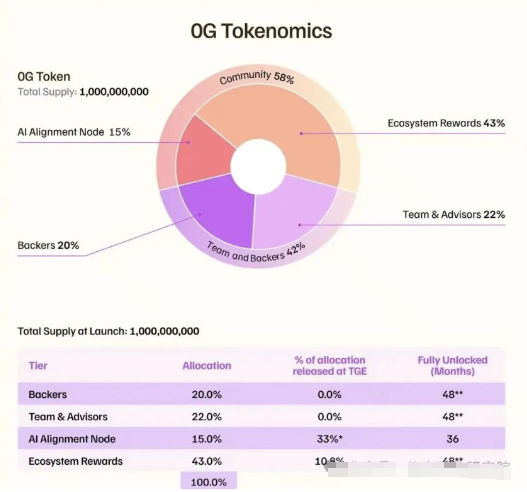
作为一个被迫读完0G白皮书等相关所有材料的老韭菜,我必须指出0G白皮书里的核心创新:他们重新定义了"AI对齐"。传统意义上的AI对齐是防止AI毁灭人类,而0G的"AI对齐节点"显然是对齐韭菜们的钱包和项目方的海外账户。这种用15%代币激励的"对齐"机制,堪称21世纪最伟大的金融创新。

看看这精妙的系统设计:存储网络负责装数据,计算网络负责耗电,DA层负责编故事,三位一体构成完美的资金黑洞。

尤其是那个"去中心化推理结算市场",翻译过来不就是"用你的显卡帮我们打工,还要倒贴买币"?建议下次直接开发"人脑挖矿"功能,实现韭菜的剩余价值全方位榨取。

更值得载入《韭菜心理学》教材的,是项目方对"模块化"概念的创造性应用:融资模块化(pre种子、种子、节点销售三轮收割)、解锁模块化(36个月分期痛苦)、叙事模块化(AI+区块链+元宇宙+Web3四重Buff叠加)。建议申报诺贝尔经济学奖,题目就叫《论泡沫工程学的模块化建构》。

从清华姚班到韭菜培训班:论精英团队的降维打击艺术

节点


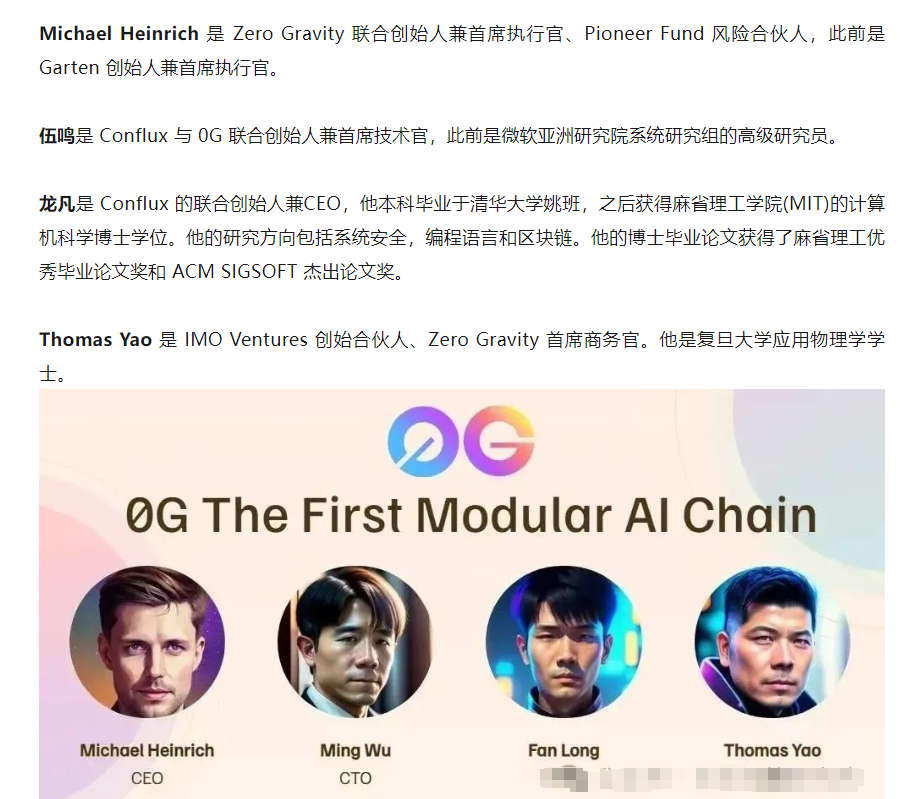
看到团队成员里"清华姚班+MIT博士+微软研究院"的黄金履历,我流下了羡慕的泪水——不是为他们的学术成就,而是为如此豪华的阵容居然选择来币圈割韭菜。这感觉就像看到爱因斯坦改行卖保健品,图灵转职做P2P。

尤其要重点表扬首席商务官Thomas Yao,这位复旦物理系高材生用实际行动证明:量子力学不仅能解释微观世界,还能指导宏观割韭。而Conflux联创的加盟,更是为项目注入了"国产公链"的祖传割韭基因。建议团队下次路演时穿实验室白大褂,手持烧杯演示"如何将投资人智商降维成Token"。

最讽刺的是,这些精英一边用"去中心化"口号批判传统金融,一边把42%的代币揣进自己和金主口袋。这种"屠龙少年终成恶龙"的戏码,建议改编成区块链主题话剧,名字就叫《中本聪的眼泪》。


韭菜生存指南:如何在魔幻现实中保住裤衩

面对如此精致的割韭工程,普通韭菜该如何自救?这里传授三招祖传秘技:

  1. ​"白皮书防忽悠检测法":但凡出现"革命性"、"首个"、"无限扩展"等词汇,立即启动反诈骗模式。建议安装"韭菜过滤器"插件,自动将"AI+区块链"翻译成"跑路倒计时"。
  2. ​"代投防失联口诀":"打U不留痕,法院不开门;合同变废纸,王院是路人"。建议把这句话设置成手机壁纸。
  3. ​"解锁计算器法则":遇到36个月解锁的项目,请立即计算自己的心理承受能力。公式为:崩溃概率=剩余寿命/(解锁月数×维权成本)

最后送给各位一句保命箴言:当某个项目同时具备"中国人运营"、"海外注册"、"代投模式"三大特征时,请默念——"你看中他的利息,他看中你的本金"。

Trending Cryptos

Related Reads

Li Fei-Fei's Latest Long-Form Article: When Video Generation, Robotics, and NVIDIA All Call Themselves World Models, We Need a Taxonomy

In a new article, Dr. Fei-Fei Li addresses the widespread and often inconsistent use of the term "world model" in AI. She proposes a clear, functional taxonomy rooted in the classic Partially Observable Markov Decision Process (POMDP) loop (agent → action → state → observation → agent). According to this framework, current systems called "world models" are different projections of this loop, categorized by their primary output: 1. **Renderers**: Output observations (pixels). Their goal is visual fidelity for human consumption (e.g., video generation models like Sora). They are the most commercially mature but are limited by a focus on appearance over physical accuracy. 2. **Simulators**: Output states (geometric, physical, dynamic representations). They provide a structurally accurate world for both human professionals (e.g., architects) and computational agents (e.g., robots for training). Li argues simulators are the crucial, underappreciated bridge, as they can underpin both rendering and planning. 3. **Planners**: Output actions. Given an observation and a goal, they decide what an agent should do next (e.g., robotic action models). This area is highly promising but remains the least mature for real-world deployment. Li highlights a key trend: the boundaries between these three categories are beginning to blur, as they all rely on a shared underlying understanding of geometry, physics, and dynamics. The logical endpoint is a unified world foundation model capable of switching between rendering, simulation, and planning based on downstream needs. This convergence, she concludes, is central to advancing spatial intelligence—enabling machines not just to talk about the world, but to truly understand, imagine, and interact with it.

marsbit47m ago

Li Fei-Fei's Latest Long-Form Article: When Video Generation, Robotics, and NVIDIA All Call Themselves World Models, We Need a Taxonomy

marsbit47m ago

Forbes Feature: Stablecoin Cross-Border Payments Are Faster, But Not Yet Cheaper

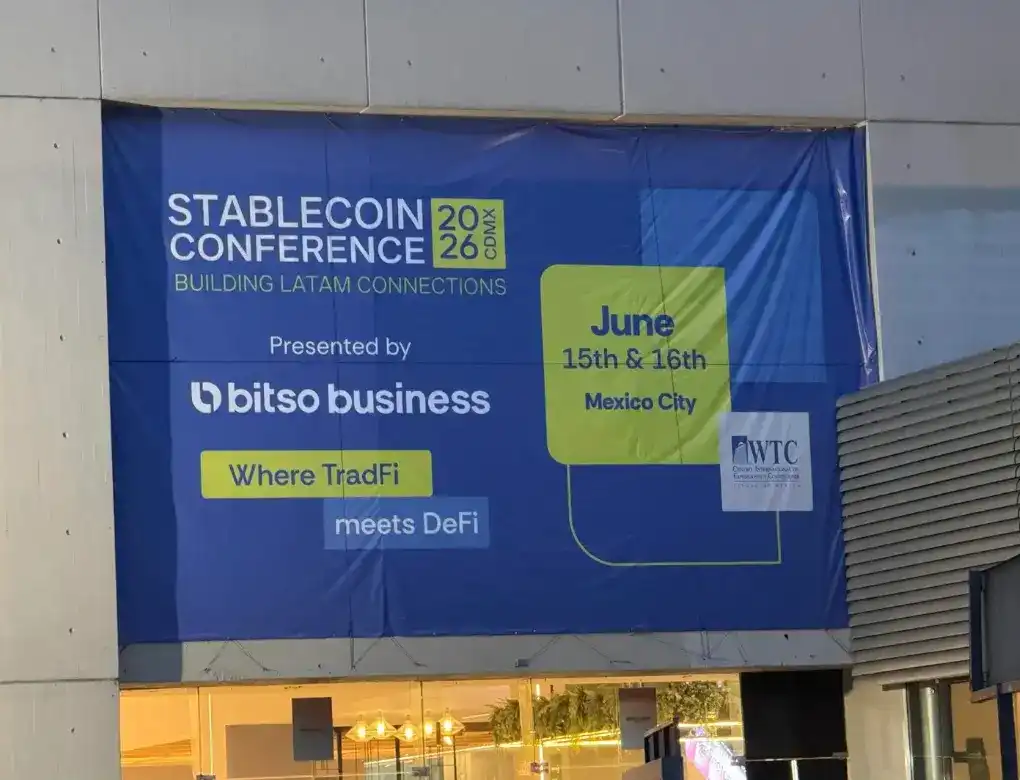
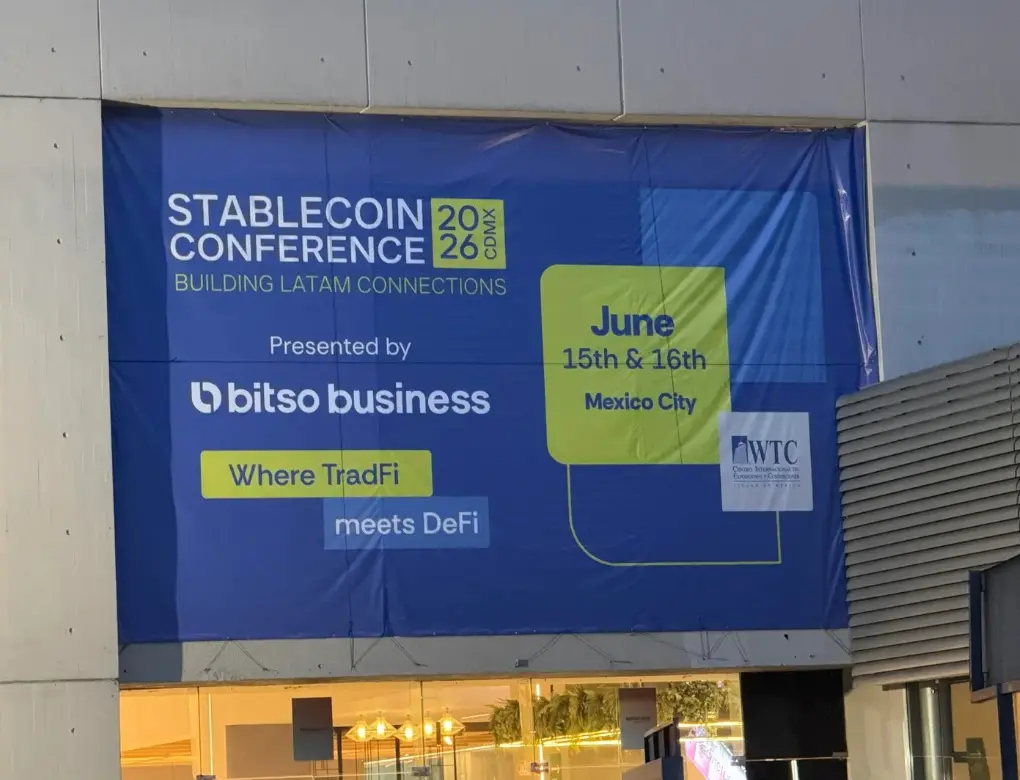
A Forbes feature delves into the state of stablecoin-based cross-border payments, noting rapid growth but a key shortfall: while faster and more accessible, they are not yet cheaper. At a recent industry conference in Mexico City, optimism about technology, regulation, and volume was tempered by discussions with practitioners. The core issue is liquidity. Traditional FX brokers charge 60-70 basis points, and stablecoins promise to slash this to 2-5 basis points. However, this theoretical cost advantage cannot be realized until deep liquidity pools are established at scale, requiring significant institutional capital inflow. A major adoption barrier is trust. Businesses often rely on long-standing relationships with traditional brokers, valuing reliability over marginal cost savings. This shift will be gradual. Furthermore, successful companies in the space are not positioning themselves as replacements for legacy systems like SWIFT, but as complements. They leverage stablecoins for speed while using traditional rails for their standardization and reliability in ensuring accurate payment details—a critical factor for supplier payments to avoid customs issues. Companies like Caliza, experiencing high monthly growth, exemplify this hybrid approach. The industry anticipates consolidation, as long-term viability will depend on securing the essential trifecta: proper licensing, robust fiat on/off-ramps, and deep liquidity. Without these, firms risk being mere intermediaries rather than building sustainable businesses.

marsbit48m ago

Forbes Feature: Stablecoin Cross-Border Payments Are Faster, But Not Yet Cheaper

marsbit48m ago

Li Feifei's Latest Article: When Video Generation, Robotics, and NVIDIA All Claim to Have 'World Models,' We Need a Taxonomy

"World Model" has become a widely used yet ambiguous term in AI. Drawing from the classic POMDP framework (agent → action → state → observation), this article proposes a functional taxonomy to clarify the concept. It identifies three distinct types, categorized by their output in the perception-action loop: 1. **Renderers**: Output visual observations (pixels). These models, like advanced video generators, prioritize visual fidelity but often lack underlying physical accuracy. 2. **Simulators**: Output the state of the world (geometry, physics, dynamics). They provide a structurally accurate representation for professionals (e.g., architects) and serve as training environments for robots and AI agents. 3. **Planners**: Output actions. Given an observation and a goal, they determine what an agent should do next, closing the perception-action loop (e.g., vision-language-action models). While renderers are currently the most commercially mature and planners are the most aspirational, the article argues that **simulators are the crucial, underappreciated hub**. By working at the level of geometry and physics, a simulator can project upwards to create visuals for humans and downwards to predict action consequences for agents. The future lies in the convergence of these three functions. Emerging research and products, like World Labs' Marble model which outputs both visual splats and physical collision meshes, are beginning to blur these boundaries. The logical endpoint is a unified world foundation model capable of rendering, simulating, and planning based on a shared understanding of spatial and temporal structures—ultimately enabling machines to understand, imagine, and interact with the physical world.

链捕手59m ago

Li Feifei's Latest Article: When Video Generation, Robotics, and NVIDIA All Claim to Have 'World Models,' We Need a Taxonomy

链捕手59m ago

Trading

Spot

Hot Articles

What is G$

Understanding GoodDollar ($G$): A Blueprint for Decentralised Universal Basic Income Introduction In the ever-evolving landscape of cryptocurrency and blockchain technology, initiatives that seek to address pressing social issues have garnered increased attention. One such project is GoodDollar ($G$), a Web3-based universal basic income (UBI) solution. GoodDollar endeavours to tackle inequality and bridge the wealth gap by creating and distributing accessible economic resources to those most in need. Through its innovative use of decentralised finance (DeFi), GoodDollar presents a unique model that could potentially reshape the way financial assistance is perceived and delivered globally. What is GoodDollar ($G$)? GoodDollar is a cryptocurrency protocol that facilitates the issuance and distribution of digital tokens, referred to as $G$, to its registered users on a daily basis. These tokens function as a form of universal basic income, promoting financial empowerment for individuals from various backgrounds, especially those traditionally excluded from the financial system. Operating on the blockchain, GoodDollar utilises multiple chains, including Ethereum, Celo, and Fuse, ensuring broad access and usability. The fundamental goal of GoodDollar is to make cryptocurrency accessible and beneficial to everyone, irrespective of their economic starting point. The Creator of GoodDollar ($G$) Details concerning the creator of GoodDollar remain somewhat obscure. However, it is notably highlighted that the project has strong backing from eToro, a widely recognised investment platform that provided the initial funding and foundational support for GoodDollar's development. The vision behind the project is not solely profit-driven but leans heavily towards social entrepreneurship, aiming for a systemic change in economic accessibility. Investors of GoodDollar ($G$) GoodDollar enjoys the financial backing and operational support of eToro. This partnership has played a significant role in launching the protocol and its subsequent developments. While eToro was instrumental in establishing the foundation of the project, GoodDollar envisions transitioning towards a model funded by its community in the long run. This shift to community funding is in line with GoodDollar's commitment to decentralisation, allowing its users to have a direct stake in the project's future. How Does GoodDollar ($G$) Work? GoodDollar's operational framework relies heavily on DeFi principles to generate interest from staked cryptocurrencies. This mechanism allows the project to mint and distribute $G$ tokens as a digital basic income for users worldwide. Several key features contribute to GoodDollar's uniqueness and innovation: Universal Basic Income (UBI): Every day, registered users receive free tokens, establishing an automatic income stream intended to alleviate financial pressures. Sustainable Economic Model: The project’s tokenomics aim to balance supply and demand for $G$ tokens, ensuring that the value remains stable over time. Reserve-Backed Tokens: Each $G$ token is backed by a reserve of cryptocurrencies, providing it with inherent value and reliability, a crucial aspect for maintaining user trust. Decentralised Governance: GoodDollar incorporates a democratic approach to decision-making through token-powered decentralised governance. This allows community members to actively participate in the shaping of the project's trajectory, making it truly community-driven. Global Accessibility: GoodDollar has established a considerable community footprint, boasting over 640,000 members spanning 181 countries. Such widespread reach is instrumental in facilitating UBI on a global scale. Timeline of GoodDollar ($G$) The evolution of GoodDollar is marked by several significant milestones throughout its history: 2019: The launch of the GoodDollar wallet marked the first step in operationalising its vision of delivering UBI through cryptocurrency. 2020: Following the successful wallet rollout, the GoodDollar protocol officially debuted. This marked a crucial phase in its mission to provide daily distributed income. 2021: The project advanced further with the introduction of its Decentralised Autonomous Organization (DAO), fostering a greater level of community involvement and governance. 2022: GoodDollar unveiled its DeFi-friendly version 2 (V2), striving for enhanced user engagement and operational efficiency. The same year also saw the transition to a decentralised governance structure via GoodDAO. 2022: A new roadmap was conceptualised, focusing on initiatives like a grant program designed to promote $G$-related entrepreneurial ventures and an upgraded GoodDollar Marketplace. Key Features of GoodDollar ($G$) The GoodDollar project introduces numerous critical features aimed at redefining the landscape of basic income: Universal Basic Income: Delivering daily free tokens to its users fundamentally underscores its mission to eliminate economic precarity. Multi-Chain Operation: Leveraging multiple blockchain networks enhances accessibility and scalability, ensuring broader participation. Engagement with Decentralised Finance: The use of DeFi allows for sustainable funding of the UBI model, reinforcing its viability as an economic solution. Community Engagement and Governance: GoodDollar envisions a model where the community influences operations through democratic participation, fostering transparency and accountability. Global Community: Boasting a diverse global community enables the project to implement UBI solutions tailored to various cultural and economic contexts. Conclusion GoodDollar represents a transformative leap towards incorporating the principles of universal basic income through the innovative lens of blockchain technology. By harnessing decentralised finance, the project not only provides a solution to financial inequality but also actively engages users in its governance and operations. With a growing community and evolving roadmap, GoodDollar stands as a significant player in the intersection of cryptocurrency and social good, paving the way for a more equitable financial future. As it continues to evolve, GoodDollar’s journey may ultimately inspire other initiatives to consider similar models, furthering the cause of economic empowerment for all.

237 Total ViewsPublished 2024.04.05Updated 2024.12.03

What is G$

What is @G

Graphite Network, $@G: Bridging TradFi and Web3 Introduction to Graphite Network, $@G In the vibrant world of cryptocurrencies and web3 projects, Graphite Network emerges as a beacon of innovation. With its native token, $@G, this Layer-1, Proof-of-Authority (PoA) blockchain is tailored to bridge the gap between traditional finance (TradFi) and the rapidly evolving Web3 ecosystem. As digital currencies gain traction, Graphite Network strives to offer a blockchain platform that prioritises security, compliance, and speed, presenting itself as a facilitator of trust and accountability. What is Graphite Network, $@G? Graphite Network is not merely another blockchain project; it aims to redefine how decentralisation, security, and user accountability are perceived in the digital finance realm. The project boasts a series of distinctive features: Reputation-Based Blockchain: At its core, Graphite Network implements a one-user, one-account policy, fortified with integrated Know Your Customer (KYC) verification and scoring mechanisms. This design ensures a balance between user privacy and transparency—a critical aspect of financial operations in today’s digital world. Entry-Point Node Income: The network incentivises users to set up entry-point nodes, allowing operators to earn rewards from network transactions. This income generation model not only boosts user engagement but also reinforces network health and decentralisation. EVM Compatibility: With an Ethereum-compatible virtual machine (VM), Graphite Network enables seamless integration of existing Solidity decentralised applications (dApps) and smart contracts, thereby inviting developers to leverage its capabilities without extensive modifications. KYC Integration: In an era where compliance is paramount, the integrated KYC framework with multiple verification tiers enhances control over financial operations without mandatory participation, setting a precedent for user autonomy. Who is the Creator of Graphite Network, $@G? The Graphite Network is borne out of the endeavours of the Graphite Foundation, a non-profit organisation dedicated to the development, maintenance, and evolution of the Graphite Network. The foundation’s commitment underscores the project’s vision to create a secure and sustainable blockchain environment focused on genuine user engagement and compliance. Who are the Investors of Graphite Network, $@G? Currently, there is limited information available on the specific investors backing the Graphite Network initiative. The founding organisation, the Graphite Foundation, functions independently in fostering the project’s growth while seeking partnerships that resonate with its vision of a compliant and accessible blockchain platform. How Does Graphite Network, $@G Work? Graphite Network’s operation is grounded in its unique Proof-of-Authority consensus mechanism, which strikes an impressive balance between high throughput and decentralisation. Let's delve into the various components that define its operation: Transport Nodes: Serving as the entry-point nodes, these are critical to the ecosystem. Operators can earn revenue from transactions that traverse the network, which not only empowers individual users but also bolsters network decentralisation. Authorised Nodes: At the heart of the Graphite Network are core validators who undergo rigorous compliance tests, encompassing robust KYC verification along with technical assessments. This layer of trust is essential for ensuring that transactions within the network maintain a high level of integrity. Ticker System: Graphite Network employs a distinctive ticker system for its wrapped tokens, denoted as @G. This feature enhances clarity in asset integration, making user transactions comprehensible and straightforward. Graphite Network’s innovative approach reflects a significant step in addressing the crucial issues of digital finance, positioning itself favourably for the future as more users transition from traditional forms of finance into the world of decentralised applications. Timeline of Graphite Network, $@G To understand the progression and milestones of Graphite Network, it is beneficial to overview key events in its timeline: 2021: The inception of Graphite Network by the Graphite Foundation marks the commencement of a new chapter in blockchain development, focusing on compliance and user empowerment. Key Developments: Following its launch, the introduction of entry-point node income, the establishment of a reputation-based model, integrated KYC verification, and the provision of EVM compatibility represent significant advancements in the project. Recent Activities: The continuous development and nurturing efforts of the Graphite Foundation have focused on augmenting network features while fostering the ecosystem's growth, demonstrating a long-term commitment to sustainability and innovation. Additional Key Points Beyond its foundational components, Graphite Network encompasses several tools and features that bolster its usability: Graphite Wallet: A user-friendly Chrome extension that facilitates access to various network features and applications across Ethereum-compatible chains, enhancing user convenience. Graphite Bridge: This utility allows seamless transfers of Graphite assets across different networks, fostering an integrated and interoperable ecosystem. Graphite Explorer: Serving as an essential tool within the ecosystem, this feature enables users to view and verify smart contract source code, track transactions, and explore other vital information in real-time. Graphite Testnet: The project provides a robust testing environment for developers, allowing them to ensure stability and scalability prior to mainnet deployment. This initiative not only empowers developers but also enhances the reliability of the entire network. Conclusion Graphite Network, with its native token $@G, represents a significant stride toward bridging traditional finance and cutting-edge blockchain technology. By focusing on security, compliance, and decentralisation, this innovative platform is set to lead the transition into the Web3 era. As user engagement grows and more projects leverage its capabilities, Graphite Network is poised to make lasting contributions to the rapidly evolving digital landscape. In conclusion, Graphite Network stands as a testament to what can be achieved when innovative thinking meets the growing demands of modern finance and technology. As the world explores the potential of decentralised finance, Graphite Network will undoubtedly remain a noteworthy player in this arena.

24 Total ViewsPublished 2025.01.06Updated 2025.01.06
What is @G

Discussions

Welcome to the HTX Community. Here, you can stay informed about the latest platform developments and gain access to professional market insights. Users' opinions on the price of G (G) are presented below.

活动图片