XRP价格即将大反转?分析师警告:突破2.35美元或迎来40%暴涨!

marsbitPublished on 2025-03-13Last updated on 2025-03-13

顶级分析师称 XRP 最终倒计时已开始,并发布价格反转向上的时间表

在 X(原推特)上的最新更新中,市场观察员 Steph 为 XRP 持有者提供了详细分析,并表示潜在价格反转的最终倒计时已经开始。

据 Steph 称,有强烈信号表明 XRP 可能何时突破回升。他的分析主要关注 XRP 当前在指数移动平均线(EMA)带中的位置。

EMA 带被交易员广泛用于判断市场是看涨还是看跌。当 XRP 价格低于 EMA 带时,通常意味着市场处于看跌趋势,而目前正是这种情况。

Steph 表示,自 2 月初以来,XRP 已在 EMA 带下方交易了 37 天。他指出,上一次 XRP 处于 EMA 带下方是在 2024 年 10 月。

据他分析,XRP 上次在这一看跌区域停留了 35 天,然后突破 EMA 带,引发了一轮大幅上涨。在此期间,XRP 价格从约 0.50 美元飙升至超过 3 美元,随后开始当前的回调。

历史模式暗示 XRP 即将反转

此外,Steph 强调了历史模式,并将当前市场状况与 XRP 之前跌破 EMA 带的情况进行对比。其中一个例子是 2024 年 4 月。

他指出,XRP 在 EMA 带下方停留了 90 天,然后迎来了 43% 的价格上涨。另一个典型案例发生在 2023 年 8 月,当时 XRP 在 EMA 带下方徘徊了 64 天,随后突破并上涨了 47%。

因此,Steph 认为当前市场情况并无不同,XRP 可能正处于类似突破的边缘。他表示,XRP 的最坏情况可能是再度在 EMA 带下方停留 90 天。

与此同时,Steph 表示,较温和的情况是 XRP 在 EMA 带下方停留 64 天。此前,XRP 曾有少数情况下在 EMA 带下方交易 36 天,而目前已达 37 天,这让 Steph 对 XRP 即将迎来大幅反转充满乐观情绪。

关键价格水平值得关注

分析师指出了 XRP 需要突破的关键水平,以确认潜在的价格反转。据 Steph 透露,如果 XRP 日线收盘价突破 2.35 美元,可能会引发一轮大幅上涨。

他估算,根据过往走势,最低涨幅可能在 40% 左右,但也暗示价格可能会涨得更高。

做空挤压的潜力

Steph 提出的另一个关键点是 XRP 当前的资金费率。他指出,资金费率极度负值,表明市场上有大量交易者在做空 XRP。

“这导致我们上方流动性堆积,而下方流动性极少。价格通常会朝流动性最高的方向运行,因此很可能即将发生大规模的做空挤压(Short Squeeze)。”

Steph 认为,做空挤压可能会加速 XRP 的价格飙升,进一步推动预期中的上涨行情。

Trending Cryptos

Related Reads

Li Fei-Fei's Latest Long-Form Article: When Video Generation, Robotics, and NVIDIA All Call Themselves World Models, We Need a Taxonomy

In a new article, Dr. Fei-Fei Li addresses the widespread and often inconsistent use of the term "world model" in AI. She proposes a clear, functional taxonomy rooted in the classic Partially Observable Markov Decision Process (POMDP) loop (agent → action → state → observation → agent). According to this framework, current systems called "world models" are different projections of this loop, categorized by their primary output: 1. **Renderers**: Output observations (pixels). Their goal is visual fidelity for human consumption (e.g., video generation models like Sora). They are the most commercially mature but are limited by a focus on appearance over physical accuracy. 2. **Simulators**: Output states (geometric, physical, dynamic representations). They provide a structurally accurate world for both human professionals (e.g., architects) and computational agents (e.g., robots for training). Li argues simulators are the crucial, underappreciated bridge, as they can underpin both rendering and planning. 3. **Planners**: Output actions. Given an observation and a goal, they decide what an agent should do next (e.g., robotic action models). This area is highly promising but remains the least mature for real-world deployment. Li highlights a key trend: the boundaries between these three categories are beginning to blur, as they all rely on a shared underlying understanding of geometry, physics, and dynamics. The logical endpoint is a unified world foundation model capable of switching between rendering, simulation, and planning based on downstream needs. This convergence, she concludes, is central to advancing spatial intelligence—enabling machines not just to talk about the world, but to truly understand, imagine, and interact with it.

marsbit51m ago

Li Fei-Fei's Latest Long-Form Article: When Video Generation, Robotics, and NVIDIA All Call Themselves World Models, We Need a Taxonomy

marsbit51m ago

Forbes Feature: Stablecoin Cross-Border Payments Are Faster, But Not Yet Cheaper

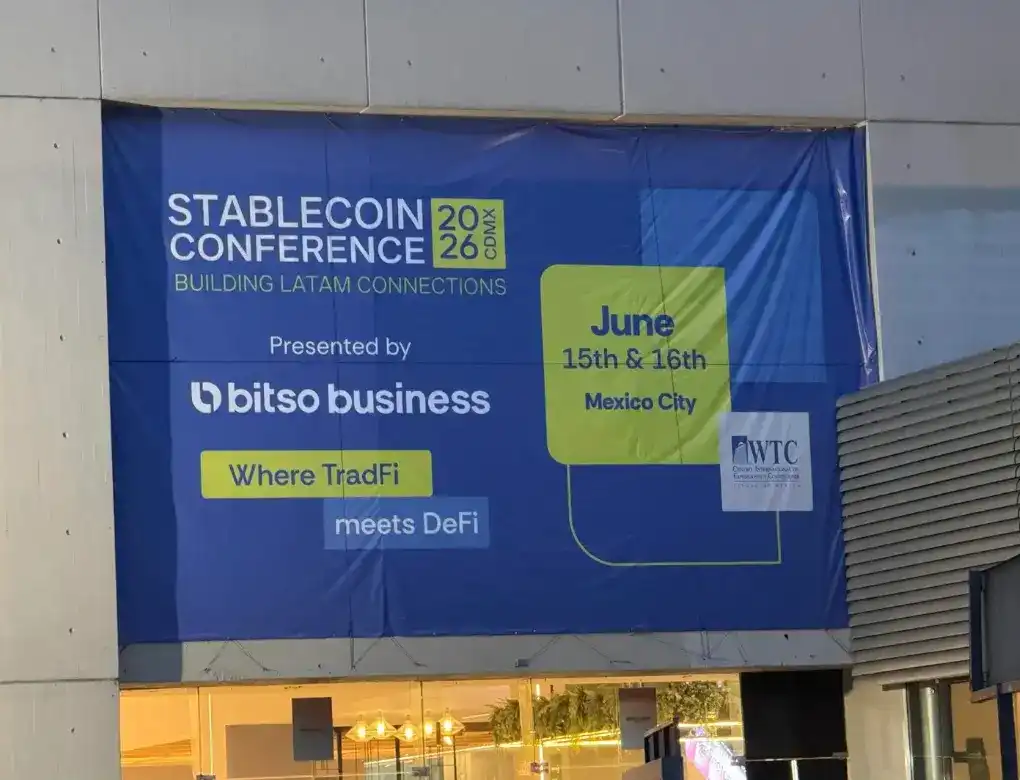
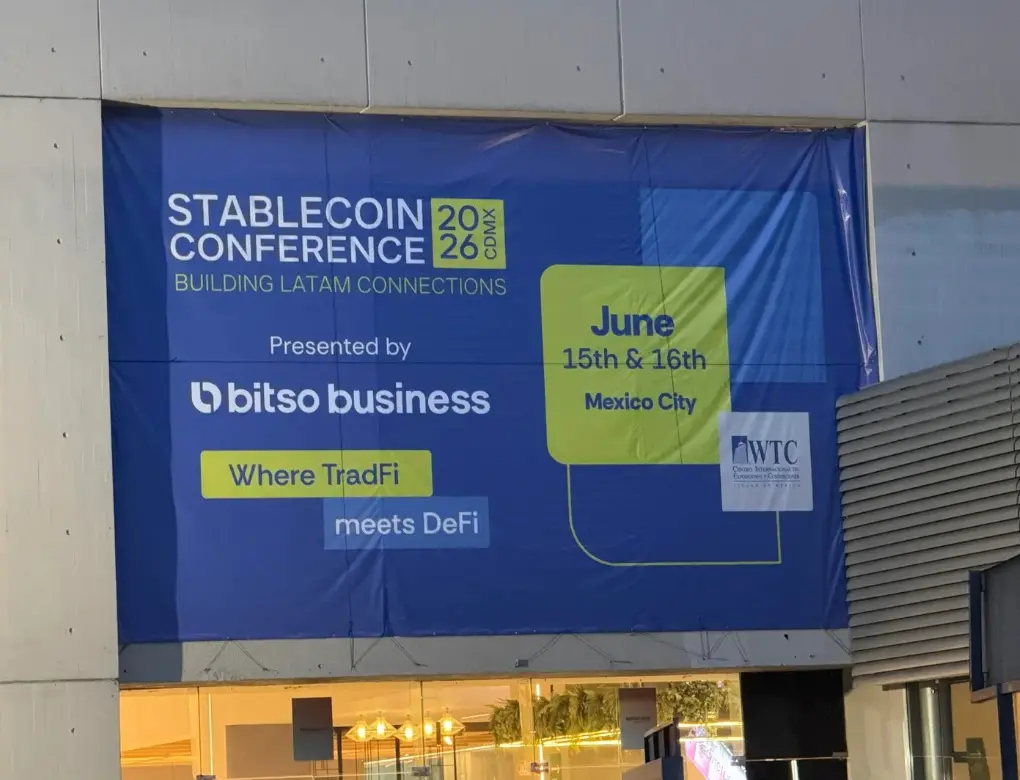
A Forbes feature delves into the state of stablecoin-based cross-border payments, noting rapid growth but a key shortfall: while faster and more accessible, they are not yet cheaper. At a recent industry conference in Mexico City, optimism about technology, regulation, and volume was tempered by discussions with practitioners. The core issue is liquidity. Traditional FX brokers charge 60-70 basis points, and stablecoins promise to slash this to 2-5 basis points. However, this theoretical cost advantage cannot be realized until deep liquidity pools are established at scale, requiring significant institutional capital inflow. A major adoption barrier is trust. Businesses often rely on long-standing relationships with traditional brokers, valuing reliability over marginal cost savings. This shift will be gradual. Furthermore, successful companies in the space are not positioning themselves as replacements for legacy systems like SWIFT, but as complements. They leverage stablecoins for speed while using traditional rails for their standardization and reliability in ensuring accurate payment details—a critical factor for supplier payments to avoid customs issues. Companies like Caliza, experiencing high monthly growth, exemplify this hybrid approach. The industry anticipates consolidation, as long-term viability will depend on securing the essential trifecta: proper licensing, robust fiat on/off-ramps, and deep liquidity. Without these, firms risk being mere intermediaries rather than building sustainable businesses.

marsbit52m ago

Forbes Feature: Stablecoin Cross-Border Payments Are Faster, But Not Yet Cheaper

marsbit52m ago

Li Feifei's Latest Article: When Video Generation, Robotics, and NVIDIA All Claim to Have 'World Models,' We Need a Taxonomy

"World Model" has become a widely used yet ambiguous term in AI. Drawing from the classic POMDP framework (agent → action → state → observation), this article proposes a functional taxonomy to clarify the concept. It identifies three distinct types, categorized by their output in the perception-action loop: 1. **Renderers**: Output visual observations (pixels). These models, like advanced video generators, prioritize visual fidelity but often lack underlying physical accuracy. 2. **Simulators**: Output the state of the world (geometry, physics, dynamics). They provide a structurally accurate representation for professionals (e.g., architects) and serve as training environments for robots and AI agents. 3. **Planners**: Output actions. Given an observation and a goal, they determine what an agent should do next, closing the perception-action loop (e.g., vision-language-action models). While renderers are currently the most commercially mature and planners are the most aspirational, the article argues that **simulators are the crucial, underappreciated hub**. By working at the level of geometry and physics, a simulator can project upwards to create visuals for humans and downwards to predict action consequences for agents. The future lies in the convergence of these three functions. Emerging research and products, like World Labs' Marble model which outputs both visual splats and physical collision meshes, are beginning to blur these boundaries. The logical endpoint is a unified world foundation model capable of rendering, simulating, and planning based on a shared understanding of spatial and temporal structures—ultimately enabling machines to understand, imagine, and interact with the physical world.

链捕手1h ago

Li Feifei's Latest Article: When Video Generation, Robotics, and NVIDIA All Claim to Have 'World Models,' We Need a Taxonomy

链捕手1h ago

Trading

Spot

Hot Articles

What is XRP 2.0

XRP 2.0: A New Frontier in the Cryptocurrency Landscape Introduction to XRP 2.0 In the ever-evolving realm of cryptocurrency, new projects continuously emerge, vying for attention and adoption. One such promising initiative is XRP 2.0, a novel cryptocurrency project designed to leverage advanced blockchain technology and robust encryption methodologies. While the name draws parallels with Ripple’s XRP, it’s crucial to note that XRP 2.0 operates independently, focusing on enhancing transaction security, privacy, and scalability. As the digital financial landscape increasingly embraces decentralized solutions, XRP 2.0 aims to contribute meaningfully to web3 and the overall expansion of crypto projects. What is XRP 2.0? At its core, XRP 2.0 is a cryptocurrency project that aims to create a secure and decentralized digital currency ecosystem. Its foundational technology integrates sophisticated blockchain principles with cutting-edge encryption techniques. The overarching goal of XRP 2.0 is to establish itself as a reliable and efficient platform enabling swift transaction execution while prioritizing enhanced privacy protections for its users. The project is promoted as a solution to many limitations faced by existing cryptocurrencies, proposing a system that can handle a higher volume of transactions with improved speed and privacy. This versatility positions XRP 2.0 as a significant contender in a marketplace riddled with various digital currencies. Who is the Creator of XRP 2.0? The identity of the creator behind XRP 2.0 has been flagged as ‘Wilbur.’ However, comprehensive details regarding Wilbur or their associated entity remain elusive. The anonymity of many cryptocurrency creators is not an uncommon phenomenon in the industry, often designed to maintain a degree of privacy and security. Who are the Investors of XRP 2.0? As of now, specific information related to the investment foundations or organizations supporting XRP 2.0 is not publicly available. In the cryptocurrency sector, the backing by reputed investors can significantly influence a project's credibility and success, yet the transparency regarding the financial supporters of XRP 2.0 has not been established. How Does XRP 2.0 Work? XRP 2.0 stands out by employing a combination of blockchain technology and advanced encryption algorithms that ensures secure and decentralized transactions. Its innovative structure includes unique features designed to foster user engagement and broaden functionalities beyond conventional cryptocurrency transactions. Among these features, XRP 2.0 incorporates AI-powered capabilities, such as text-to-image and text-to-speech functionalities. These additions are designed to enhance the interactive experience for users, promoting broader applicability across various sectors. By bridging technological advancements with user-centered design, XRP 2.0 aims to capture the attention of a diverse range of individuals and enterprises looking to integrate cryptocurrency solutions into their operational frameworks. Timeline of XRP 2.0 Understanding XRP 2.0 requires examining the milestones that have defined its journey thus far: July 23, 2023: XRP 2.0 is introduced as a novel cryptocurrency project, aiming to revolutionize secure and decentralized transaction capabilities in the blockchain domain. September 8, 2023: The launching of another project, XRP20, occurs, marking the emergence of an ERC-20 token on the Ethereum blockchain that remains unrelated to XRP 2.0. November 13, 2023: The XRP Ledger undergoes a significant update with the release of rippled server software version 2.0.0. It is essential to note that this development is disconnected from the XRP 2.0 cryptocurrency project. Key Points About XRP 2.0 To distill the essence of XRP 2.0, several critical factors emerge: Unique Features: The inclusion of features like AI-powered text-to-image and text-to-speech further diversifies the potential applications of XRP 2.0. Blockchain Technology: The framework utilizes advanced blockchain mechanisms and encryption protocols, ensuring a secure and decentralized environment for transactions. Scalability and Privacy: XRP 2.0 prioritizes enhanced privacy protections in transaction processes and the scalability necessary to accommodate a growing user base. No Affiliation with Ripple: Importantly, despite its name, XRP 2.0 does not have any allegiance or collaboration with Ripple’s XRP, distinguishing its operational framework and objectives within the cryptocurrency ecosystem. Conclusion XRP 2.0 represents an ambitious venture into the cryptocurrency sphere, aiming to offer a combination of security, privacy, and efficiency in digital transactions. By integrating sophisticated technologies and user-friendly features, the project sets out to broaden the horizons of what cryptocurrency can achieve in today's digital economy. While the anonymity of its creator and lack of disclosed investors might raise questions for some, XRP 2.0's focus on advanced functionalities and decentralisation enhances its appeal amidst an increasingly crowded crypto market. As the cryptocurrency landscape continues to evolve, XRP 2.0 may yet emerge as a pivotal player in the expansion of secure and scalable blockchain solutions.

1.1k Total ViewsPublished 2024.04.01Updated 2024.12.03

What is XRP 2.0

Discussions

Welcome to the HTX Community. Here, you can stay informed about the latest platform developments and gain access to professional market insights. Users' opinions on the price of XRP (XRP) are presented below.

活动图片