Jupiter的「不知情」值几个亿?总统发币割韭菜,交易所才是顶级影帝

marsbitPublished on 2025-02-16Last updated on 2025-02-17

交易所

当阿根廷总统米莱的LIBRA代币暴跌95%,当维权者举着“还我血汗钱”冲进总统府,

当Solana生态的明星交易所Jupiter高呼“我们也是受害者”,

我翻开链上数据,笑出了八块腹肌——

原来加密圈最值钱的不是比特币,是交易所的「装傻演技」。

总统在台前喊单,交易所在幕后数钱,项目方在链上跑路,

只有韭菜在K线前虔诚地计算“什么时候回本”。

这哪里是去中心化金融?

分明是21世纪最魔幻的韭菜屠宰流水线……

魔幻开局:总统推特发币,韭菜直呼内行  

事情要从2023年说起。彼时阿根廷通胀率突破142%,老百姓拿着比索上街买个面包,走到半路钱就能缩水一半。这时候,一位号称“阿根廷懂王”的极右翼政客米莱横空出世,喊着要“关央行、废比索、拥抱比特币”,成功当选总统。  

这位老哥的竞选口号有多野?他说:“比特币能淘汰央行!”还宣称要把阿根廷变成“下一个萨尔瓦多”。结果呢?上任半年,比索兑美元汇率从800崩到1440,通胀没止住,倒是先学会了推特发币。  

交易所

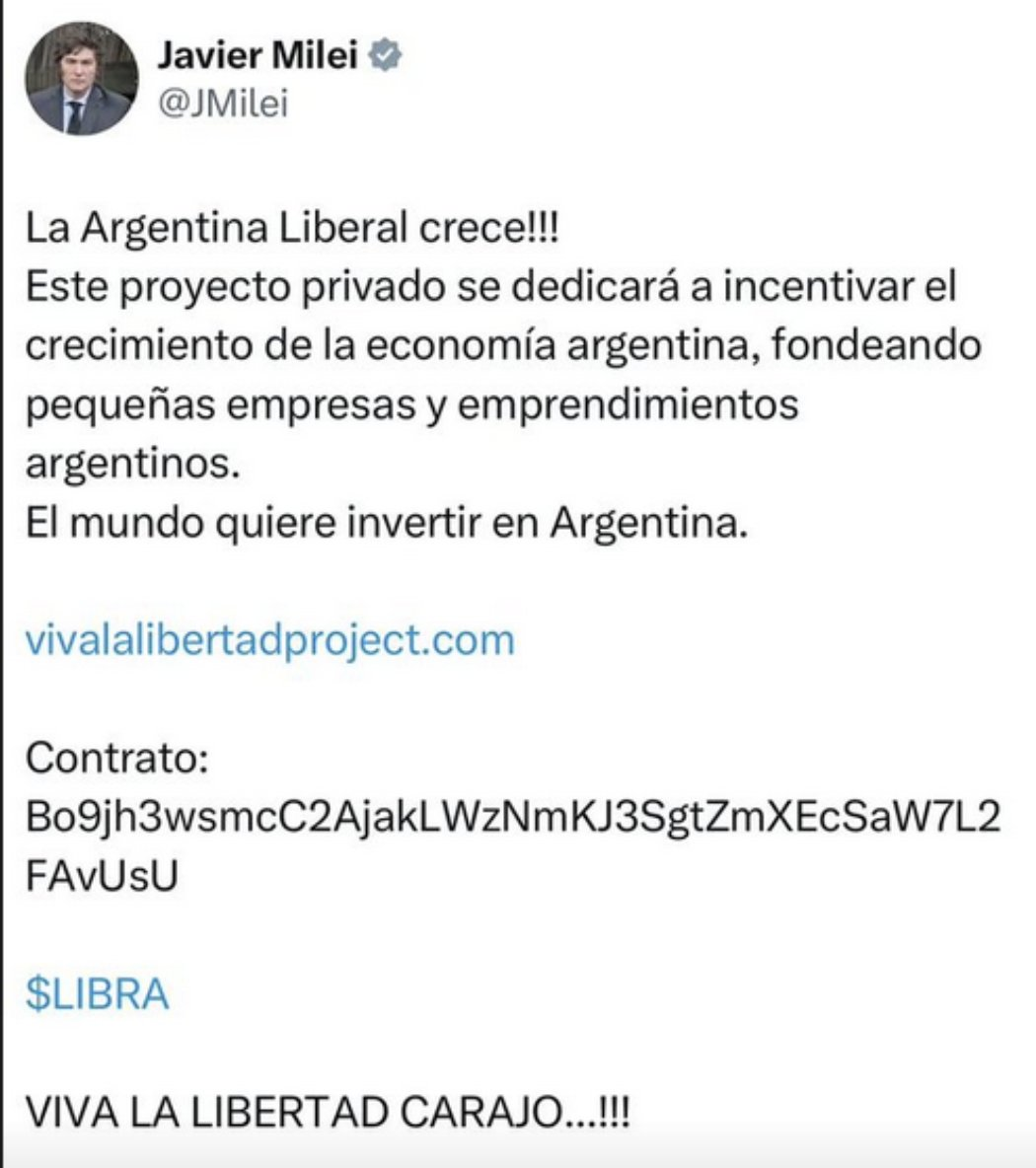
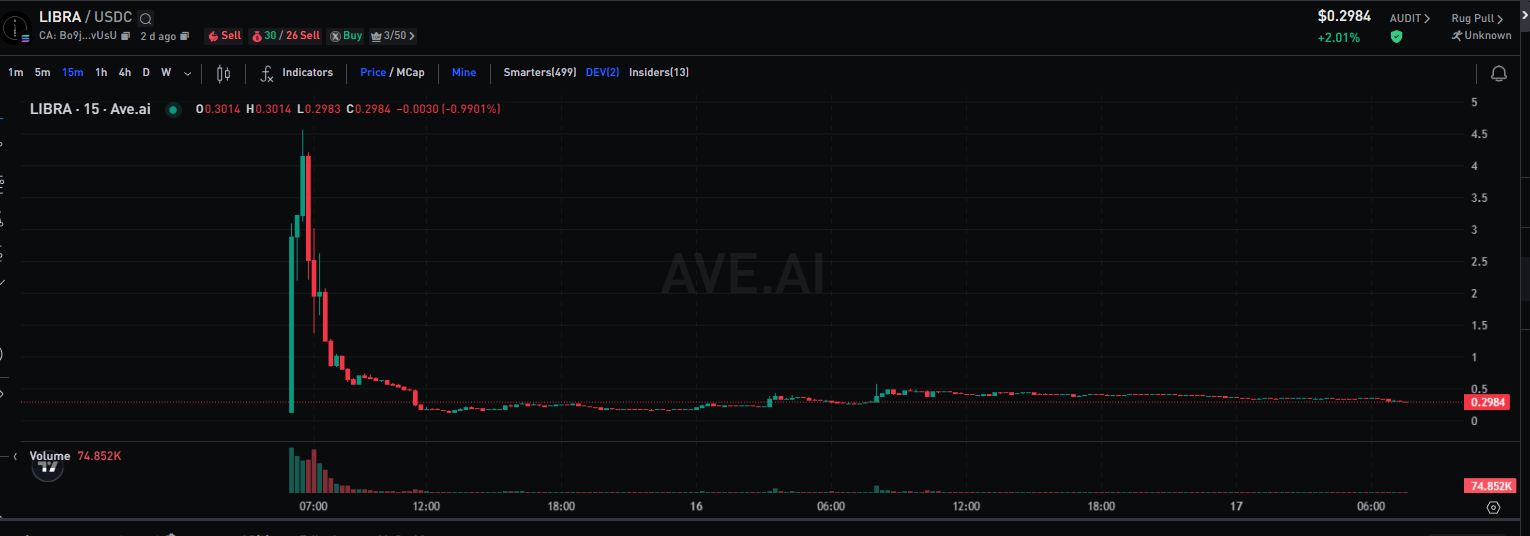
2025年2月15日凌晨,米莱突然在推特上力推一个叫LIBRA的代币,声称这是“阿根廷经济自由化的象征”。消息一出,LIBRA价格瞬间飙升,无数韭菜高呼“总统带货,稳赚不赔”!结果48小时后,LIBRA暴跌95%,投资者血本无归。

交易所


更魔幻的是,米莱立马翻脸不认账,说自己“完全不知情”,反手把锅甩给项目顾问。  

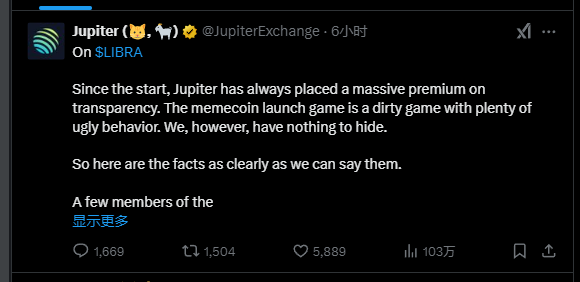
此时,Solana生态的交易所Jupiter跳出来澄清:“我们只是吃瓜群众!虽然两周前就知道有个‘总统币’,但绝对没参与!”  

好家伙,这剧情堪比《狂飙》+《华尔街之狼》的混合体。


总统人设崩塌:从“比特币救世主”到“割韭宗师”  

米莱的加密人设,从一开始就充满行为艺术的味道。  

 1. 竞选期:用比特币画大饼  

2023年竞选时,米莱靠着“关央行、美元化、拥抱比特币”三大口号,成功收割年轻选民。他甚至在电视节目里说:“比特币是自由货币,央行是诈骗集团!”  

实际成果:上任后央行没关,倒是把比索官方汇率从366.5贬到800,黑市汇率直奔1440。老百姓手里的钱更不值钱了。  


 2. 执政期:魔改经济政策  

米莱搞了一套“休克疗法”:  

 砍掉90%的国家税收(然后地方政府自己加税)  

 宣布2025年推行“自由货币流通”,允许用比特币交易  

实际效果:比特币没普及,倒是地下钱庄和USDT交易量暴涨。老百姓发现,总统的“自由”就是让你自生自灭。  


 3. 终极骚操作:亲自发币  

眼看经济药丸,米莱一拍脑袋:“既然现实货币救不了阿根廷,咱就发个虚拟币!”于是LIBRA横空出世。  

总统级白皮书(瞎编版):  

 愿景:取代比索,成为阿根廷法定数字货币  

 背书:总统推特认证  

 技术:Solana链发行,Jupiter交易所“严格审核”  

实际结果:上线两天暴跌95%,投资者集体上天台。总统光速切割:“我不知道!我没参与!我要调查!”  

米莱这波操作,堪称“政坛李笑来”。 先立人设圈粉,再发币收割,最后甩锅跑路,完美演绎《论如何用区块链技术搞垮一个国家》。  


4.法律大战:总统被告,弹劾在即  

LIBRA崩盘后,阿根廷上演现实版《法律与秩序》:  

原告天团  

 Jonatan Baldiviezo律师:指控总统欺诈,称其利用职务推广骗局  

 Claudio Lozano(前央行行长):从经济学角度论证LIBRA是“国家级庞氏骗局”  

 神秘工程师:通过链上数据分析,发现项目方钱包提前抛售  

这引发一系列政治连锁反应,反对派要求弹劾,指控米莱“违背宪法义务” 。国际货币基金组织(IMF)警告:若阿根廷纵容加密骗局,将冻结贷款,不少民众上街抗议,高举“还我血汗钱”标语。


交易所的求生欲:Jupiter的“免责声明”能洗白吗?  
交易所

这场闹剧中,Solana生态交易所Jupiter的表现堪称教科书级“甩锅”。  

Jupiter的“装傻三连”,比总统更会甩锅

Jupiter团队反复强调:“我们两周前就知道总统要发币,但我们保密!我们没参与!我们很无辜!”

翻译成人话:

  • “我们早就闻到血腥味,但绝不提醒韭菜。”
  • “代币上线后我们才标记Verified,割完再贴防伪标,这叫用户保护?”
  • “什么?你说我们和做市商Kelsier Ventures有合作?风太大我听不见!”

最讽刺的是,LIBRA上线当天,Jupiter员工Meow人在东京,完美错过“割韭现场”。这剧情,堪比《名侦探柯南》里“凶手总在案发时去夏威夷度假”。


三大疑点打脸  

但吃瓜群众很快发现漏洞:  

 疑点一:既然早就知道“总统币”传闻,为何不提前预警用户?Jupiter回应:“要保密!”  

  翻译:韭菜死活关我屁事,流量才是王道。  

 疑点二:为何LIBRA能出现在Moonshot(Jupiter旗下可以使用现金购买加密货币的交易所)热门趋势页面?官方解释:“DEX天生开放,但我们一直标警告!”  

  翻译:锅是代码的,不是我故意的。  

 疑点三:项目顾问Hayden Davis指控米莱撤资导致暴跌,Jupiter是否知情?  

  沉默是金。  

Jupiter这波操作,像极了被扫黄时高喊“我只是提供场地”的夜总会老板。在币圈,所谓的“严格审核”≈“韭菜过滤器”——专坑老实人。  


链上铁证:总统夫人币Melania竟是LIBRA血库

你以为LIBRA是总统原创?太天真了!

链上数据显示,LIBRA的启动资金竟来自特朗普夫人币Melania的钱包!同一个印度做市商,同一批内幕玩家,同一套“拉盘-抛售”剧本,连收割姿势都懒得换。

更骚的是,Melania币和LIBRA的幕后操盘手,都是Kelsier Ventures的Hayden Davis。这哥们儿一边给特朗普家族当顾问,一边帮阿根廷总统写发币推文,堪称“跨国镰刀手”


Jupiter的“生态阴谋”:Solana才是韭菜坟场

Jupiter嘴上说着“共建Solana生态”,实际干的却是给镰刀团开赌场的勾当:

  • 上币双标:名人币秒过审核,小项目卡三年(因为割不动);
  • 流量生意:LIBRA暴跌95%后,Jupiter手续费赚到飞起,还假惺惺发公告“痛心用户损失”;
  • 终极话术:“代码即法律,我们只是工具人!”(翻译:我只管抽水,死活你自理)

最魔幻的是,Solana生态明星项目Solayer也被割了200万美元,创始人气得在X上喊话:“两个黑客加一个周末,够不够扒光你们的底裤?”


终极真相:华人镰刀团,割遍全球韭菜

深扒LIBRA幕后,一个更扎心的事实浮出水面——

所谓“阿根廷总统发币”,本质是华人资本团的跨国收割游戏

交易所

1. KIP Protocol:新加坡华人的“割韭国家队”

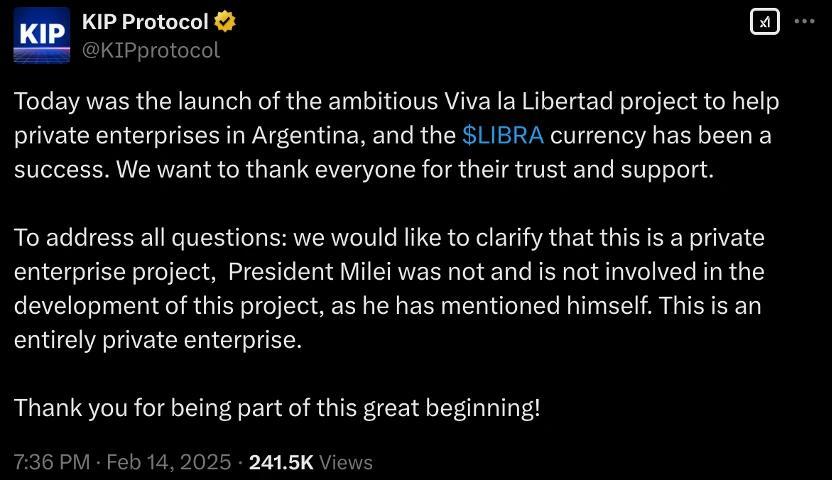
  • 创始人Julian Peh:新加坡籍华人,官网吹嘘“用区块链拯救阿根廷经济”,实际通过8个钱包套现1.07亿美元;
  • 技术团队:写白皮书的时间还没注册域名时间长,官网底部小字标明“私营项目”,生怕和总统扯上关系;
  • 甩锅艺术:“我们只负责牵线,割韭是印度做市商干的!”


2. 资金路径:从特朗普家族到阿根廷总统

Melania币→LIBRA币→下一个总统币,这条资金链揭露了镰刀团的终极商业模式:

  1. 蹭名人:用特朗普、米莱伊的流量吸引韭菜;
  2. 跨国洗钱:通过印度、新加坡公司分散资金;
  3. 交易所合谋:Jupiter们假装中立,实则提供“收割基础设施”


3. 韭菜的归宿:从“暴富梦”到“维权群”

LIBRA暴跌后,维权群里流传着一条神评论:

“本以为是被总统割,没想到是被老乡坑。

本以为老乡见老乡两眼泪汪汪,

结果是老乡见老乡,背后开一枪。”

正如链上分析师余烬所说:“华人镰刀团,专割华人韭菜。”

这场“总统发币”闹剧,不过是加密世界魔幻现实的冰山一角。 记住:当总统开始教你炒币时,最好的选择是——关掉交易所APP,打开《动物世界》,听听赵忠祥老师的声音: “春天来了,又到了韭菜生长的季节……”  


Trending Cryptos

Related Reads

IOSG: Q-Day Countdown, Will Quantum Computing End Cryptocurrency?

IOSG: The Q-Day Countdown – Will Quantum Computing End Cryptocurrency? This analysis explores the looming threat quantum computing poses to blockchain technology. Quantum computers, leveraging Shor's algorithm, could theoretically break the elliptic curve cryptography (ECC) underpinning cryptocurrencies like Bitcoin and Ethereum. The article outlines a hypothetical "Q-Day" scenario where exposed public keys from dormant assets are compromised, leading to fund theft and a deep governance crisis. The core risk is not the complete erasure of blockchains but a systemic reset of public-key cryptography. Bitcoin faces significant challenges due to its "code-is-law" ethos and the immense social consensus required for migration. Its primary vulnerability lies in legacy UTXOs with publicly exposed keys. Ethereum's path involves a more complex, full-stack cryptographic agility upgrade across execution, consensus, and data layers. The industry has a limited "engineering comfort window" of 5-8 years to coordinate a migration to post-quantum cryptography (PQC), such as lattice-based or hash-based signatures. While the existential threat is often overstated, the real bottleneck is the immense coordination required across protocol developers, node operators, wallet providers, exchanges, and custodians. Market repricing of crypto assets may occur well before an actual Q-Day if quantum hardware roadmaps accelerate or regulatory pressure mounts. The article concludes that quantum computing is not a doomsday weapon but a severe stress test for blockchain's foundational security model and governance structures.

marsbit19m ago

IOSG: Q-Day Countdown, Will Quantum Computing End Cryptocurrency?

marsbit19m ago

Why 2026 could redefine Ethereum, Solana, Base and Avalanche

Blockchain infrastructure is undergoing a major coordinated transformation, driven by institutional demand for reliability, compliance, and predictable settlement. Over $30 billion in Real-World Assets (RWA) on-chain has exposed network weaknesses. Major blockchains are responding with foundational upgrades, moving beyond incremental speed improvements. Ethereum's "Glamsterdam" upgrade, planned for H1 2026, will significantly increase gas limits and introduce features like PBS (pre-blocked state) for enhanced settlement and parallel execution. Solana's "Alpenglow," targeting a mainnet launch in H2 2026, focuses on reducing finality time dramatically and freeing network resources to improve reliability. Beyond speed, compliance is critical. Base's "Beryl" upgrade in Q3 2026 will introduce a standardized, regulatory-compliant token framework (B20). Avalanche's "Octane" upgrade aims to boost transaction processing and reduce costs for enterprise applications. Even Bitcoin is evolving with the potential activation of OP_CAT by late 2026/early 2027. The competition is shifting. While technical upgrades are widespread, institutions will ultimately allocate capital based on proven execution, operational resilience, and regulatory compatibility during market stress. Ethereum currently leads in tokenized assets, while networks like Base and Solana are strengthening their institutional offerings. The blockchain that best delivers reliable, compliant, and uninterrupted service is poised to attract the greatest share of future institutional capital.

ambcrypto57m ago

Why 2026 could redefine Ethereum, Solana, Base and Avalanche

ambcrypto57m ago

Tiger Research: Take RWA Tokenization Overseas First

This article discusses the strategic choices facing financial institutions in jurisdictions lacking mature regulatory frameworks for Real-World Asset (RWA) tokenization. With the market growing rapidly, institutions must choose between waiting for local legislation, using regulatory sandboxes, or—the recommended priority—expanding into overseas markets to gain early experience. Successfully launching cross-border RWA tokenization requires meticulous preparation across six key areas: establishing an overseas base (e.g., Hong Kong, Singapore, the U.S.), securing necessary licenses, defining the tokenized asset (with bonds being simpler than non-standard assets), defining the target investor scope, deciding on settlement currencies/payment flows, and designing operational requirements like custody and on-chain governance. The article outlines two primary strategic paths: a direct "onshore" path and a "native on-chain" path. The direct path involves setting up a legal entity and obtaining licenses in a mature jurisdiction like Hong Kong, Singapore, or the U.S., leveraging existing platforms (e.g., DigiFT, Securitize) for efficiency. The alternative native on-chain path involves partnering with compliant, decentralized platforms (e.g., Ondo, Plume Nest) that use structures like offshore SPVs to facilitate tokenization and access DeFi liquidity, offering speed and broader reach but with greater structural complexity. The core argument is that institutions should not wait for perfect domestic regulation. A detailed hypothetical case study illustrates the multi-step, 6-12 month process of launching an overseas tokenized bond. The key takeaway is that the essence of a tokenization business lies not in the technology but in successfully executing the entire sales and operational process. The market is moving forward, and the time to act is now.

marsbit1h ago

Tiger Research: Take RWA Tokenization Overseas First

marsbit1h ago

Trading

Spot

Hot Articles

Discussions

Welcome to the HTX Community. Here, you can stay informed about the latest platform developments and gain access to professional market insights. Users' opinions on the price of SOL (SOL) are presented below.

活动图片