XRP Ledger готовится к масштабному релизу с 8 поправками

cryptonews.ruPublished on 2022-09-11Last updated on 2025-01-11

RippleX — подразделение разработки Ripple Labs — сегодня объявило, что почти 80% серверов уже обновились до последней версии программного обеспечения XRP Ledger, rippled v2.3.0. Это обновление, готовое принести восемь новых поправок, знаменует собой одну из самых масштабных обновлений реестра на сегодняшний день.

XRP-реестр V2.3

В сообщении, опубликованном на X (ранее Twitter), RippleX заявил: «Обновитесь до XRPL v2.3.0. Мы приближаемся к 80% обновленных серверов! … После принятия первой поправки 2.3 все серверы 2.2.x и более старые будут отключены от сети».

Согласно официальной документации в блоге XRPL, версия 2.3.0 rippled предоставляет не только новые функции, такие как многоцелевые токены (MPT), учетные данные и поддержка Clawback для автоматизированных маркет-мейкеров (AMM), но и критический набор исправлений стабильности. RippleX призвал операторов серверов обновиться «как можно скорее», чтобы избежать сбоев.

Обновление вводит восемь поправок, которые все еще открыты для голосования, отражая децентрализованную модель управления XRPL. Согласно этой модели, поправка должна получить более 80% поддержки от доверенных валидаторов в течение двух недель, прежде чем она будет принята. Новые функции и исправления включают:

Учетные данные XLS-70: эта поправка «вводит возможность выпускать учетные данные в реестре и использовать эти учетные данные для предварительного одобрения входящих платежей при использовании авторизации депозита». Операторы могут создавать объект DepositPreauth, связанный с определенным эмитентом, и только тем, «кто авторизован указанным эмитентом (и получает от него учетные данные), будет разрешено отправлять платежи».

Многоцелевые токены XLS-33: эта функция устанавливает новую форму взаимозаменяемого токена, оптимизированного для институциональных DeFi, таких как стейблкоины. Она разработана для расширения вариантов использования, предлагая большую гибкость в том, как выпускаются и управляются токены.

XLS-37 AMM Clawback: эта поправка, разработанная для упрощения использования токенов с возможностью возврата в экосистеме AMM, устанавливает «соответствующие защитные барьеры» для тех, кому нужна возможность вернуть токены из пулов ликвидности при определенных условиях.

XLS-52 NFTokenMintOffer: Это позволяет создать предложение о продаже NFT в рамках чеканки нового NFT. Объединяя чеканку и листинг в одну транзакцию, реестр стремится оптимизировать операции, связанные с NFT.

fixAMMv1_2: Устраняет «две ошибки в обработке транзакций Automated Market Maker (AMM)». Это обеспечивает более надежное поведение при выполнении транзакций, связанных с AMM.

fixNFTokenPageLinks: устраняет проблему, «которая может привести к отсутствию ссылок в каталогах NFT», и вводит механизм транзакций для восстановления любого поврежденного состояния реестра.

fixEnforceNFTokenTrustline: исправляет «две ошибки во взаимодействии между предложениями NFT и линиями доверия», улучшая управление предложениями NFT и согласованность линий доверия.

fixInnerObjTemplate2: стандартизирует «способ применения внутренних объектов во всех транзакциях и данных реестра». Это обеспечивает большую однородность и предсказуемость при проверке данных реестра.

Кроме того, есть частично реализованная поправка под названием InvariantsV1_1, которая пока не открыта для голосования. Ее первоначальный фокус направлен на обеспечение того, чтобы «записи в бухгалтерской книге, принадлежащие счету, удалялись при удалении счета», среди других предстоящих мер безопасности.

Новая версия также прекращает работу некоторых функций.

Дальнейшие улучшения включают «разрешение настройки размера страницы базы данных SQLite» и улучшение библиотеки для libxrpl для «предоставления списка известных поправок». Также устранены многочисленные ошибки — от сценариев сбоев AMM и состояний гонки до несоответствий в определенных методах API.

Trending Cryptos

Related Reads

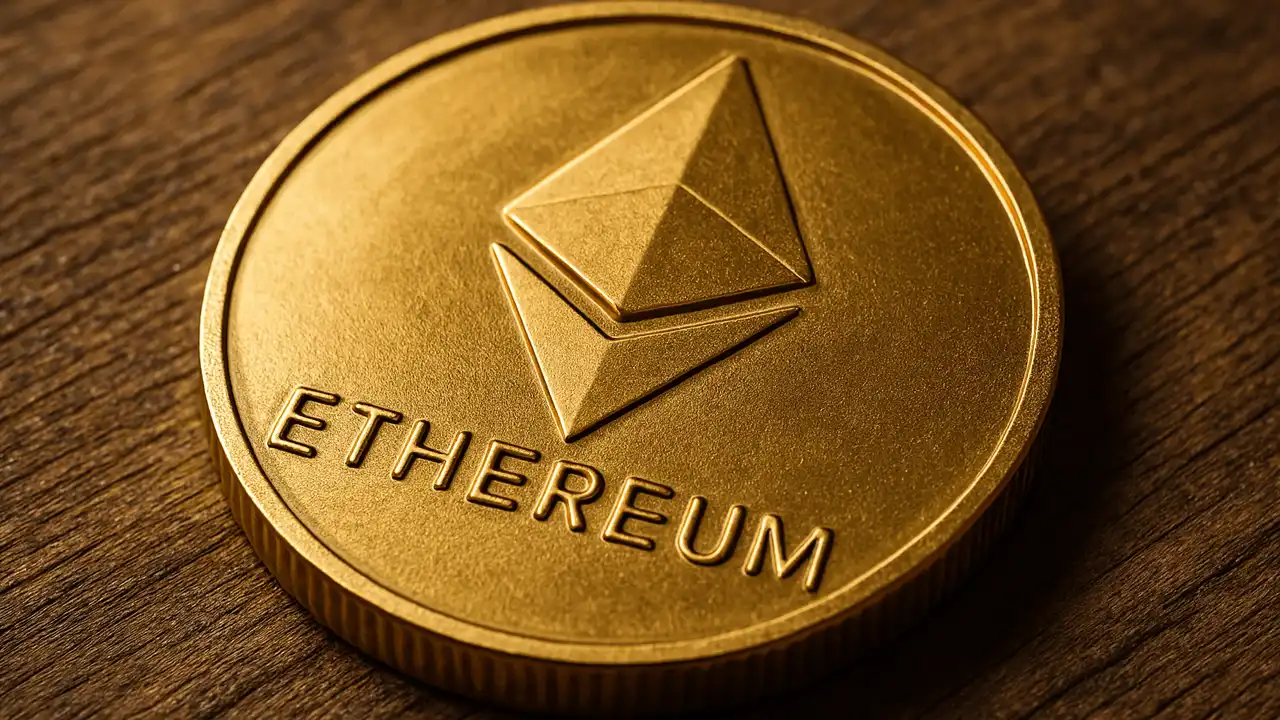
IOSG Founder: Ethereum Doesn't Need Another Leap of Technical Faith, It Needs a Musk-style Compromise

Jocy, founder of IOSG Ventures, argues that Ethereum does not need renewed technological faith but a "Musk-like compromise." The recent formation of ETHLabs—funded by major ETH holders like BitMine and Lubin—highlights a market-driven move to fill a gap left by the Ethereum Foundation (EF), signaling a loss of confidence in its decentralized, hands-off approach. The core critique contrasts Vitalik Buterin's (V) idealistic, technology-first vision with Elon Musk's pragmatic, business-driven execution. The author asserts Ethereum's current shortage is not another technical roadmap but a clear, real-world application narrative and a leader willing to engage directly with commercial realities—like Musk. Internal issues are emphasized, citing EF's management problems and talent drain. While the new decentralized model with independent nodes like ETHLabs addresses the single foundation's limitations, it risks fragmentation without cohesive direction. True cohesion, the author suggests, must come from a shared, compelling narrative around ETH's value, not just from aligned financial interests. Independence claims for new entities are seen as aspirational, needing years of transparency to build trust. The ultimate threat is not competitors like Solana, but the broader shift of attention and talent toward AI. Ethereum has a limited window—12 to 18 months—to recapture focus by delivering tangible, real-world applications. The conclusion urges V to shift from abstract ideals to grounded, pragmatic leadership. The time for this crucial pivot is running out.

marsbit40m ago

IOSG Founder: Ethereum Doesn't Need Another Leap of Technical Faith, It Needs a Musk-style Compromise

marsbit40m ago

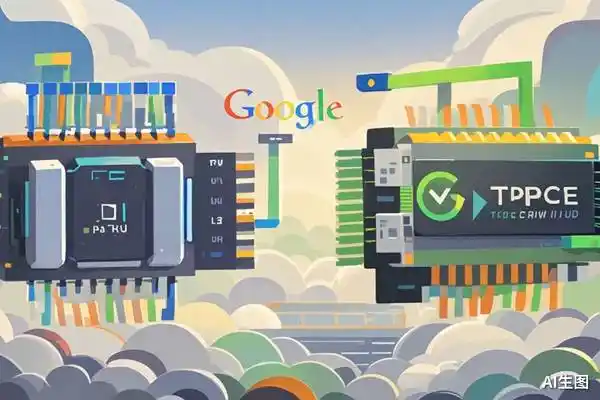
Google Starts Selling TPUs, Big Tech Aims to Produce "Low-Cost Tokens" with AI Chips

Google has begun selling its proprietary TPU chips and AI computing hardware directly to third-party data centers and clients, marking a strategic shift. Previously only accessible via cloud rentals, TPUs are specialized processors designed for the matrix and tensor operations central to AI models. By combining thousands into supercomputing clusters managed by CPUs, Google achieves high-efficiency AI processing. This move enables Google’s Gemini AI to offer competitive token pricing, challenging rivals like OpenAI. It also signals a broader industry trend where AI compute is becoming a commoditized resource like electricity. While NVIDIA remains dominant with its CUDA ecosystem and high-performance GPUs, the focus is shifting from raw power to cost efficiency and system integration. Google’s approach mirrors NVIDIA’s by selling an entire ecosystem—hardware, software, and data center expertise—rather than just chips. This threatens NVIDIA’s grip on the mid-range inference market, where lower-cost, efficient solutions are increasingly demanded. Similarly, cloud providers like Huawei Cloud and Alibaba Cloud in China are developing their own AI chip ecosystems (e.g., Ascend, Zhenwu), packaging chips, clusters, and tools into full-stack solutions. They aim to reduce token costs and capture market share through integrated systems. In summary, the AI infrastructure race is evolving from a competition for the strongest chips to a contest for the most efficient and cost-effective systems. Google’s TPU sales highlight this transition, emphasizing that future success lies in delivering affordable, scalable AI compute as a foundational service.

marsbit59m ago

Google Starts Selling TPUs, Big Tech Aims to Produce "Low-Cost Tokens" with AI Chips

marsbit59m ago

Trading

Spot
Futures

Hot Articles

What is XRP 2.0

XRP 2.0: A New Frontier in the Cryptocurrency Landscape Introduction to XRP 2.0 In the ever-evolving realm of cryptocurrency, new projects continuously emerge, vying for attention and adoption. One such promising initiative is XRP 2.0, a novel cryptocurrency project designed to leverage advanced blockchain technology and robust encryption methodologies. While the name draws parallels with Ripple’s XRP, it’s crucial to note that XRP 2.0 operates independently, focusing on enhancing transaction security, privacy, and scalability. As the digital financial landscape increasingly embraces decentralized solutions, XRP 2.0 aims to contribute meaningfully to web3 and the overall expansion of crypto projects. What is XRP 2.0? At its core, XRP 2.0 is a cryptocurrency project that aims to create a secure and decentralized digital currency ecosystem. Its foundational technology integrates sophisticated blockchain principles with cutting-edge encryption techniques. The overarching goal of XRP 2.0 is to establish itself as a reliable and efficient platform enabling swift transaction execution while prioritizing enhanced privacy protections for its users. The project is promoted as a solution to many limitations faced by existing cryptocurrencies, proposing a system that can handle a higher volume of transactions with improved speed and privacy. This versatility positions XRP 2.0 as a significant contender in a marketplace riddled with various digital currencies. Who is the Creator of XRP 2.0? The identity of the creator behind XRP 2.0 has been flagged as ‘Wilbur.’ However, comprehensive details regarding Wilbur or their associated entity remain elusive. The anonymity of many cryptocurrency creators is not an uncommon phenomenon in the industry, often designed to maintain a degree of privacy and security. Who are the Investors of XRP 2.0? As of now, specific information related to the investment foundations or organizations supporting XRP 2.0 is not publicly available. In the cryptocurrency sector, the backing by reputed investors can significantly influence a project's credibility and success, yet the transparency regarding the financial supporters of XRP 2.0 has not been established. How Does XRP 2.0 Work? XRP 2.0 stands out by employing a combination of blockchain technology and advanced encryption algorithms that ensures secure and decentralized transactions. Its innovative structure includes unique features designed to foster user engagement and broaden functionalities beyond conventional cryptocurrency transactions. Among these features, XRP 2.0 incorporates AI-powered capabilities, such as text-to-image and text-to-speech functionalities. These additions are designed to enhance the interactive experience for users, promoting broader applicability across various sectors. By bridging technological advancements with user-centered design, XRP 2.0 aims to capture the attention of a diverse range of individuals and enterprises looking to integrate cryptocurrency solutions into their operational frameworks. Timeline of XRP 2.0 Understanding XRP 2.0 requires examining the milestones that have defined its journey thus far: July 23, 2023: XRP 2.0 is introduced as a novel cryptocurrency project, aiming to revolutionize secure and decentralized transaction capabilities in the blockchain domain. September 8, 2023: The launching of another project, XRP20, occurs, marking the emergence of an ERC-20 token on the Ethereum blockchain that remains unrelated to XRP 2.0. November 13, 2023: The XRP Ledger undergoes a significant update with the release of rippled server software version 2.0.0. It is essential to note that this development is disconnected from the XRP 2.0 cryptocurrency project. Key Points About XRP 2.0 To distill the essence of XRP 2.0, several critical factors emerge: Unique Features: The inclusion of features like AI-powered text-to-image and text-to-speech further diversifies the potential applications of XRP 2.0. Blockchain Technology: The framework utilizes advanced blockchain mechanisms and encryption protocols, ensuring a secure and decentralized environment for transactions. Scalability and Privacy: XRP 2.0 prioritizes enhanced privacy protections in transaction processes and the scalability necessary to accommodate a growing user base. No Affiliation with Ripple: Importantly, despite its name, XRP 2.0 does not have any allegiance or collaboration with Ripple’s XRP, distinguishing its operational framework and objectives within the cryptocurrency ecosystem. Conclusion XRP 2.0 represents an ambitious venture into the cryptocurrency sphere, aiming to offer a combination of security, privacy, and efficiency in digital transactions. By integrating sophisticated technologies and user-friendly features, the project sets out to broaden the horizons of what cryptocurrency can achieve in today's digital economy. While the anonymity of its creator and lack of disclosed investors might raise questions for some, XRP 2.0's focus on advanced functionalities and decentralisation enhances its appeal amidst an increasingly crowded crypto market. As the cryptocurrency landscape continues to evolve, XRP 2.0 may yet emerge as a pivotal player in the expansion of secure and scalable blockchain solutions.

987 Total ViewsPublished 2024.04.01Updated 2024.12.03

What is XRP 2.0

Discussions

Welcome to the HTX Community. Here, you can stay informed about the latest platform developments and gain access to professional market insights. Users' opinions on the price of XRP (XRP) are presented below.

活动图片