Эксперт говорит, что Ethereum перед взрывом до $10 000, ссылаясь на корреляцию с S&P 500

cryptonews.ruPublished on 2024-05-05Last updated on 2024-11-05

Наблюдатели за рынком пристально следят за Ethereum (ETH), а аналитик Али Мартинес отмечает возможность роста до $10 000.

С марта Ethereum демонстрирует нисходящую тенденцию, что порождает предположения о его способности восстановиться и достичь существенного прироста на следующем бычьем рынке. Аналитик высказался в пользу потенциала роста Ethereum, особенно при сравнении с рыночными тенденциями S&P 500.

Корреляция Ethereum с S&P 500

Аналитик рынка Али Мартинес выделил связь Ethereum с S&P 500 (SPX) как интересный момент. Мартинес поделился сравнительными графиками, показывающими Ethereum (ETH/USD) рядом с индексом S&P 500. Оба актива достигли дна в конце 2022 года и демонстрировали восходящую траекторию в течение 2023 года.

Тенденция иллюстрировала восходящий треугольник, который часто считается бычьим сигналом. S&P 500 заметно вырвался из этой модели, достигнув пика около $5900 перед незначительной коррекцией примерно до $5728 во время анализа Мартинеса.

Это сходство тренда между Ethereum и S&P 500 подогрело дискуссии о том, может ли Ethereum пойти по аналогичному пути.

Мартинес предположил, что текущий нисходящий тренд Ethereum может стать последним падением перед потенциальным ралли до $10 000. В частности, Ethereum необходимо будет подняться примерно на 312,36% от текущей цены в $2425, чтобы достичь $10 000.

Показатели цепочки отражают нерешительность

Данные цепочки от IntoTheBlock предоставили более глубокое представление о состоянии рынка Ethereum. По последним данным за год (YTD) 96 660 адресов, представляющих 22,93% активных кошельков, в настоящее время являются прибыльными или «при деньгах».

Это говорит о том, что значительная часть держателей видит прибыль, что указывает на базовую поддержку актива. Однако 248 920 адресов, или 60,83% от общего числа активных адресов, классифицируются как «при деньгах», удерживая ETH примерно на уровне безубыточности.

Эта группа отражает нерешительность рынка с потенциалом для дальнейших инвестиций или давления продаж в зависимости от движения цены.

Между тем, 64 410 адресов (16,24%) находятся «вне денег», удерживая ETH в убытке. Этот сегмент может добавить давление продаж, если цена продолжит слабеть.

Контрастные взгляды на перспективы Ethereum

Опытный трейдер Питер Брандт занял иную позицию относительно движения цены Ethereum. 1 ноября Брандт повторил свой медвежий прогноз, заявив, что графики Ethereum не показывают признаков изменения импульса.

Анализ Брандта указал на медвежий флаг, который формировался с августа. Он подчеркнул, что нарушение этого паттерна может привести Ethereum к более низкой цели.

Брандт подчеркнул вероятность обвала Ethereum до $1551. Он указал, что на графике Ethereum доминируют медвежьи сигналы, что предполагает продолжение нисходящего движения, если только не появятся новые модели.


Trending Cryptos

Related Reads

Li Fei-Fei's Latest Long-Form Article: When Video Generation, Robotics, and NVIDIA All Call Themselves World Models, We Need a Taxonomy

In a new article, Dr. Fei-Fei Li addresses the widespread and often inconsistent use of the term "world model" in AI. She proposes a clear, functional taxonomy rooted in the classic Partially Observable Markov Decision Process (POMDP) loop (agent → action → state → observation → agent). According to this framework, current systems called "world models" are different projections of this loop, categorized by their primary output: 1. **Renderers**: Output observations (pixels). Their goal is visual fidelity for human consumption (e.g., video generation models like Sora). They are the most commercially mature but are limited by a focus on appearance over physical accuracy. 2. **Simulators**: Output states (geometric, physical, dynamic representations). They provide a structurally accurate world for both human professionals (e.g., architects) and computational agents (e.g., robots for training). Li argues simulators are the crucial, underappreciated bridge, as they can underpin both rendering and planning. 3. **Planners**: Output actions. Given an observation and a goal, they decide what an agent should do next (e.g., robotic action models). This area is highly promising but remains the least mature for real-world deployment. Li highlights a key trend: the boundaries between these three categories are beginning to blur, as they all rely on a shared underlying understanding of geometry, physics, and dynamics. The logical endpoint is a unified world foundation model capable of switching between rendering, simulation, and planning based on downstream needs. This convergence, she concludes, is central to advancing spatial intelligence—enabling machines not just to talk about the world, but to truly understand, imagine, and interact with it.

marsbit1h ago

Li Fei-Fei's Latest Long-Form Article: When Video Generation, Robotics, and NVIDIA All Call Themselves World Models, We Need a Taxonomy

marsbit1h ago

Forbes Feature: Stablecoin Cross-Border Payments Are Faster, But Not Yet Cheaper

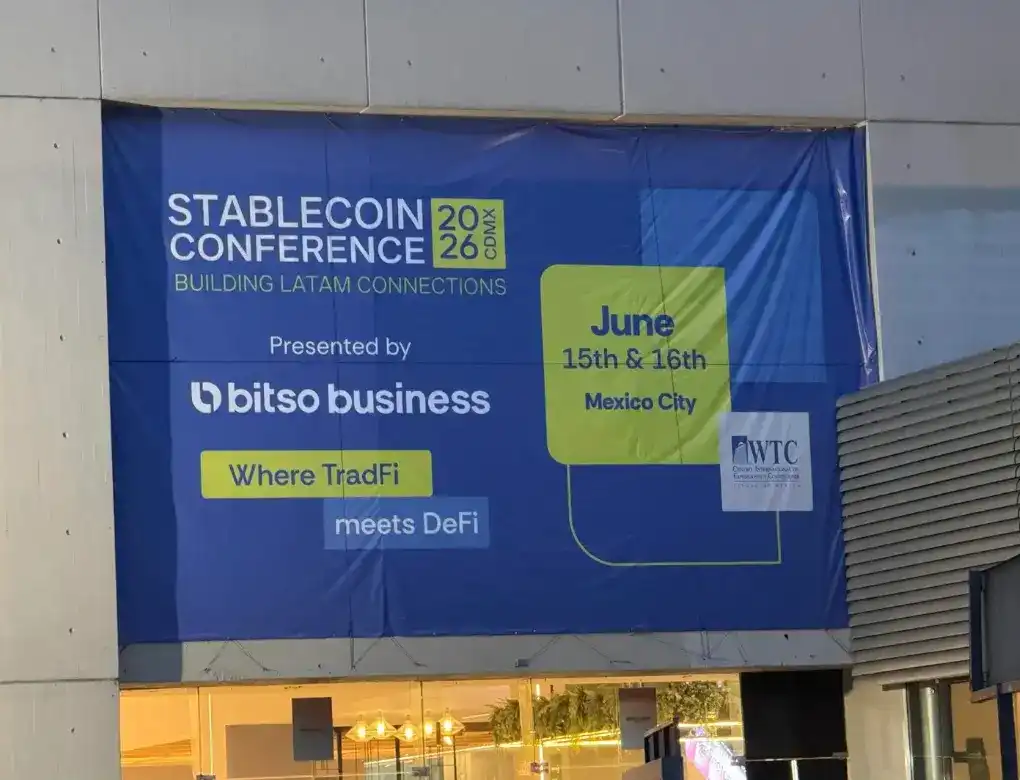
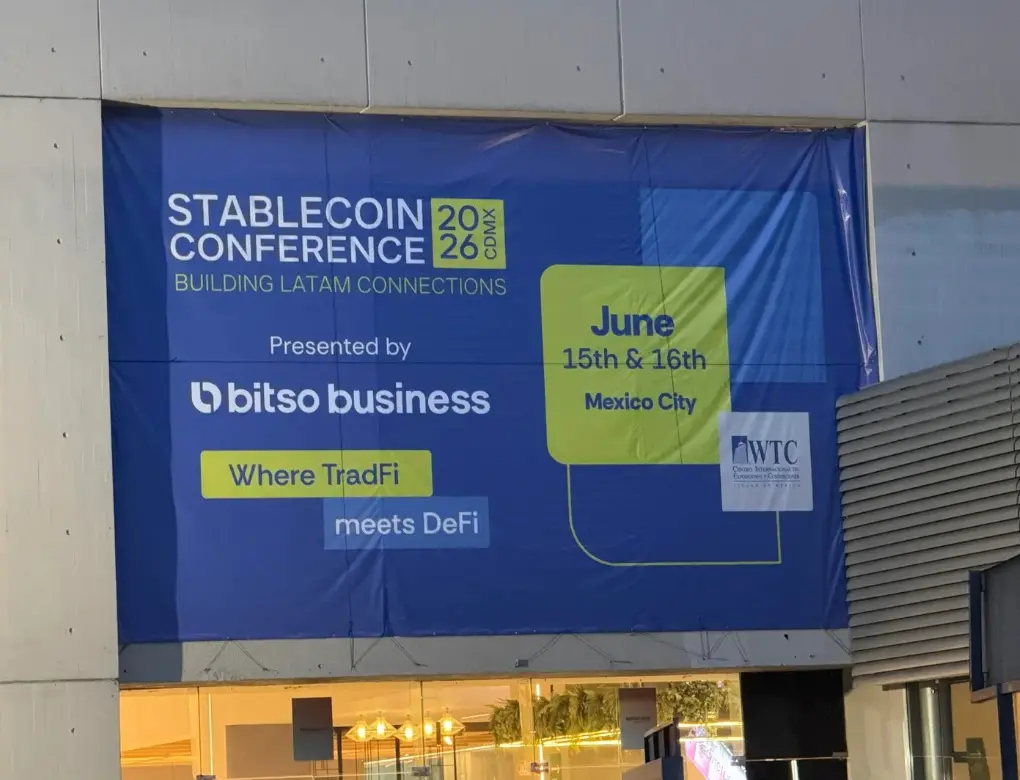
A Forbes feature delves into the state of stablecoin-based cross-border payments, noting rapid growth but a key shortfall: while faster and more accessible, they are not yet cheaper. At a recent industry conference in Mexico City, optimism about technology, regulation, and volume was tempered by discussions with practitioners. The core issue is liquidity. Traditional FX brokers charge 60-70 basis points, and stablecoins promise to slash this to 2-5 basis points. However, this theoretical cost advantage cannot be realized until deep liquidity pools are established at scale, requiring significant institutional capital inflow. A major adoption barrier is trust. Businesses often rely on long-standing relationships with traditional brokers, valuing reliability over marginal cost savings. This shift will be gradual. Furthermore, successful companies in the space are not positioning themselves as replacements for legacy systems like SWIFT, but as complements. They leverage stablecoins for speed while using traditional rails for their standardization and reliability in ensuring accurate payment details—a critical factor for supplier payments to avoid customs issues. Companies like Caliza, experiencing high monthly growth, exemplify this hybrid approach. The industry anticipates consolidation, as long-term viability will depend on securing the essential trifecta: proper licensing, robust fiat on/off-ramps, and deep liquidity. Without these, firms risk being mere intermediaries rather than building sustainable businesses.

marsbit1h ago

Forbes Feature: Stablecoin Cross-Border Payments Are Faster, But Not Yet Cheaper

marsbit1h ago

Li Feifei's Latest Article: When Video Generation, Robotics, and NVIDIA All Claim to Have 'World Models,' We Need a Taxonomy

"World Model" has become a widely used yet ambiguous term in AI. Drawing from the classic POMDP framework (agent → action → state → observation), this article proposes a functional taxonomy to clarify the concept. It identifies three distinct types, categorized by their output in the perception-action loop: 1. **Renderers**: Output visual observations (pixels). These models, like advanced video generators, prioritize visual fidelity but often lack underlying physical accuracy. 2. **Simulators**: Output the state of the world (geometry, physics, dynamics). They provide a structurally accurate representation for professionals (e.g., architects) and serve as training environments for robots and AI agents. 3. **Planners**: Output actions. Given an observation and a goal, they determine what an agent should do next, closing the perception-action loop (e.g., vision-language-action models). While renderers are currently the most commercially mature and planners are the most aspirational, the article argues that **simulators are the crucial, underappreciated hub**. By working at the level of geometry and physics, a simulator can project upwards to create visuals for humans and downwards to predict action consequences for agents. The future lies in the convergence of these three functions. Emerging research and products, like World Labs' Marble model which outputs both visual splats and physical collision meshes, are beginning to blur these boundaries. The logical endpoint is a unified world foundation model capable of rendering, simulating, and planning based on a shared understanding of spatial and temporal structures—ultimately enabling machines to understand, imagine, and interact with the physical world.

链捕手1h ago

Li Feifei's Latest Article: When Video Generation, Robotics, and NVIDIA All Claim to Have 'World Models,' We Need a Taxonomy

链捕手1h ago

Trading

Spot

Hot Articles

Discussions

Welcome to the HTX Community. Here, you can stay informed about the latest platform developments and gain access to professional market insights. Users' opinions on the price of ETH (ETH) are presented below.

活动图片