Бутерин рассказал о доходах со своего криптопортфеля и поддержке Ethereum-проектов

cryptonews.ruPublished on 2024-05-06Last updated on 2024-09-06

  • Бутерин заявил, что все доходы от его токенов L2-решений или других криптоактивов пойдут на поддержку экосистемы Ethereum и пожертвования.
  • Он не намерен инвестировать средства в L2-сегмент или токен-проекты.
  • Соучредитель Ethereum подчеркнул, что с 2018 года доходы от своих активов направлял на поддержку разработчиков.

Соучредитель Ethereum Виталик Бутерин рассказал, что будет направлять доходы с имеющихся в его распоряжении цифровых активов на поддержку экосистемы проекта. Он также намерен спонсировать исследования в различных социально значимых сферах.

BTW the above also applies to L2 tokens or other project tokens I hold (incl not-yet-liquid): all proceeds will be donated, again either to support public goods within the ethereum ecosystem or broader charity (eg. biomedical R&D).

I also do not intend to invest into L2s or…

— vitalik.eth (@VitalikButerin) September 5, 2024

Это заявление программист сделал на фоне споров о принадлежащих ему криптоактивах. Некоторые пользователи социальной сети X (ранее Twitter) выразили недовольство тем, что Бутерин периодически переводит или продает свои токены.

Большая часть комьюнити не поддержала высказывания этих людей. По их мнению, разработчик волен поступать с принадлежащими ему цифровыми активами так, как считает нужным. При этом выступившие в защиту программиста пользователи указали на тот факт, что соучредитель Ethereum активно поддерживает другие проекты.

Бутерин, комментируя ситуацию, отметил, что не реализовывал доходы от полученной им криптовалюты в личных целях с 2018 года. Все средства, которые он переводит или продает, программист направляет на поддержку разработчиков в сети Ethereum.

I haven't sold and kept the proceeds since 2018. All sales have been to support various projects that I think are valuable, either within the ethereum ecosystem or broader charity (eg. biomedical R&D)

— vitalik.eth (@VitalikButerin) August 31, 2024

Помимо этого, Бутерин заявил, что не намерен инвестировать капитал в L2-решения или какие-либо токен-проекты. Он планирует оказывать помощь интересным ему продуктам исключительно донатами.

«Все доходы будут пожертвованы, опять же, либо на поддержку общественных благ в экосистеме Ethereum, либо на более широкую благотворительность. […] Моя цель, когда я даю проектам средства — поддержать то, что считаю ценным, особенно в случаях, когда другие части экосистемы могут их недооценивать. В будущем я планирую делать это только с помощью пожертвований», — заявил соучредитель Ethereum.

Программиста спросили, почему он не хочет инвестировать капитал в проекты, как это принято в целом. Бутерин ответил, что рассматривает возможность получения альтернативной выгоды от своих вложений. Вместо денег он может взять с разработчиков обязательства принести пользу экосистеме Ethereum.

В более широком понимании, по мнению программиста, финансовые дивиденды меньше тех преимуществ, которые он и комьюнити могут получить при иных механизмах поддержки.

«Выгода от четкой позиции, которая подает пример и повышает уверенность в том, что я не являюсь частью какого-то заговора с целью извратить протокол Ethereum в направлении, выгодном случайным токенам infra/L2, которые я держу», — подвел итог Бутерин.

В августе 2024 года программист пожертвовал 200 ETH фонду Animal Welfare Fund на платформе Effective Altruism Funds. Он также призвал к разработке новых способов поддержки общественных проектов.

Напомним, мы писали, что Виталик Бутерин рассмотрел концепцию и ключевые цели аирдропов.

Trending Cryptos

Related Reads

Li Fei-Fei's Latest Long-Form Article: When Video Generation, Robotics, and NVIDIA All Call Themselves World Models, We Need a Taxonomy

In a new article, Dr. Fei-Fei Li addresses the widespread and often inconsistent use of the term "world model" in AI. She proposes a clear, functional taxonomy rooted in the classic Partially Observable Markov Decision Process (POMDP) loop (agent → action → state → observation → agent). According to this framework, current systems called "world models" are different projections of this loop, categorized by their primary output: 1. **Renderers**: Output observations (pixels). Their goal is visual fidelity for human consumption (e.g., video generation models like Sora). They are the most commercially mature but are limited by a focus on appearance over physical accuracy. 2. **Simulators**: Output states (geometric, physical, dynamic representations). They provide a structurally accurate world for both human professionals (e.g., architects) and computational agents (e.g., robots for training). Li argues simulators are the crucial, underappreciated bridge, as they can underpin both rendering and planning. 3. **Planners**: Output actions. Given an observation and a goal, they decide what an agent should do next (e.g., robotic action models). This area is highly promising but remains the least mature for real-world deployment. Li highlights a key trend: the boundaries between these three categories are beginning to blur, as they all rely on a shared underlying understanding of geometry, physics, and dynamics. The logical endpoint is a unified world foundation model capable of switching between rendering, simulation, and planning based on downstream needs. This convergence, she concludes, is central to advancing spatial intelligence—enabling machines not just to talk about the world, but to truly understand, imagine, and interact with it.

marsbit1h ago

Li Fei-Fei's Latest Long-Form Article: When Video Generation, Robotics, and NVIDIA All Call Themselves World Models, We Need a Taxonomy

marsbit1h ago

Forbes Feature: Stablecoin Cross-Border Payments Are Faster, But Not Yet Cheaper

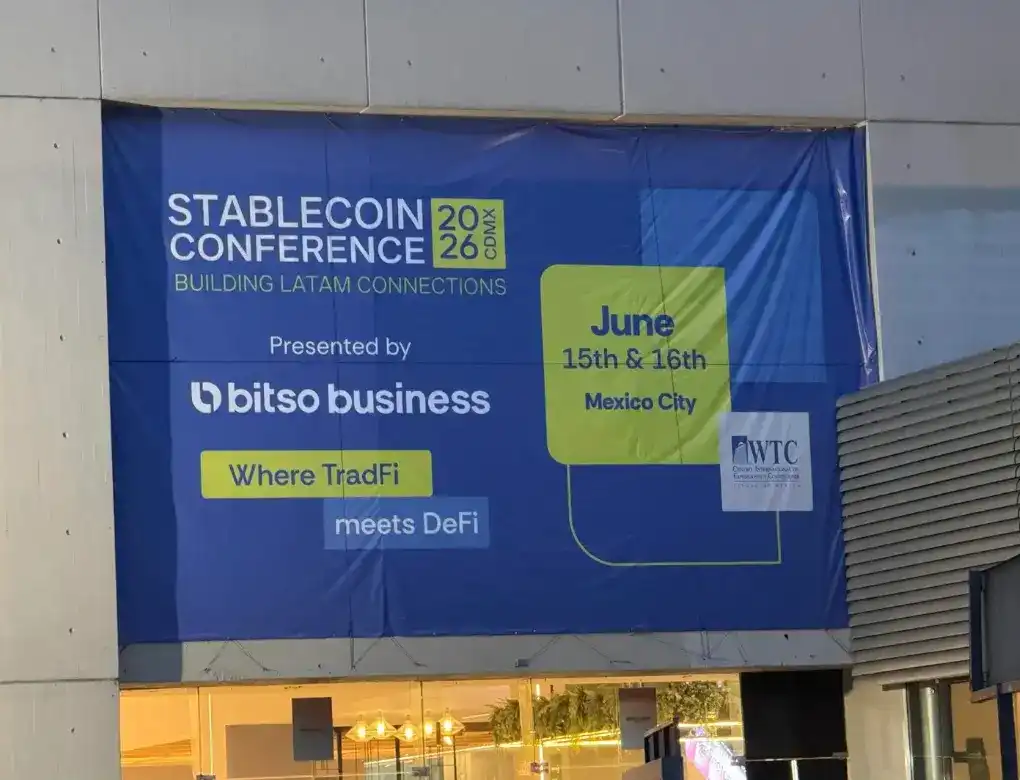
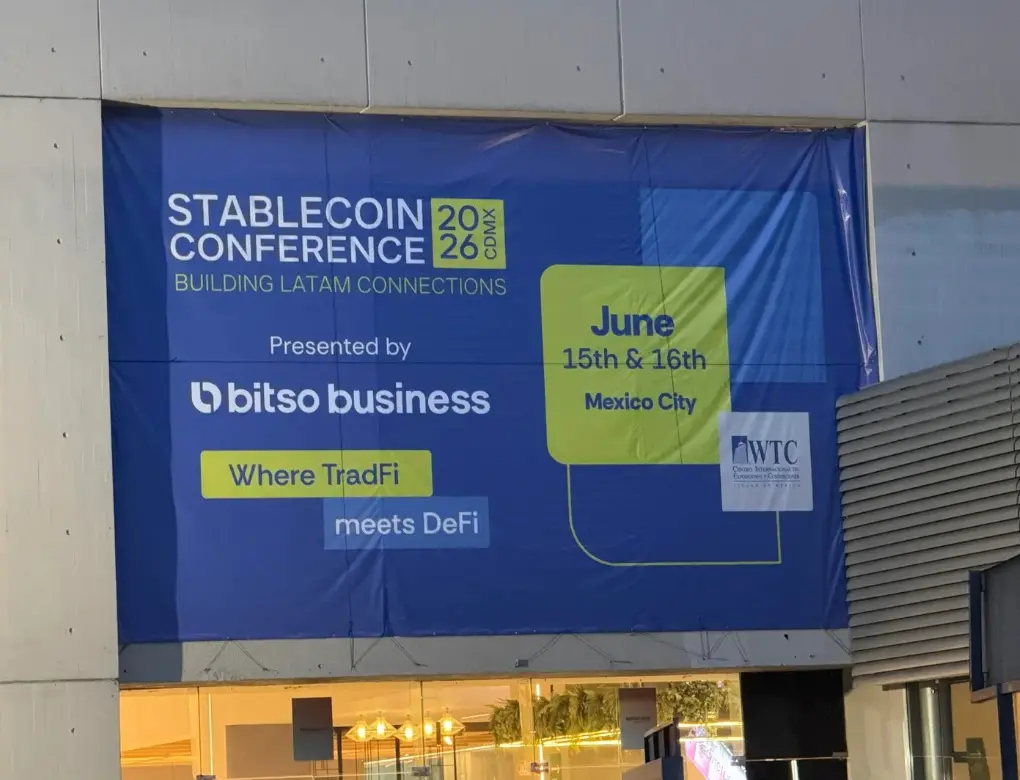
A Forbes feature delves into the state of stablecoin-based cross-border payments, noting rapid growth but a key shortfall: while faster and more accessible, they are not yet cheaper. At a recent industry conference in Mexico City, optimism about technology, regulation, and volume was tempered by discussions with practitioners. The core issue is liquidity. Traditional FX brokers charge 60-70 basis points, and stablecoins promise to slash this to 2-5 basis points. However, this theoretical cost advantage cannot be realized until deep liquidity pools are established at scale, requiring significant institutional capital inflow. A major adoption barrier is trust. Businesses often rely on long-standing relationships with traditional brokers, valuing reliability over marginal cost savings. This shift will be gradual. Furthermore, successful companies in the space are not positioning themselves as replacements for legacy systems like SWIFT, but as complements. They leverage stablecoins for speed while using traditional rails for their standardization and reliability in ensuring accurate payment details—a critical factor for supplier payments to avoid customs issues. Companies like Caliza, experiencing high monthly growth, exemplify this hybrid approach. The industry anticipates consolidation, as long-term viability will depend on securing the essential trifecta: proper licensing, robust fiat on/off-ramps, and deep liquidity. Without these, firms risk being mere intermediaries rather than building sustainable businesses.

marsbit1h ago

Forbes Feature: Stablecoin Cross-Border Payments Are Faster, But Not Yet Cheaper

marsbit1h ago

Li Feifei's Latest Article: When Video Generation, Robotics, and NVIDIA All Claim to Have 'World Models,' We Need a Taxonomy

"World Model" has become a widely used yet ambiguous term in AI. Drawing from the classic POMDP framework (agent → action → state → observation), this article proposes a functional taxonomy to clarify the concept. It identifies three distinct types, categorized by their output in the perception-action loop: 1. **Renderers**: Output visual observations (pixels). These models, like advanced video generators, prioritize visual fidelity but often lack underlying physical accuracy. 2. **Simulators**: Output the state of the world (geometry, physics, dynamics). They provide a structurally accurate representation for professionals (e.g., architects) and serve as training environments for robots and AI agents. 3. **Planners**: Output actions. Given an observation and a goal, they determine what an agent should do next, closing the perception-action loop (e.g., vision-language-action models). While renderers are currently the most commercially mature and planners are the most aspirational, the article argues that **simulators are the crucial, underappreciated hub**. By working at the level of geometry and physics, a simulator can project upwards to create visuals for humans and downwards to predict action consequences for agents. The future lies in the convergence of these three functions. Emerging research and products, like World Labs' Marble model which outputs both visual splats and physical collision meshes, are beginning to blur these boundaries. The logical endpoint is a unified world foundation model capable of rendering, simulating, and planning based on a shared understanding of spatial and temporal structures—ultimately enabling machines to understand, imagine, and interact with the physical world.

链捕手1h ago

Li Feifei's Latest Article: When Video Generation, Robotics, and NVIDIA All Claim to Have 'World Models,' We Need a Taxonomy

链捕手1h ago

Trading

Spot

Hot Articles

Discussions

Welcome to the HTX Community. Here, you can stay informed about the latest platform developments and gain access to professional market insights. Users' opinions on the price of ETH (ETH) are presented below.

活动图片