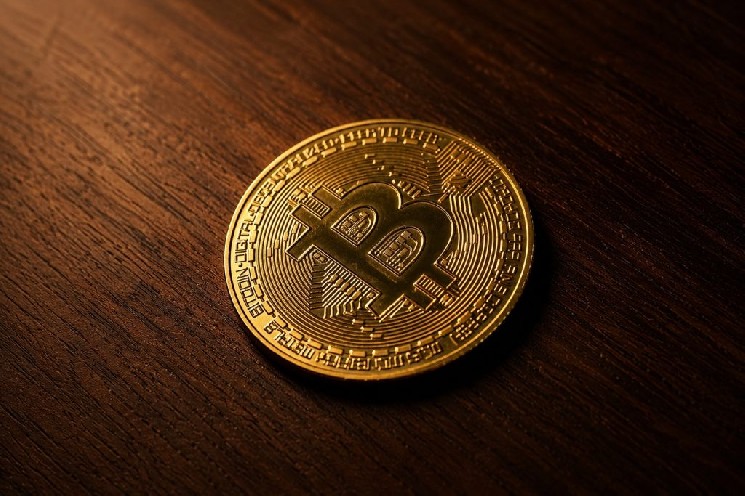
货币的未来:比特币是一个颠覆者,但CBDC接管了

币界网Published on 2024-08-08Last updated on 2024-08-08

币界网报道:

“纯点对点版本的电子现金”:中本聪在最初的白皮书中就是这样定义比特币的。无论是否使用电子现金,比特币现在都吸引了所有人的注意:技术爱好者、消费者、交易员、投资者、面包师,甚至监管机构。

尽管比特币主导着数万亿美元的市场,但还有数以万计的其他加密货币;有些是为了特定目的而开发的,而另一些则仅仅是基于网络笑话。

因此,问题仍然存在:比特币或任何其他加密货币是否有可能取代现有形式的法定货币?

好吧,萨尔瓦多和中非共和国这两个主权国家的政府都这么认为,因为比特币是那里的法定货币。然而,其他国家的情况有所不同,尤其是那些决定全球经济的发达国家。

了解基础知识

在深入细节之前,了解法定货币和加密货币之间的根本区别至关重要。尽管表面上基础知识可能不同,但两者的适应创造了相互关系。

法定货币,如美元、欧元或日元,由各国央行发行。世界银行将法定货币定义为“由中央机构指定和发行的任何法定货币,人们愿意接受以换取商品和服务,因为它有监管的支持。”政府支持它们,确保为它们提供法律保障。有趣的是,一些法定货币,如伯利兹元、香港元和阿拉伯联合酋长国迪拉姆,都与美元挂钩。

另一方面,加密货币是分散的,没有任何中央机构的支持。根据世界银行的说法,加密货币是“一种不受监管的数字货币,通常由其开发者发行和控制,并在特定虚拟社区的成员中使用和接受。”

但是比特币的创造者中本聪在创造它时的心态是什么?

在比特币白皮书中,神秘的中本聪中本聪“中本聪”是2009年负责创建和推出比特币的神秘人(或一群人)的别名,也是2008年发布的比特币白皮书的作者。因此,中本聪也是第一个概念化和创建区块链网络的实体。中本聪是第一个使用点对点(P2P)网络有效解决数字货币双重支出问题的人。中本本聪积极参与了bi的开发。“中本聪”是2009年负责创建和推出比特币的神秘人(或一群人)的别名,也是2008年发布的比特币白皮书的作者。因此,中本聪也是第一个概念化和创建区块链网络的实体。中本聪是第一个使用点对点(P2P)网络有效解决数字货币双重支出问题的人。中本笃积极参与了bi-Read的开发。本学期他想创建“一个基于加密证明而不是信任的电子支付系统”。他将比特币的控制基础设施构建为“一个以加密证明而非信任为基础的电子支付体系”。这超出了任何中央银行或其他政府机构的控制范围。

基于工作量证明的区块链也考虑了安全性,因为如果没有节点运营商的多数共识,区块链上的交易就不能被撤销或修改,这实际上是不可能的。

什么赚钱,钱?

古代经济以易货制度为基础。在那个时代,奶牛和锅的用途与今天的美元钞票相同——它们都被广泛接受,以换取商品和服务。

随后,现代货币体系应运而生。由贵金属制成的硬币被大量投入市场。随着经济和制度的进一步现代化,纸币占据了主导地位。虽然法定货币的使用可以追溯到中国宋朝的10世纪,但它的全球使用是在最近几个世纪。

对法定货币的信任背后的关键是政府的担保。

由于加密货币是去中心化的,因此消除了此类担保的必要性。然而,人们仍然需要信任并接受它作为一种支付方式,使其取代法定货币。除非人们接受或相信它的价值,否则它只是互联网上的一个数字。

尽管按照区块链的架构来看,加密货币可能看起来很有前景,但还有其他因素,比如技术挑战。

加密货币会成为下一个货币吗?

加密货币加密货币通过使用密码学,被称为加密货币的虚拟货币几乎是建立在区块链技术基础上的防伪数字货币。区块链技术由分散的网络组成,不受中央机构的监督。因此,加密货币具有去中心化的性质,理论上使其不受政府干预。加密货币一词源于用于保护网络的加密技术的起源。通过使用密码学,被称为加密货币的虚拟货币几乎是基于区块链技术的防伪数字货币。区块链技术由分散的网络组成,不受中央机构的监督。因此,加密货币具有去中心化的性质,理论上使其不受政府干预。加密货币这一术语源于用于保护网络安全的加密技术的起源。阅读此术语可以在支付方面打破集中化的障碍。然而,使用加密货币的真正好处来自底层技术——区块链。

加密货币在货币体系中最突出的优势之一是跨境支付。现有的跨境支付系统涉及中介银行,结算有时需要数天时间。此外,基于SWIFT的跨境支付基础设施不透明且成本高昂,费用可能很高。

基于区块链的加密货币可以直接影响和缓解这些挑战。由于其去中心化的性质,加密货币结算不涉及银行或其他机构。此外,传输速度很快,成本只是传统系统的一小部分。

许多区块链公司,如Ripple,主要专注于这一领域的服务。他们没有将银行排除在外,而是与银行合作,为使用加密货币的跨境支付结算提供基于区块链的基础设施。

加密货币作为货币的另一个卖点是抵御通货膨胀的安全网。比特币是占主导地位的加密货币,其供应量有2100万比特币的硬上限,这意味着只有许多比特币才能存在。比特币白皮书解释说:“一旦预定数量的硬币进入流通,激励措施就可以完全转换为交易费,并且完全没有通货膨胀。”并补充说,“激励措施可能有助于鼓励节点保持诚实。”

现在,当谈到法定货币时,通货膨胀是一个严重的问题。虽然强劲的经济体往往能够成功控制通货膨胀,但委内瑞拉、阿根廷和津巴布韦等许多国家正在经历恶性通货膨胀——他们的纸币作为纸片比面值更有价值。在这种情况下,在受通胀影响的货币中使用比特币等加密货币也飙升。

加密货币并非对挑战免疫

加密货币作为一种支付方式的优势必须在挑战中加以考虑,而且还有一些重大的挑战。

比特币或任何其他顶级加密货币面临的最显著挑战是其美元价值的增加。由于其不断上涨的价值,比特币更像是一种资产类别,而不是一种支付系统。加密货币甚至作为一种资产引起了华尔街投资者的关注,追踪其价值的交易所交易基金正在全球证券交易所交易。Ultima Markets的区域业务总监Freddy Wu指出:“比特币的市场特征很容易使其成为一种资产,而不是一种支付模式。任何法定货币都必须稳定,即使是法定货币……比特币的波动性永远不会使其成为有效的支付模式。”

使用比特币或其他加密货币作为支付模式的另一个主要障碍是它们基于私人控制节点的去中心化架构。如果这种分散的支付模式接管,将破坏中央银行在控制货币体系方面的作用。此外,如果可能的话,将加密货币作为支付工具进行监管是非常复杂的。

尽管萨尔瓦多和中非共和国使比特币成为法定货币,但这些举措的成功是非常值得怀疑的。世界各地的顶级监管机构倾向于将比特币和其他顶级加密货币作为资产而不是支付方式进行监管。

此外,还有可扩展性的问题。比特币或其他现有加密货币的基础设施不适合大规模处理支付。在许多高需求时段,比特币网络被堵塞,导致交易时间变慢,交易费用巨大。

货币的未来

比特币已经被投资者接受为一种资产类别,监管机构也在朝着这个方向发展。此外,许多明确为小额支付推出的加密货币现在都在苦苦挣扎。尽管加密货币作为主流支付模式占据主导地位的可能性很小,但区块链技术的前景已得到认可。EBC Financial英国子公司首席执行官David Barrett补充道:“虽然我相信,以目前的形式,硬币和代币在现有的法定货币体系中没有地位,但我确实觉得稳定硬币的概念有很大的前景。”他补充道,“监管机构和央行对其运营缺乏明确性的担忧阻碍了其在法定货币世界中的接受。”

尽管央行对比特币和其他加密货币持敌对态度,但大多数央行都在研究基于区块链的法定货币的数字版本,也称为央行数字货币(CBDC)。

尽管这些CBDC建立在基于区块链的基础设施之上,但它们完全由中央银行控制。换句话说,它们只是现有实物法定货币的另一种版本。Barret继续说道:“CBDC是信心方面的解决方案,它们在法币系统中的提款能力将使合法的稳定币对金融体系的发展非常重要。”

巴哈马、牙买加和尼日利亚这三个国家已经全面启动了CBDC。在G20国家中,中国在CBDC竞赛中处于领先地位,多年来一直在大规模试行数字人民币。欧盟其他18个国家也处于CBDC开发的高级阶段,多个国家处于试点阶段。

毫无疑问,比特币的发展,特别是其基础技术区块链,已经扰乱了现有的货币体系。然而,最紧迫的问题是,这种变化将如何到来。根据监管行动,数字法定货币可能会与实物法定货币共存,而比特币等加密货币将作为一种资产类别而非支付模式占据主导地位。


Trending Cryptos

Related Reads

CPU Makes a Comeback to the Table, A $170 Billion "Power Seizure" Drama Begins

A new era is dawning for the server CPU (Central Processing Unit), driven by the shift from AI model training to large-scale reasoning and the rise of Agentic AI. This article explores how the CPU is reclaiming a central role in the AI data center. For years, the focus has been on the GPU (Graphics Processing Unit) for AI training. However, as AI moves to the inference and Agent phase—where tasks involve complex, multi-step reasoning, tool calls, and data management—the workload balance is flipping. Studies show CPUs now handle over 70% of the workload in Agentic AI, up from 10-30% in training. This is because Agent tasks generate massive intermediate data (KV Cache) that exceeds GPU memory, forcing it to be offloaded to the CPU's larger, more scalable memory pools. This increased importance is translating into market changes. Major players are taking note: NVIDIA launched its first standalone CPU line, Vera, based on ARM architecture and optimized for Agent performance. AMD doubled its server CPU market forecast to over $1200 billion by 2030. Analyst reports project the total server CPU market could reach $1700 billion by 2030, with AI-driven demand being a primary driver. Furthermore, the classic ratio of CPUs to GPUs in AI servers is rapidly changing, converging from 1:8 toward 1:1 for Agent deployments. This surge in demand has led to a rare industry-wide price increase of 10-15% for server CPUs from Intel and AMD, breaking a decade-long trend of "more performance for the same price." Demand is bifurcating into high-core-count CPUs for in-rack GPU support and moderate-core CPUs for standalone Agent task orchestration. In China, this global trend presents an opportunity for domestic CPU manufacturers like Hygon (海光信息) and Huawei Kunpeng, who are bolstered by both growing AI infrastructure needs and national policies promoting technological self-reliance ("xin chuang"). The maturity of their software ecosystems is also accelerating, evidenced by faster adaptation to new AI models. In conclusion, the narrative is shifting from a GPU-centric view to one where CPU-GPU synergy is critical. The CPU is no longer a peripheral component but a performance-defining bottleneck and a key growth driver in the AI hardware stack, opening a massive new market estimated in the hundreds of billions of dollars.

marsbit7h ago

CPU Makes a Comeback to the Table, A $170 Billion "Power Seizure" Drama Begins

marsbit7h ago

TechFlow Intelligence: AMD AI Director Publicly Criticizes Claude Code for "Becoming Dumber and Lazier", Trump Claims Full Ceasefire in Hormuz But Strait Still Has 80 Unexploded Mines

TechFlow Intelligence Report: This daily digest covers key developments in AI, crypto, hardware, and geopolitics. In AI, SK Telecom faces US export control scrutiny over its partnership with Anthropic, while a Gemini user reports being misled in a scam scenario, sparking safety debates. China's Z.AI launches the GLM-5.2 model, rivaling Claude Opus without NVIDIA chips. In crypto, Bithumb lists ReProtocol, and Upbit delists KernelDAO. On the hardware front, MIT researchers build a custom OS to study chips, ASML denies US claims its advanced lithography machines are in China, and Amazon considers selling its in-house AI chips. Apple's future A21 Pro chip may use TSMC's latest N2P process. Major tech issues include 10,000 GitHub repositories distributing malware and Apple patching a critical eavesdropping flaw in Beats earbuds. US stocks rise, led by semiconductors, with Intel surging 10.6%, while SpaceX falls 3.5%. Geopolitically, despite a US-Iran deal, the Strait of Hormuz remains risky with ~80 uncleared mines, stalling 80M barrels of oil on standby tankers. Iran postpones Switzerland talks, and Trump calls the agreement an "unconditional surrender." The report highlights a contrast: temporary geopolitical calm versus the ongoing, fundamental restructuring of tech supply chains and chip independence.

marsbit7h ago

TechFlow Intelligence: AMD AI Director Publicly Criticizes Claude Code for "Becoming Dumber and Lazier", Trump Claims Full Ceasefire in Hormuz But Strait Still Has 80 Unexploded Mines

marsbit7h ago

Trading

Spot
Futures

Hot Articles

What is $BITCOIN

DIGITAL GOLD ($BITCOIN): A Comprehensive Analysis Introduction to DIGITAL GOLD ($BITCOIN) DIGITAL GOLD ($BITCOIN) is a blockchain-based project operating on the Solana network, which aims to combine the characteristics of traditional precious metals with the innovation of decentralized technologies. While it shares a name with Bitcoin, often referred to as “digital gold” due to its perception as a store of value, DIGITAL GOLD is a separate token designed to create a unique ecosystem within the Web3 landscape. Its goal is to position itself as a viable alternative digital asset, although specifics regarding its applications and functionalities are still developing. What is DIGITAL GOLD ($BITCOIN)? DIGITAL GOLD ($BITCOIN) is a cryptocurrency token explicitly designed for use on the Solana blockchain. In contrast to Bitcoin, which provides a widely recognized value storage role, this token appears to focus on broader applications and characteristics. Notable aspects include: Blockchain Infrastructure: The token is built on the Solana blockchain, known for its capacity to handle high-speed and low-cost transactions. Supply Dynamics: DIGITAL GOLD has a maximum supply capped at 100 quadrillion tokens (100P $BITCOIN), although details regarding its circulating supply are currently undisclosed. Utility: While precise functionalities are not explicitly outlined, there are indications that the token could be utilized for various applications, potentially involving decentralized applications (dApps) or asset tokenization strategies. Who is the Creator of DIGITAL GOLD ($BITCOIN)? At present, the identity of the creators and development team behind DIGITAL GOLD ($BITCOIN) remains unknown. This situation is typical among many innovative projects within the blockchain space, particularly those aligning with decentralized finance and meme coin phenomena. While such anonymity may foster a community-driven culture, it intensifies concerns about governance and accountability. Who are the Investors of DIGITAL GOLD ($BITCOIN)? The available information indicates that DIGITAL GOLD ($BITCOIN) does not have any known institutional backers or prominent venture capital investments. The project seems to operate on a peer-to-peer model focused on community support and adoption rather than traditional funding routes. Its activity and liquidity are primarily situated on decentralized exchanges (DEXs), such as PumpSwap, rather than established centralized trading platforms, further highlighting its grassroots approach. How DIGITAL GOLD ($BITCOIN) Works The operational mechanics of DIGITAL GOLD ($BITCOIN) can be elaborated on based on its blockchain design and network attributes: Consensus Mechanism: By leveraging Solana’s unique proof-of-history (PoH) combined with a proof-of-stake (PoS) model, the project ensures efficient transaction validation contributing to the network's high performance. Tokenomics: While specific deflationary mechanisms have not been extensively detailed, the vast maximum token supply implies that it may cater to microtransactions or niche use cases that are still to be defined. Interoperability: There exists the potential for integration with Solana’s broader ecosystem, including various decentralized finance (DeFi) platforms. However, the details regarding specific integrations remain unspecified. Timeline of Key Events Here is a timeline that highlights significant milestones concerning DIGITAL GOLD ($BITCOIN): 2023: The initial deployment of the token occurs on the Solana blockchain, marked by its contract address. 2024: DIGITAL GOLD gains visibility as it becomes available for trading on decentralized exchanges like PumpSwap, allowing users to trade it against SOL. 2025: The project witnesses sporadic trading activity and potential interest in community-led engagements, although no noteworthy partnerships or technical advancements have been documented as of yet. Critical Analysis Strengths Scalability: The underlying Solana infrastructure supports high transaction volumes, which could enhance the utility of $BITCOIN in various transaction scenarios. Accessibility: The potential low trading price per token could attract retail investors, facilitating wider participation due to fractional ownership opportunities. Risks Lack of Transparency: The absence of publicly known backers, developers, or an audit process may yield skepticism regarding the project's sustainability and trustworthiness. Market Volatility: The trading activity is heavily reliant on speculative behavior, which can result in significant price volatility and uncertainty for investors. Conclusion DIGITAL GOLD ($BITCOIN) emerges as an intriguing yet ambiguous project within the rapidly evolving Solana ecosystem. While it attempts to leverage the “digital gold” narrative, its departure from Bitcoin's established role as a store of value underscores the need for a clearer differentiation of its intended utility and governance structure. Future acceptance and adoption will likely depend on addressing the current opacity and defining its operational and economic strategies more explicitly. Note: This report encompasses synthesised information available as of October 2023, and developments may have transpired beyond the research period.

398 Total ViewsPublished 2025.05.13Updated 2025.05.13

What is $BITCOIN

Discussions

Welcome to the HTX Community. Here, you can stay informed about the latest platform developments and gain access to professional market insights. Users' opinions on the price of BTC (BTC) are presented below.

活动图片