金色早报 | Wintermute近期买入ETH 法官裁定交易所的XRP交易违反证券法

金色财经Published on 2024-08-08Last updated on 2024-08-08

头条

Wintermute创始人:Wintermute近期在买入ETH

Wintermute创始人兼首席执行官wishful cynic在社交媒体上针对其他用户的“为什么近期在卖ETH?”相关提问回应称,该机构近期其实是正在买入ETH的。另有用户提问表示,wishful cynic说的“买入行为”是“通过OTC还是直接通过交易平台的订单簿完成?”,但wishful cynic并未正面回应,反问表示二者没有区别。 

此前报道,8月7日时据The Date Nerd监测,Wintermute过去24小时向Binance存入17,368枚ETH,约合4317万美元。此外,8月5日时监测到Wintermute在过去24小时从其做市账户和其他交易平台账户向Binance存款地址转移22,460枚ETH,这些ETH随后被转移至Binance热钱包(wishful cynic并未针对该数据进行回复)。

法官裁定交易所的XRP交易违反证券法,在SEC案中对Ripple罚款1.25亿美元

纽约南区地区法官Analisa Torres发现Ripple的1,278笔机构销售交易违反了证券法,因此对其处以罚款,1.25035亿美元的罚款远低于SEC要求的10亿美元非法所得和判决前利息以及9亿美元的民事罚款。 

该裁决认定Ripple通过直接向机构客户出售XRP违反了联邦证券法,但裁定Ripple通过交易所向散户程序化出售XRP的行为没有违反任何证券法。在案件审理期间,SEC曾试图对该部分裁决提出上诉,但没有成功。 

Torres法官还禁止Ripple未来违反联邦证券法,并发布禁令文件要求,如果Ripple打算出售任何证券,则必须提交一份注册声明。


行情

截至发稿,据Coingecko数据显示:

BTC最近成交价55,168.94美元,日内涨跌幅-1.5%

ETH最近成交价2,346.69元,日内涨跌幅-4.6%

BNB最近成交价475.67美元,日内涨跌幅-1.8%

SOL最近成交价145.15美元,日内涨跌幅+0.7%

DOGE最近成交价0.0959美元,日内涨跌幅-0.2%

XPR最近成交价0.602美元,日内涨跌幅+19.1%


政策

美国民主党发起“哈里斯的加密货币”运动以对抗特朗普

据FOX商业,美国民主党发起“哈里斯的加密货币”运动,以对抗唐纳德·特朗普。

英国FCA发布新指导以确保加密货币推广合规

英国金融行为监管局(FCA)发布了最新指导,旨在确保加密货币公司符合2023年10月生效的推广合规要求。

Ripple CEO:尊重法院的判决,SEC对整个XRP社区的阻力已经消失

美国法官宣布在SEC诉讼案中对Ripple处以1.25亿美元罚款,Ripple CEO Brad Garlinghouse在X平台发文回应称:“SEC此前要求赔偿20亿美元,法院认为他们已经过度行动,因此将他们的要求降低了约94%。我们尊重法院的判决,并有决心继续发展我们的公司。这是Ripple、行业和法治的胜利。SEC对整个XRP社区的阻力已经消失。”


区块链应用

Starknet v0.13.2升级已在测试网上线

Starknet宣布v0.13.2升级现已在Starknet测试网上线,更新包括并行执行和区块打包,下一步定于8月28日在主网上线。


加密货币

加密联盟在致拜登和哈里斯的信中呼吁制定更明确的规则并警告风险

超过50家加密货币公司组成的团体,即加密货币市场诚信联盟(CMIC),呼吁美国总统乔·拜登和副总统卡马拉·哈里斯为数字资产行业制定明确的规则,并表示,如果没有这些规则,消费者就会受到伤害,创新也会停止。该联盟由 Coinbase、Circle和The Digital Chamber创立,成员包括Robinhood、BitGo和Chainalysis。该联盟周三致白宫的一封信中写道,包括欧盟、日本和英国在内的其他司法管辖区已开始制定监管框架。 

成员们表示:“过去几年的许多损失本可以通过基本的消费者保护措施避免,鉴于我们公开承诺维护市场诚信,并努力制定严格的行业标准来监督和消除市场不当行为,CMIC成员对此尤为担忧。”信中写道,监管机构对加密货币的执法方式没有明确的规则,导致合规的美国公司失去客户和市场份额,而这些公司则流向不遵守规则的实体。 该联盟还写道:“我们希望看到美国政府与国会合作,在今年颁布此类基础性立法。错失立法机会将是一个国内外都会注意到的错误。”

灰度、Bitwise和纽交所提议允许现货以太坊ETF的期权交易

灰度和Bitwise联合纽约证券交易所向美国证券交易委员会(SEC)提交了一项规则变更提议,建议允许对Bitwise以太坊ETF、灰度以太坊信托和灰度以太坊迷你信托的期权进行交易。文件指出,这些期权将为投资者提供一种额外的、相对较低成本的投资工具,同时作为对冲工具,以满足投资者对以太坊产品和头寸的投资需求。提案的公众评论将在21天内到期。多家公司也在寻求现货比特币ETF期权的交易许可,但尚未获得批准。

矿企Core Scientific第二季度净亏损8.049亿美元

比特币矿企Core Scientific公布了2024财年第二季度的财务业绩。净亏损为8.049亿美元,而2023年同期的净亏损为930万美元。总收入为1.411亿美元,而去年同期为1.269亿美元。营业收入为660万美元,而2023年同期为950万美元。调整后的EBITDA为4600万美元,而去年同期为4500万美元。亏损主要原因是权证和其他或有价值权负债按市值进行了净额7.96亿美元的非现金调整,这是因为股权价值在季度间大幅增长。

分析:加密货币出现卖压,警惕蔓延至更广泛风险交易

比特币日内转跌,财经网站 Forexlive 分析师 Adam Button 表示:现在这是一个情绪驱动的市场,比特币一直是市场情绪的一个很好的先行者,所以我一直在密切关注它。在过去 30 分钟左右的时间里,比特币下跌了 1000 美元。以太坊也下跌了 3%,回吐了昨天的所有涨幅,自美国现货 ETF 推出以来的表现一直是一场灾难。鉴于这些走势,我将对纳斯达克指数和更广泛的风险交易持谨慎态度。

Arbitrum现已支持USDC作为自定义Gas支付代币

Arbitrum Orbit链现已可使用USDC作为自定义Gas代币。本次集成为构建新型应用程序打开了大门,包括需要支付渠道才能实现无摩擦用户体验的应用程序。


    重要经济动态

    纽约联储前主席杜德利:9月可能降息25或50个基点

    美国纽约联储前主席杜德利表示,两周前,他本人从鹰派转为鸽派,放弃了对美联储进一步加息的支持,转而主张立即降息以避免经济衰退。近两周来,有更多证据显示美国劳动力市场趋于疲软,同时通胀进一步趋缓,之后,美联储等待时间越长,造成的潜在损害可能性就越大。美联储成员对中性利率的估计介于2.4%和3.8%之间,这意味着目前5.3%的有效联邦基金利率距离中性水平还有很长的路。一旦经济衰退成为现实,美联储就需要把利率降至3%或者更低。预计在9月会议上,美联储可能降息25或50个基点。

    摩根大通将年底前美国经济陷入衰退的概率上调至35%

    摩根大通如今认为美国经济到今年年底陷入衰退的可能性为35%,高于上月初的25%。Bruce Kasman牵头的摩根大通经济学家周三在给客户的报告中写道,美国的消息“暗示劳动力需求走弱比预期更为剧烈,裁员的初步迹象显现”。该团队将到2025年下半年经济陷入衰退的可能性维持在45%。“我们温和上调对经济衰退风险的评估,相较之下我们对利率展望的评估调整幅度更大,”Kasman和他的同事写道。摩根大通现在认为美联储及其他央行长期将利率维持在高位的可能性只有30%,就在两个月前预测的可能性为50%。随着美国通胀压力下降,摩根大通预计美联储将在9月和11月分别降息50个基点。

    美联储9月降息50个基点的概率为71.5%

    据CME“美联储观察”,美联储9月降息25个基点的概率为28.5%,降息50个基点的概率为71.5%。美联储到11月累计降息50个基点的概率为15.5%,累计降息75个基点的概率为51.8%,累计降息100个基点的概率为32.7%。


      金色百科

      什么是反向期货合约?

      反向期货合约是一种金融安排,要求卖方在合约到期时向买方支付约定价格与当前价格之间的差额。与传统期货不同,卖方从价格下跌中获益。反向期货合约的性质是非线性的。当交易者做多 BTC/USD 反向期货合约时,他们就是在做空美元。由于合约是反向的,交易者的头寸在比特币中的价值较低,比特币的价值越高,相对于美元的价值就越高。

      免责声明:金色财经作为区块链资讯平台,所发布的文章内容仅供信息参考,不作为实际投资建议。请大家树立正确投资理念,务必提高风险意识。

      Trending Cryptos

      Related Reads

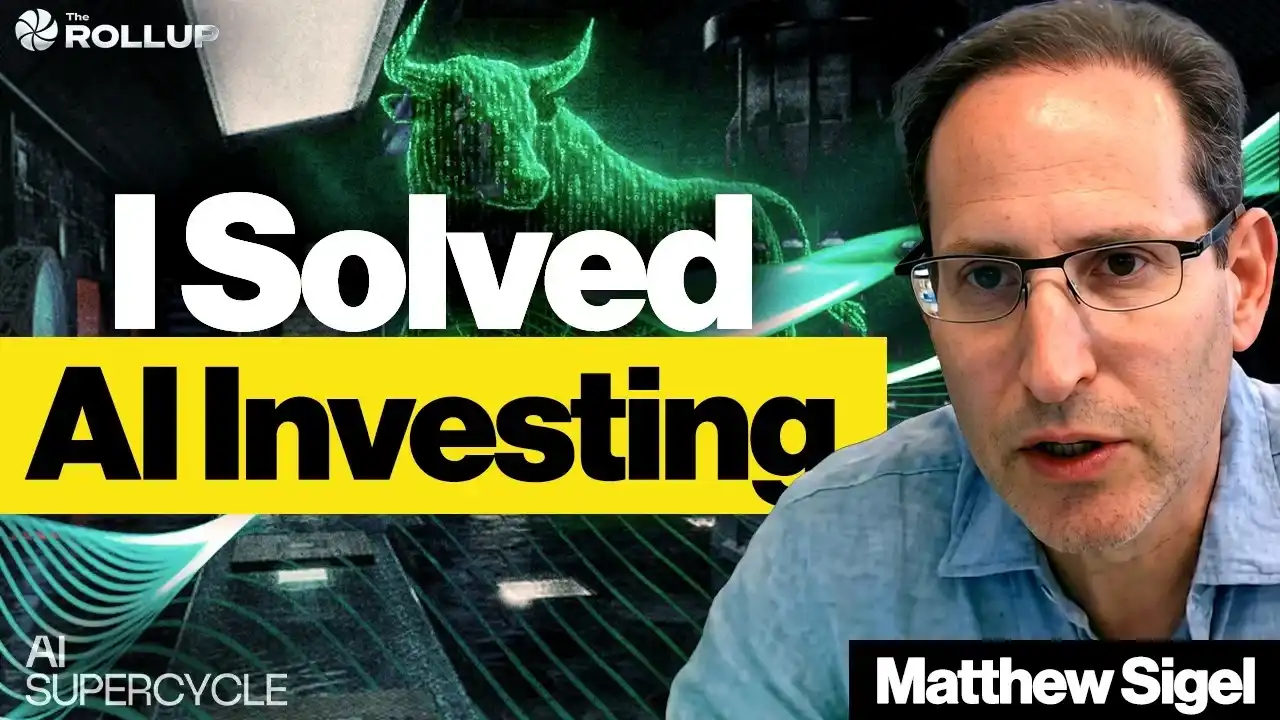
      Podcast Notes | VanEck Digital Asset Research Head: Current AI Infrastructure Rally Not a Bubble; Crypto Market Quiet Due to Institutional Disappointment in L1s

      In this podcast, VanEck's Head of Digital Asset Research Matthew Sigel discusses the current market dynamics. He argues the ongoing AI infrastructure boom is not a bubble, contrasting it with the 19th-century railroad mania. Unlike railroads funded by speculative land grants and government bonds, today's AI data centers are backed by long-term private contracts and significant customer prepayments, making the investment cycle more sustainable. Sigel notes a recent market shift: companies with high capital expenditures (capex) were rewarded in early 2024 but are now being punished. Cryptocurrencies, categorized as software assets, have suffered alongside the broader software sector. His NODE ETF has outperformed Bitcoin by nearly 100 percentage points over 15 months, largely by betting on Bitcoin miners transitioning into AI data centers. He highlights the value of miners' key assets—power and land—and their new ability to fund growth through debt instead of diluting shareholders. Regarding the crypto market's weakness, Sigel points to institutional disappointment with major Layer-1 (L1) blockchains like Ethereum and Solana. Post-election rallies lacked breakout applications, and regulated entities are increasingly building their own private, permissioned chains (e.g., by Circle, Stripe, Wells Fargo), diluting the "winner-takes-all" potential of public L1s. He believes a regulatory catalyst like the CLARITY Act, which would enforce disclosure standards, could trigger a significant relief rally for some tokens, but remains cautious until then. He also views proposals by ETH, Solana, and NEAR to reduce token inflation as a positive, necessary adjustment for the maturing sector.

      marsbit1m ago

      Podcast Notes | VanEck Digital Asset Research Head: Current AI Infrastructure Rally Not a Bubble; Crypto Market Quiet Due to Institutional Disappointment in L1s

      marsbit1m ago

      Shenzhen Competing for 'Tsinghua Faction' Talent

      Shenzhen is actively attracting Tsinghua University-affiliated technology ventures, as highlighted during the "X-Day" Xili Lake Roadshow held in Nanshan. The event featured six startup projects from Tsinghua alumni, spanning semiconductors, AI, materials, and healthcare. The showcased companies include: Zhichen Semiconductor, developing edge AI chips; Guangsu Evolution, creating AI-powered home security systems; Qingli Technology, commercializing "self-superlubricating" technology; Shu Yu Technology, offering an AI Agent for analog chip design; Heyi Intelligent Control, providing AI-driven building management systems; and Shengshengyi, applying AI to assisted reproductive medicine. These ventures represent a trend of deep-tech innovation closely linked to academic research. The roadshow series, initiated a year ago, underscores a strategic shift in Shenzhen's investment landscape. Venture capital is moving earlier into the innovation cycle, seeking projects directly from laboratories and research papers. Tsinghua University serves as a key source for such early-stage, technology-intensive startups. Over the past two years, Tsinghua alumni projects have accounted for nearly 30% of the approximately 280 billion RMB in early-stage deep-tech funding in Shenzhen. The "X-Day" platform has facilitated significant growth. To date, its 19 roadshows have connected companies with investors thousands of times, leading to over 3.3 billion RMB in equity financing for 58 firms. Past participants like Kuaiwei Intelligent (recently valued over 10 billion RMB after a Series B round) and Lingcifang (securing four funding rounds in 18 months) exemplify the successful trajectory from this ecosystem. The activity underscores Shenzhen's, particularly Nanshan District's, role in bridging academic research from institutions like Tsinghua with industrial application and venture capital.

      marsbit1m ago

      Shenzhen Competing for 'Tsinghua Faction' Talent

      marsbit1m ago

      Trading

      Spot

      Hot Articles

      What is XRP 2.0

      XRP 2.0: A New Frontier in the Cryptocurrency Landscape Introduction to XRP 2.0 In the ever-evolving realm of cryptocurrency, new projects continuously emerge, vying for attention and adoption. One such promising initiative is XRP 2.0, a novel cryptocurrency project designed to leverage advanced blockchain technology and robust encryption methodologies. While the name draws parallels with Ripple’s XRP, it’s crucial to note that XRP 2.0 operates independently, focusing on enhancing transaction security, privacy, and scalability. As the digital financial landscape increasingly embraces decentralized solutions, XRP 2.0 aims to contribute meaningfully to web3 and the overall expansion of crypto projects. What is XRP 2.0? At its core, XRP 2.0 is a cryptocurrency project that aims to create a secure and decentralized digital currency ecosystem. Its foundational technology integrates sophisticated blockchain principles with cutting-edge encryption techniques. The overarching goal of XRP 2.0 is to establish itself as a reliable and efficient platform enabling swift transaction execution while prioritizing enhanced privacy protections for its users. The project is promoted as a solution to many limitations faced by existing cryptocurrencies, proposing a system that can handle a higher volume of transactions with improved speed and privacy. This versatility positions XRP 2.0 as a significant contender in a marketplace riddled with various digital currencies. Who is the Creator of XRP 2.0? The identity of the creator behind XRP 2.0 has been flagged as ‘Wilbur.’ However, comprehensive details regarding Wilbur or their associated entity remain elusive. The anonymity of many cryptocurrency creators is not an uncommon phenomenon in the industry, often designed to maintain a degree of privacy and security. Who are the Investors of XRP 2.0? As of now, specific information related to the investment foundations or organizations supporting XRP 2.0 is not publicly available. In the cryptocurrency sector, the backing by reputed investors can significantly influence a project's credibility and success, yet the transparency regarding the financial supporters of XRP 2.0 has not been established. How Does XRP 2.0 Work? XRP 2.0 stands out by employing a combination of blockchain technology and advanced encryption algorithms that ensures secure and decentralized transactions. Its innovative structure includes unique features designed to foster user engagement and broaden functionalities beyond conventional cryptocurrency transactions. Among these features, XRP 2.0 incorporates AI-powered capabilities, such as text-to-image and text-to-speech functionalities. These additions are designed to enhance the interactive experience for users, promoting broader applicability across various sectors. By bridging technological advancements with user-centered design, XRP 2.0 aims to capture the attention of a diverse range of individuals and enterprises looking to integrate cryptocurrency solutions into their operational frameworks. Timeline of XRP 2.0 Understanding XRP 2.0 requires examining the milestones that have defined its journey thus far: July 23, 2023: XRP 2.0 is introduced as a novel cryptocurrency project, aiming to revolutionize secure and decentralized transaction capabilities in the blockchain domain. September 8, 2023: The launching of another project, XRP20, occurs, marking the emergence of an ERC-20 token on the Ethereum blockchain that remains unrelated to XRP 2.0. November 13, 2023: The XRP Ledger undergoes a significant update with the release of rippled server software version 2.0.0. It is essential to note that this development is disconnected from the XRP 2.0 cryptocurrency project. Key Points About XRP 2.0 To distill the essence of XRP 2.0, several critical factors emerge: Unique Features: The inclusion of features like AI-powered text-to-image and text-to-speech further diversifies the potential applications of XRP 2.0. Blockchain Technology: The framework utilizes advanced blockchain mechanisms and encryption protocols, ensuring a secure and decentralized environment for transactions. Scalability and Privacy: XRP 2.0 prioritizes enhanced privacy protections in transaction processes and the scalability necessary to accommodate a growing user base. No Affiliation with Ripple: Importantly, despite its name, XRP 2.0 does not have any allegiance or collaboration with Ripple’s XRP, distinguishing its operational framework and objectives within the cryptocurrency ecosystem. Conclusion XRP 2.0 represents an ambitious venture into the cryptocurrency sphere, aiming to offer a combination of security, privacy, and efficiency in digital transactions. By integrating sophisticated technologies and user-friendly features, the project sets out to broaden the horizons of what cryptocurrency can achieve in today's digital economy. While the anonymity of its creator and lack of disclosed investors might raise questions for some, XRP 2.0's focus on advanced functionalities and decentralisation enhances its appeal amidst an increasingly crowded crypto market. As the cryptocurrency landscape continues to evolve, XRP 2.0 may yet emerge as a pivotal player in the expansion of secure and scalable blockchain solutions.

      1.4k Total ViewsPublished 2024.04.01Updated 2024.12.03

      What is XRP 2.0

      Discussions

      Welcome to the HTX Community. Here, you can stay informed about the latest platform developments and gain access to professional market insights. Users' opinions on the price of XRP (XRP) are presented below.

      活动图片