揭秘融资「黑幕」:Polychain前合伙人被曝秘密收取「好处费」

Odaily星球日报Published on 2024-07-10Last updated on 2024-07-10

Abstract

Eclipse Labs前首席执行官Neel Somani向Pant承诺持有价值1330万美元的Eclipse代币。

原文标题:Top Crypto VC Says Ex-General Partner Made Undisclosed Side Deal With Portfolio Company

原文作者:Sam Kessler,CoinDesk 

原文编译:DeThings

编注:顶级加密风险投资公司的一位前普通合伙人 Niraj Pant 与投资组合公司 Eclipse Labs 达成了隐秘协议,但时间线模糊,引起了一些争议。这一事件引发了对于风险投资行业中潜在利益冲突和道德标准的关注,突显了投资者和创业公司之间的复杂关系。

揭秘融资「黑幕」:Polychain前合伙人被曝秘密收取「好处费」

· Polychain 表示,其前普通合伙人 Niraj Pant 与投资组合公司 Eclipse Labs 达成了一项秘密协议,该协议违反了该基金的政策。

· CoinDesk 的一项调查显示,Eclipse Labs 前首席执行官 Neel Somani 向 Pant 承诺持有价值 1330 万美元的 Eclipse 代币。

· 据 Eclipse 的消息人士透露,Somani 承诺将这些代币作为一种激励措施,让 Pant 获得 Polychain 资金。

· Polychain 表示,Pant 没有向该基金透露这笔交易。后来,它投资了 Pant 的人工智能创业公司 Ritual。

· Pant 证实 Eclipse Labs 为他分配了「顾问」代币,但表示直到 Polychain 投资后,他才与该公司达成协议。

· 这种情况让我们得以一窥加密行业融资场景的典型阴暗交易,在这些交易中,风险投资公司对项目和投资进行投资,以换取代币而不是传统的股权。

加密风险投资巨头 Polychain 指控前雇员 Niraj Pant 与投资组合公司 Eclipse Labs 达成了一项违反该基金政策的幕后交易。

根据三位知情人士和 CoinDesk 审查的 Eclipse 内部文件,Eclipse Labs 前首席执行官 Neel Somani 在 2022 年 9 月悄悄地将即将推出的 Eclipse 加密代币的 5% 分配给了 Pant——就在 Pant 指示 Polychain 领导该公司 600 万美元的种子前融资几天后。

分配最终减少到 1.33%,价值 1330 万美元,按该代币最近在一轮私人投资中完全摊薄的估值计算。(据一位接近 Eclipse Labs 的消息人士称,该公司最新一轮融资对该代币的完全摊薄价值(FDV)进行了 10 亿美元的估值。

Polychain 由加密货币交易所 Coinbase 的 Olaf Carlson-Wee(第一位员工)创立,是最大和最知名的加密货币风险投资公司之一,管理着超过 110 亿美元的资产。Pant 在 2017 年至 2023 年期间担任该公司的普通合伙人,负责将公司的风险投资引导到有前途的加密初创公司。

此后,Pant 成为加密行业的杰出人物,目前担任区块链 AI 初创公司 Ritual 的联合创始人,Ritual 是 Polychain 的另一项投资组合投资。

Eclipse Labs 构建了一个区块链,该区块链混合了来自流行的 Solana 和以太坊网络的技术。在领投 Eclipse 2022 年 8 月的种子前轮融资后,Polychain 于 2024 年 3 月参与了 5000 万美元的 A 轮融资。

Pant 率先进行了种子前交易,CoinDesk 的一项调查显示,大约在同一时间,他分配的 Eclipse 加密代币数量与 Polychain 本身一样多。据 CoinDesk 的消息来源称,这笔交易并未向 Eclipse 的大多数高管、顾问或大型投资者披露。

Pant 坚称,这项安排完全是符合犹太教的,因为它直到 2022 年 9 月才最终确定,也就是 Polychain 已经投资 Eclipse 的一个月。他与 CoinDesk 分享了法律文件,显示他对 Eclipse 代币的「咨询」分配在 2024 年被修改为 1.33%,但拒绝评论他最初股份的规模,或者为什么它被改变。

Polychain 告诉 CoinDesk,直到 Pant 于 2023 年离开公司后,它才知道 Pant 在 Eclipse 中拥有财务股份。该基金表示,他应该根据其政策披露这笔交易,这些政策旨在保护公司及其投资者免受利益冲突的影响。

「Polychain 直到 Niraj Pant 离开公司后才意识到 Eclipse 和 Niraj Pant 之间的财务关系,」Polychain 发言人在给 CoinDesk 的一封电子邮件中示。「Polychain 对担任顾问角色的员工有健全的政策和程序。在 Pant 先生离开 Polychain 后,该公司意识到他违反了其政策并调查了此事。

Polychain 对 CoinDesk 的声明提供了对加密风险投资公司及其资助项目的舒适世界的香肠制作过程的难得见解。风险投资公司很少公开讨论人事问题或交易结构,Polychain 也没有公开披露 Pant 违反政策的行为,直到 CoinDesk 就此事进行了报道。

模糊的时间线

这一启示可能会加深围绕 Somani 的有争议的叙述,Somani 于 5 月因性行为不端的指控而辞去 Eclipse 首席执行官一职。索马尼否认了这些指控,并拒绝就此事发表评论。

两位不愿透露姓名的接近 Eclipse 的消息人士声称,Somani 在种子前交易完成之前就向 Pant 承诺了他在 Eclipse 代币中 5% 的咨询股份。

根据 CoinDesk 审查的文件,Pant 的股份高于除 Polychain 以外的任何 Eclipse 投资者,Polychain 也占 Eclipse 代币的 5% 。潘特的股份超过了分配给其他顾问、投资者和除前首席执行官之外的所有 Eclipse 员工的股份。

据两位知情人士透露,索马尼告诉他的核心圈子,慷慨的代币赠款旨在激励 Pant 获得 Polychain 的现金和这位资深风险投资人梦寐以求的认可。

据 Polychain 官员称,当时没有向风险投资公司或其有限合伙人披露这一安排。

代币,而不是股权

这一次还让我们得以一窥加密货币行业独特筹款规范的交易,数字代币通常与任何股权一起授予,或代替任何股权。区块链应用程序、数字资产和去中心化账本通常被宣传为传统金融的更透明的替代方案,但许多领先项目和加密货币的所有权结构仍然不透明。

Eclipse Labs 构建了一个第 2 层区块链,为用户提供了一种更快、更便宜的以太坊网络交易方式。该网络的主要吸引力在于它借用了流行的 Solana 区块链的元素来为其技术设计的关键元素提供动力——这一细节帮助它在两个最大的区块链社区中赢得了轰动。

在 Eclipse 的融资中,代币分配至关重要,因为很少有投资者获得该项目的股权。大多数人只是被承诺从 Eclipse 的代币中分一杯羹——一种尚不存在的加密货币,Eclipse 甚至没有公开宣布。

此设置并非非典型。加密货币投资者经常提供现金以换取代币而不是传统股权,公司很少向公众披露这些安排,以免他们在将加密货币归类为投资证券的斗争中为金融监管机构提供弹药。

「Eclipse Labs 没有向公众披露投资者的所有权百分比,」Eclipse Labs 的一位发言人告诉 CoinDesk。

根据 CoinDesk 审查的内部代币分配表,Eclipse 的员工、投资者和顾问已经获得了未来 Eclipse 代币供应量的近 50% 。

Pant 坚称,他自己与 Eclipse 的咨询协议是光明正大的。他与 CoinDesk 分享了法律文件,显示他将获得 Eclipse 代币 1.33% 的股份。
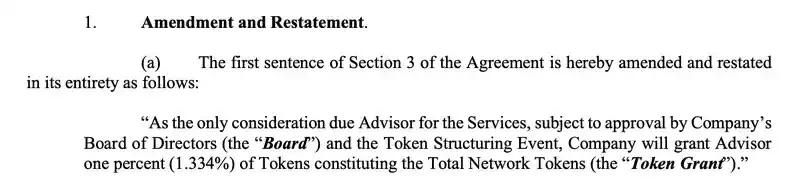
揭秘融资「黑幕」:Polychain前合伙人被曝秘密收取「好处费」

摘自 Niraj Pant 提供的经修订的咨询协议

这一数额——从 Pant 没有披露的早期总额修正而来——低于文件和知情人士透露的 Pant 最初承诺的 5% ,但仍高于其他所有 Eclipse 顾问以及几乎所有投资者和员工。

Pant 分享的咨询协议日期为 2024 年 4 月 29 日—在他离开 Polychain 之后—并由两方签署:Neel Somani,代表 Eclipse Labs;和 Niraj Pant,代表「The Psychological Operations Co.」
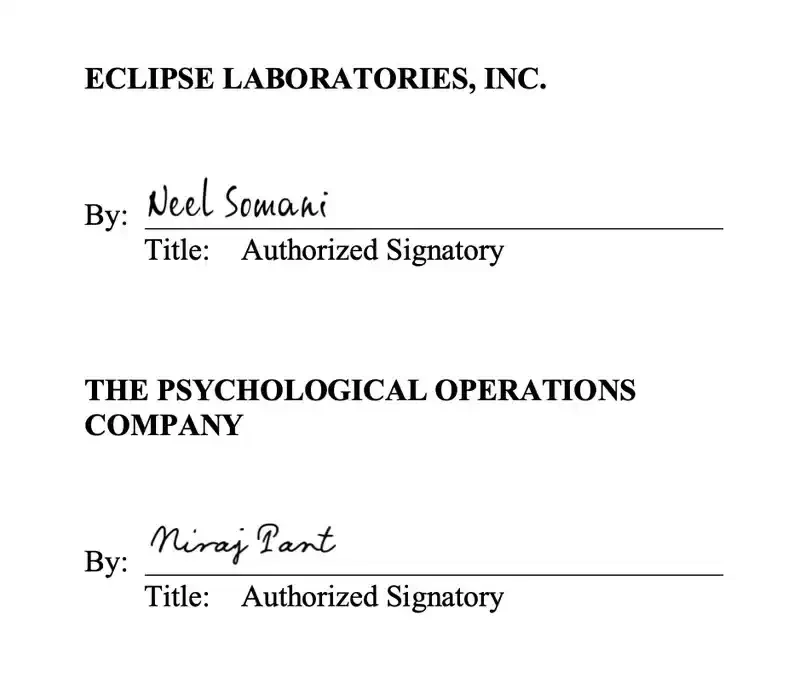
揭秘融资「黑幕」:Polychain前合伙人被曝秘密收取「好处费」

摘自 Niraj Pant 提供的修订后的咨询协议,由 Pant 和 Neel Somani 签署

根据协议,Psychological Operations Co. 将获得 Eclipse 代币的赠款,以换取 Eclipse 要求的「定期电话会议同步会议」。该协议本身没有提到 Polychain 或其对 Eclipse 的种子前投资。

Pant 提供给 CoinDesk 的协议版本指出,这是对 2022 年 9 月 8 日早期咨询协议的「修订」——就在 Eclipse 的种子前轮融资结束几周后,当时他仍然是 Polychain 的普通合伙人。

潘特拒绝分享最初的协议。

Polychain 的政策

无论 Pant 的顾问职位是否在种子前交易之前完成,如果他在 Eclipse 的最初顾问职位是在他仍在 Polychain 工作时开始的——正如他自己的文件所证明的那样——那么他可能仍然需要根据公司的道德政策披露这一点,该公司在向美国证券交易委员会(SEC)的冗长披露中对此进行了描述。

揭秘融资「黑幕」:Polychain前合伙人被曝秘密收取「好处费」

Polychain 首席执行官 Olaf Carlson-Wee(Danny Nelson / CoinDesk)

在提交给美国证券交易委员会的官方政策文件中,Polychain 写道:「为了监控任何利益冲突,Polychain 员工必须预先清除其个人账户中的某些预期交易,这些交易可能会出现不当行为,并且必须首次和每年披露所有个人账户的持股情况,以及每季度披露所有交易。

这种情况尤其引人注目,因为 Pant 不仅是 Polychain 的前雇员,还是 Polychain 最热门的投资组合公司之一 Ritual 的联合创始人。

在去年离开 Polychain 并创立 Ritual 后,Pant 迅速成为区块链行业演讲者的主要成员,被视为加密和人工智能交叉领域的思想领袖。Ritual 旨在分散 AI 模型的执行,是区块链与 AI 相遇的一类项目之一,这些项目本身已经发展成为风险投资的宠儿。去年 11 月,它从 Polychain 和其他公司筹集了 2500 万美元。

Polychain 拒绝评论其与 Ritual 的关系是否因 Pant 所谓的违反政策而发生变化,或者它是否在投资 Ritual 之前就知道了这一违规行为。

尽管涉嫌违反政策,但 Polychain 对 Eclipse 的投资仍可能获得回报。据一位接近该基金的消息人士称,自该公司于 2022 年首次投资以来,其在 Eclipse 的股份价值增长了 10 倍。


原文链接

Trending Cryptos

Related Reads

Valuation Rout of Old Titans: The Demise of a Generation's Asset Valuation Framework

"The Old Titans' Valuation Collapse: The Death of an Era's Valuation Framework" Between Alibaba's 2014 NYSE debut at $93.89 and its 2026 price of ~$95, twelve years have passed with zero price appreciation. This stagnation symbolizes a wholesale valuation reset for an entire generation of Chinese internet assets. Companies like Tencent, Pinduoduo, Meituan, Bilibili, and Kuaishou have seen catastrophic declines of 80-98% from their peaks. The core question arises: what framework now prices these companies, or has the framework itself expired? The valuation logic for Chinese internet stocks followed a clear "anchor-setting and anchor-removing" process. From 2014-2017, the dominant narrative was "US comparable discounting" – applying a growth premium and governance discount to US peers' multiples. This anchor loosened with the 2018 US-China trade war and the VIE structure risk, then was violently uprooted by the 2020-2021 regulatory crackdowns (Ant Group, Didi, anti-monopoly fines). The 2022 delisting panic and subsequent 2025-2026 geopolitical shocks (US military lists, AI espionage accusations) completed the demolition. The old "US对标打折" model is dead. However, this is not solely a China story. A structural mirror exists in US "old titan" stocks ("老登股"). In 2026, even Microsoft – with robust fundamentals – saw its PE compress from a 34x median to 22x, its worst performer status among the "Magnificent Seven" driven by a $190 billion annual AI capex crushing free cash flow. The core dilemma is universal: legacy platform giants, whether Alibaba or Microsoft, are spending colossal sums to chase an AI paradigm that may颠覆 their own high-margin, user/subscription-based business models. They have shifted from "companies defining the future" to "companies needing to prove they won't be淘汰ed by the future." This phenomenon of a dying valuation坐标系 has a historical precedent: post-1989 Japan. After its bubble burst, the "Japan premium" narrative ("most efficient manufacturing + perpetual growth") collapsed. A 25-year valuation vacuum ensued until Warren Buffett provided a new language in the 2010s: "low valuation + high dividend + governance reform." China's internet sector is now in a similar vacuum six years into its reset. While different from Japan's deflationary context, the parallel is clear: the old macro assumption of "deep integration with global capital" is falsified, but a new pricing framework is absent. Potential "new languages" for Chinese internet valuations are contradictory. AI transformation requires gutting profitable core businesses (e.g., Alibaba's ad-driven e-commerce) for an unproven consumption-based model, risking a Microsoft-like cash flow crunch. Alternatively, shareholder returns (buybacks/dividends) could build a floor, following Buffett's Japanese playbook, but current scales are insufficient to form a standalone anchor. The current state mirrors mid-1990s Japan: the old framework is dead, the new one unborn. The market waits in a vacuum for a重新定义ing force – a person, event, or proven business model shift – to answer "why buy." This may only be the middle phase of a prolonged re-rating.

marsbit2m ago

Valuation Rout of Old Titans: The Demise of a Generation's Asset Valuation Framework

marsbit2m ago

STRC Trading at Significant Discount, mNAV Falls Below Break-Even, Strategy's Valuation Logic Has Been Rewritten

Title: STRC Deeply Discounted, mNAV Falls Below Break-even, Strategy's Valuation Logic Redefined The recent volatility in MSTR and STRC highlights the need to reassess the core business model of Bitcoin reserve companies. These entities function more like leveraged, single-asset banks rather than software/tech firms. Consequently, they should be valued using banking metrics, not based on their total Bitcoin holdings. The key valuation metric is mNAV (market net asset value), akin to a price-to-book ratio. It compares the company's market capitalization to the equity value of its Bitcoin holdings after deducting all senior debt and preferred equity (like STRC). As of June 24, Strategy's mNAV was 1.10x. The focus should be on "net Bitcoin per share" (the Bitcoin claim per share after senior claims) and its growth rate, equivalent to a bank's book value and return on assets. Given STRC's 19% discount to its $100 par value (yielding 14.2%), issuing new MSTR equity at the current price to buy more Bitcoin is inefficient. It slightly dilutes the widely watched "total Bitcoin per share" metric while providing minimal improvement to the more critical "net Bitcoin per share." The article analyzes four potential uses for $1 billion in new equity: 1. **Buy Bitcoin:** Least effective. Improves net Bitcoin per share only marginally while diluting total Bitcoin per share. 2. **Repurchase STRC:** Most effective for balance sheet repair. The discount creates immediate value, increasing net Bitcoin per share by 1.0%, reducing debt burden, and lowering future dividend obligations. 3. **Boost Cash Reserves:** Dramatically improves the "cash coverage ratio" for STRC dividends from 9.8 months to 16.8 months, a crucial liquidity metric in a tightening funding environment. 4. **50/50 Split (STRC buyback & cash):** A balanced approach improving all key metrics. Strategy's own Q1 report indicates its internal break-even mNAV for profitable equity issuance to buy Bitcoin is 1.22x. With the current mNAV at 1.10x, such a move would be value-destructive. The core assumptions of its previous expansion model—issuing STRC at par and maintaining ample dividend coverage—have broken down. The recommended path is to use new capital to optimize core financial health: repurchasing discounted STRC and/or bolstering cash reserves. This would repair the balance sheet, signal liquidity strength, support STRC's price, lower its yield, and potentially reopen the par-value issuance channel. The current STRC discount represents a low-cost capital opportunity to restart this positive cycle. Bitcoin reserve companies must be evaluated as banks, focusing on book value, leverage, and liquidity resilience.

Foresight News3m ago

STRC Trading at Significant Discount, mNAV Falls Below Break-Even, Strategy's Valuation Logic Has Been Rewritten

Foresight News3m ago

South Korean Institutions' Crypto Race: Dual Explosion of Stablecoins and RWA

**Summary: South Korea's Institutional Crypto Race: Stablecoins and RWA Take Off** South Korea is undergoing a structural shift in its crypto ecosystem, moving beyond its historical role as a major retail trading hub. Major financial institutions and internet platforms are now building institutional-grade blockchain infrastructure, with stablecoins and Real-World Asset (RWA) tokenization as the primary drivers. The push for a regulated Korean won stablecoin market is a major policy and corporate focus. This is driven partly by an estimated $115 billion outflow into dollar stablecoins like USDC, threatening the domestic financial system. Banks (e.g., KB Financial, Hana), payment giants (e.g., Shinhan Card, BC Card), and internet super-apps (KakaoPay, NAVER Pay) are all conducting pilots. The goal is to anchor future digital finance to the Korean won and local regulations. In RWA, South Korea is advancing rapidly within regulatory sandboxes, focusing on unique domestic assets beyond typical global templates like US Treasuries. Projects involve tokenizing ships (with Hyundai Heavy Industries), defense supply chain assets, and K-pop intellectual property, alongside more conventional assets. A legal framework is set for 2027, and platforms like NXT are preparing for regulated trading. Key opportunities for crypto-native projects lie in providing the underlying technology these traditional institutions lack: global distribution channels for tokenized assets, cross-chain liquidity solutions, and enabling infrastructure tools (e.g., for asset packaging and management). Partnerships, such as Solana with Shinhan Card or LayerZero with the Korea Gold Exchange, exemplify this proactive approach. Crucially, user access is being shaped by consumer platforms. NAVER's planned acquisition of Upbit's operator Dunamu and Kakao's development of a unified wallet aim to seamlessly integrate crypto with everyday payments for tens of millions of users. The race is now about which protocols and projects will become the foundational standards as regulation solidifies and institutional adoption accelerates.

Foresight News1h ago

South Korean Institutions' Crypto Race: Dual Explosion of Stablecoins and RWA

Foresight News1h ago

Trading

Spot

Hot Articles

How to Buy TOP

Welcome to HTX.com! We've made purchasing TOP AI Network (TOP) simple and convenient. Follow our step-by-step guide to embark on your crypto journey.Step 1: Create Your HTX AccountUse your email or phone number to sign up for a free account on HTX. Experience a hassle-free registration journey and unlock all features.Get My AccountStep 2: Go to Buy Crypto and Choose Your Payment MethodCredit/Debit Card: Use your Visa or Mastercard to buy TOP AI Network (TOP) instantly.Balance: Use funds from your HTX account balance to trade seamlessly.Third Parties: We've added popular payment methods such as Google Pay and Apple Pay to enhance convenience.P2P: Trade directly with other users on HTX.Over-the-Counter (OTC): We offer tailor-made services and competitive exchange rates for traders.Step 3: Store Your TOP AI Network (TOP)After purchasing your TOP AI Network (TOP), store it in your HTX account. Alternatively, you can send it elsewhere via blockchain transfer or use it to trade other cryptocurrencies.Step 4: Trade TOP AI Network (TOP)Easily trade TOP AI Network (TOP) on HTX's spot market. Simply access your account, select your trading pair, execute your trades, and monitor in real-time. We offer a user-friendly experience for both beginners and seasoned traders.

3.5k Total ViewsPublished 2024.03.29Updated 2026.06.02

How to Buy TOP

Discussions

Welcome to the HTX Community. Here, you can stay informed about the latest platform developments and gain access to professional market insights. Users' opinions on the price of TOP (TOP) are presented below.

活动图片