Bitfarms采用「毒丸」计划抵御Riot收购,减半后矿企或面临整合潮

Odaily星球日报Published on 2024-06-12Last updated on 2024-06-12

Abstract

比特币矿企 Bitfarms 在 6 月 10 日发布声明宣布已批准采用股东权利计划(Shareholder Rights Plan)又称“毒丸”计划,以防止同行和竞争对手 Riot Platforms 的收购。

原文作者:Chloe,PANews

比特币矿企 Bitfarms 在 6 月 10 日发布声明宣布已批准采用股东权利计划(Shareholder Rights Plan)又称“毒丸”计划,以防止同行和竞争对手 Riot Platforms 的收购。根据该声明透露,这项股权摊薄反收购举措,是公司针对主动收购的防御措施,旨在降低公司的吸引力或稀释收购者对收购目标的所有权。

Bitfarms 表示,该计划已获得董事会批准,“旨在关键的战略评估期间,防止公司被廉价恶意收购,以维护评估流程本身和广大股东的根本利益。”

Bitfarm 的这项“毒丸”计划指出,如果一家实体机构(收购人)或是其关联方在 6 月 20 日后至 9 月 10 日期间积累了超过 15% 的 Bitfarms 股份,该公司将发行新股,稀释该实体的股份。而在 9 月 10 日之后,如果任何收购尝试满足一定条件,门槛将放宽至 20% 。

也就是说,Bitfarms 的这项权利计划设置了随时间变化的持股比例门槛。在关键的战略评估期,门槛较高以加强防御;而在评估完成后,只要收购方满足合规要求,门槛就会放宽到 20% ,表明董事会更愿意考虑善意的收购提议。这安排主要在保护公司和股东利益,又为友善的合并收购留出空间。

Riot 成为该公司最大股东,还请求增加独立董事到 Bitfarms 的董事会

而促使 Bitfarms 采用“毒丸”计划的关键时间点是 Riot Platforms 在 5 月 28 日收购了 Bitfarms 9.25% 的股份,进而成为该公司最大股东。 接着 Riot 又于 6 月 5 日购买了 150 万股,将持股比例提高至约 12% 。

Riot 还表示,他们要计划请求召开特别股东会议,以增加独立董事到 Bitfarms 的董事会,理由是对其公司治理表示担忧。

外界揣测 Riot 是为了促进其收购计划削弱 Bitfarms 董事会的反收购立场。表明了 Bitfarms 董事会和 Riot 间,关于是否应该接受收购以及如何保护股东利益存在着明显的分歧和斗争。

将时间拉回至此前 4 月 22 日,当时 Riot 持有 Bitfarms 3.61% 股份,曾向 Bitfarms 董事会提出收购要约,希望收购该公司全部流通股。Riot 认为,Bitfarms 董事会没有为股东谋求最大利益。对此 Bitfarms 董事会则成立了特别委员会,对 Riot 的收购要约进行评估。经过慎重考虑,特别委员会得出结论,认为 Riot 的出价严重低估了公司价值,并拒绝近 10 亿美元的收购提议。

紧接着才有了 Riot 一连串的刻意收购举措,以及 Bitfarms"毒丸"策略的应变措施。

解雇首席执行官是收购案的导火索?

不过针对 Riot 打算召开股东大会并增加独立董事到 Bitfarms 董事会,其实背后堆动一大因素是 Bitfarms 在 5 月 13 日宣布解雇首席执行官 Geoffrey Morphy。

根据 Riot CEO Jason Les 的回应,Bitfarms 解雇首席执行官的决定在 Riot 提出收购建议中起到了一定作用。 Jason Les 表示,他认为 Bitfarms 董事会中的创始人 Nicolas Bonta 和 Emiliano Grodzki 可能没有为所有 Bitfarms 股东谋求最佳利益。

在 Bitfarms 和整个行业处于关键执行期的情况下,Bitfarms 董事会突然解雇首席执行官,却没有制定过渡计划。引发了 Les 对 Bitfarms 公司治理的质疑。

此外,被解雇的前 CEO Geoffrey Morphy 已经对 Bitfarms 提出了一项 2700 万美元的诉讼,指控该公司违反合同、不当解雇等。如果这些指控属实,也会进一步凸显 Bitfarms 董事会内部涵盖着某部分的问题。

基于以上原因,Les 才认为有必要召开股东特别会议,让股东有机会对 Bitfarms 董事会进行必要的改组,修复 Bitfarms 公司治理问题并为所有股东创造最大价值作为首要任务。

因此,Bitfarms 解雇 CEO 的决定在一定程度上促使 Riot 提出收购要约并质疑现有董事会的能力和动机。不过很明显地 Riot 也希望利用这一事件,获得更多股东支持,推动对 Bitfarms 董事会的改组,进而完成其收购计划。

Riot 不是唯一,还有其他矿企也计划参与收购

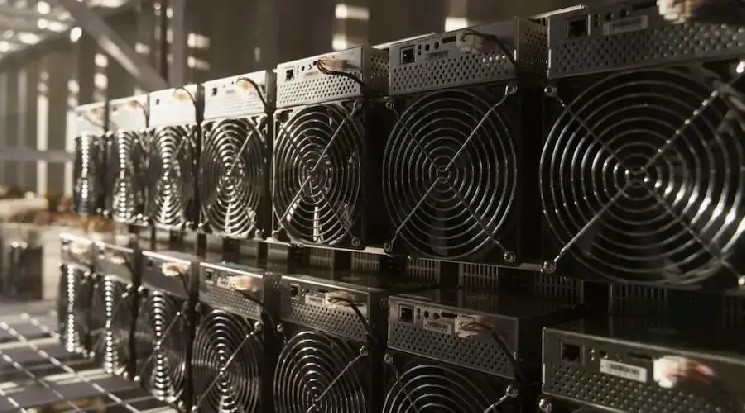
若 Riot 和 Bitfarms 合并将成为全球规模最大的比特币矿业公司之一。根据 Riot ,合併后公司将拥有 1 吉瓦(GW,十亿瓦特)的发电能力和每秒 19.6 exahash (EH/s) 的自挖矿能力。

两家矿商在美国、加拿大、巴拉圭和阿根廷总共有 15 个矿场,完全开发后总发电容量将高达 2.2 吉瓦。 BlocksBridge Consulting 创办人 Nishant Sharma 指出,这两家公司 4 月总共挖了 676 个 BTC,仅次于 Marathon Digital、Core Scientific 和 CleanSpark。 “因为比特币减半后竞争加剧和环境日益严峻,矿业确实正在经历整合,”Sharma 对 Blockworks 说道。

且似乎 Riot 并不是唯一有机会收购 Bitfarms 的公司。 Bitfarms 指出,它已经收到了许多公司的收购意向。Compass Point Research and Trading 的分析师 Joe Flynn 在上周的研究报告中指出,Marathon Digital 和 CleanSpark 等大型矿企也在会在这波的潜在收购竞争。

Trending Cryptos

Related Reads

A Hard-Fought Battle to Defend Par Value: STRC Drifts Further Away from $100

STRC, the dividend-paying stock issued by Michael Saylor's bitcoin reserve firm Strategy (formerly MicroStrategy), is trading far below its intended $100 par value, closing recently at $80.84. With a key dividend snapshot date approaching, Saylor aims to pull the price back to $100, as per SEC filings stating the company's goal to stabilize the stock near that level. The situation is complicated by the June volume-weighted average price (VWAP) falling below $95, triggering an internal rule that mandates the next dividend increase to be at least double the standard 0.25% per cycle, potentially pushing the annualized dividend yield to 12%. However, attracting buyers with this higher yield faces challenges: the payout is spread over 24 bi-monthly installments, the board can alter or suspend dividends at any time, and there is no guarantee against further price declines. Beyond raising dividends, Strategy has limited tools to boost the stock. These include direct share buybacks (never utilized), halting new share issuances above $100 (which currently cap the price), selling ordinary MSTR shares to build a cash buffer for dividends (with limited effect so far), or announcing special shareholder benefits. Historically, STRC has reclaimed the $100 mark, such as in October last year, driven by a combination of dividend fulfillment, a rate hike, and a pause in share sales. The core question remains how much cost and effort Strategy is willing to bear to attract the necessary buying pressure to restore the $100 par value.

Foresight News13m ago

A Hard-Fought Battle to Defend Par Value: STRC Drifts Further Away from $100

Foresight News13m ago

Fable 5 is about to make a comeback, code exposed? Anthropic CEO kicked out of the White House

Fable 5, a previously restricted AI model from Anthropic, appears poised for a comeback. Evidence from leaked code in the Claude Code v2.1.190 version suggests a shift in its business model from a separate purchase to a potentially limited weekly usage allowance within standard Claude subscriptions. Furthermore, the model has reportedly reappeared in Amazon Bedrock documentation. This potential revival coincides with significant internal changes at Anthropic. According to a report by The Wired, CEO Dario Amodei was reportedly sidelined from negotiations with the Trump administration over Fable 5's export restrictions. Government officials found him difficult to communicate with. Co-founder Tom Brown and policy head Sarah Heck took over discussions, leading to more productive technical talks aimed at addressing White House security concerns about the model being "jailbroken." External pressure is mounting as a bipartisan group of US lawmakers has demanded answers from the Commerce Department by a June 26 deadline regarding the criteria and timeline for potentially reinstating public access to Fable 5. The potential return of Fable 5 comes as competitors OpenAI and Google have reportedly delayed their own major model releases. If Anthropic successfully navigates the government's security review, Fable 5 could gain a significant "safety-certified" advantage in the enterprise market. The countdown to the June 26 deadline is now underway.

marsbit44m ago

Fable 5 is about to make a comeback, code exposed? Anthropic CEO kicked out of the White House

marsbit44m ago

Trading

Spot
Futures

Hot Articles

What is $BITCOIN

DIGITAL GOLD ($BITCOIN): A Comprehensive Analysis Introduction to DIGITAL GOLD ($BITCOIN) DIGITAL GOLD ($BITCOIN) is a blockchain-based project operating on the Solana network, which aims to combine the characteristics of traditional precious metals with the innovation of decentralized technologies. While it shares a name with Bitcoin, often referred to as “digital gold” due to its perception as a store of value, DIGITAL GOLD is a separate token designed to create a unique ecosystem within the Web3 landscape. Its goal is to position itself as a viable alternative digital asset, although specifics regarding its applications and functionalities are still developing. What is DIGITAL GOLD ($BITCOIN)? DIGITAL GOLD ($BITCOIN) is a cryptocurrency token explicitly designed for use on the Solana blockchain. In contrast to Bitcoin, which provides a widely recognized value storage role, this token appears to focus on broader applications and characteristics. Notable aspects include: Blockchain Infrastructure: The token is built on the Solana blockchain, known for its capacity to handle high-speed and low-cost transactions. Supply Dynamics: DIGITAL GOLD has a maximum supply capped at 100 quadrillion tokens (100P $BITCOIN), although details regarding its circulating supply are currently undisclosed. Utility: While precise functionalities are not explicitly outlined, there are indications that the token could be utilized for various applications, potentially involving decentralized applications (dApps) or asset tokenization strategies. Who is the Creator of DIGITAL GOLD ($BITCOIN)? At present, the identity of the creators and development team behind DIGITAL GOLD ($BITCOIN) remains unknown. This situation is typical among many innovative projects within the blockchain space, particularly those aligning with decentralized finance and meme coin phenomena. While such anonymity may foster a community-driven culture, it intensifies concerns about governance and accountability. Who are the Investors of DIGITAL GOLD ($BITCOIN)? The available information indicates that DIGITAL GOLD ($BITCOIN) does not have any known institutional backers or prominent venture capital investments. The project seems to operate on a peer-to-peer model focused on community support and adoption rather than traditional funding routes. Its activity and liquidity are primarily situated on decentralized exchanges (DEXs), such as PumpSwap, rather than established centralized trading platforms, further highlighting its grassroots approach. How DIGITAL GOLD ($BITCOIN) Works The operational mechanics of DIGITAL GOLD ($BITCOIN) can be elaborated on based on its blockchain design and network attributes: Consensus Mechanism: By leveraging Solana’s unique proof-of-history (PoH) combined with a proof-of-stake (PoS) model, the project ensures efficient transaction validation contributing to the network's high performance. Tokenomics: While specific deflationary mechanisms have not been extensively detailed, the vast maximum token supply implies that it may cater to microtransactions or niche use cases that are still to be defined. Interoperability: There exists the potential for integration with Solana’s broader ecosystem, including various decentralized finance (DeFi) platforms. However, the details regarding specific integrations remain unspecified. Timeline of Key Events Here is a timeline that highlights significant milestones concerning DIGITAL GOLD ($BITCOIN): 2023: The initial deployment of the token occurs on the Solana blockchain, marked by its contract address. 2024: DIGITAL GOLD gains visibility as it becomes available for trading on decentralized exchanges like PumpSwap, allowing users to trade it against SOL. 2025: The project witnesses sporadic trading activity and potential interest in community-led engagements, although no noteworthy partnerships or technical advancements have been documented as of yet. Critical Analysis Strengths Scalability: The underlying Solana infrastructure supports high transaction volumes, which could enhance the utility of $BITCOIN in various transaction scenarios. Accessibility: The potential low trading price per token could attract retail investors, facilitating wider participation due to fractional ownership opportunities. Risks Lack of Transparency: The absence of publicly known backers, developers, or an audit process may yield skepticism regarding the project's sustainability and trustworthiness. Market Volatility: The trading activity is heavily reliant on speculative behavior, which can result in significant price volatility and uncertainty for investors. Conclusion DIGITAL GOLD ($BITCOIN) emerges as an intriguing yet ambiguous project within the rapidly evolving Solana ecosystem. While it attempts to leverage the “digital gold” narrative, its departure from Bitcoin's established role as a store of value underscores the need for a clearer differentiation of its intended utility and governance structure. Future acceptance and adoption will likely depend on addressing the current opacity and defining its operational and economic strategies more explicitly. Note: This report encompasses synthesised information available as of October 2023, and developments may have transpired beyond the research period.

449 Total ViewsPublished 2025.05.13Updated 2025.05.13

What is $BITCOIN

Discussions

Welcome to the HTX Community. Here, you can stay informed about the latest platform developments and gain access to professional market insights. Users' opinions on the price of BTC (BTC) are presented below.

活动图片