老钱青睐Meme,下一波周期开启?

Odaily星球日报Published on 2024-05-14Last updated on 2024-05-14

Abstract

如果传统的加密货币VC最终屈服并决定投资Meme,这可能标志着Meme周期第二波的开始。

原文作者:Layergg

原文编译:深潮 TechFlow
老钱青睐Meme,下一波周期开启?

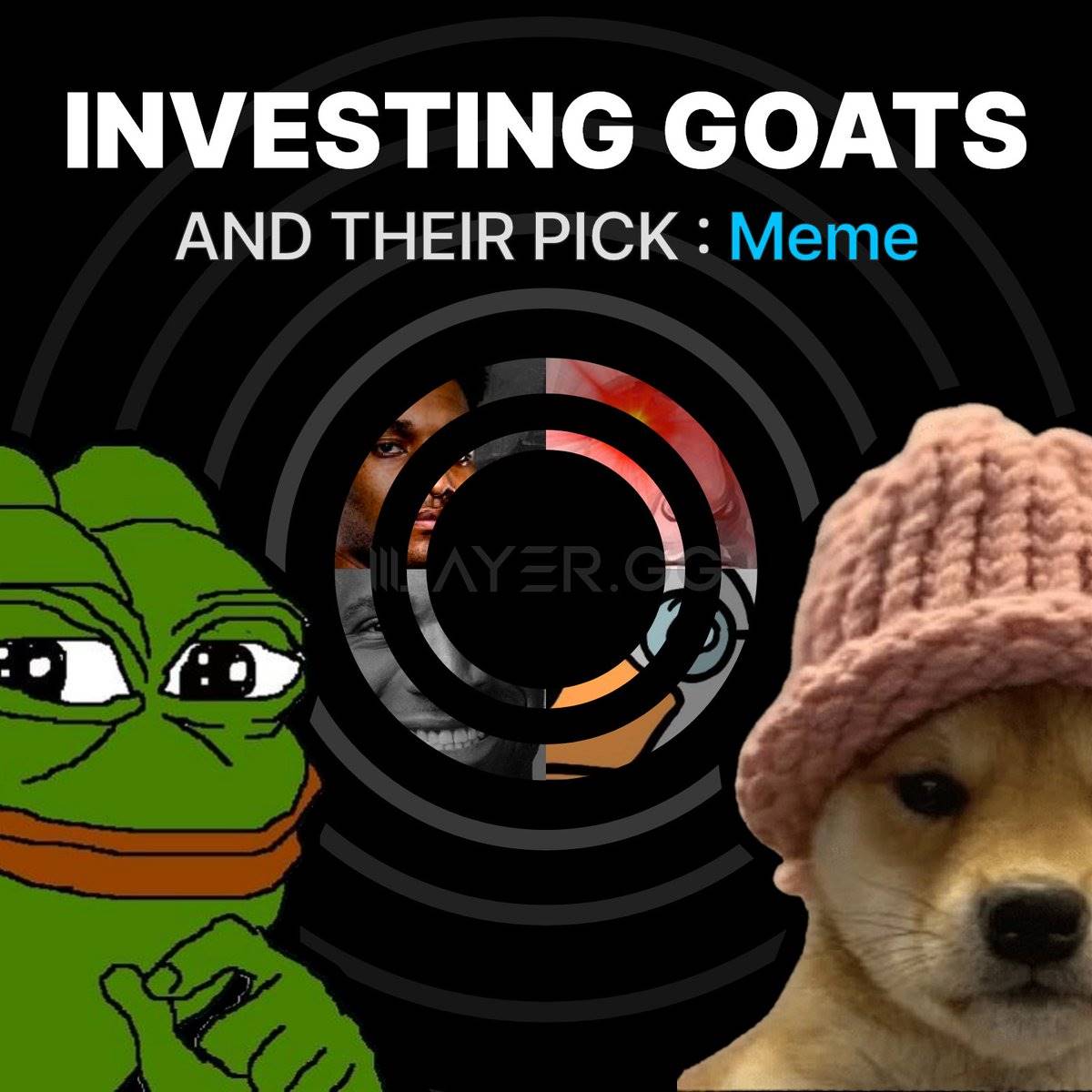
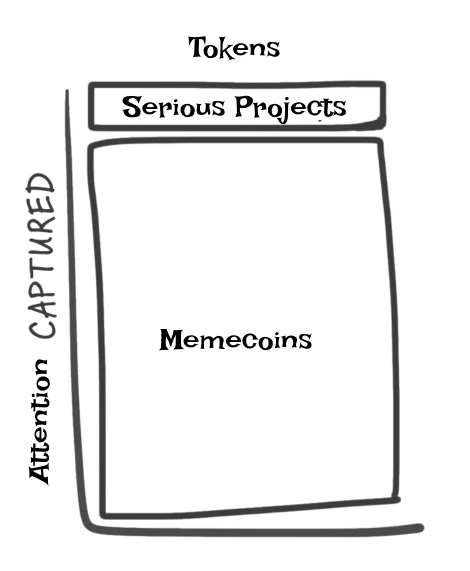
Meme 正在成为这个加密周期中“VC、CEX 和高 FDV”的替代品。 社区驱动+公平发布已经俘获了散户的心,并开始在实际竞价阶段发挥影响力。
老钱青睐Meme,下一波周期开启?

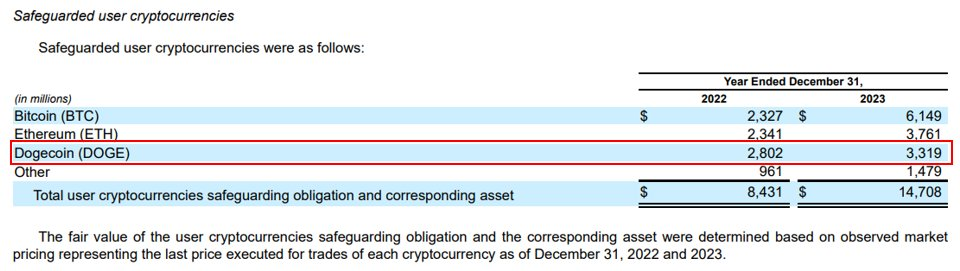
今年,大市值 Meme 的表现名列前茅,即使在市场调整时也能保持强劲的回报。现在,Meme 已成为主流资产类别,这一点从 Robinhood 用户的持币量中可以明显看出。
老钱青睐Meme,下一波周期开启?

需要考虑的一点是,全球资产管理公司才刚刚开始进入加密货币领域。

我认为华尔街的资深人士不太可能成为加密风险投资公司的退出流动资金,他们很可能颠覆现状,而 Meme 有望成为他们实现这一目标的工具之一。
老钱青睐Meme,下一波周期开启?

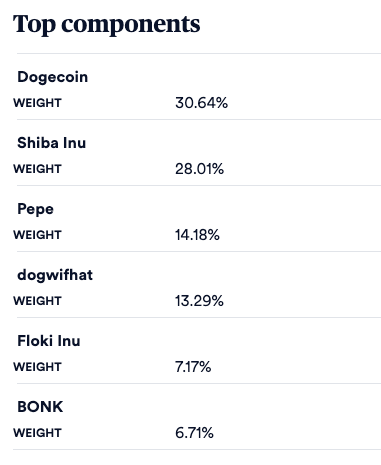
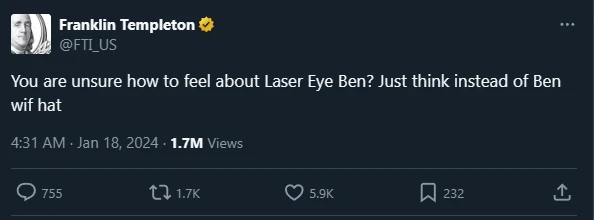
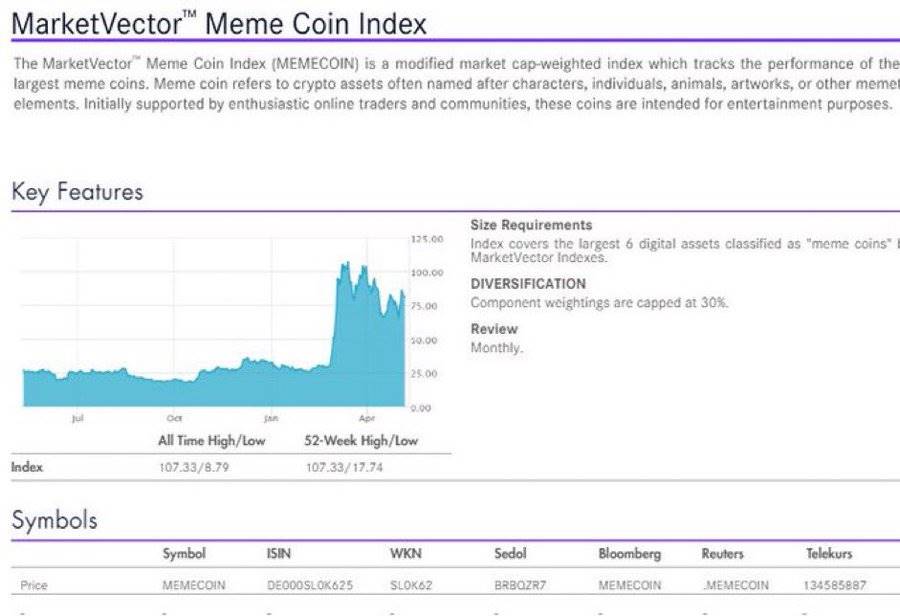
两个突出的例子是 Franklin Templeton 和 VanEck。

a)VanEck 的 MarketVector 最近推出了 Meme 指数。

b)Franklin Templeton 持续发表有关 Meme 的文章。 一个有趣的案例是 Franklin Templeton 关于 $WIF 的宣传。
老钱青睐Meme,下一波周期开启?

老钱青睐Meme,下一波周期开启?

老钱青睐Meme,下一波周期开启?

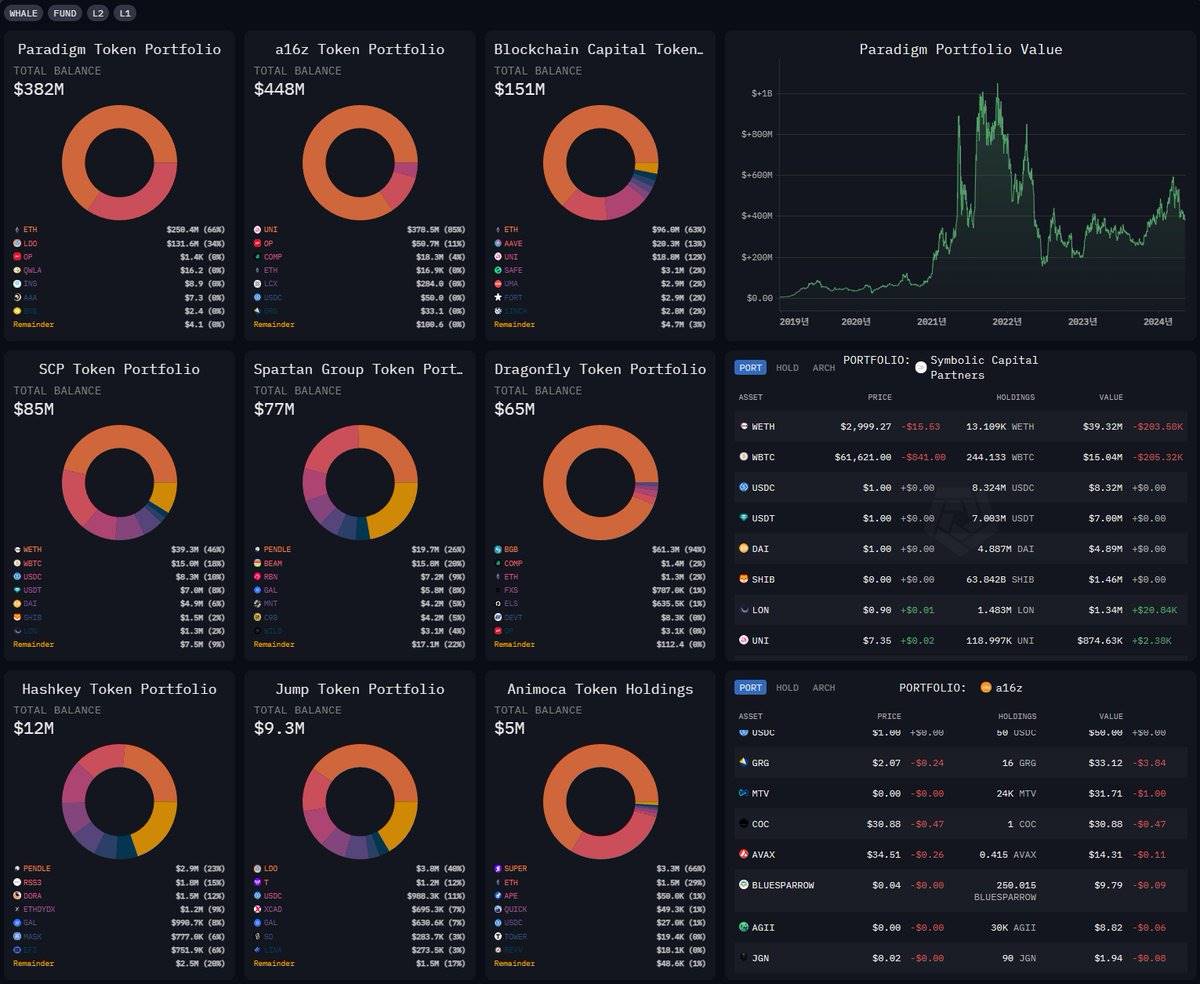
令人惊讶的是,传统的加密货币风投在接受 Meme 方面仍然进展缓慢。如$WIF 和$PEPE 这样的主要 Meme 在顶级风投的投资组合中找不到。如果他们最终屈服并决定投资 Meme,这可能标志着 Meme 周期第二波的开始。
老钱青睐Meme,下一波周期开启?

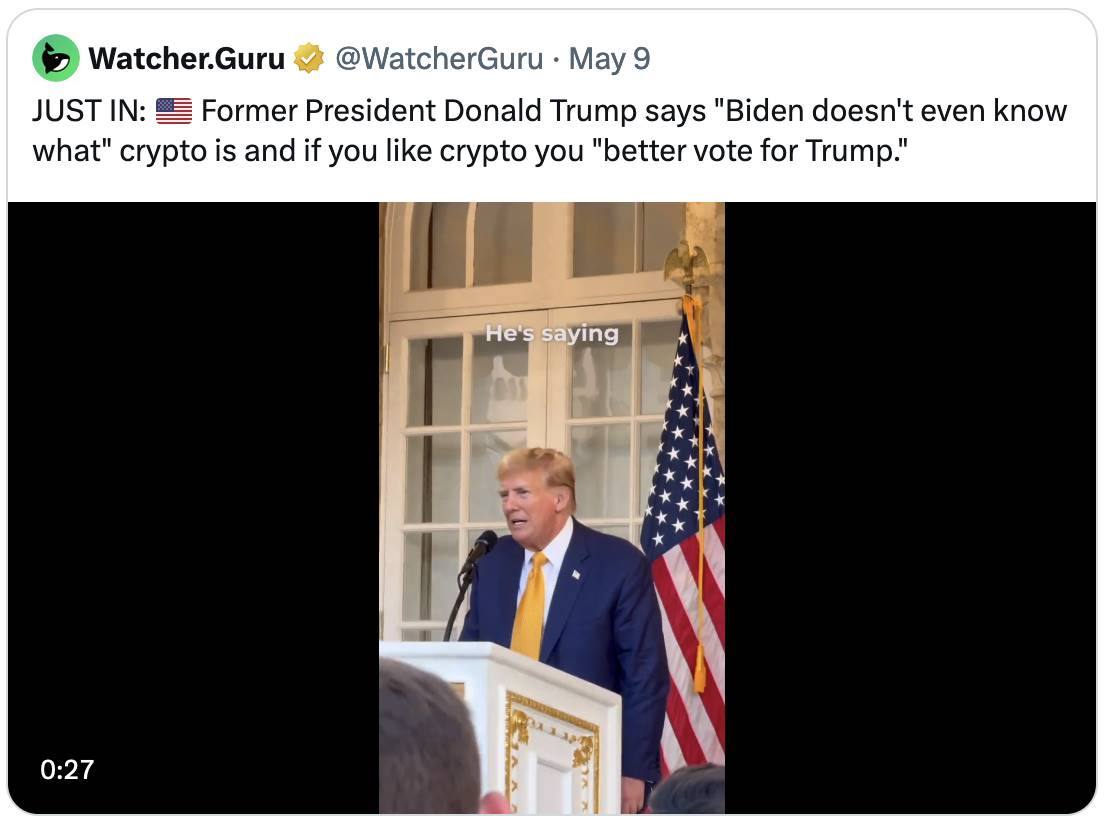
也许即将到来的美国总统选举将迫使风投很快做出痛苦的选择(是否将 Meme 加入到他们的投资组合)。

虽然现在还不确定特朗普或拜登谁会赢,但每一个相关事件似乎都有利于推动 Meme 的热度。
老钱青睐Meme,下一波周期开启?

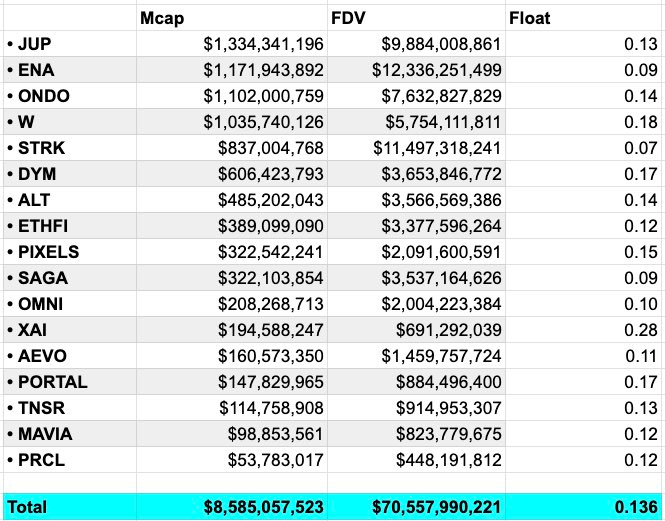
最重要的是,散户对“低流通量,高市值”项目感到失望。风投倡导“严肃/基本面!”,但市场反应却依然冷淡。在这种情况下,对冲基金和市场制造商面临在规定时间内产生回报的压力。
老钱青睐Meme,下一波周期开启?

“模因结束了吗?”

今天,因 $GME 闻名的Roaring Kitty在三年后首次发帖。他的回归很可能预示着 Meme 周期第二波的开始。

不要低估他的影响力。

老钱青睐Meme,下一波周期开启?

从技术分析的视角来看,目前大多数主要 Meme 仍然处于重新测试阶段。一些重要的 Meme(例如 $PEPE $WIF)很快就有望进入前 20 名。

老钱青睐Meme,下一波周期开启?

Trending Cryptos

Related Reads

IOSG Founder: Ethereum Doesn't Need Another Leap of Technical Faith, It Needs a Musk-style Compromise

Jocy, founder of IOSG Ventures, argues that Ethereum does not need renewed technological faith but a "Musk-like compromise." The recent formation of ETHLabs—funded by major ETH holders like BitMine and Lubin—highlights a market-driven move to fill a gap left by the Ethereum Foundation (EF), signaling a loss of confidence in its decentralized, hands-off approach. The core critique contrasts Vitalik Buterin's (V) idealistic, technology-first vision with Elon Musk's pragmatic, business-driven execution. The author asserts Ethereum's current shortage is not another technical roadmap but a clear, real-world application narrative and a leader willing to engage directly with commercial realities—like Musk. Internal issues are emphasized, citing EF's management problems and talent drain. While the new decentralized model with independent nodes like ETHLabs addresses the single foundation's limitations, it risks fragmentation without cohesive direction. True cohesion, the author suggests, must come from a shared, compelling narrative around ETH's value, not just from aligned financial interests. Independence claims for new entities are seen as aspirational, needing years of transparency to build trust. The ultimate threat is not competitors like Solana, but the broader shift of attention and talent toward AI. Ethereum has a limited window—12 to 18 months—to recapture focus by delivering tangible, real-world applications. The conclusion urges V to shift from abstract ideals to grounded, pragmatic leadership. The time for this crucial pivot is running out.

marsbit58m ago

IOSG Founder: Ethereum Doesn't Need Another Leap of Technical Faith, It Needs a Musk-style Compromise

marsbit58m ago

Google Starts Selling TPUs, Big Tech Aims to Produce "Low-Cost Tokens" with AI Chips

Google has begun selling its proprietary TPU chips and AI computing hardware directly to third-party data centers and clients, marking a strategic shift. Previously only accessible via cloud rentals, TPUs are specialized processors designed for the matrix and tensor operations central to AI models. By combining thousands into supercomputing clusters managed by CPUs, Google achieves high-efficiency AI processing. This move enables Google’s Gemini AI to offer competitive token pricing, challenging rivals like OpenAI. It also signals a broader industry trend where AI compute is becoming a commoditized resource like electricity. While NVIDIA remains dominant with its CUDA ecosystem and high-performance GPUs, the focus is shifting from raw power to cost efficiency and system integration. Google’s approach mirrors NVIDIA’s by selling an entire ecosystem—hardware, software, and data center expertise—rather than just chips. This threatens NVIDIA’s grip on the mid-range inference market, where lower-cost, efficient solutions are increasingly demanded. Similarly, cloud providers like Huawei Cloud and Alibaba Cloud in China are developing their own AI chip ecosystems (e.g., Ascend, Zhenwu), packaging chips, clusters, and tools into full-stack solutions. They aim to reduce token costs and capture market share through integrated systems. In summary, the AI infrastructure race is evolving from a competition for the strongest chips to a contest for the most efficient and cost-effective systems. Google’s TPU sales highlight this transition, emphasizing that future success lies in delivering affordable, scalable AI compute as a foundational service.

marsbit1h ago

Google Starts Selling TPUs, Big Tech Aims to Produce "Low-Cost Tokens" with AI Chips

marsbit1h ago

Trading

Spot
Futures

Hot Articles

Discussions

Welcome to the HTX Community. Here, you can stay informed about the latest platform developments and gain access to professional market insights. Users' opinions on the price of MEME (MEME) are presented below.

活动图片