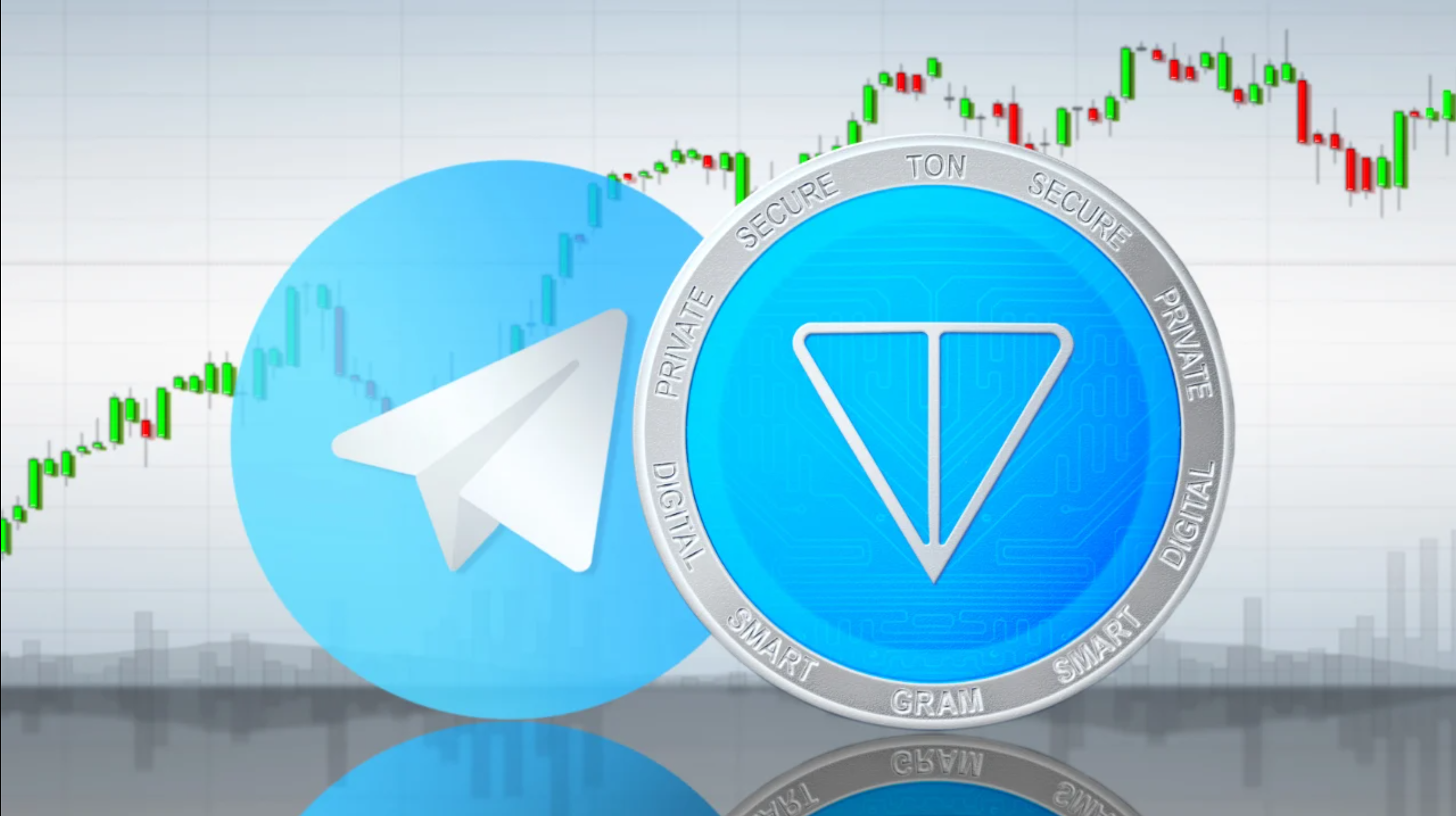
放荡不羁爱自由,“流亡中”的 Telegram 创始人及其加密野心

PanewsPublished on 2023-10-17Last updated on 2023-10-17

Abstract

要理解Telegram为什么会亲近加密,首先要理解创始人帕维尔瓦列里耶维奇杜罗夫。

引言:“我并不是为了自由而战,只是用自己的存在证明自由并未消失。”——《杜罗夫密码》
Telegram帕维尔·瓦列里耶维奇·杜罗夫对外呈现出来的形象,是一个在商业世界中追逐自由的斗士:面对大资本,他以一张竖着中指的照片作为回应互联网巨头Mail.ru收购VKontakte(下称VK)的传闻。面对俄罗斯政府要求对VK上的言论进行审核,他则是发出一张张“狗头”照片。
不过上述都是杜罗夫在创办俄罗斯最大的社交网站VK时的故事了。杜罗夫更广为人知和值得被人称道的是其创造了Telegram。这个让各国政府都头疼的社交软件,因其上的内容难以被破解,成为了一些反对极权人士的自由阵地,也是滋生各种犯罪的温床。
不过这也和区块链原教旨主义者的精神天然契合:对抗极权,崇尚自由主义以及人对自己负责。
杜罗夫本身就是加密世界的拥趸,而Telegram天生和加密亲近:做公链、搭载第三方加密钱包、交易机器人、以及用户名在区块链上的确权和交易等等。
作为一个在全球拥有超8亿用户的社交软件,Telegram入局加密无疑是对现有Web3应用的一次降维打击。但是Telegram的故事远远不止加密,从杜罗夫在被迫放弃其亲手创办了俄罗斯社交软件VK,开启Telegram创业起发生的事情,即是一部独特的商业传奇故事,也是一部自由主义的政治理想如何在商业世界中借助区块链技术所实现的故事。
自由主义者曾经的商业碰壁
要理解Telegram为什么会亲近加密,首先要理解创始人帕维尔·瓦列里耶维奇·杜罗夫。
杜罗夫不爱接受媒体的采访,但是根据一些对杜罗夫身边人的采访,以及其本人的社交动态,大致勾勒出了杜罗夫的形象:常年穿着一身黑衣,热爱健身,拥有健美的身材和英俊的面容。桀骜不驯,为了捍卫自己对于自由的信仰,面对权力和资本都很少低头。是个技术天才,对于隐私有执念,在创办Telegram 后,行踪不定……当然在周围人眼中,天使也有魔鬼的一面,杜罗夫大学时创办了一个帮助学生作弊的网站,有同学说他是一个虚荣心很强的年轻人,很少能与别人有共同语言,但又极其在乎周围人们的看法,想让自己看起来很成功。
这个1984年出身的俄罗斯人(现为阿联酋公民),2023年杜罗夫的财富被估值为115亿美元。在俄罗斯亿万富翁整体排名第十名。至今,Telegram都为杜罗夫兄弟私人所有,而且不同于其它的商业公司,Telegram拒绝了从传统的风投公司募集资金,而是创始人自掏腰包开发,并且后来还转向了ICO和债券发行。
不过在杜罗夫的一众特点中,和加密以及他对于Telegram的构思,关联最强的便是他是一个自由主义者。
在最初创办VK时,这一特点的影响便已彰显。
和对待Telegram一样,杜罗夫完全放纵VK平台上的各种言论以及盗版。但是,随着VK的不断成长,拥有足够大的影响力时,这种“自由”所带来的冲突也就爆发了。
2011 年 12 月,出于对俄罗斯国家杜马选举遭人操纵的质疑,俄罗斯抗议者在 VK 上组织了一次活动。此事成为了克林姆林宫出面对杜罗夫实施打压的导火索。然而,面对删除账号和页面的命令,杜罗夫依旧没有执行,而是把自己的 VK 页面、Twitter 和 Instagram 账号变成了战场,用可笑的萌宠图片来表达自己的异见。
在对外流传的故事当中,杜罗夫的种种不妥协的,直接导致就在他发布该照片的当晚武装部队直接进入了他家。随后的事情就和所有的政府对于商业的入侵故事一样,杜罗夫慢慢失去了对于VK的控制权,而VK 也因此被一家跟克里姆林宫关系近的公司Mail.ru所控制。
后来杜罗夫的股份越来越被稀释,而关于VK和他的故事的最后,是他被董事会撤掉了CEO的职位。
他是一个典型的自由主义者,认为言论自由高于一切。在掌握VK时,他时常遭到俄罗斯政府要求进行言论审核和删帖,这完全与杜罗夫的政治理念相悖。而杜罗夫本人又是比较强硬不愿意低头的性格,所以最后直接冲突的爆发也成了必然。
不过,在经营VK期间,杜罗夫也不得不妥协,毕竟公司不为他一人所拥有,而政治和资本的合力都足够强大,最终VK同意和俄罗斯联邦安全局分享用户信息。随后,杜罗夫从圣彼得堡办公室的窗户中掷出了数张用价值5000的卢布折成的纸飞机。他表示,此举是想证明公司的决定并不是为了钱。
拥抱加密即是政治理想也是必然的商业选择
纸飞机,后来成为了Telegram的图标。
2014 年 1 月,杜罗夫完全出掉了VK的股份,杜罗夫离开了俄罗斯,开始了自己的“流浪”生涯。被卖掉的,不止股份,还有房子、车等所有的固定资产。
在流亡之前,杜罗夫就已经开始了和哥哥一起的Telegram的创业之路,广为流传的版本是,做这样一个源于经营VK期间,因被政府监控所以意识到个人隐私的重要。公司总部在迪拜,但是Telegram没有固定的办公地点,他和核心团队在全球迁徙办公,他自己持有Telegram的全部股份,为的就是避免类似VK后来的结局。
Telegram拥护言论自由,遵循的端到端的加密(不过需要用户手动选择私密聊天模式),而且不会对平台上的内容进行任何的审查。这给人们带来了言论自由,当然,也因为没有审核成为了犯罪的温床:毒品交易、个人信息买卖、甚至是类似“韩国N号房”等类似的群组都能在Telegram上找到。
这是Telegram最初的底色,虽然后续他也做了一些“正确“的妥协,比如屏蔽了恐怖组织、虐待儿童等相关的账号、机器人和频道等。
但是在骨子里,杜罗夫还是一个极其自由主义的人,并且是区块链和虚拟货币的拥趸。2012年,也就是在在VK时期,他就曾公开建议俄罗斯废除现有的货币体系。而他自己也公开表示他自己拥有比特币。而在2012年他发表了被其命名为“自由主义”的宣言,他具体阐释了他对关于如何改善俄罗斯的想法。在宣言中杜罗夫主张改革俄罗斯教育体制;取消信息领域税收;取消签证制度、登记和征兵;减少关税;给地区充分的自治权;以及开放陪审团审判。
拥有如此的底色的Telegram涉足加密也不足为奇了。从公链起步,架构和Telegram交融的加密世界,是杜罗夫的野心。2018年,Telegram发行了自己的数字货币Gram和区块链平台TON。回忆6年前,杜罗夫主张要废除卢布,支持数字货币,去中心化,6年后他开始践行当初的想法。
公链TON,旨在为 Telegram 的用户提供快速、安全的去中心化支付、数字身份等其他服务。作为一条Layer 1的公链,和类似的以太坊、solana对比起来,最大的特点是可扩展和可分片,具有超快速的交易、低廉的费用等优势。
从TON的特点来看,其就是希望其上能承载大量用户的大规模需求,TON还有一个特点是异步架构,虽然其限制了 TON 在 DeFi 领域的发展,但是这也侧面印证了大规模采用才是 TON 真正的愿景。也正是这些特点,TON 在一开始就被描述为一个类似于微信、Google Play 或 App Store 的去中心化应用程序和服务平台,甚至是 Visa 和万事达卡支付处理服务的去中心化替代品。
让Telegram用户更好地进入加密世界,或许正是TON成立的愿景。比如,目前Telegram上的支付和钱包应用是搭载在TON上的,在TON上,已经形成了一个涉及NFT、Defi、Dex、游戏等全生态。
而从VK中吸取了被资本蚕食的教训的杜罗夫,并没有通过传统的募资方式为Telegram筹款。而是转向了加密行业的筹资方式。TON通过其代币 Grams 的 ICO,筹集了超过 17 亿美元。但是在2019年,便迎来了美国的强势监管,美国SEC 起诉 Telegram ,指控其进行未经注册的证券发行。随后,Telegram 团队暂停了 TON 的主网上线,并最终在与 SEC 的斗争中选择了放弃,停止 TON 的开发并将 ICO 资金退还给投资者。
2020年,Telegram宣布放弃TON。但是支撑该项目的技术仍在继续,甚至,对于这样一个开源的项目来说,“TON的独立”,却为其发展引来了新的转机和生命力。因为社区的参与,让TON公链项目成为了一个更去中心化的项目,实现了社区的共建。
2020-2021 年, New TON 团队以开源资料为基础,重启了对TON的开发。New TON团队也更名为TON基金会,作为非营利社区支持和发展TON 。
这就是现在我们所熟悉的 TON ,全称为 The Open Network 。虽然TON有这么多的优势,但是不可否认的是,他的现状平平无奇且生态匮乏。根据Defiliama数据显示,目前TON上的TVL为$10.65m,排名61。
Telegram用ICO的方式为为自己筹款,一方面是杜罗夫本人对于加密天然的亲近。另一方面所暴露出的现实困境则是,Telegram盈利不佳,而杜罗夫不愿意向“资本”妥协的清高或许没有别的路可以走。从某些方面来看,Telegram虽然有炙手可热的产品与市场的契合度,但尚未实现产品与商业模式的契合。而拥抱加密,对于Telegram来说,也是商业上实现更好盈利的一次探索。
类比微信,在Telegram上接入区块链第三方程序
在今年的Token 2049会议上,Telegram 官方表示通过TON将Telegram转为Web3的入口。虽然TON已经独立于Telegram,但他们仍然合作频繁。
而Telegram也早就成为了加密行业装机的必备APP。Telegram创始人今年7月18在其个人频道中表示,Telegram每天都有超过 250 万新用户注册,月活已超过 8 亿。
事实上,Telegram不仅在有序接入区块链第三方的应用。这类似于微信中接入各种第三方小程序,从而使用户无需离开该平台就能直接使用第三方服务,如“打车、理财”等,而Telegram充当的正是一个流量池的作用。并且Telegram躬身入局,如推出了Telegram Passport功能。
Telegram Passport旨在帮助用户通过统一授权,完成需要个人身份识别的服务,Telegram 官方形容“只需上传您的证明文件档案一次,您就立即可以与需要真实身份认证的服务供应商共享您的数据,像是进行财务及ICO 等”。这些身份信息采取的是端到端的加密方式存储。
今年7月,TON区块链推出Telegram 新Wallet Pay功能,这让未来商家整合Telegram 内的钱包机器人来收取加密货币付款,使用者在App 便可内支付比特币、USDT、TON给商家。
并且用户可以直接通过银行卡直接进行出入金,并且可以使用 @wallet 直接支付 telegram 生态中的许多服务。比如直接购买 telegram Premium,或在 @Mobile中购买虚拟 eSIM 电话卡,甚至还可以通过使用 TON 去交易 telegram 中的用户名。
据了解,Wallet Pay公司的运营与Telegram完全独立。Wallet 机器人和应用是基于Telegram Web Apps开放协议,该协议允许开发人员在Telegram上创建自己的应用和服务。不过交易会收取佣金。而Telegram和TON的合作其实也未中断过,Telegram 还整合了TON 所推出的自托管加密钱包TON Space。
而另一个值得称道的则是“Fragment”功能,2022年12月7日,Telegram官方发布公告,称用户可以在没有SIM卡的情况下拥有一个Telegram账户,并使用Fragment平台上提供的区块链支持的匿名号码登录。而在同年10月份,Telegram可以在Fragment平台上实现用户名拍卖,这意味着社交媒体平台的权力和资产已经开始转移到用户手中。
这是一个重要的里程碑。如杜罗夫所说,这是在社交媒体历史上首次建立一个公平、透明的用户名市场,人们将拥有自己的社交媒体地址的所有权。而这些地址被保护在一个去中心化的区块链网络的不可更改的账本“TON”中。而购买用户名需要花费Toncoin,该应用的上线,其实也是丰富了TON上的生态。
这是类似NFT的智能合约将用户的用户名在区块链上确权,根据杜罗夫的自己的消息称,在Fragment上线不到一个月的时间里就售出了5000万美元的用户名。
而且正是因为Telegram对于加密的开放和包容,许多围绕着Telegram和加密搭建Web2和Web3之间桥梁的创新也陆续被推出。比如类似Unibot这样内置在Telegram的交易工具机器人无疑是今年一个大火赛道。类似的交易机器人可以让用户在Telegram内与机器人以对话的形式发布交易指令就可完成链上代币在Uniswap上的交易活动,如代币兑换、跟单交易、限价订单、隐私交易等。
从接入钱包的支持虚拟货币的交易,以及支付,到用户个人数据的确权和可以交易。这都是对于Web2社交产品的一大创新,对比于目前在这个方向上尝试的Socialfi产品来说,拥有如此大体量用户的Telegram这样做,无疑是降维打击。
而Telegram所做的,各个项目方们在Telegram上所做的,也正在让Web2和Web3世界的联系和沟通更顺畅,这正是行业的未来之一。


Trending Cryptos

Related Reads

$120 Million Vanishes Overnight! Crypto's 'Steadiest Giant' Stumbles in South America

Summary: Tether's $120 million Bitcoin mining venture in Uruguay, initiated in May 2023, was abruptly shut down in July 2025 when the national power utility UTE cut off electricity. The project, developed in partnership with local firm Microfin in Florida province, was touted as a model for leveraging the country's nearly 98% renewable energy grid. The collapse stemmed from a fundamental contract dispute over electricity supply. Tether interpreted the agreed power volume as a "minimum guaranteed supply," expecting to request more as the mining operation expanded. UTE, however, viewed it as a "strict maximum cap." This disagreement led to frequent power curtailments for the 24/7 mining facility, causing significant revenue loss from lost computing power. Following the 2025 election of left-wing President Yamandú Orsi and a management change at UTE, negotiations broke down. Microfin stopped paying electricity bills in May 2025, formally notified UTE of contract termination in June, and did not attend a final meeting where UTE presented a revised contract. By the July 25 power cut, Microfin's debt approached $5 million. The operation ceased, laying off 30 of its 38 local staff, with all outstanding debts settled by December 2025. The failure highlights key risks for heavy-asset overseas investments: Uruguay's green energy proved not to be cheap energy, especially after the 2024 Bitcoin halving squeezed industry profits. Furthermore, political changes can swiftly alter utility company policies, undermining the long-term regulatory stability critical for such projects. While financially absorbable for Tether, the incident underscores that operational success depends on unambiguous contracts and genuine cost advantages, not just technological scale.

marsbit5m ago

$120 Million Vanishes Overnight! Crypto's 'Steadiest Giant' Stumbles in South America

marsbit5m ago

Is Bitcoin Price Lagging? Record Global M2 Money Supply Could Be a Springboard for BTC's Rise

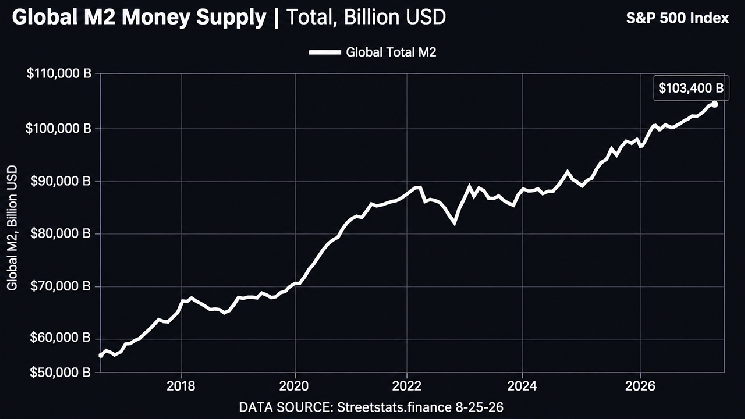
Bitcoin Price Lagging? Record Global Money Supply M2 Could Springboard BTC Growth The global money supply (M2) is expanding rapidly, similar to global debt. The US M2, representing all money circulating in its economy, has reached a record $23.16 trillion. Combined with figures from major economies like the Eurozone, China, and Japan, the global M2 is approximately $103 trillion. Some estimates, however, place it closer to $195 trillion. This surge in liquidity is significant because excess capital often seeks higher returns in assets like precious metals, stocks, and cryptocurrencies. Bitcoin's recent price surge above $81,000 has brought the global M2 metric back into focus. Following a sharp rise in early August after a US Treasury bond buyback announcement, BTC still trades about 37% below its October 2025 all-time high exceeding $126,000. This gap presents a potential "catch-up" trade thesis. Bitcoin's fixed supply of 21 million contrasts with governments' ability to print fiat currency, making scarce assets like BTC attractive if monetary expansion continues. Historically, Bitcoin's bull cycles in 2017-2018 and 2020-2021 coincided with M2 expansion and increased liquidity. Over the past year, the correlation seemed broken as M2 grew while Bitcoin's price fell sharply from its peak. Observers believe fresh dollars may have remained locked in cash-favorable investments. Some, like Ash Crypto, now suggest a long-awaited alignment between Bitcoin and M2 may be starting, especially as a weakening US Dollar Index this month has seen assets like gold and Bitcoin surge. A softer dollar pressures cash havens and prompts holders to act. While record M2 doesn't guarantee higher Bitcoin prices, a sustained influx of liquidity, a weak dollar, and capital flowing into alternative assets could trigger a catch-up rally sooner than expected. However, changes in these conditions could lead to the opposite outcome.

cryptonews.ru30m ago

Is Bitcoin Price Lagging? Record Global M2 Money Supply Could Be a Springboard for BTC's Rise

cryptonews.ru30m ago

Blockchain Capital Partner: Tokenization Will Reshape the Underlying Structure of Capital Markets

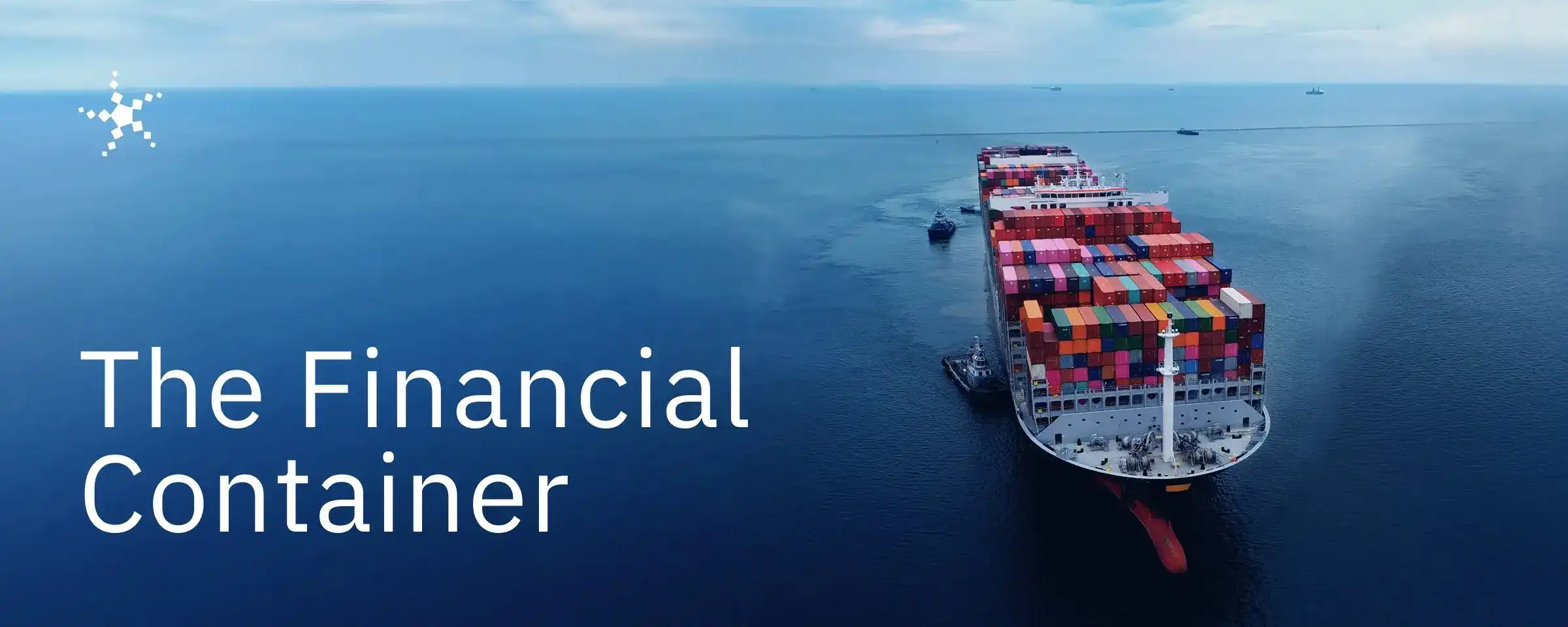
"Blockchain Capital partner Aleks Larsen argues that tokenization will fundamentally restructure capital markets by solving a costly 'packaging' problem in finance. Currently, assets like mortgages, private equity, and stocks exist in fragmented, incompatible systems, creating huge friction and slowing capital flow. Tokenization introduces a standardized, machine-readable interface for assets—akin to shipping containers for finance. Just as containerization standardized global trade, enabling massive efficiency gains and economic growth, tokens standardize financial rights. This allows platforms, lenders, and custodians to interact with assets directly on a shared network without rebuilding infrastructure for each one. Stablecoins demonstrate this potential, processing volumes rivaling Visa with far lower cost and faster settlement. Beyond payments, tokenization is expanding to assets like U.S. Treasuries, commodities, and private credit, now totaling nearly $400 billion on-chain. This shift changes financial service access: instead of depending on relationships with institutions, services become accessible based on the asset's tokenized properties themselves. DeFi protocols like Aave exemplify this, where assets meeting criteria can be used as collateral programmatically. Ultimately, tokenization will reorganize capital markets around open networks of specialized services, lowering barriers to entry and reducing costs. This could unlock global capital for currently underserved assets—small receivables, regional infrastructure, emerging market credit—integrating them into a seamless, programmable financial system. Combined with AI, tokenization promises to make capital allocation more efficient, transparent, and globally accessible, reshaping how economic value is created and distributed."

marsbit34m ago

Blockchain Capital Partner: Tokenization Will Reshape the Underlying Structure of Capital Markets

marsbit34m ago

Trading

Spot

Hot Articles

What is $BITCOIN

DIGITAL GOLD ($BITCOIN): A Comprehensive Analysis Introduction to DIGITAL GOLD ($BITCOIN) DIGITAL GOLD ($BITCOIN) is a blockchain-based project operating on the Solana network, which aims to combine the characteristics of traditional precious metals with the innovation of decentralized technologies. While it shares a name with Bitcoin, often referred to as “digital gold” due to its perception as a store of value, DIGITAL GOLD is a separate token designed to create a unique ecosystem within the Web3 landscape. Its goal is to position itself as a viable alternative digital asset, although specifics regarding its applications and functionalities are still developing. What is DIGITAL GOLD ($BITCOIN)? DIGITAL GOLD ($BITCOIN) is a cryptocurrency token explicitly designed for use on the Solana blockchain. In contrast to Bitcoin, which provides a widely recognized value storage role, this token appears to focus on broader applications and characteristics. Notable aspects include: Blockchain Infrastructure: The token is built on the Solana blockchain, known for its capacity to handle high-speed and low-cost transactions. Supply Dynamics: DIGITAL GOLD has a maximum supply capped at 100 quadrillion tokens (100P $BITCOIN), although details regarding its circulating supply are currently undisclosed. Utility: While precise functionalities are not explicitly outlined, there are indications that the token could be utilized for various applications, potentially involving decentralized applications (dApps) or asset tokenization strategies. Who is the Creator of DIGITAL GOLD ($BITCOIN)? At present, the identity of the creators and development team behind DIGITAL GOLD ($BITCOIN) remains unknown. This situation is typical among many innovative projects within the blockchain space, particularly those aligning with decentralized finance and meme coin phenomena. While such anonymity may foster a community-driven culture, it intensifies concerns about governance and accountability. Who are the Investors of DIGITAL GOLD ($BITCOIN)? The available information indicates that DIGITAL GOLD ($BITCOIN) does not have any known institutional backers or prominent venture capital investments. The project seems to operate on a peer-to-peer model focused on community support and adoption rather than traditional funding routes. Its activity and liquidity are primarily situated on decentralized exchanges (DEXs), such as PumpSwap, rather than established centralized trading platforms, further highlighting its grassroots approach. How DIGITAL GOLD ($BITCOIN) Works The operational mechanics of DIGITAL GOLD ($BITCOIN) can be elaborated on based on its blockchain design and network attributes: Consensus Mechanism: By leveraging Solana’s unique proof-of-history (PoH) combined with a proof-of-stake (PoS) model, the project ensures efficient transaction validation contributing to the network's high performance. Tokenomics: While specific deflationary mechanisms have not been extensively detailed, the vast maximum token supply implies that it may cater to microtransactions or niche use cases that are still to be defined. Interoperability: There exists the potential for integration with Solana’s broader ecosystem, including various decentralized finance (DeFi) platforms. However, the details regarding specific integrations remain unspecified. Timeline of Key Events Here is a timeline that highlights significant milestones concerning DIGITAL GOLD ($BITCOIN): 2023: The initial deployment of the token occurs on the Solana blockchain, marked by its contract address. 2024: DIGITAL GOLD gains visibility as it becomes available for trading on decentralized exchanges like PumpSwap, allowing users to trade it against SOL. 2025: The project witnesses sporadic trading activity and potential interest in community-led engagements, although no noteworthy partnerships or technical advancements have been documented as of yet. Critical Analysis Strengths Scalability: The underlying Solana infrastructure supports high transaction volumes, which could enhance the utility of $BITCOIN in various transaction scenarios. Accessibility: The potential low trading price per token could attract retail investors, facilitating wider participation due to fractional ownership opportunities. Risks Lack of Transparency: The absence of publicly known backers, developers, or an audit process may yield skepticism regarding the project's sustainability and trustworthiness. Market Volatility: The trading activity is heavily reliant on speculative behavior, which can result in significant price volatility and uncertainty for investors. Conclusion DIGITAL GOLD ($BITCOIN) emerges as an intriguing yet ambiguous project within the rapidly evolving Solana ecosystem. While it attempts to leverage the “digital gold” narrative, its departure from Bitcoin's established role as a store of value underscores the need for a clearer differentiation of its intended utility and governance structure. Future acceptance and adoption will likely depend on addressing the current opacity and defining its operational and economic strategies more explicitly. Note: This report encompasses synthesised information available as of October 2023, and developments may have transpired beyond the research period.

2.1k Total ViewsPublished 2025.05.13Updated 2025.05.13

What is $BITCOIN

Discussions

Welcome to the HTX Community. Here, you can stay informed about the latest platform developments and gain access to professional market insights. Users' opinions on the price of BTC (BTC) are presented below.

活动图片