疯狂背后的真相|数据揭秘韩国 Crypto 市场真实面貌

MarsBitPublished on 2023-10-12Last updated on 2023-10-13

Abstract

9 家虚拟资产钱包和托管公司的营业利润为 35 亿韩元(约合 261 万美元),相比 2022 年后半年 118 亿韩元的营业利润减少 71%。

本周,韩国金融服务委员会金融情报分析院发布 2023 年上半年虚拟资产企业调查报告,报告长达 20 页,以 35 家虚拟资产企业(26 家交易所和 9 家钱包和托管商)为调查对象,来呈现韩国虚拟资产市场现状。
本篇报告由韩国金融情报分析院根据 35 家虚拟资产企业提交的资料信息撰写,相对真实。Foresight News 为读者整理和归纳出十大关键要点,以供读者窥探韩国虚拟资产市场真实现状和韩国用户资产偏好等情况。 
TL;DR:

  • 上半年韩国 26 家交易所的日均总交易规模为 21.68 亿美元,环比下降 1.3%,其中,韩元市场占据绝对主导地位,非韩元市场交易量可忽略不计。
  • 26 家虚拟资产交易所的总营业利润为 1.7 亿美元,环比增加 82%。
  • 26 家交易所总从业人数有 1915 名,兼职比例占据 32.8%。
  • 韩国国内虚拟资产市值大概在 212 亿美元左右,较去年年底增加 46%。
  • XRP 对韩国用户的吸引力度非常之大,仅次于比特币。
  • 26 家交易所共有约 950 万名注册用户(包括重复计算),交易用户有 606 万名。
  • 73% 的韩国用户持有 747 美元以下虚拟资产,0.7% 的韩国用户持有 7.46 万美元以上虚拟资产。
  • 虚拟资产钱包和托管业务:上半年营业利润为 261 万美元,环比减少 71%。

 一、上半年韩国交易所日均交易规模为 21.68 亿美元,环比下降 1.3%
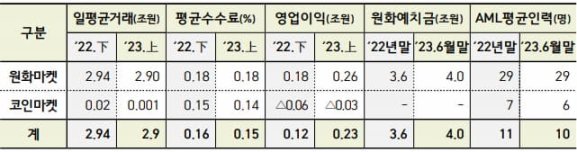
 2023 年上半年,26 家虚拟资产交易所的日均交易规模为 2.9 万亿韩元(约合 21.68 亿美元),同比去年下半年减少 1.3%。
韩国


其中,韩元市场的交易量占据绝对主导地位,代币市场(非韩元市场)的交易量可以忽略不计。代币市场日均交易量低于 100 万韩元(747 美元)的有 5 家交易所。 
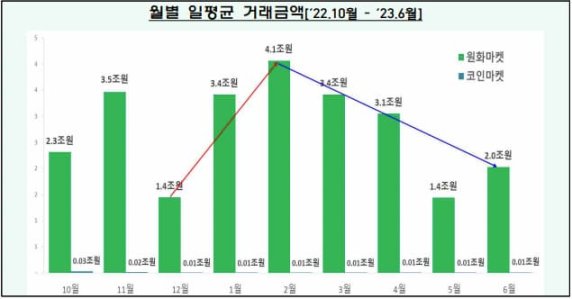
从下图按月份统计的日均交易规模图表可以看出,今年 2 月之后,韩国交易所成交量呈持续下降趋势。
韩国


2022 年 10 月至 2023 年 6 月韩国交易所日均交易规模变化趋势(按月份统计)

二、韩国交易所总营业利润为 1.7 亿美元,环比增加 82%
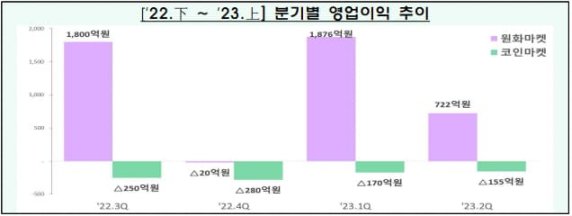
 上半年,26 家虚拟资产交易所的总营业利润为 1.7 亿美元,相较 2022 年下半年的 9300 万美元增加 82%(2022 年四季度营业利润过低)。
韩国


按季度汇总的营业利润趋势(紫色代表韩元市场,绿色代表代币市场)

从上表可以看出,韩元市场的营业利润占据绝对主导地位。运行代币市场的 21 家交易所中,有 10 家交易所的代币市场交易手续费为 0,18 家处于完全资本亏损状态。
韩国交易所的手续费率在 0.01% 至 0.25% 之间,平均手续费率为 0.15%,相比 2022 年下半年下降 0.01%,其中韩元市场的平均手续费率为 0.15%。 
三、交易所韩元存款接近 30 亿美元,较去年年底增加 11%
截至 6 月底,交易所韩元存款 4 万亿韩元(接近 30 亿美元),比去年年底增加 11%。
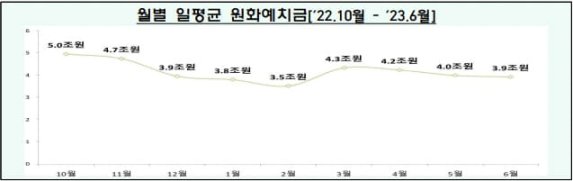
韩国


按月份汇总的日均韩元存款规模(单位:兆韩元)

四、26 家交易所总从业人数有 1915 名,兼职比例占据 32.8%
 26 家交易所的平均员工数量为 74 名,总从业人数有 1915 名,相较去年年底减少 178 名,其中,与反洗钱(AML)有关的员工有 269 名,占比为 13.5%。此外,兼职比例占据 32.8%。
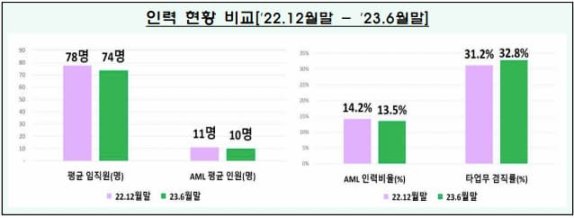
韩国


交易所从业人员状况(绿色代表截止至 2023 年 6 月的数据,紫色代表截止至 2022 年 11 月底的数据,左边图表是交易所平均员工数量和 AML 相关员工数量,右边图表为 AML 员工占比和兼职人员占比。)

五、26 家交易所共上线 622 种虚拟货币
排除重复币种后,26 家交易所共上线 622 种虚拟货币,和去年下半年相差不大。单家交易所平台上线的虚拟资产数量最多的有 236 种,上线最少的有 3 个,韩元市场平均支持的代币数量有 163 种,代币市场平均支持的数量有 28 种。
 其中,仅由韩国一家交易所上线的虚拟资产有 366 种,占比达到 59%。新上线和下架的比重数量变动均较大,具体来说,2023 年上半年韩国交易所新增上线了 169 种代币(包含重复项),环比增加 128%,下架了 115 种代币(包含重复项),环比增加 47%。下架的币种中,有 66% 仅由韩国一家交易所上线。
 下架代币主要考量的因素包括项目风险、投资者保护风险、市场风险和技术风险等。
六、韩国用户偏好哪些代币?
 韩国国内虚拟资产市值大概在 212 亿美元左右,较去年年底增加 46%。韩国金融分析院给出的韩国国内虚拟资产市值定义为:韩国交易所持有的每种虚拟资产数量乘以相关资产市场价格之和。 
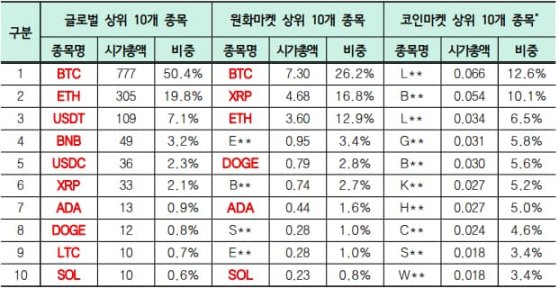
韩国市值前十的虚拟资产中,有 6 种虚拟资产在全球虚拟资产市值前十排名之内,包括 BTC、XRP、ETH、DOGE、ADA 和 SOL。从下表可以看出韩国用户的资产偏好情况。值得一提的事,XRP 对韩国用户的吸引力度非常之大,仅次于比特币。
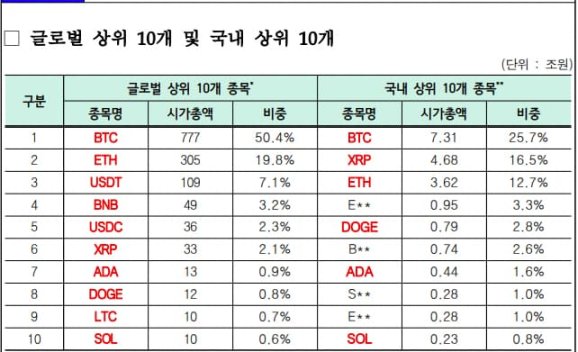
韩国


从左至右依次为全球和韩国虚拟资产市场市值前十的资产类别(单位:兆韩元)

韩国


从左至右依次为全球、韩国韩元市场、韩国代币市场市值前十的资产类别(单位:兆韩元)

韩国代币市场前十大市值资产中,除了 W** 资产外,其余 9 种资产均为单一交易所上线资产。
七、韩国交易所间的虚拟资产转移金额为 222 亿美元,应用 Travel Rule 规则的占比为 22%
 在韩国,交易所用户在韩国交易所之间转移价值超过 100 万韩元(746 美元)的虚拟资产时,需要提供发送方和接收方的信息(2022 年 3 月 25 日开始实施)。而对于向韩国国外交易所或个人钱包等的外部转移,仅在发送方和接收方相同,经过身份验证等自主预先注册钱包地址的情况下才可进行。
韩国报告交易所之间的转移方面,交易所的虚拟资产转移金额为 222 亿美元,相比去年下半年下降 3%,其中,应用 Travel Rule 规则的转账金额为约为 49 亿美元。
 向韩国国外交易所和个人钱包的转移方面,根据预先注册(白名单)的海外交易所或个人钱包地址,单次转移金额超过 100 万韩元的规模总计为 165 亿美元,推测这部分转移可能是为了进行套利交易等。
八、交易所用户情况:950 万注册用户,606 万交易用户
用户方面,2023 年上半年 26 家交易所共有约 950 万名注册用户(包括重复计算,剔除休眠账户),环比减少 19%,可能有休眠账户的增加和用户多账户转为单一账户的原因。
不过,交易所实际交易用户有 606 万名(包括重复计算,剔除休眠账户),环比减少 3%,其中,韩元市场用户有接近 597 万用户,代币市场只有 9.5 万名用户。
就韩国用户年龄段而言,30 多岁年龄段的用户最多,为 115 万名,占比为 30%,其次为 40 多岁(29%)、20 多岁(19%)。此外,韩国交易用户中,男性有 414 万名,占比 68%,女性有 192 万名。
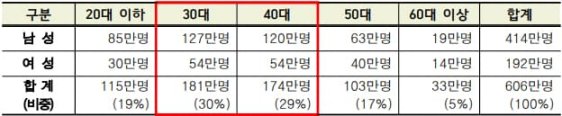
韩国


九、73% 的韩国用户持有 747 美元以下虚拟资产,0.7% 的韩国用户持有 7.46 万美元以上虚拟资产
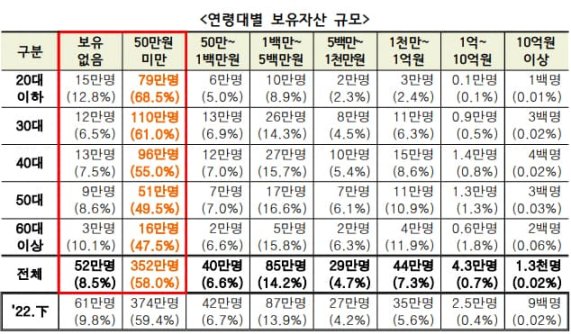
用户虚拟资产持有情况方面,67% 的用户持有少于 50 万韩元(373 美元)的虚拟资产,73% 的用户持有不到 100 万韩元(747 美元)虚拟资产。持有 1000 万韩元(7463 美元)以上的用户占比有 8%,持有 1 亿韩元(7.46 万美元)以上虚拟资产的用户比例为 0.7%(4.4 万人)。
韩国


十、虚拟资产钱包和托管业务现状:上半年营业利润为 261 万美元,环比减少 71%
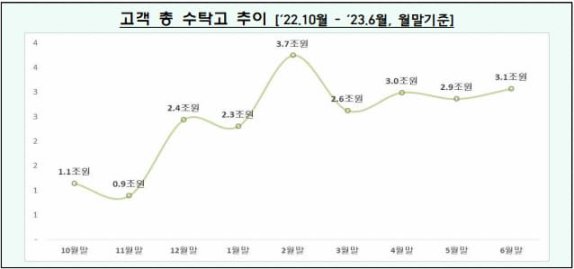
9 家虚拟资产钱包和托管公司的总托管价值为 23.13 亿美元,比 2022 年年底增加了 29%。其中按用户类别来看,法人的托管价值达到 22.39 亿美元(122 家公司的平均虚拟资产托管价值为 1800 万美元,60 家公司为 0),个人托管价值约为 0.1 万亿韩元(30.3 万名个人用户的平均持有金额为 268 美元);按服务类别来看,托管业务的托管价值达到 21.64 亿美元,钱包服务存款价值为 7500 万美元。
韩国


此外,9 家虚拟资产钱包和托管公司的营业利润为 35 亿韩元(约合 261 万美元),相比 2022 年后半年 118 亿韩元的营业利润减少 71%。
虚拟资产钱包和托管公司方面的从业人员共有 272 名,其中 AML 相关的员工有 28 名。


Related Reads

AAOI Defies Trend with Over 10% Surge, 'New Stock God' Serenity Predicts Potential to Double Again

On June 4th, despite a significant sell-off in the broader AI and semiconductor sector triggered by Broadcom's disappointing guidance, Applied Optoelectronics (AAOI) surged over 11%, showcasing a sharp divergence in market sentiment. Broadcom's warning about potential supply chain diversification by key customer Google and a weaker-than-expected outlook punctured the high-flying AI valuation narrative. This led to heavy selling in names like Broadcom (-12.6%) and Micron (-7%), with funds rotating into traditional industrial stocks. AAOI defied this trend. The stock has experienced high volatility recently, driven by bullish analyst coverage, notably from Rosenblatt which raised its price target to $220. Key catalysts include initial 800G optical module revenue from Amazon, potential certification from Oracle, and strong demand across its product portfolio. The company has reported cumulative orders for 800G/1.6T modules exceeding $324 million and is aggressively expanding manufacturing capacity in Texas, targeting an annualized run-rate of $1.4 billion for its module business by Q3 2027. However, AAOI's fundamentals present a mixed picture. Its Q1 2026 results missed expectations, showing a GAAP net loss, and Q2 guidance points to merely breakeven adjusted EPS. Risks include a delayed 800G production ramp to the second half of the year and high dependence on a few key cloud customers. Recent stock sales by company executives near price highs also noted. The article suggests AAOI's rally reflects a market beginning to differentiate within the AI ecosystem. While Broadcom's issues prompted a reassessment of custom ASIC and customer concentration risks, funds flowing into AAOI indicate a belief that the "physical bottleneck" narrative for optical connectivity—where supply remains tight—remains intact and is somewhat decoupled from the current sector weakness. The sustainability of AAOI's premium valuation now hinges on the successful execution of its production plans and upcoming quarterly results.

marsbit15m ago

AAOI Defies Trend with Over 10% Surge, 'New Stock God' Serenity Predicts Potential to Double Again

marsbit15m ago

Worried about AI's Self-Evolution, Anthropic Intends to Stop Training?

In early 2026, Anthropic signaled a significant shift in its public narrative regarding AI development timelines and safety. In June, its Anthropic Institute published a detailed article, "When AI builds itself," presenting internal data suggesting accelerating AI self-improvement. Key figures included over 80% of merged code being written by Claude and a 52x speedup in certain optimization tasks. The article outlined three future scenarios, with the most speculative being full recursive self-improvement (RSI), where AI autonomously builds better successors. Anthropic stated RSI is "possible" and may arrive faster than most institutions are prepared for. This narrative pivot followed a series of strategic moves. In January, CEO Dario Amodei wrote about a powerful self-improvement feedback loop. In February, Anthropic revised its Responsible Scaling Policy, removing a core commitment to pause training if capabilities outstripped safety controls, citing the risk of falling behind competitors. This change coincided with reported pressure from the US Department of Defense. By May, Anthropic's valuation had soared to $965 billion. Anthropic's stance was mirrored by other industry leaders. DeepMind CEO Demis Hassabis adjusted his AGI timeline to "by 2029" and admitted to using provocative language like "foothills of the singularity" to create urgency. OpenAI also released a model claiming a key role in its own creation process. The article's carefully calibrated tone—presenting dramatic data alongside qualifying footnotes—exemplifies a balancing act between signaling technological acceleration and managing commercial, regulatory, and safety imperatives. External experts offered contrasting interpretations of the same data, from warnings of catastrophic risk akin to Chernobyl to skepticism that current automation merely handles "grunt work," not genius. The coordinated narrative shift among top labs highlights the complex interplay between perceived technical inflection points and strategic communication aimed at investors, regulators, and the public.

marsbit18m ago

Worried about AI's Self-Evolution, Anthropic Intends to Stop Training?

marsbit18m ago

Trading

Spot
Futures

Hot Articles

What is $BITCOIN

DIGITAL GOLD ($BITCOIN): A Comprehensive Analysis Introduction to DIGITAL GOLD ($BITCOIN) DIGITAL GOLD ($BITCOIN) is a blockchain-based project operating on the Solana network, which aims to combine the characteristics of traditional precious metals with the innovation of decentralized technologies. While it shares a name with Bitcoin, often referred to as “digital gold” due to its perception as a store of value, DIGITAL GOLD is a separate token designed to create a unique ecosystem within the Web3 landscape. Its goal is to position itself as a viable alternative digital asset, although specifics regarding its applications and functionalities are still developing. What is DIGITAL GOLD ($BITCOIN)? DIGITAL GOLD ($BITCOIN) is a cryptocurrency token explicitly designed for use on the Solana blockchain. In contrast to Bitcoin, which provides a widely recognized value storage role, this token appears to focus on broader applications and characteristics. Notable aspects include: Blockchain Infrastructure: The token is built on the Solana blockchain, known for its capacity to handle high-speed and low-cost transactions. Supply Dynamics: DIGITAL GOLD has a maximum supply capped at 100 quadrillion tokens (100P $BITCOIN), although details regarding its circulating supply are currently undisclosed. Utility: While precise functionalities are not explicitly outlined, there are indications that the token could be utilized for various applications, potentially involving decentralized applications (dApps) or asset tokenization strategies. Who is the Creator of DIGITAL GOLD ($BITCOIN)? At present, the identity of the creators and development team behind DIGITAL GOLD ($BITCOIN) remains unknown. This situation is typical among many innovative projects within the blockchain space, particularly those aligning with decentralized finance and meme coin phenomena. While such anonymity may foster a community-driven culture, it intensifies concerns about governance and accountability. Who are the Investors of DIGITAL GOLD ($BITCOIN)? The available information indicates that DIGITAL GOLD ($BITCOIN) does not have any known institutional backers or prominent venture capital investments. The project seems to operate on a peer-to-peer model focused on community support and adoption rather than traditional funding routes. Its activity and liquidity are primarily situated on decentralized exchanges (DEXs), such as PumpSwap, rather than established centralized trading platforms, further highlighting its grassroots approach. How DIGITAL GOLD ($BITCOIN) Works The operational mechanics of DIGITAL GOLD ($BITCOIN) can be elaborated on based on its blockchain design and network attributes: Consensus Mechanism: By leveraging Solana’s unique proof-of-history (PoH) combined with a proof-of-stake (PoS) model, the project ensures efficient transaction validation contributing to the network's high performance. Tokenomics: While specific deflationary mechanisms have not been extensively detailed, the vast maximum token supply implies that it may cater to microtransactions or niche use cases that are still to be defined. Interoperability: There exists the potential for integration with Solana’s broader ecosystem, including various decentralized finance (DeFi) platforms. However, the details regarding specific integrations remain unspecified. Timeline of Key Events Here is a timeline that highlights significant milestones concerning DIGITAL GOLD ($BITCOIN): 2023: The initial deployment of the token occurs on the Solana blockchain, marked by its contract address. 2024: DIGITAL GOLD gains visibility as it becomes available for trading on decentralized exchanges like PumpSwap, allowing users to trade it against SOL. 2025: The project witnesses sporadic trading activity and potential interest in community-led engagements, although no noteworthy partnerships or technical advancements have been documented as of yet. Critical Analysis Strengths Scalability: The underlying Solana infrastructure supports high transaction volumes, which could enhance the utility of $BITCOIN in various transaction scenarios. Accessibility: The potential low trading price per token could attract retail investors, facilitating wider participation due to fractional ownership opportunities. Risks Lack of Transparency: The absence of publicly known backers, developers, or an audit process may yield skepticism regarding the project's sustainability and trustworthiness. Market Volatility: The trading activity is heavily reliant on speculative behavior, which can result in significant price volatility and uncertainty for investors. Conclusion DIGITAL GOLD ($BITCOIN) emerges as an intriguing yet ambiguous project within the rapidly evolving Solana ecosystem. While it attempts to leverage the “digital gold” narrative, its departure from Bitcoin's established role as a store of value underscores the need for a clearer differentiation of its intended utility and governance structure. Future acceptance and adoption will likely depend on addressing the current opacity and defining its operational and economic strategies more explicitly. Note: This report encompasses synthesised information available as of October 2023, and developments may have transpired beyond the research period.

363 Total ViewsPublished 2025.05.13Updated 2025.05.13

What is $BITCOIN

Discussions

Welcome to the HTX Community. Here, you can stay informed about the latest platform developments and gain access to professional market insights. Users' opinions on the price of BTC (BTC) are presented below.

活动图片