What Are Bitcoin’s New BRC-20 Tokens and What Do They Do?

HuobiPublished on 2023-05-09Last updated on 2023-05-09

Abstract

BRC-20 tokens have emerged as an important class of tokens built on the Bitcoin blockchain, offering unique use cases and benefits. As the industry continues to evolve, developers and users are actively exploring solutions to mitigate high fees and improve scalability. This ongoing innovation aims to enhance the user experience and facilitate the seamless integration of BRC-20 tokens into the broader cryptocurrency ecosystem.

Cryptocurrencies have revolutionized the world of finance, and blockchain technology has paved the way for various digital tokens. Among these, BRC-20 tokens have emerged as an important class of tokens built on the Bitcoin blockchain. In this article, we will delve into the three main use cases of BRC-20 tokens, highlight the key differences between BRC-20 and ERC-20 tokens, and discuss the impact of BRC-20 token market growth on transaction fees within the Bitcoin blockchain.
Three Main Use Cases of BRC-20 Tokens:

""

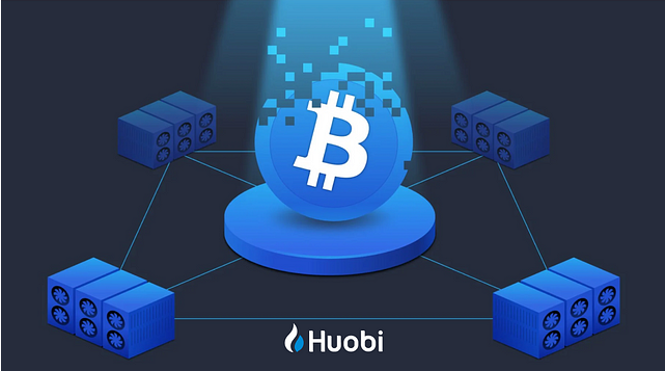
BRC-20 tokens, also known as Bitcoin-based tokens, have gained popularity due to their ability to leverage the security and widespread adoption of the Bitcoin blockchain. Here are three primary use cases for BRC-20 tokens:

""

1. DeFi: BRC-20 tokens have found utility in decentralized finance applications. These tokens can be used for lending, borrowing, yield farming, and other DeFi activities.

""

2. Tokenized Assets: Tokenization and fractionalization of real-world assets. By representing physical assets such as real estate, commodities, or even intellectual property on the Bitcoin blockchain.

""

3. Cross-Chain Interoperability: BRC-20 tokens enable cross-chain interoperability between the Bitcoin blockchain and other blockchain networks. BRC-20 tokens can be seamlessly transferred and exchanged between different blockchains.

""

Key Differences between BRC-20 and ERC-20 Tokens:

""

While BRC-20 tokens share similarities with ERC-20 tokens (tokens built on the Ethereum blockchain), there are several notable differences.

""

1. Blockchain Infrastructure: BRC-20 tokens are built on the Bitcoin blockchain, which is designed for peer-to-peer electronic cash. On the other hand, ERC-20 tokens are built on the Ethereum blockchain, a programmable platform that supports smart contracts and decentralized applications (dApps).

""

2. Security Model: BRC-20 tokens inherit the security model of the Bitcoin blockchain called Proof-of-Work (PoW) consensus algorithm. PoW ensures the immutability and robustness of the Bitcoin network by requiring computational work for block validation. ERC-20 tokens, however, utilize Ethereum’s Proof-of-Stake (PoS) consensus algorithm and benefit from Ethereum’s security measures.

""

3. Network Fees and Scalability: Bitcoin’s limited transaction throughput and higher fees are reflected in BRC-20 token transactions. Due to the Bitcoin blockchain’s design, BRC-20 token transactions may experience higher fees and slower confirmation times compared to ERC-20 tokens on the Ethereum network.
Market Cap Growth and Impact on Transaction Fees:

""

The increasing popularity of BRC-20 tokens has positively impacted their market capitalization. As more projects and decentralized applications adopt BRC-20 tokens, their value and demand have surged. However, this growth in market capitalization has also led to an increase in transaction fees on the Bitcoin blockchain.

""

The Bitcoin blockchain has a limited capacity for processing transactions, and as the demand for BRC-20 tokens and other Bitcoin-based activities has grown, the network has experienced congestion. This congestion has resulted in higher transaction fees as users compete to have their transactions included in the limited block space available.

""

The increase in transaction fees can be attributed to the supply and demand dynamics of the Bitcoin blockchain. While the increase in fees may be seen as a drawback, it also highlights the growing interest and usage of BRC-20 tokens. Higher transaction fees can be seen as a reflection of the increased value and demand for these tokens, indicating a thriving market. To mitigate the impact of high fees, developers have been exploring various solutions such as layer-two solutions and the Lightning Network.

""

Conclusion:

""

BRC-20 tokens have emerged as an important class of tokens built on the Bitcoin blockchain, offering unique use cases and benefits. As the industry continues to evolve, developers and users are actively exploring solutions to mitigate high fees and improve scalability. This ongoing innovation aims to enhance the user experience and facilitate the seamless integration of BRC-20 tokens into the broader cryptocurrency ecosystem.


Trending Cryptos

Related Reads

Why Ethereum Staking Will Change in 2026

The article discusses the evolving role of Ethereum (ETH) staking, shifting from a niche crypto enthusiast topic to a mainstream portfolio management tool for financial advisors and institutional investors. It explains how staking works in Ethereum's Proof-of-Stake network, detailing validator requirements and methods like solo staking, pools, exchanges, and liquid staking protocols, each with its own risk-reward profile (e.g., liquidity, control, technical requirements). A key point is staking's growing importance for corporate treasuries, where staking rewards represent a significant income stream, unlike non-yielding Bitcoin holdings. Looking ahead, the article highlights the anticipated 'Glamsterdam' upgrade in late 2026 as a pivotal development expected to enhance scalability, decentralization, and post-quantum resistance, further solidifying Ethereum's institutional appeal. It also emphasizes that while staking offers passive income and network participation, risks include technical failures, slashing penalties, platform/custodial risks, and regulatory uncertainty. For advisors, the conclusion stresses the need to evaluate staking providers beyond just promised yields, focusing on reliability, fees, withdrawal terms, security, and the specifics of reward structures (protocol vs. MEV-based). The regulatory landscape and infrastructure maturity around digital asset custody are noted as critical adjacent topics to monitor.

cryptonews.ru16m ago

Why Ethereum Staking Will Change in 2026

cryptonews.ru16m ago

Scott Bessent's Risky Bond Buyback Operation Could Fuel Bitcoin Price Surge

Bitcoin returned to the $80,000 level on Thursday, breaking past a key $79,000 resistance point, on news of an upcoming $92 billion U.S. Treasury bill auction scheduled for August 31st. The price recovery saw Bitcoin reach a daily high of $80,808, though it faced brief selling pressure. The cryptocurrency was trading around $80,400 by late morning EST, marking a roughly 3% daily increase and pushing its market cap back to $1.61 trillion. This surge positions Bitcoin for a monthly gain of over 20%, a sharp reversal from July's flat performance. The volatility led to $105 million in leveraged Bitcoin positions being liquidated in 24 hours, with short positions accounting for the majority of losses. Analysts note the large-scale Treasury auction could drain short-term market liquidity, potentially pushing yields higher and pressuring risk assets like stocks and crypto. Furthermore, a recent article in The Economist warns that U.S. Treasury Secretary Scott Bessent's policies risk undermining confidence in the American financial system. The report criticizes measures to artificially cap long-term bond yields and a shift towards issuing more short-term T-bills, which shortens the overall debt duration and increases vulnerability to future rate hikes. This approach, along with distorting market pricing mechanisms, could jeopardize long-term investor trust in U.S. sovereign debt. Prominent figures like Ray Dalio suggest such policies are reducing the inflation-adjusted yield of traditional fixed-income assets, potentially driving capital seeking a store of value towards alternatives like gold and Bitcoin, whose prices have risen since the Treasury's announcements.

cryptonews.ru17m ago

Scott Bessent's Risky Bond Buyback Operation Could Fuel Bitcoin Price Surge

cryptonews.ru17m ago

Trading

Spot

Hot Articles

What is $BITCOIN

DIGITAL GOLD ($BITCOIN): A Comprehensive Analysis Introduction to DIGITAL GOLD ($BITCOIN) DIGITAL GOLD ($BITCOIN) is a blockchain-based project operating on the Solana network, which aims to combine the characteristics of traditional precious metals with the innovation of decentralized technologies. While it shares a name with Bitcoin, often referred to as “digital gold” due to its perception as a store of value, DIGITAL GOLD is a separate token designed to create a unique ecosystem within the Web3 landscape. Its goal is to position itself as a viable alternative digital asset, although specifics regarding its applications and functionalities are still developing. What is DIGITAL GOLD ($BITCOIN)? DIGITAL GOLD ($BITCOIN) is a cryptocurrency token explicitly designed for use on the Solana blockchain. In contrast to Bitcoin, which provides a widely recognized value storage role, this token appears to focus on broader applications and characteristics. Notable aspects include: Blockchain Infrastructure: The token is built on the Solana blockchain, known for its capacity to handle high-speed and low-cost transactions. Supply Dynamics: DIGITAL GOLD has a maximum supply capped at 100 quadrillion tokens (100P $BITCOIN), although details regarding its circulating supply are currently undisclosed. Utility: While precise functionalities are not explicitly outlined, there are indications that the token could be utilized for various applications, potentially involving decentralized applications (dApps) or asset tokenization strategies. Who is the Creator of DIGITAL GOLD ($BITCOIN)? At present, the identity of the creators and development team behind DIGITAL GOLD ($BITCOIN) remains unknown. This situation is typical among many innovative projects within the blockchain space, particularly those aligning with decentralized finance and meme coin phenomena. While such anonymity may foster a community-driven culture, it intensifies concerns about governance and accountability. Who are the Investors of DIGITAL GOLD ($BITCOIN)? The available information indicates that DIGITAL GOLD ($BITCOIN) does not have any known institutional backers or prominent venture capital investments. The project seems to operate on a peer-to-peer model focused on community support and adoption rather than traditional funding routes. Its activity and liquidity are primarily situated on decentralized exchanges (DEXs), such as PumpSwap, rather than established centralized trading platforms, further highlighting its grassroots approach. How DIGITAL GOLD ($BITCOIN) Works The operational mechanics of DIGITAL GOLD ($BITCOIN) can be elaborated on based on its blockchain design and network attributes: Consensus Mechanism: By leveraging Solana’s unique proof-of-history (PoH) combined with a proof-of-stake (PoS) model, the project ensures efficient transaction validation contributing to the network's high performance. Tokenomics: While specific deflationary mechanisms have not been extensively detailed, the vast maximum token supply implies that it may cater to microtransactions or niche use cases that are still to be defined. Interoperability: There exists the potential for integration with Solana’s broader ecosystem, including various decentralized finance (DeFi) platforms. However, the details regarding specific integrations remain unspecified. Timeline of Key Events Here is a timeline that highlights significant milestones concerning DIGITAL GOLD ($BITCOIN): 2023: The initial deployment of the token occurs on the Solana blockchain, marked by its contract address. 2024: DIGITAL GOLD gains visibility as it becomes available for trading on decentralized exchanges like PumpSwap, allowing users to trade it against SOL. 2025: The project witnesses sporadic trading activity and potential interest in community-led engagements, although no noteworthy partnerships or technical advancements have been documented as of yet. Critical Analysis Strengths Scalability: The underlying Solana infrastructure supports high transaction volumes, which could enhance the utility of $BITCOIN in various transaction scenarios. Accessibility: The potential low trading price per token could attract retail investors, facilitating wider participation due to fractional ownership opportunities. Risks Lack of Transparency: The absence of publicly known backers, developers, or an audit process may yield skepticism regarding the project's sustainability and trustworthiness. Market Volatility: The trading activity is heavily reliant on speculative behavior, which can result in significant price volatility and uncertainty for investors. Conclusion DIGITAL GOLD ($BITCOIN) emerges as an intriguing yet ambiguous project within the rapidly evolving Solana ecosystem. While it attempts to leverage the “digital gold” narrative, its departure from Bitcoin's established role as a store of value underscores the need for a clearer differentiation of its intended utility and governance structure. Future acceptance and adoption will likely depend on addressing the current opacity and defining its operational and economic strategies more explicitly. Note: This report encompasses synthesised information available as of October 2023, and developments may have transpired beyond the research period.

2.3k Total ViewsPublished 2025.05.13Updated 2025.05.13

What is $BITCOIN

Discussions

Welcome to the HTX Community. Here, you can stay informed about the latest platform developments and gain access to professional market insights. Users' opinions on the price of BTC (BTC) are presented below.

活动图片