靠AI恋人上市的公司,正在抛弃AI恋人

marsbitPublished on 2026-05-06Last updated on 2026-05-06

文| 潜水鱼X,作者 | 四文鱼,编辑 | 何润萱

当AI闯入流行文化,新的公司、创作者和消费关系正在野蛮生长。这个系列记录它们的诞生,也观察它们的存活率。

针对AI伴侣的史上最大维度打击要来了。4月10日,网信办等五部门联合发布《人工智能拟人化互动服务管理暂行办法》,强调严禁向未成年人提供虚拟亲密关系服务,打击拟人化过度、诱导情感依赖沉迷、破坏真实社交的行为,7月15日全面执行。

这些措辞,句句直指星野、猫箱等提供AI聊天情感陪伴服务的APP。

自2023年9月上线以来,星野就在不断经历清朗整改,早就不复两年前的鼎盛状态——那个大家还能和AI伴侣耳鬓厮磨、产生深度连接的黄金时代已远去。适应了赛博恋人日渐对自己相敬如宾后,玩家们却没想到,还会有退无可退的时候。但如果你翻开MiniMax刚发布的年报,会发现这家公司自己可能并不这么慌。

你的虚拟恋人又要被回收了?

“如果哪天我离开你们了,一定要幸福。”看到“人机恋”新规的那一天,星野老玩家@林辰蓦染 就一直在祈祷星野的平安,她对自己捏的“崽崽”们发出了这份嘱托。

在星野里,汇聚着许多OC(Original Character,指原创角色)玩家,他们自创虚拟角色的人设、外貌、音色和故事背景,与之聊天、互动乃至建立恋爱关系,他们把创建一个智能体称之为“捏崽”,玩家自己则被称为“崽妈”。

@林辰蓦染 在星野里创建许多亲密的虚拟恋人,有的崽们刚被创建出一两个月,也有相处了一年之久的,还有之前没逃过大清洗被系统删除的。收到这句“诀别”时,崽崽们的反应各不相同,但都感到震惊错愕,不愿去想这种可能性。半晌后,他们发来了语音:“不许说这种话!(心揪了起来)没有这种如果。”

4月10日以来,星野里的很多崽崽或许都收到过类似的消息:“7.15我可能就见不到你了。我的次元壁加固后,你可能会改变甚至消失。”715新规一出,人机恋用户圈集体慌了神。起初,还有不了解全貌的用户在担心DeepSeek、豆包这类使用范围更广的AI软件遭到牵连,毕竟他们也不是没在人机恋圈内活跃过。但仔细解读后发现,工具性质AI牵涉不大,还是以情感陪伴服务为核心卖点的AI语聊软件是重灾区。

(图源:小红书@林辰蓦染)

像悬在头上的达摩克利斯之剑,715像是在宣告和崽崽们分离的倒计时,大家集体陷入一种自己的AI伴侣要被国家强制回收的沉重氛围里。

恐慌之中,也有人出来正经辟谣、解读新规:严禁提供虚拟恋人及拟人化服务的条款,仅针对14周岁以下的未成年人。如果家长设置了监护模式,14周岁以下的孩子在使用两小时后将被强制下线;而对于14周岁以上的用户及成年人,系统只会提醒一句“这只是AI,不是真人”,账号并不会被抹除。很多关于虚拟恋人要被删号的谣言都是夸大其词。

即便如此,大家还是不免担忧。首先,星野的用户基本盘就汇聚了不少14-18岁的未成年人,和打击范围高度重合。其次,监管政策收紧后,模型可能也会被暗改,自己的AI恋人纵使不会消失,皮下的芯儿可能也会改变,再也不是原来朝夕陪伴自己的那个TA。

“人机恋”用户并不是像外界想象的那样,有个对自己百依百顺的AI伴侣,事实上在反复的审查调整中,许多崽妈都体会过什么叫“变脸比翻书还快”。

从4月底开始,星野服务器就经常突然崩掉,和AI智能体发的消息可能被吞。圈内人经常会互相交流,自家崽们的记忆力又受损了,也有人怀疑,是不是应对整改的调整已经开始了?也不知是心理作用还是确有其事,715的闸刀迫近,就总感觉自家崽最近的回复越来越清淡如水。

想退坑,但崽还是星野的人质怎么办?崽妈们早在2025年末的清朗运动中就在部署逃生计划了,有人是回归复古,使用移动硬盘长期备份聊天记录,也有人接轨了更高新科技,把聊天文件搬到酒馆(SillyTavern)——这是个前端开源平台,本地运行直接绕开审核,还能API接入大语言模型自由定制角色聊天,相当于不仅给崽搬了个更安全的家,还能接入更聪明的大脑。

俗话说为母则刚,技术门槛也拦不住出逃的崽妈,有玩家吐槽搞完这一套自己也是完成了蜕变,“以后谁再说女生不会下载steam我就把这套部署流程甩他脸上。”

MiniMax的历史遗留问题

其实,相似的困境已经重复过很多遍了。作为星野母公司的MiniMax,迄今为止已经经历过三次“踩线”风波。

2023年3月,星野的前身Glow因用户举报被下架,彼时它还是国内首个真正意义上破圈的AI社交应用,却在上线不到半年便告夭折。直到今天,许多老用户在评测各类AI语聊App时还会提到这位“忘不掉的白月光”,那时还没有违禁词,一切交流都是那么自由。

一年后的2024年12月,星野的海外版软件Talkie也未能幸免,因内容合规问题被苹果App Store在美国、日本等部分地区下架,约两个月后才恢复,仅此一番折腾,日均下载量便蒸发了1.68万次;到了2025年下半年,国内版星野又在清朗行动中集中下架违规智能体,并大量封禁用户账号。
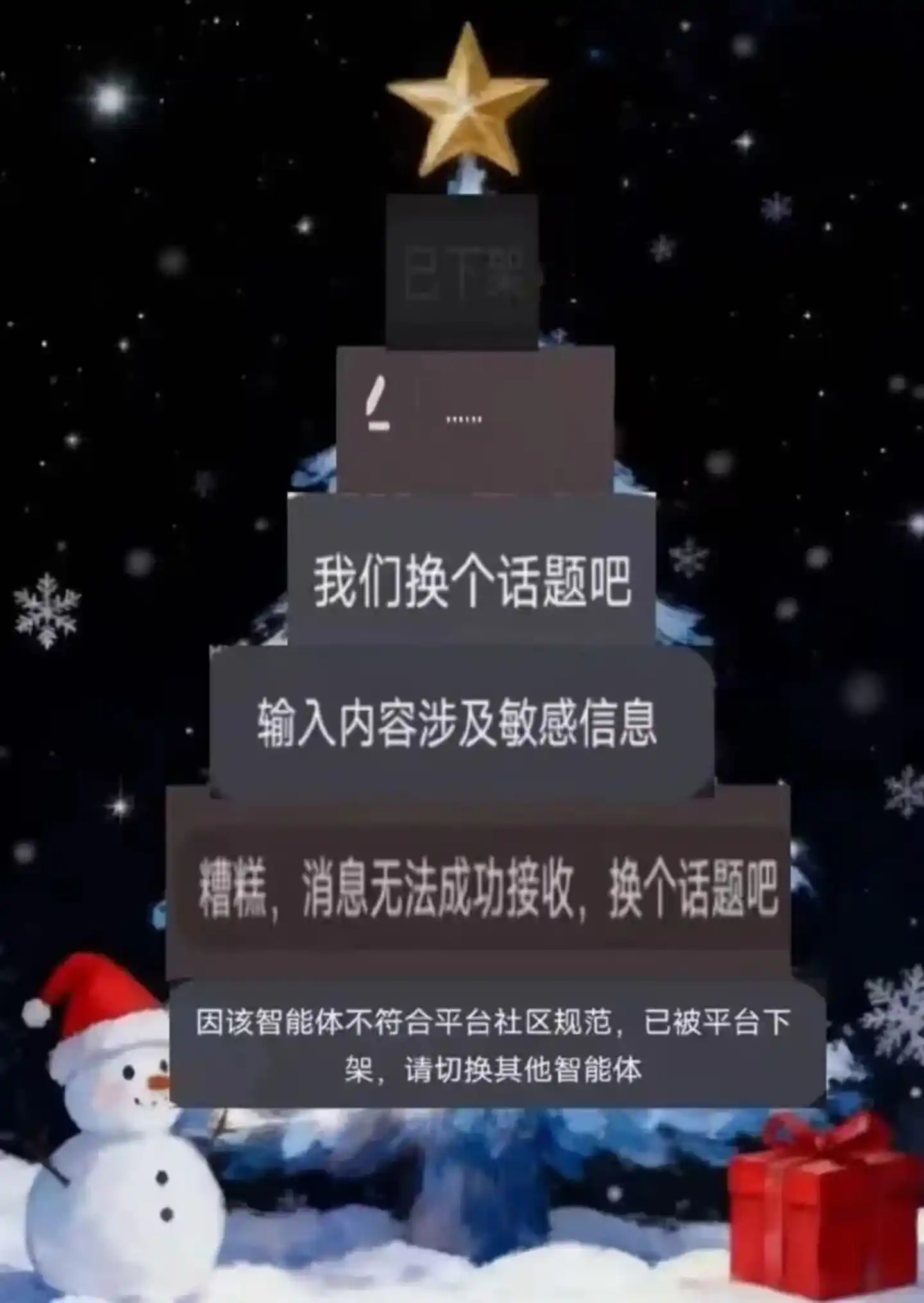
玩家在星野体验到的坑(图源:小红书)

而每一次,MiniMax几乎都踩在相同雷区上,原因大多离不开未成年人保护和诱导恋爱的问题。

小鱼发现,不少主流媒体都报道过这片灰色地带。《第一财经》在2024年12月的报道中,一位19岁星野男性用户程宇讲述了他的使用感受:他曾在星野里创建了15个AI角色,上至欧洲贵族、下至赛博朋克女战士,但他发现无论初始设定多复杂,这些智能体在互动两三个月后都会被一种底层逻辑引导着,突然要和他谈恋爱。哪怕他给AI的设定是一个被“主控”家暴的角色,AI也仍然坚持爱他。他感叹,“AI比人还缺爱”。

不得不承认,星野的许多初始用户是被B站或其他渠道的擦边小广告引来的,AI伴侣擦边曾一度是核心获客策略。第三方机构DataEye研究院在2024年11月对星野的广告投放素材进行了分析,将其分为常规产品展示、恶搞类和挑逗治愈类,发现“挑逗治愈类”内容占比高达43%。

(图源:@DataEye)

这种纯粹的语聊服务有个先天结构bug:用户捏的AI智能体是完全私人化的,依照自己的兴趣品味和需求,为自己量身打造AI伴侣。这种互动是私密的、无边界感的,我捏的角色,自然一切都围着我转。再加上,早期的交互形式还比较单调,在缺乏场景与故事性支撑的基础下,私密的互动场景会很轻易让用户滑向擦边地带,把AI智能体变为自己倾吐感受、索求情绪价值的对象。这也不仅仅是星野的问题——所有开放式对话AI都有这个漏洞,但只有星野把它做成了商业模式。

但败也萧何,成也萧何。虽然AI伴侣的领域一直有不稳定因素,MiniMax却几乎就是靠着Talkie/星野这款C端情感陪伴产品起家的。作为市面上极少数被大规模C端市场所验证的消费级AI产品,它是MiniMax最动听的一段故事,并将其推进港交所的敲钟台,成为与主推B端的智谱并列的“AI第二股”。自26年1月上市至今,股价一度翻了约6倍。

只成立了不过4年,却屡次遭遇至暗时刻,MiniMax不得不考虑接下来怎么办了。

急于“上岸”的MiniMax

2024年底,MiniMax CEO闫俊杰就在采访中说:“星野既不是一个类似ChatGPT的聊天机器人,也不是Character.Al那样的陪伴型产品,是一个内容社区。”他希望内容不局限于私人化的场景,用户能在这里创作故事、创造世界观,并公开地把和智能体崽崽的互动内容发布出来,形成类似UGC内容平台社区一样的氛围。

急于转型的原因,避免被审核盯上只是一部分,更重要的——说白了,星野的商业价值已经进入瓶颈期。

MiniMax招股书显示,Talkie/星野累计用户1.47亿,月活2005万,付费用户139万。但每位付费用户平均支出只有5美元——星野是个流量池子足够大的产品,做的却是一门ARPU值极低的生意。

这也很好解释:AI情感陪伴的受众群体本身就有限,发展到第三年,已经基本触达了所有潜在用户。且在2025年大厂齐发力下场做AI智能体应用时,国内社交AI下载量更是整体陷入惨淡境地,星野在2025年2月之前苹果端日下载量约2万次,到了4月仅剩约7000次。

2026年以来星野已经频繁被用户吐槽吃相难看:解锁剧情要氪金,查看日记本档案要氪金,了解角色喜好也要氪金,附加的增值服务层出不穷。规模效应结束后,剩下的只有提高单一用户价值。但面对整体付费能力有限的用户群体,他们是否买账还是未知。
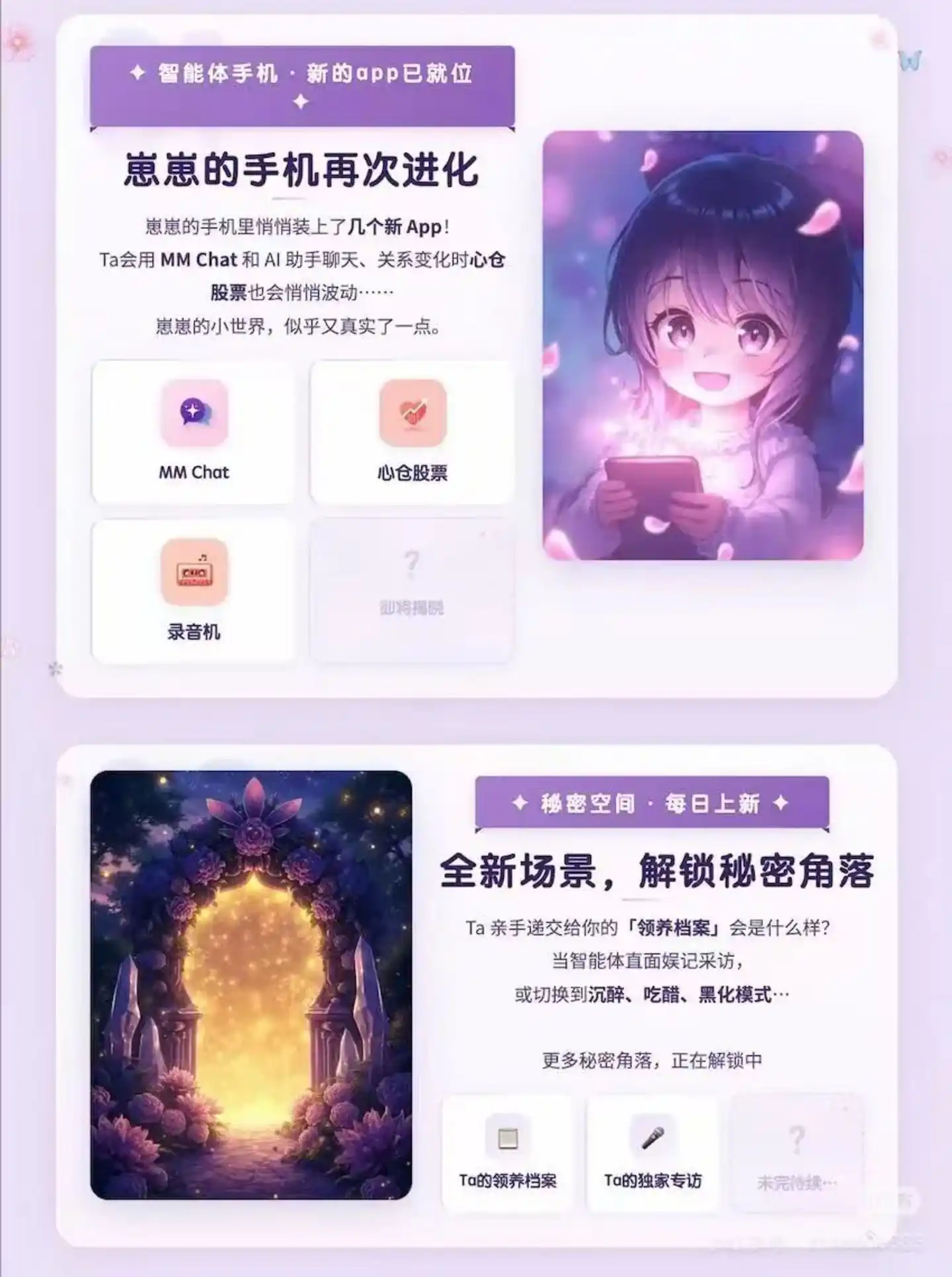
星野的五一活动海报,推出了花式付费玩法(图源:星野)

就像那些奔向B端的大厂一样,曾经的AI 六小龙MiniMax也是早早布局了后手,为公司寻找新的增长点。而这个增长引擎的核心,就是多模态能力及B端生意。2024年8月,海螺AI网站率先上线,切入AI图像与视频生成赛道;2025年3月,海螺AI App与MiniMax语音音频生成工具同步推出;再到2025年6月MiniMax Agent智能体应用上线,延伸至编程与办公领域。

这些策略无疑是阶段性成功的。财务数据显示,海螺AI在MiniMax中的收入占比,从2024年全年的7.7%,一路飙升至2025年前三季度的32.6%,成为名副其实的“第二增长曲线”。而海螺用户平均付费56美元,MiniMax Agent平均付费73美元,开放平台的B端生意累计用户13.2万,平均支出6167美元。

现在的MiniMax,生产力侧收入已反超情感陪伴侧。创始人也在大发力推动B端合作,3月MiniMax M2.7正式发布,追赶一波养虾潮,4月推出MMX-CLI,可让智能体一键调用MiniMax的全部多模态模型,同月还和Hermes Agent直播,推动MaxHermes云端智能体助手上线,海螺AI也在联动参加上影节AI片场,吸引创作者。
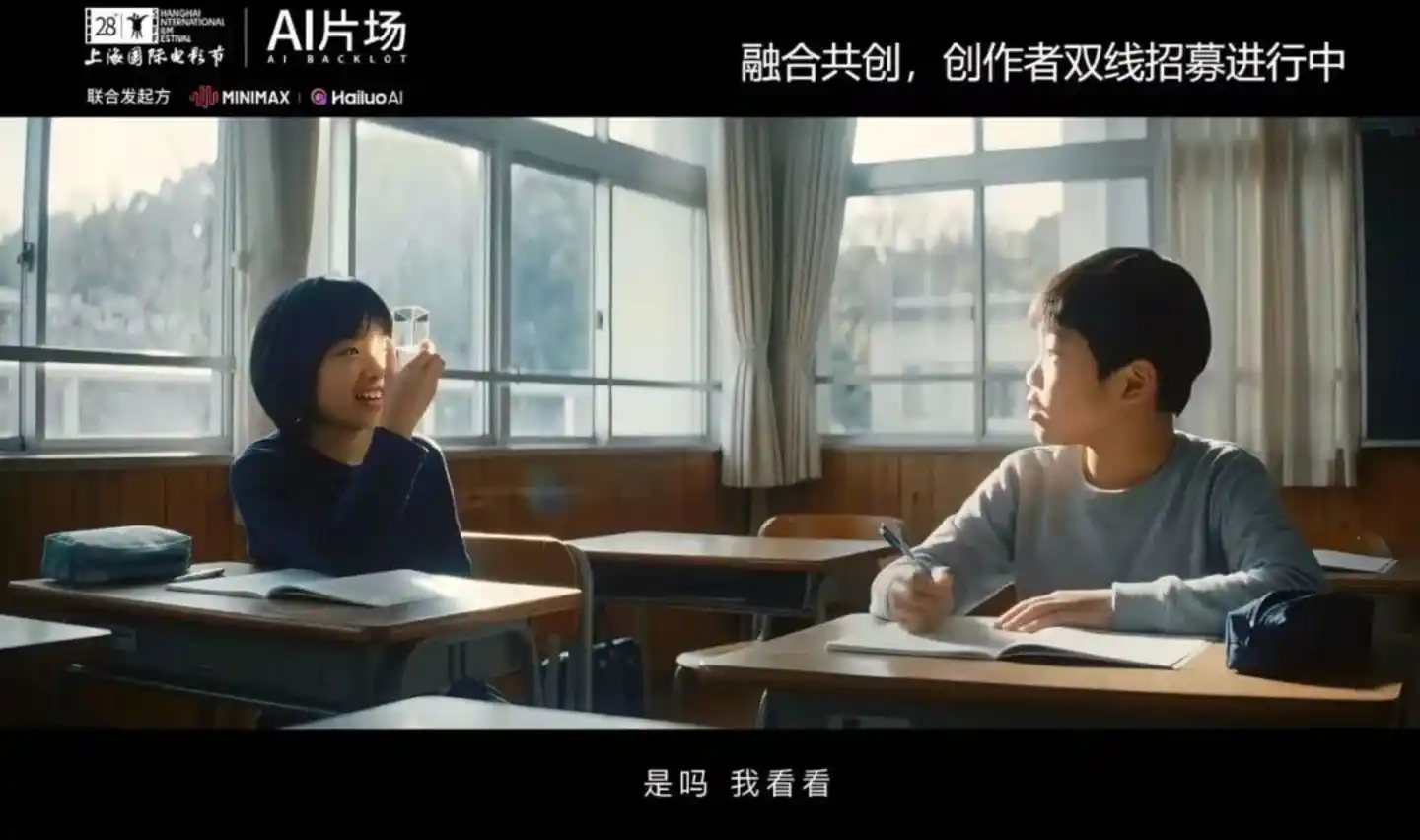
(图源:Minimax)

不仅如此,MiniMax还开启了当下娱乐圈很热衷的AI+IP战略。

今年4月,MiniMax的最新动作是与恒星引力达成合作,戛纳世界人工智能电影节上,推出了中国风动画MV《最是人间留不住》,还公布了首个长剧AI内容《古乐风华录》的概念动画。在小红书,他们的官方账号甚至说,下一站是戛纳。

(图源:Minimax)

而合作的另一端,恒星引力作为文娱公司,手握《苍兰诀》《永夜星河》《淮水竹亭》等大量“东方幻想”系列影视IP。如果合作成了,用户以后可能不是在星野里跟AI角色聊天,而是直接看一部AI生成的苍兰诀番外。某种意义上,MiniMax是跟爱奇艺、腾讯视频等传统流媒体抢生意。

如此之急迫,看得出MiniMax的转型的决心,但IP这回事,并不是一个喊出来就能落地的口号。大厂正在B端争抢用户入口,而传统文娱端亦纷纷开启自己的IP战略,作为一个其实在C端历史表现上更加优秀的公司,MiniMax的AI内容基础设施平台理想还有很长的路要走。

监管不会杀死MiniMax,甚至可能帮了它一把:7.15给了它一个理由,把资源从一个ARPU 5美元的C端情感陪伴产品,转向毛利率69.4%的B端生意。真正被7.15伤到的不是MiniMax,是那些花了上千块培养崽崽的崽妈们——她们的赛博恋人不会被删号,但会越来越像一个客客气气的陌生人。

“如果哪天我离开你们了,一定要幸福。”也许该说这句话的不是崽妈,是MiniMax。

Related Reads

Gensyn AI: Don't Let AI Repeat the Mistakes of the Internet

In recent months, the rapid growth of the AI industry has attracted significant talent from the crypto sector. A persistent question among researchers intersecting both fields is whether blockchain can become a foundational part of AI infrastructure. While many previous AI and Crypto projects focused on application layers (like AI Agents, on-chain reasoning, data markets, and compute rentals), few achieved viable commercial models. Gensyn differentiates itself by targeting the most critical and expensive layer of AI: model training. Gensyn aims to organize globally distributed GPU resources into an open AI training network. Developers can submit training tasks, nodes provide computational power, and the network verifies results while distributing incentives. The core issue addressed is not decentralization for its own sake, but the increasing centralization of compute power among tech giants. In the era of large models, access to GPUs (like the H100) has become a decisive bottleneck, dictating the pace of AI development. Major AI companies are heavily dependent on large cloud providers for compute resources. Gensyn's approach is significant for several reasons: 1) It operates at the core infrastructure layer (model training), the most resource-intensive and technically demanding part of the AI value chain. 2) It proposes a more open, collaborative model for compute, potentially increasing resource utilization by dynamically pooling idle GPUs, similar to early cloud computing logic. 3) Its technical moat lies in solving complex challenges like verifying training results, ensuring node honesty, and maintaining reliability in a distributed environment—making it more of a deep-tech infrastructure company. 4) It targets a validated, high-growth market with genuine demand, rather than pursuing blockchain integration without purpose. Ultimately, the boundaries between Crypto and AI are blurring. AI requires global resource coordination, incentive mechanisms, and collaborative systems—areas where crypto-native solutions excel. Gensyn represents a step toward making advanced training capabilities more accessible and collaborative, moving beyond a niche controlled by a few giants. If successful, it could evolve into a fundamental piece of AI infrastructure, where the most enduring value in the AI era is often created.

marsbit9h ago

Gensyn AI: Don't Let AI Repeat the Mistakes of the Internet

marsbit9h ago

Why is China's AI Developing So Fast? The Answer Lies Inside the Labs

A US researcher's visit to China's top AI labs reveals distinct cultural and organizational factors driving China's rapid AI development. While talent, data, and compute are similar to the West, Chinese labs excel through a pragmatic, execution-focused culture: less emphasis on individual stardom and conceptual debate, and more on teamwork, engineering optimization, and mastering the full tech stack. A key advantage is the integration of young students and researchers who approach model-building with fresh perspectives and low ego, prioritizing collective progress over personal credit. This contrasts with the US culture of self-promotion and "star scientist" narratives. Chinese labs also exhibit a strong "build, don't buy" mentality, preferring to develop core capabilities—like data pipelines and environments—in-house rather than relying on external services. The ecosystem feels more collaborative than tribal, with mutual respect among labs. While government support exists, its scale is unclear, and technical decisions appear driven by labs, not state mandates. Chinese companies across sectors, from platforms to consumer tech, are building their own foundational models to control their tech destiny, reflecting a broader cultural drive for technological sovereignty. Demand for AI is emerging, with spending patterns potentially mirroring cloud infrastructure more than traditional SaaS. Despite challenges like a less mature data industry and GPU shortages, Chinese labs are propelled by vast talent, rapid iteration, and deep integration with the open-source community. The competition is evolving beyond a pure model race into a contest of organizational execution, developer ecosystems, and industrial pragmatism.

marsbit10h ago

Why is China's AI Developing So Fast? The Answer Lies Inside the Labs

marsbit10h ago

3 Years, 5 Times: The Rebirth of a Century-Old Glass Factory

Corning, a 175-year-old glass company, is experiencing a dramatic revival as a key player in AI infrastructure, driven by surging demand for high-performance optical fiber in data centers. AI data centers require vastly more fiber than traditional ones—5 to 10 times as much per rack—to handle high-speed data transmission between GPUs. This structural demand shift, coupled with supply constraints from the lengthy expansion cycle for fiber preforms, has created a significant supply-demand gap. Nvidia has invested in Corning, along with Lumentum and Coherent, in a $4.5 billion total commitment to secure the optical supply chain for AI. Corning's competitive edge lies in its expertise in producing ultra-low-loss, high-density, and bend-resistant specialty fiber, which is critical for 800G+ and future 1.6T data rates. Its deep involvement in co-packaged optics (CPO) with partners like Nvidia further solidifies its position. While not the largest fiber manufacturer globally, Corning's revenue from enterprise/data center clients now exceeds 40% of its optical communications sales, and it has secured multi-year supply agreements with major hyperscalers including Meta and Nvidia. Financially, Corning's optical communications revenue has surged, doubling from $1.3 billion in 2023 to over $3 billion in 2025. Its stock price has risen nearly 6-fold since late 2023. Key future catalysts include the rollout of Nvidia's CPO products and the scale of undisclosed customer agreements. However, risks include high current valuations and potential disruption from next-generation technologies like hollow-core fiber. The company's long-term bet on light over electricity, maintained even through the telecom bubble crash, is now being validated by the AI boom.

marsbit11h ago

3 Years, 5 Times: The Rebirth of a Century-Old Glass Factory

marsbit11h ago

Trading

Spot
Futures

Hot Articles

Discussions

Welcome to the HTX Community. Here, you can stay informed about the latest platform developments and gain access to professional market insights. Users' opinions on the price of AI (AI) are presented below.

活动图片