Europe’s push gains pace
Share
- Share
- Tweet
-
ambcryptoPublished on 2025-12-27Last updated on 2025-12-27
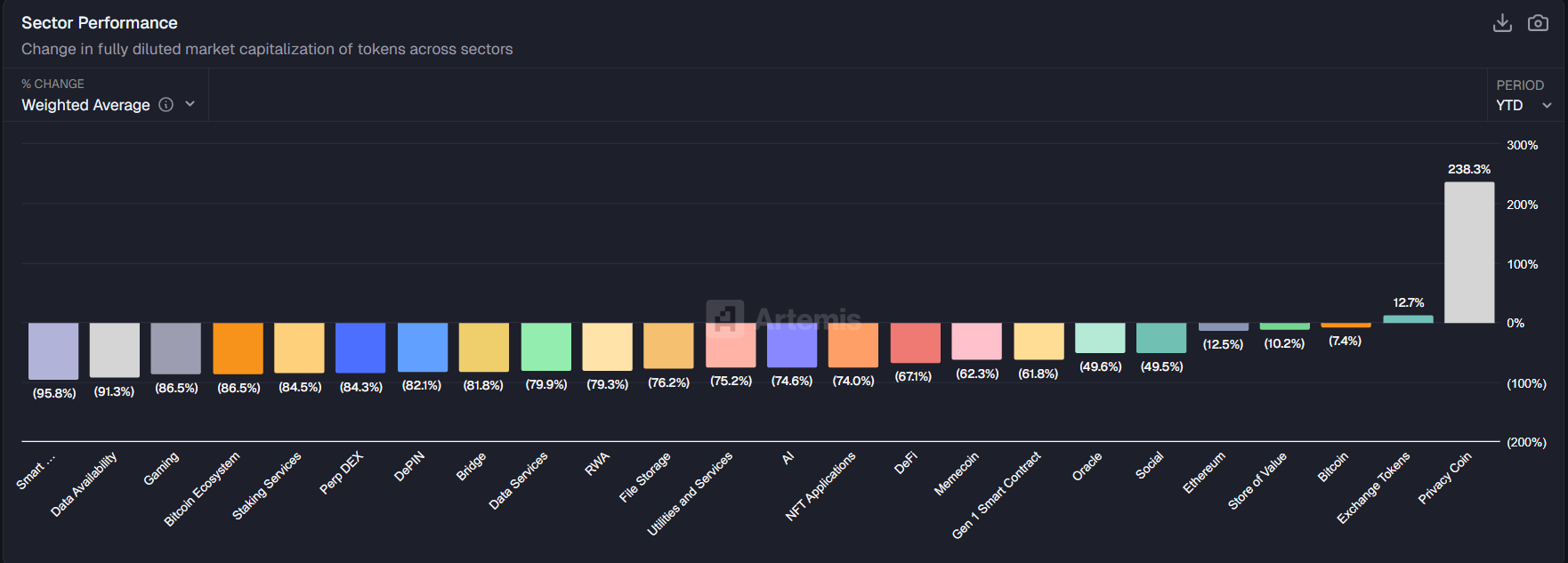
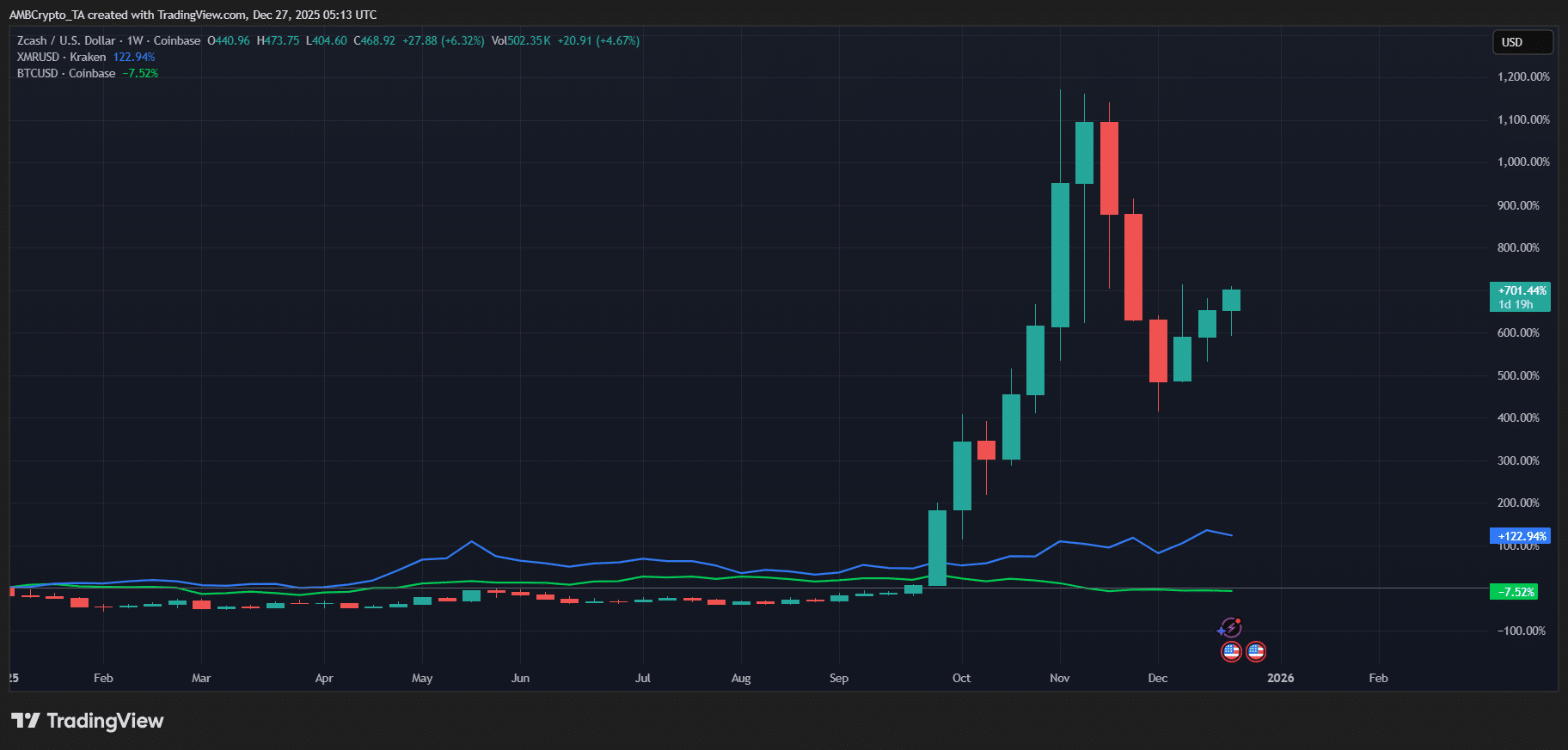
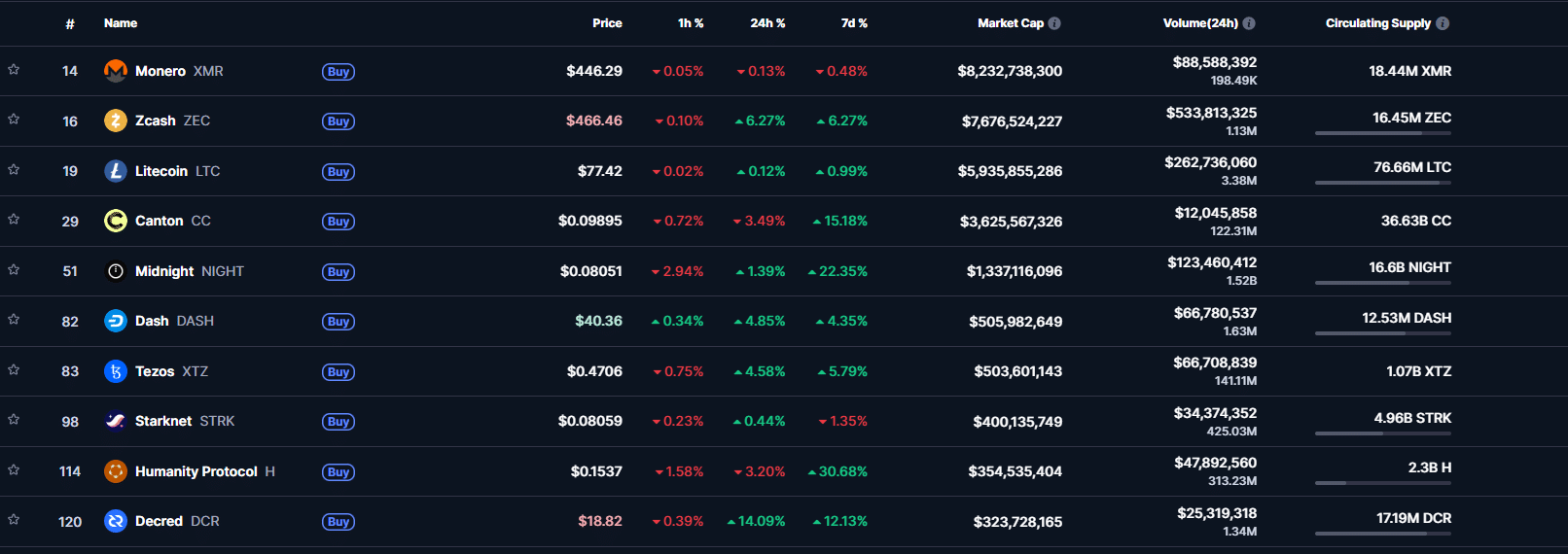
Ethereum co-founder Vitalik Buterin has criticized the European Union’s Digital Services Act (DSA), warning that it risks creating a digital environment with "no space" for controversial ideas or products. Buterin argues that the DSA’s approach to making platforms safer is flawed, as it may lead to excessive surveillance and enforcement rather than addressing the real issue—algorithmic amplification of extreme content. He advocates for a "Pirate Party approach" focused on user empowerment and pluralism. Amid tightening regulations, privacy coins like Zcash and Monero have become the best-performing crypto sector in 2025, with Zcash surging over 700% as investors seek assets that preserve financial autonomy. This trend coincides with the EU’s enforcement of MiCA and other strict crypto regulations, which have increased scrutiny on stablecoins, anti-money laundering measures, and operational risks. Buterin’s comments reflect broader concerns that restrictive policies may inadvertently fuel demand for privacy-focused tools, as seen in earlier bans on privacy coins in Japan and U.S. sanctions on Tornado Cash. The ongoing regulatory clampdown in Europe appears to be driving capital toward cryptographic assets designed to uphold user privacy and freedom.
QWhat is Vitalik Buterin's main criticism of the European Union's Digital Services Act (DSA)?
AVitalik Buterin argues that the DSA risks creating a digital environment with 'no space' for controversial ideas or products, warning that it could lead to excessive surveillance and enforcement instead of addressing the real issue of algorithms amplifying extreme content.
QWhy are privacy coins performing exceptionally well in 2025 according to the article?
APrivacy coins are the best-performing crypto sector in 2025 because as regulations like MiCA and the DSA tighten control, capital is rotating toward assets designed to preserve user autonomy and privacy.
QHow does Buterin suggest the European Union should approach digital regulation instead of the DSA?
AButerin advocates for a 'Pirate Party approach of user empowerment,' which emphasizes pluralism and resists unbalanced attempts to manipulate discourse, rather than erasing controversial ideas entirely.
QWhat specific examples of privacy coin performance are highlighted in the article?
AZcash (ZEC) surged over 700% during a period when Bitcoin struggled to advance, while Monero (XMR) also held its ground with significantly less downside volatility.
QHow has regulatory action in Europe and the U.S. influenced the focus on privacy coins?
AU.S. sanctions on Tornado Cash and EU enforcement of MiCA and DSA have made compliance harder for exchanges, leading to delistings of privacy coins—yet this has increased interest and investment in privacy-focused cryptocurrencies as users seek alternatives.
As a major evolution of Ethereum’s account system, AA is designed to address the fundamental security and experience bottlenecks of the “private key equals account” model in the EOA era.
3.3k Total ViewsPublished 2025.12.18Updated 2025.12.18

The privacy + payments narrative has been the primary catalyst driving rotation and substantial price gains in privacy coins such as DASH and XMR.
16.3k Total ViewsPublished 2026.01.20Updated 2026.01.20

ADA's Ouroboros Leios mainnet is expected to launch in 2026, and the hard fork to Protocol Version 11 is planned for Q1 2026.
40.0k Total ViewsPublished 2026.02.10Updated 2026.02.12