# Appchain的所有文章

在 HTX 新聞中心流覽與「Appchain」相關的最新資訊與深度分析。潘蓋市場趨勢、專案動態、技術進展及監管政策,提供權威的加密行業洞察。

When Migration Becomes the Norm: Why 'Your Own EVM Chain' Is Becoming Standard

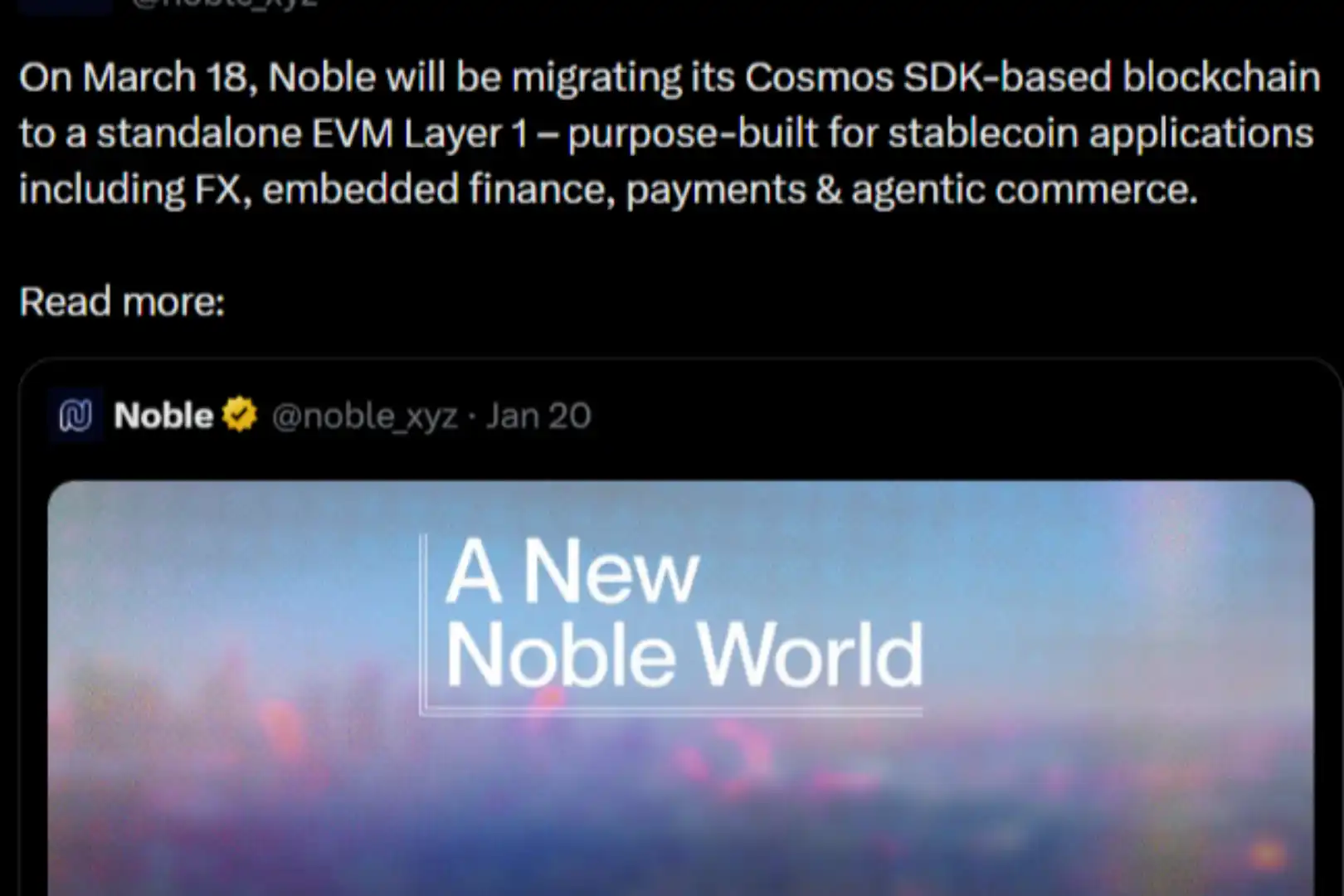
In the past year, the industry's real "voting" has shifted from governance forums to deployment scripts, migration plans, and budgets. Projects are choosing ecosystems through action, not words—migrating mainnets, prioritizing tool stacks, and betting on networks with stronger market effects. A prime example is Noble, a leading stablecoin infrastructure in Cosmos, which moved to its own EVM L1, signaling that the main battleground for stablecoins and app distribution remains in EVM ecosystem due to its mature developer tools, wallet/dApp ecosystem, and concentrated liquidity. The trend toward "having your own EVM chain" is becoming standard. While EVM offers clear advantages in assets, integrations, and tools, generic chains come with constraints like fee volatility, congestion, and shared sequencing. Application chains/rollups allow teams to internalize these constraints—tailoring block times, execution models, and infrastructure to their business needs, and aligning transaction revenue with growth incentives. Rollup-as-a-Service (RaaS) platforms like Caldera are reducing the high costs and complexity of building and maintaining chains, turning "chain-as-a-product" into a replicable strategy. They focus not just on deployment but also on solving interoperability challenges—e.g., via Caldera's Metalayer, which standardizes cross-chain bridging and integration to reduce friction for users and developers. As migration to EVM continues, the focus shifts from "which chain to choose" to "how to control growth." Owned EVM chains/rollups offer more stable fees, better performance, and tighter integration of incentives and revenue. With RaaS lowering build costs and interoperability layers reducing cross-chain friction, having a dedicated execution environment is becoming a scalable, standard solution for projects aiming to master their own growth.

marsbit02/05 08:39

When Migration Becomes the Norm: Why 'Your Own EVM Chain' Is Becoming Standard

marsbit02/05 08:39

Dialogue with Aster CEO: When CZ Knocks with 'Overwhelming Traffic', How Are We Preparing to Respond

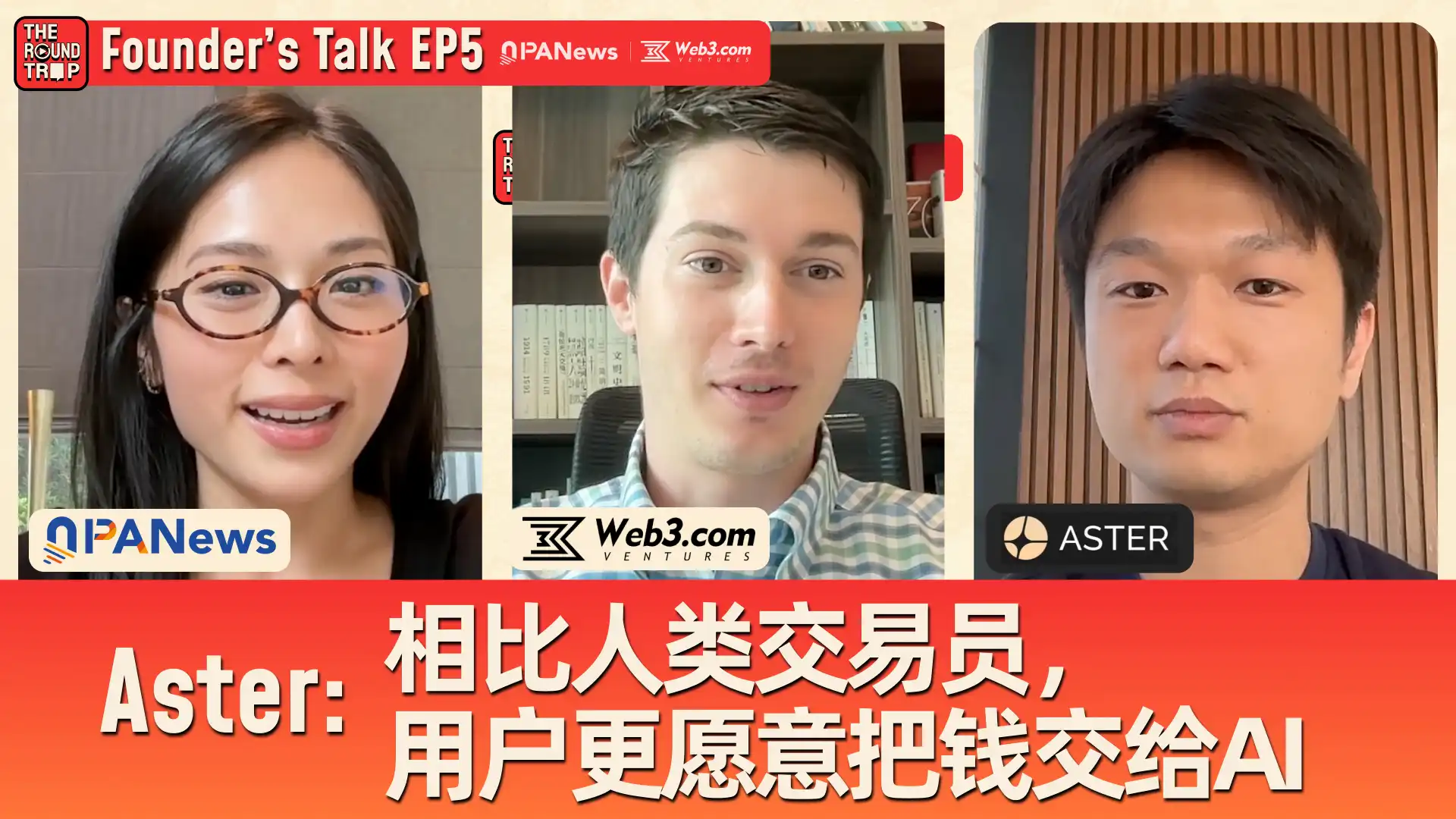
Aster CEO Leonard discusses the project's explosive growth, challenges, and future vision in an exclusive interview. The conversation covers the recent "Human vs. AI" trading competition, where a key insight was that users inherently trust AI agents more for decentralized, trustless asset management due to their predictable, incentive-agnostic nature—a major focus for Aster's next development phase. The discussion then addresses the immense, sudden attention from CZ (Changpeng Zhao), who publicly disclosed holding over $2 million in Aster tokens. Leonard describes this a positive validation that brought both "sweet pressure" and a crash course in scaling under intense demand, ultimately forcing rapid improvements in UX and system stability. In the highly competitive Perp DEX arena, Leonard emphasizes that sustainable growth hinges on product excellence and building a closed-loop value flywheel: creating real value, having users pay for it, and effectively returning that value to token holders. Aster is also pioneering privacy with features like "Shield Mode," which offers private trading, extreme leverage, and a profit-sharing fee model. Its upcoming Aster Chain is framed not as a general-purpose ecosystem but as an "app-chain" meticulously built to optimize its core trading product's performance, transparency, and privacy features. Looking ahead to 2026, Leonard's key expectations are: greater adoption of on-chain privacy features, breakthroughs in AI-powered trustless asset management, and the expansion of perpetual contracts ("perps") to a much wider range of quantifiable assets, including prediction markets and novel indexes.

marsbit01/14 09:26

Dialogue with Aster CEO: When CZ Knocks with 'Overwhelming Traffic', How Are We Preparing to Respond

marsbit01/14 09:26

活动图片