Is South Korea set to get its own KRW-pegged stablecoin soon?

ambcrypto發佈於 2026-03-28更新於 2026-03-28

文章摘要

South Korea is moving closer to potentially launching its own KRW-pegged stablecoin, driven by its large and active retail crypto market. With over 18 million citizens already participating in crypto trading, the market is fast-moving and retail-focused, at times rivalling traditional equity markets. However, inefficiencies like the "Kimchi Premium"—where crypto assets trade at higher prices on local exchanges—highlight strong local demand and limited capital flow flexibility. A KRW-backed stablecoin could reduce reliance on USD-based stablecoins, improve liquidity in KRW trading pairs, enable faster settlement, and leverage existing market support from large players on Korean exchanges. Despite the potential benefits, regulatory hurdles remain a significant challenge.

South Korea could be closer than expected to launching its own stablecoin! With chatter around a KRW-backed token picking up, the country is becoming one of the most closely watched markets.

Here’s why.

South Korea – One of the world’s biggest retail markets

With over 18 million citizens already participating, South Korean crypto trading is fast-moving and retail-centric. At multiple points, their activity has rivalled traditional equity markets!
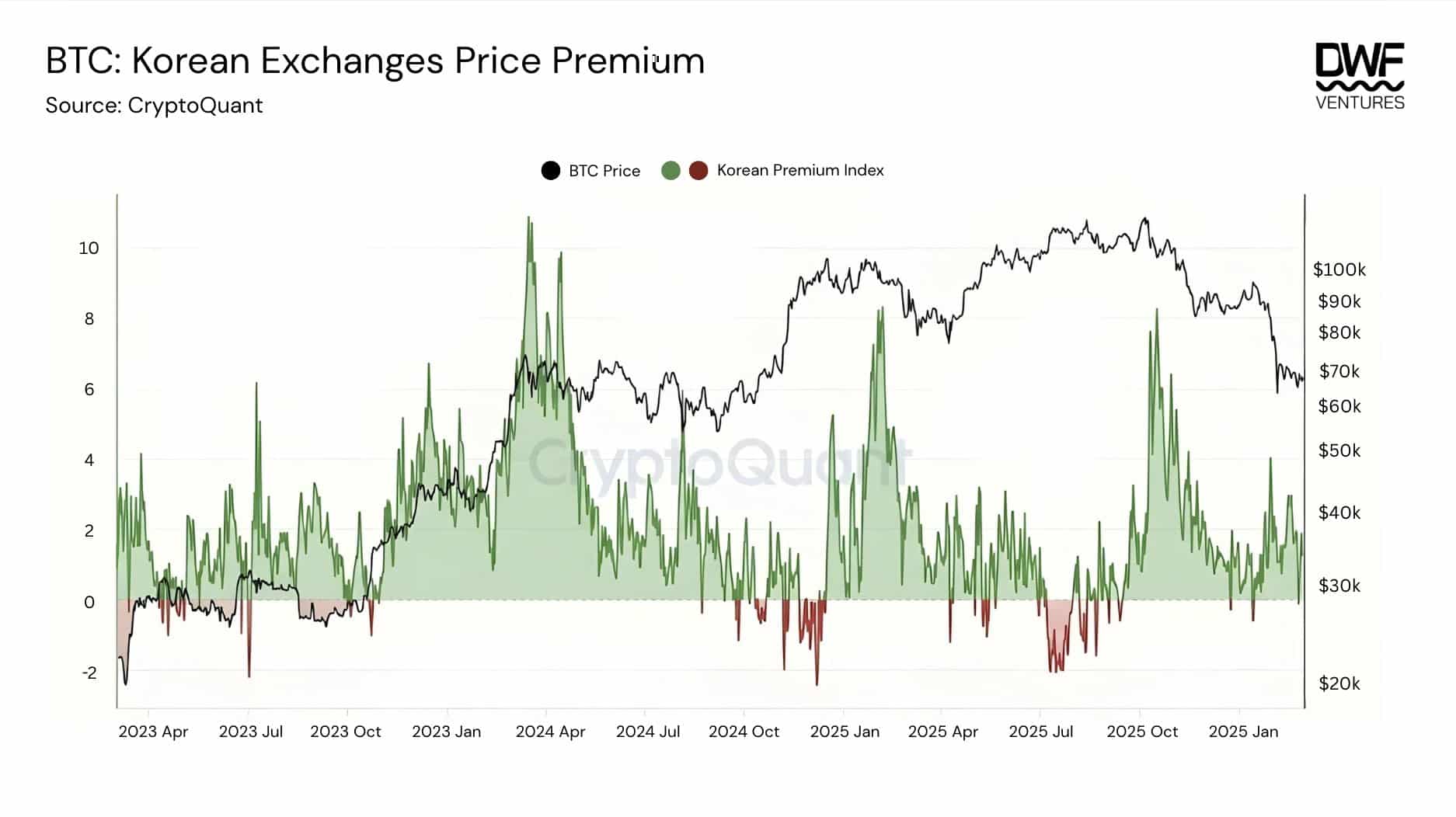
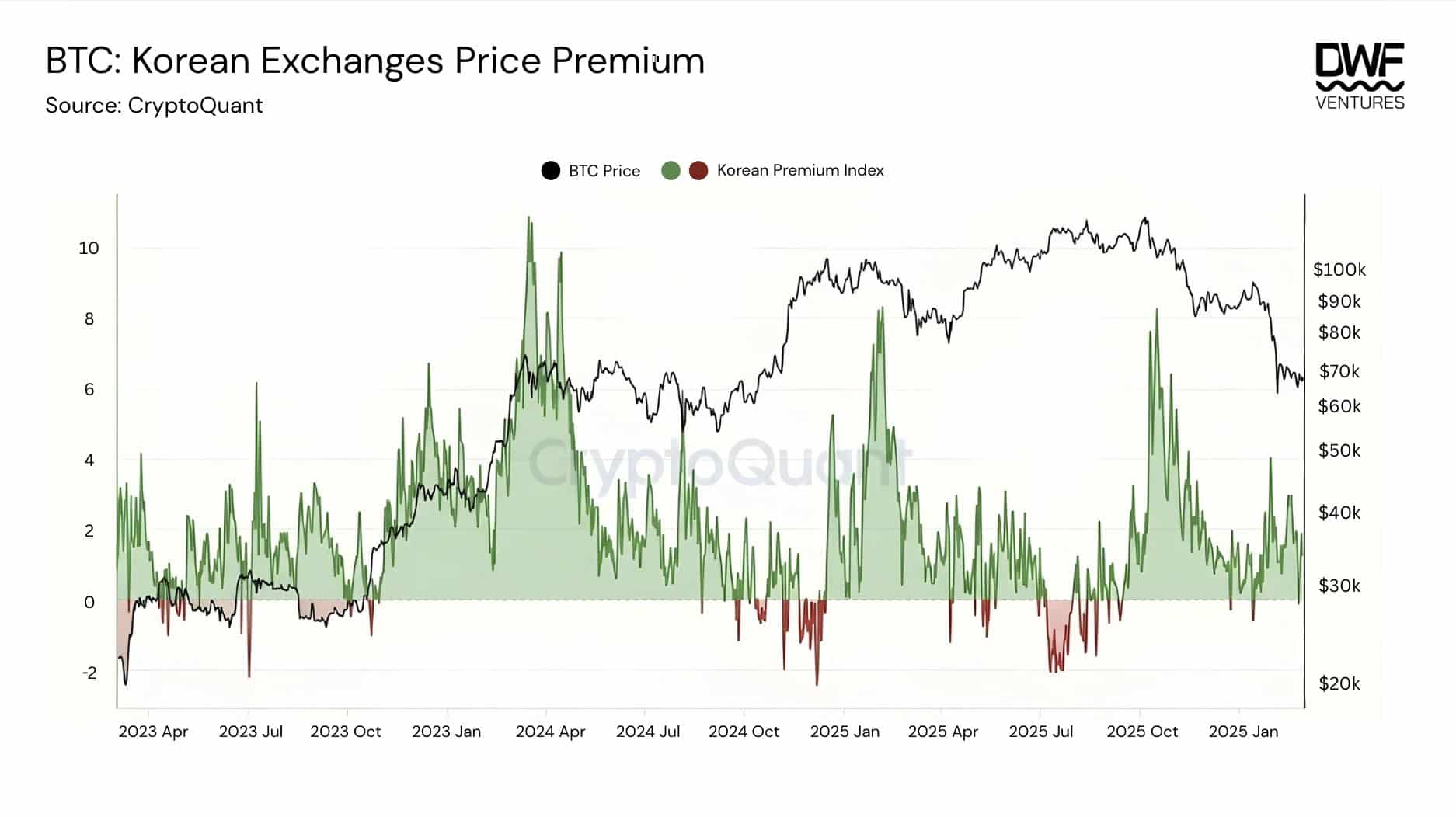
Source: DWF Ventures

However, this demand hasn’t always been efficient. The “Kimchi Premium,” where assets trade at higher prices on local exchanges, makes the gap between domestic and global markets clear. There’s both local demand and limited capital flow flexibility.

This is where a KRW stablecoin starts to make sense. A local alternative could reduce reliance on USD-based stablecoins and improve liquidity in KRW trading pairs. At the same time, it also helps achieve faster settlement.
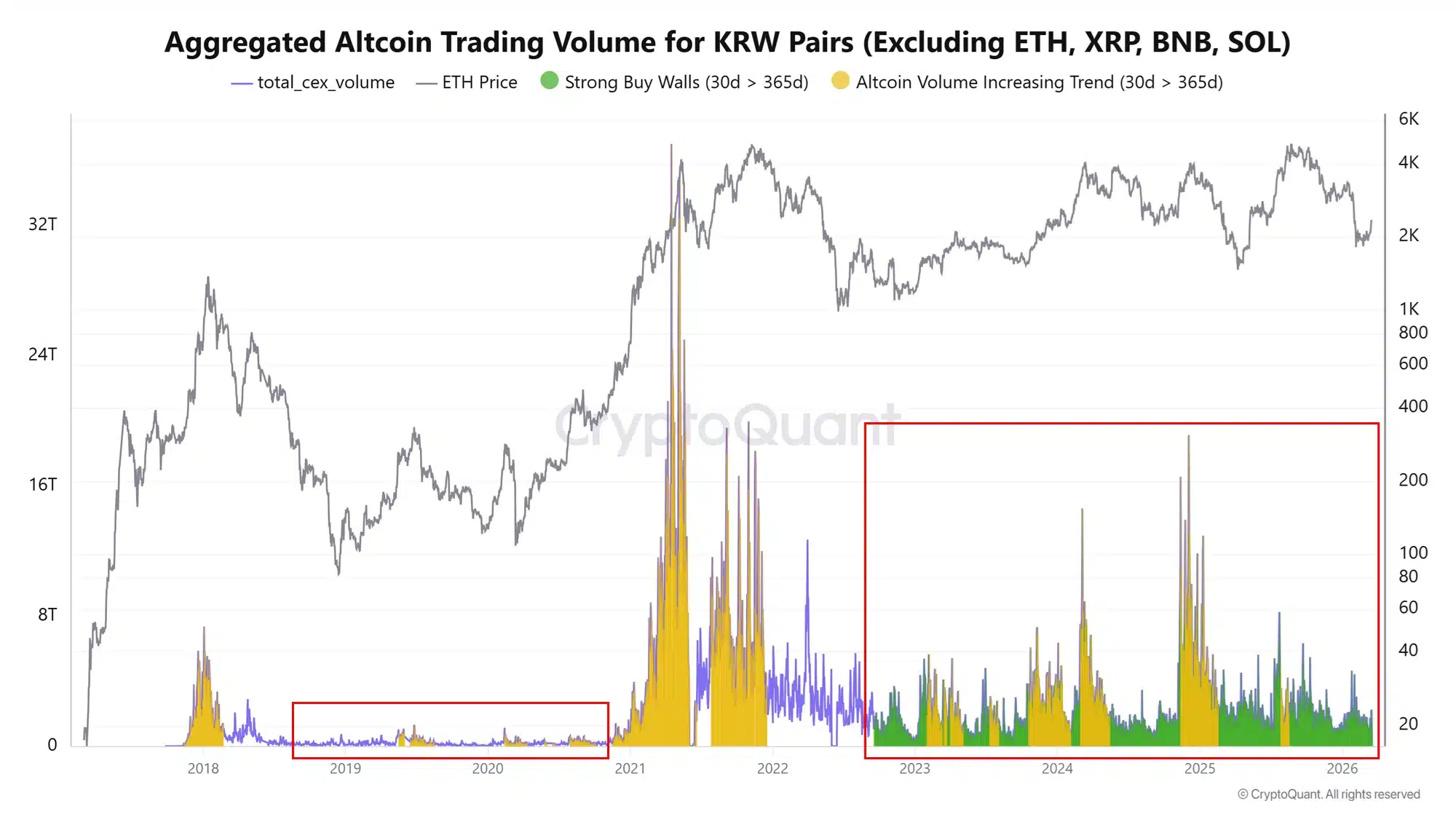
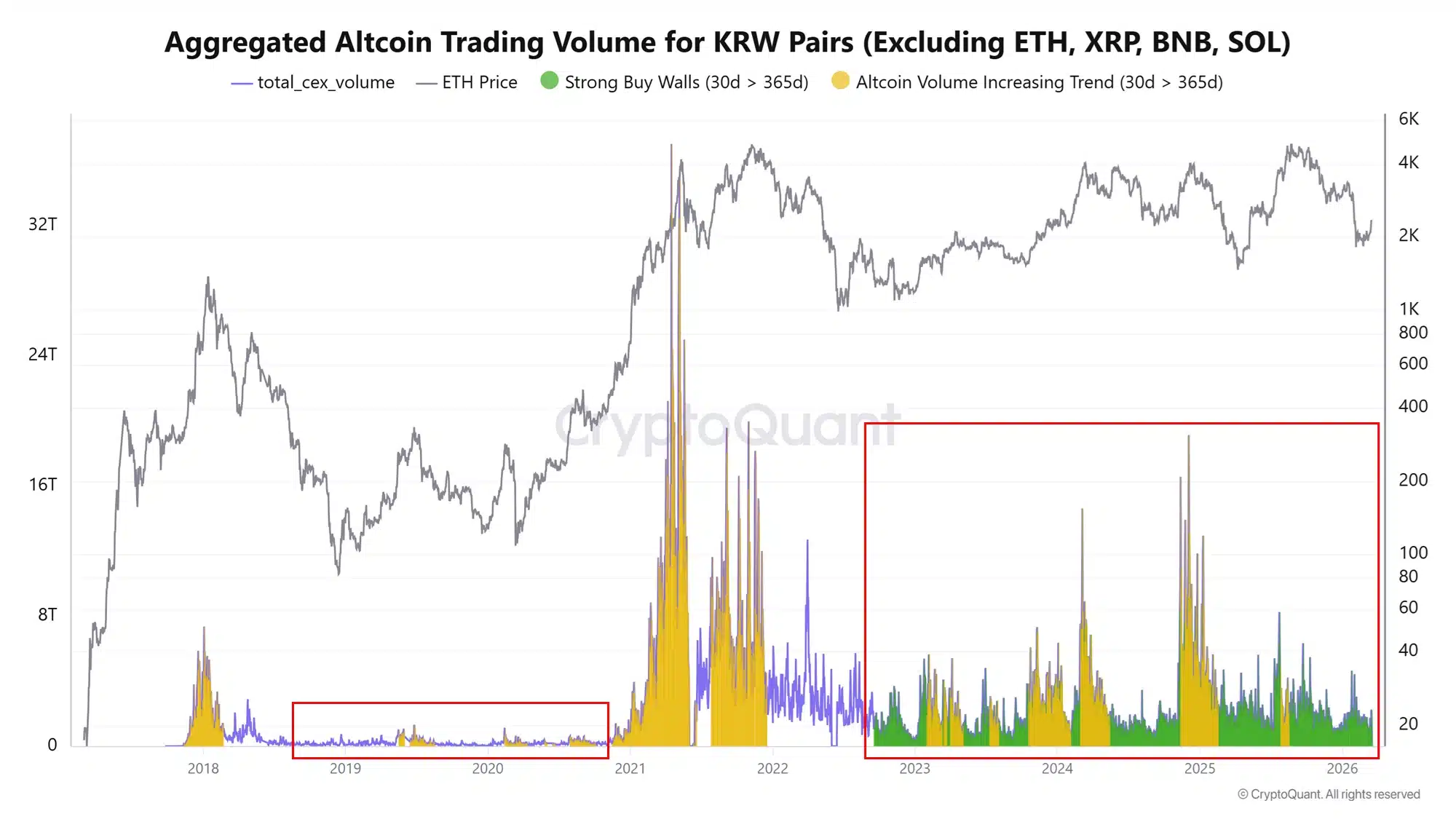
Source: Cryptoquant

And, here’s where it gets interesting; it’s not just the retail market. Large players on Korean exchanges have been absorbing sell-side pressure for years, creating a nice support wall that keeps liquidity intact.


Regulation is a hurdle

相關問答

QWhat is the main topic of the article regarding South Korea's financial market?

AThe article discusses the potential for South Korea to launch its own KRW-pegged stablecoin.

QWhy is South Korea considered a significant market for cryptocurrency trading?

ASouth Korea is one of the world's biggest retail markets for crypto, with over 18 million citizens participating in fast-moving, retail-centric trading.

QWhat is the 'Kimchi Premium' mentioned in the article?

AThe 'Kimchi Premium' refers to the phenomenon where crypto assets trade at higher prices on South Korean exchanges compared to global markets, highlighting local demand and limited capital flow flexibility.

QHow could a KRW-backed stablecoin benefit South Korea's crypto market?

AA KRW stablecoin could reduce reliance on USD-based stablecoins, improve liquidity in KRW trading pairs, and achieve faster settlement.

QWhat is identified as a major hurdle for the implementation of a KRW stablecoin in South Korea?

ARegulation is mentioned as a hurdle for the implementation of a KRW stablecoin in South Korea.

你可能也喜歡

比特币提现仍在继续:Coldcard冷钱包8年存储终成空

硬件钱包Coldcard遭黑客攻击,导致大量资金从易受攻击设备中被持续转出。据Galaxy Research数据,截至2026年8月2日,已有4585个地址被盗,损失总额达1367.05 BTC(约合8860万美元),远超7月30日最初报告的594.5 BTC。大部分被盗资金仍停留在攻击者地址。 问题根源并非固件,而是设备生成的种子短语存在漏洞。2021年3月起,因程序员错误集成libNgU库,设备从使用STM32硬件随机数生成器转为使用软件生成器Yasmarang,该生成器由公开可获取的芯片序列号和计时器状态初始化,导致生成的种子短语可在离线状态下被暴力破解。即使固件后续已更新,只要用户未将资金转移至基于新种子短语生成的新地址,旧钱包就始终处于风险中。 受影响的设备包括特定固件版本的Mk2/Mk3、Mk4/Mk5及Q系列。仅当种子短语是通过至少50次独立掷骰子或强唯一性BIP-39密码短语创建时方可幸免。官方建议受影响用户立即在已修复的固件上生成新种子短语并转移资产。 报道提及一位39岁投资者的案例,他因该漏洞损失了2 BTC(约13万美元)。他多年来通过体力劳动积攒比特币,将其视为在制裁和高通胀国家中的财务保障与提前退休的途径。此次事件使他的长期持有策略和“冷存储”信心遭受重击,他因此决定彻底退出加密货币领域。 从历史数据看,随机数生成器缺陷并非首例,类似问题曾导致巨额损失。此次事件警示,即使离线存储也未必绝对安全,其安全性高度依赖于底层硬件和算法的可靠性。

cryptonews.ru4 小時前

比特币提现仍在继续:Coldcard冷钱包8年存储终成空

cryptonews.ru4 小時前

交易

現貨
活动图片




