Elizabeth Warren Presses OCC Over UAE Stake in World Liberty Application

TheNewsCrypto發佈於 2026-02-27更新於 2026-02-27

文章摘要

In a Senate Banking Committee hearing, Senator Elizabeth Warren questioned OCC Comptroller Jonathan Gould about the bank charter application for World Liberty, a company linked to former President Donald Trump. Warren raised concerns over a recent report alleging a UAE official secretly acquired a 49% stake in the company, which would require full disclosure under OCC rules. She argued that undisclosed foreign ownership poses national security and conflict of interest risks and could undermine public trust in financial regulations. Gould declined to discuss specific applications but assured that standard regulatory procedures would be followed. Warren requested access to unredacted documents for verification and insisted the application should be rejected if foreign ownership was not properly disclosed.

Senator Elizabeth Warren has questioned the head of the Office of the Comptroller of the Currency (OCC) in the Senate Banking Committee hearing about the bank charter application, which is linked to President Donald Trump’s World Liberty. The exchange mainly focuses on the proper disclosure of the company’s foreign ownership in its application to become a regulated U.S. bank.

Warren on UAE Stake’s

Warren referred to a recent report claiming that a UAE official secretly acquired a 49% stake in the World Liberty before the return of Trump. Under OCC rules, any shareholders holding 10% or more of the company applying for a bank charter must be fully disclosed. Warren asked the comptroller, Jonathan Gould, whether a large foreign stake was properly reported in the application.

Jonathan declined to discuss the details of any pending applications. He stated that the OCC would follow its normal regulatory procedures when reviewing the filing. Warren requested access to the unredacted application documents so the Senate Committee could verify compliance.

Warren argued that if the reported foreign ownership is not fully disclosed, then the application should be rejected. The senator raised national security and the conflict of interest concerns, saying that the foreign ownership of a U.S. bank tied to a sitting president could create a serious risk. She also warns that approving the charter without the proper transparency could damage the public trust in financial regulations.

Gould rejected the claims of political influence and maintained that the OCC would treat the application like any other. Lawmakers remain divided on how to regulate crypto companies seeking traditional banking licenses, particularly when foreign investors are involved.

Highlighted Crypto News:

MetaMask Card Goes Live in the U.S., Enabling Crypto Payments with On-Chain Rewards

TagsCryptocurrencyElizabeth Warren

相關問答

QWhat did Senator Elizabeth Warren question the head of the OCC about in the Senate Banking Committee hearing?

AShe questioned him about the bank charter application linked to President Donald Trump's World Liberty, specifically focusing on the proper disclosure of the company's foreign ownership.

QAccording to the report Warren cited, what stake did a UAE official secretly acquire in World Liberty?

AA UAE official secretly acquired a 49% stake in World Liberty before the return of Donald Trump.

QWhat is the OCC's rule regarding the disclosure of shareholders in a bank charter application?

AOCC rules require that any shareholders holding 10% or more of the company applying for a bank charter must be fully disclosed.

QWhat two main concerns did Senator Warren raise regarding the undisclosed foreign stake?

AShe raised concerns about national security and the potential for a conflict of interest, stating that foreign ownership of a U.S. bank tied to a sitting president could create a serious risk.

QHow did Comptroller Jonathan Gould respond to Warren's request for details and her concerns about political influence?

AHe declined to discuss the details of any pending applications, stated the OCC would follow its normal regulatory procedures, and rejected the claims of political influence, maintaining the application would be treated like any other.

你可能也喜歡

助记词:12个词,介于你与失去一切之间的鸿沟

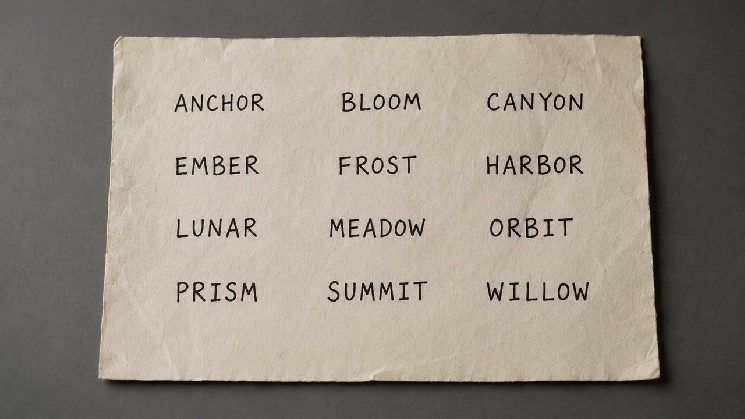
种子短语,通常由12或24个标准字典中的单词组成,并非打开远程资金账户的登录凭证,它本身就是数字钱包的数学体现。通过BIP39标准算法,这些单词可转换为主私钥,并派生出所有关联的比特币地址。没有备份数据库或客服能帮助恢复它,谁掌握了这些词,谁就完全控制了所有资产。 一月的盗窃案正是因此发生,并非利用技术漏洞,而是通过社会工程学手段——诱骗受害者在错误位置输入了12个单词。随后,约1.39亿美元比特币和1.53亿美元莱特币在几分钟内被转移和转换。监控团队虽成功冻结了部分资金,但这凸显了种子短语一旦泄露,资金极难追回。 12个单词提供了约128位的巨大熵值,其组合数天文数字,暴力破解在现实中不可能。真正的风险在于信息泄露:如果部分单词通过照片、云备份或诈骗手段泄露,安全性的衰减并非线性,而是呈断崖式下降。例如,已知7个单词,破解时间会从已知6个单词的千年量级骤降至不足一年。 BIP39中的校验和功能主要用于检测输入错误,防止因笔误导致创建出空钱包,而非防御恶意攻击。 与备受瞩目的数亿美元盗窃案相比,更大量、更悄无声息的损失源于人们自行丢失访问权限。据估计,高达23%已挖出的比特币因忘记短语、备份损毁或持有人离世而无继承人等原因永久丢失。这揭示了种子短语的本质:它不是可重置的密码,而是资产所有权的唯一且不可恢复的终极证明。记录错误会安全地失效,部分泄露会导致安全性崩溃,而完全丢失则意味着背后的比特币对任何人而言都不复存在。

cryptonews.ru13 分鐘前

助记词:12个词,介于你与失去一切之间的鸿沟

cryptonews.ru13 分鐘前

交易

現貨
活动图片